

You water. You feed. You even whisper sweet nothings when no one’s looking. But the plant still looks… off. Leaves drooping, growth stalled, maybe the whole thing just feels stuck.
Before you reach for fertilizer or blame the weather, check the roots. Because when a plant outgrows its pot — or the space it was planted in — it doesn’t throw a tantrum. It just quietly suffers. And if you’ve never heard the word rootbound, now’s the time.
🌿 Key Takeaways
- 🌀 Rootbound = tangled roots with nowhere to go — common in potted plants and nursery buys.
- 👀 Look for slow growth, wilting despite watering, or roots poking out — these are early warning signs.
- ✂️ Fix it by loosening and trimming roots before replanting in a bigger pot or the ground.
- 🚫 Avoid harsh untangling or skipping watering after repotting — these shock plants the most.
- 📋 Some plants (like spider plants) are fine with it — others (like tomatoes) absolutely aren’t.
What Rootbound Actually Means
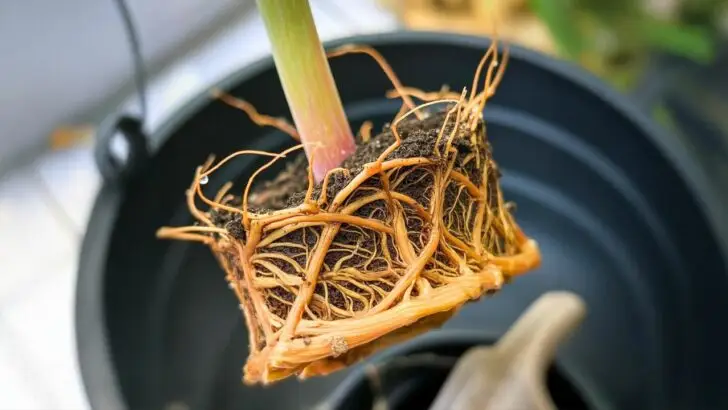
Picture this: your plant’s been living in the same pot for months. Maybe years. At first, it was cozy. But over time, the roots hit the edge, turned, and just kept circling. No fresh soil, no space to stretch. Just a tangled mess doing laps around the container walls.
That’s rootbound. It’s not just tight — it’s strangled. Roots wrap around themselves, choke off water and nutrients, and stop the plant from growing properly. Some even start pushing up out of the soil or sneaking through the drainage holes, looking for a way out.
It’s more common than you think, especially with nursery plants that have been sitting in pots too long. And if you’ve got houseplants in decorative pots with no drainage? Double trouble.
How to Spot It Without Unpotting
Not every plant needs a dramatic root reveal to tell you it’s struggling. Rootbound symptoms often show up in plain sight — if you know where to look. Start at the bottom: are roots poking out of the drainage holes? That’s a classic sign it’s run out of space.
Next, check the soil. Does water pool on top without soaking in? That could mean roots have compacted the pot so tightly there’s barely any soil left to absorb moisture. And if the plant dries out way too fast — like you watered yesterday and today it’s bone dry — it’s probably because there’s not enough room for proper water retention.
Still unsure? Gently tip the plant sideways. If it slides out in one dense clump and the roots are circling like spaghetti, you’ve got your answer. But even without that peek, the clues are usually there.
Why It Happens in Nurseries and Your Own Pots
Let’s not blame the nursery too quickly — but also, let’s totally blame the nursery a little. Commercial growers have to keep plants looking sellable for as long as possible, which often means leaving them in small pots longer than ideal. The result? Tight roots, circling patterns, and a plant that looks fine on top but is already plotting its escape underground.
At home, it’s easy to repeat the cycle. You buy a cute plant, stick it in the plastic pot it came in, and forget about it. Months pass. The leaves start yellowing. You water more. It droops anyway. Turns out, it’s not being dramatic — it just can’t breathe down there.
Even if you repot, going just one size up isn’t always enough. Fast growers need more space sooner than you think. And if you’ve reused the same container without checking the root ball? You may have unknowingly reset the clock on a rootbound repeat.
How to Fix a Rootbound Plant
Okay, you’ve confirmed it. Your plant’s roots are tangled like a plate of spaghetti. Now what?
First things first: don’t just yank and replant. That root mass needs a little intervention.
- Remove the pot. Gently slide the plant out. If it resists, squeeze the sides or tap the bottom. Don’t force it.
- Inspect the roots. Are they circling the pot’s shape? Is there a dense mat at the bottom? That’s the rootbound signature.
- Loosen things up. Use your fingers, a chopstick, or even a hose to tease the roots apart. It’s okay to break a few — just don’t shred the whole thing.
- Root prune if needed. If it’s really bad, take clean scissors and trim up to one-third of the root mass, especially those tightly circling roots. Think of it like a haircut before a vacation.
- Repot with purpose. Choose a pot 2–4 inches wider than the old one. Add fresh, quality potting mix. Settle the plant in, and fill around it gently. Water well.
Bonus tip: If your plant was in bloom before repotting, don’t panic if it pauses. It might sulk a bit, then reward you later.
What Not to Do with a Rootbound Plant
This is the part where most well-meaning gardeners mess things up. You’ve got your plant out, you see the roots, and the temptation kicks in — but pause right there.
- ❌ Don’t skip root loosening. Dropping a rootbound plant straight into a bigger pot without teasing the roots guarantees one thing: those roots will keep circling, never branching into new soil.
- ❌ Don’t go way too big with the new pot. One size up is good. Jumping from a 6-inch to a 14-inch pot can lead to soggy soil, root rot, and a whole new set of problems.
- ❌ Don’t overwater after repotting. Your plant is stressed. It doesn’t need a flood. Water thoroughly once, then let it settle before watering again based on soil moisture.
- ❌ Don’t fertilize right away. Fertilizer and stress don’t mix. Give it a couple of weeks to adjust before feeding again.
The biggest takeaway? Be gentle but firm. You’re helping the plant start over, not throwing it into shock therapy. Let those roots breathe and branch out on their own terms.
Rootbound Symptoms That Aren’t Obvious
Some plants scream when they’re rootbound. Others just sulk quietly. If you’re not seeing roots poking out or full-blown wilting, these subtle clues can still mean trouble:
- 🪴 Water runs straight through. If your potting mix seems to repel water or the water immediately drains out, it could be because the roots are taking up all the space — leaving little room for soil to retain moisture.
- 🌿 Growth stalls for no reason. The plant looks fine… but it’s not doing anything. No new leaves. No flowers. It’s just stuck. Rootbound plants can go into a holding pattern where nothing progresses.
- 🍂 Leaf drop after watering. If your plant suddenly drops leaves or shows stress after a normal watering, it might be because the rootball is compacted and can’t absorb moisture evenly.
- 🎨 Uneven coloring. New leaves might be smaller, paler, or show strange blotches. These aren’t always signs of pests — sometimes they’re signs the roots are exhausted and under pressure.
These signs often get misdiagnosed — especially in summer, when stress can come from heat, not just roots. But if your plant’s behavior feels off, checking the roots might explain everything.
Plants That Handle It Better (And Those That Hate It)
Not all plants react to rootbinding the same way. Some shrug it off like it’s no big deal. Others throw a fit the second their toes get cramped.
😌 Plants That Tolerate Being Rootbound
- Peace Lily – Actually prefers being snug in its pot; may bloom better when slightly rootbound.
- Spider Plant – Tough and adaptable, often keeps sending out babies even in tight quarters.
- Snake Plant – Thick roots like being close together; rarely complains until it cracks the pot.
- ZZ Plant – Practically invincible. It tolerates tight roots for years without drama.
😬 Plants That Hate Being Rootbound
- Tomatoes – Quickly decline when rootbound, especially in heat. Growth stalls, fruit production drops.
- Citrus Trees – Need room to stretch. Cramped roots lead to leaf drop and poor yields.
- Hydrangeas – These thirsty plants get grumpy fast when roots can’t access enough water.
- Ferns – Often dry out too fast in a packed pot. Fronds turn crispy seemingly overnight.
Knowing which plants can “suffer in silence” helps avoid surprises — and might even influence how you choose containers next season.
Set Your Roots Straight
If your plant’s been throwing off weird vibes lately — not growing, not blooming, just kind of… stuck — don’t take it personally. It’s not you. It’s the roots.
Rootbound plants aren’t being dramatic. They’re boxed in, tangled up, and quietly panicking under the surface. And while it looks like a watering issue or a lazy leaf situation, it’s really a cry for space.
The fix? Pretty simple: loosen, trim, repot, and resist the urge to flood or fertilize right away. Give the roots room, give the plant time, and it’ll bounce back stronger than ever.
Because in the end, a healthy root system is everything. Above the soil might be the show — but below it is where the real magic (and mess) happens.


Daniel has been a plant enthusiast for over 20 years. He owns hundreds of houseplants and prepares for the chili growing seasons yearly with great anticipation. His favorite plants are plant species in the Araceae family, such as Monstera, Philodendron, and Anthurium. He also loves gardening and is growing hot peppers, tomatoes, and many more vegetables.