

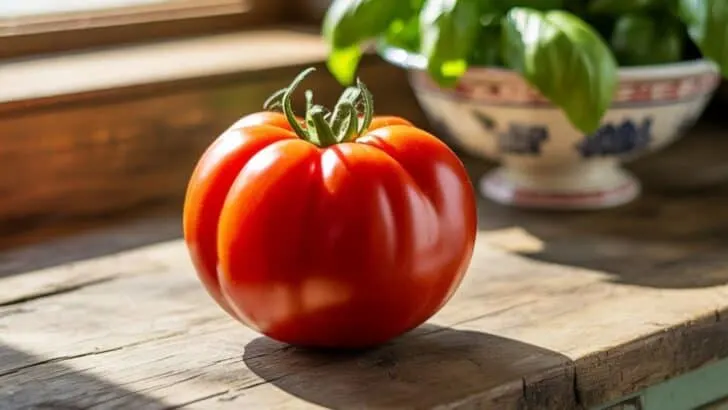
Your tomatoes are still green. The nights are getting cold. The first frost is lurking like a raccoon in the shadows.
It’s a classic end-of-season drama: you’ve got perfectly good tomatoes—big, beautiful, but stubbornly green. And waiting them out? Not an option. One frost, and it’s mush city.
But here’s the good news: tomatoes don’t need the vine. They just need a little warmth, some patience, and maybe a banana.
Let’s talk about four weirdly effective ways to ripen your tomatoes indoors. No sun required. No science degree needed. Just a few tricks that actually work.
🌿 Key Takeaways
- 🍌 Paper bags + bananas release ethylene gas to ripen tomatoes fast.
- 📰 Layering with newspaper is perfect for bulk ripening without mold.
- 🪢 Hanging tomato vines in cool spots can stretch your harvest weeks longer.
- 🪴 Countertop ripening works best for tomatoes already showing color.
- 🌡️ Temperature matters more than sunlight — 68–75°F is ideal for ripening.
1. 🍌 The Banana Bag Trick
The old-school method that still slaps.
Grab a brown paper bag. Toss in a few green tomatoes and a ripe banana. Boom — you just started a mini tomato sauna.
What’s happening here is chemistry, baby. That banana (or an apple, if that’s what you’ve got) is releasing ethylene gas, which tells your tomatoes, “Hey, it’s time to grow up already.” They listen. They start turning red. It’s kind of beautiful.
Keep the bag loosely folded — not sealed like it’s heading to space. Tomatoes need a bit of air or they’ll go moldy on you. And don’t crowd the bag like it’s a school bus. Give them space. Nobody likes a sweaty tomato.
🧤 Pro tip: Skip the plastic bag. It traps too much moisture and turns your tomato party into a mold convention. Stick to paper and check them every few days. Most ripen within 7 to 14 days, depending on how green they were to begin with.
🍌 How to Do the Banana Bag Trick
- Pick fully grown green tomatoes (no bruises or damage).
- Place them in a brown paper bag with a ripe banana or apple.
- Loosely fold the top of the bag — don’t seal it airtight.
- Store in a warm, dry place for 7–14 days.
- Check every few days and remove any ripe or soft tomatoes.
2. 📰 The Newspaper Layer Method
Stack ’em like lasagna, but make it tomato.
If you’ve got a whole heap of green tomatoes and no patience to baby them one by one, this is your move. Grab a shallow cardboard box and some newspaper — not glossy ads, just the old-school, inky kind.
Lay down a single layer of tomatoes. Cover them with a sheet or two of newspaper. Add another layer of tomatoes. Repeat. Think: tomato–paper–tomato–paper. You get the idea. Just don’t build a skyscraper. Two, maybe three layers max, or checking for ripeness turns into a game of Jenga you didn’t sign up for.
This method works because the tomatoes release ethylene gas while they ripen, and the newspaper helps trap just enough of it without locking in too much moisture. It’s great for bulk batches, especially if you’ve just cleared the garden before a frost.
🧊 Slow it down: If you want to stretch the ripening over weeks instead of days, stash the box somewhere cool — like a basement or an unheated garage. Warmer temps = faster ripening. Cooler temps = tomato patience training.
📰 How to Do the Newspaper Layer Method
- Use only clean, unbruised green tomatoes.
- Find a shallow cardboard box and newspaper (not glossy paper).
- Layer tomatoes and newspaper: tomato–paper–tomato–paper.
- Limit to 2–3 layers to avoid damage and make checking easier.
- Store in a warm area (or cool one to slow ripening).
3. 🪢 The Hanging Vine Method
Hang ’em high and hope for the best.
This one feels a little like a folk remedy — and honestly, it kind of is. When you’re clearing out the garden and still see clusters of green tomatoes clinging on, don’t toss the whole plant. Cut the stem, keep the tomatoes attached, and hang the entire thing upside down indoors.
Use a bit of twine or string to loop around the stem, then hang it in a cool, dark place. Think: garage, shed, mudroom, or even the back of a closet. You’re not going for Instagram aesthetics here — you’re going for old-school pantry vibes.
Over the next few weeks, the tomatoes will slowly ripen right on the vine, drawing what little energy remains in the stem. Not all of them will make it (some were never going to ripen anyway), but many will surprise you with how well they finish off.
⚠️ Keep an eye out: Check the vine weekly. Pluck off any tomatoes that start to show color and move them to the counter. Toss anything that gets soft or spotty — rot spreads faster than gossip in a garden club.
🪢 How to Do the Hanging Vine Method
- Cut an entire tomato vine with green fruit still attached.
- Use string or twine to tie a loop at the bottom of the stem.
- Hang the vine upside down in a cool, dry space (no direct sunlight).
- Check weekly for ripe or rotting tomatoes.
- Pluck tomatoes as they ripen and move them to your kitchen counter if needed.
4. 🪴 The Countertop Queue
Let them ripen like royalty — right on the kitchen counter.
This is the lazy method, but honestly? It works. If your tomatoes are already starting to blush — showing hints of yellow, orange, or pink — just bring them inside and lay them out in a single layer on your counter or a shallow tray.
No bags. No newspaper. No hanging vines. Just room temperature and a little patience. Within a few days to a week, most of them will finish ripening on their own.
You can speed things up a bit by placing them near a ripe banana or apple, but it’s not mandatory. The real secret is just giving them a warm, dry, undisturbed spot to chill.
🍅 Watch for soft spots: Rotate them every few days and pull out any that start to go mushy. One spoiled tomato can take down the whole lineup.
🪴 How to Use the Countertop Queue
- Choose tomatoes that are showing a little color (breaker stage or beyond).
- Place them in a single layer on a tray or directly on the counter.
- Keep them at room temperature away from direct sun.
- Rotate gently every few days to avoid flat spots.
- Remove any soft or overripe tomatoes immediately.
🌡️ It’s Heat, Not Light
Tomatoes don’t care about sunlight once they’re picked.
That’s right — your tomatoes aren’t little solar panels. Once off the vine, they ripen because of internal chemistry, not sunshine. What they do care about is temperature. And if you play that right, you can control how fast (or slow) your stash turns red.
Use this cheat sheet to guide your ripening game:
- 🧊 50–65°F: Slows things down. Great for stretching ripening over weeks.
- 🌡️ 68–75°F: The sweet spot. Most tomatoes ripen happily in this range.
- 🔥 Above 80°F: Too hot. Can mess with texture and flavor. Not ideal.
Want to buy time? Store them in a cool closet or garage. Want to speed things up? Leave them on the counter near some ethylene buddies. You’re the boss now.


Daniel has been a plant enthusiast for over 20 years. He owns hundreds of houseplants and prepares for the chili growing seasons yearly with great anticipation. His favorite plants are plant species in the Araceae family, such as Monstera, Philodendron, and Anthurium. He also loves gardening and is growing hot peppers, tomatoes, and many more vegetables.