

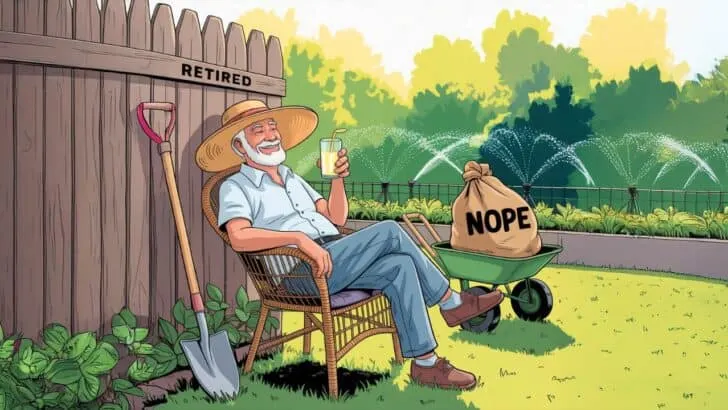
Just because you have more time for gardening doesn’t mean you should spend it fighting with heavy tools and stubborn roots. If anything, retirement is when the garden should start working for you.
That means less hauling, fewer ladders, and way more clever tricks. Because some tasks? They’re not worth the backache. And others? You can absolutely still do them — just smarter.
Here are 11 things you’ve earned the right to stop doing in the garden. And better ways to keep growing anyway.
🌿 Key Takeaways
- 🧠 Work smarter, not harder. The best gardeners don’t do more — they do it better.
- 🛠️ The right tools make all the difference. If it hurts, there’s probably a gadget that fixes it.
- ⏳ Pace yourself. Gardening isn’t a race — and your plants aren’t going anywhere.
- 💬 It’s okay to ask for help. Whether it’s a neighbor, a friend, or a grandkid, teamwork counts.
- ❤️ Keep it joyful. Your garden should bring peace — not pain. Change the plan if it stops being fun.
1. Lifting Heavy Bags of Soil or Mulch

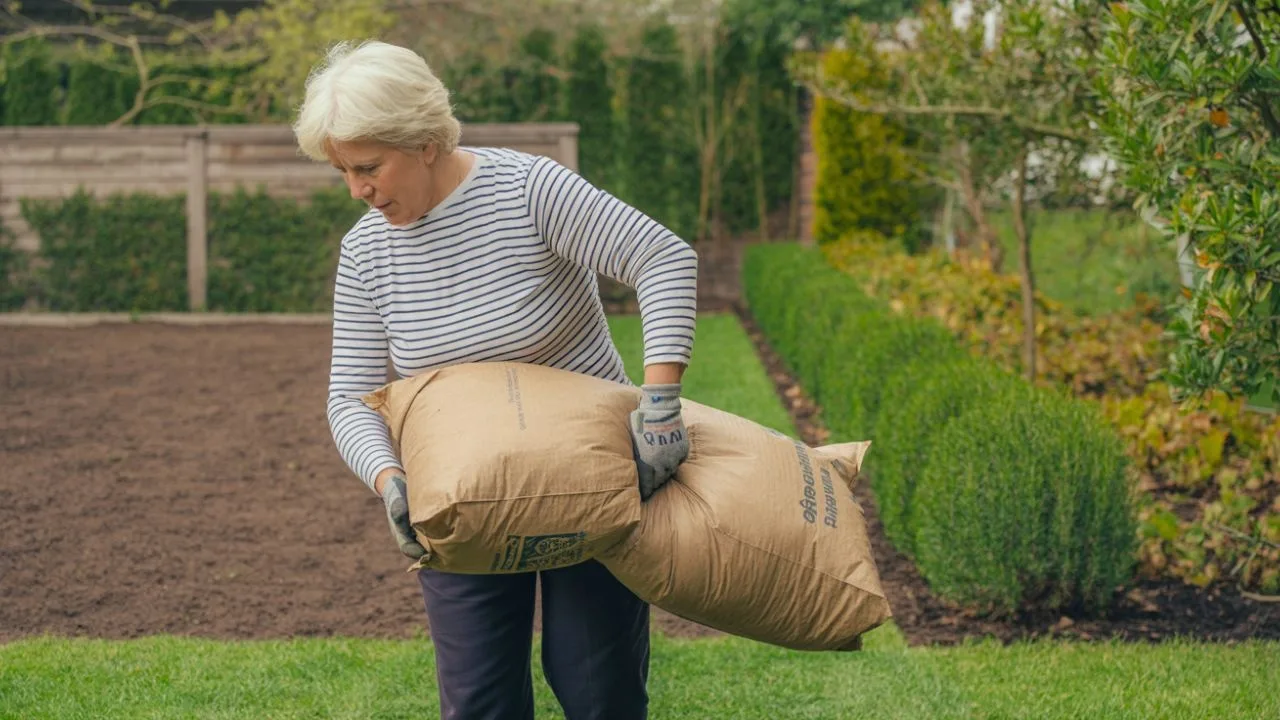
You know the ones — the 40-pound mulch sacks that seem to double in weight the second you try to pick one up. Even if you can still lift them, the real question is: why should you?
It’s one of the most common causes of back strain in gardening, and it’s totally avoidable. That one lift can lead to days of soreness, or worse — a pulled muscle that sidelines you for the whole season. And for what? To save a few minutes on unloading?
The smart move is to work with the weight, not against it. There are easier ways to mulch a garden than pretending you’re in a strongman competition.
🛒 Smarter Ways to Handle Heavy Loads
- Buy mulch and soil in smaller bags — they’re easier to lift and stack neatly.
- Use a rolling garden cart or a wheelbarrow with a flat bottom for stability.
- Ask the garden center to load your car in smaller quantities — many will split big bags if you ask.
- Store bags near where you’ll use them. Less carrying = less strain.
2. Digging Deep Holes by Hand for Every Plant

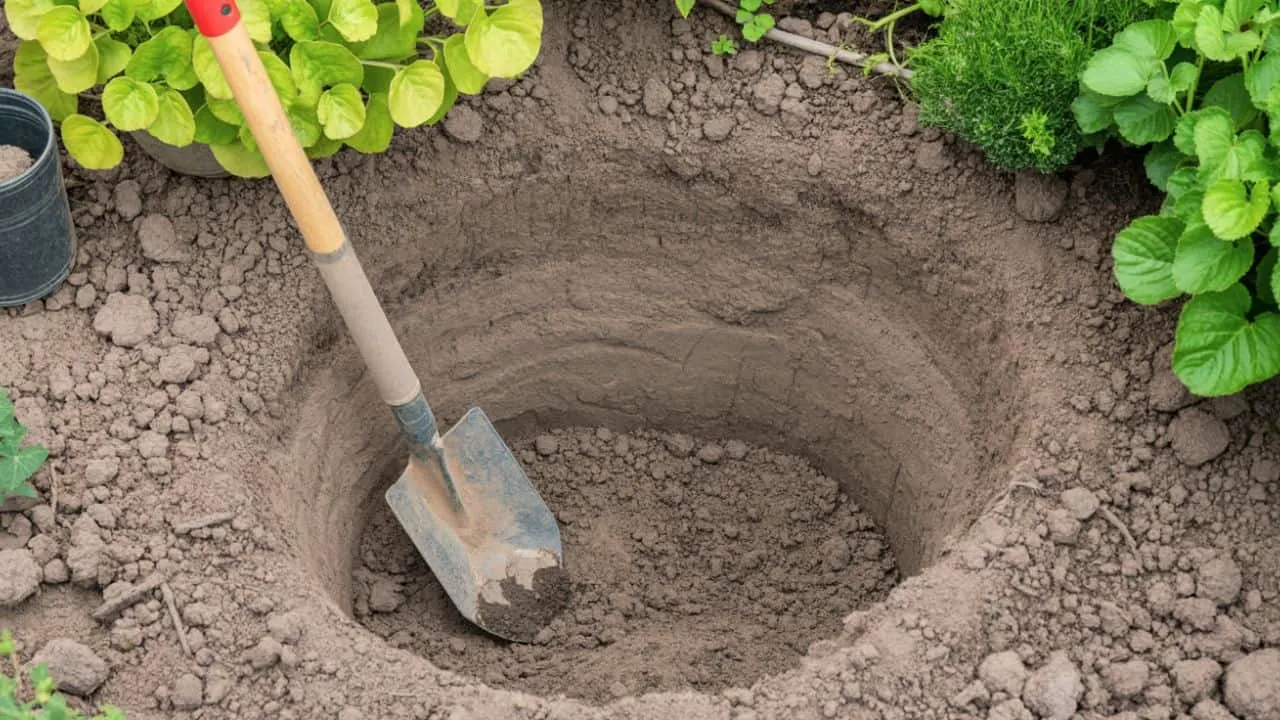
Breaking ground used to feel satisfying. Now? It feels like an upper-body workout that no one signed up for. And if your soil’s full of clay, rocks, or roots, it’s less “zen gardening” and more “re-enacting a prison escape.”
The truth is, most plants don’t need deep holes — they just need a good spot with loosened soil and decent drainage. Digging by hand every time wastes time, energy, and occasionally, your shoulder.
There are easier ways to get roots in the ground without exhausting yourself every weekend.
🪴 Dig Less, Plant More
- Use a bulb auger on a cordless drill — perfect for transplants, bulbs, and small perennials.
- Build raised beds or layered no-dig beds to avoid breaking tough soil altogether.
- Pre-wet the soil a day before digging — it’ll go faster with less force.
- Use a hori hori or narrow trowel to make quick holes in soft beds instead of full-blown trenches.
3. Watering with a Heavy Hose or Watering Can

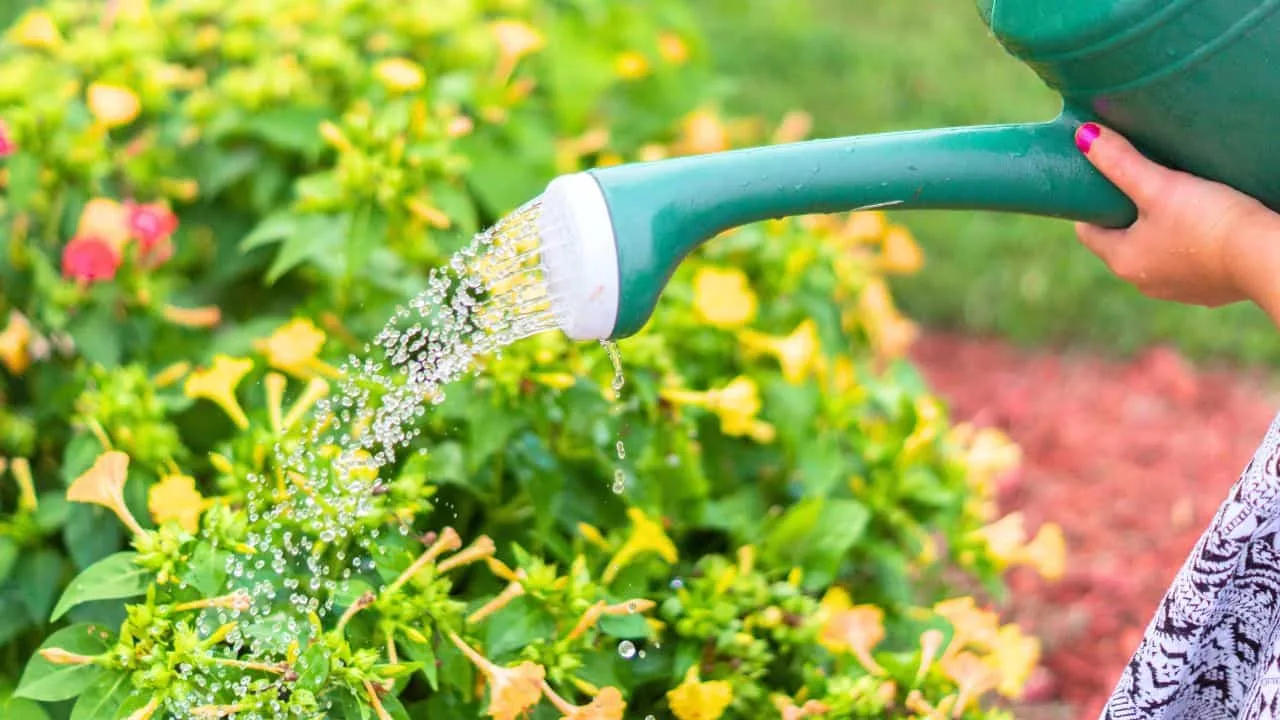
Dragging a hose across the yard sounds harmless — until it catches on the fence, kinks up like a stubborn snake, and tries to pull your arm out of its socket. And watering cans? They’re charming for two plants, not twenty.
Watering shouldn’t feel like a workout. Especially not in the heat. And especially not when your hand’s cramping from holding down a stiff nozzle for ten minutes straight.
There are gentler, smarter ways to keep your plants happy — and your joints happier.
💧 Make Watering a Breeze
- Use a lightweight hose or a collapsible fabric hose that coils up easily.
- Install a hose reel near your garden to reduce drag and mess.
- Try a thumb-control watering wand — no squeezing required.
- Set up a drip irrigation system with a timer and let the garden water itself.
4. Climbing Ladders to Prune or Harvest

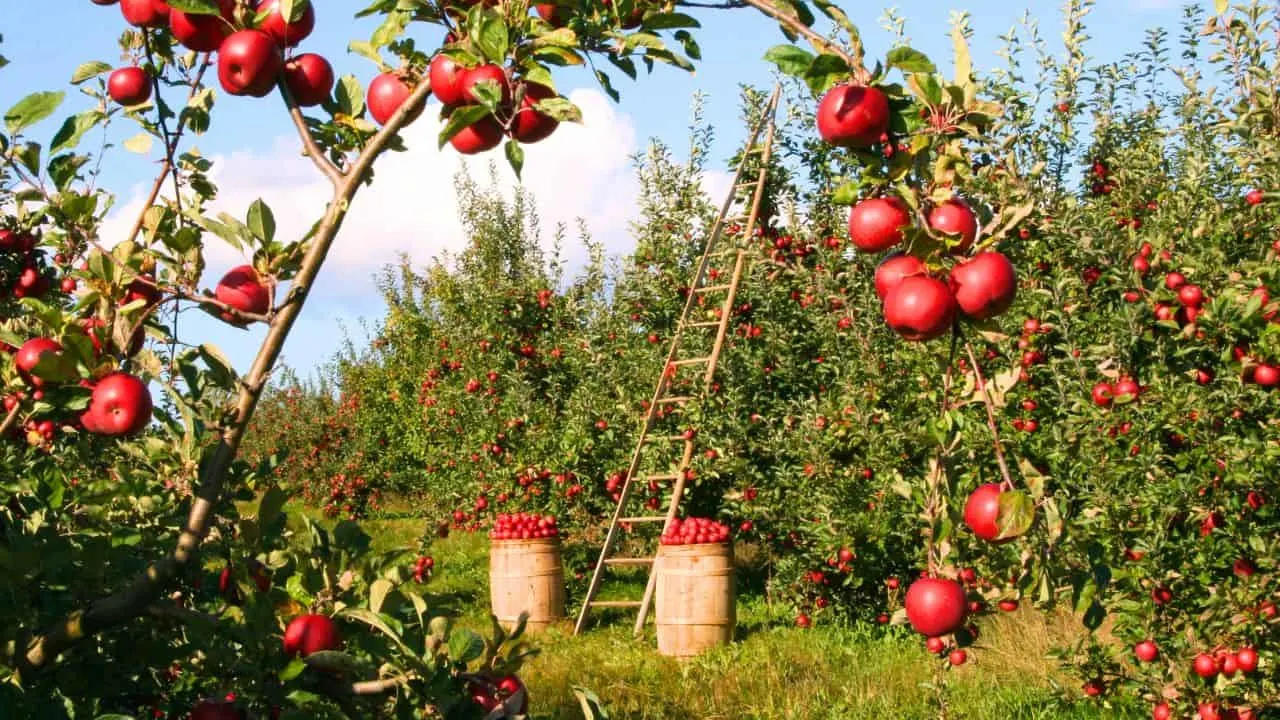
It’s one thing to prune a rose. It’s another to wobble on the third step of an old ladder while reaching for an overripe pear with one hand and swatting mosquitoes with the other.
Even if you’re steady, ladders and uneven ground don’t mix. One slip and it’s not just a bruised ego — it’s a real fall, with real consequences. No fruit or branch is worth that.
The good news? You can still grow and maintain tall plants — without playing circus acrobat.
🌳 Stay Grounded, Stay Safe
- Grow dwarf or patio-sized fruit trees — same harvest, no climbing.
- Use long-reach pruning tools to trim high branches from the ground.
- Train climbing crops (like beans or tomatoes) on short trellises instead of overhead arches.
- If you must use a ladder, make it a sturdy platform step stool — not the old wobbly one from the garage.
5. Kneeling for Long Periods in the Garden

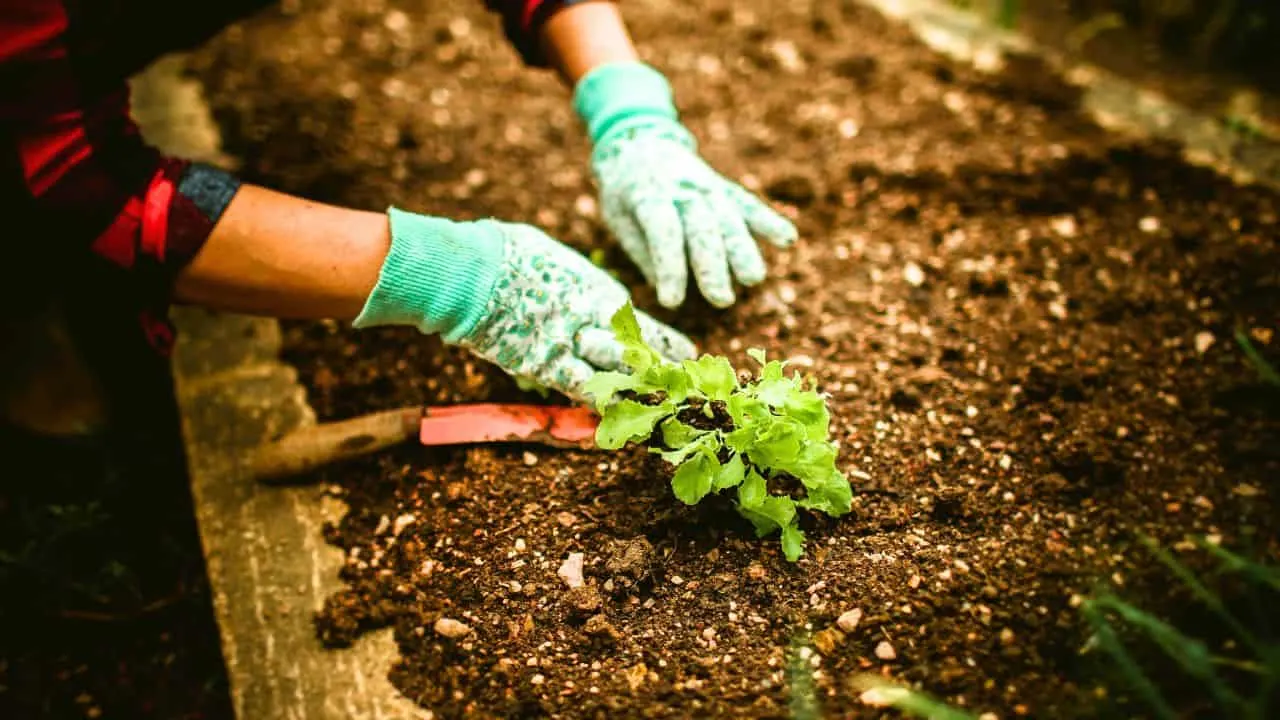
There’s something peaceful about being close to the soil — until your knees start sending distress signals. The longer you kneel, the harder it is to stand back up without some kind of awkward grunt/sigh combo.
And it’s not just comfort. Long stints on your knees put pressure on joints, slow circulation, and make it easier to tweak your back when you twist or reach. It adds up fast — especially if you’re out there daily.
You don’t have to stop gardening down low. You just need a setup that doesn’t leave you stuck halfway to standing.
🪴 Garden Without the Grind
- Use a kneeling bench with handles — kneel, then push yourself up easily.
- Try thick kneeling pads with memory foam if you’re staying down short-term.
- Switch to waist-height raised beds or vertical planters to eliminate the kneeling altogether.
- Alternate tasks — don’t spend an hour straight in one position.
6. Carrying Buckets of Water or Compost Across the Yard
It sounds simple until the third trip. Then your arms start complaining, your wrists go wobbly, and the bucket somehow gains five extra pounds on the way back.
Whether it’s water, compost, or soil amendments, lugging heavy loads across uneven ground is one of the fastest ways to turn a garden chore into a backache. It’s not a strength issue — it’s a logistics problem.
You don’t need to carry more. You just need to carry smarter.
🚚 Make Hauling Easy
- Use a rolling garden cart or wagon — even a foldable one works wonders.
- Place compost bins and rain barrels closer to your garden zones.
- Split loads into smaller containers that are easier to balance and dump.
- Work in loops — drop materials near each bed instead of going back and forth.
7. Bending or Twisting to Weed Tight Spaces
It always starts with “just one weed.” Five minutes later, you’re twisted like a pretzel trying to grab a dandelion wedged between stepping stones — and your back is filing a formal complaint.
Weeding is one of the most physically sneaky tasks. It lures you in with low effort, then catches you off guard with awkward angles, long stretches, and the dreaded half-squat lean. Over time, those little tweaks add up to real aches.
The solution isn’t to weed less — it’s to weed smarter, while standing up straight and staying out of the chiropractor’s office.
🌱 Weed Without the Wear
- Use a standing weeder or long-handled hoe for tight spaces — no bending required.
- Apply a thick layer of mulch to block weeds before they start.
- Replace problem areas with low-maintenance groundcovers.
- Weed in short bursts, and rotate tasks to avoid overdoing one motion.
8. Wrestling with Tough Hose Nozzles or Spray Triggers
It starts with a gentle squeeze. Then you’re white-knuckling a spray trigger that feels like it was built by a blacksmith. By the time you’re done watering, your fingers are sore, your wrist is stiff, and you’ve watered everything except the one plant you forgot to aim at.
For anyone dealing with arthritis, carpal tunnel, or plain old hand fatigue, standard hose nozzles are downright rude. Good news — there are better tools that don’t make you feel like you’re trying to win a grip strength competition.
Your plants still get watered. Your fingers still function. Everybody wins.
🤲 Skip the Squeeze
- Use a thumb-control wand — no squeezing, just a gentle push forward.
- Choose ergonomic nozzles designed for low hand pressure.
- Keep hose ends clean — grit can jam triggers and make them harder to use.
- Pair nozzles with lightweight hoses to reduce strain at the wrist.
9. Reaching Into Thorny Shrubs, Trees or Overgrown Beds

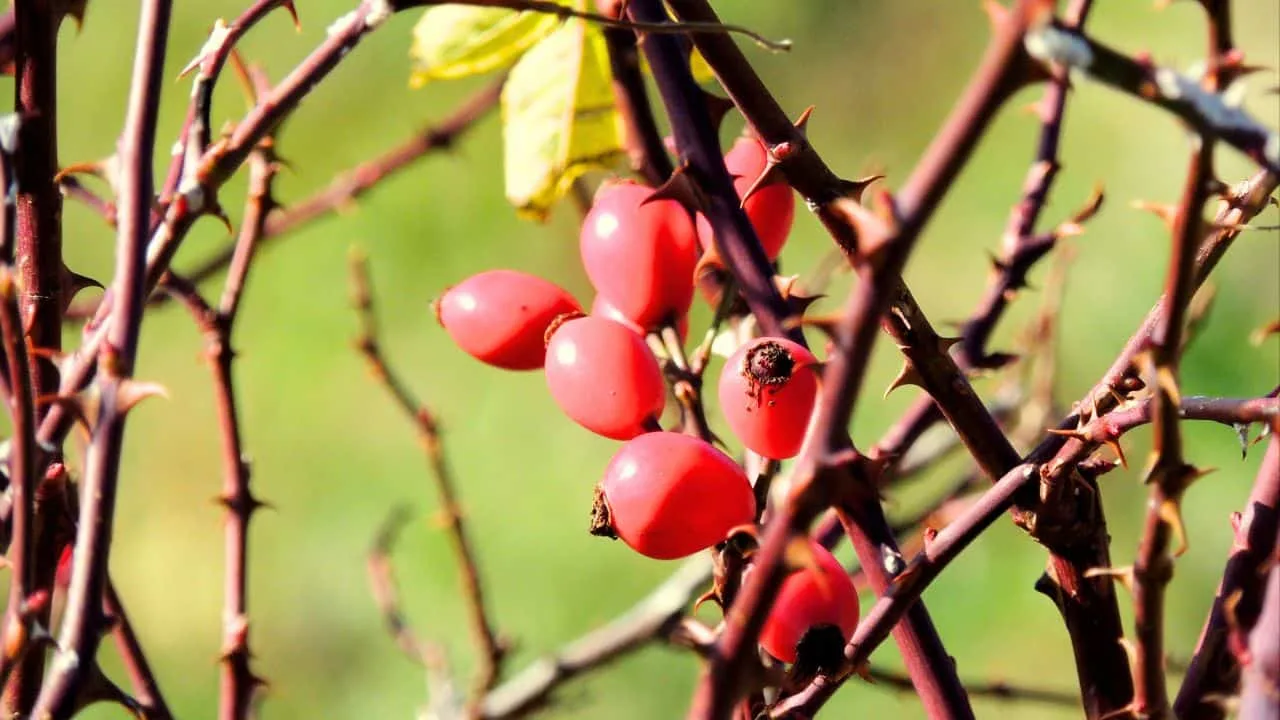
You see the dead branch. You know it has to go. But between you and it is a tangle of thorns, branches, or something that might still have a bee in it. You reach anyway — and walk away with a scratched arm and a strong sense of regret.
Reaching deep into overgrown beds or thorny shrubs is awkward, risky, and flat-out not worth the hassle. It’s easy to lose your balance, strain a shoulder, or come away with battle wounds no tomato is worth.
The fix? Don’t reach. Extend, protect, and trim from a distance like the smart gardener you are.
🌵 No More Thorny Surprises
- Use long-handled pruners or telescoping loppers to keep a safe distance.
- Wear arm-protecting sleeves or heavy-duty gloves when trimming dense growth.
- Prune regularly so beds don’t get too wild to manage comfortably.
- Use a grabber tool to remove debris without diving in elbow-first.
10. Scooping and Mixing Fertilizer or Soil by Hand
One minute you’re adding “just a bit” of fertilizer. Next thing you know, you’re wrist-deep in a bag of bone meal, hoping your measuring eyeball is still as sharp as it used to be. Spoiler: it’s not.
Mixing by hand isn’t just messy — it’s inconsistent, tiring, and hard on hands that are already doing enough. Especially when the bag’s heavy, the mix is dusty, and the ratio matters more than it used to.
Instead of scooping and guessing, let the products (and the tools) do the heavy thinking for you.
📦 Skip the Guesswork
- Use slow-release fertilizers in pre-measured pellets — no mixing, no scooping.
- Buy pre-blended potting mixes for containers and raised beds.
- If you do need to mix, use a scoop with measurement lines and wear gloves for comfort.
- Label all containers — “mystery powder” is fun in a novel, not in your garden beds.
11. Pushing Through Pain or Fatigue Because “It’s Just Gardening”

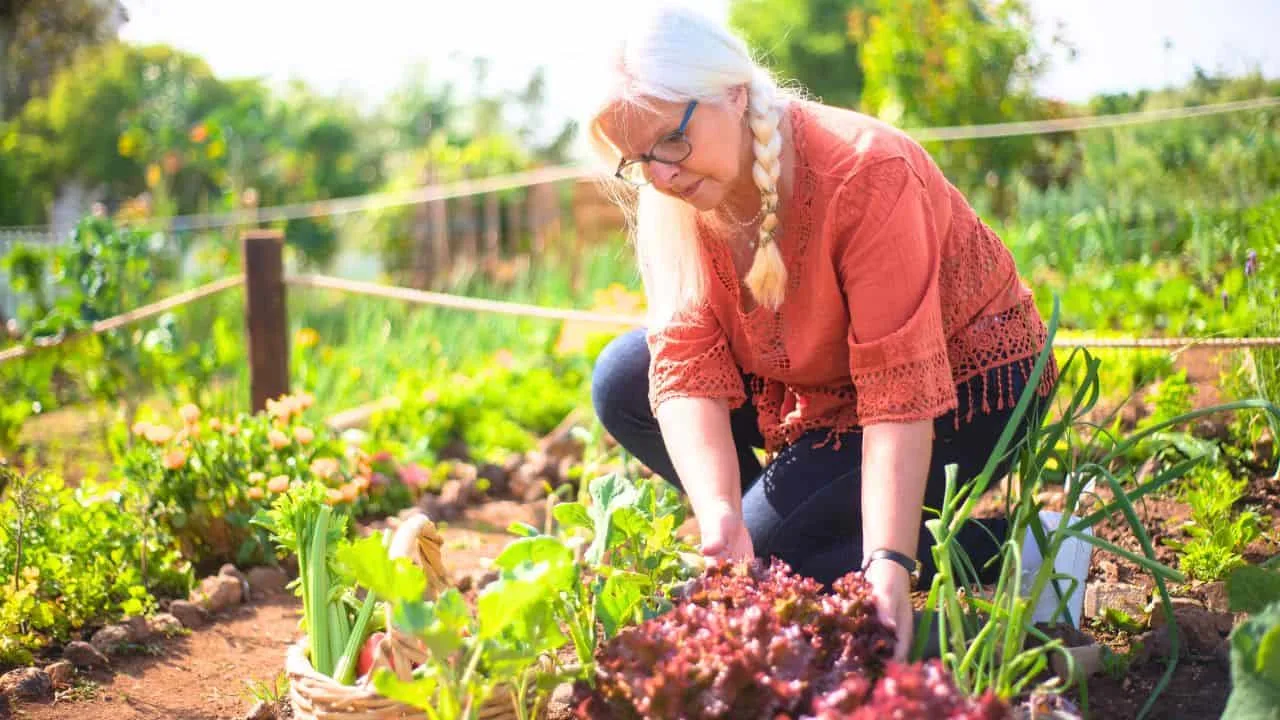
It starts with a twinge. Then an ache. But the sun’s out, you’re halfway done, and the plants aren’t going to prune themselves. So you keep going — until your back seizes up or your hand stops cooperating.
We get it. Gardening feels good. It keeps you moving, gives you purpose, and brings joy. But pushing through pain doesn’t make you dedicated — it just makes your next session harder (or canceled entirely).
There’s no trophy for doing it the hard way. Listen to your body. Rotate tasks. Take breaks. And remember, you’re in the garden because you love it — not because you’re trying to prove something.
❤️ Make the Joy Last
- Work in short bursts — 20 to 30 minutes at a time, then rest or switch tasks.
- Keep a comfortable chair or shaded spot nearby to cool down.
- Use garden time as a recharge, not a race — slow and steady grows the best beans.
- Ask for help when you need it. You’ve earned it.
Gardening Gets Better When It Gets Smarter
Getting older doesn’t mean gardening stops — it just means you get to do it on your own terms. No more hauling, straining, or pretending that climbing a ladder with shears is a normal weekend hobby.
The garden should fit your life, not the other way around. With the right tools, a few clever tweaks, and a lot less bending, you can keep growing strong without burning yourself out.
You’re not quitting — you’re upgrading. And the plants are lucky to have you.


Daniel has been a plant enthusiast for over 20 years. He owns hundreds of houseplants and prepares for the chili growing seasons yearly with great anticipation. His favorite plants are plant species in the Araceae family, such as Monstera, Philodendron, and Anthurium. He also loves gardening and is growing hot peppers, tomatoes, and many more vegetables.