

Blueberries are picky. The soil has to be right. The timing has to be right. The pruning, the mulch, the spacing — they care about all of it.
They don’t reward hustle. They reward rhythm. And that’s why older gardeners are often the ones getting the biggest, juiciest harvests without even trying that hard.
If you’ve got patience, a light hand, and the wisdom to leave things alone when they’re not broken, blueberries love you for it.
This isn’t about fancy fertilizers or YouTube hacks. It’s about experience. And if you’ve been in the garden for a few decades, you’ve already got what they need.
🌿 Key Takeaways
- 🧘♂️ Blueberries reward calm, not urgency. Rushing them rarely works. Letting them grow at their own pace does.
- 🔁 Consistency beats effort. You do not need to work harder. You just need to stay steady.
- ✂️ Pruning is about trust, not fear. A light hand guided by experience will always beat guesswork.
- 👁️ Observation matters. You know your plants better than any guidebook. That knowledge is your biggest advantage.
- 🫐 Blueberries are a long game. And if you’ve been gardening for years, you are already playing it the right way.
1. Blueberries Don’t Like to Be Rushed

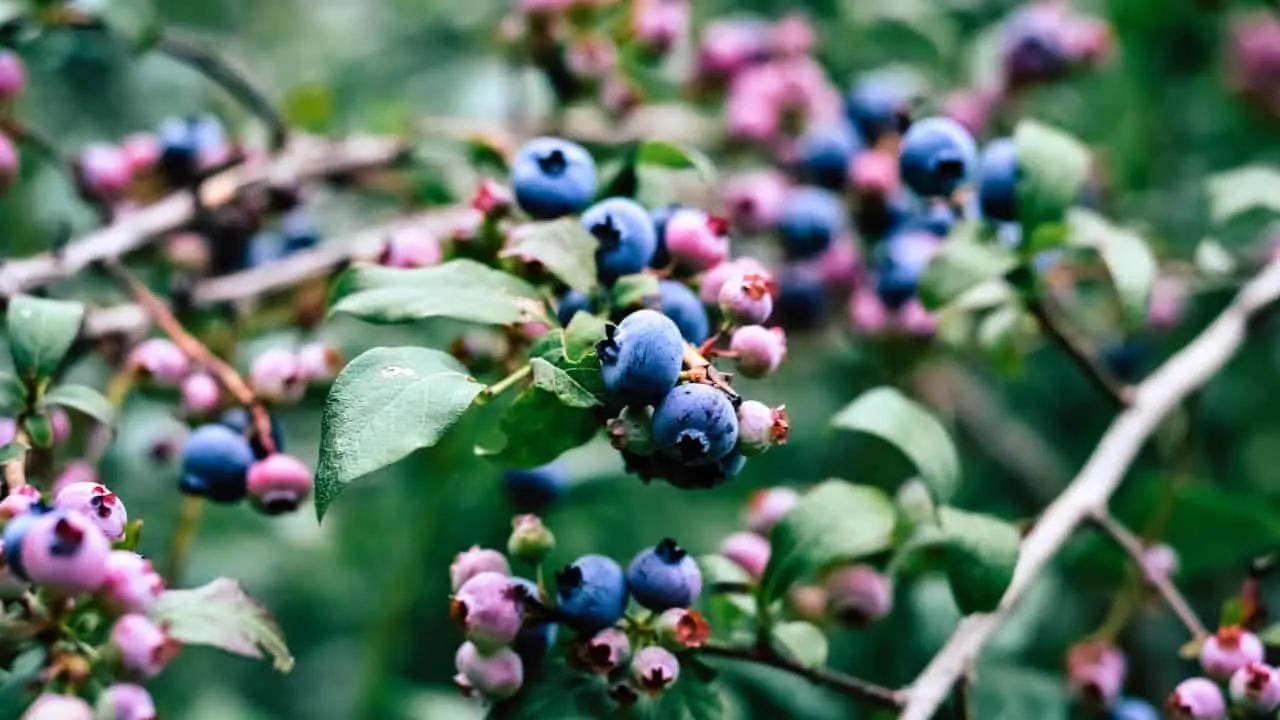
The first year, they sit there. The second year, they think about it. The third year? That’s when things start to happen.
Most new gardeners don’t wait long enough to see it. They pull the plants, blame the soil, or dump on more fertilizer hoping to speed things up.
But older gardeners? They’ve seen this before. They know some plants need time to stretch their roots, get comfortable, and build strength quietly before they bloom or fruit.
That patience, the kind that only comes from experience, is exactly what blueberry bushes are waiting for.
🫐 The 3-Year Rule
- 📆 Year 1: Establishment. Focus on root growth, not berries.
- 📆 Year 2: Growth phase. The bush starts to shape up, fruit is light.
- 📆 Year 3+: Takeoff. Full production begins, often suddenly.
If you’ve got the patience to wait it out, blueberries will make it worth your time.
2. They Thrive on Consistency, Not Force

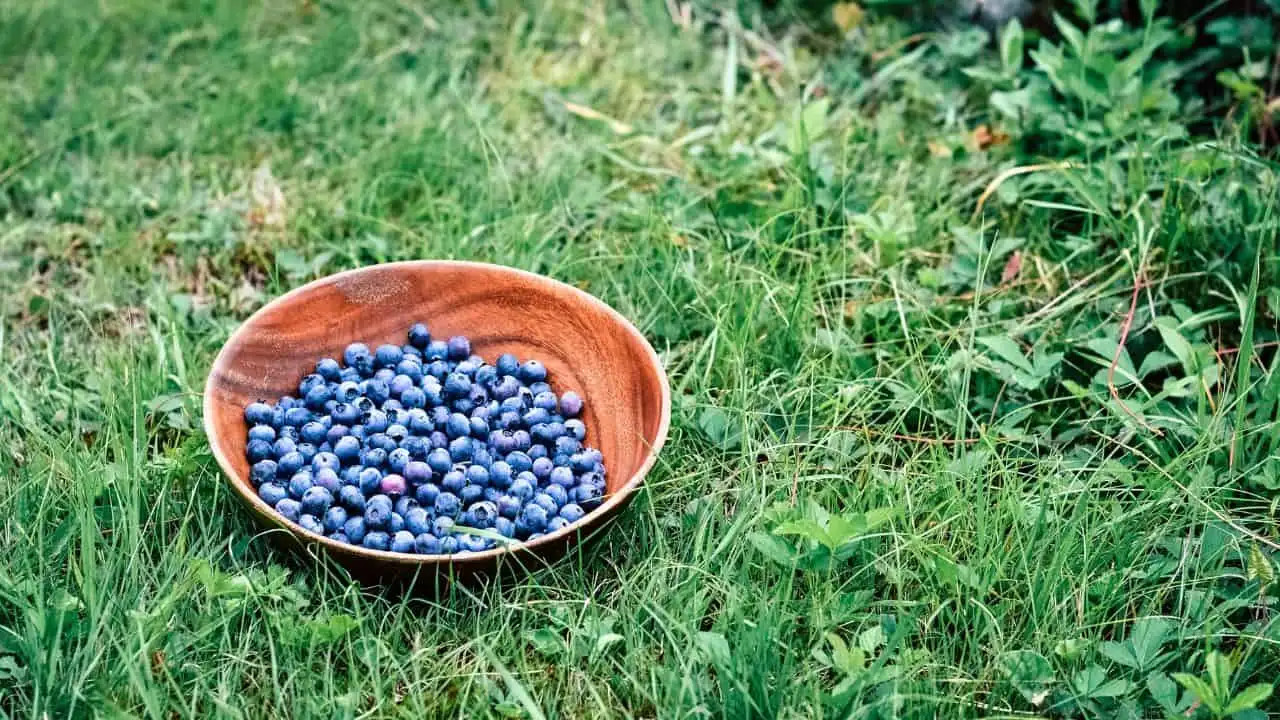
Blueberries don’t want drama. They want stability. Regular water, gentle sunlight, predictable care. Not panic-pruning. Not miracle sprays. And definitely not five different fertilizers in one season.
Younger gardeners tend to overdo it. One bad leaf, and they’re mixing up some homemade cure in a spray bottle. One dry day, and they drown the roots. But gardeners with a few decades behind them? They know better.
Older gardeners move slower. On purpose. They water before the plant begs. They prune with confidence. They trust the process, not the packaging. And blueberries notice.
It’s not just skill. It’s the calm. The rhythm. That quiet consistency is what turns a scraggly bush into a berry machine.
🩺 Signs You’re Overdoing It
- 🍃 Curling leaves: too much water, too fast
- 🌿 Stem dieback: pruning too hard or too often
- 🫐 Sour or tiny berries: erratic care during fruiting
Most of the time, less is better. And if you’ve been gardening long enough, you already figured that out.
3. Most People Prune Blueberries Wrong
Ask ten gardeners how to prune a blueberry bush and you’ll get eleven different answers. Most of them involve guessing, hacking, and hoping for the best.
Too much pruning? No fruit. Too little? The bush turns woody and lazy. But seasoned gardeners know how to walk the line. They don’t guess. They know what they’re looking for — and more importantly, what to leave alone.
They understand that pruning isn’t about doing more. It’s about doing just enough to let the plant breathe, stretch, and produce. That kind of intuition doesn’t come from books. It comes from hands-on practice and years of quietly observing what works.
Blueberries aren’t fragile, but they are particular. And older gardeners have the one trait they care about most: restraint.
✂️ The 3 Cuts That Actually Matter
- 🪵 Remove old, woody stems: they stop producing after a few years
- 🌱 Thin crowded areas: let air and light reach the center
- 🌿 Cut weak or low shoots: these steal energy and produce little
If you can count to three and trust your eye, you’re already ahead of most gardeners with pruning shears.
4. They Don’t Freak Out When the Leaves Turn Red

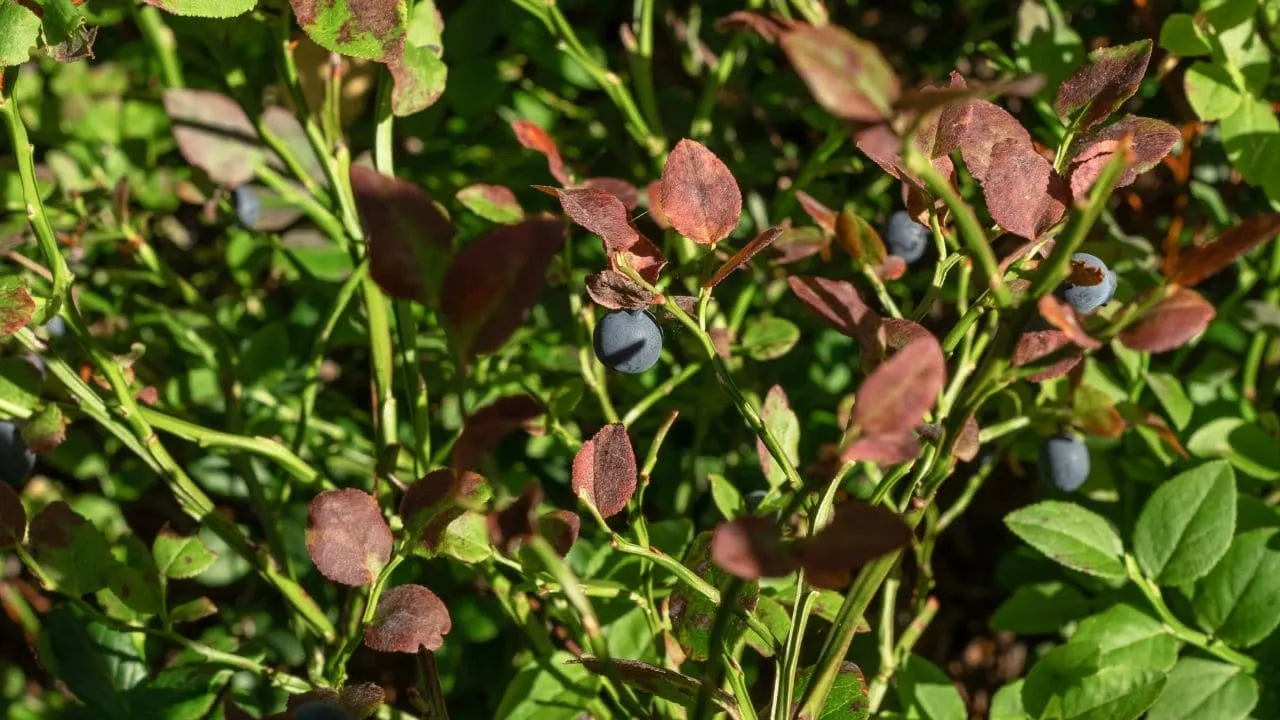
New gardeners love a crisis. One leaf turns red, and suddenly it’s a magnesium deficiency. Or root rot. Or some rare pest that only shows up during lunar eclipses.
But older gardeners? They just nod and say, “It’s fall.”
They’ve seen leaves change colors before. They know blueberries turn red in autumn, sometimes even earlier if the nights cool down. It’s not panic. It’s photosynthesis doing its thing.
That kind of calm comes with time. It keeps you from overwatering, overfeeding, and overreacting. It’s the reason older gardeners don’t waste energy fighting problems that aren’t really problems at all.
Sometimes the best thing to do in the garden is nothing. And knowing when that moment has arrived? That’s a skill younger gardeners haven’t learned yet.
5. Blueberries Are a Long Game and That’s the Advantage

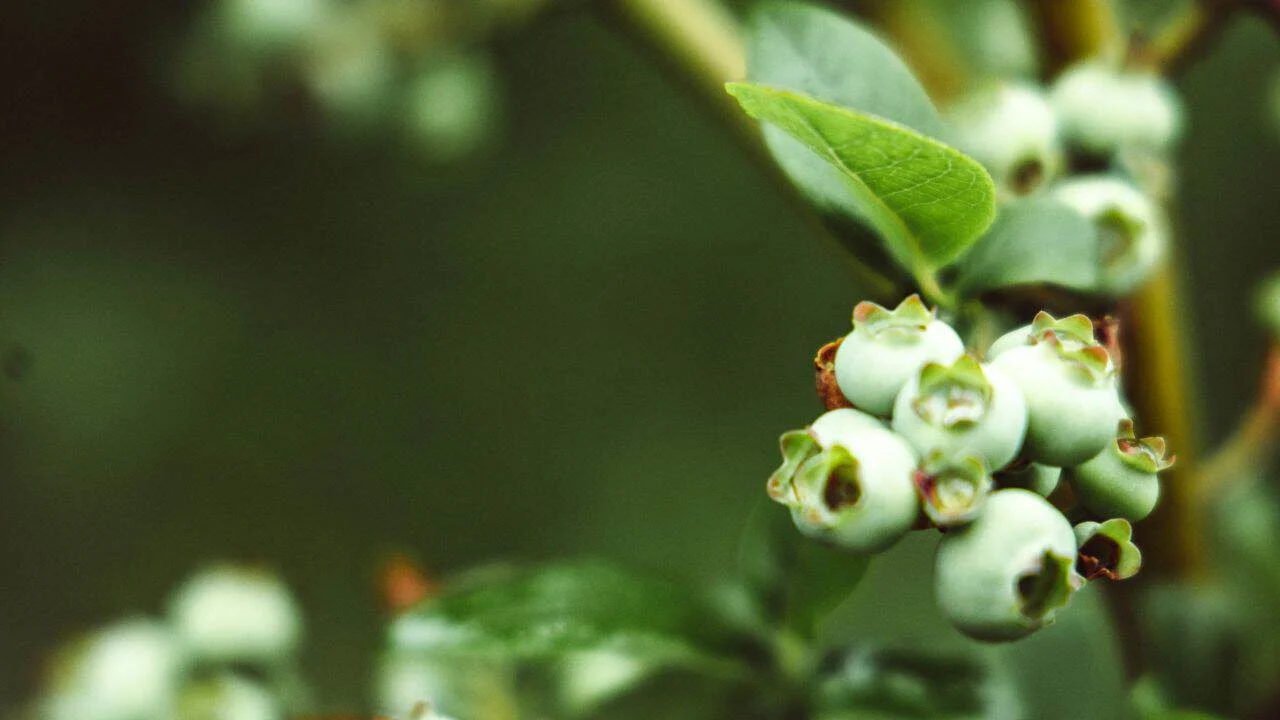
Some crops give fast results. Blueberries are not one of them. They take years to settle, months to mature fruit, and days to fully ripen on the bush. But when they’re ready, they’re worth it.
Older gardeners already understand this rhythm. They aren’t rushing to harvest green fruit or digging up a bush just because it looked sleepy one spring. They know the value of time, and they know how to work with it instead of against it.
That long view is everything. It’s the reason blueberries thrive under steady, thoughtful care. And it’s the reason gardeners over 65 are often the ones harvesting the biggest, sweetest berries without ever needing to overthink it.
If you’re planting blueberries now, you’re not just starting a project. You’re starting a relationship. And the longer you’re in it, the better it gets.
Final Words from the Berry Patch
Blueberries are not for the impatient. They need time, attention, and a gardener who knows when to act and when to let things be.
That kind of gardener is usually not the one with the newest tools or the loudest advice. It’s the one who has seen a few seasons come and go. The one who knows that growth does not always look dramatic, and that doing less can often mean getting more.
If you’ve been in the garden for decades, your hands already know what your plants need. And blueberries notice that. They respond to calm. They respond to rhythm. They respond to you.
There is no shortcut to experience. But if you’ve got it, your berries are in good hands.


Daniel has been a plant enthusiast for over 20 years. He owns hundreds of houseplants and prepares for the chili growing seasons yearly with great anticipation. His favorite plants are plant species in the Araceae family, such as Monstera, Philodendron, and Anthurium. He also loves gardening and is growing hot peppers, tomatoes, and many more vegetables.