

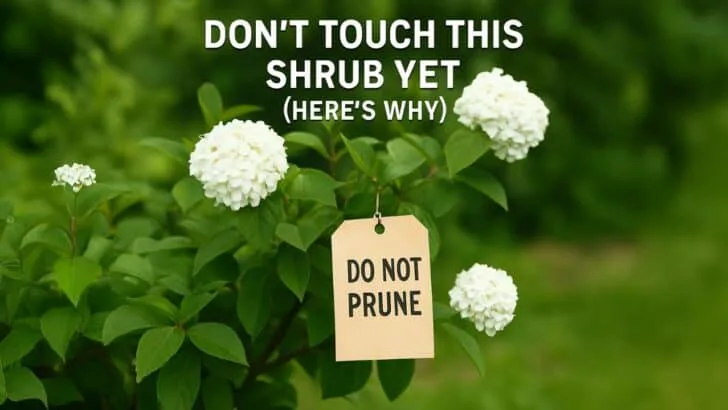
Gardening advice usually comes in lists of things you need to do. Add this. Water that. Cut this back. Plant more. Spray faster.
But what if the smartest move isn’t doing more? What if your plants actually want you to slow down, back off, and trust them a little?
This list is for the overdoers. The fixers. The constant checkers. Because in more cases than you think, the best thing you can do in the garden is nothing at all.
Here are 12 times less really is more.
🌿 Key Takeaways
- 🧘♂️ Sometimes the best gardening tool is patience. Let the plants do their part before you jump in.
- 🌱 Doing less doesn’t mean neglect. It means trusting your garden to work with you, not against you.
- 🐝 Mess is part of the system. Not every weed, bug, or leaf pile needs to be cleaned up.
- 🧠 Experience teaches restraint. And restraint often leads to better soil, stronger plants, and fewer regrets.
- 🍃 There is no prize for perfection. But there is peace in knowing when to walk away and just let things grow.
1. When You Stop Pulling Every Single Weed

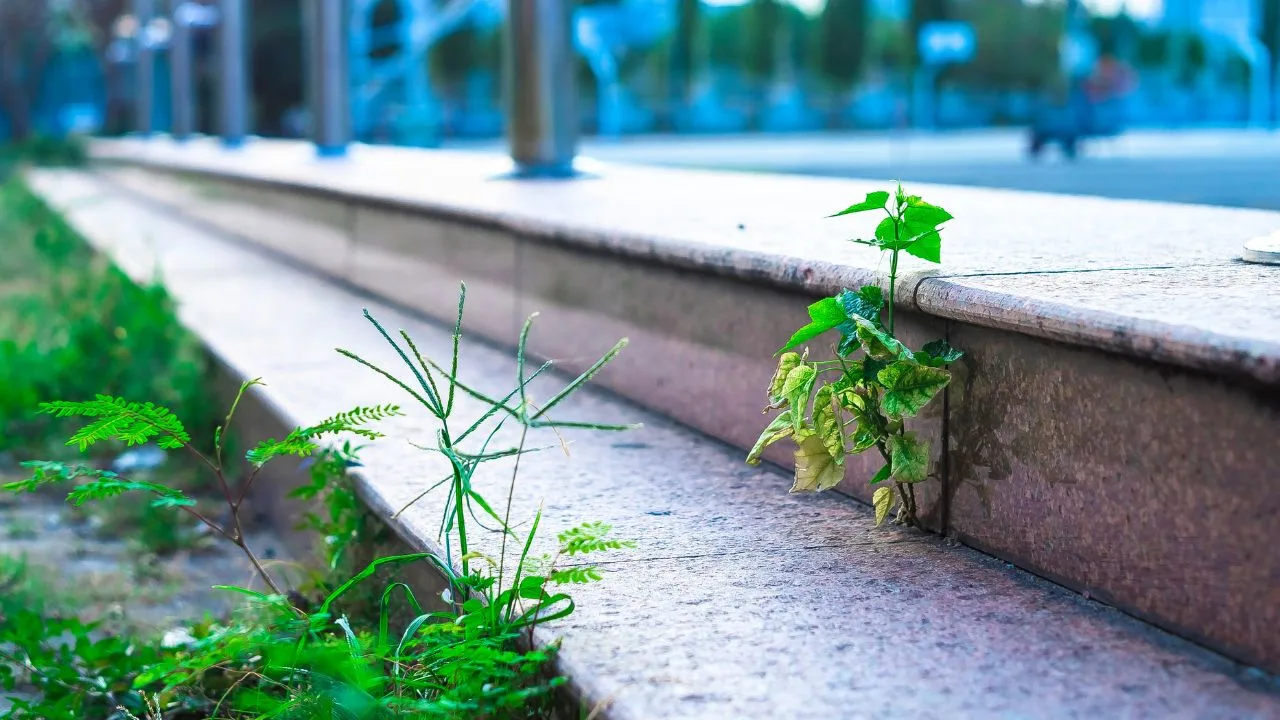
Not every weed is a threat. Some attract pollinators. Some shade the soil. Some show up to tell you your ground is too compact or too dry or too empty.
If you rip out every wild sprout on sight, you miss the quiet signals your soil is sending. You also lose the natural helpers that come with a little mess.
Doing less means picking your battles. You can pull the bindweed. You can let the clover stay. And sometimes, the smartest thing you can do is leave that dandelion alone and move on with your day.
🌼 Bonus Tip
If a weed has flowers, leave it for the bees. If it has runners or spikes, yank it fast. Not all weeds deserve the same energy.
2. When You Let Leaves Stay on the Ground

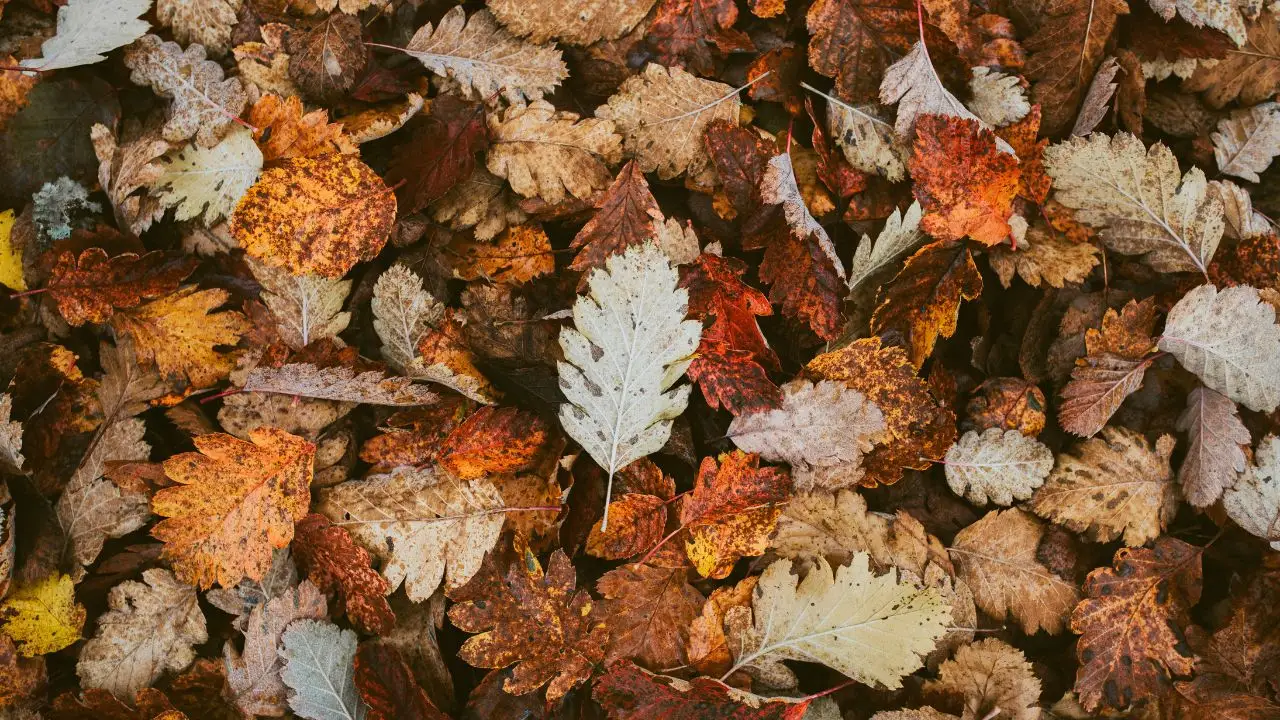
Every fall, the rake comes out like clockwork. But all those leaves? That’s free mulch. Free insulation. Free worm food.
Raking and bagging it all up just to buy mulch later makes no sense. Leaves protect the soil, slow down weeds, and feed everything underneath as they break down.
The messy look is temporary. The benefits last through winter and into spring. And once you stop cleaning up so hard, you start building soil without even trying.
🍂 Quick Win
- Shred leaves if you want them to break down faster
- Use whole leaves in low-traffic spots like beds or borders
- Avoid thick wet piles near stems to prevent rot
3. When You Quit Tilling Like It’s a Workout

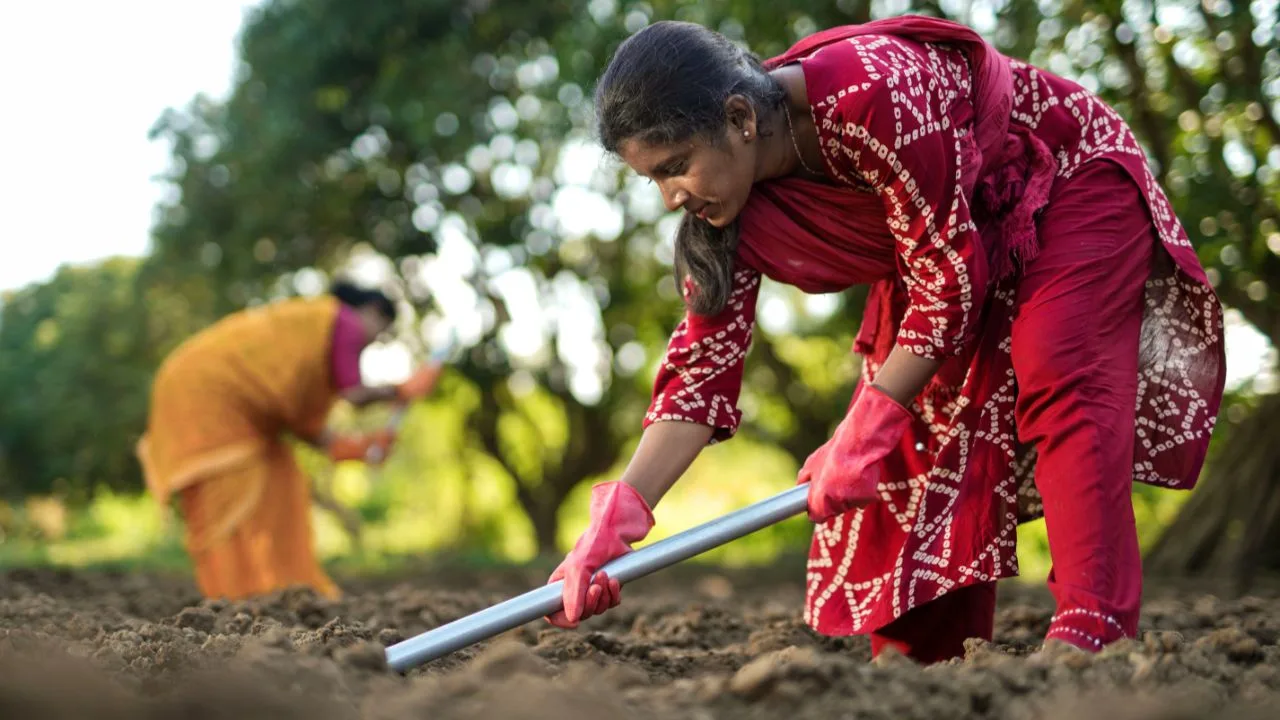
There was a time when turning over the soil was the start of every season. But we know more now. Every dig tears fungal networks, wakes up weed seeds, and dries out the good stuff.
Over-tilling doesn’t make your garden better. It makes your soil tired. You don’t need to break your back to break ground.
Let the worms do the heavy lifting. Let the roots do the loosening. Your soil isn’t a workout plan. It’s an ecosystem. And the less you mess with it, the more it does for you.
🪱 Try This Instead
- Top with compost, don’t dig it in
- Use a broadfork or pitchfork to gently aerate if needed
- Cover bare soil with mulch instead of turning it
4. When You Stop Trying to “Fix” Every Ugly Plant

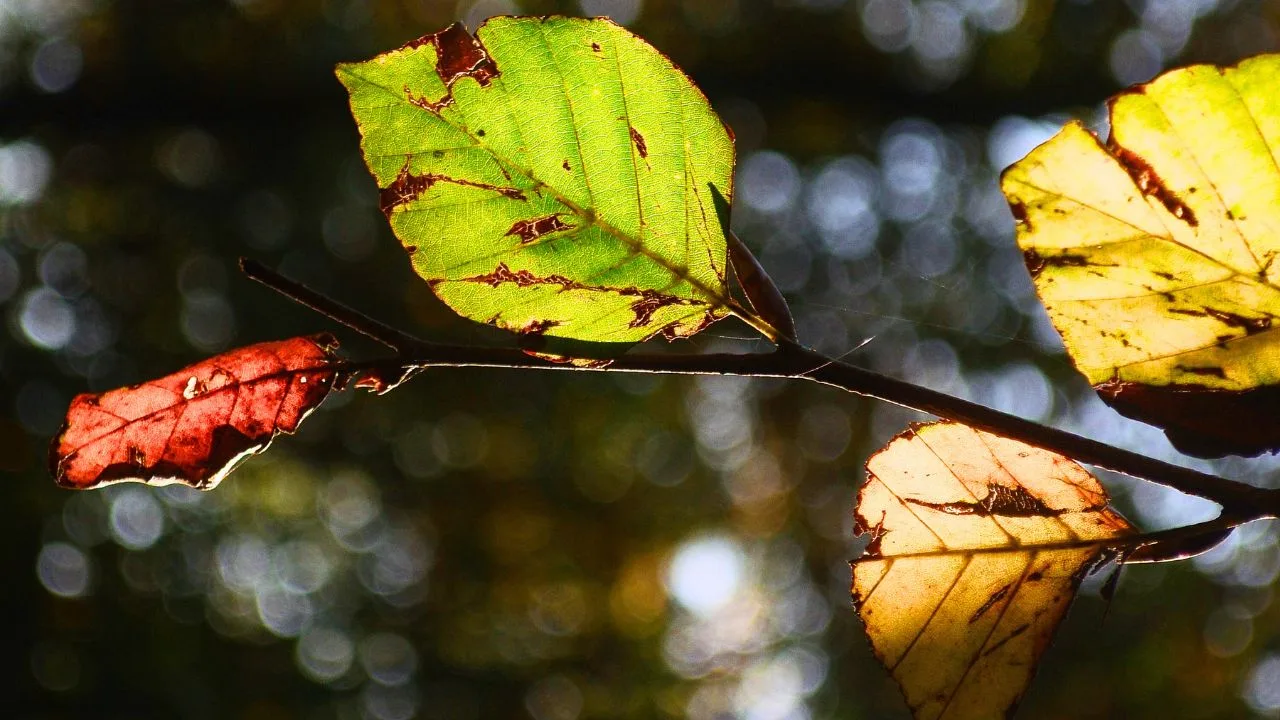
Yellow leaf? Must be nitrogen. Drooping stem? Must be root rot. A weird spot on the leaf? Time to panic and grab a spray bottle.
But here’s the thing. Plants are allowed to look rough sometimes. Just like people. Not every odd leaf is a sign of doom. Some are just part of the cycle.
Experienced gardeners know when to act and when to wait. And that patience often saves a plant from treatments it didn’t need in the first place.
🧘♀️ Bonus Reminder
If the new growth looks healthy, leave it alone. The plant has already moved on. You can too.
5. When You Skip the Fertilizer “Just in Case”
Feeding your plants sounds like the responsible thing to do. But overfeeding? That’s how you get crispy tips, weak stems, and a soil imbalance you can’t undo easily.
Plants don’t need constant snacks. Most just want good soil, steady water, and time. Tossing fertilizer at every minor issue is like handing out candy because someone yawned.
Older gardeners know this. They fertilize with purpose, not panic. And their plants grow stronger because of it.
💡 Quick Check
- Only fertilize when plants show true deficiency
- Stick to compost if you’re unsure
- Too much nitrogen = lots of leaves, no fruit
6. When You Stop Fussing Over Every Seedling

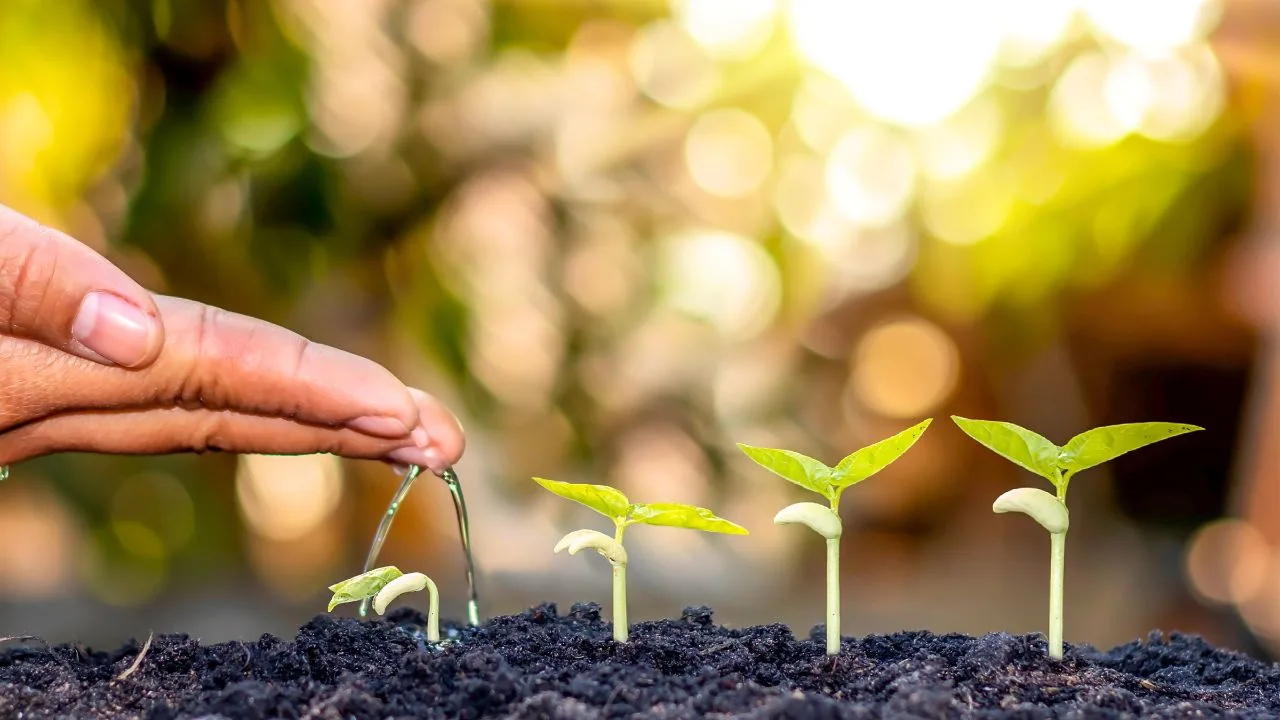
It’s easy to hover. You start checking the seedlings ten times a day. Turning them. Spritzing them. Whispering apologies when they lean sideways.
But seedlings don’t need babysitting. They need light, warmth, and time. Constant interference stresses them out more than it helps.
Let them grow. Let them struggle a little. That’s how they get strong. And the less you touch them, the better they’ll do when it’s time to go outside.
🌱 Babying Isn’t Boosting
Once they’ve got their first true leaves, stop hovering. Give them space, and they’ll surprise you.
7. When You Don’t Prune Everything That Grows

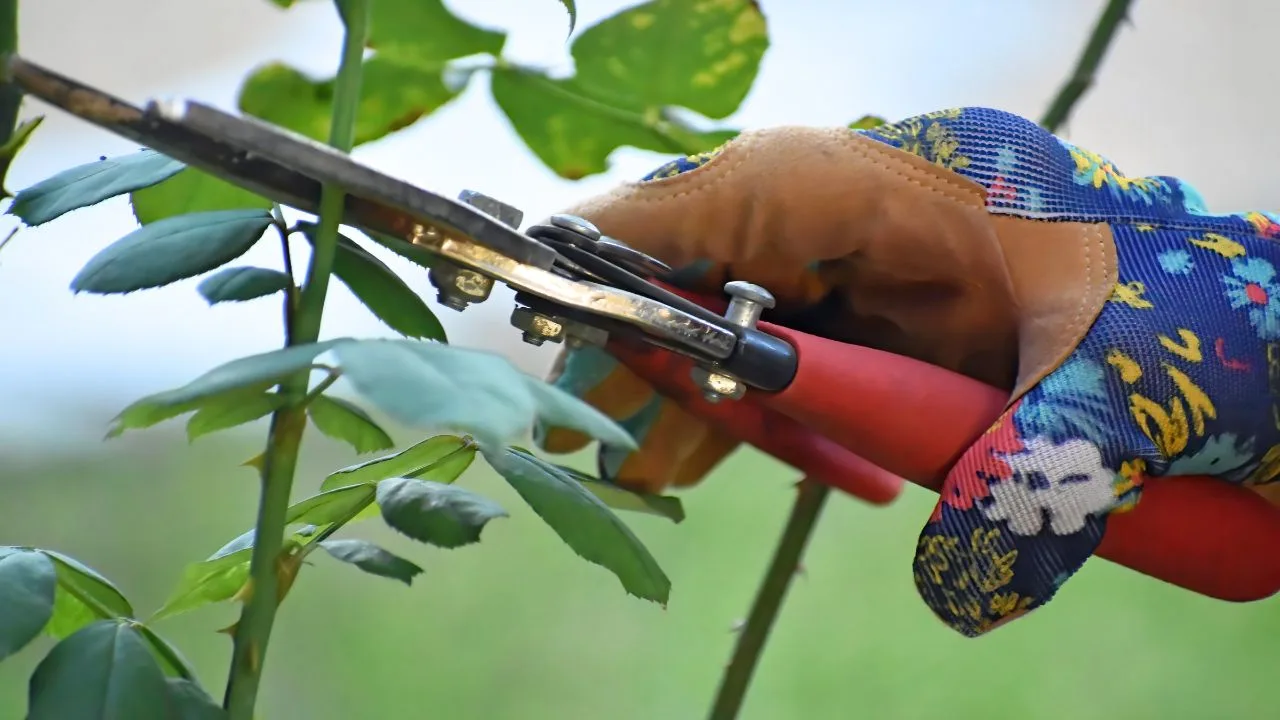
Some gardeners can’t walk past a branch without cutting it. But not everything that sticks out needs to go. And not every plant wants a trim right now.
Some shrubs bloom on last year’s wood. Some fruit only on two-year-old stems. And some just sulk when you mess with them too much.
Pruning can be magic, but only when you know what you’re cutting and why. Older gardeners get this. They don’t prune for the sake of it. They prune with timing, reason, and restraint.
✂️ Quick Pruning Rule
- Flowering in spring? Prune after it blooms
- Flowering in summer? Prune in late winter
- If you’re not sure, leave it alone for a year and watch
8. When You Let Nature Handle Some of the Bugs
The first aphid shows up, and out come the sprays. The moment something chews a leaf, it’s full-blown war. But not every bug is the enemy.
Ladybugs eat aphids. Lacewings hunt mites. Even wasps have their place. When you attack too soon, you wipe out both the pests and the helpers.
Older gardeners know when to step in and when to let nature sort it out. And they usually end up with fewer pests and healthier plants because of it.
🐞 Spot the Good Guys
- Ladybugs: aphid hunters
- Parasitic wasps: destroy caterpillars from the inside out
- Hoverflies: pollinators and aphid eaters in one
9. When You Leave a Patch of “Mess” in the Corner
It’s tempting to tidy up every inch. But that wild patch in the corner? It might be doing more good than you think.
Native bees nest in bare soil. Butterflies overwinter in leaf piles. Toads and beetles hang out where things are a little untamed.
You don’t need to let your whole yard go feral. Just a corner. A strip behind the shed. A spot where nature can work without being tidied to death.
🌾 Wildlife-Friendly Mess
One small untamed patch can support pollinators, predators, and beneficial bugs. Neat rows are pretty, but mess makes life possible.
10. When You Don’t Panic During a Heatwave
Wilted leaves? Drooping stems? It looks like a crisis. But in the middle of a heatwave, that sag is often just self-preservation.
Plants wilt to reduce surface area and slow down moisture loss. It’s not a thirst emergency. It’s a built-in coping strategy.
Dumping gallons of water in the middle of the day might do more harm than good. The roots can’t take it in fast enough, and the soil can’t hold it.
🔥 Stay Cool Tip
- Water early in the morning or after sunset
- Mulch heavily to trap moisture
- Ignore daytime droop unless it continues the next morning
11. When You Let the Soil Tell You What It Needs

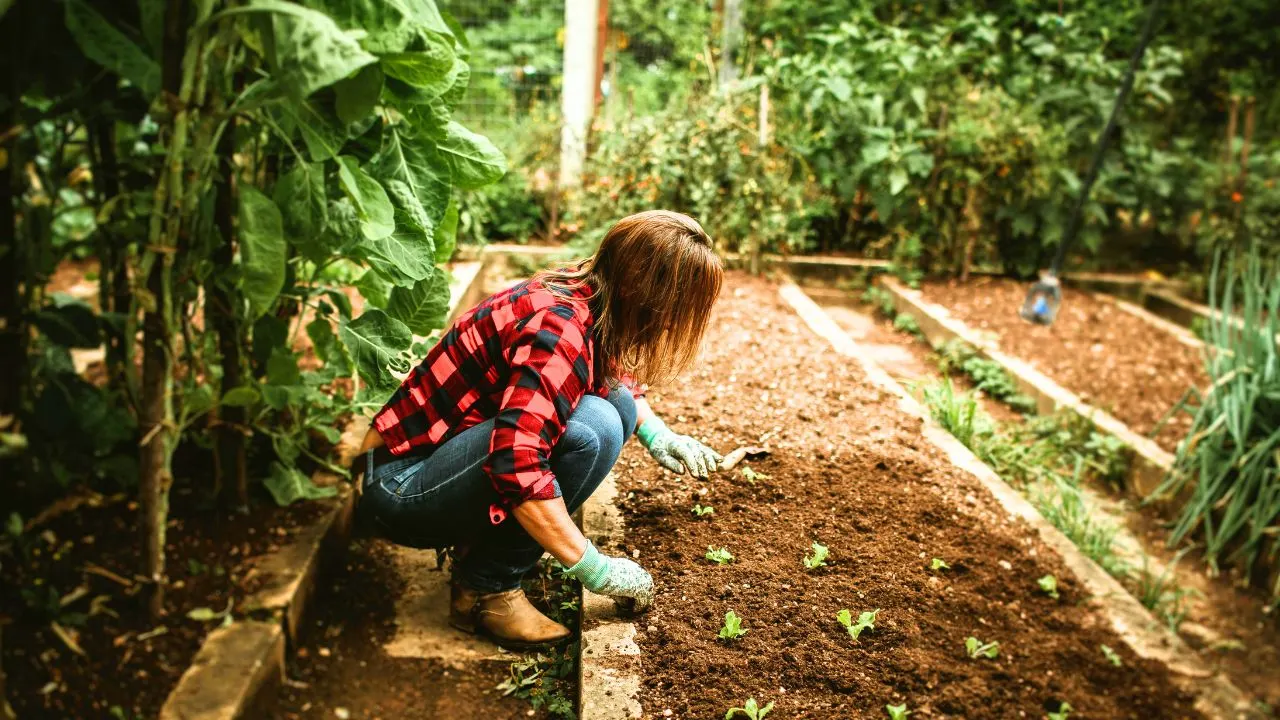
There’s no shortage of soil advice. Add this. Balance that. Use this product in spring and this one in fall. But your garden’s best soil test is still your eyes and hands.
If your soil is cracking, clumping, crusting, or turning green with moss, that’s a message. And it’s more reliable than the back of a fertilizer bag.
Older gardeners know how to read their soil. They dig a little, feel it, smell it, and let that guide what comes next. No lab report required.
🌱 Soil Clues to Watch
- Cracks = dehydration or compaction
- Moss = low pH or poor drainage
- Hard clumps = low organic matter
12. When You Give Up on Perfection

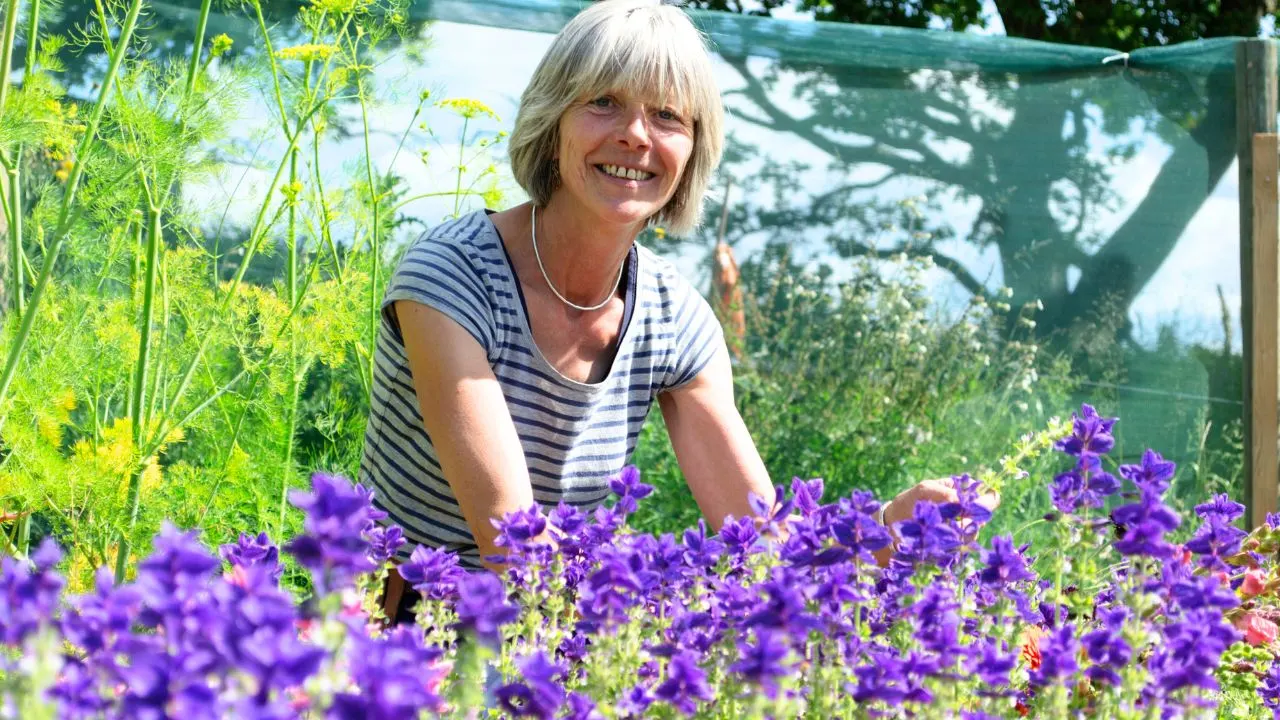
The pictures online lie. Real gardens have brown edges. They have gaps, surprises, and things that didn’t quite work out.
Perfection is expensive, stressful, and usually temporary. Growth is messy. Nature doesn’t color inside the lines.
Older gardeners know this already. They plant what they like. They keep what survives. And somehow, those gardens end up being the ones everyone else wants to copy.
🌸 Final Reminder
Your garden doesn’t have to impress anyone. If it feeds you, calms you, or makes you smile — it’s already perfect enough.
Final Words from the Garden Bench
Good gardening isn’t about doing everything. It’s about knowing when to stop. When to step back. When to let things breathe and grow on their own.
That wisdom doesn’t come from apps or advice columns. It comes from paying attention. From making mistakes. From learning that plants don’t need constant help — they just need a little space and a little trust.
If your garden is still standing, still sprouting, still feeding birds and bees and you — you’re already doing enough. Maybe even more than enough.
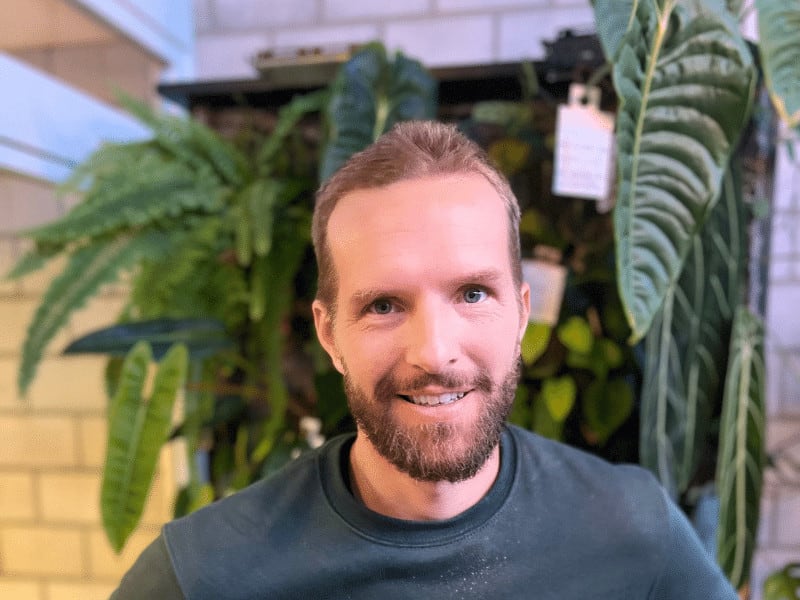
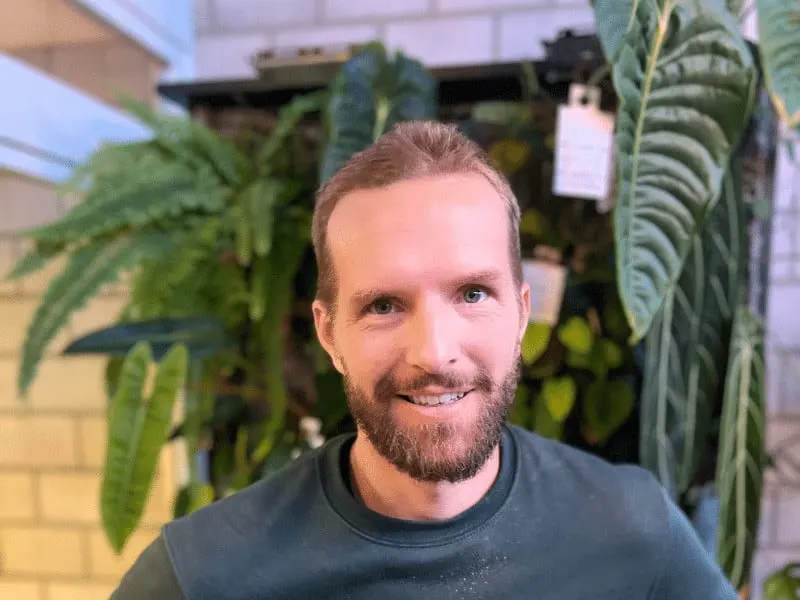
Daniel has been a plant enthusiast for over 20 years. He owns hundreds of houseplants and prepares for the chili growing seasons yearly with great anticipation. His favorite plants are plant species in the Araceae family, such as Monstera, Philodendron, and Anthurium. He also loves gardening and is growing hot peppers, tomatoes, and many more vegetables.