

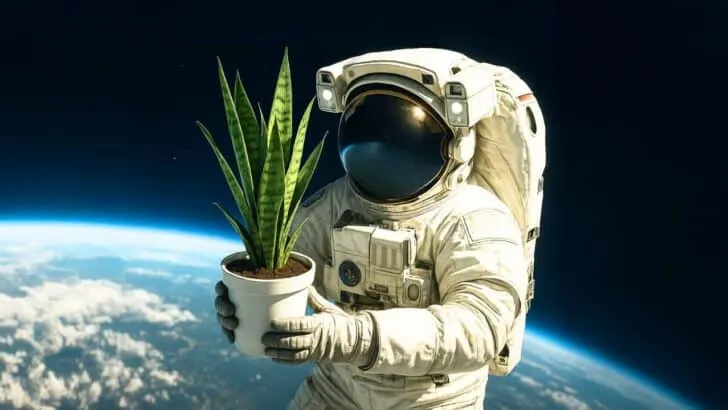
Air-purifying houseplants. NASA approved. Instant detox for your living room.
That’s the fantasy.
The reality? NASA never said your pothos could scrub your air like a Dyson. But over the last few decades, the internet ran with the idea. Plant shops printed it on tags. Wellness blogs swore by it. And suddenly, every snake plant had a PhD in air filtration.
This article isn’t about hating plants. It’s about how one misunderstood study turned into the biggest green myth of the modern age.
🌿 Key Takeaways
- 🚀 The NASA study was real, but it tested plants in sealed lab chambers, not real homes.
- 🌱 Some plants removed toxins, but only in tiny, air-tight conditions with no airflow.
- 🪴 You’d need over 90 plants per square meter to see those same results at home.
- 🌬️ Ventilation and air purifiers are far more effective than houseplants for clean air.
- 🧘 Plants still improve mood, reduce stress, and make spaces feel alive — and that matters too.
- 😅 Keep your plants, just stop expecting them to clean your air while you sleep.
🚀 The Original NASA Study (What It Really Was)
Back in 1989, NASA teamed up with the Associated Landscape Contractors of America to solve a space problem. Literally. They wanted to know if houseplants could help clean the air in future space stations.
The test was simple, at least on paper. They put individual plants in small, sealed glass containers filled with specific airborne chemicals like benzene, formaldehyde, and trichloroethylene. Then they measured how much of those chemicals the plants could absorb over time.
And yes, some plants performed well. They reduced the toxins floating around in those tiny, airtight setups.
But here’s the kicker. Your home is not a sealed lab. It has windows, doors, drafts, dust, pets, furniture, and a dozen scented candles. What worked in a vacuum chamber doesn’t work the same way in real life.
The idea that a single peace lily can purify the air in your living room? Not how this study was meant to be used.
🧪 Fun Fact: They Also Used Activated Carbon
In the same study, NASA researchers didn’t just test plants. They also tested activated carbon filters, which turned out to be much better at pulling chemicals out of the air.
In some cases, the carbon did the heavy lifting while the plant mostly sat there looking decorative. NASA knew this. The internet? Not so much.
💥 These Were NASA’s Top Performers (But Don’t Get Too Excited)
The study did find that certain plants helped reduce airborne chemicals inside those tiny, sealed containers. And yes, these are the famous stars of the so-called “NASA plant list.”
- 🌿 Snake Plant
- 🌿 Peace Lily
- 🌿 Spider Plant
- 🌿 English Ivy
- 🌿 Bamboo Palm
- 🌿 Chrysanthemum (yes, really)
They were tested against chemicals like benzene, formaldehyde, trichloroethylene, and xylene. Some did better than others. Chrysanthemums topped the list. Peace lilies held their own. Snake plants got a lot of attention for being low maintenance and mildly effective.
But here’s the part that somehow never made it to the plant tag.
You’d need around 93 houseplants per square meter to see the kind of air purification NASA observed in those sealed lab conditions. That’s not a jungle. That’s a houseplant hoarder’s fever dream.
So yes, they worked. But not the way social media wants you to think.
💥 Section 2: What the Study Found
NASA didn’t just pick random houseplants and call it a day. They tested dozens of common indoor favorites to see which ones could remove specific toxins from the air inside sealed chambers.
Some of the standout performers were:
- 🌿 Snake Plant
- 🌿 Peace Lily
- 🌿 Spider Plant
- 🌿 English Ivy
- 🌿 Bamboo Palm
- 🌿 Chrysanthemum (yes, really)
These plants showed some ability to reduce chemicals like benzene, formaldehyde, and trichloroethylene in highly controlled lab conditions. Not bad, considering they weren’t exactly bred for space travel.
But here’s what most people skip over. The setup was small. The environment was sealed. The plants were tested one at a time. And the results, while real, don’t scale to your living room or kitchen.
To get the same air-cleaning effect at home, you’d need around 93 plants per square meter. That’s not a peaceful indoor jungle. That’s a full-blown chlorophyll takeover.
So yes, the plants helped. Just not in the way the internet made you believe.
🤦 Section 3: The Giant Misunderstanding
The NASA study wasn’t a secret. It just wasn’t meant for the general public to misread, twist, and turn into a plant marketing goldmine.
First, the blog boom picked it up. Then it spread to plant tags. Before long, every big-box store was advertising peace lilies as personal air purifiers. The study took on a second life — one where nobody bothered to read the fine print.
And then came the influencer era. Posts with pastel backgrounds and trailing pothos vines claimed these plants would “clean your air naturally.” No carbon filter needed. Just vibes.
Now everyone thinks their Monstera is a HEPA filter in disguise. Which would be cute, if it were remotely true.
Punchline? You’d need to live in a leafy, oxygen-rich jungle to see even a fraction of the benefit. And even then, a forty-dollar air purifier would beat it without needing sunlight or potting mix.
🔍 Section 4: What Actually Affects Indoor Air
Before you buy twelve more spider plants, take a breath. Literally. Because the air quality in your home has less to do with leaves and more to do with airflow.
Ventilation is what really matters. Crack a window. Turn on a fan. Let stale air out and fresh air in. That does more in five minutes than most houseplants can do in five months.
Most indoor air pollutants come from everyday sources like furniture, cleaning products, building materials, and synthetic fabrics. Plants might absorb a little bit of that, but not nearly enough to count in any measurable way.
If you’re serious about air quality, your best allies are fans, open windows, and a decent air purifier. Keep the plants for your peace of mind, not your lungs.
✅ Section 5: Keep Your Plants Anyway
After all that myth-busting, here’s the good news. You don’t have to throw your plants out the window. Just stop expecting them to act like tiny vacuum cleaners with leaves.
Houseplants might not clean your air in any meaningful way, but they do something just as important. They make spaces feel better. They soften a room. They calm your brain. They add life when everything else feels stale.
There’s real research showing that plants can reduce stress, improve focus, and even help with recovery after illness. None of that has to do with purifying the air. It’s about what green things do to your mood.
So yes, keep your snake plant. Keep your pothos. Keep your entire leafy collection if it brings you joy. Just don’t count on them to fight off formaldehyde while you sleep.
🌿 What This All Means for Your Plants
The NASA plant list wasn’t wrong. It was just never meant to be gardening gospel. It was a clever study in a controlled lab, designed for life in space. Somewhere along the way, it turned into clickbait and marketing fluff.
Your plants are still worth it. Just not for purifying your air. They’re not little detox machines. They’re mood boosters. Stress reducers. Tiny green companions that make your home feel less like a box and more like a living space.
So go ahead and keep collecting. Keep watering. Keep arranging them like you’re running a botanical art gallery. Just leave the air cleaning to the machines — or better yet, open a window.


Daniel has been a plant enthusiast for over 20 years. He owns hundreds of houseplants and prepares for the chili growing seasons yearly with great anticipation. His favorite plants are plant species in the Araceae family, such as Monstera, Philodendron, and Anthurium. He also loves gardening and is growing hot peppers, tomatoes, and many more vegetables.