

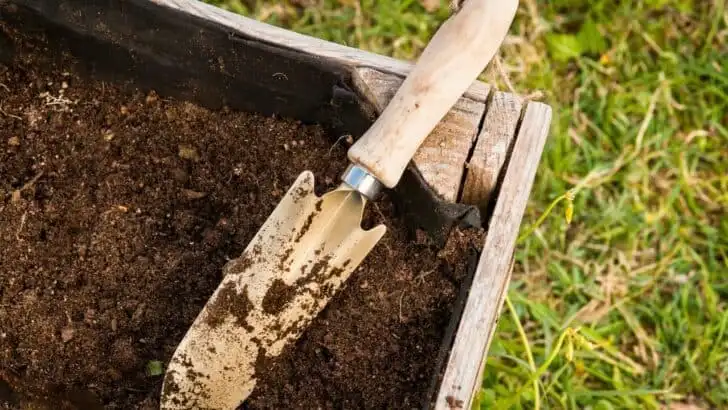
They start out fresh. Straight edges, rich compost, not a weed in sight. You look at your raised bed and think, “Yep. This is going to be the year.”
But seasons pass. One turns into three. Suddenly the corners are slouching, the soil looks tired, and your basil’s growing sideways. You add more compost. You patch the frame. You keep saying you’ll fix it properly when you have time. Spoiler: you won’t.
Raised beds aren’t forever. Wood rots. Soil sinks. Weeds settle in like it’s rent-free. And at some point, it makes more sense to tear it down than keep resuscitating it.
This guide walks you through the signs that your bed’s past its prime, what to do about it, and how to know when it’s time to let it go.
🌿 Key Takeaways
- 📉 Sunken soil means your organic matter has broken down and needs refreshing.
- 💧 Drainage issues often point to compacted layers or clogged bed bases.
- 🪵 Rotting frames put plant roots and structure at risk if not replaced in time.
- 🌾 Weed pressure increases as seeds settle deep and roots sneak in from below.
- 🐛 Persistent pests suggest your soil may need a complete reset to break the cycle.
💀 Sign #1: The Soil’s Gone Flat
That fluffy, airy mix you started with? It’s now compacted and sunken like a sad soufflé. What once held promise now holds puddles and disappointment. After a few years, all that organic matter breaks down, earthworms pack it tighter, and the freeze-thaw cycles do the rest. Unless you’ve been topping it off every season, your plants are now growing in what feels like a deflated mattress.
You might also notice that the surface gets crusty, water pools instead of soaking in, and seedlings struggle to push through. That’s not just annoying — it’s a sign your bed is no longer supporting healthy root development.
What to do: Add fresh compost every spring and again in fall if your plants allow it. A couple inches per season keeps things aerated and nutrient-rich. If your soil has dropped more than six inches or feels like concrete when you dig, consider removing the old soil entirely and rebuilding from the base up. Line the bottom with coarse organic material like twigs or shredded leaves to improve drainage and soil structure long term.
🌿 Tip Box: Keep Your Soil Fluffy
- 🪱 Add compost or worm castings twice a year to replace what breaks down.
- 🌾 Use a broadfork or garden fork to loosen deeper layers without tilling.
- 🍂 Apply mulch to prevent surface crusting and slow future compaction.
- 🌱 Rotate crops each season to reduce soil fatigue and pest buildup.
- 📏 Don’t let soil drop below halfway up the bed. Refill before it gets too low.
💦 Sign #2: Drainage Gets Weird
At first, your bed drained like a dream. Water went in, roots stayed happy, and everything grew like it was on a mission. But now? Water either sits on the surface like a puddle in a parking lot or vanishes so fast you wonder if it even happened. Neither one is good. Poor drainage leads to root rot, stunted growth, and that unmistakable look of a plant giving up.
The problem usually sneaks up. Soil compacts. Organic matter breaks down. Sometimes old weed barrier fabric clogs up the works or the base of the bed turns into a dense, soggy mat. If your plants look thirsty right after watering or start yellowing for no clear reason, it’s time to investigate underground.
What to do: First, test the soil with a shovel. If water is pooling below the surface or if the bottom of the bed feels swampy, you need to act. Loosen compacted soil with a fork, not a tiller, to avoid slicing up beneficial life. Mix in coarse compost, perlite, or pine bark fines to rebuild porosity. If the problem keeps coming back, you may need to rework the bed’s base with better drainage layers.
💡 Tip Box: Fix the Flow
- 🪨 Add a base layer of sticks, rocks, or coarse bark when rebuilding deep beds.
- 🧪 Do a simple drainage test: dig a hole, fill it with water, and time how long it takes to drain.
- 🥄 Never compact the soil when it’s wet. That locks in the bad drainage for good.
- 🌿 Choose plants suited to wet or dry conditions if your bed has persistent trouble spots.
- 🪴 Consider bottomless raised beds if water is pooling between the liner and soil layers.
🧱 Sign #3: The Frame’s Falling Apart
That sturdy frame you built with pride? It’s starting to look tired. Boards are bowing, screws are rusting, corners are splitting, and the whole thing leans just enough to make you nervous. Even rot-resistant wood doesn’t last forever. Constant moisture, shifting soil, and UV exposure wear it down year after year.
If your bed is bulging at the sides or the screws aren’t holding like they used to, it’s not just cosmetic. Structural failure can cause soil to spill out, roots to shift, and plants to collapse. It also makes every future fix harder than it needs to be.
What to do: Replace failing boards before they crumble completely. If more than one side is compromised or if the whole frame feels shaky, rebuild it from the ground up. This is a great time to go taller, add corner brackets, or switch to longer-lasting materials like composite lumber or corrugated metal. Just make sure anything you use is rated safe for food-growing beds.
🪵 Tip Box: Build It to Last
- 🔩 Use galvanized or stainless steel screws to prevent rust and splitting.
- 📐 Add interior corner braces to stop boards from bowing over time.
- 🧱 Concrete blocks or stone borders can outlast wood by decades with no maintenance.
- 🛑 Avoid pressure-treated wood unless it’s certified safe for food gardens.
- 🔁 Inspect frames every fall so you can fix things before winter makes it worse.
🌱 Sign #4: Weeds Are Winning
One year it’s a stray dandelion. The next, it’s a full-blown invasion. You didn’t plant mint, but somehow it keeps coming back. Bindweed wraps around everything like it owns the place. Bermudagrass pushes through from below like it’s trying to make a point. When you’re spending more time pulling than planting, your bed may no longer be under your control.
Weeds don’t just pop up out of nowhere. Over time, seeds blow in, roots creep under, and your once tidy bed becomes a safe haven for the uninvited. Some raised beds even become completely overrun if the soil is neglected or the borders allow grass and rhizomes to sneak in from the edges.
What to do: Start by clearing the surface thoroughly, roots and all. If the problem is shallow, you might be able to reclaim the bed with mulch and a bit of vigilance. But if deep-rooted weeds or aggressive grasses are breaking through from below, you may need to lift the soil entirely and reset the base with a stronger weed barrier. Solarizing the bed with clear plastic for 4 to 6 weeks in summer can also help knock back stubborn seed banks.
🌾 Tip Box: Reclaiming a Weed-Infested Bed
- 🌞 Use solarization to cook the top few inches of soil and kill weed seeds.
- 🧤 Always remove weeds by the root. Cutting them only encourages regrowth.
- 🌿 Cover soil with a thick mulch layer after clearing to block light and prevent new sprouts.
- 🚫 Line the bottom of new beds with cardboard or landscape fabric to stop underground invaders.
- 🕵️ Watch the edges. Most weed invasions sneak in from the sides or below.
🐛 Sign #5: Pests Have Moved In Full-Time
You dig into your bed and something moves. Not a helpful worm, not a curious beetle, but something that crunches when it shouldn’t. Maybe it’s root maggots. Maybe it’s wireworms. Maybe it’s a colony of ants building tunnels through your carrot patch. If it feels like the pests are more at home in your bed than your plants are, it’s time to take a closer look.
Some pests are seasonal guests. Others set up permanent residence, especially if the soil stays undisturbed and the same crops return year after year. Beds that used to thrive may suddenly stall. Roots rot, leaves yellow, and nothing seems to grow quite right. The problem might not be what you can see above ground but what’s lurking below it.
What to do: Rotate crops every season to break pest cycles. If that hasn’t worked, dig down and inspect the soil directly. Spotting grubs, larvae, or large pest populations is a red flag. You can try soil solarization, beneficial nematodes, or targeted treatments, depending on the pest. But if the infestation is severe, starting fresh with a soil reset might be faster and more effective than chasing them out one by one.
🐞 Tip Box: Evicting Unwanted Guests
- 🪰 Root maggots love cool, wet soil. Letting the surface dry between waterings helps stop them.
- 🧺 Remove plant debris at the end of each season to cut off food and shelter for overwintering pests.
- 🐜 Ants in raised beds may signal aphid activity. Treat the aphids, not just the ants.
- 🕳️ If digging reveals tunnels or burrows, rodents might be using your bed as a buffet line.
- 🔄 When all else fails, a full soil swap and bed reset can stop recurring infestations cold.
Time to Retire That Tired Bed?
Look, no one wants to start over. You put time into that bed. You grew things in it. Maybe you even named it. But garden beds aren’t forever. Wood breaks down. Soil gets tired. Pests move in and never leave. It happens to the best of them.
If you’re spending more time patching problems than planting seeds, that bed might be costing you more than it gives back. And that’s your cue. Tear it down. Rebuild it better. Go deeper, sturdier, smarter this time. Your plants will thank you — and so will your knees.
The good news? You already know what works and what doesn’t. You’re not starting from scratch. You’re upgrading with experience.


Daniel has been a plant enthusiast for over 20 years. He owns hundreds of houseplants and prepares for the chili growing seasons yearly with great anticipation. His favorite plants are plant species in the Araceae family, such as Monstera, Philodendron, and Anthurium. He also loves gardening and is growing hot peppers, tomatoes, and many more vegetables.