

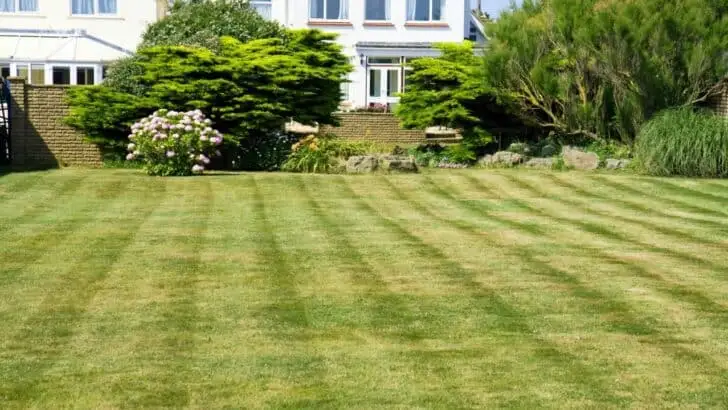
You water it. You mow it. You try not to judge it too harshly. But somehow, your lawn still looks like someone gave up halfway through the job. Patches everywhere. Brown spots here, yellow streaks there. A lush green in one corner and pure chaos in the next.
This isn’t just bad luck or lazy grass. There’s always a reason behind those ugly spots. Maybe it’s something underground. Maybe it’s something your dog did. Maybe it’s just the wrong seed in the wrong place. Whatever it is, you can fix it. You just need to know what you’re dealing with.
This guide breaks down the top five reasons your grass turns patchy and the exact products that can help you turn it around. No fluff. No gimmicks. Just solutions that actually work.
Heads up: This article contains Amazon affiliate links. If you click and buy, we may earn a small commission at no extra cost to you. Thanks for supporting our work!
🦠 Problem #1: Lawn Disease
Your grass was fine last week. Now it looks like something dragged a frying pan across it. Brown spots. Yellow halos. Random streaks that make no sense. If it looks like a turf crime scene, you’re probably dealing with lawn fungus. Brown patch, dollar spot, red thread — they all love the same conditions: warm days, damp nights, and tight, stressed grass.
Fungal infections sneak in when airflow is low and moisture lingers too long. They don’t care how good your mower is. If you’re watering at night or cutting the grass too short, you’re rolling out the welcome mat for them.
How to fix it:
- Improve air flow by mowing high and keeping blades sharp
- Water in the morning so grass dries quickly
- Apply a lawn-safe fungicide that targets common turf diseases
👉 Best Product for Fungal Lawn Damage:
Scotts DiseaseEx Lawn Fungicide – treats common grass diseases without torching your turf
🦶 Problem #2: Soil Compaction
Your grass looks tired. No bounce. No spread. No energy. You water it and nothing changes. You fertilize and still nothing. The problem might not be on the surface. It might be what’s happening under your shoes.
Over time, foot traffic, mowers, pets, and even heavy rains can compress the soil so tightly that roots can’t stretch and water just skims the surface. The result? A lawn that looks thirsty, even when it’s soaked. Compacted soil turns healthy grass into a thin, patchy mat that never quite recovers.
How to fix it:
- Aerate the lawn using a manual core aerator or rental machine
- Topdress with compost or sifted topsoil to rebuild structure
- Overseed the area with a mix suited for stress recovery or partial shade
👉 Best Product for Lawn Aeration:
Yard Butler Core Aerator Tool – affordable, manual, and actually pulls plugs instead of just poking holes
🐕 Problem #3: Pet Damage
You love your dog. Your lawn does not. Those dead patches in the middle of otherwise healthy grass? That’s not disease. That’s nitrogen overload from pet urine. It acts like fertilizer at first, then quickly burns the roots and leaves behind yellow circles of regret.
Some spots come back on their own. Most don’t. If you’ve got a repeat offender with a favorite corner, that area is going to need a lot more than patience. And no, just watering randomly won’t undo the damage once it’s already baked in.
How to fix it:
- Reseed the spot with a fast-growing, high-tolerance mix like fescue or perennial rye
- Water the area immediately after your dog pees to dilute the nitrogen hit
- Create a dedicated mulch or gravel spot where your dog can do their business without wrecking your grass
👉 Best Product for Dog-Damaged Lawns:
Scotts EZ Seed Dog Spot Repair – pre-mixed with mulch, seed, and fertilizer for quick green-up in pet-damaged areas
🌿 Problem #4: Shade vs. Sun Mismatch
Grass is picky. Some types want full sun all day. Others would rather chill under a tree. If your lawn has both conditions but you used one-size-fits-all seed, it’s no wonder some parts look great while others give up completely.
Shade areas struggle when the seed mix can’t handle low light. Full sun areas burn out if the grass isn’t built to handle heat and drought. You end up with lush grass near the driveway and sad bare soil under the maple. It’s not you. It’s the seed.
How to fix it:
- Use a shade-tolerant grass mix under trees or in north-facing zones
- Use drought-tolerant seed blends in open, sunny areas with afternoon heat
- Avoid planting sun-loving species in areas with less than six hours of light
👉 Best Product for Shade Lawns:
Pennington Smart Seed Dense Shade Mix – designed for areas that get just 2 to 4 hours of sunlight per day
🐜 Problem #5: Grubs or Underground Pests
You tug at a patch of grass and it lifts like a cheap carpet. No roots. No resistance. Just loose turf sitting on top of something that clearly ate everything below. That something is probably grubs. Maybe beetle larvae. Maybe root-chewing nematodes. Whatever it is, it’s bad news for your lawn.
Grubs feed on the roots. They leave the grass weak, patchy, and easy to peel up. Birds might start pecking at your lawn like it’s a buffet. Raccoons and skunks might help with the digging too. If the surface feels soft and spongy in spots, it’s time to go digging for answers.
How to fix it:
- Use beneficial nematodes or a targeted grub killer to wipe out larvae
- Apply treatments in early spring or late summer when grubs are young and close to the surface
- Avoid overwatering, which softens the soil and creates the perfect environment for root pests
👉 Best Product for Grub Control:
BioAdvanced Grub Killer Plus – kills grubs quickly and helps prevent reinfestation for the rest of the season
Time to Stop Guessing and Start Growing
Patchy grass isn’t just a cosmetic issue. It’s your lawn trying to tell you something. Maybe the soil’s too tight. Maybe the light is all wrong. Maybe there’s a grub party happening underground. Whatever the cause, tossing down more seed without fixing the problem is like painting over a leak.
Figure out what’s really going on, then match it with the right fix. Most lawns bounce back faster than you’d expect once you stop guessing and start treating the actual issue. And the best part? You don’t need to rip everything up or spend a fortune. A few smart changes can turn patchy into lush with less effort than you think.
Your grass doesn’t want to be difficult. It just wants you to stop mowing it like it’s a rug and give it what it needs to grow. Now you’ve got the tools. Go fix it.
🧠 Key Takeaways
🌱 Key Takeaways
- 🦠 Patchy spots are often caused by lawn fungus that thrives in moist, poorly ventilated areas
- 🦶 Compacted soil blocks roots from growing and needs aeration to recover
- 🐕 Pet damage creates burn zones that need fast-draining seed blends and consistent watering
- 🌿 Sun and shade issues happen when you use the wrong seed for mixed light conditions
- 🐜 Grubs and root pests destroy grass from below and leave turf loose or discolored


Daniel has been a plant enthusiast for over 20 years. He owns hundreds of houseplants and prepares for the chili growing seasons yearly with great anticipation. His favorite plants are plant species in the Araceae family, such as Monstera, Philodendron, and Anthurium. He also loves gardening and is growing hot peppers, tomatoes, and many more vegetables.