


You know what’s better than buying new plants next spring? Not buying them. Because the ones you already have are ready to multiply — right now — for free.
Most people wait until things look desperate. A dead patch here, a hosta choking its neighbors, a coneflower clump that stopped blooming years ago. But smart gardeners? They divide before things fall apart. Late summer and early fall are perfect for it.
This isn’t just about saving money (though it does). Dividing perennials gives them room to grow, helps control diseases, and makes your spring garden explode like it’s been professionally designed. Don’t overthink it. Grab your shovel, aim for the roots, and we’ll show you exactly which plants to tackle.
🌱Why Divide Perennials in Late Summer or Early Fall?
Summer’s winding down. The blooms are fading. But underground? Your perennials are quietly shifting focus from flowers to roots — which makes this the perfect time to divide them. Cooler temperatures mean less stress for transplants. There’s less sun to scorch, more moisture in the soil, and fewer weeds trying to crash the party.
In early fall, plants aren’t in growth overdrive anymore. That means dividing doesn’t interrupt any big blooming plans. Instead, it helps your perennials dig in and get comfy before winter hits — so come spring, they explode with fresh energy.
🌿 Pro Tip
Don’t wait for the first frost. Aim to divide 4–6 weeks before the ground freezes. That gives roots time to settle in before winter dormancy kicks in.
How to Know If a Plant Needs Dividing
Some perennials are drama queens. They’ll tell you loud and clear when they’re not happy — and that’s usually your cue to divide them. Look at the center of the plant. Is it bald? That’s a sign it’s too crowded and has started giving up on the middle. Fewer flowers? That’s not a fluke. That’s exhaustion.
Perennials like daylilies, black-eyed Susans, and bee balm grow in clumps that thicken over time. Eventually, they’re competing with themselves for nutrients, water, and space. When that happens, they sulk — fewer blooms, smaller leaves, stunted growth. And worst of all, water starts running off the surface instead of soaking in, because the roots are packed tighter than rush hour traffic.
If your plant used to thrive and now it’s giving you the silent treatment, it might be time to grab your fork and give it some breathing room.
🔍 Signs Your Plant Is Overdue
- 🌸 Fewer or smaller blooms than last year
- 🌀 A bald patch forming in the center of the clump
- 🪨 Soil dries out quickly or water pools off the root ball
- 🍃 Leaf size is shrinking or looking stressed despite watering
- 📏 Clump is getting way bigger than it used to be
Tools You Actually Need (and Which Ones to Skip)
You don’t need a fancy gardener’s toolkit to divide perennials. You just need something that slices and something that pries — that’s it. A sturdy shovel will do most of the heavy lifting. But if you want to make it easier on your back (and your plants), a garden fork is your new best friend. Two forks back-to-back can gently pry roots apart without mangling them.
For tougher clumps like daylilies or hostas, a hori-hori knife or even a sharp bread knife works great. Seriously. That old serrated knife in your kitchen drawer? Perfect for slicing root balls like cake. And no, you don’t need one of those overpriced perennial-splitting gadgets. Unless you’re running a nursery, skip the gimmicks.
The best tool is the one you already own — and aren’t afraid to get dirty.
🛠️ Essential Gear Checklist
- 🪓 Sharp spade or garden fork for digging
- 🔪 Hori-hori knife or old bread knife for cutting clumps
- 🧤 Gardening gloves (your hands will thank you)
- 🪣 Bucket or tray to carry divided sections
- 🚿 Hose or watering can for rehydrating after transplant
1. Daylilies

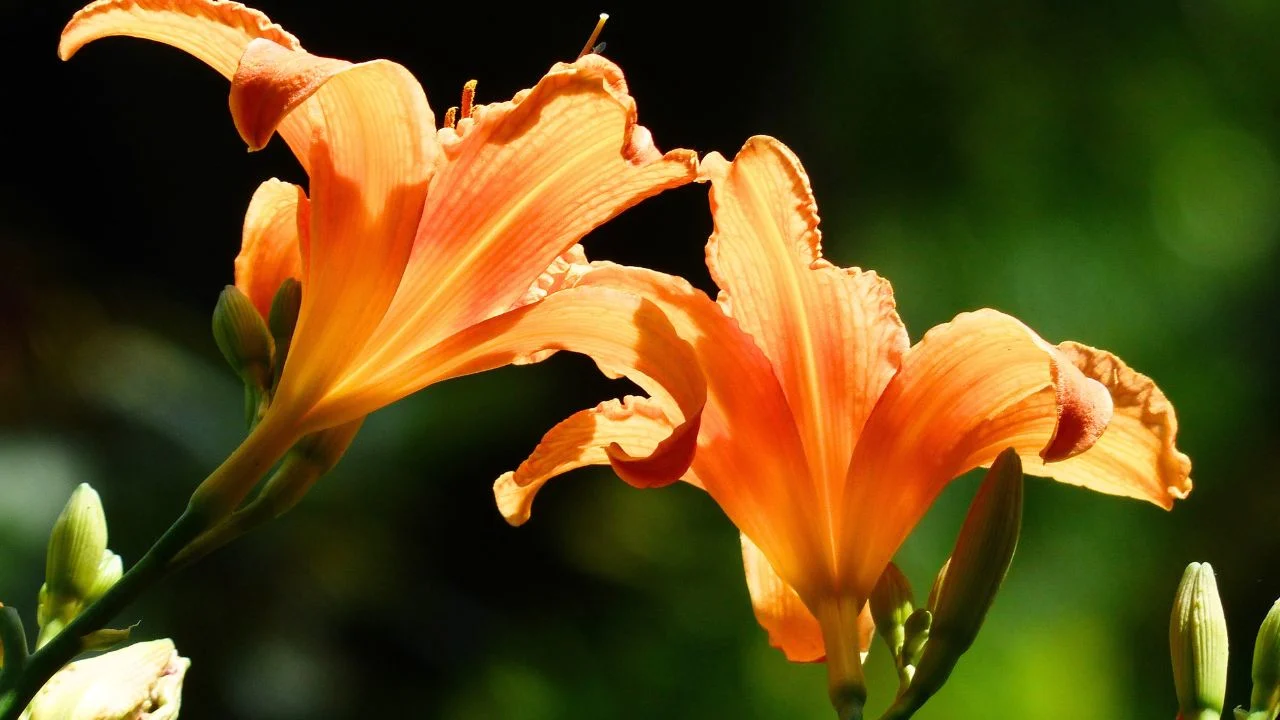
These overachievers form thick, tangled clumps in just a couple of seasons. If your daylilies are blooming less or seem overcrowded, it’s time to give them room to breathe. Late summer is perfect — the plant’s energy shifts underground, and cooler temps reduce stress.
To divide, dig up the entire clump with a spade or fork. Then use two forks back-to-back to pry it apart, or slice cleanly through the root mass with a knife. Each division should have at least 3–5 healthy fans of leaves and a chunk of root.
Replant right away and water deeply. You’ll get stronger blooms next season and fewer sad, floppy leaves in the meantime.
🌱 Quick Tips for Daylily Division
- 🕰️ Best time: After blooming, late summer to early fall
- ✂️ Tools: Use forks or a serrated knife to split cleanly
- 💦 Water deeply after replanting to reduce transplant shock
- 📍 Depth matters: Don’t bury too deep — just cover the crown
- 📅 Repeat every 3–5 years for best performance
2. Hostas

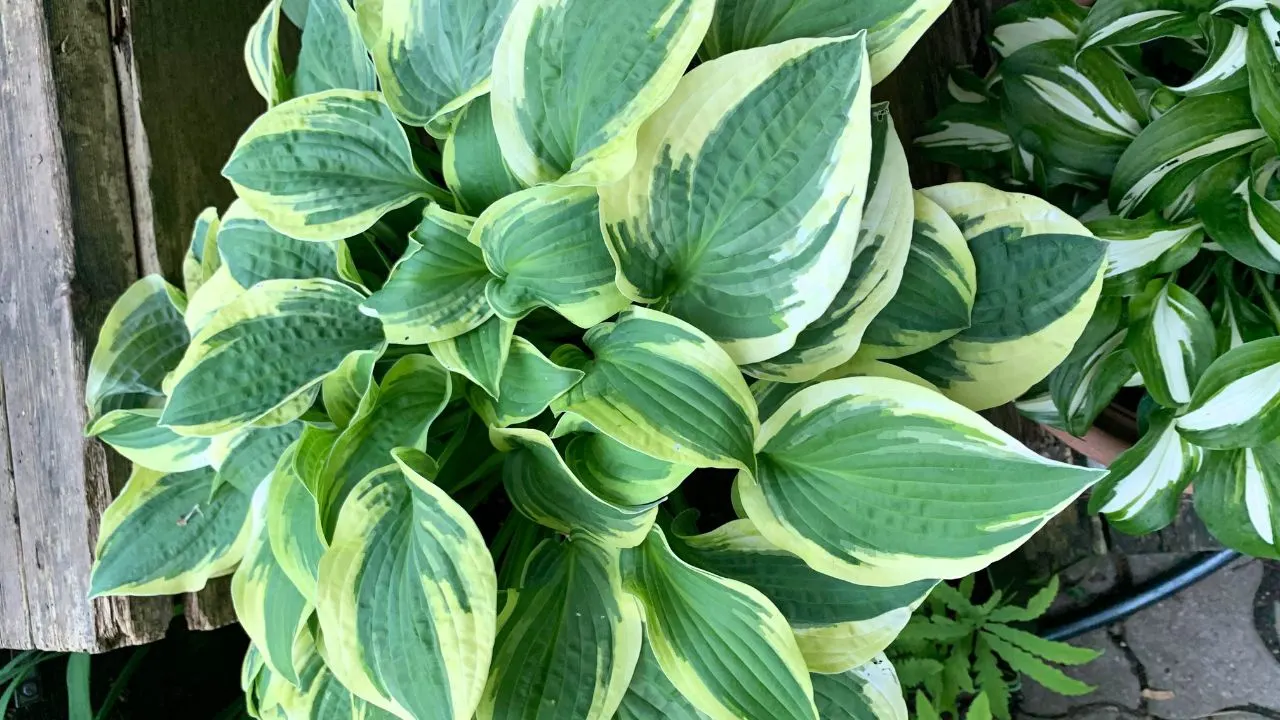
Hostas are the poster child for garden patience — slow to wake up in spring, but lush and dependable all season. Still, by late summer, they often outgrow their welcome. If you’ve got mounded giants crowding walkways or choking each other out, now’s your chance to reset the balance.
To divide hostas, dig up the clump with a shovel and slice it like a layer cake. Seriously. A clean shovel blade or an old bread knife will do the trick. Each chunk should include a good hunk of root and at least a couple of leaf “eyes” (the growing points).
Replant divisions at the same depth they were growing before, give them a generous drink, and mulch to lock in moisture. They’ll focus on root growth this fall and come back fresh in spring — less crowded, less slug-prone, and a lot happier.
🌿 Quick Tips for Hosta Division
- 📆 When to divide: Late summer to early fall, before dormancy
- 🔪 Best method: Slice through clumps with a sharp shovel or knife
- 📦 Replant promptly: Don’t leave divisions sitting out to dry
- 🌧️ Water generously: Especially during hot spells
- 🛏️ Mulch lightly: Helps retain moisture and suppress weeds
3. Bee Balm (Monarda)
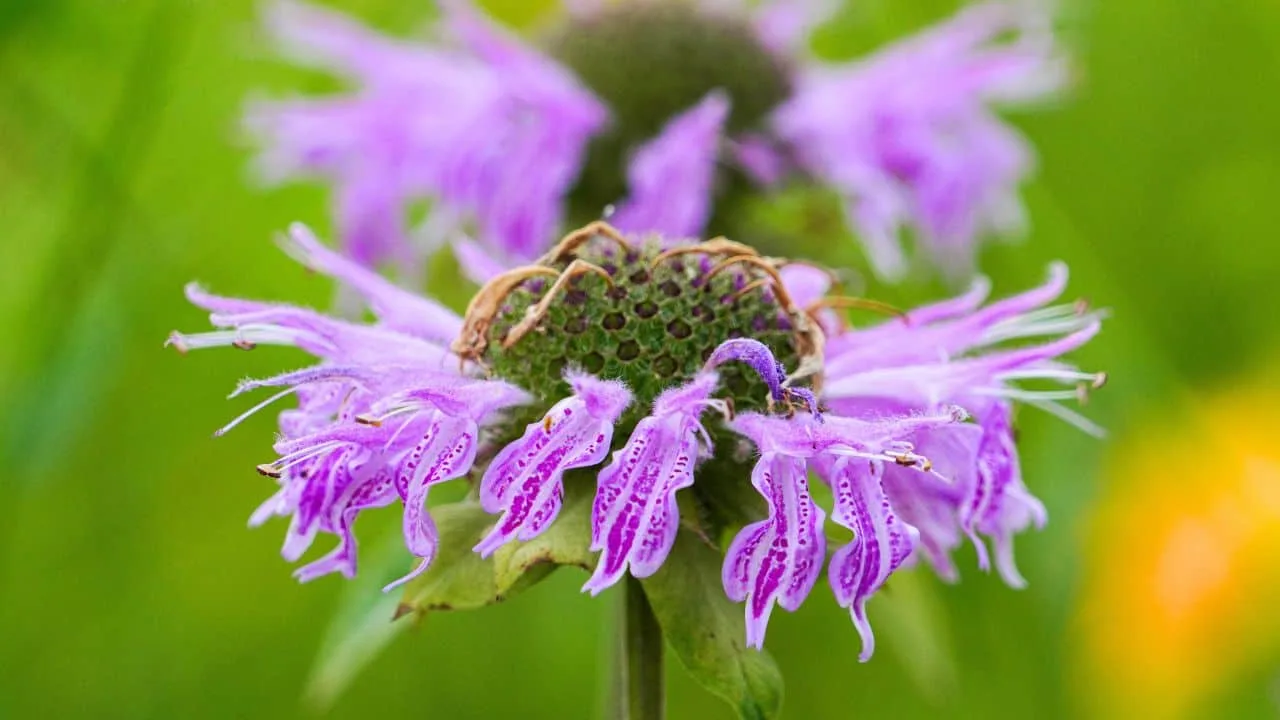
Bee balm doesn’t just look wild — it acts wild too. This showy pollinator magnet loves to spread, and if left unchecked, it turns into a dense tangle of stems with fewer flowers and a serious mildew problem. If yours is starting to look more mess than magic, it’s time to split it up.
To divide bee balm, wait until the blooms are spent and the weather cools slightly. Dig around the clump and lift it out with a spade or garden fork. The outer edges are usually the healthiest. Use a sharp knife or spade to separate chunks, making sure each piece has roots and shoots.
Replant your divisions in well-draining soil with good air circulation. That’s the key to fighting the dreaded powdery mildew. Bonus: dividing gives you more plants to scatter around your garden or share with your neighbors. The bees will thank you.
🐝 Bee Balm Division Basics
- 🌼 Best time: After flowering, late summer or early fall
- ✂️ Divide every 2–3 years: Prevents overcrowding and disease
- 🌬️ Space out replanting: Good airflow = less mildew
- 🌱 Use outer sections: These are most vigorous
- 🌻 Bonus tip: Plant near vegetables to boost pollination
4. Black-Eyed Susans


Black-Eyed Susans are the life of the late-summer party, but left alone, they’ll take over like they own the place. These golden beauties are notorious for spreading fast and thick, which sounds nice until they start crowding out everything else. If your patch looks more like a sunflower riot than a garden bed, it’s time to divide.
The best moment to tackle this job is right after blooming ends. Use a spade to lift clumps from the ground, then gently tease or slice apart the root masses. You don’t have to be surgical here — Susans are tough. Replant the divisions with enough space to breathe, and they’ll bounce back in no time.
By thinning the herd, you’re not just controlling spread. You’re keeping the blooms bigger, brighter, and longer-lasting. And as a bonus? You’ll have more plants to tuck into new beds or pass along to friends.
🌻 Black-Eyed Susan Tips
- 🌼 Divide after flowering: Late summer to early fall
- 🪓 No need to be gentle: These plants are resilient
- 🌿 Remove dead centers: Focus on healthy outer growth
- 📏 Space divisions: Prevents crowding and encourages better blooms
- 🎁 Extra plants: Perfect for gifting or naturalizing another spot
5. Shasta Daisies

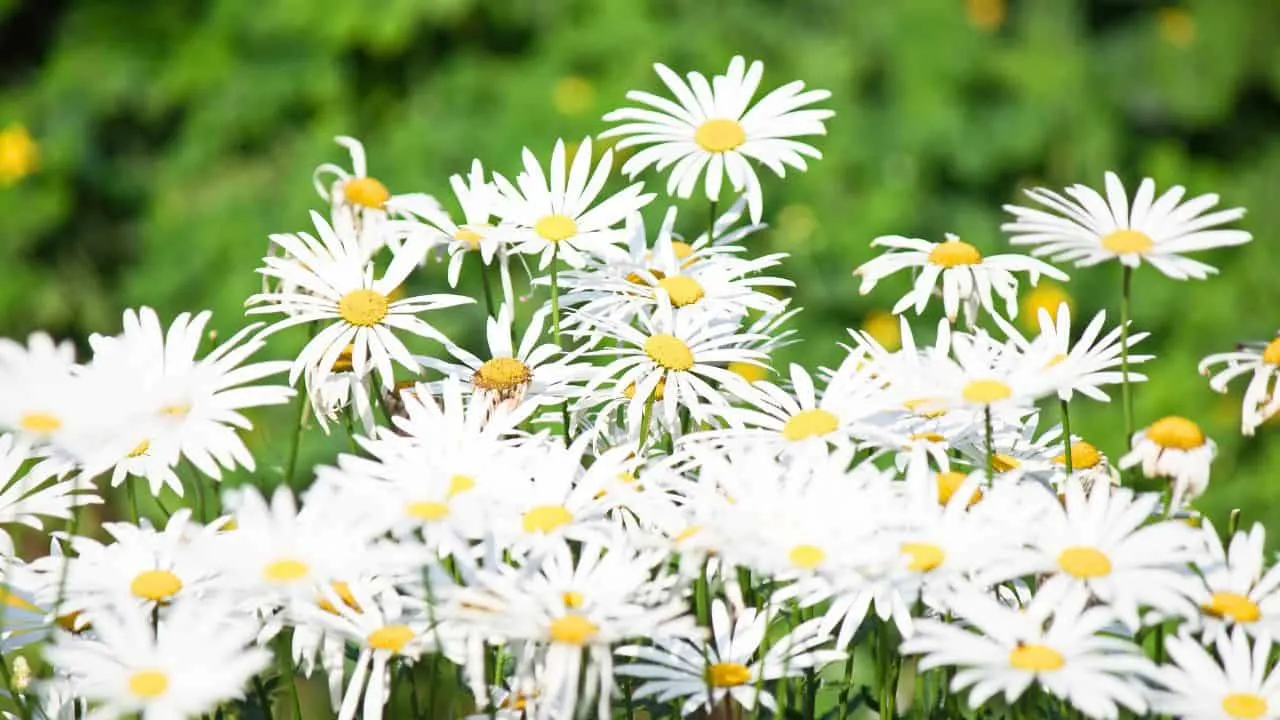
They start off neat and cheerful, all bright petals and tidy mounds. But over time, Shasta daisies tend to get a little… hollow. Literally. The center of the clump dies back, leaving a bald patch surrounded by enthusiastic outer growth. If your daisies are forming a donut, it’s time for some tough love.
Late summer or early fall is your sweet spot. Use a sharp spade to lift the entire clump, then slice it like a pie. Keep the outer sections, toss the worn-out middle, and replant the divisions in refreshed soil. Water them in, and they’ll settle before winter.
Dividing Shasta daisies every few years keeps them lush, full, and blooming like they mean it. It’s also your chance to spread them around — more beds, more borders, more joy.
🌼 Shasta Daisy Tips
- 🔄 Divide every 2–3 years to prevent center dieback
- 🧤 Lift entire clumps and discard woody middles
- 🌱 Replant outer divisions in nutrient-rich soil
- 💧 Water well to help new roots establish
- 🌼 Expect fuller blooms next season with healthier spacing
6. Yarrow

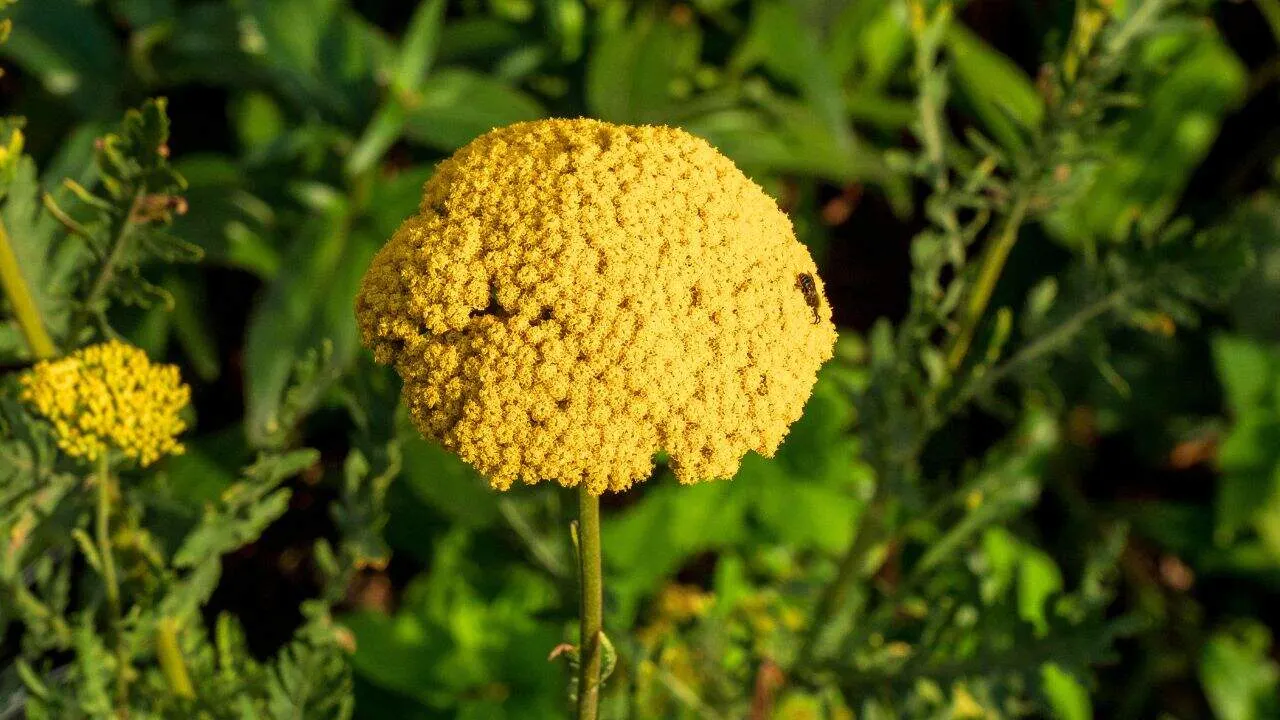
Yarrow is one of those tough, no-fuss perennials that seems to thrive on neglect — until it doesn’t. Left unchecked, it can get leggy, flop over, or stop blooming like it used to. If your yarrow patch is looking more sad than spunky, it’s probably overcrowded and rootbound. Time to split it up.
Late summer is a great time to divide it. The flowers are mostly done showing off, and the plant is focusing on roots again. Dig up the whole clump and look for the strongest outer sections. These are your keepers. Compost the tired middle bits, or toss them if they’re woody and spent. Then replant your divisions with space to breathe.
Dividing yarrow helps keep its energy up and its blooms big. Plus, it gives you extras to tuck into other parts of the garden, or gift to a neighbor who’s still growing grass.
🌾 Yarrow Division Tips
- 🕒 Divide every 2–4 years to keep growth tidy and productive
- 🌿 Focus on outer growth; discard older woody centers
- 🪓 Use a spade or garden fork to pry apart stubborn clumps
- 🚿 Water well after replanting and mulch lightly to retain moisture
- 🌼 More divisions mean more blooms next season
7. Coneflower (Echinacea)

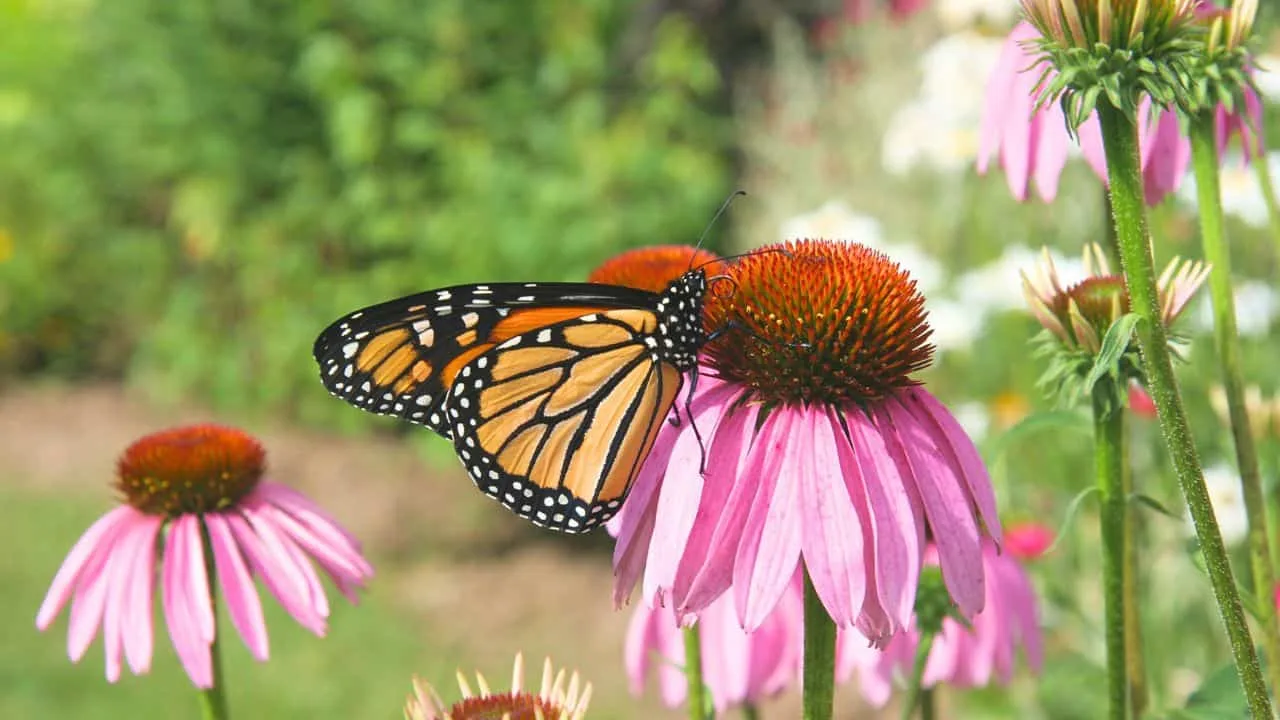
If your coneflowers are crowding each other out or blooming less than usual, it’s a sign they’re ready for a refresh. These prairie natives don’t need dividing often, but every few years, a good split helps them keep that bold, upright energy — and gives you free plants in the process.
Late summer is the perfect window. Once the flowers start fading and the plant begins setting seeds, it’s focusing below ground again. That’s your cue. Use a spade to lift the whole clump, then slice into halves or thirds. Keep the strongest sections with healthy roots and toss anything soft or rotting.
Replant immediately, water well, and mulch if your weather’s still blazing. You’ll get fewer flowers this fall, but next spring? Stronger plants, better shape, and blooms that know what they’re doing.
🌸 Coneflower Division Tips
- ✂️ Best time: Late summer to early fall, after blooming slows
- 🧱 Cut into halves or thirds depending on clump size
- 🌱 Replant right away and water deeply
- 🌼 Expect stronger blooms and better spacing next season
- 🐝 Leave a few seed heads if you want to feed the birds
8. Coreopsis

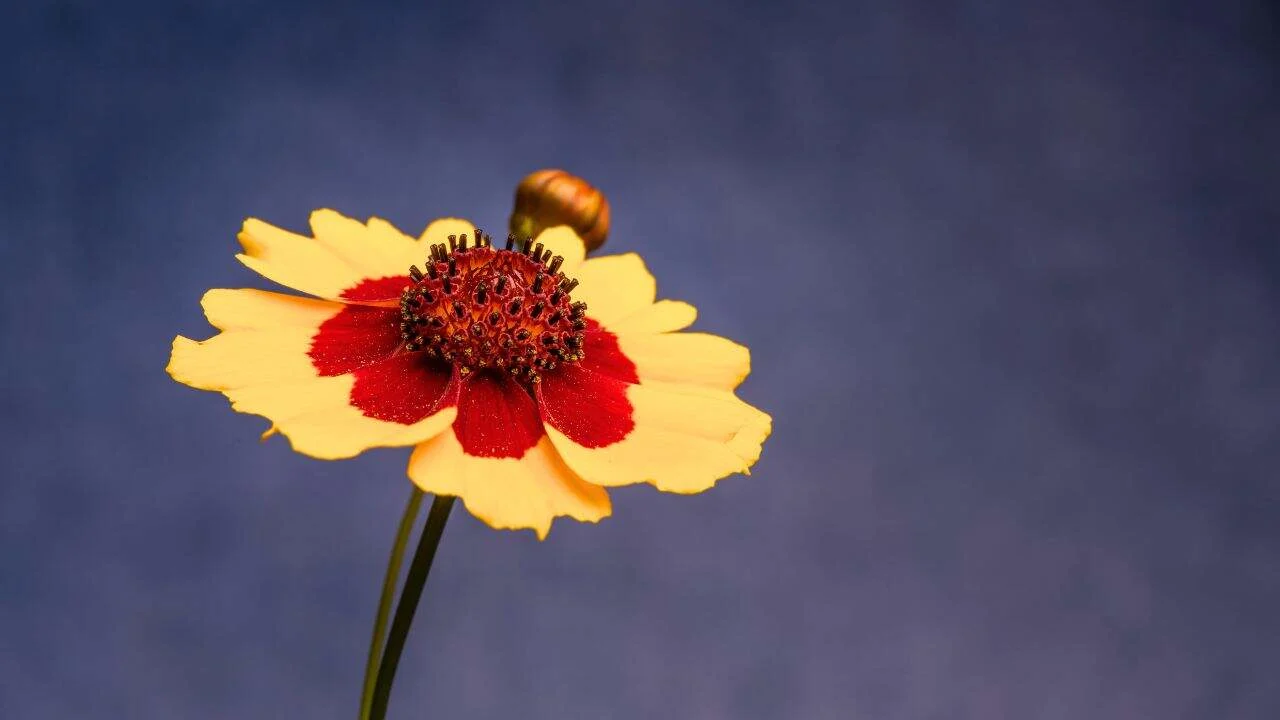
Coreopsis might look delicate, but these daisy-like perennials are tough, cheerful, and ridiculously easy to divide. If you’ve got a patch that’s sprawling or blooming unevenly, it’s time to break it up. Division keeps them compact, healthy, and ready to party again next spring.
To divide, lift the clump carefully with a garden fork or shovel. You’ll see a mass of fibrous roots — just tug it apart with your hands or slice it with a knife. Try to keep each division at least the size of your fist, with some roots and green growth attached. They don’t need much coddling.
Replant with space to spread, water them in, and watch them rebound. If you’ve got extras, pot them up for gifts. People will think you bought them something fancy. You didn’t. You just have good timing and a great garden.
🌼 Coreopsis Division Cheat Sheet
- 📆 Divide in late summer while soil is still warm
- 🪓 Split with hands or a knife — no special tools needed
- 🌿 Replant with space to keep them tidy and flowering
- 🎁 Great for gifting in pots or plastic nursery trays
- 💡 Bonus: Deadhead regularly after replanting to extend blooming
9. Garden Phlox

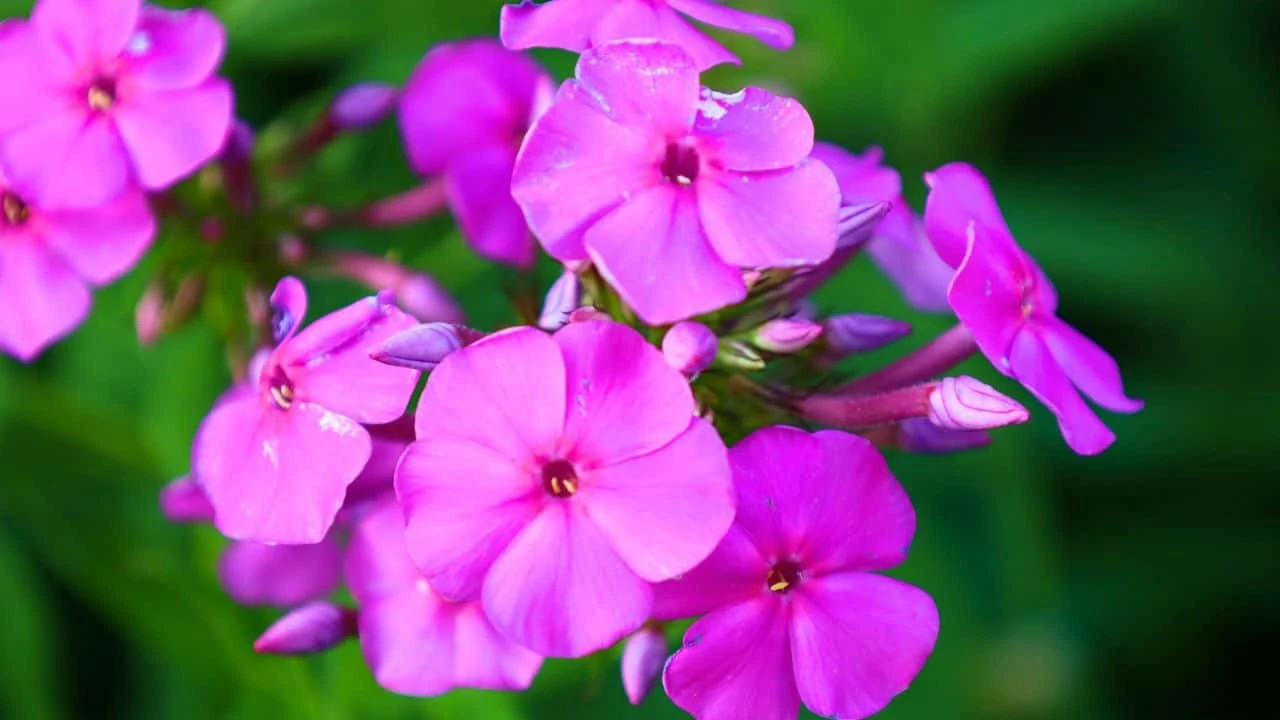
Garden phlox is stunning when it’s healthy — tall, full of blooms, and fragrant. But when it gets crowded, it throws a tantrum. You’ll see powdery mildew, floppy stems, and flowers that just don’t try as hard. That’s your cue: time to divide and conquer.
Use a spade or fork to lift the whole clump out of the ground. It’s okay if it feels dense — phlox roots can form a bit of a tangled mess. Slice through the root ball with a knife or sharp shovel, keeping each chunk fist-sized or larger. Aim for 3 to 5 healthy shoots per division.
When you replant, give them breathing room. More air between plants means fewer mildew problems later. And if you want more bang for your buck next summer, mix a little compost into the planting hole. They’ll thank you with flowers.
🌸 Garden Phlox Division Cheat Sheet
- 📆 Divide every 3–4 years to avoid crowding and mildew
- ✂️ Cut into chunks with 3–5 stems each
- 💨 Space widely for good air circulation
- 🧪 Amend soil with compost before replanting
- 👃 Bonus: Divided phlox = more scent all around the garden
10. Sedum (Autumn Joy)

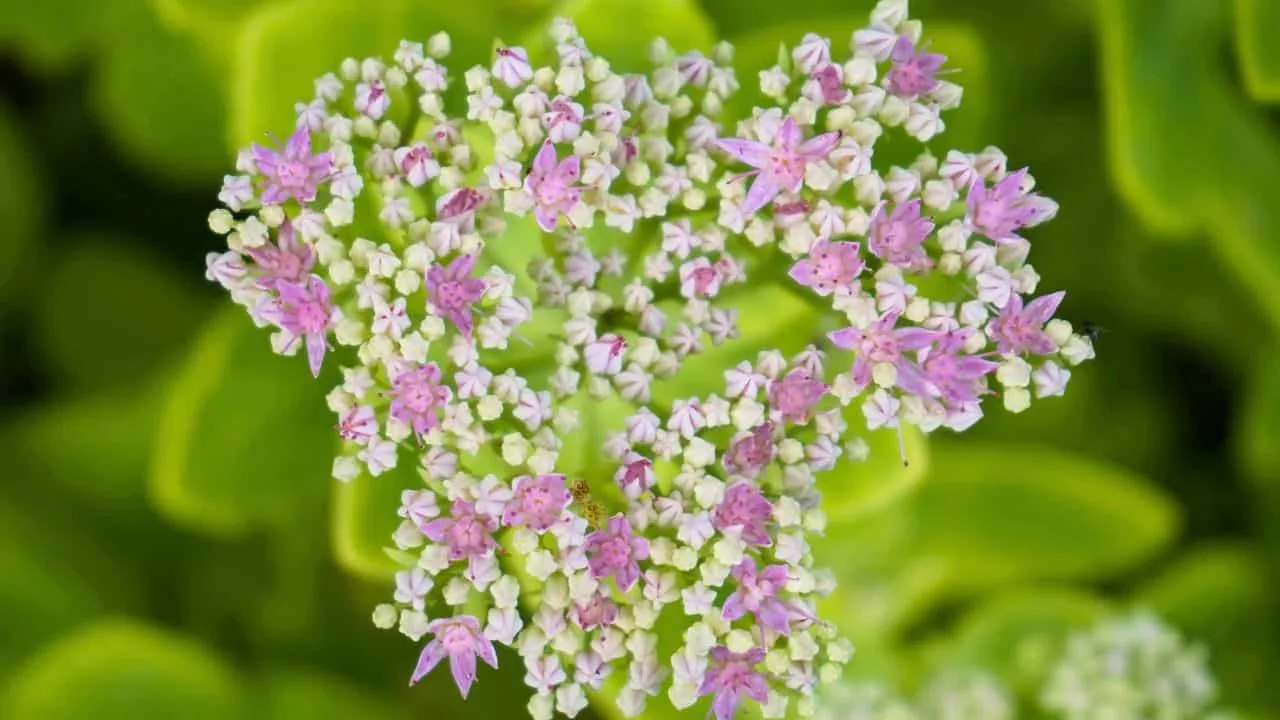
Sedum might be one of the easiest perennials to divide. Especially ‘Autumn Joy’. It grows in neat, tidy clumps — until it doesn’t. When you notice the center starting to flop open or stems falling outward, that’s your sign: time to split it up.
Wait for a cool, dry day. Then grab a shovel and lift the whole clump. Sedum roots are shallow and friendly, so this won’t be a workout. Use a sharp knife, trowel, or even your hands to break it into pieces. Each section should have roots and at least one healthy stem.
Replant in well-draining soil and don’t overwater. These guys like it lean. And the best part? Divided sedum usually blooms better the following year. Less crowding means stronger, straighter stems and more punchy pink flowers in fall.
🌿 Sedum Division Cheat Sheet
- 📍 Divide when clumps spread or flop
- 🛠️ Cut with a knife or pull apart by hand
- 💧 Plant in dry, well-draining soil — no soggy roots
- 🌸 Expect stronger blooms the following fall
- 🪴 Perfect for pots if you’re short on garden space
11. Irises

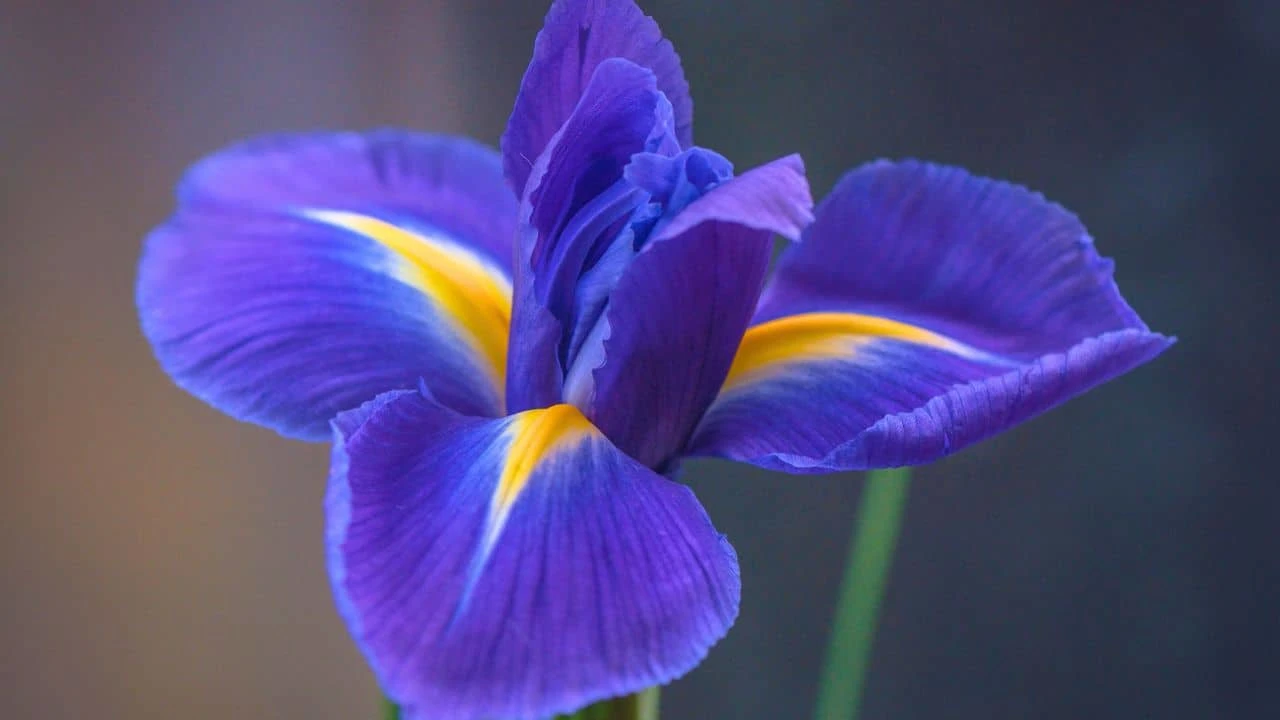
Irises are drama queens. Gorgeous, but needy. If you leave them alone for too long, they stop blooming and start crowding themselves to death. The fix? Dig, divide, and discard — especially the old, woody rhizomes in the center.
Late summer is the perfect time. Start by lifting the whole clump with a spade or garden fork. You’ll see thick, finger-like rhizomes tangled up like pasta. Trim off the foliage to about 6 inches so the plant can focus on roots. Then find the healthy outer sections — firm, plump, and with visible fans of leaves — and toss anything mushy, hollow, or old.
Replant the good stuff just below the soil surface, horizontal rhizome and all. Give them space to breathe and bloom. They like full sun, good air circulation, and a bit of neglect. Crammed irises are unhappy irises.
🌸 Iris Rescue Recap
- 🪓 Cut out the old center rhizomes — they don’t bloom
- 🪴 Keep outer pieces with roots and leaf fans
- 📏 Trim leaves to 6 inches before replanting
- 🌞 Plant in full sun with airflow to prevent rot
- 🛑 Don’t bury the rhizomes deep — shallow is best
12. Liatris (Blazing Star)

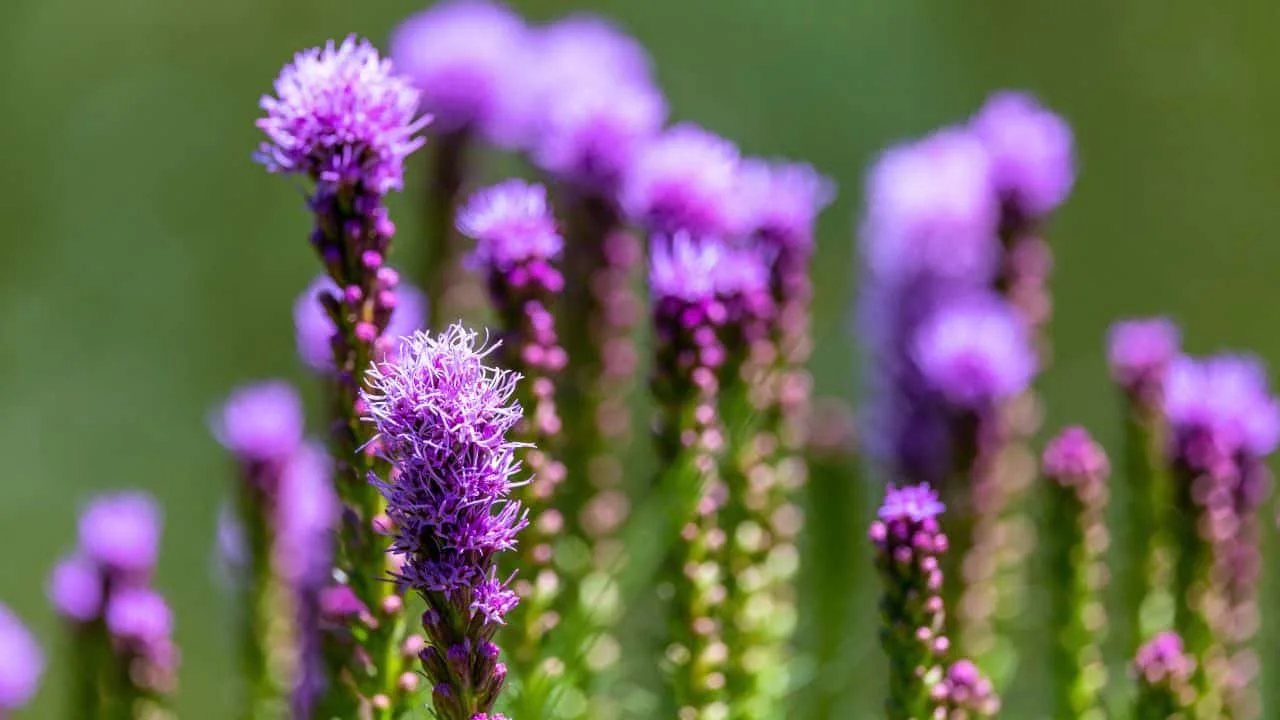
Liatris looks like fireworks frozen mid-blast. It’s a native pollinator magnet, tough as nails, and surprisingly polite — until it’s not. When the clumps get crowded, flowering suffers and the whole display starts to fizzle. Dividing helps them bounce back and gives you free plants in the process.
The secret’s in the corms. These chubby little storage organs sit just beneath the soil. In late summer or early fall, dig up the clump carefully and shake off the dirt. You’ll find clusters of round corms (they look like mini turnips) connected at the base. Snap them apart gently or use a clean knife if they’re being clingy.
Replant the biggest, healthiest corms about 1–2 inches deep in well-draining soil. Full sun is a must, and spacing matters — give them room to show off. If you’re planting for pollinators, group several together for a bigger visual (and nectar) impact.
🌿 Liatris Division Tips
- 🪴 Dig carefully to avoid damaging corms
- 🧤 Separate by hand or slice with a clean blade
- 📏 Plant 1–2 inches deep with spacing of about 12 inches
- 🌞 Needs full sun and good drainage
- 🦋 Perfect for butterfly-friendly garden borders
13. Catmint


Catmint is that chill, easy-going friend who fills in the gaps and makes everything look better. It’s fragrant, low-maintenance, and blooms like it’s on a mission. But it does have one wild side: it spreads fast. By late summer, it can look a little too enthusiastic — flopping, sprawling, and crowding everything nearby.
Dividing catmint keeps it compact, blooming, and tidy. After it finishes a big flush of flowers, trim it back to about half its size. Then dig up the clump and split it into sections using your hands or a serrated knife. Each chunk should have a bit of root and a few healthy stems. It’s a quick job, and the plant recovers fast — like, weirdly fast.
Replant the divisions with plenty of space between them, and water them in well. Within a week or two, they’ll perk back up and start settling in. Bees will be back in no time.
🌿 Catmint Division Tips
- ✂️ Cut back after bloom before dividing
- 🪴 Split clumps with hands or a knife
- 🌱 Replant immediately in well-drained soil
- 🌸 Spacing of 12–18 inches keeps it tidy
- 🐝 Bees and pollinators adore it
Keep Your Garden Going Without Buying a Thing
Dividing perennials might not feel as exciting as planting something new, but it’s one of the smartest things you can do this time of year. You’re not just tidying up — you’re multiplying your plants, rejuvenating tired clumps, and giving your future spring garden a serious head start. All without spending a cent.
If you’ve been itching for a change, more color, or just less crowding, this is your move. One afternoon of digging and slicing now can lead to double the blooms, better airflow, and stronger plants next season. The kind of prep work your garden will actually thank you for — not with words, but with flowers.
🌿 Key Takeaways
- 🌱 Late summer and early fall are ideal times to divide most perennials — less heat, less stress.
- 🔍 Look for signs like overcrowding, fewer blooms, or bald centers to know which plants need it.
- 🧰 Use simple tools like forks, knives, or a sharp shovel — no fancy gear required.
- 🌸 13 common perennials thrive when divided now, from daylilies to catmint.
- 💸 Division gives you free plants for your garden, your neighbors, or that sad bare spot by the mailbox.


Daniel has been a plant enthusiast for over 20 years. He owns hundreds of houseplants and prepares for the chili growing seasons yearly with great anticipation. His favorite plants are plant species in the Araceae family, such as Monstera, Philodendron, and Anthurium. He also loves gardening and is growing hot peppers, tomatoes, and many more vegetables.