

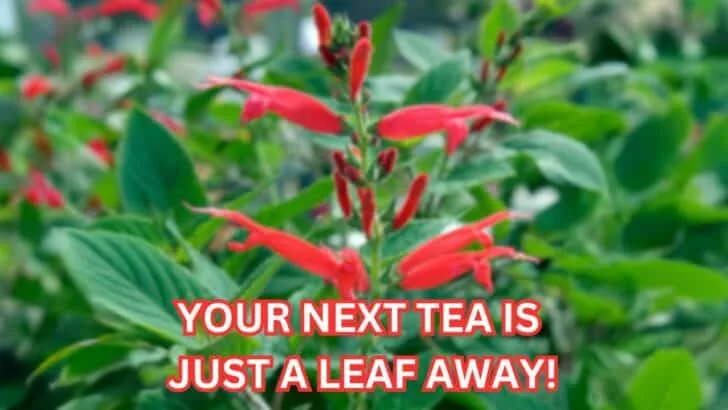
Your tea cabinet doesn’t have to live in a store. It might already be growing between your tomatoes and your cosmos. You just didn’t know it yet.
Some plants taste like licorice. Some taste like lemon. Some taste like cucumbers in the best possible way. And a lot of them make tea that’s better than anything in a box, especially if you picked it yourself and didn’t pay twelve bucks for a compostable pouch and a poetic label.
This isn’t about tinctures or tincture jars or becoming the neighborhood herbalist. It’s about cutting some leaves, boiling some water, and making something that tastes good and smells even better.
These are the plants that pull double duty. The ones that make bees happy and make you a better cup of tea at the same time.
1. Anise Hyssop
🌿 Taste: Minty licorice with a sweet floral edge
🫖 Use: Leaves and flowers, fresh or dried
📅 Harvest tip: Before it goes fully to seed
✨ Why it’s great: It’s calming, tasty hot or cold, and smells like a candy shop in bloom.
2. Tulsi (Holy Basil)

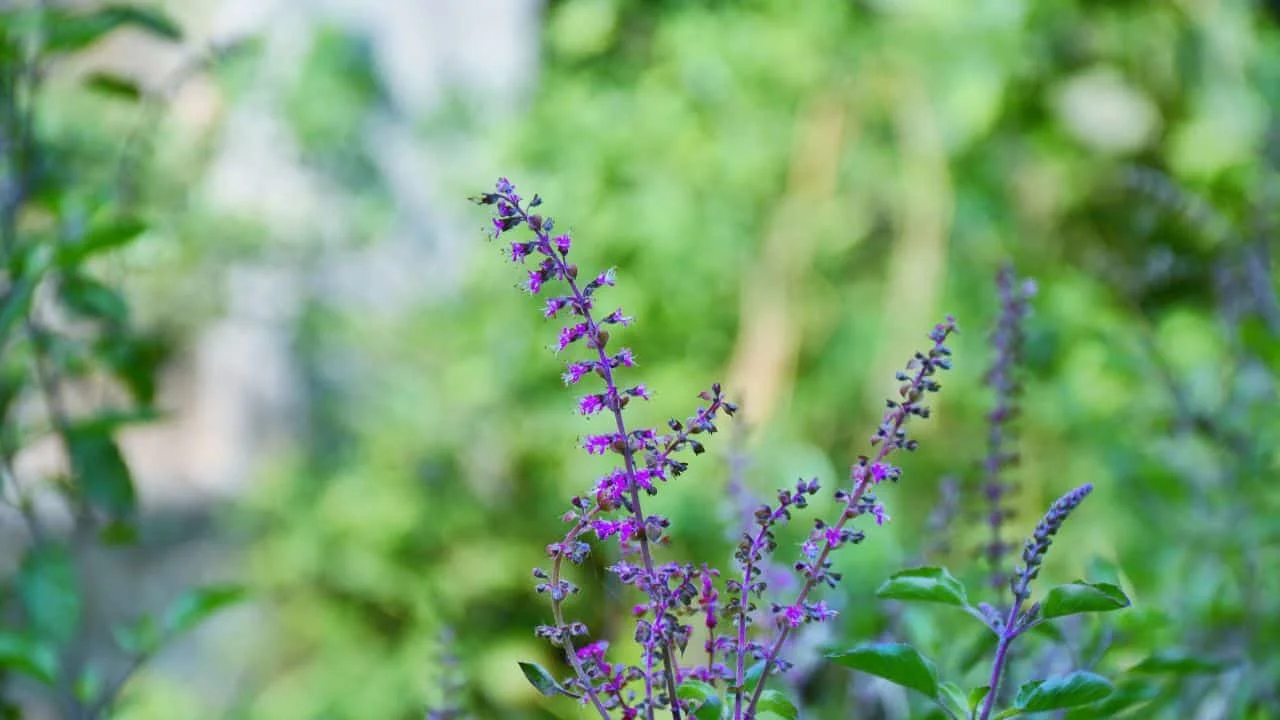
Tulsi doesn’t behave like regular basil. It’s spicier, earthier, and built for tea more than tomato sauce. It’s the kind of herb you grow once and then start wondering why it isn’t in everything you drink. Pick it often and it keeps coming back, with that deep, warming scent that feels like exhaling stress.
🌿 Taste: Warm, peppery, and slightly clove-like
🫖 Use: Leaves only, especially before flowering
📅 Harvest tip: August is still perfect if you keep cutting it back
✨ Why it’s great: A favorite in Ayurvedic tea blends. Pairs well with lemon balm or mint for a stress-busting evening brew.
3. Lemon Verbena

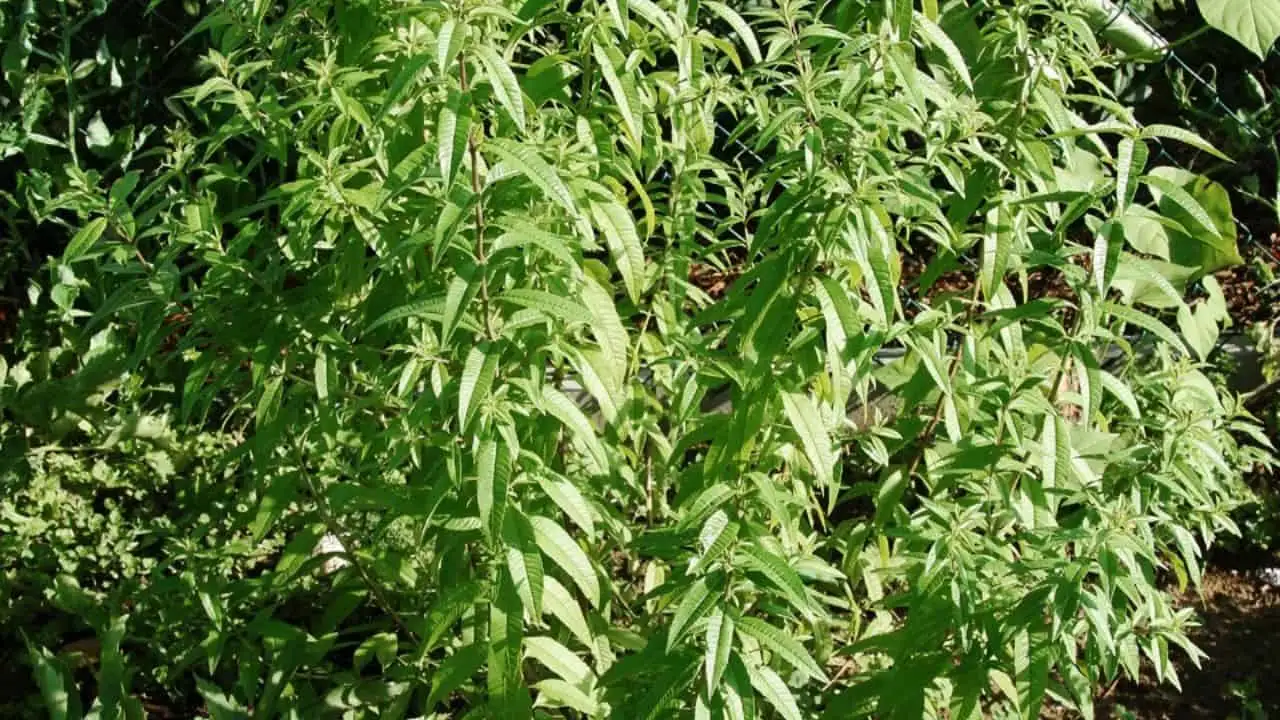
This is what lemon balm wishes it tasted like. Lemon verbena is sharper, brighter, and makes your whole kitchen smell like you’re about to clean it, but in a good way. It’s the star of any iced tea blend and strong enough to stand on its own. A little goes a long way, so snip, steep, and chill.
🌿 Taste: Bright lemon without the sour bite
🫖 Use: Fresh or dried leaves
📅 Harvest tip: Snip regularly and keep it in shape
✨ Why it’s great: Stronger and cleaner than lemon balm. Makes iced tea feel like spa water.
4. Bee Balm (Monarda)

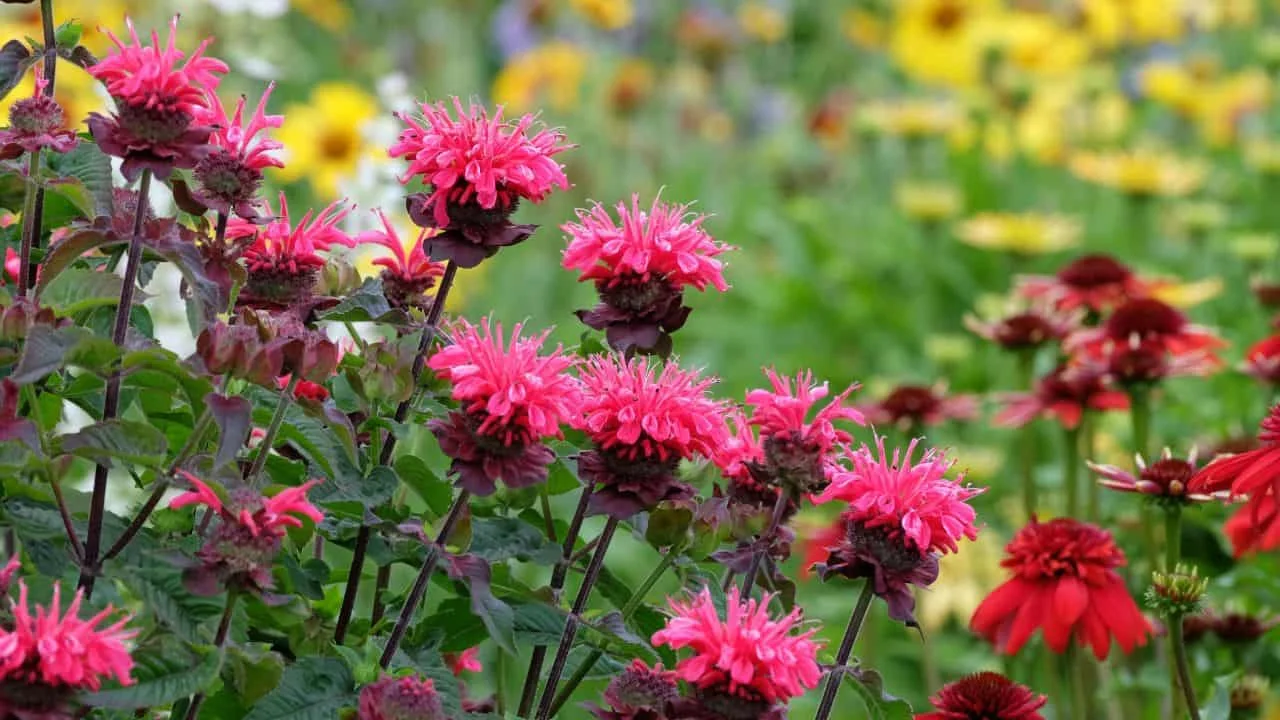
If mint went to art school and got a little wild, it would be bee balm. The petals are electric, the flavor is bold, and the whole plant has a kind of chaotic charm. It brings heat and brightness to any tea blend, and it doesn’t mind if you forget to water it now and then. Use it fresh for kick, or dry it and mix it with something mellow.
🌿 Taste: Spicy-minty with a floral note
🫖 Use: Petals or leaves, fresh or dried
📅 Harvest tip: Mid-bloom is best for flavor
✨ Why it’s great: Adds color and kick to tea blends. Think mint with attitude.
5. Fennel Fronds or Seeds

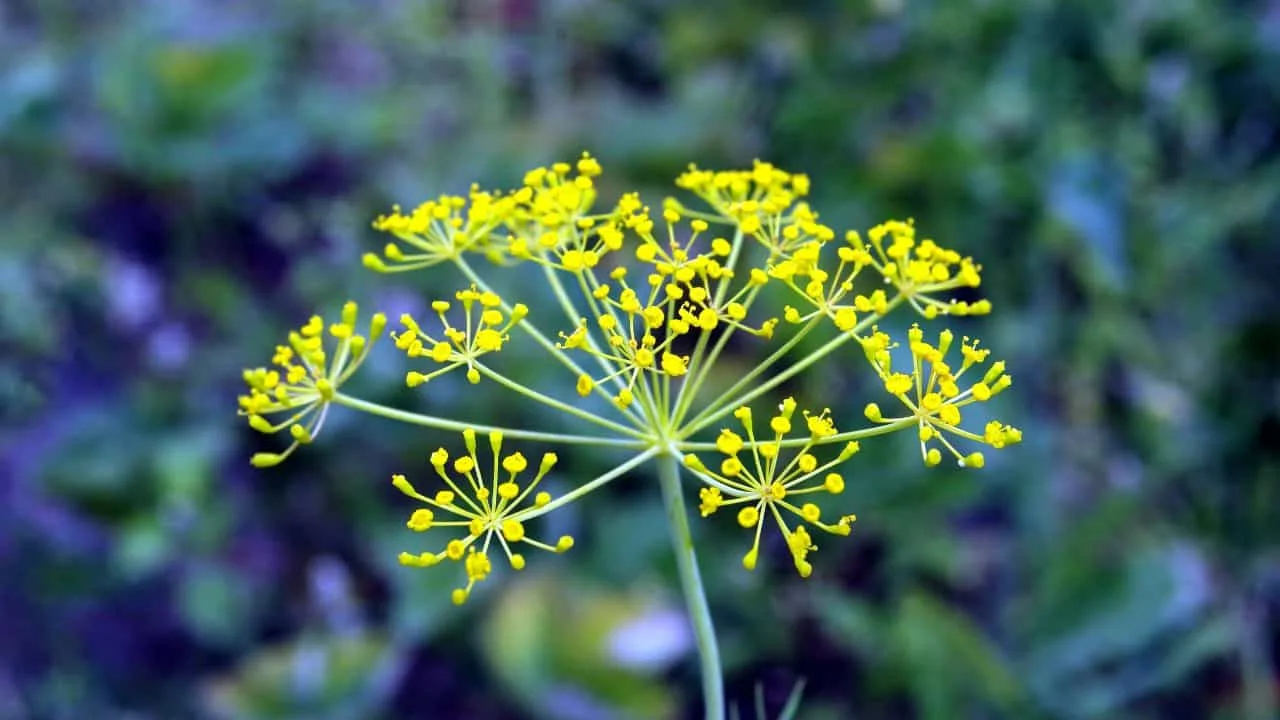
Fennel’s one of those herbs you either forget you planted or can’t get rid of. Either way, its tea game is underrated. The fronds make a smooth, sweet brew, and the seeds, once they mature, are even better. It’s great after a heavy meal, and it makes chamomile taste like it has a personality.
🌿 Taste: Sweet anise, subtle and smooth
🫖 Use: Fronds while fresh, seeds once mature and dried
📅 Harvest tip: August fronds still work beautifully
✨ Why it’s great: Great for digestion. Excellent alone or mixed with chamomile or tulsi.
6. Pineapple Sage
This one smells like a fruit salad and looks like a hummingbird magnet. The leaves have a sweet, tropical edge that somehow still tastes like sage. It makes a beautiful iced tea that feels like something you’d drink barefoot on a porch, even if you don’t have a porch. Bonus points if you mix it with a little black tea.
🌿 Taste: Fruity sage with a tropical twist
🫖 Use: Leaves, fresh or dried
📅 Harvest tip: Before flowers open for best flavor
✨ Why it’s great: Makes a delicious iced tea and pairs weirdly well with black tea.
7. Red Raspberry Leaf
It doesn’t taste like raspberries. At all. But don’t let that stop you. The leaves make a soft, earthy tea that’s often used as a base for blends. It’s gentle, reliable, and works well with flashier herbs like rose or lemon verbena. Just make sure to pick young leaves because old ones get tough and bitter fast.
🌿 Taste: Mild, earthy, not berry-flavored
🫖 Use: Young leaves only, dried
📅 Harvest tip: Cut before fruit ripens fully
✨ Why it’s great: Often used for hormone support and as a base for herbal blends.
8. Rose Petals


Roses in tea feel fancy, but they’re surprisingly easy to use as long as they’re not sprayed. The flavor is soft and floral, not perfume-y, and the scent alone is worth brewing a cup. Add a few petals to any blend to make it feel like a treat. Just don’t wait too long to pick them. Once they start browning, the magic is gone.
🌿 Taste: Softly floral, slightly sweet
🫖 Use: Only unsprayed petals, fresh or dried
📅 Harvest tip: Best when fully open but not browning
✨ Why it’s great: Looks stunning in the cup and makes a relaxing evening blend.
9. Borage

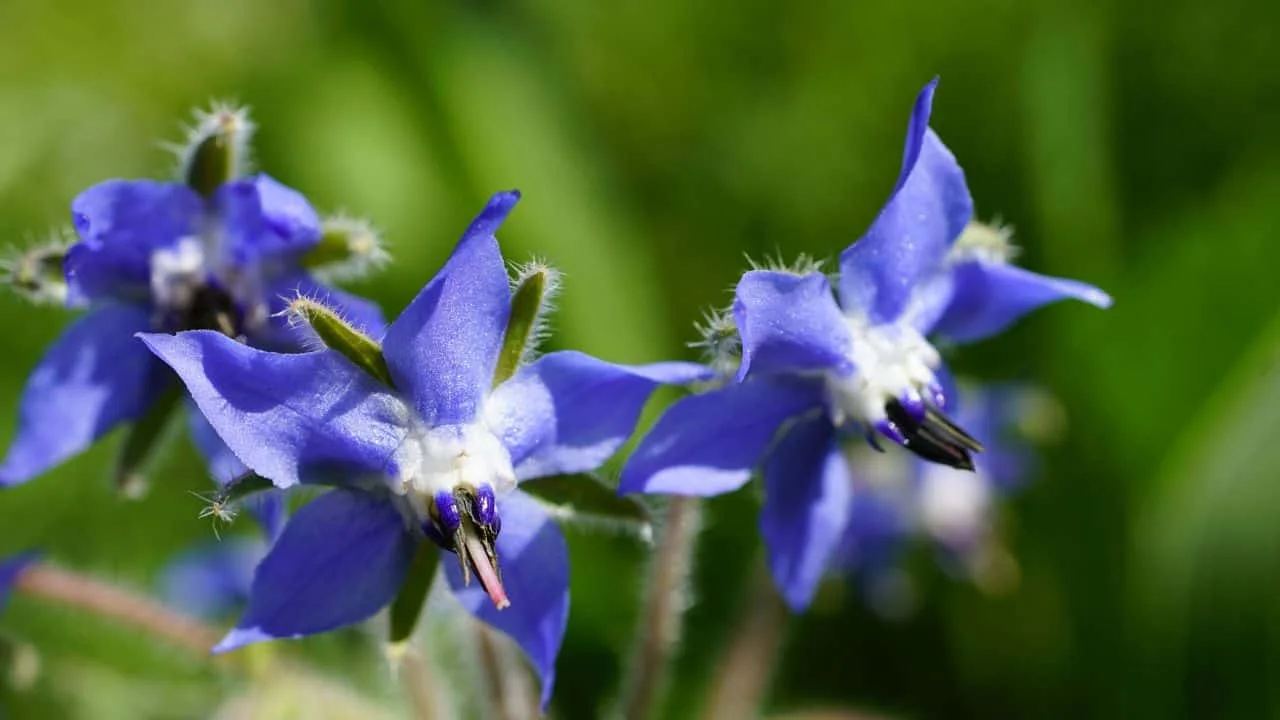
Borage is the oddball of the tea world. The leaves are fuzzy, the flowers look like they belong in a fairy garden, and the whole plant tastes vaguely like cucumbers. It’s not a classic tea herb, but it makes a refreshing cold brew, especially when paired with lemon or mint. Strain well if you use the leaves because no one wants a fuzzy sip.
🌿 Taste: Like cucumber with a hint of melon
🫖 Use: Leaves and flowers (though the leaves are fuzzy, so steep then strain)
📅 Harvest tip: Younger leaves are milder
✨ Why it’s great: Refreshing, especially cold-brewed. Makes weirdly good lemonade blends.
10. Perilla (Shiso)

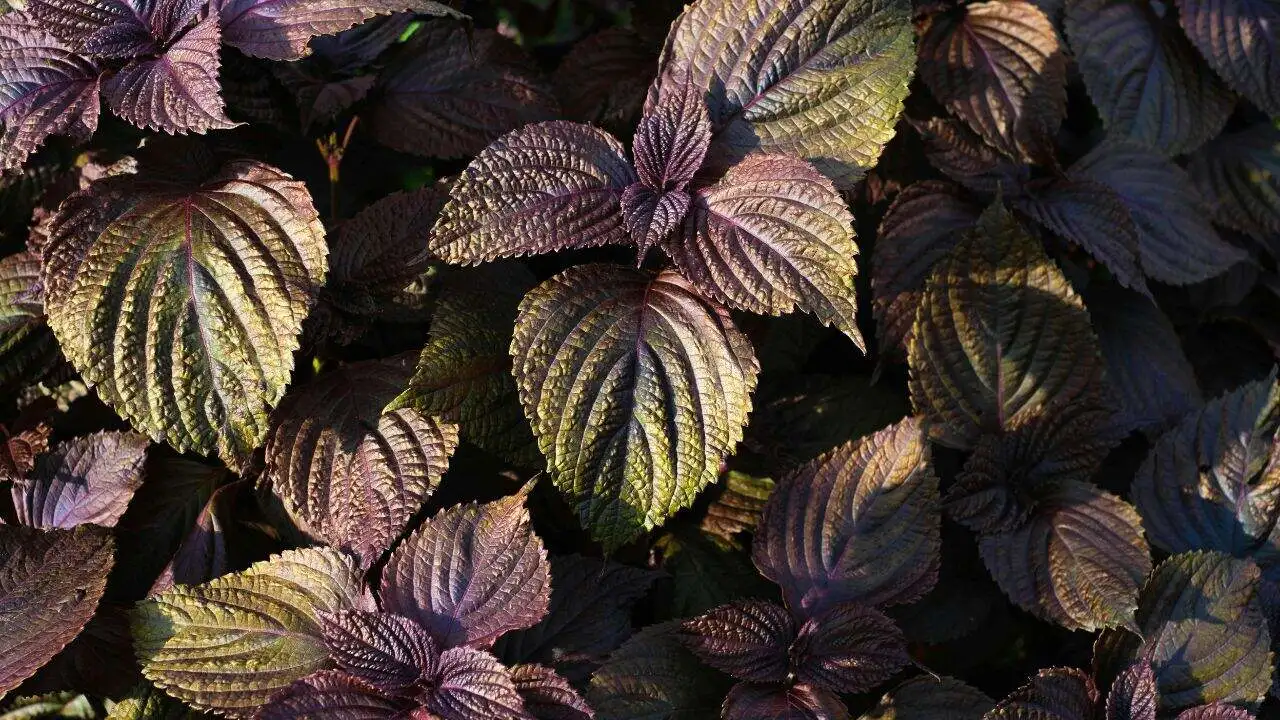
This one doesn’t get nearly enough tea credit. Perilla, also known as shiso, has a bold, complex flavor that lands somewhere between cinnamon, mint, and mystery. It’s used in Korean and Japanese cooking, but it works beautifully in tea, especially iced. Red shiso turns the water a gorgeous color. Green shiso tastes sharper and brighter.
🌿 Taste: Cinnamon-mint with a tangy edge
🫖 Use: Leaves, fresh or dried
📅 Harvest tip: Before it flowers
✨ Why it’s great: A Japanese and Korean culinary herb with underrated tea potential. Works hot or iced.
11. Yarrow

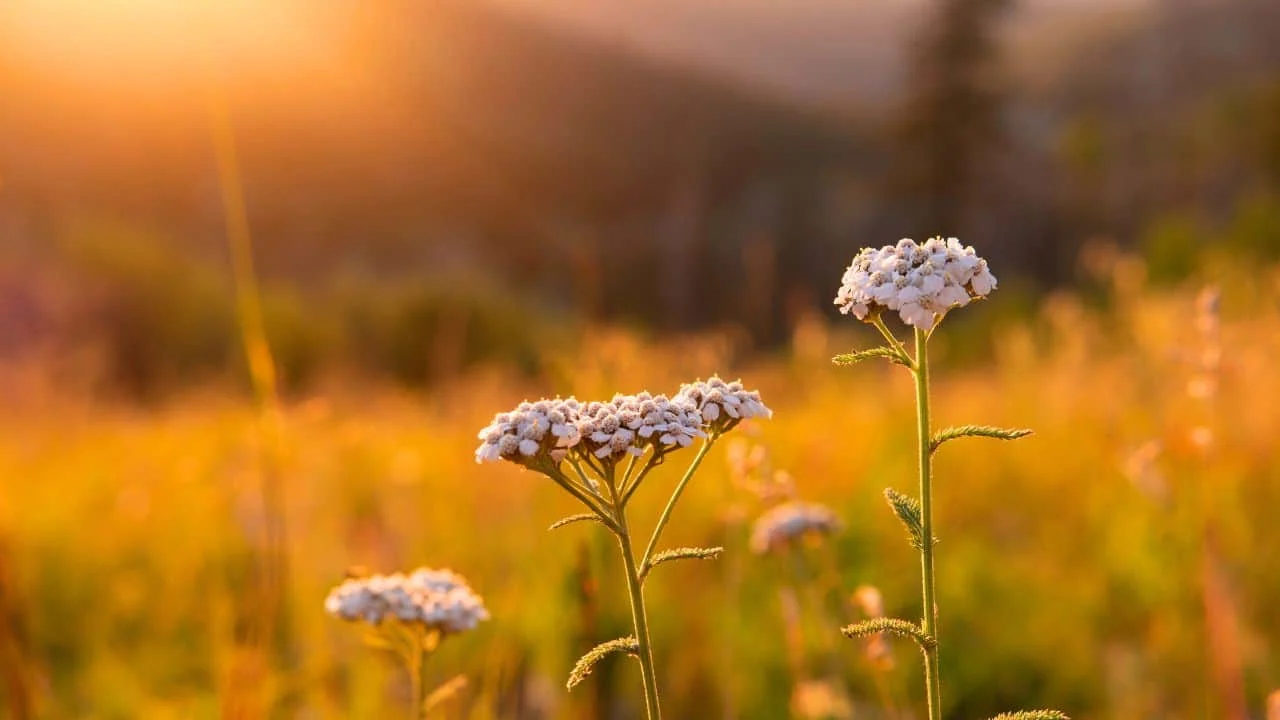
Yarrow isn’t here for flavor. It’s here for function. The tea is grassy, bitter, and best in blends, but it’s been a go-to in traditional herb circles for centuries. People use it to break fevers, settle cramps, and support circulation. Mix it with something sweet or floral if you want to drink it without making a face.
🌿 Taste: Bitter and grassy, best in blends
🫖 Use: Leaves and flowers, dried
📅 Harvest tip: Before it fully fades
✨ Why it’s great: Traditional remedy for colds and fevers. Mix with something sweet like fennel or rose.
Your Garden Drinks Better Than You Think
Tea doesn’t have to come from a box. Some of the best flavors out there are growing five steps from your back door. You don’t need fancy equipment or a drying rack made from reclaimed barn wood. Just snip a few leaves, steep them in hot water, and enjoy the part of your garden that actually fits in a mug.
Whether you go for something fruity, floral, earthy, or weirdly cucumber-like, there’s probably a plant out there that’s been waiting all summer to be brewed. And the best part? You grew it. Which makes it taste better automatically.
🌿 Key Takeaways
- 🍵 Many common garden plants double as flavorful tea herbs — including some you probably overlook.
- 🌸 Flowers like anise hyssop, bee balm, and borage add both color and flavor to hot or iced teas.
- 🌿 Leaves from tulsi, lemon verbena, and perilla create surprisingly complex brews with no sweetener needed.
- 🌞 August is the perfect time to harvest fresh herbs and start drying them for fall and winter teas.
- 🫖 Use fresh or dried leaves and petals, steeped in hot water for 5–10 minutes — then strain and sip.
- ❄️ Store dried herbs in airtight jars out of sunlight, and your tea stash will keep for months.


Daniel has been a plant enthusiast for over 20 years. He owns hundreds of houseplants and prepares for the chili growing seasons yearly with great anticipation. His favorite plants are plant species in the Araceae family, such as Monstera, Philodendron, and Anthurium. He also loves gardening and is growing hot peppers, tomatoes, and many more vegetables.