


August makes you want to clean things up. The garden’s wild. Some plants are flopping. Others look like they’ve just given up. You walk out with your pruners and a mission.
But here’s the thing. Not everything wants a haircut right now. Some plants bounce back stronger when you cut them in August. Others? You clip the wrong stem, and you lose your fall blooms, your pollinators, or your seed heads for birds.
This list tells you which is which. Twelve that need a trim, six that don’t…not yet. You don’t need to guess. Just know what to cut, what to skip, and what happens next.
1. Shasta Daisies

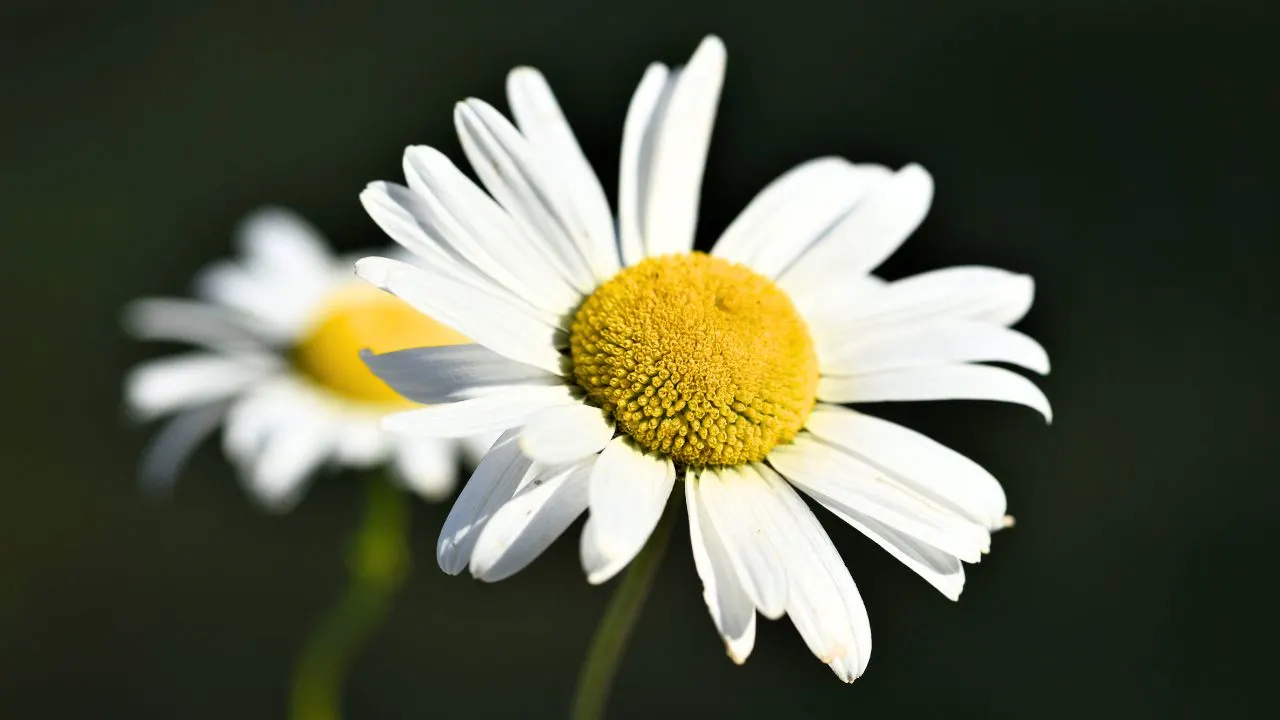
They came, they bloomed, and now they look like they want to lie down and never get up. Shasta daisies tend to lose their charm fast once the first flush is over. By August, the petals are crispy, the stems are flopped, and the whole thing feels like it’s trying to bow out of the season early.
But don’t let it go to seed just yet. A quick trim now can bring on a surprise round of fresh flowers — or at least tidy things up for fall without much effort.
✂️ How to Cut Back Shasta Daisies
- Deadhead spent blooms: Snip flower stalks down to the first leaf node or healthy side stem.
- Tidy flopped stems: If the plant has collapsed, shear it back by one-third to reshape it.
- Clean tools first: Old blooms can carry fungal spores — don’t spread them around.
Bonus Tip: Water and mulch lightly after pruning to support any late-season regrowth. Even if it doesn’t bloom again, the foliage will stay neater and stronger going into fall.
2. Bee Balm (Monarda)

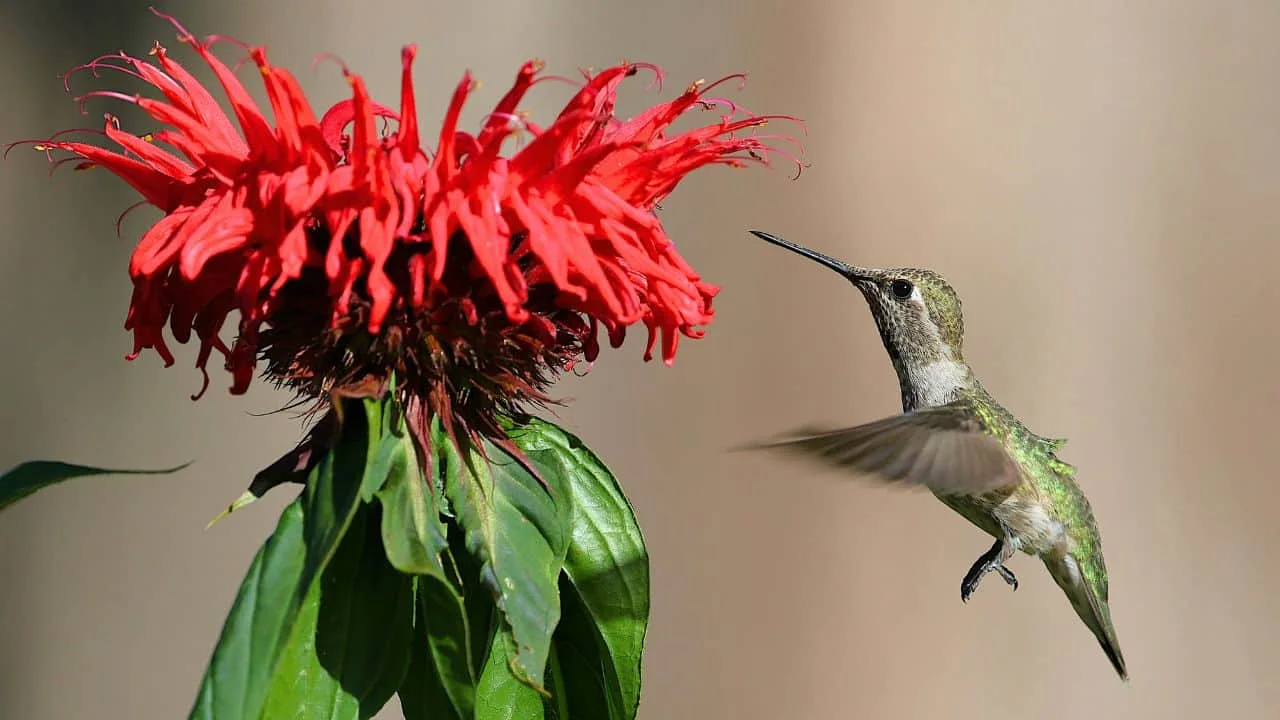
At its peak, bee balm is electric — tall, wild, buzzing with pollinators. But by August, the show’s usually over. What’s left behind? Powdery leaves, crispy petals, and stems that look like they partied too hard in July.
This is the moment. Don’t let it sit there and rot. A proper trim gives it a chance to flush out some fresh green growth and maybe even a surprise bloom or two before the season ends. And it’ll keep that creeping mildew from moving in full-time.
✂️ How to Cut Back Bee Balm
- Trim stems by half: Cut back spent flower stalks to about half their height.
- Remove any moldy or blotchy leaves: Don’t leave mildew behind — it spreads fast.
- Disinfect shears: Wipe blades with alcohol between plants if mildew is present.
Bonus Tip: Don’t toss healthy cuttings. If you’re feeling adventurous, you can root them in water or damp soil to start new plants for fall or next year.
3. Catmint (Nepeta)


Catmint starts strong and ends… everywhere. By August, it’s usually a flopped-out mat of tired stems and faded flowers. It still smells great, but it looks like it’s given up on structure entirely.
The good news? Catmint loves a good haircut. You can be bold. Cut it back now and it will thank you with fresh, compact growth and maybe even a surprise round of blooms before frost hits.
✂️ How to Cut Back Catmint
- Shear by one-third: Use clean shears to shape the plant into a neat mound.
- Cut above new growth: Look for fresh green at the base and cut just above it.
- Remove woody stems: Older, dried-out stalks can go entirely — they won’t rebound.
Bonus Tip: Water deeply after cutting, then mulch around the base to keep moisture steady. Catmint bounces back fast when it gets a little help.
4. Daylilies

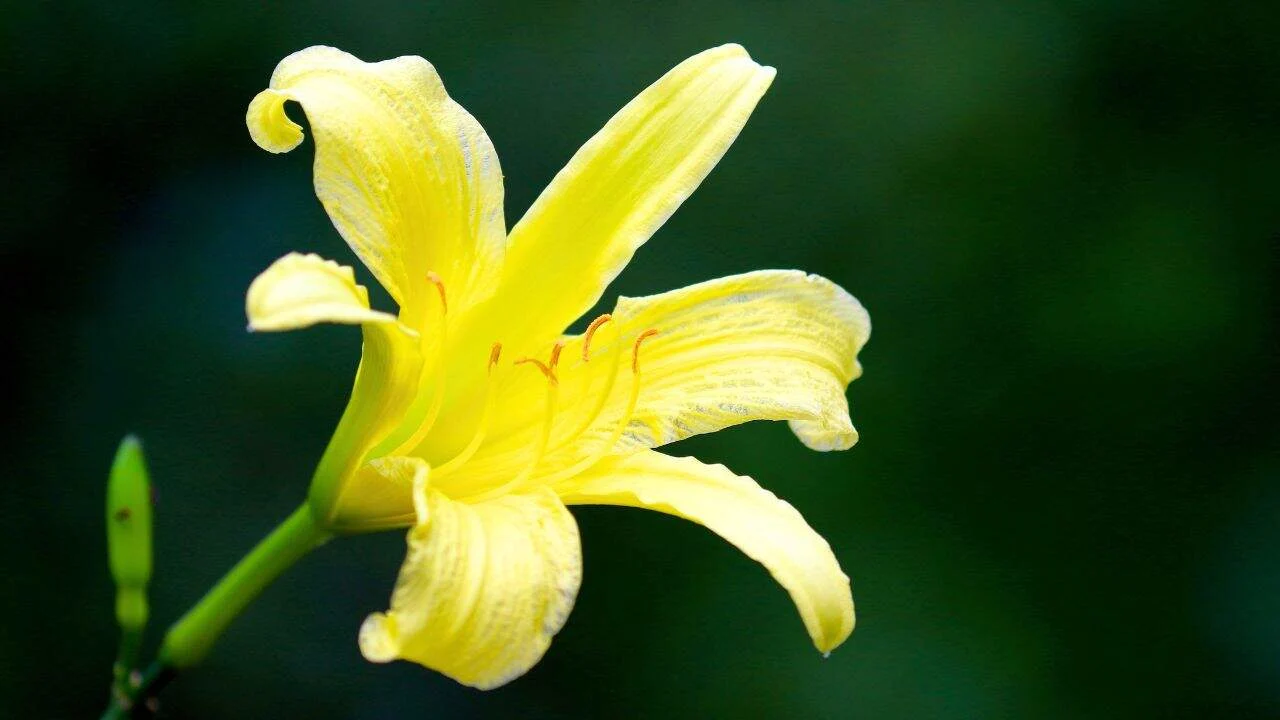
They gave it everything in July. Now the flowers are gone, the stalks are crispy, and the leaves are folding over like tired fans. It’s not glamorous anymore — it’s August, and your daylilies are done performing.
But don’t rip the whole plant out. A little cleanup goes a long way. Cutting back the spent parts will keep things tidy, reduce hiding spots for pests, and help redirect energy to the roots for next year’s show.
✂️ How to Cut Back Daylilies
- Remove flower stalks: Snip at the base once all blooms are done.
- Trim yellowing leaves: Cut back any that are collapsing or browning at the tips.
- Leave green foliage: If it still looks healthy, let it stay — it feeds the roots.
Bonus Tip: If your clump looks overcrowded, mark it now for division in early fall. August is your visual cue. October is your digging date.
5. Coreopsis


Coreopsis starts strong and spreads fast, but by August, it usually looks like it’s halfway through a breakdown. The flowers are fading, the stems are flopping, and the seed heads are doing more harm than good.
If you leave it, it’ll go full crunchy. But if you give it a light trim, it perks right back up — often with a whole new flush of late-summer blooms.
✂️ How to Cut Back Coreopsis
- Shear lightly all over: Cut the plant back by one-third using clean shears.
- Remove all spent flowers: Snip faded blooms to the nearest leaf node.
- Clean up base debris: Pull any fallen stems or seed heads around the base to reduce rot and reseeding.
Bonus Tip: Water deeply after trimming and give it a light compost boost. You’ll often see new buds forming within a week.
6. Yarrow

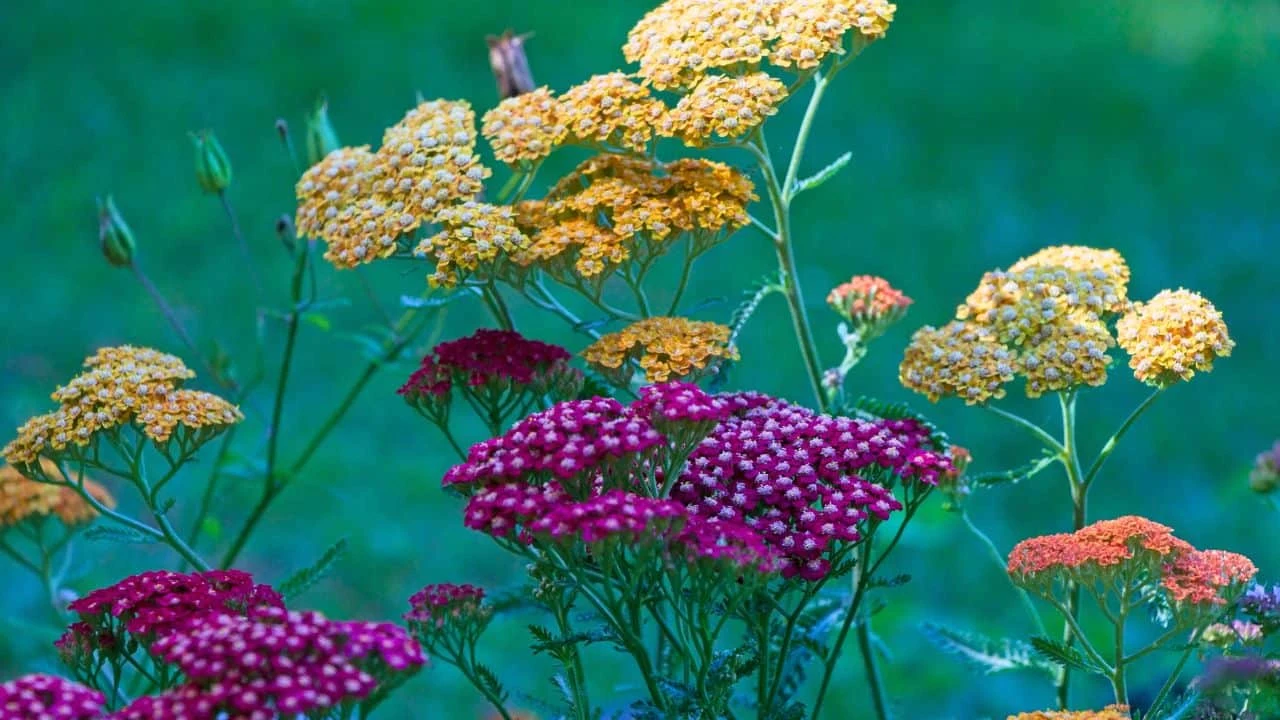
Yarrow doesn’t ask for much, but by mid-to-late summer, it starts to overstay its welcome. The blooms fade to beige, the stems get leggy, and the once-structured plant starts collapsing in on itself like it’s trying to disappear quietly.
This is your cue. Trim it back now and it may reward you with a second act — or at the very least, a neater, sturdier look going into fall.
✂️ How to Cut Back Yarrow
- Deadhead spent blooms: Snip flowering stems down to the first side shoot or basal leaves.
- Shear back if flopping: If it’s all leaning over, trim the whole plant by one-third.
- Pull out weak stems: If the base is overcrowded, remove older stalks entirely to open it up.
Bonus Tip: Don’t compost yarrow seed heads unless they’re fully dried and spent. Fresh ones can reseed and pop up where you don’t want them next year.
7. Lavender (Second Bloomers Only)


Lavender in August can go either way. Some varieties bloom once and call it a season. Others — especially English types — give you a surprise encore if you treat them right. If your lavender is looking woody at the base and ragged at the tips, a gentle trim now can give it one last breath of summer before it winds down for good.
Just don’t get carried away. Deep pruning now can stress the plant right before fall — and set it back next year.
✂️ How to Cut Back Lavender
- Remove spent flower stalks: Snip just above the green leafy growth — not into the woody base.
- Lightly shape the plant: Trim uneven edges to maintain a tidy mound.
- Skip hard pruning: Save that for early spring when growth resumes.
Bonus Tip: Collect the trimmed blooms and hang them to dry — they still smell incredible and keep moths out of drawers.
8. Mint

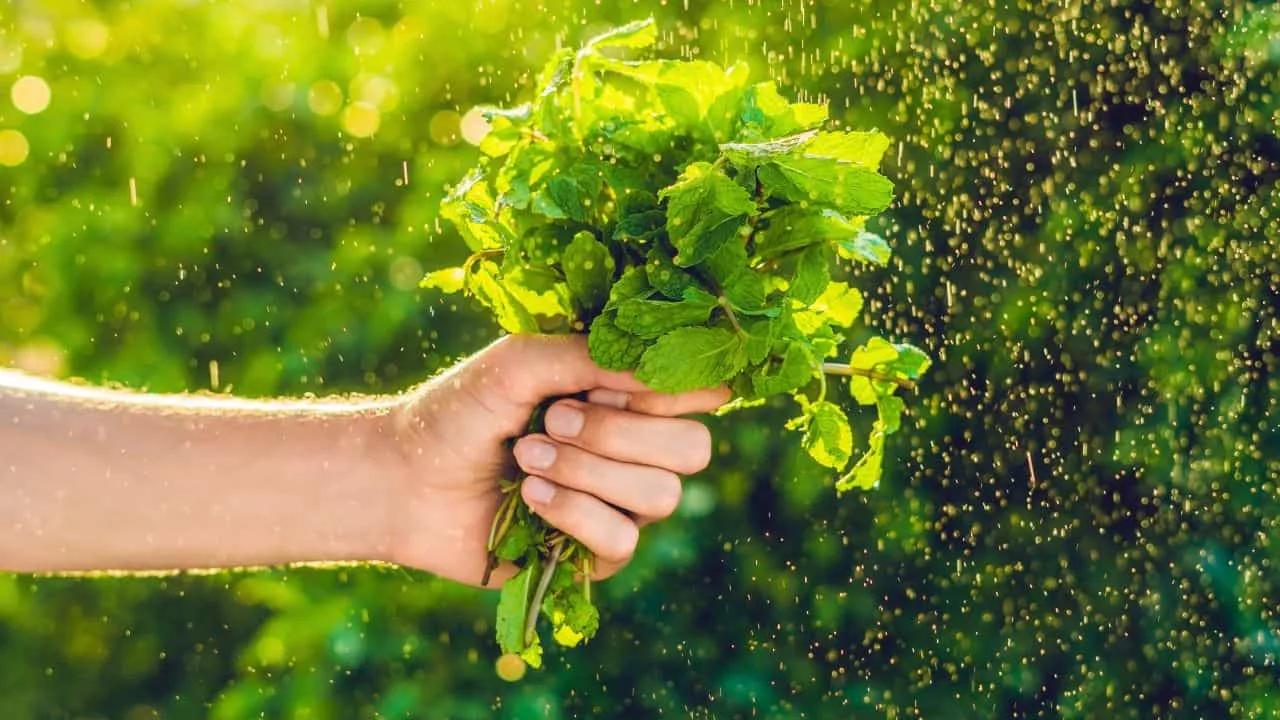
Mint starts strong and spreads like gossip. By August, it’s usually wild, leggy, flowering, and trying to annex neighboring containers. If the stems look tough and the leaves have lost their zing, it’s time for a reset.
This is one of the few plants you can cut without mercy. It loves a harsh trim. In fact, it needs one. Cut it back now and you’ll have a fresh, compact batch of flavorful leaves in just a few weeks.
✂️ How to Cut Back Mint
- Shear it down: Cut the whole plant back to 2–4 inches above soil level.
- Remove flower heads: If it’s blooming, you’re losing flavor — snip them off fast.
- Check runners: Mint likes to escape. Pull or pot up any runners before they root where they shouldn’t.
Bonus Tip: After cutting, give it a drink and a light mulch. You’ll see new leaves within a week — and they’ll taste way better than the old ones.
9. Basil

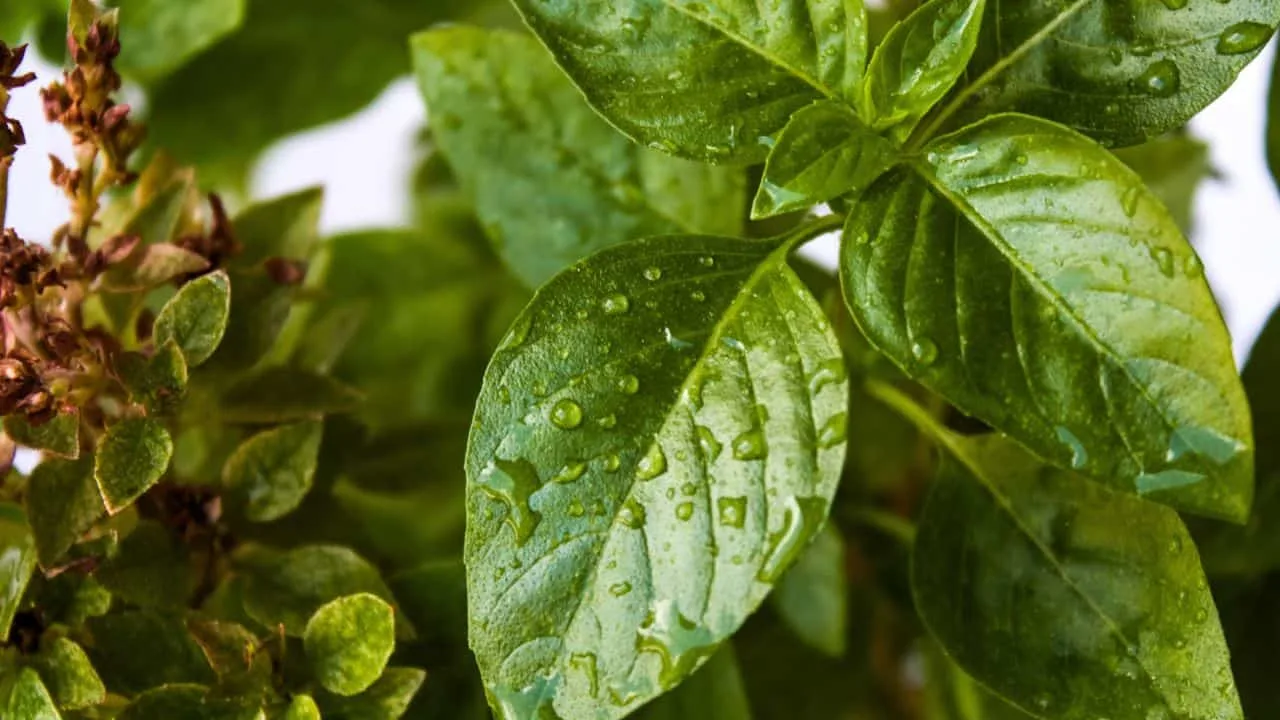
Basil doesn’t like to be ignored. If you skip a week of pinching, it’ll bolt, bloom, and start tasting like licorice regret. By August, many basil plants are leggy, flower-tipped, and already thinking about quitting for the year.
The good news? You can still save it — but only if you act now. One good trim can bring back soft, flavorful growth and keep the bitter edge at bay.
✂️ How to Cut Back Basil
- Pinch flower heads: Remove all blooms ASAP — they signal the plant to shut down.
- Cut above leaf pairs: Trim stems right above a set of healthy leaves to encourage bushiness.
- Never cut below leafless stems: Basil won’t regrow from bare stalks — always leave green.
Bonus Tip: Use the trimmings for pesto and freeze it in ice cube trays. August basil doesn’t keep long — but frozen, it lasts all winter.
10. Tomatoes

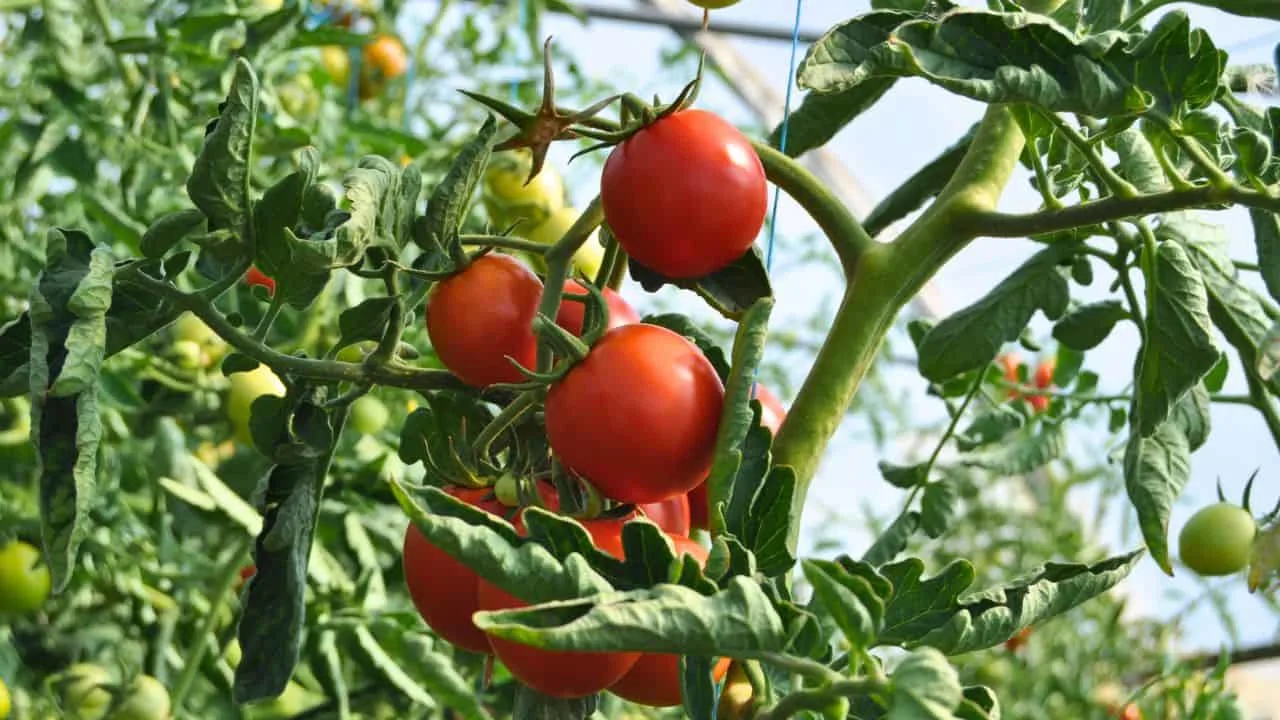
By August, your tomato plants are basically trying to eat the trellis. They’re huge, tangled, and full of leaves that look tired, yellow, or suspiciously spotted. The fruits are coming in — but not all the energy is going where it should.
This is where a little strategic cutting can make all the difference. Focus the plant. Clear the base. Improve airflow. Less disease. More fruit. Fewer regrets.
✂️ How to Cut Back Tomatoes
- Remove yellowing leaves at the bottom: These don’t help anymore — they just invite disease.
- Snip non-fruiting suckers: Especially the ones growing below the first fruit cluster.
- Thin out overcrowded centers: Improve air circulation and sunlight reach to ripening fruit.
Bonus Tip: If frost is 6 weeks away or less, top the plant — remove the growing tip. This forces the plant to focus on ripening what’s already there instead of chasing new blooms.
11. Zinnias

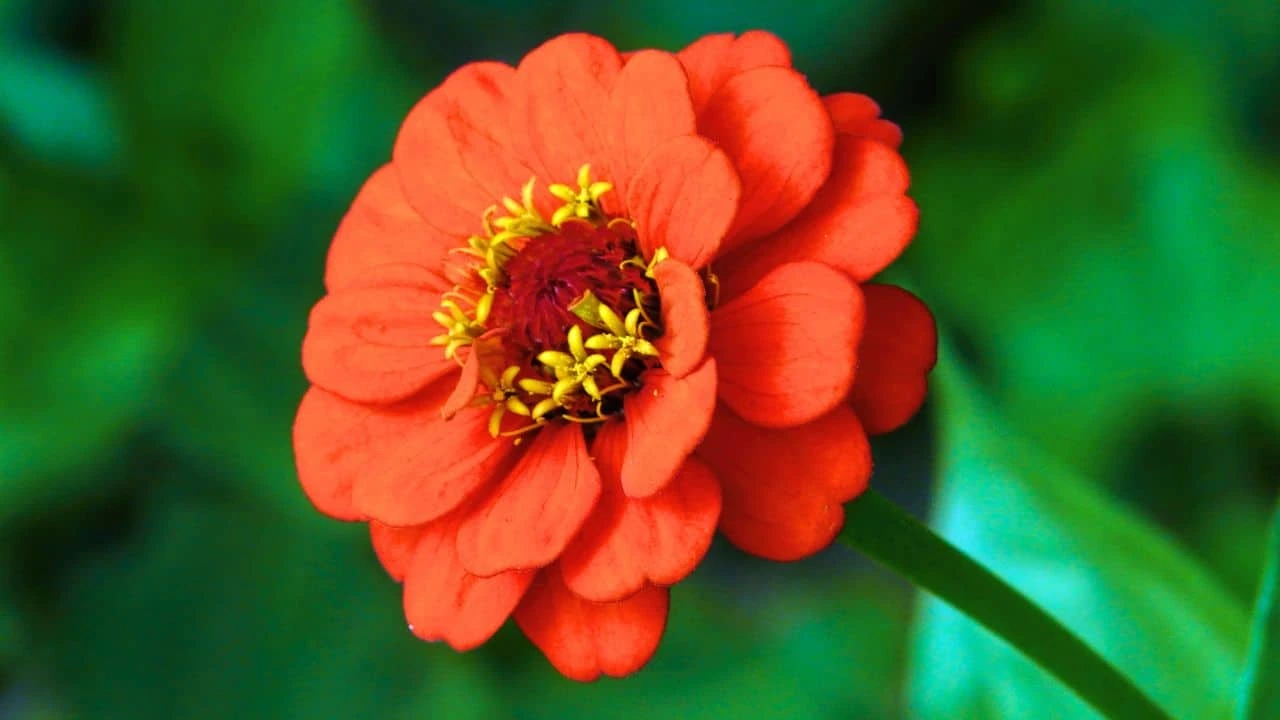
Zinnias don’t quit unless you let them. But by August, they can start to stall out — blooms fade, stems stretch, and suddenly they’re all height, no flower. The trick? Deadhead like you mean it, and prune back just enough to trigger new buds without starting over.
A little grooming now and they’ll keep blooming into fall like nothing happened.
✂️ How to Cut Back Zinnias
- Deadhead regularly: Snip off faded blooms just above the next leaf node.
- Prune leggy stems: Cut them back by one-third to encourage bushier, flower-filled growth.
- Clean your cuts: Zinnias can be prone to fungal disease — sharp shears and clean hands help.
Bonus Tip: Don’t toss the trimmings. Zinnias root easily in water — start a few backups or give some away.
12. Salvia (Annual or Perennial Types)

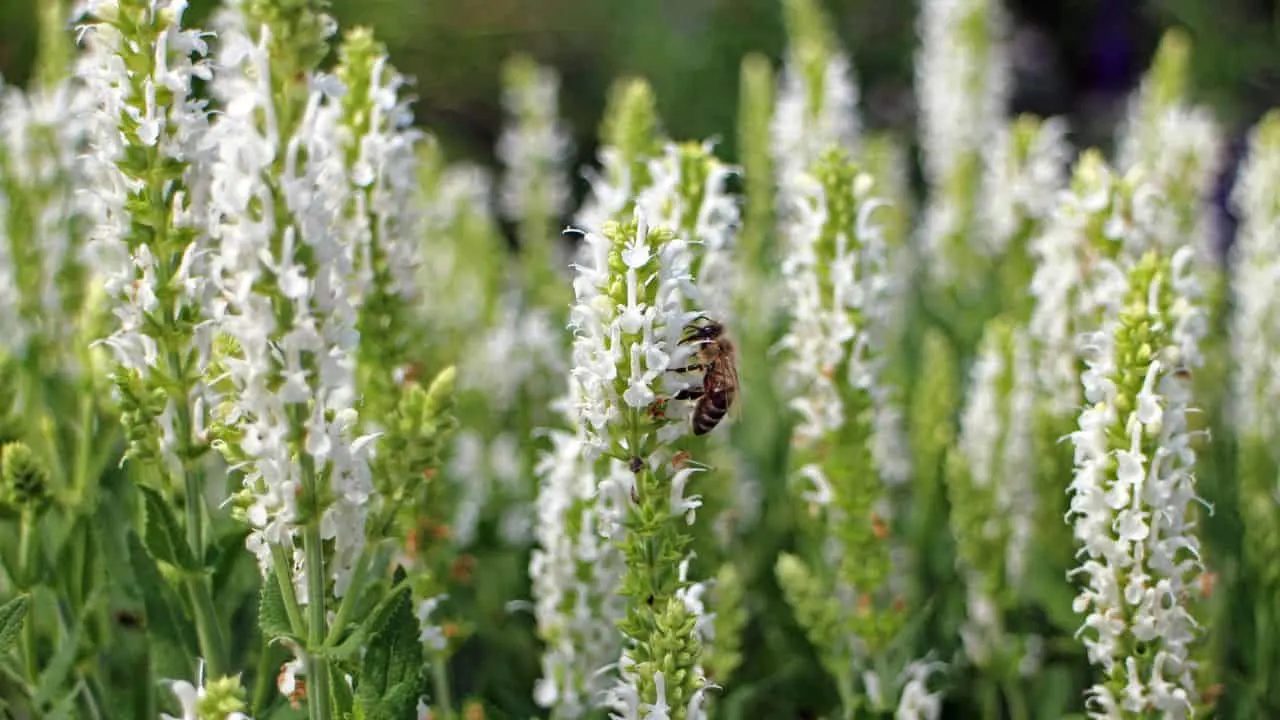
Salvia comes in strong, gets leggy fast, and then starts throwing out flower spikes like it’s trying to make a point. By August, those spikes are usually faded, flopping, or going to seed — and the plant’s energy is scattered.
If you cut it back now, it won’t just look better. It’ll bloom again — harder and brighter than before. Salvia’s not subtle, and neither should you be.
✂️ How to Cut Back Salvia
- Remove spent flower stalks: Cut them down to the first set of full leaves or new growth.
- Trim back sides: Prune long side shoots by about one-third to tighten the shape.
- Clean out the base: Remove any dead stems or debris to prevent rot and disease.
Bonus Tip: After cutting, give it a quick drink and a light feeding. It’ll often push out new buds within 7–10 days if the weather’s still warm.
Leave These 6 Plants Alone in August
1. Echinacea (Coneflowers)
The petals are fading. The stems are stiff. The seed heads look like they belong in the compost. But don’t touch them. Not yet.
Echinacea isn’t finished. What looks like a tired plant is actually preparing a feast. Goldfinches depend on the seed heads. Pollinators still visit the late blooms. And once fall arrives, the spiky silhouettes add beauty long after the flowers are gone.
🚫 Why You Shouldn’t Cut Back Echinacea in August
- Bird food: Seed heads feed finches and other small birds well into fall.
- Pollinator value: Bees still visit the blooms, even after they fade.
- Winter interest: The tall stalks and dark centers look beautiful in low autumn light.
Bonus Tip: If you must tidy up, cut every second stem and leave the rest. You’ll keep some order without losing all the function.
2. Black-Eyed Susans (Rudbeckia)
They’re looking rough. The petals are curling. The centers have gone from golden to dark brown. You might be tempted to cut them back and call it done.
But here’s the truth. This is when they start doing their real work. The seed heads feed birds. The stems give your fall garden height. And those fading blooms still hold a little magic for bees and butterflies passing through.
🚫 Why You Shouldn’t Cut Back Black-Eyed Susans in August
- Bird buffet: Goldfinches and chickadees love the seeds.
- Pollinator traffic: Butterflies still use them for landing and late nectar.
- Fall structure: The tall stalks create contrast once other blooms fade.
Bonus Tip: Leave the seed heads until at least the first hard frost. You can clean up the stems after the birds are done with them.
3. Ornamental Grasses
They’re tall. They’re swaying. And maybe they’re starting to flop a little. It might feel like time to cut them back and reset the borders. But don’t.
Ornamental grasses are just getting started. Late summer is when they bloom, show color, and form seed heads that feed wildlife. Cut them now, and you lose their best season. Wait until late winter or very early spring, when they’ve done their job and can be cleaned up before new growth starts.
🚫 Why You Shouldn’t Cut Back Ornamental Grasses in August
- Fall beauty: This is when they put on their best show with plumes and seed heads.
- Wildlife shelter: Birds and insects use grasses for cover through the colder months.
- Protection for the crown: Leaving foliage in place helps shield the plant base over winter.
Bonus Tip: If a grass is leaning badly or blocking a path, tie it loosely with twine. It stays upright without sacrificing the show.
4. Sedum (Autumn Joy, etc.)
They’ve spent the summer quietly building up. You might look at the chunky buds and think they’re late or behind. But that’s the point. Sedum is one of the few plants that waits until everything else is winding down before it takes over.
Cut it now and you cut off the show before it starts. Leave it, and you’ll have weeks of strong color, strong stems, and a magnet for bees right when the garden needs it most.
🚫 Why You Shouldn’t Cut Back Sedum in August
- Late blooms: Sedum is just starting to open — cutting now ruins the fall color.
- Pollinator magnet: Bees flock to the blooms when most nectar sources are gone.
- Strong structure: The thick stems look great even after frost hits.
Bonus Tip: If your sedum tends to flop, you can gently stake or corral it. But hold the pruners — the payoff is coming soon.
5. Hydrangeas (especially Bigleaf and Mophead types)
This is the classic pruning mistake. The blooms are fading, the stems look spent, and it feels like time to tidy up. But if you cut a mophead or bigleaf hydrangea in August, you’re probably cutting off next year’s flowers.
These hydrangeas form buds on old wood — stems that are growing now will bloom next summer. Trim them too late, and you get a leafy plant with no flowers. August is too risky. Wait until after spring bloom or not at all.
🚫 Why You Shouldn’t Cut Back Bigleaf Hydrangeas in August
- They bloom on old wood: New stems now carry next year’s flower buds.
- Late pruning = no blooms: You’ll get healthy growth but no color come summer.
- Too soon for cleanup: Wait until spring or after blooming finishes in early summer.
Bonus Tip: If the plant looks ragged, you can deadhead just the spent flowers — but leave the stems in place. No heavy cuts until the timing is right.
6. Sunflowers
They’ve towered over everything for weeks. Now the yellow’s fading, and the heads are turning down. It looks like the show’s over. But this is just intermission — the second act belongs to the birds.
Sunflower seed heads ripen after the petals drop. Goldfinches, chickadees, and even squirrels wait for this moment. The tall, drying stems also add texture and drama to the fall garden. Leave them alone. Let them finish what they started.
🚫 Why You Shouldn’t Cut Back Sunflowers Yet
- Seeds still ripening: Cutting early wastes the best part — food for wildlife.
- Fall beauty: Dried sunflower heads create a rustic, architectural look.
- Natural cleanup: Let the birds harvest before removing stalks in late fall or early winter.
Bonus Tip: If you want to save seeds for yourself, cut and hang some heads upside down indoors once the backs turn fully brown.
🌾 Know When to Cut — And When to Walk Away
Your pruners don’t know the difference between helping and hurting. But you do now.
Some plants need that snip in August. It keeps them blooming, breathing, or bouncing back. Others need patience — space to finish their season, set seed, or hold their shape until winter birds come calling.
Cut what wants cutting. Leave what needs time. And remember: not every mess is a mistake. Some things look best when you let them finish their own story.
🌿 Key Takeaways
- ✂️ August is prime cutback time for Shasta daisies, bee balm, catmint, and more.
- 🌱 Cutting encourages rebloom, reduces disease, and tidies the garden.
- 🚫 Some plants need to be left alone, like hydrangeas, sunflowers, and ornamental grasses.
- 🐦 Seed heads and tall stalks provide food and shelter for wildlife into winter.
- 🕒 Timing matters — pruning too late can ruin next year’s blooms.
- 🧤 When in doubt, don’t cut unless you’re sure it’s the right time for that plant.


Daniel has been a plant enthusiast for over 20 years. He owns hundreds of houseplants and prepares for the chili growing seasons yearly with great anticipation. His favorite plants are plant species in the Araceae family, such as Monstera, Philodendron, and Anthurium. He also loves gardening and is growing hot peppers, tomatoes, and many more vegetables.