

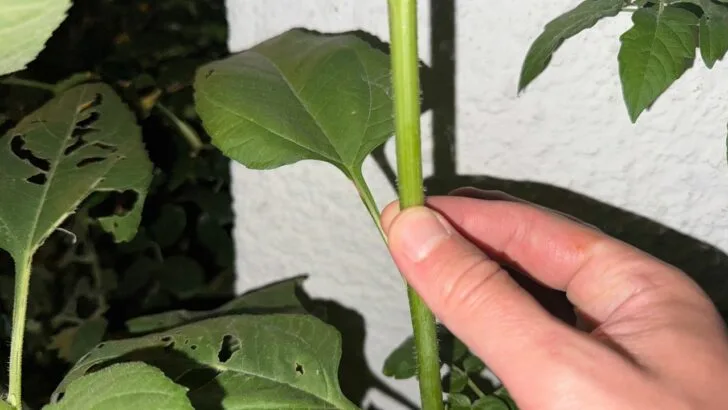
You think you know if a plant is fine. You look at the leaves. You check the soil. You squint at the stem like it will tell you the truth. But plants lie. They look healthy right before they collapse. They look doomed right before they bounce back. The only way to know for sure is to ask the question they cannot fake.
This is where the pinch test comes in. It takes two fingers, three seconds, and just enough pressure to get past the plant’s poker face. The answer you get is instant. It is also the only answer that matters when you are wondering whether to save it or scrap it.
1. The Pinch Test in a Nutshell
Every gardener has had that moment. You are staring at a plant that might be fine. Or might be dying. Or might just be trying to make you sweat. Leaves can lie, colors can deceive, and wilting can mean anything from thirst to the end of the road.
The pinch test cuts through all of that. It is not a fancy gadget or a trick you saw on a gardening show. It is two fingers, a few seconds, and the truth. You squeeze the stem. You feel what is happening inside. That is it.
The beauty of it? It works on almost anything. Annuals, perennials, herbs, and shrubs all respond the same way when you know what you are feeling for. Instead of guessing, you get a clear sign of life or death before you waste weeks hoping for a miracle.
💡 Extra Pinch-Test Wisdom
- Morning is best — plants are hydrated and will give a more accurate feel.
- Start at the top — if it is dead there, move down until you find live tissue.
- Trust your fingertips — your sense of touch is more reliable than your eyes.
- Combine with the scratch test if you are still unsure. A green layer under the bark means life.
- Use it before pruning to avoid cutting off healthy growth by mistake.
- Keep notes — if a plant often “fakes” death, you will know its patterns for next year.
2. How to Perform the Pinch Test

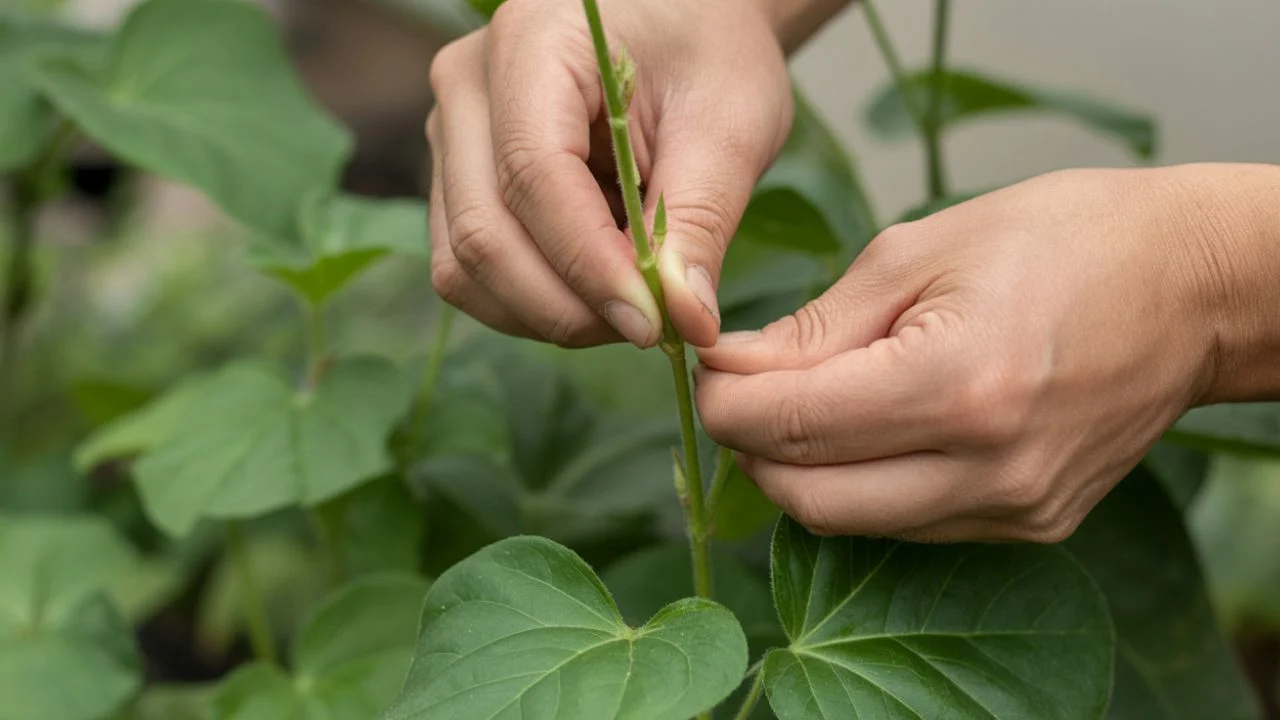
The pinch test is simple, but the details matter. A sloppy pinch can break healthy stems or give you the wrong answer. You are not trying to crush the plant. You are reading it with your fingers.
First, pick a stem that looks alive, even if the rest of the plant seems questionable. Avoid testing dried leaves, flower heads, or clearly dead stalks. Hold the stem gently between your thumb and forefinger. Apply light but steady pressure.
Pay attention to the feedback. Healthy stems bend slightly and feel moist inside. Dead ones snap, crumble, or feel hollow. The goal is to feel the plant’s internal structure without harming it.
Where you pinch depends on the plant. For herbs and annuals, test near the growing tips. For shrubs and perennials, start a few inches down the stem. If the top fails, keep moving lower until you find live tissue.
💡 Pro Tips for a Perfect Pinch
- Warm hands help — cold fingers are less sensitive to subtle textures.
- Test more than once if the plant is large or has multiple main stems.
- Pinch from the side rather than straight on to avoid crushing delicate tissue.
- Stay gentle — the goal is to feel, not to flatten.
- Work in good light so you can also check for green just under the surface if needed.
- Have pruners nearby in case you find dead sections that need removal right away.
3. What Healthy Feels Like
A healthy stem has a certain bounce to it. You press, it flexes, and it quietly tells you it is still alive. The outside might feel a little crisp, but inside it bends without breaking. That is your sign the plant is still pushing water and nutrients where they need to go.
Sometimes you will hear or feel a faint snap as the outer layer gives way. That is fine. The inside is still moist and connected. If you scratch the surface with your fingernail and see green, you have proof of life. Do not throw the plant out just because it looks rough. Living tissue can be hiding under a tired shell.
Remember that plants can play dead. Drought, heat, or a pest attack can make them drop leaves or look bone-dry, even while the stem is still very much alive. This is why you trust the pinch over the eye test.
🌿 How to Read a Healthy Stem
- 🌱 Green under the bark means water is still moving and the stem is alive.
- 💧 Moist and flexible tissue is the gold standard for plant health.
- 🪴 Check multiple stems on larger plants before deciding they are safe.
- ☀️ Morning is the best time to test, when plants are fully hydrated.
- 🔍 Even ugly stems can recover if the inside still bends and stays moist.
4. What Dead Feels Like
Dead stems are easy to spot once you know the signs. Press gently and there is no give at all. It snaps like dry spaghetti or crumbles into fibers. That stiffness means the water highway inside has shut down completely. No flow, no life.
Sometimes it goes the other way. Instead of snapping, the stem feels limp and mushy. That is not a good kind of softness. It means the cells have collapsed from rot, frost damage, or severe disease. In both cases, the tissue is beyond saving.
Hollow stems on plants that are normally solid are another red flag. This can happen after pest damage or advanced decay. If the walls are thin and dry, there is no path for recovery. Crispy leaves attached to these stems are just confirmation.
🚫 How to Be Sure It Is Gone
- 🪓 Snap test: breaks clean with no bend at all.
- 💦 Mushy feel usually means rot has set in.
- 🪴 No green layer when you scratch the bark.
- 🐛 Look for pest tunnels that hollow out stems from the inside.
- 🗑 Remove and dispose of dead stems to stop disease spread.
5. When the Problem is More Than Just Dead Tissue
Sometimes the pinch test says your plant is gone, but the story is bigger than that. A failed pinch might mean the real issue is hiding out of sight. This is when you put on your detective hat and check deeper.
Start at the root crown. If it is soft, foul-smelling, or discolored, root rot might be to blame. Smell the soil. Sour or swampy means trouble. Healthy soil smells earthy and clean.
Look for signs of pests. Stem borers leave tiny holes or sawdust-like frass. Ants farming aphids can damage tender stems. Some fungal infections leave a fine powder or fuzz that weakens the plant from the inside.
The point is, a dead stem is sometimes just the symptom. Finding the cause can save the rest of the plant or help you protect the others nearby.
🔍 Secondary Checks to Run
- 🌱 Inspect the root crown for firmness and healthy color.
- 👃 Smell the soil for foul or swampy odors.
- 🪵 Check stems for borer holes or fine sawdust.
- 🍄 Look for fungal growth on leaves and stems.
- 🚿 Review your watering habits to rule out chronic overwatering.
6. How to Save a Plant That Fails the Test
If the pinch test comes back negative, you have two options. You can either try to bring the plant back from the brink or decide it is time to let it go. The first step is to cut back to healthy tissue. Look for green inside the stem. If you find it, trim just above that point.
Always use clean, sharp tools. Dirty blades spread disease faster than pests ever could. Wipe them with rubbing alcohol between cuts, especially if the plant has visible rot or infection.
Timing matters. Early morning or late afternoon cuts give the plant time to heal before the stress of midday heat. For perennials and shrubs, cutting during active growth gives the best chance for regrowth. For annuals, the decision is trickier. If there is not enough season left, they might not recover in time to be worth the effort.
And sometimes, the kindest thing you can do is compost it. A sick plant can spread trouble to its neighbors faster than you can say “I’ll just give it one more week.”
💡 Rescue Tips
- 🔪 Always sanitize pruners before and after each plant.
- 🌅 Cut in the cooler parts of the day to reduce stress.
- 🌿 For woody stems, cut at a 45-degree angle just above a healthy bud.
- 🧼 Remove all diseased debris from the area to prevent reinfection.
- 🌸 Feed lightly after cutting to support recovery.
7. When to Retest
Sometimes the pinch test gives you a false verdict. A plant that feels lifeless today might just be in shock. Weather, pests, or transplant stress can temporarily shut things down without killing the core tissue.
If the plant still looks the same after a week or two, pinch again. Check more than one spot. Stems can die back from the tips while the base is still very much alive. Always work from the top down until you find healthy growth.
Season plays a role too. After frost, many plants go completely limp, only to push out fresh shoots when warmth returns. In drought, stems can feel brittle simply because they are dehydrated, not dead. That is why watering well and waiting can sometimes turn a “dead” plant into a survivor.
The key is patience. The pinch test tells you a lot, but it is not a final sentence unless you have checked more than once.
🔄 Retest Reminders
- 📆 Wait 7 to 14 days before a second pinch test.
- 🌱 Always check multiple stems, not just one.
- 💧 Rehydrate drought-stressed plants before deciding.
- ☀️ Seasonal shifts can change results, especially after frost or heatwaves.
- 👀 Watch for new buds or green tissue near the base before giving up.
8. Which Plants Love (and Hate) the Pinch Test
The pinch test is not a one-size-fits-all trick. Some plants respond beautifully to it, while others resent being handled this way. Knowing which is which saves you from snapping a stem you actually wanted to keep.
Tomatoes, basil, roses, and many perennials like salvia and coreopsis are perfect candidates. Their stems have enough flexibility to tell you quickly if they are alive or gone. Most herbs are also fair game, especially those with non-woody growth.
Use caution with very young seedlings. Their stems can be so delicate that even a gentle pinch bruises them. Succulent stems and cactus tissue also dislike this test, since pressure can damage their water-storing cells. Woody shrubs and trees can be tricky too. For those, a scratch test is often safer, peeling back a tiny section of bark to check for green beneath.
Think of it as knowing your audience. The pinch test is powerful, but only when used on the right performers.
🌿 Pinch Test Suitability
- ✅ Best for: tomatoes, basil, salvia, coreopsis, non-woody herbs.
- ⚠️ Handle gently: seedlings, soft-stemmed flowers, certain tropicals.
- 🚫 Avoid: cactus, succulents, thick woody stems.
- 💡 For woody plants, try a scratch test instead of pinching.
- 🕵️ Always check more than one stem for an accurate verdict.
🌱 The Five Second Truth
The pinch test is not magic. It is not complicated. But it can save you from weeks of waiting on a plant that is never coming back. Five seconds, a thumb, and a forefinger are all it takes to know if your green friend is still in the fight or ready for the compost heap.
It is a gardener’s quick verdict. No guessing. No second-guessing. Just a simple check that tells you where to focus your time and care. Use it on the plants you are worried about, and use it before you give up on them entirely. You might be surprised how often the pinch tells you there is still life worth saving.
🌿 Key Takeaways
- 🫳 The pinch test helps you tell in seconds if a stem is alive or dead.
- 🌱 Healthy stems bend slightly and feel moist inside.
- 💀 Dead stems are brittle, hollow, or limp and mushy.
- 🔍 Always test in multiple spots for an accurate read.
- ✂️ Cut back to live tissue if needed, sterilizing tools before each cut.
- ⏳ When unsure, wait and retest before removing a whole plant.
Daniel has been a plant enthusiast for over 20 years. He owns hundreds of houseplants and prepares for the chili growing seasons yearly with great anticipation. His favorite plants are plant species in the Araceae family, such as Monstera, Philodendron, and Anthurium. He also loves gardening and is growing hot peppers, tomatoes, and many more vegetables.