

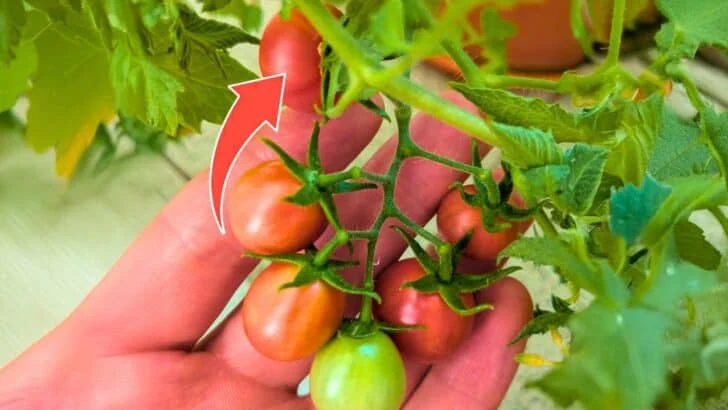
By mid-August, tomatoes stop pretending to be easy. The vines that looked unstoppable in July now droop in the heat. Leaves curl, fruit takes longer to blush, and every day without rain feels like a test. The garden still gives, but it asks for more in return.
This is the turning point. What you do now will decide whether the last weeks of summer taste like sweet, sun-warmed tomatoes or disappointment on a plate. Most gardeners keep doing what worked in June and July. That is where the season slips away.
There is a shift every tomato grower needs to make right now. Ignore it, and you risk losing more than a few fruit. Make it, and your plants will carry you through the final stretch with baskets worth picking.
The Mid-August Tomato Reality Check
By now, your tomato plants have run a marathon. They have pushed out weeks of leaves, flowers, and fruit, all while fighting off pests, diseases, and heat. They are not tired because you did something wrong. They are tired because that is how tomato plants work in late summer.
Heat slows pollination. Humidity fuels leaf spots. Fruit takes longer to ripen, and some start to split before they turn fully red. Meanwhile, the roots are competing for moisture with every other plant in the bed, and the soil is warmer than they like.
Mid-August is not about pushing for more growth at any cost. It is about protecting what you have and helping the plants finish strong. The big mistake? Treating August like July. The plants are telling you they need something different now, and if you miss that cue, you will see it in every basket you bring inside.
- Watch for slower ripening — it is normal in the heat
- Check fruit daily for splitting after rain
- Remove diseased leaves to slow spread
- Mulch to keep roots cooler and moisture steady
The Shift Your Tomatoes Need Now
At this point in the season, more fertilizer and more water will not magically return your plants to their early-summer glory. In fact, pushing them too hard now often backfires. High-nitrogen feed makes a flush of leaves at the expense of the fruit you are actually waiting for. Constant watering keeps the soil soggy, opening the door to root rot and splitting fruit.
The real move in mid-August is to slow the plant’s ambition just enough to let it focus on what matters — ripening the fruit it has already set. That means easing off the growth boosters, tightening up on water schedules, and cutting away anything that drains energy without paying you back.
Think of it like a marathon runner coasting into the final miles. You are not training for more speed now. You are protecting the energy that gets you across the finish line with a basket full of ripe, uncracked tomatoes.
- Reduce high-nitrogen feeding to slow excess leaf growth
- Switch to deep, less frequent watering to avoid splitting
- Prune off non-productive suckers and diseased foliage
- Let the plant put all its energy into ripening existing fruit
Pruning and Clean-Up Without Overdoing It
In August, pruning is about precision, not enthusiasm. You are not reshaping the plant or trying to force it into a postcard-perfect silhouette. The goal now is to improve airflow, keep sunlight reaching the ripening fruit, and remove anything that is more liability than asset.
Start by cutting away yellowed or spotted leaves — they are no longer pulling their weight in photosynthesis and can harbor disease. Next, target the suckers that will never have time to set and ripen fruit before frost. Every sucker you remove is energy the plant can redirect toward the tomatoes that already exist.
But resist the urge to strip the plant bare. Too much pruning exposes fruit to sunscald and shocks the plant. Think of yourself as a minimalist editor, not a ruthless critic. Your job is to trim just enough to let the plant breathe and focus, without taking away its ability to shade and protect itself.
- Remove yellow, diseased, or damaged leaves first
- Clip suckers that will not mature fruit before frost
- Maintain enough foliage to protect from sunscald
- Work gradually to avoid shocking the plant
Watering Strategy for Late Summer Tomatoes


By mid-August, tomatoes have strong, established roots — but that does not mean you can let them fend for themselves. Heat, wind, and the sheer demand of ripening fruit mean water loss is faster and more dangerous than earlier in the season. The key now is consistency. Erratic watering invites split fruit, blossom end rot, and stressed plants that slow down production.
Water deeply so the moisture reaches the root zone, which can be a foot or more down. Shallow, frequent sprinkles encourage surface roots, and those are the first to dry out in heat. Aim for one or two thorough soakings per week, adjusting for rainfall and your soil type. Sandy soils need more frequent attention; clay holds water longer but can turn into a swamp if you go overboard.
Morning is still the best time to water. This gives foliage a chance to dry before nightfall, reducing the risk of fungal disease. And if you are using overhead watering, keep it gentle — a blast of water can knock flowers and fruit right off the stems.
- Water deeply to reach the full root zone
- Stick to a steady schedule to prevent stress
- Morning watering reduces disease risk
- Adjust frequency based on soil type and heat
Feeding Without Pushing Excess Growth

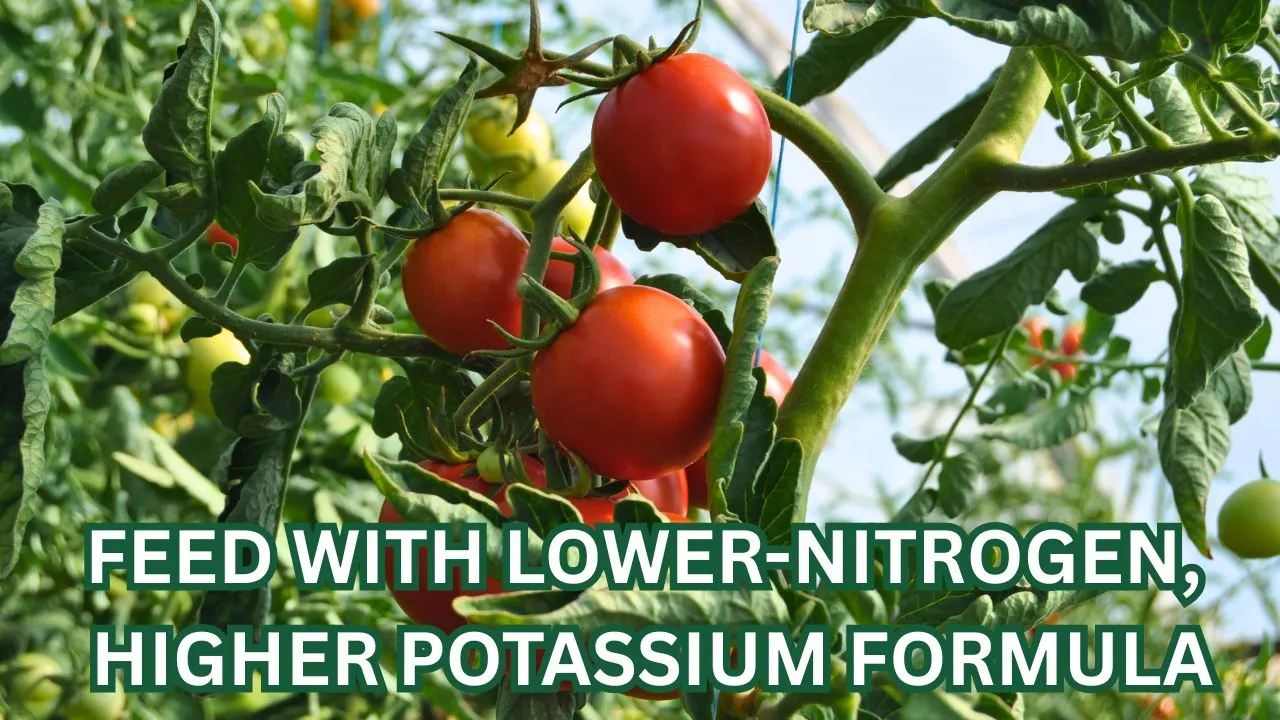
In spring, fertilizer is like coffee for your tomatoes — they need it to get going. By mid-August, though, too much nitrogen is more like handing them an energy drink right before bedtime. You will get lush, green foliage and a sudden rush of new shoots, but the plant’s focus shifts away from ripening the fruit you already have.
At this stage, switch to a low-nitrogen, higher-potassium feed. Potassium supports flower and fruit development, helping your tomatoes finish strong before the first frost. You can find tomato-specific fertilizers labeled with numbers like 5-10-10 or 4-6-8, which reflect a lower first number (nitrogen) compared to the last (potassium).
Feed sparingly — once every 2 to 3 weeks — and always water before fertilizing to avoid burning the roots. If your plants look pale and sluggish, you can give a small boost, but keep it balanced. The goal now is to help the fruit mature, not start another growth spurt you will not have time to harvest.
- Choose low-nitrogen, high-potassium formulas
- Feed every 2–3 weeks to support ripening
- Always water before adding fertilizer
- Skip heavy feeding to avoid late, unripe growth
Managing Pests and Diseases Before They Get Ahead of You

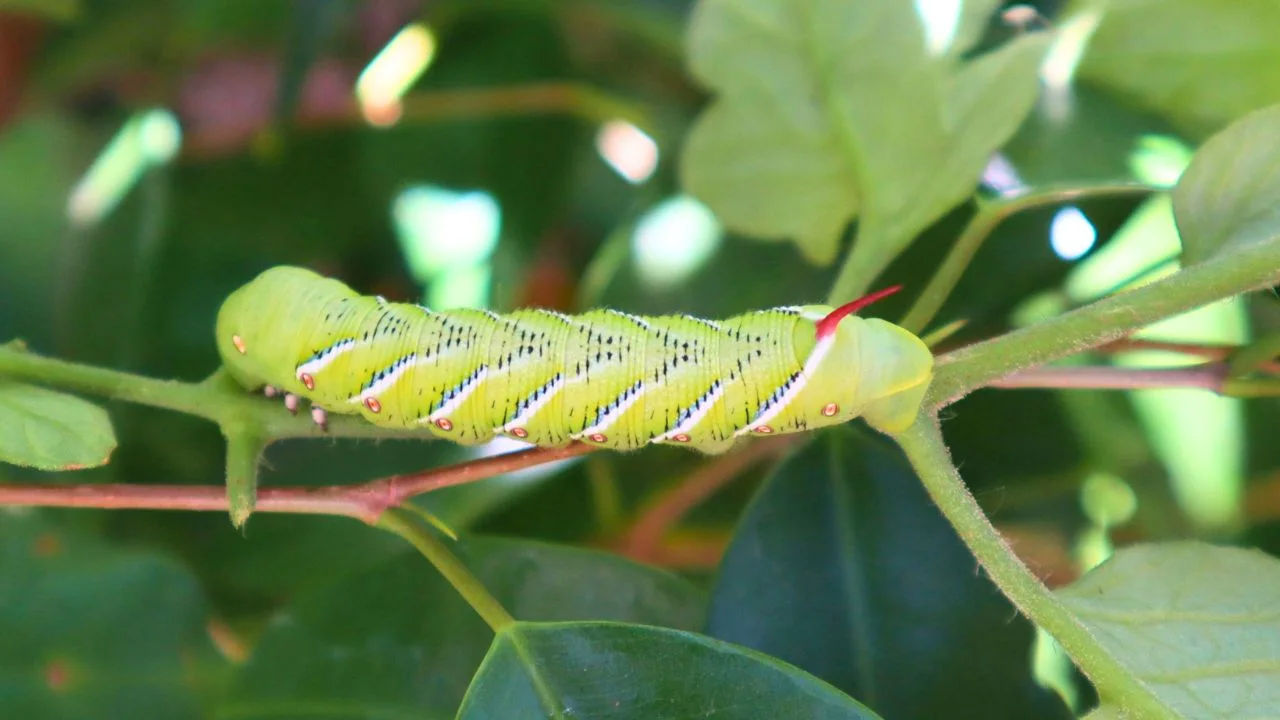
By mid-August, pests and diseases are like party crashers who smell the free food from miles away. Aphids, whiteflies, hornworms — they all know your tomatoes are nearly ripe, and they want in. Add to that the ever-present threats of late blight and powdery mildew, and you have a lot more than just the weather to worry about.
Start with daily inspections. Flip leaves, check stems, and look closely at the undersides where pests hide. Remove any offenders by hand or with a blast of water. If an infestation is starting, hit it early with insecticidal soap or neem oil, applying in the cooler part of the day to avoid leaf burn.
For fungal issues, remove infected leaves immediately and keep foliage as dry as possible by watering at the base. Mulching helps prevent soil-borne spores from splashing onto plants. And do not hesitate to cull a severely diseased plant — it is better to lose one than to let it infect the rest.
- Inspect plants daily, especially leaf undersides
- Remove pests by hand or spray with water
- Apply neem oil or insecticidal soap early in the day
- Prune diseased leaves and keep foliage dry
- Remove heavily infected plants to protect the rest
Preparing for Cooler Nights Without Shock
Late August sneaks up on tomatoes. One week they are basking in warm evenings, and the next the night air starts to feel just a little too crisp. Even a small drop in nighttime temperature can slow ripening, stress plants, and set the stage for late-season disease.
Tomatoes do not like sudden swings. When nights start dipping below 55°F, they begin to focus less on ripening fruit and more on self-preservation. You can ease this transition by adding a layer of protection. Row covers, lightweight frost cloth, or even old bedsheets can trap the warmth your plants soaked up during the day, keeping them comfortable until sunrise.
For container tomatoes, the fix is even simpler — move them closer to a wall or fence that radiates heat at night. If you have the space, wheel them onto a porch or patio where the temperature stays a few degrees higher. The goal is to keep them warm enough that they continue ripening without feeling like winter is coming early.
- Watch the forecast for nighttime lows under 55°F
- Use row covers or frost cloth to trap warmth
- Move containers near heat-retaining walls or fences
- Relocate potted tomatoes to warmer spots overnight
The August Push That Pays Off


Tomatoes are in their final act for the season. The choices you make now will decide if they close out with a full, colorful harvest or a handful of stubborn green holdouts. August is not the month to coast. It is the month to step in, fine-tune, and give your plants the last bit of help they need before cooler weather takes over.
From pruning wisely to guarding against pests and easing them through the first cool nights, every small action stacks the odds in your favor. Your tomatoes have been working all summer to get here. Meet them halfway, and they will reward you with the best fruit of the year just when the season is winding down.
By the time the first true chill hits, you will be glad you put in the effort now. The taste of a perfectly ripe, late-summer tomato is worth every careful step you take in August.
🍅 Key Takeaways
- ✂️ Light pruning in August helps ripening and airflow without shocking the plant
- 🌞 Keep plants evenly watered to avoid blossom end rot and late-season stress
- 🪴 Remove diseased leaves fast to stop spread during humid late-summer weather
- 🌡️ Protect plants from sudden cool nights to keep ripening on track
- 🍽️ The best-tasting tomatoes often come from the last harvest of the season


Daniel has been a plant enthusiast for over 20 years. He owns hundreds of houseplants and prepares for the chili growing seasons yearly with great anticipation. His favorite plants are plant species in the Araceae family, such as Monstera, Philodendron, and Anthurium. He also loves gardening and is growing hot peppers, tomatoes, and many more vegetables.