

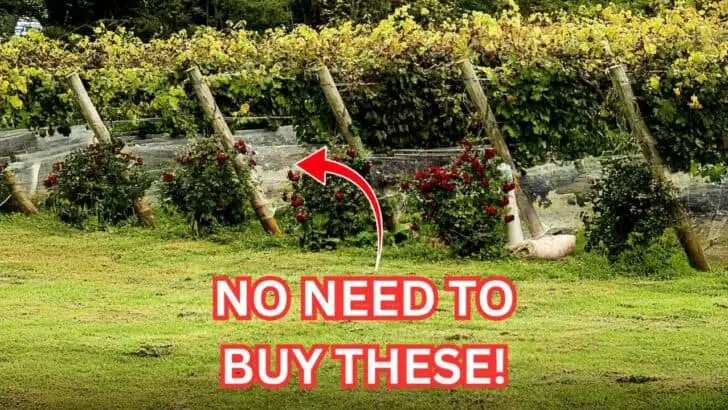
Garden stores have a way of making you feel like you need to take out a second mortgage just to keep a tomato alive. Those glossy aisles are lined with gadgets, bins, ties, and trellises that look essential until you realize they are just everyday objects wearing a higher price tag. Most of them can be replaced with things you already own or can get for free if you know where to look.
The truth is, some of these so-called “must-haves” are nothing more than clever marketing. They are sold in fancy packaging, stamped with a gardening label, and priced three times higher than they should be. The kicker? In many cases, the DIY or repurposed version is not just cheaper, it actually works better and lasts longer.
This list is not about being frugal for the sake of it. It is about outsmarting the markup, freeing up your budget for plants you actually want, and proving that a great garden does not have to cost a fortune. These are the swaps that will keep your garden thriving and your wallet happy.
1. Plant Supports

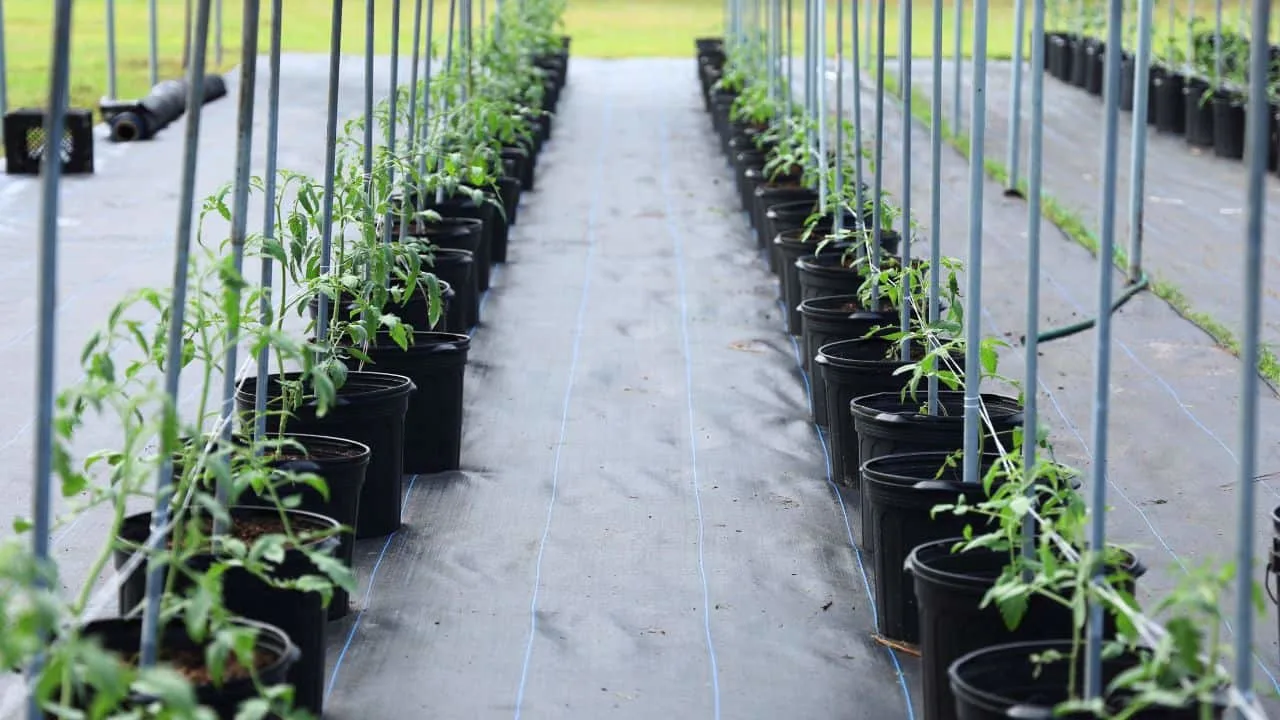
Garden centers love to convince you that your tomatoes cannot possibly survive without a $40 trellis or a set of powder-coated cages. The truth is, plants do not care if their support is designer or dug out of your garage. They just need something sturdy to lean on when the weight of fruit or blooms starts pulling them down.
Old broom handles, salvaged wood, or even sturdy sticks from your last pruning session can do the job beautifully. They might not look like they belong in a glossy catalog, but they work just as well and cost exactly zero dollars. If you want them to last longer and look a bit more uniform, a quick coat of outdoor paint will do the trick.
Once you start rethinking plant supports, you will realize they are one of the easiest garden expenses to cut. The plants will never know, and your wallet will thank you.
💡 Support Smarter, Spend Less
- 🪵 Free Alternative – Old broom handles, salvaged wood, or thick branches.
- 🎨 Pro Tip – Paint them with outdoor paint for weather resistance and a cleaner look.
- 🌱 Bonus – Use pruned branches from your own yard to keep everything fully homegrown.
2. Seed-Starting Trays

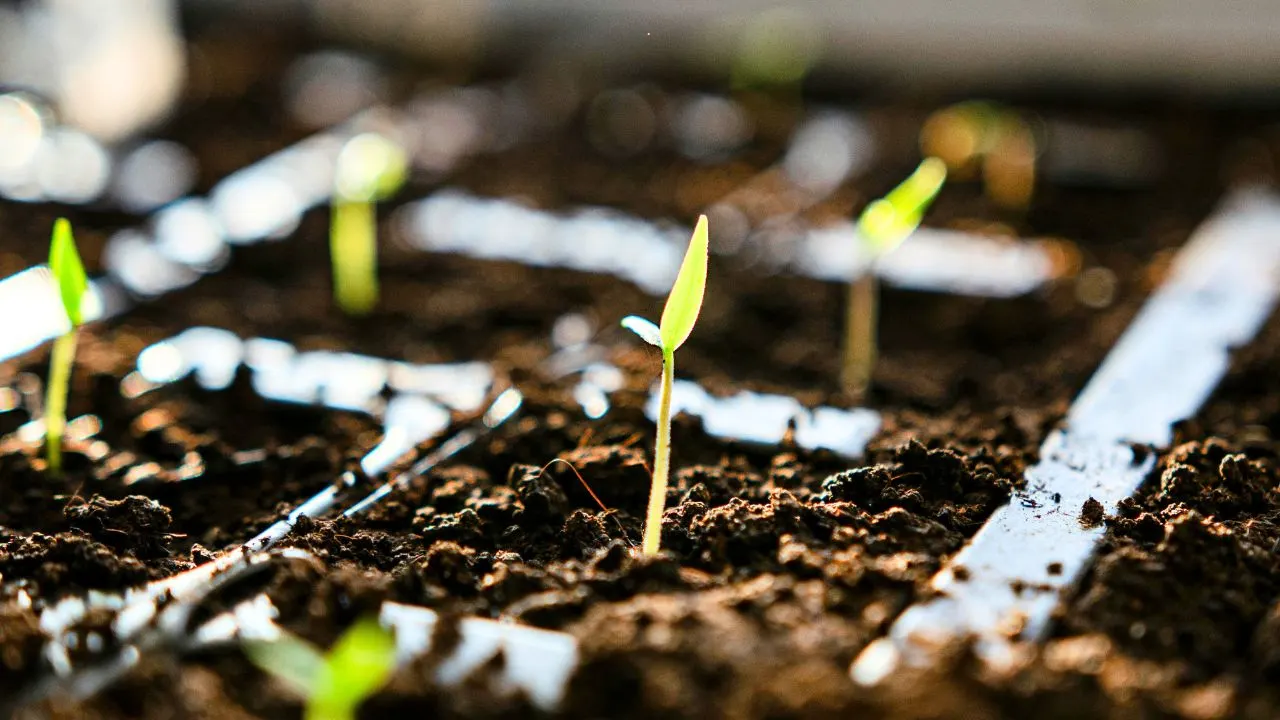
Those plastic seed-starting kits in the garden aisle seem harmless enough until you realize they crack, warp, and turn brittle after one season. Then you are back at the store, buying the same thing again. That cycle is great for the manufacturer, not so much for your budget.
The reality is you already have dozens of seed-starting containers in your home right now. Egg cartons, yogurt cups, and bakery clamshells all work perfectly. They hold soil, drain easily with a few punched holes, and can be recycled or composted when they are done.
Once you switch to these household stand-ins, you will wonder why you ever paid for something so temporary. Your seeds will not care about brand names, only that they have a warm, moist place to germinate.
🌱 Start Seeds for Free
- 🥚 Free Alternative – Egg cartons, yogurt cups, or bakery clamshells.
- 🛠️ Pro Tip – Punch drainage holes to prevent soggy roots.
- ♻️ Bonus – Compost the containers when possible for zero waste.
3. Compost Bin

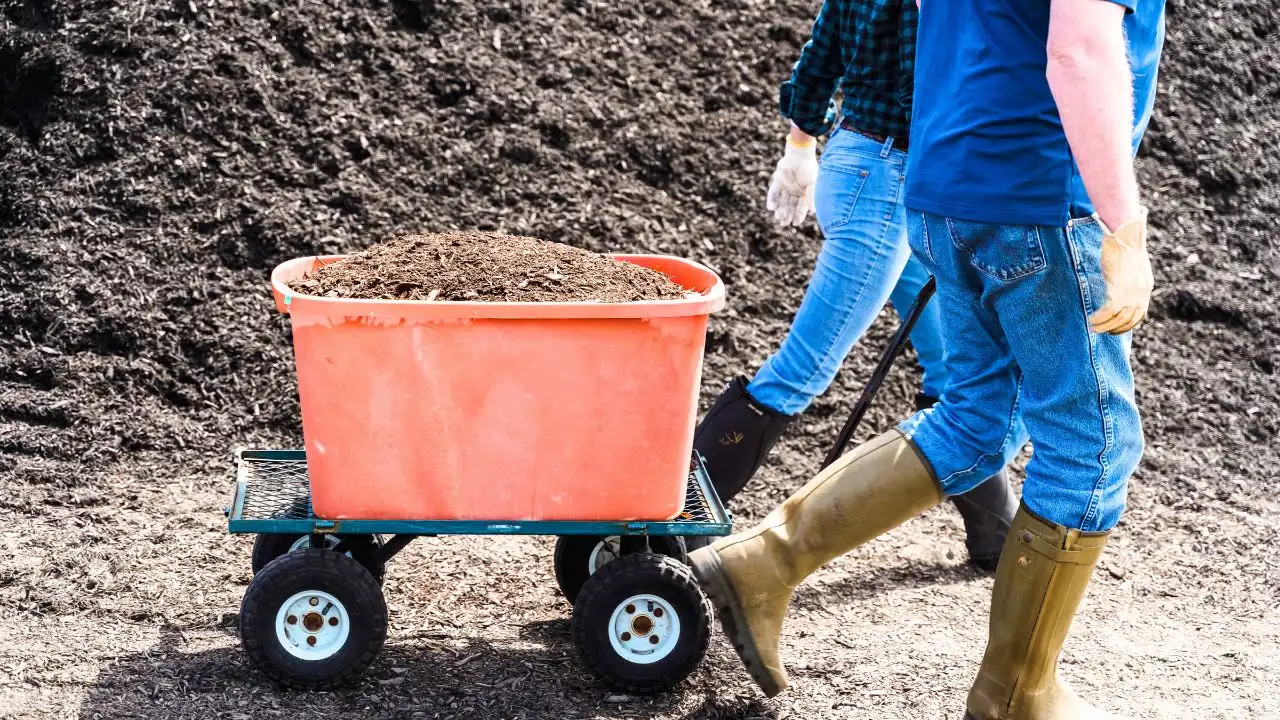
Walk into any garden store and you will see sleek compost bins with fancy lids and price tags that make your eyes water. The truth is, composting does not require anything special. Nature has been doing it for millions of years without branded containers.
A good compost bin only needs to hold your organic waste, allow for airflow, and keep pests out. You can achieve that with wooden pallets, an old trash can with drilled holes, or even a simple wire cage. The compost will not know the difference.
Spend your money on seeds, soil amendments, or plants instead. A DIY bin will work just as well and might even make you more invested in the composting process since you built it yourself.
♻️ Build Your Own Compost Bin
- 🪵 Free Alternative – Wooden pallets, old trash cans with drilled holes, or wire cages.
- 🌬️ Pro Tip – Keep it aerated for faster breakdown of materials.
- 🍂 Bonus – Alternate layers of greens (food scraps) and browns (dry leaves) for balanced compost.
4. Row Markers
Somehow, garden centers have convinced people to spend ten dollars on a handful of plant labels. They are usually plastic, sometimes shaped like leaves, and always marketed as a must-have. In reality, your plants do not care if their name tag is Instagram-worthy.
All you really need is something that will stand up to sun, rain, and the occasional enthusiastic weeding session. Popsicle sticks, paint stir sticks, and strips of old blinds can all do the job for free. They will mark your rows just as well as any store-bought version.
Save the money and put it toward more seeds or a tool upgrade. The only thing that matters is that your labels survive the season and remain readable when you need them.
🏷️ Budget-Friendly Row Markers
- 🪵 Free Alternative – Popsicle sticks, old blinds, or paint stir sticks.
- 🖊️ Pro Tip – Use a permanent marker or paint to prevent fading in the sun.
- 🌱 Bonus – Color-code your labels to group plant types or planting dates.
5. Plant Pots

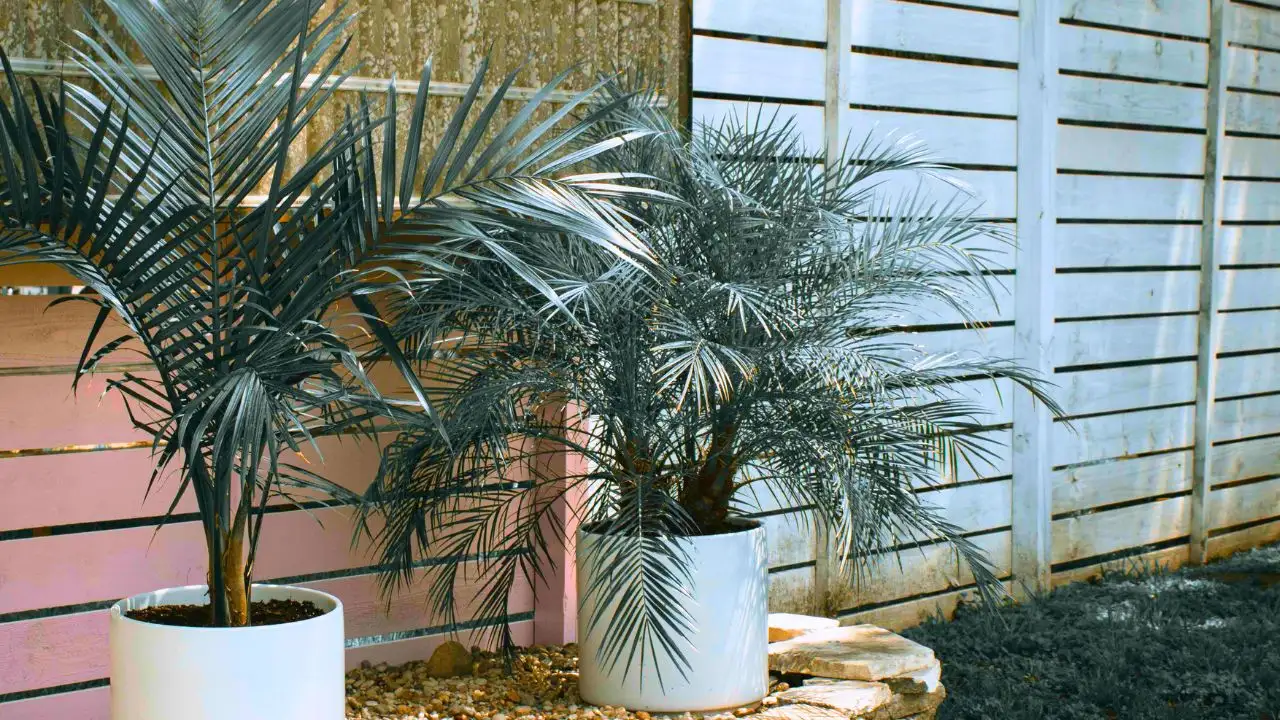
Walk through any garden center and you will see shelves of pots priced like they were carved from marble. Designer colors, glossy finishes, and clever shapes can make them tempting, but your plants will never know the difference. They only care about space, drainage, and stability.
The truth is, you probably already have containers that can serve just as well. Buckets, storage bins, or even old cookware can be turned into plant pots with minimal effort. A quick drill for drainage holes and you are in business.
Repurposed containers are not only cheaper, they often hold more soil, which helps with water retention in hot weather. That means less stress for both you and your plants.
🪴 Low-Cost Plant Pot Hacks
- 🪣 Free Alternative – Buckets, storage bins, old stock pots.
- 🛠️ Pro Tip – Drill several drainage holes in the base to prevent soggy roots.
- 🌿 Bonus – Use lighter-colored containers to keep soil cooler in summer.
6. Mulch
Mulch is one of those things that seems cheap until you start buying it in bulk. Bagged mulch adds up fast, especially if you are covering large beds. The kicker is that most of what you are paying for is convenience, not quality. Your plants do not care if the mulch came in a glossy bag.
Nature already produces mulch for free every single year. Leaves, grass clippings, and cardboard can all be turned into an effective layer that keeps moisture in and weeds out. In many cases, these options break down faster, feeding your soil in the process.
By skipping the store-bought stuff, you save money and keep useful organic material out of the landfill. Your beds will still look tidy, and your plants will be just as happy.
🍂 Smart Mulch Alternatives
- 🍁 Free Alternative – Shredded leaves, untreated grass clippings, cardboard.
- 🛠️ Pro Tip – Layer thinly to prevent mold growth and allow air flow.
- 🌱 Bonus – Cardboard works well as a weed barrier under other mulch materials.
7. Plant Ties
Soft garden ties might look harmless, but the price tag often hides the fact that you are paying for repackaged elastic. The gardening aisle is full of these products, neatly coiled and branded, when the same function can be achieved with materials you already own. You do not need to spend extra just to hold a stem upright.
Old pantyhose, strips of worn-out t-shirts, or even bread ties can work perfectly well. They are gentle enough to avoid cutting into stems and strong enough to keep plants secure. Plus, these options often have more flexibility than store-bought ties, which means less strain on growing plants.
By reusing what you have, you reduce waste and keep more money in your pocket. Your plants will not know the difference, but your budget will thank you.
🌿 Budget-Friendly Plant Tie Ideas
- 🧦 Free Alternative – Old pantyhose, t-shirt strips, bread ties.
- 🛠️ Pro Tip – Keep them loose to avoid girdling stems as plants grow.
- 🌱 Bonus – Elastic materials allow for natural movement in wind.
8. Raised Beds

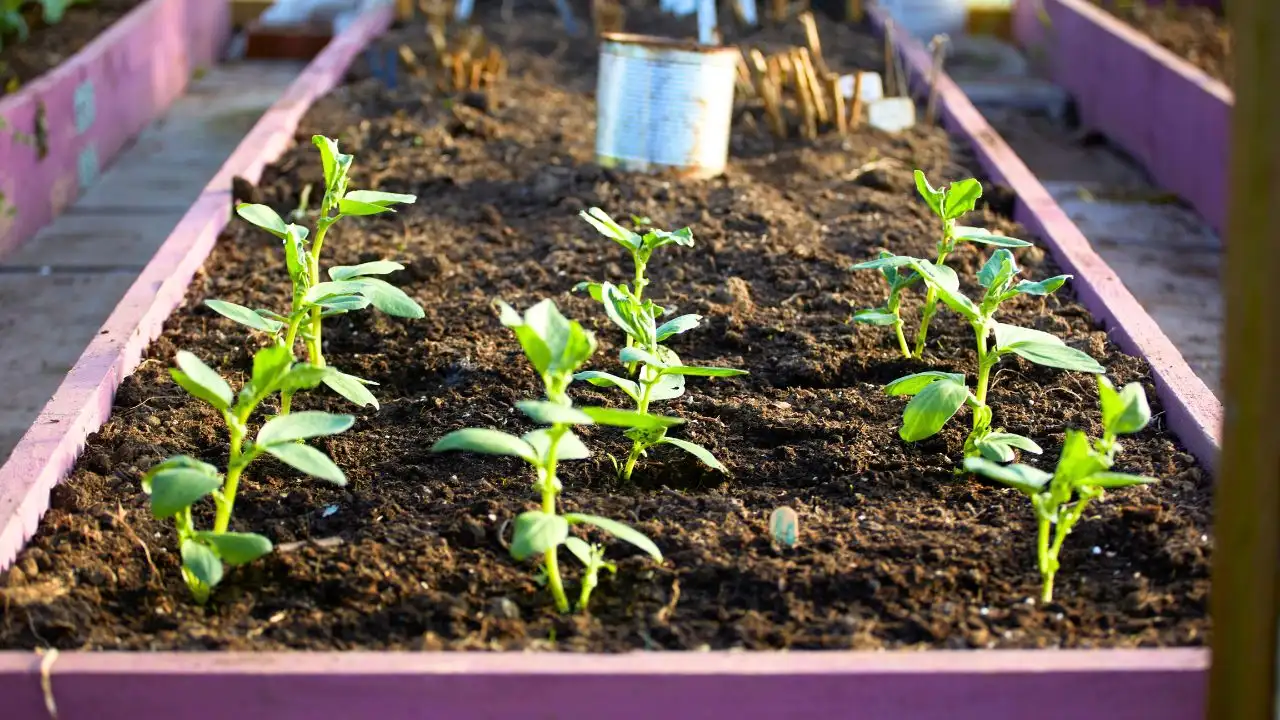
Prefab raised bed kits might look like the fast track to a neat and organized garden, but the price can be shocking. Many cost hundreds of dollars, even though the materials are nothing special. The truth is, you can build a sturdy raised bed for a fraction of the cost using repurposed materials.
Old wood from pallets, leftover construction planks, or even galvanized livestock troughs can all work beautifully. They are just as functional as store-bought kits and can even give your garden a more unique and personal look. The key is to choose safe, untreated wood and materials that will last in outdoor conditions.
By skipping the kit, you not only save money but also have more control over the dimensions and layout of your garden space. That flexibility can make a huge difference in how much you grow and how easy it is to maintain.
🌱 DIY Raised Bed Tips
- 🪵 Free Alternative – Repurposed wood, pallets, galvanized troughs.
- 📏 Pro Tip – Line the bottom with cardboard to block weeds and retain moisture.
- 💡 Bonus – Build beds to a height that saves your back during weeding and planting.
9. Plant Fertilizer

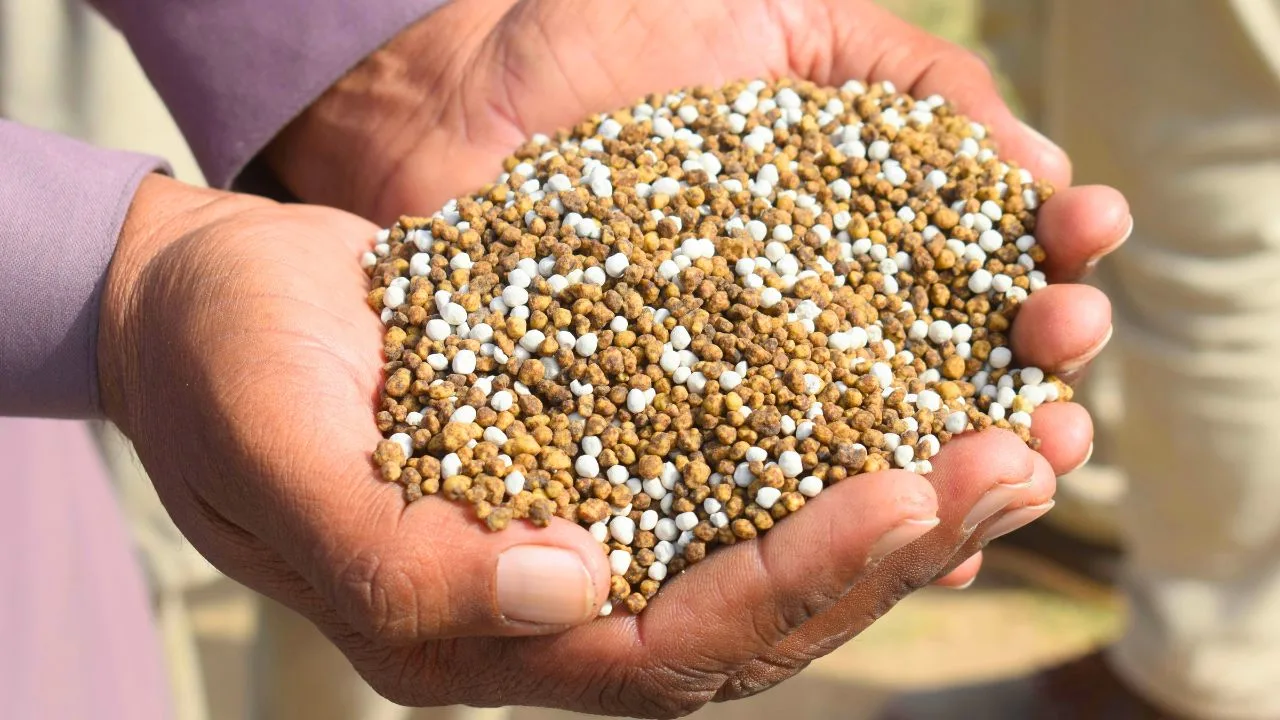
Walk into any garden center and you will see shelves lined with colorful bags promising bigger blooms, juicier tomatoes, and the greenest lawn in the neighborhood. The catch is that many of these branded blends are marked up simply because of the packaging and marketing. The actual nutrients inside are often the same as what you can get for free or at a very low cost.
Coffee grounds, compost tea, and crushed eggshells can feed your plants just as effectively. They offer essential nutrients like nitrogen, potassium, and calcium without the price tag. In fact, these DIY options can sometimes be more balanced than a one-size-fits-all store blend.
By making your own plant food, you keep more money in your pocket and reduce waste at the same time. Plus, you know exactly what is going into your soil, which is a win for both your plants and the environment.
🌿 Low-Cost Fertilizer Swaps
- ☕ Free Alternative – Coffee grounds, compost tea, crushed eggshells.
- 📌 Pro Tip – Match the nutrient source to your plant’s specific needs for better results.
- 💡 Bonus – Keep a small bin in your kitchen for collecting scraps to turn into compost later.
10. Bird Netting
Bird netting is one of those garden essentials that can quietly eat up your budget. Specialty netting marketed for gardens often costs triple what you would pay for similar materials in other sections of the store. The truth is, you do not need to spend big to keep birds off your berries or vegetables.
Old sheer curtains or tulle fabric can work just as well, allowing light and rain through while keeping hungry beaks out. They are lightweight, easy to drape, and can often be found secondhand for almost nothing. The key is making sure your makeshift netting is secure so clever birds cannot sneak underneath.
By swapping pricey bird netting for a repurposed fabric option, you save money and give a second life to materials that might otherwise end up in the trash. Plus, you can cut and shape them to fit your garden perfectly without worrying about wasting an expensive roll.
🕊️ Budget-Friendly Bird Barriers
- 🪟 Free Alternative – Old sheer curtains or tulle fabric.
- 📌 Pro Tip – Anchor edges with bricks or garden stakes to prevent gaps.
- 💡 Bonus – Choose light-colored fabric so you can spot damage or holes easily.
11. Cold Frames
Cold frames can extend your growing season by weeks, but the pre-made kits often come with a price tag that makes you think twice. Many are just a basic wooden box with a clear lid, yet they can cost $150 or more. The good news is that you can build one yourself for a fraction of the cost.
All you need are a few old windows and some scrap lumber. The glass panes let in sunlight and trap heat, while the wooden frame keeps out the wind. With the right angle, you can create a warm, sheltered spot that helps seedlings thrive in the shoulder seasons.
DIY cold frames are not only cheaper but also customizable to your space and needs. You can make them as large or small as you want, and you can even design them to open from the top or front for easier access.
🌱 Affordable Cold Frame Hacks
- 🪟 Free Alternative – Repurpose old windows with intact glass.
- 🔨 Pro Tip – Angle the frame toward the sun for maximum warmth.
- 💡 Bonus – Use hinges on the lid so you can vent on warmer days.
12. Drip Irrigation Systems
Drip irrigation is one of the best ways to water your plants efficiently, but the pre-packaged kits can be painfully expensive. Many are simply lengths of tubing with a few connectors, yet the price tag can climb quickly. You do not need to spend that kind of money to get the same result.
With a bit of creativity, you can set up a homemade drip system using basic tubing, soda bottles, or buckets. The goal is the same as the store-bought version: deliver water right to the roots slowly and consistently. This helps prevent evaporation loss and keeps leaves dry, reducing the risk of disease.
By making your own, you can customize the layout exactly to your garden beds, pots, or rows. Plus, repairs are easier and cheaper since you are working with parts you can replace locally instead of hunting for proprietary connectors.
💧 DIY Drip Irrigation Tips
- 🪣 Free Alternative – Poke tiny holes in soda bottles and bury them near plant roots.
- 🔄 Pro Tip – Use old garden hose sections with drilled holes for rows of plants.
- ⏱️ Bonus – Add a basic timer to water at the same time each day without effort.
13. Pest Barriers
Pest barriers are essential if you want to keep your vegetables and flowers safe from hungry intruders, but store-bought garden fabric and cloches can be surprisingly expensive. The price often reflects branding rather than quality. Many of these barriers can be recreated from materials you already have at home.
Old laundry baskets, mesh scraps, or even repurposed window screens can keep everything from cabbage moths to squirrels out of your crops. The key is to ensure the barrier is secure around the edges so pests cannot slip underneath. A good barrier also needs to allow air, light, and water through while keeping pests out.
Making your own pest barriers means you can adapt them to each bed or plant type. This is especially helpful for oddly shaped areas or raised beds, where standard store sizes never quite fit right. Custom solutions also let you adjust quickly as the season changes and pest activity shifts.
🪲 DIY Pest Barrier Tips
- 🛡️ Free Alternative – Use upside-down baskets, scrap netting, or mesh food covers.
- 🔍 Pro Tip – Check daily to make sure no pests are trapped inside, which can cause more damage.
- 📏 Bonus – Cut barriers to fit each bed perfectly so wind and rain cannot lift them away.
14. Seed Envelopes
Pretty seed envelopes with botanical prints look lovely on a shelf, but they are one of the biggest wastes of money for a gardener. You are essentially paying extra for packaging that will be tossed after one use. The seeds inside are no different from those in plain, inexpensive envelopes.
If you save your own seeds, buying fancy storage options makes even less sense. Paper envelopes, small jars, or pill bottles do the job just as well, and they often keep moisture and pests out better than the store-bought kind. With a little creativity, you can make durable, well-labeled seed storage for free.
Good seed storage is about practicality, not presentation. As long as your container is dry, labeled, and pest-proof, you are set for the next season. Skip the boutique packaging and focus on keeping your seeds viable for as long as possible.
🌱 Smart Seed Storage Ideas
- 📦 Free Alternative – Paper envelopes, spice jars, or clean pill bottles.
- ✏️ Pro Tip – Always label with seed name and collection date.
- 💡 Bonus – Store in a cool, dark place to extend seed life.
15. Tool Racks
Garden tool racks sold in stores are often just regular garage racks with a green paint job and a bigger price tag. The marketing might make them seem essential, but they rarely offer anything you cannot build or repurpose yourself. In fact, many of them are flimsy and tip over once loaded.
Old bookshelves, wooden pallets, or even a few heavy-duty hooks on the wall can hold tools just as effectively. The best part is that these repurposed options often last longer and can be customized to fit your exact space. You can even design them to store awkward items that store-bought racks never seem to fit properly.
Storing tools the right way is not about having a designer rack. It is about keeping them organized, dry, and ready to use. A few minutes spent on a homemade storage setup can save you money and extend the life of your tools.
🛠️ DIY Tool Storage Solutions
- 🔨 Free Alternative – Pallets, old bookshelves, or sturdy wall hooks.
- 💡 Pro Tip – Keep tools off the ground to prevent rust.
- 🌟 Bonus – Add a small shelf for gloves, twine, and other small essentials.
Wrapping Up Your End-of-Summer Savings
Gardening is supposed to be about growing things, not growing your expenses. The truth is, many of the so-called “must-have” products are just cleverly packaged versions of items you already own or can get for free. By thinking creatively and reusing what is already at hand, you can keep your garden thriving while keeping your wallet intact.
Every dollar you do not spend on overpriced gear is a dollar you can put toward better soil, quality seeds, or maybe even that one special plant you have been eyeing all season. The key is to see potential in the everyday objects around you and not be afraid to get a little inventive.
Gardening on a budget does not mean cutting corners. It means being resourceful, practical, and sometimes even a little stubborn about not paying for what you can make yourself. In the end, your garden will not just look better — it will feel like it truly belongs to you.
🌿 Key Takeaways
- 💡 Most “specialty” garden products are overpriced and can be replaced with everyday household items.
- 🪴 Reusing and repurposing keeps costs down without sacrificing quality or function.
- 🌱 Focus spending on essentials like healthy soil, quality seeds, and proven plants.
- ♻️ Common replacements include using old buckets for pots, sheer curtains for bird netting, and egg cartons for seed starting.
- 📅 End-of-summer is the perfect time to take stock of tools and supplies before next season.
- 💰 Saving money now means more budget for plants you truly want next spring.


Daniel has been a plant enthusiast for over 20 years. He owns hundreds of houseplants and prepares for the chili growing seasons yearly with great anticipation. His favorite plants are plant species in the Araceae family, such as Monstera, Philodendron, and Anthurium. He also loves gardening and is growing hot peppers, tomatoes, and many more vegetables.