

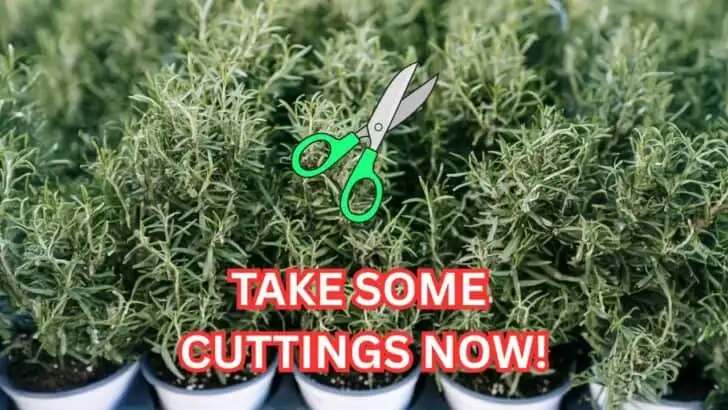
By August, your herb bed is practically begging for attention. Basil is reaching for the sky, rosemary is flexing like it just won a strongman contest, and mint is plotting an escape into your lawn. The days are still warm, but the sun is slipping lower, and that means your herbs are at peak flavor and energy.
Clip them now and you get fresh garnishes, free plants for next year, and bragging rights when winter comes knocking and you are still making pesto like it is July.
Why August Is the Herb Jackpot
August is that rare moment when your herbs are both eager to grow and rich with flavor. The warm days keep their metabolism high, pushing out new leaves quickly. At the same time, the gradually shortening days signal the plants to concentrate essential oils, which means the leaves you snip now are more fragrant and flavorful than those from the long, lazy days of early summer.
By this point in the season, most plants are mature enough to give you cuttings that are sturdy and healthy, making them ideal candidates for rooting. If you wait too long, the cool nights of fall will slow growth, and the plants will be more focused on survival than on producing vibrant, aromatic leaves.
- Warmth fuels growth which means fast recovery after taking cuttings.
- Shorter days boost flavor by increasing the concentration of essential oils.
- Mature plants give stronger cuttings which leads to better rooting success.
- Still time to establish indoors before frost shuts everything down.
9 Herbs That Love an August Snip
Not every herb is worth snipping in August, but the right ones will reward you with lush growth and strong roots before winter sets in. Tender annuals like basil, cilantro, and dill are at peak flavor right now and will not survive the first frost, so taking cuttings is the perfect way to extend their season indoors.
Woody perennials such as rosemary, thyme, sage, and oregano root well at this time of year, giving you healthy plants ready for next spring. Then there are the fast spreaders like mint and lemon balm. Cutting them back now keeps them from overrunning your beds and gives you fresh starts to bring inside for winter teas and cooking.
- Basil loves the late summer heat and roots quickly in water or soil.
- Cilantro is best if it has not bolted yet, offering fresh leaves for weeks.
- Dill can give one last burst of flavor before the season ends.
- Rosemary develops strong, fragrant cuttings that thrive indoors.
- Thyme is hardy, compact, and easy to root for winter use.
- Sage offers both beauty and earthy flavor, perfect for roasting recipes.
- Oregano is a vigorous grower and keeps its flavor indoors.
- Mint spreads fast, making cuttings a better option than letting it take over.
- Lemon balm brings a fresh citrus scent and is perfect for winter herbal teas.
Cuttings Made Easy in 6 Simple Moves
Start with a healthy mother plant that is free of pests and disease. Choose a non flowering stem that looks firm and green rather than woody or brittle. Sterilize your scissors with alcohol so you do not carry problems from one plant to another.
Cut a 4 to 6 inch piece just below a leaf node since that is where roots like to form. Strip the leaves from the lower half of the cutting so no foliage sits in water or soil. Pinch off any flowers or buds so the cutting puts energy into roots, not show.
If you have rooting hormone, dip the cut end lightly and tap off the excess. For water rooting, place the stem so only the bare nodes are submerged and change the water every few days. For soil rooting, plant the stem in a small pot of moist, well draining mix and cover loosely with a clear dome to hold humidity.
- Pick stems that are healthy, non flowering, and about 4 to 6 inches long
- Make the cut just below a node, then remove leaves from the lower half
- Optional hormone helps, but cleanliness and humidity matter more
- Water method easy to monitor, slower to transition to soil
- Soil method faster establishment, needs steady humidity and gentle light
- Label each pot or jar so you do not mix up varieties
Keep Them Thriving Until Frost Hits
Once your cuttings are settled in their water or soil, they need the right environment to keep growing strong. Place them somewhere bright but avoid a windowsill that gets scorching afternoon sun. Harsh light can dry out tender new roots before they have a chance to take hold.
If you are rooting in water, change the water every two to three days to keep it fresh and oxygen rich. In soil, keep the mix evenly moist but not soggy, as overwatering can cause rot before roots have formed. Light misting once or twice a day can help prevent leaves from wilting.
Keep an eye out for any yellowing or drooping which may mean the plant is stressed. Remove any dead leaves right away to avoid mold. The goal is to keep the plant stable and happy until it can handle more light and less pampering.
- Bright location without harsh midday sun
- Change water every 2–3 days if rooting in water
- Mist leaves lightly to keep humidity up
- Keep soil evenly moist but never waterlogged
- Remove yellowing or damaged leaves promptly
- Watch for early signs of rot or mold and act quickly
How to Move Herbs Indoors Without Losing Them
As the nights start to cool, your cuttings will thank you for a smooth transition indoors. Do not wait until frost is in the forecast to make your move. The sudden change from warm garden air to dry indoor heat can shock tender plants.
Start by bringing them inside for a few hours each day, then gradually increase their time indoors over a week. This gentle shift helps them adapt without dropping leaves or stalling growth. Choose a spot with bright light, like a south-facing window, but keep them away from direct blasts of hot air from vents or heaters.
Keep checking for pests during this time, especially aphids or spider mites that hitch a ride from outside. Once settled, water sparingly in winter, letting the top of the soil dry slightly between waterings. Your herbs will slow their growth but still be there for winter cooking.
- Begin moving plants inside 1–2 weeks before first frost
- Increase indoor time gradually to prevent shock
- Choose a bright, draft-free location
- Inspect plants for pests before each move
- Water less often in winter to match slower growth
Mistakes That Kill Herb Cuttings Fast
Even the healthiest cuttings can fail if you make the wrong moves. One of the biggest mistakes is taking cuttings from stressed or diseased plants. Weak stems will struggle to root and may carry problems straight into your indoor space.
Another common slip is leaving too many leaves on the stem. Extra foliage increases water loss through transpiration and can cause the cutting to wilt before roots form. Keeping just a few healthy leaves helps the plant focus energy on rooting.
Finally, pests are the stowaways you do not want. Check every cutting closely before it crosses the threshold. Aphids, spider mites, and whiteflies can turn your indoor herb garden into a winter headache if you let them sneak in.
- Never take cuttings from plants that are stressed, diseased, or nutrient deficient
- Trim foliage so only 2–4 small leaves remain on each cutting
- Inspect thoroughly for pests before bringing plants inside
- Do not skip acclimatization when moving plants indoors
Bonus Trick for Growing More in Less Space
If space is tight on your windowsill, you can still root plenty of herbs for winter use. The trick is to group several cuttings in the same pot or jar during the rooting phase. They do not mind being close while they are busy growing roots.
This method saves space and keeps watering simple. Once the roots are strong, you can separate each cutting into its own container. That way, you get more plants without cluttering your kitchen early on.
It also helps you identify which cuttings are thriving. If one starts to lag behind, you can give it extra attention before it is too late.
- Start multiple cuttings in one wide container
- Label the container with herb type and date
- Separate into individual pots once roots are 2–3 inches long
- Use fresh potting mix for transplanting to avoid stress
Lock in Peak Flavor Before Summer Ends
August is the moment when herbs are at their peak and the clock is quietly ticking toward colder days. Every cutting you take now is like putting a piece of summer in storage. You get the flavor, the freshness, and the satisfaction of knowing you grew it yourself.
It is free, it is easy, and it keeps you connected to your garden long after the frost has settled in. Come January, when the snow piles up outside, you can still snip rosemary for roasted potatoes or mint for tea without stepping into the cold.
Grab the scissors. Your future self will be grateful, and your pasta will taste a whole lot better for it.
🌿 Key Takeaways
- ✂️ August is prime time for herb cuttings with strong growth and peak flavor.
- 🌞 Heat and shortening days make for more concentrated oils and aroma.
- 🌿 Top candidates include basil, rosemary, thyme, sage, oregano, mint, and lemon balm.
- 🪴 Choose healthy, non-flowering stems about 4–6 inches long for best results.
- 💧 Water or soil rooting both work, with care for humidity and light needs.
- 🏡 Move indoors gradually before frost to avoid shock and keep herbs thriving.
- 🚫 Avoid common mistakes like using stressed plants or skipping pest checks.
- 💡 Bonus tip Root multiple cuttings in one container, then separate later to save space.


Daniel has been a plant enthusiast for over 20 years. He owns hundreds of houseplants and prepares for the chili growing seasons yearly with great anticipation. His favorite plants are plant species in the Araceae family, such as Monstera, Philodendron, and Anthurium. He also loves gardening and is growing hot peppers, tomatoes, and many more vegetables.