


September can feel like the month of garden guilt. The to-do list is endless, the days are shorter, and it’s easy to think you need to fuss over every single plant before frost rolls in. But here’s the secret: not every task is worth your time right now. In fact, plenty of gardeners waste precious hours in September on chores that make little difference to harvests or next year’s garden.
Want to know which jobs you can happily skip? Here are 8 things that look productive but actually steal your time this month — and what to focus on instead.
1. Fertilizing Summer Annuals

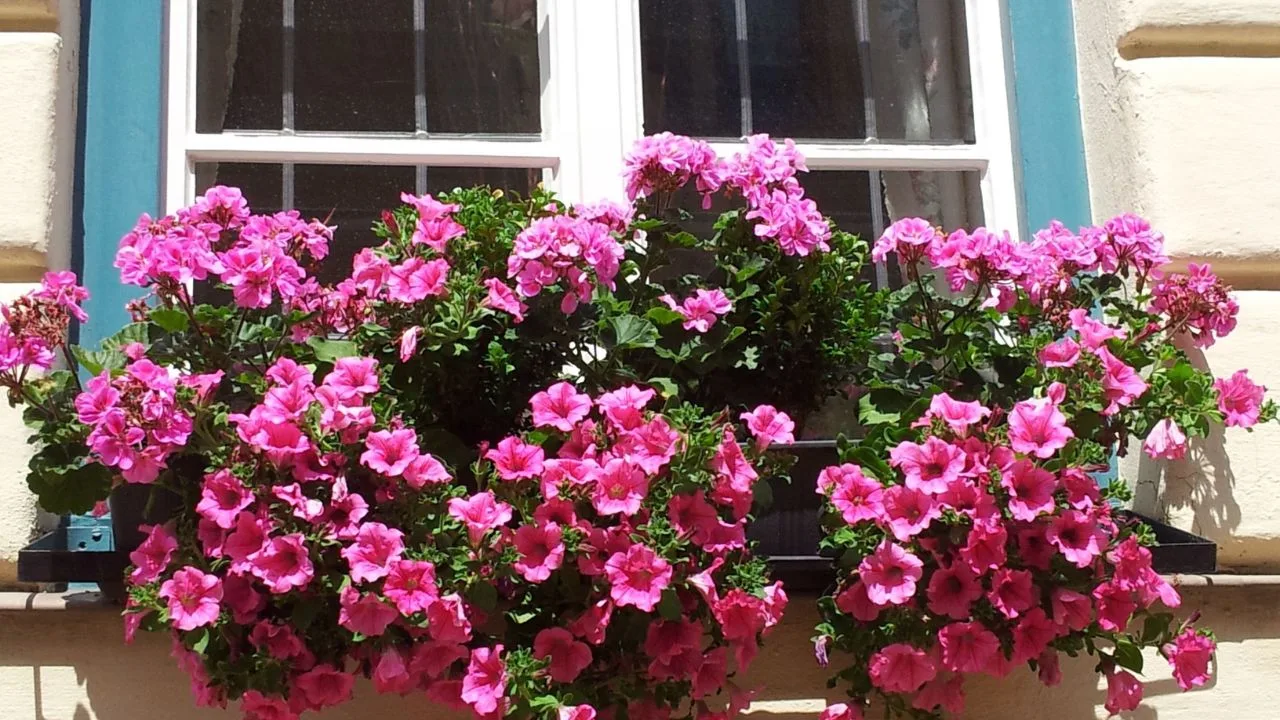
It’s tempting to give your petunias, impatiens, or marigolds one more feeding in September, but here’s the truth: their season is nearly over. These flowers are genetically wired to peak in summer, then fade fast once the nights cool and daylight shrinks. Pouring fertilizer on them now won’t spark a new flush of blooms — it will just feed a plant that’s on its last legs.
That fertilizer could be far better spent on fall-blooming perennials or on prepping beds for next year’s garden. Think of it as not throwing money at a sinking ship. Enjoy the last color they give naturally, but don’t expect miracles from the bottle.
🌼 Better Use of Your Fertilizer
- Fall-blooming perennials like asters and mums still benefit from feeding now.
- Spring bulbs (tulips, daffodils, hyacinths) love a nutrient boost when planted.
- Soil prep: work in compost or balanced fertilizer to recharge tired beds for next year.
2. Watering Spent Crops

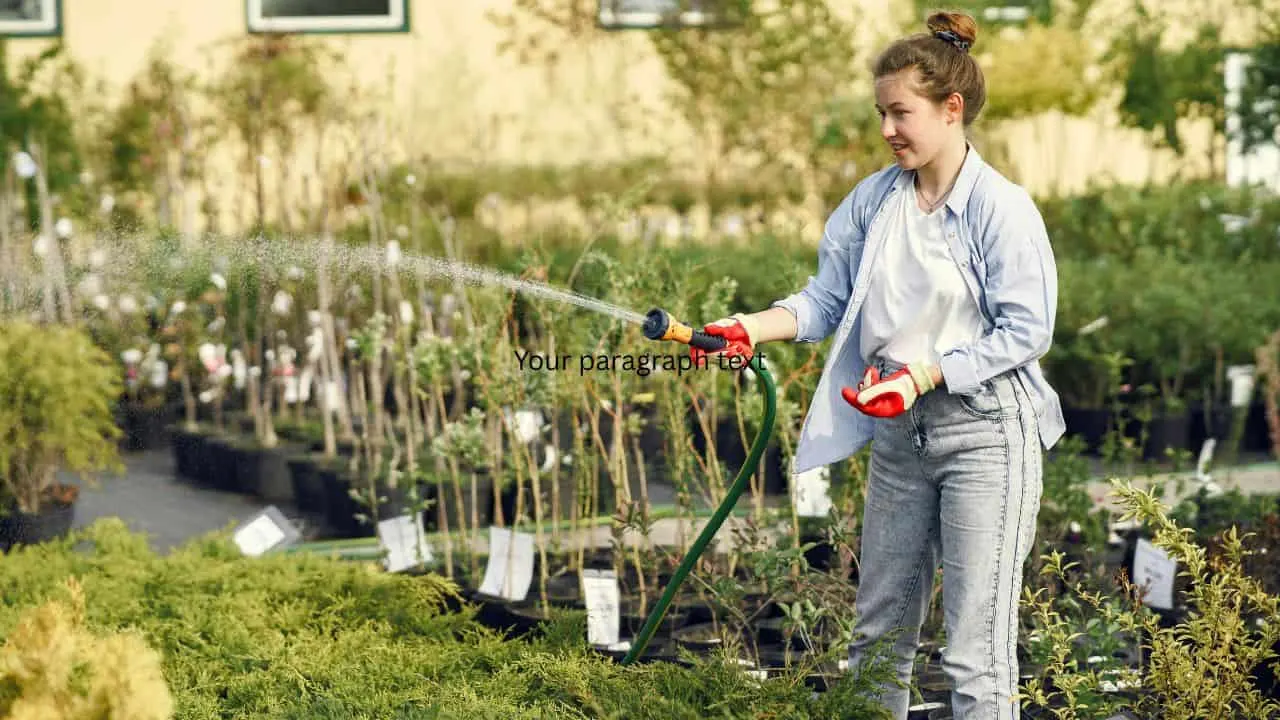
We’ve all been there — looking at the lettuce that bolted weeks ago or the pea vines that turned yellow and crisp, still giving them a splash of water out of habit. The problem is, no amount of hydration will bring these crops back in September. Once lettuce, spinach, or peas have gone to seed, their tender days are over. At this point, watering them is just pouring time (and water) into plants that are giving you nothing in return.
Instead, clear them out and use that space for fall crops that actually thrive now, like radishes, kale, or spinach if you’re still within your zone’s planting window. It’s not about abandoning the garden — it’s about redirecting your energy to where it pays off.
💧 Smarter Use of Your Water
- Remove spent crops like peas, bolted lettuce, and old greens to save water.
- Replant the space with quick fall crops suited to your zone.
- Focus watering on perennials, late-season veggies, and new plantings that will reward the effort.
3. Trying to Revive Powdery Mildew Stragglers

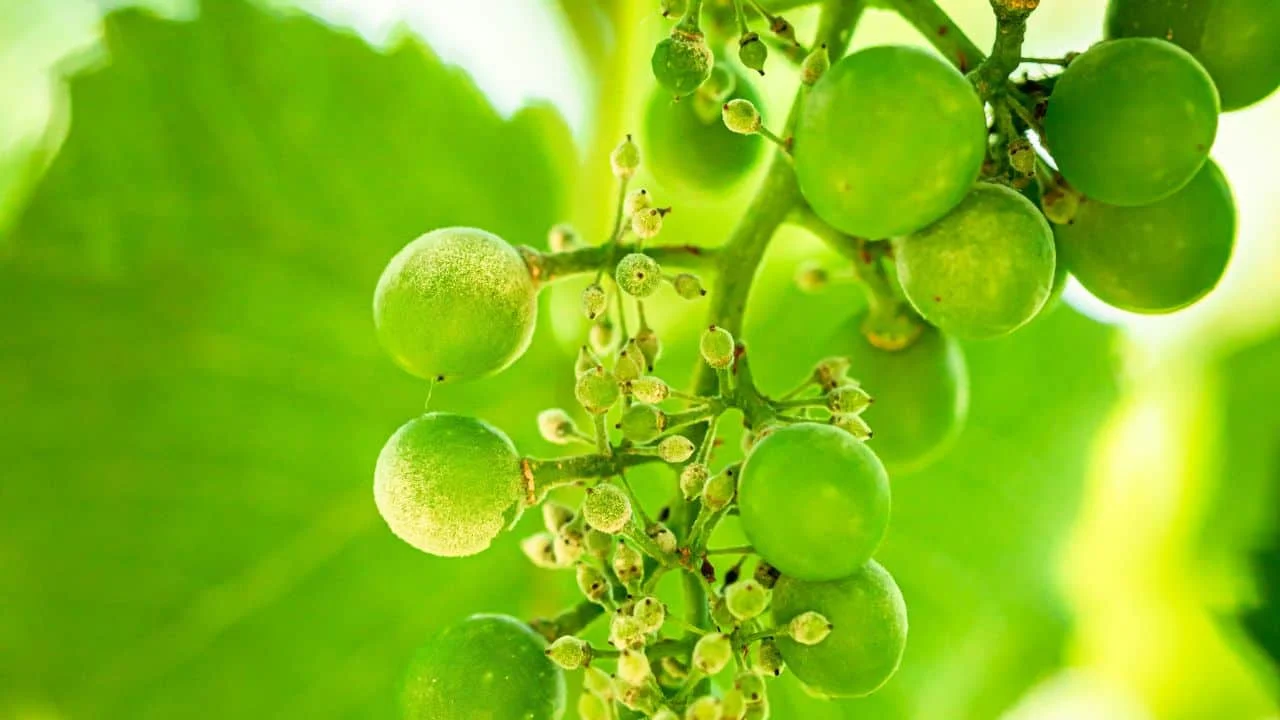
By September, zucchini, cucumbers, and other vining plants often look like they’ve been dusted with flour. That white coating isn’t a quirky late-season pattern — it’s powdery mildew, and once it takes hold this late in the game, there’s no saving those tired vines. Spraying and pruning might make you feel productive, but the reality is, these plants are already on their way out.
All that effort only delays the inevitable. The better move is to pull those stragglers, toss them in the compost (if your pile gets hot enough to kill spores), and free up the space for crops that actually have time to give back. It’s about recognizing when to stop fighting a losing battle and let your energy go where it counts.
🍂 Smarter Move Than Fighting Mildew
- Remove infected vines quickly to stop spores spreading to healthier plants.
- Plant fall crops like radishes or greens in the cleared space.
- Plan ahead: next year, give cucurbits more airflow and rotate them to fresh soil.
4. Heavy Pruning of Shrubs and Roses

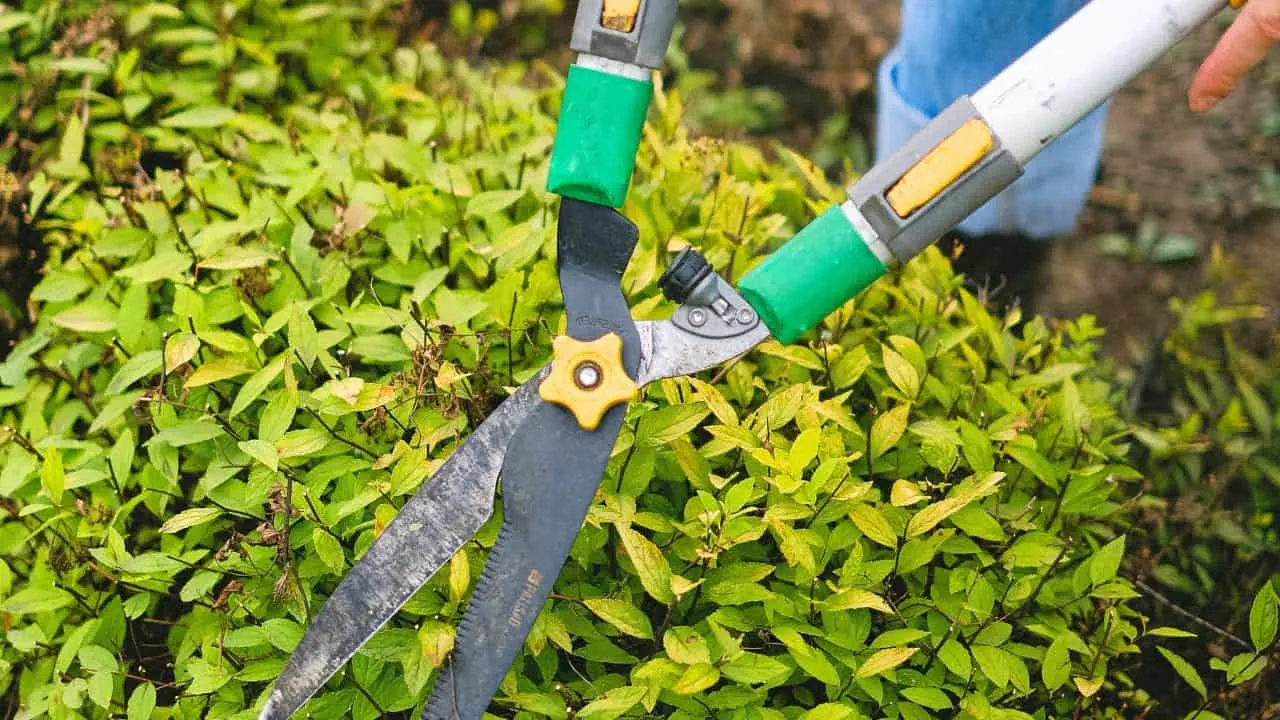
September is not the time to channel your inner Edward Scissorhands. When you prune hard this late in the season, you trigger a flush of tender new growth that has no chance of hardening before frost. Those soft shoots become the first casualties of cold nights, leaving your plant stressed and sometimes even weaker going into winter.
Instead of reshaping shrubs or cutting roses back by half, save the big haircut for spring or after frost has fully set in. Right now, your plants need stability, not stimulation. A little light cleanup is fine — think trimming dead canes, spent blooms, or wayward branches — but anything more aggressive just sets them up for failure.
✂️ September Pruning Rules
- Do light shaping only — remove dead, damaged, or diseased parts.
- Hold off on hard cuts until spring when plants bounce back with vigor.
- Mulch instead to protect roots and help plants head into winter stronger.
5. Babying Root-Bound Pots

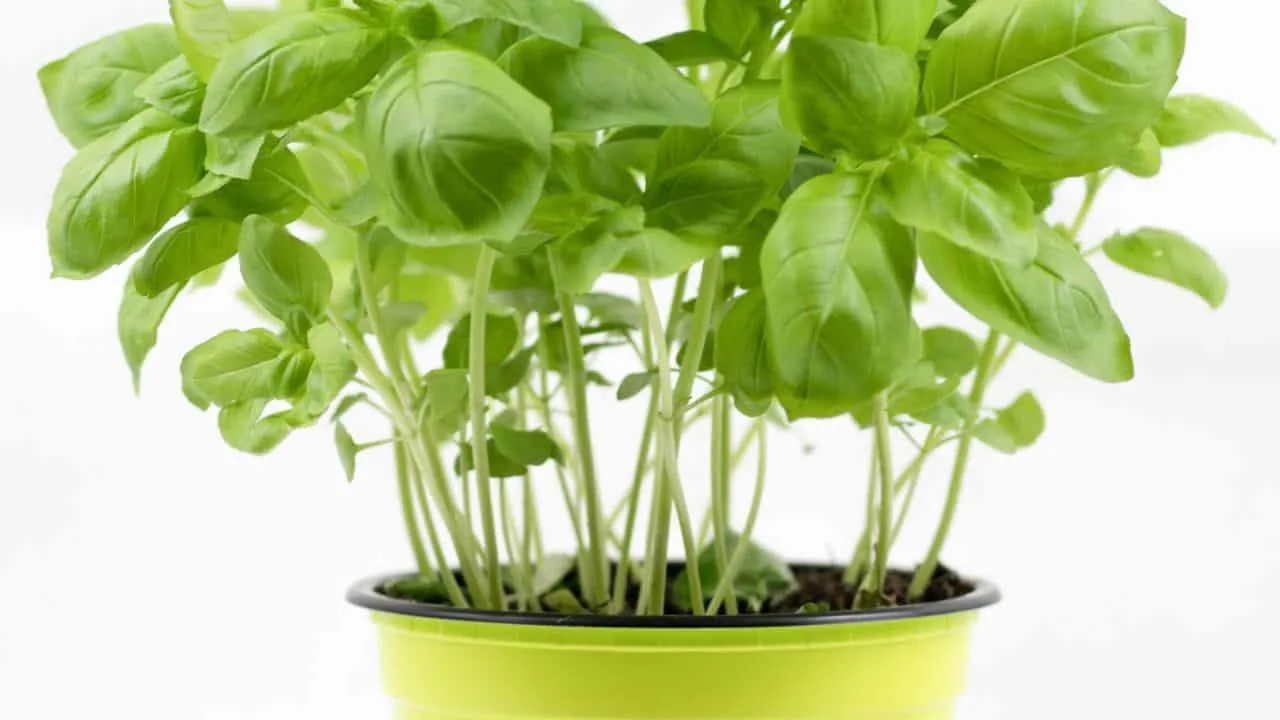
By September, many container plants — especially tomatoes, peppers, and basil — have filled their pots with roots. If you tip the pot, you’ll often see a solid mat of roots circling like a bird’s nest. At this stage, the plant is basically out of room and out of steam. Water and fertilizer can’t work miracles when there’s no soil left to hold them, and the plant spends more energy surviving than producing.
Spending September nursing these pots with extra feedings and daily waterings rarely gives a worthwhile return. Instead, enjoy what’s left, harvest what you can, and accept that the container season is winding down. Your energy is better spent prepping fresh soil mixes for next year’s containers than trying to coax one more tomato from an exhausted rootball.
🪴 Smarter Container Strategy
- Harvest regularly and use up herbs like basil before frost arrives.
- Compost spent soil but refresh with new mix for spring — old soil is depleted.
- Recycle the pot: clean and store containers now so they’re ready for next season.
6. Sowing Cool-Season Crops Too Late

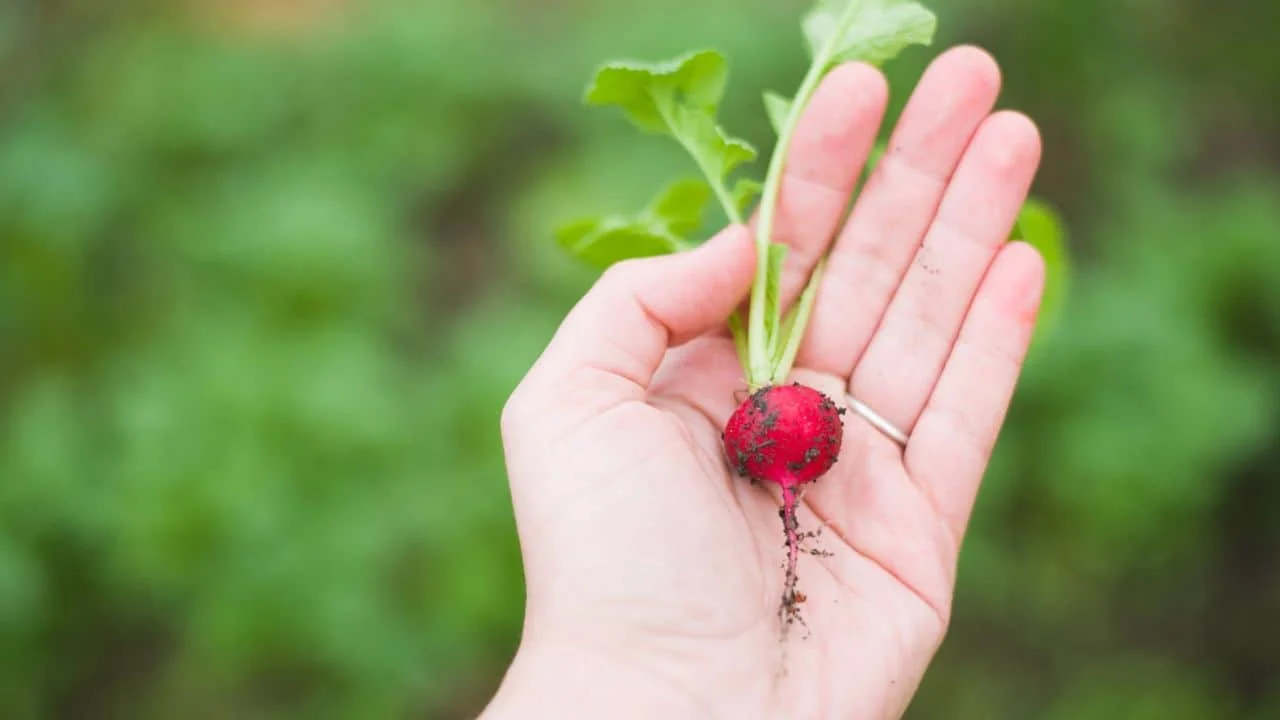
September feels like the perfect time to scatter a few more lettuce or spinach seeds, but in many zones it’s already too late. By the time those seedlings sprout, daylight hours are shrinking fast and nights are cooling down. Even if the plants grow, they crawl along so slowly that you’ll be lucky to harvest more than a handful before frost shuts the season down.
This doesn’t mean you should skip fall crops entirely, but timing is everything. For gardeners in cooler zones (3–6), most leafy greens need to be seeded by mid-August to produce decent harvests. In warmer zones, you’ve got a bit more wiggle room, but even then, September sowings often underperform without protection like row covers or cold frames.
🌱 Smarter Fall Planting
- Know your frost date: count back the “days to maturity” on seed packets to plan realistically.
- Use protection: row covers, cloches, or cold frames extend the season for late sowings.
- Focus on fast crops: radishes, baby greens, and arugula can still make it in time.
7. Deadheading Every Single Annual Flower

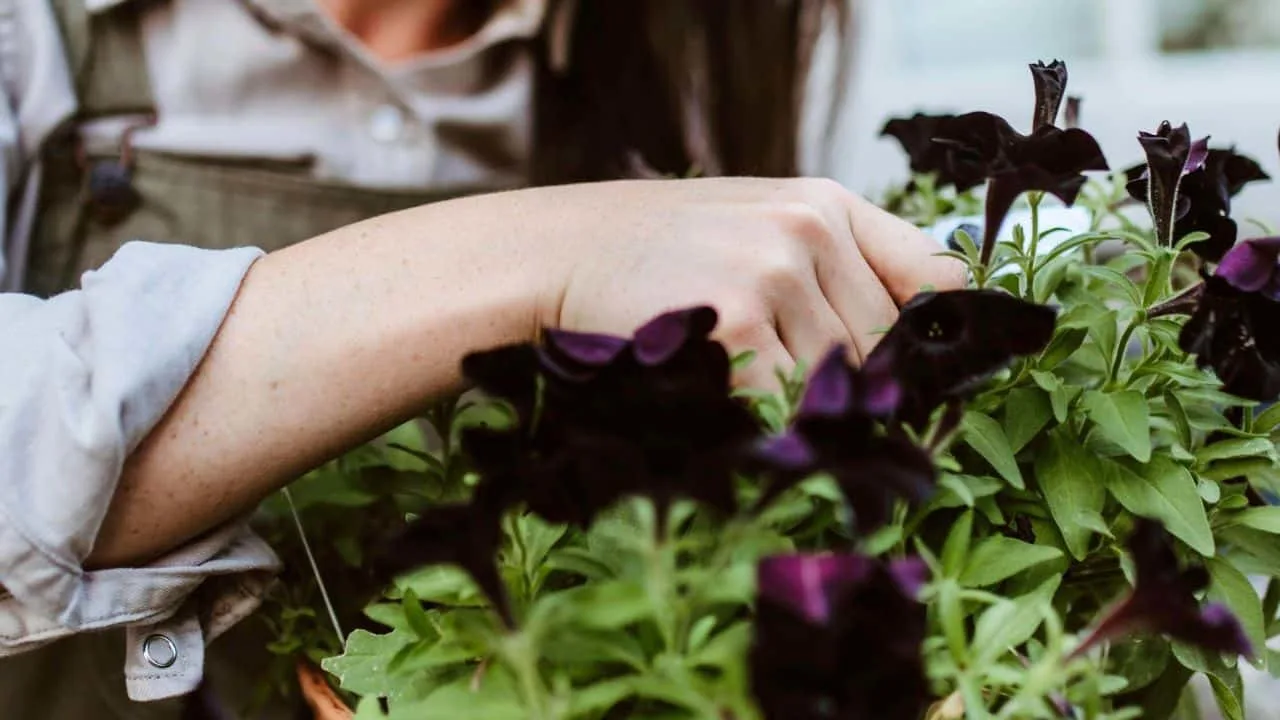
Snipping off every faded petunia, geranium, or marigold bloom feels productive, but in September it rarely pays off. With frost only weeks away in many zones, those plants don’t have enough energy or time left to pump out meaningful new flowers. You might get a stray bloom or two, but you’ll have spent hours with scissors for almost no return.
This doesn’t mean you should stop deadheading entirely. If you want a tidier look for your porch pots or a bouquet’s worth of blooms, go for it. But the full-scale “snip every flower” routine is wasted energy this late. Instead, focus on deadheading perennials or shrubs that still benefit from the attention and will reward you next season.
🌸 What’s Worth Deadheading in September
- Perennials like coneflowers and black-eyed Susans — keeps beds neat, reduces reseeding.
- Roses — light deadheading encourages a few more fall blooms.
- Annuals — just tidy up the worst-looking ones if you want curb appeal.
8. Treating Every Pest Outbreak

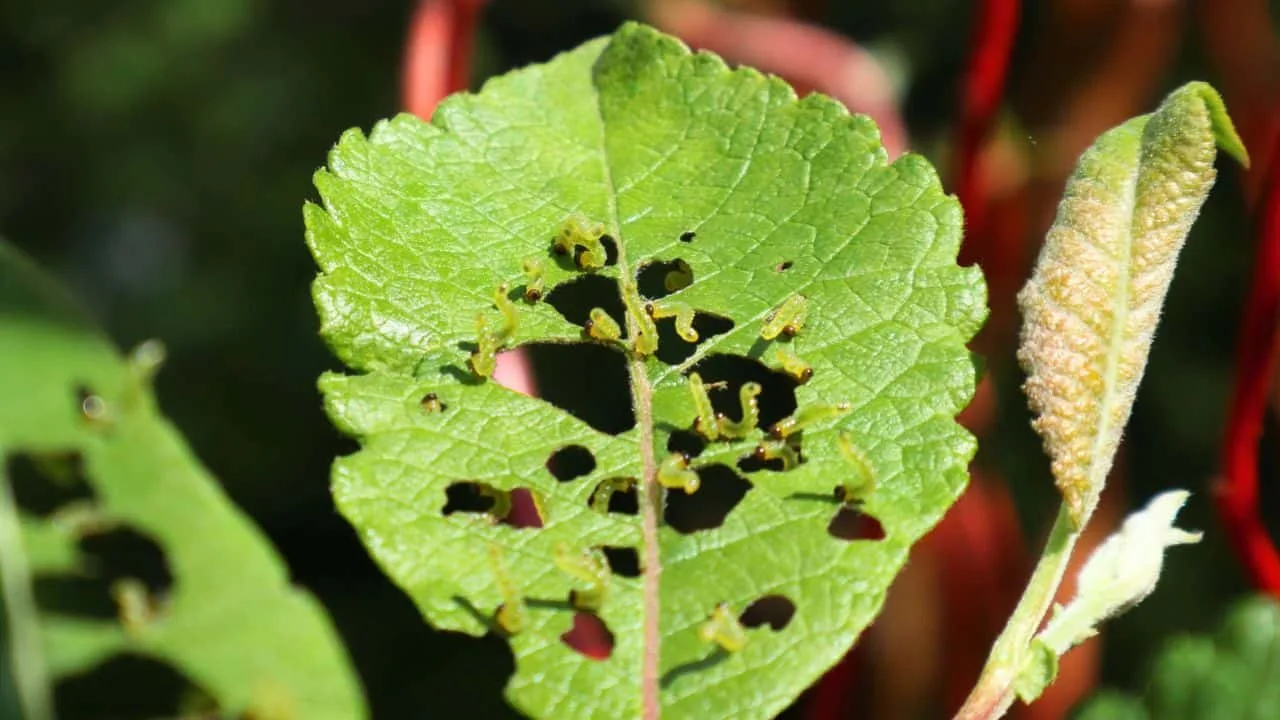
By September, the sight of aphids clustering on bean vines or a few beetles chewing leaves can spark the urge to reach for sprays. But here’s the thing: many late-season pests simply don’t have enough time left to do real damage before frost wipes them out. Fighting every outbreak in September often means spending more time and effort than the situation deserves.
That doesn’t mean you should ignore serious infestations, especially if they’re on perennials or plants you want to overwinter. But if your zucchini is on its last legs or your beans are nearly finished, chasing every bug is wasted energy. Sometimes the smartest move is to let nature take its course while you focus on crops and plants that still have a future this season.
🐛 When to Treat vs. When to Skip
- Treat: Perennials, shrubs, and young crops you’re still counting on.
- Skip: Tired annuals, beans, and squash vines near the end of their run.
- Better focus: Prep soil, mulch, or start fall plantings instead of chasing bugs.
⏳ Stop Wasting Time, Start Gardening Smarter
September doesn’t have to be a frantic month in the garden. The truth is, a lot of the jobs we feel guilty about skipping aren’t worth the sweat at this point in the season. Spent crops, fading annuals, tired vines, and bug battles that won’t change the outcome — those are hours you’ll never get back.
The gardeners who finish the season strong know when to walk away. Instead of chasing lost causes, they use September to invest in what really matters: planting for fall, prepping beds for winter, and giving perennials and bulbs the care that pays off next spring.
Think of it as editing your to-do list. Less wasted time, more meaningful effort, and a garden that thanks you when the frost clears.
🌿 Key Takeaways
- ⏳ Not every September chore is worth your time — focus on plants that will still pay you back.
- 🌱 Skip the guilt work: fertilizing fading annuals, reviving mildew, or over-deadheading.
- 💧 Redirect resources toward fall crops, perennials, and bulbs that need support now.
- 🐛 Not every pest is worth chasing — let the season finish out naturally for tired crops.
- 🍂 September success comes from smart editing: less busywork, more meaningful prep for fall and spring.


Daniel has been a plant enthusiast for over 20 years. He owns hundreds of houseplants and prepares for the chili growing seasons yearly with great anticipation. His favorite plants are plant species in the Araceae family, such as Monstera, Philodendron, and Anthurium. He also loves gardening and is growing hot peppers, tomatoes, and many more vegetables.