

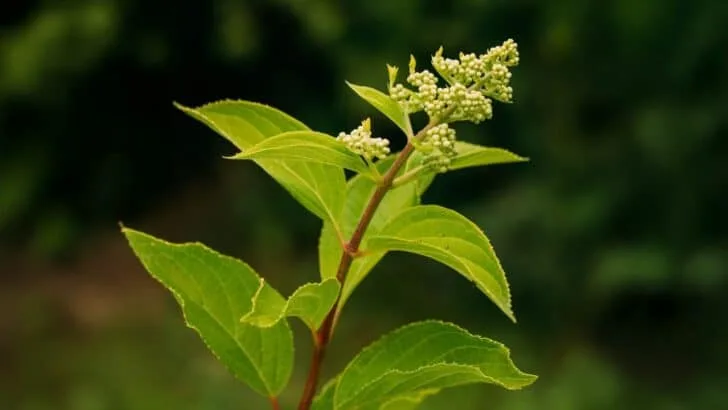
I used to think hydrangeas came in just two types. Blue or pink, round or rounder, the kind of florist blooms made for wedding tables. Then one September I saw shrubs covered in tall cone shaped flowers, creamy white fading into strawberry pink. They were still blooming while every mophead hydrangea in the neighborhood had already quit.
That was my first run-in with panicle hydrangeas, the hydrangea you probably do not know. They thrive in cold zones, forgive rough pruning, and keep the show alive when the rest of the garden looks tired. If you thought you already knew hydrangeas, this one will change your mind.
Why Gardeners Are Missing Out

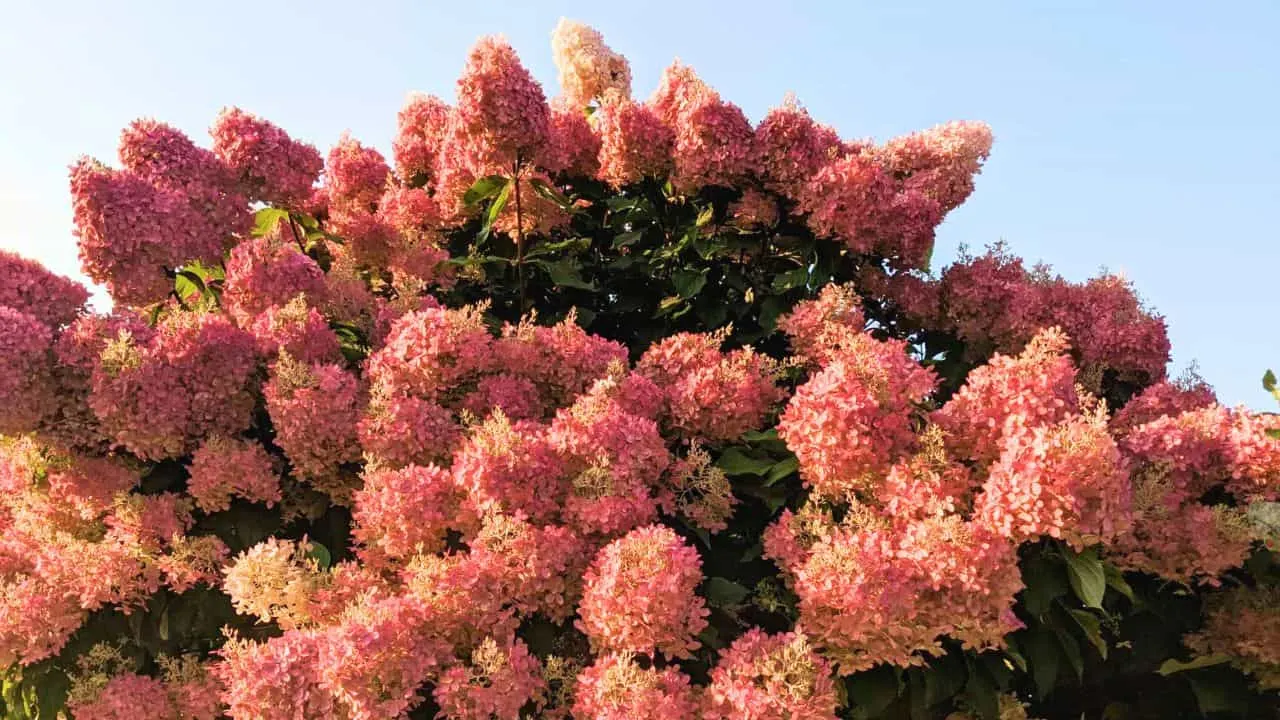
Most gardeners call hydrangea season finished once September rolls around. Bigleaf hydrangeas are faded, the leaves are tired, and the once-showy mopheads look like old tissue. But panicle hydrangeas are just warming up. Their flowers are still fresh, still full, and starting to shift into deep shades of pink and burgundy while the rest of the garden heads for bed.
This is where panicles steal the spotlight. They bring late season drama, they keep changing colors instead of stalling out, and they thrive in places where mopheads refuse to lift a finger.
🍂 Why Panicles Stand Out in Fall
- Extended bloom time: While bigleafs are done by late summer, panicles keep their flowers into October in many zones.
- Color shift: Blooms move from green to white to blush pink and rich burgundy as nights cool down.
- Cold tolerance: Hardy to northern climates where bigleafs sulk or fail completely.
- Low maintenance: They thrive with less pampering and still put on a stronger show than most hydrangeas.
Bonus Tip: Plant one near your porch or patio. Their late season glow makes fall evenings feel like the garden is still alive and kicking.
The Secret Sauce of Panicles

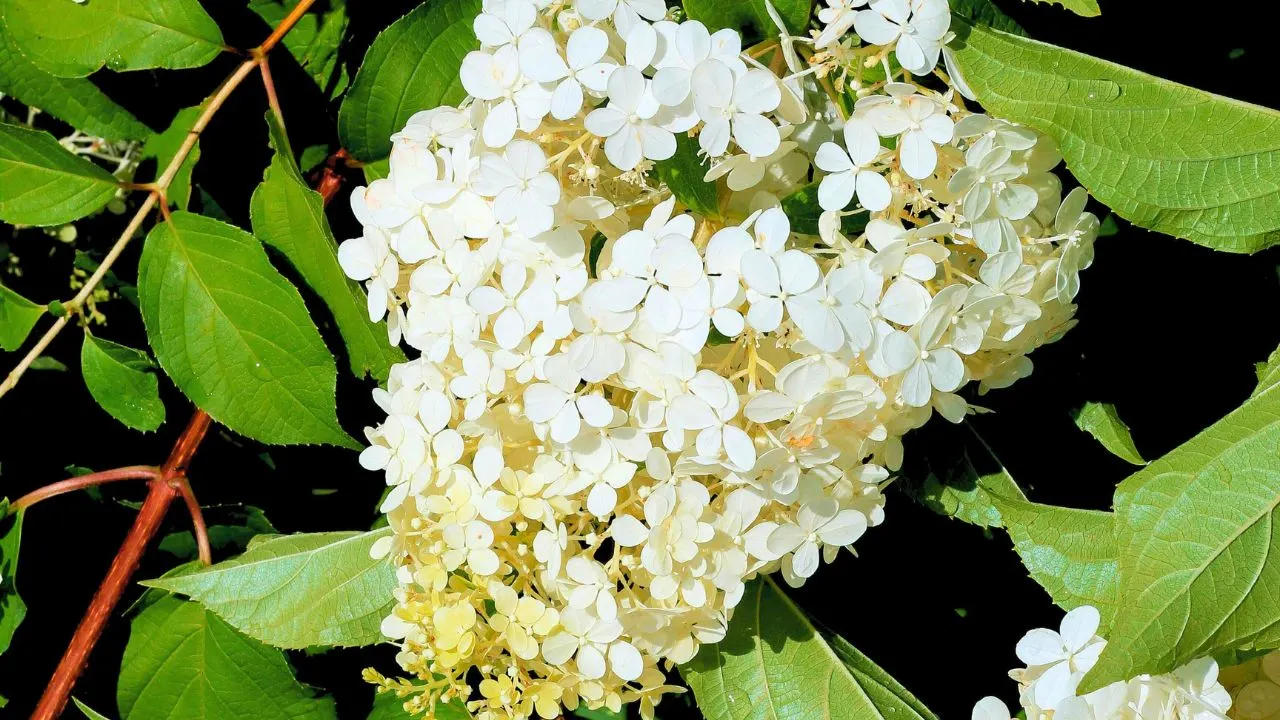
Here is why panicle hydrangeas feel almost unfair. They flower on new wood, which means you can prune in late winter without fear and still get a full bloom show. Their cones stand tall after rain, the stems are sturdy, and they keep coloring up as nights get cooler. They are also the least dramatic hydrangeas about soil. No chasing the perfect pH. No special potions.
🌟 What Makes Panicles So Forgiving
- Blooms on new wood: Cut back in late winter or early spring and you still get heavy flowering.
- Cone shaped flowers: Upright panicles resist flopping after storms and look dramatic from across the yard.
- Cold toughness: Reliable in USDA Zone 3 and up, where bigleaf hydrangeas often fail.
- Less soil drama: Color does not hinge on acidity. Expect a natural shift from green or white to pink and deep red through fall.
Bonus Tip: If you are unsure about pruning, aim for a simple haircut. Take stems down by one third in late winter. Panicles will forgive the rest.
How to Make Them Shine in Your Yard

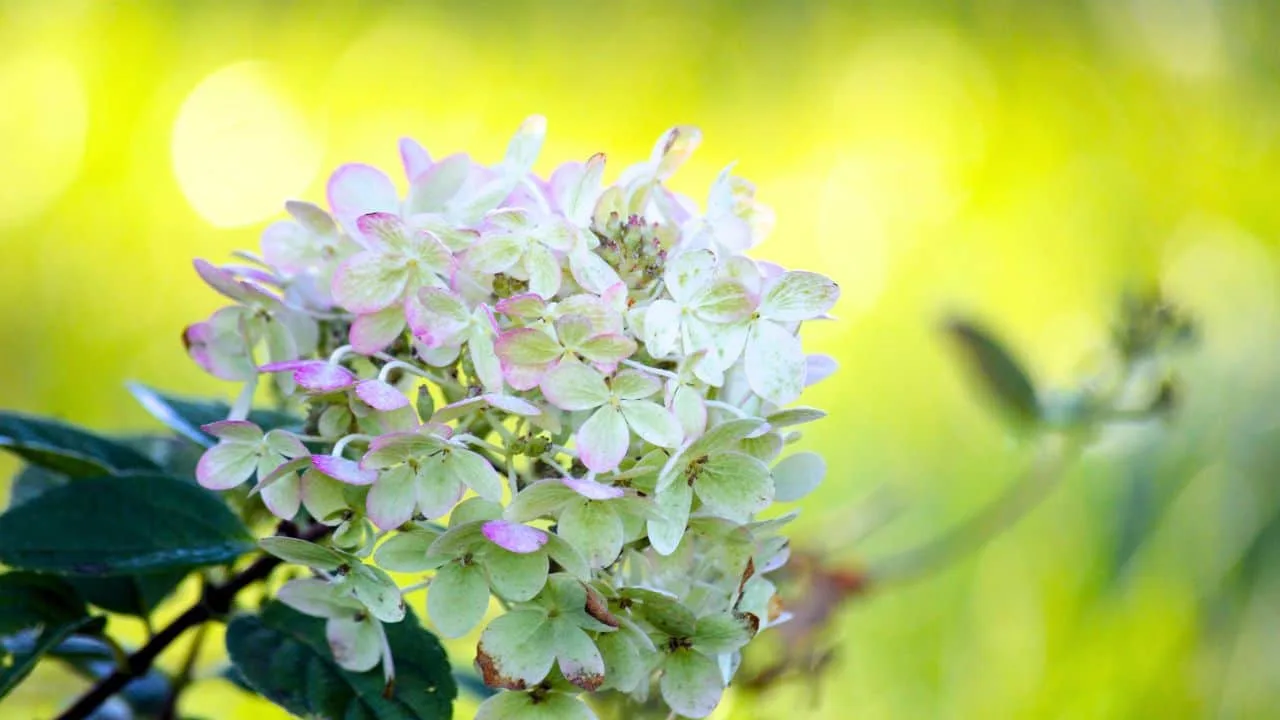
Panicle hydrangeas are not the kind of plant that sulks if you forget to pamper them. Give them the right spot and a yearly haircut, and they will do the rest. They like a little sun, some decent soil, and a chance to spread out. Treat them as part of the backbone of your garden, not just filler, and they will reward you with months of shifting color.
🌿 Panicle Care Made Simple
- Where to plant: Full sun to part shade. They need at least four hours of direct light for strong blooms.
- Soil and water: Average garden soil works fine. Water during dry spells but skip the daily fuss.
- Pruning: Cut back by one third in late winter or early spring. They bloom on new wood, so even mistakes still lead to flowers.
- Companions: Pair them with ornamental grasses, sedums, or rudbeckias for a late season display that feels planned, not accidental.
Bonus Tip: Plant them where you can see them from a window or porch. Their fall color shifts are too good to miss from inside the house.
A Bloom Worth Rethinking Hydrangeas

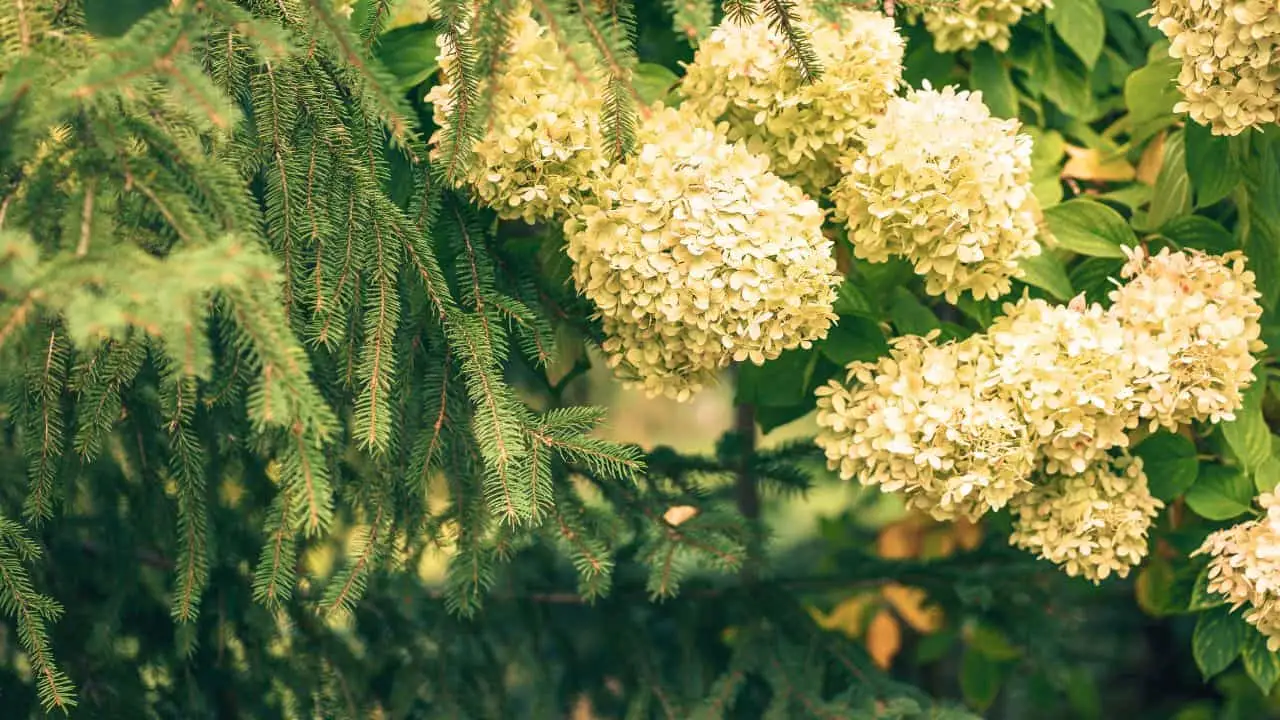
By the time most gardens start looking worn out, panicle hydrangeas are still staging a full performance. Their blooms do not just fade politely, they transform. Creamy white turns to blush pink, then to deep rose, and finally to shades that look almost like red wine in the right light. It is the kind of slow color shift that makes you stop on your way to grab the mail just to stare for a moment.
This is what makes them special. While summer plants bow out, panicles keep evolving, giving the garden a second wind when you thought the curtain had already closed.
🍁 Why Panicles Own the Fall
- Season extender: They bloom strong into September and October, outlasting most summer favorites.
- Constant change: Flowers shift shades week by week, keeping the garden dynamic instead of static.
- Visual drama: Their upright cones stand tall while other flowers flop, adding structure to late borders.
- Low effort reward: All this color with little more than basic care and a spring haircut.
Bonus Tip: Leave some blooms on the plant through winter. Their dried cones catch frost and snow, turning into natural decorations.


Daniel has been a plant enthusiast for over 20 years. He owns hundreds of houseplants and prepares for the chili growing seasons yearly with great anticipation. His favorite plants are plant species in the Araceae family, such as Monstera, Philodendron, and Anthurium. He also loves gardening and is growing hot peppers, tomatoes, and many more vegetables.