

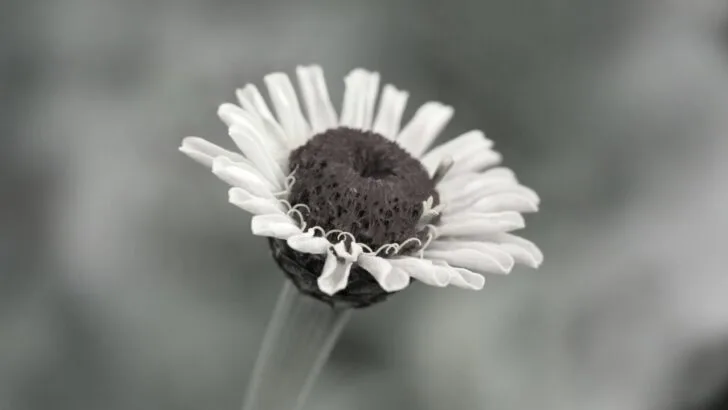
September does something funny to perennials. Yesterday they were fresh, today they look tired, and tomorrow frost will be sniffing around the edges. Some need a haircut, some want a shovel, and some are better left standing for birds and winter sparkle. Cut the wrong one and you lose next year’s show. Leave the wrong one and you invite disease.
This guide keeps you out of trouble. First, a few smart rules for fall care. Then a quick roll call of the plants you are most likely staring at right now. After that, clear moves by zone so you know exactly when to cut, when to divide, and when to let the stems ride into winter.
Smart Rules for September Perennials
Fall work is about timing, not bravado. Plants are still storing energy, diseases are looking for a place to overwinter, and birds are shopping for seed heads. Follow a few simple rules and you will protect roots, keep wildlife happy, and set up an easier spring. Next we will go zone by zone and call out exactly what to do with each perennial in your region.
✅ Quick rules before you cut
- Cut if diseased: Remove plants with powdery mildew, rust, or botrytis. Bag the debris. Do not compost it.
- Wait if still green: Green foliage is still feeding roots. Let it finish the job before you trim.
- Leave seed heads for birds: Coneflower, black eyed Susan, and grasses feed finches and add winter structure.
- Divide only when needed: Split crowded clumps of hosta, daylily, iris, and Shasta daisy while soil is warm.
- Mulch after first frost: Add 2 to 3 inches to steady soil temps and prevent frost heave around crowns.
- Water new divisions once well: A deep soak at planting beats many light sprinkles.
Bonus tip: Keep a spray bottle of rubbing alcohol to wipe pruner blades between plants. It slows the spread of fungal issues.
Perennials on the September Watchlist

Not every perennial wants the same treatment in fall. Some are still feeding roots, some are busy feeding birds, and some are just spreading trouble. Use this roll call as your quick cheat sheet. Next we will fine tune each move by zone so you know exactly what to do where you live.
📋 Quick guide by plant
- Hosta: Cut when leaves yellow. Divide crowded clumps.
- Daylily: Shear tired foliage after frost signals. Divide now if packed.
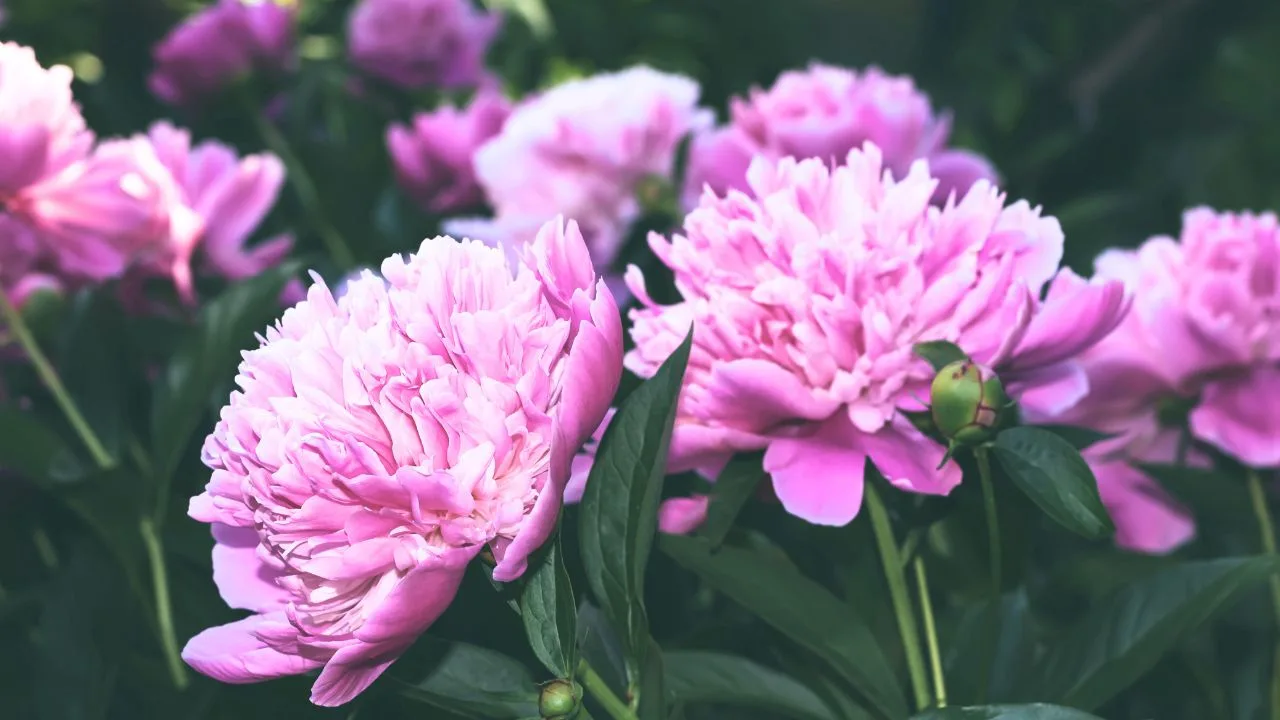
- Peony: Cut stems to the ground to reduce botrytis. Remove all debris.
- Garden Phlox: If mildew, cut to soil and bin. If clean, many gardeners leave stems for winter structure.
- Bee Balm: Same rule as phlox. Mildew means a hard cut and a clean bed.
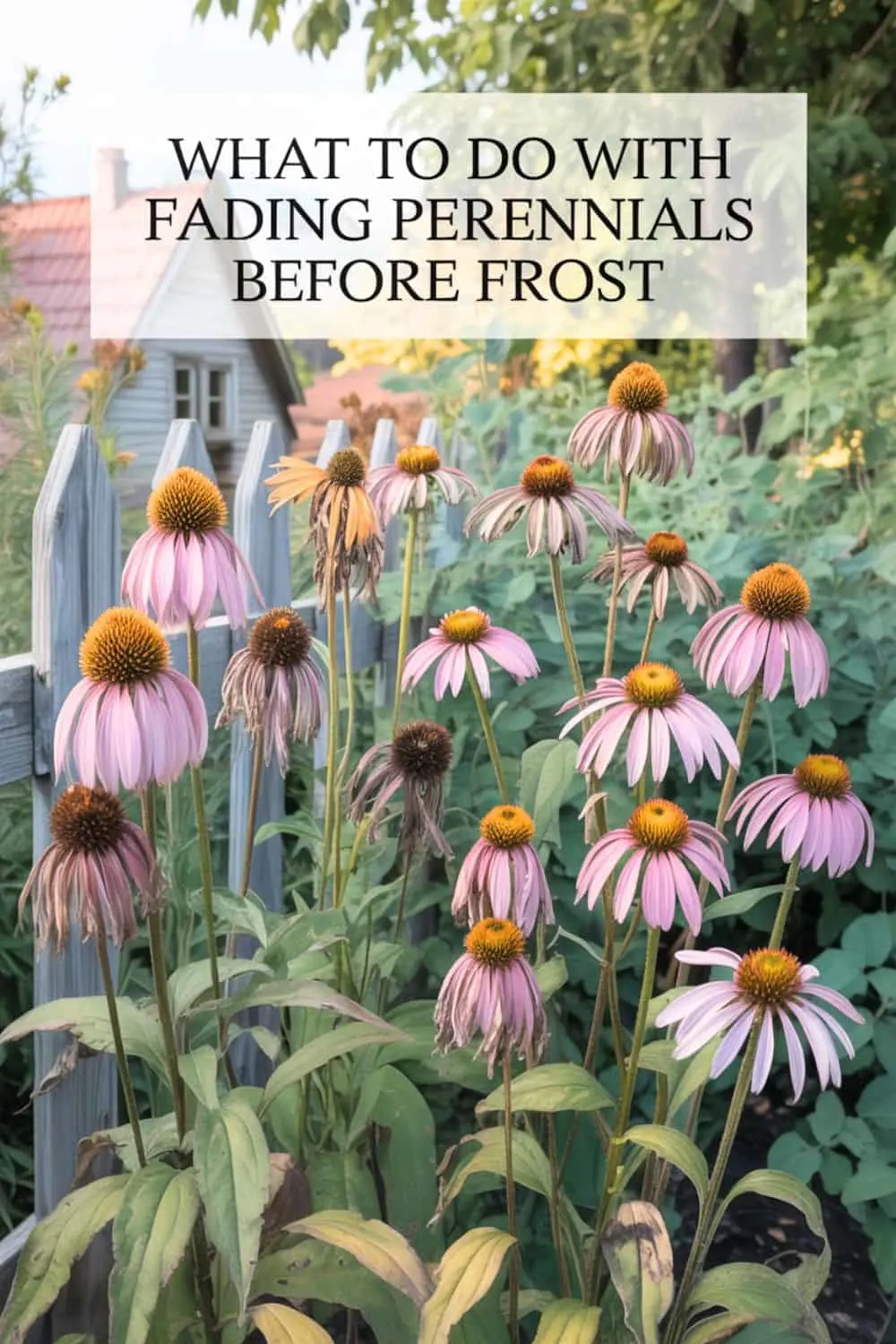
- Coneflower: Leave seed heads for birds. Cut in late winter.
- Black Eyed Susan: Leave for finches unless diseased, then remove.
- Bearded Iris: Trim fans to about 6 inches. Divide if rhizomes crowd or lift.
- Shasta Daisy: Cut to basal foliage. Divide in early fall for stronger clumps.
- Astilbe: Leave seed plumes for texture. Cut in spring if you prefer tidy beds.
- Ornamental Grasses: Leave standing for winter interest and habitat. Cut back in late winter.
- Sedum: Leave flower heads for frost sparkle. Cut in spring.
- Salvia: Deadhead to push a light fall flush where frost is late.
- Coreopsis: Shear lightly to neaten. Occasional fall rebloom in warmer zones.
- Gaillardia: Light cutback to refresh. Often reblooms into fall.
- Chrysanthemum hardy types: Do not cut after bloom. Leave stems to shield crowns.
- Japanese Anemone: Deadhead for neatness. Leave foliage to feed roots.
- Hellebore: Keep leaves now. Remove tattered foliage in late winter before bloom.
- Penstemon: Light tip prune only. Protect basal rosettes.
- Lantana: Treat as tender in many zones. Cut back after frost and mulch heavy, or replant next spring.
Note: These are default moves. The next sections adjust for Zone 3 to 10 so timing and cut depth match your climate.

Zone 3 to 4 Cold North Playbook
Frost shows up early here and does not negotiate. Your job is simple. Clean up disease, protect crowns, and make only the divisions that can root fast. Save the rest for spring. Water once deeply after you replant, then let mulch steady the soil as temperatures drop.
🌲 Do this now
- Hosta: Wait until leaves yellow or a light frost hits. Cut to a couple of inches. Mulch crowns 2 to 3 inches once the ground cools.
- Daylily: Shear tired foliage to 4 to 6 inches after frost. Divide only if you still have about four weeks before the ground freezes. Water divisions once, then mulch.
- Peony: Cut stems at soil level to reduce botrytis. Remove every scrap of debris. Add a light winter mulch after the ground freezes, then pull it back in spring.
- Garden phlox: If powdery mildew is present, cut to the ground and bin the debris. If clean, many gardeners leave stems for snow texture and cut back in spring.
- Sedum: Leave flower heads standing for winter interest. Cut back in early spring.
- Ornamental grasses: Leave clumps up for habitat and snow drama. Cut to the ground in late winter.
- Bearded iris: Trim fans to about 6 inches. Divide only if rhizomes can re root before freeze. Otherwise mark clumps for spring work.
Bonus tip: Finish any divisions at least a month before your typical hard freeze. A single deep watering after planting does more good than frequent light sprinkles.
Zone 5 to 6 Midwest and Northeast Moves
You get a decent fall window here. Soil stays warm long enough for divisions to root, birds are hungry for seed heads, and disease cleanup now pays off next spring. Work steady, not fast. Leave what feeds wildlife, cut what spreads problems, and divide clumps while the ground is still friendly.
🍁 Do this now
- Coneflower: Leave seed heads for finches through winter. Cut to the crown in late winter unless foliage shows disease, then remove now.
- Black eyed Susan: Same plan as coneflower. If leaf spot is heavy, cut and bin the debris.
- Bee balm: If mildew is present, cut to the soil and discard. If clean, leave some stalks for winter habitat.
- Bearded iris: Trim fans to about 6 inches. Divide every 3 to 5 years. Replant rhizomes shallow with tops just at the surface.
- Hosta: Wait for yellowing. Cut to a couple of inches. Divide crowded clumps now and water in once, then let the soil settle.
- Peony: Cut stems at soil level to reduce botrytis. If moving or dividing, set eyes about 2 inches below the surface and mulch lightly after the ground cools.
- Ornamental grasses: Leave standing for winter structure and bird cover. Cut back in late winter.
Bonus tip: Aim to finish divisions 4 to 6 weeks before your typical hard frost. One deep soak after planting is better than many light sprinkles.
Zone 7 to 8 Southern and PNW Strategy
You have time on your side. Frost comes late, soil stays warm, and a careful trim can spark one more round of color. Use this window to divide workhorses, refresh tired clumps, and clean up any mildew that wants to hitch a ride into next year. In the PNW, think drainage first. In the Mid South, think airflow and rust control.
🌿 Do this now
- Shasta daisy: Cut to basal foliage. Divide crowded clumps and replant quickly. Water once deeply.
- Coreopsis: Shear lightly to refresh. Deadhead to coax a late fall flush.
- Astilbe: Leave seed plumes for texture. Mulch lightly after first frost to protect shallow crowns.
- Daylily: Prime time to divide. Trim foliage to 6 inches and replant fans at the same depth.
- Japanese anemone: Deadhead for neatness, leave foliage to feed roots. Contain runners if it spreads.
- Salvia: Deadhead hard and tip prune. Many types push fresh bloom before true cold.
- Bee balm: If mildew shows, cut to the soil and bin debris. If clean, leave some stems for habitat.
- Rudbeckia and coneflower: Leave seed heads for birds unless you see disease, then remove now.
- Ornamental grasses: Leave standing for structure and winter cover. Plan the cut for late winter.
Bonus tip: PNW gardeners, raise divisions on a slight mound and add compost for drainage. Southern gardeners, space replants wider and water at the base to cut down on lingering humidity issues.
Zone 9 to 10 Warm Winter Tactics
Frost shows up late here, which means many perennials keep pushing blooms while the rest of the country packs it in. Your goal is to refresh, not reset. Trim for a last flush, protect tender crowns when a cold snap threatens, and leave sturdy seed heads for birds. Save hard cuts for late winter when plants are truly resting.
🌸 Do this now
- Salvia: Deadhead and tip prune to spark more bloom. Save hard pruning for late winter.
- Gaillardia: Shear lightly to refresh. Often reblooms into late fall.
- Lantana: Treat as tender. Do not hard prune yet. After the first real frost, cut back and mulch heavy or treat as an annual.
- Chrysanthemum hardy types: Do not cut after bloom. Leave stems to shield crowns. Mulch once the soil cools.
- Penstemon: Light tip prune only. Protect basal rosettes. Plan bigger cuts for late winter.
- Coreopsis: Shear lightly and remove spent stems. A fall encore is common here.
- Hellebore: Keep leaves now. Remove the tattered ones in late winter just before bloom.
- Ornamental grasses: Leave standing for structure and habitat. Cut to the ground in late winter.
Bonus tip: Use breathable frost cloth, not plastic. Water the soil the day before a forecast freeze to help buffer temperature, and tuck tender plants near south facing walls for extra warmth.
Zone 11 South Florida and Keys
Frost is rare here, but plants still slow down as days shorten. Think refresh, not reset. Trim for another bloom cycle, protect tender crowns during the odd cold snap, and keep hurricane season in mind. Save big cuts for late winter when growth truly pauses.
🌴 Do this now
- Lantana: Shear lightly to refresh blooms. Avoid hard pruning until late winter. Mulch roots and be ready with frost cloth on rare cold nights.
- Pentas: Deadhead and tip prune by one third. Fast rebound in warm weather. Container plants can be wheeled under cover before cold snaps.
- Plumbago: Trim after bloom for shape. If a cold night bronzes foliage, wait to hard cut until new growth returns.
- Firebush (Hamelia patens): Tip prune to keep compact. Flowers on new growth. Hold off on heavy feeding so you do not push tender shoots before a chill.
- Salvia: Deadhead hard and shorten stems by one third. Save deep cuts for late winter.
- Gaillardia: Shear lightly. Often throws a long fall flush here.
- Muhly grass: Let the plumes stand for show. Plan a cutback to 8 to 12 inches in late winter.
- Society garlic: Lift and divide crowded clumps. Replant offsets at the same depth and water once deeply.
- Bulbine: Remove spent stems and divide offsets now. Quick to re root in warm soil.
- Gingers (Hedychium, Alpinia): Remove spent canes after bloom. Mulch rhizomes. Cover if a rare cold alert hits.
- Blue porterweed: Cut back lightly to keep flowers coming. Cover containers during cold snaps.
Bonus tip: For a forecast dip into the 40s, water soil the day before, group containers near a south facing wall, and use breathable frost cloth. During storm warnings, stake tall perennials and thin weak stems to reduce wind damage.
Quick Fixes Before Frost


When the forecast flips, small problems turn into spring headaches. Tidy the trouble spots, protect crowns, and make smart cuts you will not regret. This is the fast track to a cleaner bed and fewer surprises next year.
🧰 Fix it fast
- Powdery mildew breakout: Cut infected phlox, bee balm, or zinnias to stubs and bag debris. Wipe pruners with alcohol between plants.
- Leaf spot on rudbeckia or coneflower: Remove spotted foliage now. Do not compost. Thin clumps in spring for better airflow.
- Floppy clumps leaning: Shear by one third or corral with twine and a couple of stakes. Better a tidy shape than broken stems after a cold rain.
- Heaving risk after freeze: Wait for first frost, then mulch 2 to 3 inches. Keep mulch off crowns so they do not rot.
- Voles chewing crowns: Do not pack mulch tight against stems. Add a gravel collar around hosta and daylily bases or use hardware cloth baskets when replanting.
- Unsure about dividing: If you have less than four weeks to a hard freeze in cold zones, mark the clump and wait for spring.
- First frost alert tonight: Water soil the day before, cover tender or newly divided plants with breathable frost cloth, and anchor the edges.
Pro move: Keep a contractor bag at your feet and a small spray bottle of rubbing alcohol for tools. Clean cuts and clean exits stop problems from spreading.
Your Fall Cleanup That Pays You Back
You do not need to cut everything or baby everything. Follow the smart rules, check the watchlist, then use the zone playbooks to make the right move for each plant. That is how you keep roots strong, wildlife fed, and disease out of your beds.
An hour of smart work now saves you three in spring. Leave the good seed heads, divide the bullies, clean up the troublemakers, and mulch when the first frost says go. Your garden will look calmer through fall, and it will wake up next year ready to perform.
Key Takeaways
- 🧪 Cut if diseased: Remove mildew, rust, or botrytis and bag debris. Sanitize tools between plants.
- 🌿 Wait if still green: Green foliage is feeding roots. Delay cuts until growth is clearly finished.
- 🐦 Feed wildlife: Leave coneflower, black eyed Susan, and grasses for birds and winter structure.
- ✂️ Divide the crowd: Split hosta, daylily, iris, and Shasta daisy while soil is warm and replant promptly.
- 🧱 Mulch after first frost: Add 2 to 3 inches to steady soil temperatures and prevent heaving. Keep mulch off crowns.
- 🧭 Use your zone: Zones 3 to 4 focus on cleanup and crown protection. Zones 5 to 6 have a good division window. Zones 7 to 8 can refresh and still see rebloom. Zones 9 to 10 should trim lightly and prep frost cloth. Zone 11 refreshes often and protects on rare cold nights.
- ⏳ Mind the clock: In cold zones, finish divisions 4 to 6 weeks before a typical hard freeze.
- 🧰 Keep a kit: Sharp pruners, rubbing alcohol, contractor bags, mulch, stakes, and breathable frost cloth.
- 🌱 Leave some beauty: Dried panicles, sedum heads, and ornamental grasses look great through winter and shelter beneficials.
Bottom line: Clean what is sick, divide what is crowded, and leave what feeds birds. Time it to your zone and mulch when the first frost arrives.
Fall Perennial FAQ
Questions pile up fast once plants start looking tired. Here are the short, practical answers tied to real timing.
Should I cut everything back now?
No. Cut plants that are diseased or clearly finished. Leave green foliage that is still feeding roots.
When is it too late to divide?
In zones 3 to 5 stop divisions about 4 to 6 weeks before a typical hard freeze. Warmer zones have more runway.
Which plants should I leave for birds?
Coneflower, black eyed Susan, many grasses, and sedum. Leave seed heads until late winter.
Do I mulch before or after first frost?
After. Mulch 2 to 3 inches once the ground cools. Keep mulch off crowns to prevent rot.
What do I do about powdery mildew?
Cut phlox and bee balm to stubs and bag the debris. Wipe pruners with rubbing alcohol between plants.
Should I fertilize perennials in fall?
Skip high nitrogen. Let plants harden off. Compost or a light topdress is fine once growth stops.
How short do I cut ornamental grasses?
Leave them standing for winter show. Cut to the ground in late winter before new growth starts.
Can I move peonies now?
Yes in zones 3 to 6. Replant with eyes about 2 inches below the surface. Water once and mulch after the ground cools.
Do I water before a freeze?
Yes. Moist soil holds heat. Give new divisions one deep soak the day before a cold snap.
Zones 9 to 11 should I hard cut now?
No. Trim lightly to refresh. Save big cuts for late winter. Be ready with frost cloth for rare cold nights.
Bulbs are showing up in stores. Should I plant now?
Not yet in many zones. Buy now and store cool and dry. Plant when soil drops to about 55°F.


Daniel has been a plant enthusiast for over 20 years. He owns hundreds of houseplants and prepares for the chili growing seasons yearly with great anticipation. His favorite plants are plant species in the Araceae family, such as Monstera, Philodendron, and Anthurium. He also loves gardening and is growing hot peppers, tomatoes, and many more vegetables.