

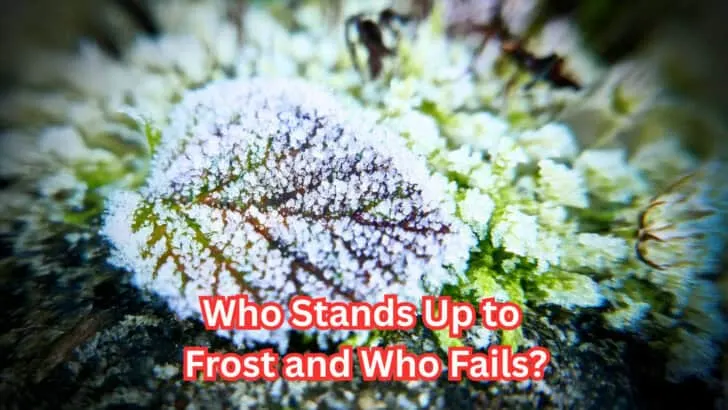
The first frost of fall feels like a thief in the night. One evening the garden is green and lively, the next morning marigolds are black mush and basil is slumped in defeat. Not every plant reacts the same way. Some collapse instantly, others stand tall, and a few even taste better after a chill.
Knowing what frost really does helps you decide which plants to protect, which ones to let go, and which ones actually benefit from a cold snap. Here is the truth about how frost works and what it means for your garden this season.
1. The Science of Frost Damage

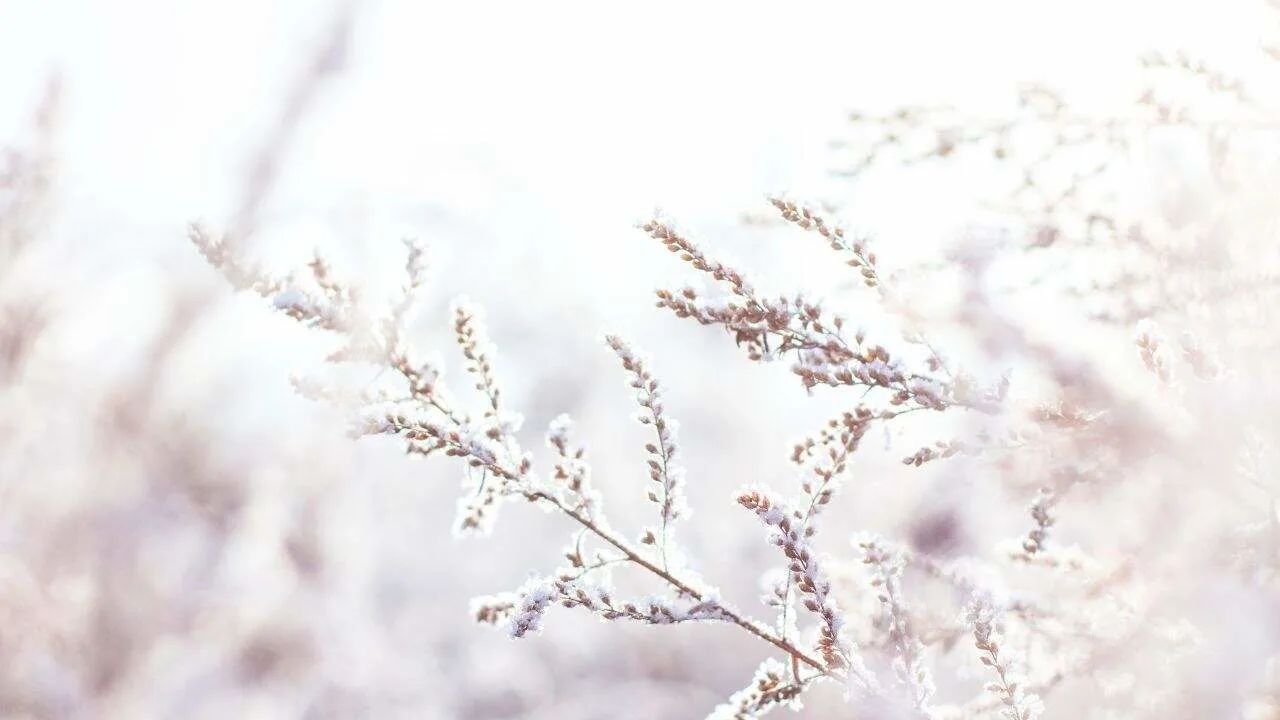
Frost is not just cold air brushing your plants. It forms when leaf surfaces cool below freezing, even if the air temperature hovers just above it. Inside the leaves, water turns to ice crystals. Those crystals rip through delicate cell walls, leaving the tissue limp, dark, and water-soaked by morning.
What looks like sudden death is really frozen plant cells collapsing under pressure. Once that happens, there is no recovery.
❄️ What Frost Does to Plants
- Freezing point: Frost forms when leaf surfaces dip below 32°F, even if the air feels warmer.
- Ice crystals: Water inside cells freezes, expanding and tearing delicate structures.
- Aftermath: Leaves turn black, limp, and watery. Damaged tissue will not heal and needs removal.
Quick note: Frost damage is permanent. Protecting leaves before the freeze is the only way to save them.
2. Why Some Plants Survive While Others Collapse
Frost does not treat every plant the same. Tender annuals melt at the first icy touch. Cool season vegetables shrug off a light freeze and keep growing. Underground roots barely notice and some even improve in flavor after a chill. Knowing who can handle it helps you decide what to cover and what to let go.
Think of it as sorting your garden into three groups before the cold arrives.
🌡️ Frost Tolerance at a Glance
- Tender annuals collapse fast: Tomatoes, basil, and impatiens turn black and watery after a light frost.
- Cool season crops tolerate light frost: Spinach, kale, and broccoli keep their structure and often taste sweeter.
- Root crops often improve: Carrots and parsnips convert starches to sugars after a chill, giving a sweeter harvest.
🚫 Plants that do not tolerate frost:
- Basil
- Tomatoes
- Peppers
- Eggplant
- Cucumbers
- Squash and zucchini
- Beans
- Okra
- Sweet potatoes
- Impatiens
- Begonias
- Marigolds
- Coleus
- Petunias
- Dahlias (tops die back, tubers can be lifted and stored)
Quick tip: Cover the tender group first, harvest roots after a frost for better flavor, and let hardy greens ride out a light freeze.
3. How to Spot Frost Damage vs. Normal Decline
Not every tired-looking plant is a frost victim. Frost hits fast. Leaves darken, go watery, and collapse overnight. Normal fall decline is slower. Colors fade, edges dry, and stems stay firm while the plant eases into rest. Reading the signs keeps you from tossing healthy perennials or nursing tissue that is already gone.
Check plants in late morning after thaw. Damage is easier to read once the sun is up.
🔎 Frost Damage vs. Normal Fade
- Blackened leaves = frost kill: Tissue looks translucent or inky and feels limp or water-soaked.
- Yellowing slow fade = dormancy: Color shifts gradually, edges dry, stems remain reasonably firm.
- Frost-damaged tissue does not recover: Prune it out in dry weather to prevent rot and pest issues.
- Crown test: If the crown at soil level is firm and pale green inside, the plant is alive. Only the top growth is done.
Quick tip: When unsure, wait one sunny day. Frost damage looks worse after thaw. Normal decline looks the same or only slightly more faded.

4. Timing the First Frost
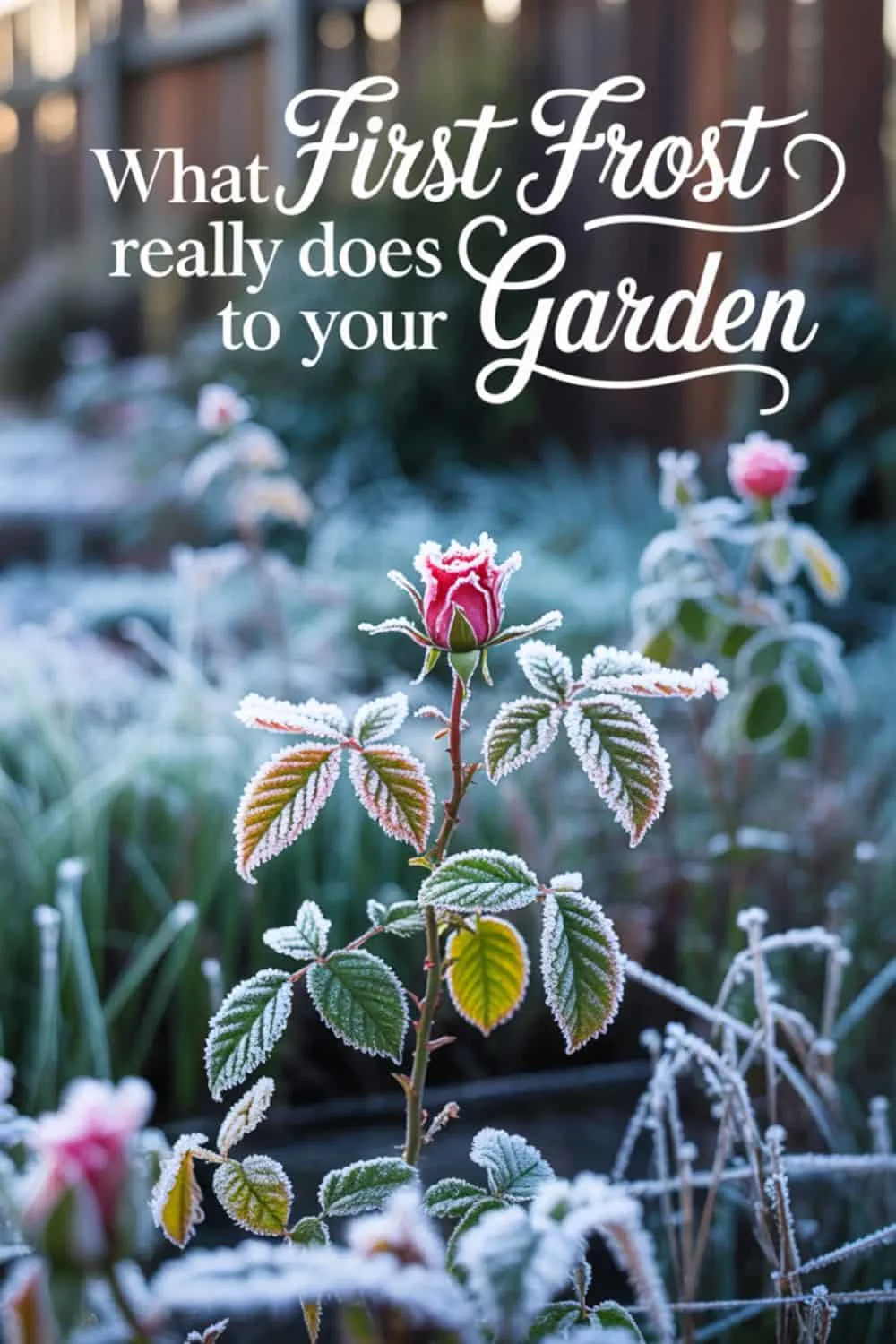
The first frost does not arrive with a trumpet blast. It slips in on still, clear nights when the air cools faster than the ground. Average frost dates give gardeners a rough map, but they are only averages. Some years frost strikes weeks early, other years it holds off. Even across a single neighborhood, one yard may freeze while another stays untouched.
That is because frost follows microclimates, not calendars. The heat from a wall or driveway may keep plants safe, while a garden in a low dip gets iced.
📆 How to Read Frost Timing
- Averages are guides: They point to a window, not a single night.
- Clear skies and calm nights: Conditions that almost always invite frost, even if air temps look mild.
- Microclimates change everything: Walls, fences, and pavement delay frost while low areas collect it early.
- Personal records matter: Tracking your own first frost date beats any regional chart.
Quick tip: Carry a notebook or snap photos when frost first hits. After a few seasons, you will have the most accurate frost guide for your garden.
5. How to Protect Plants From Frost
Frost protection is less about fancy gear and more about timing and simple barriers. A thin layer between plants and the cold night sky can mean the difference between mushy leaves and healthy growth the next morning. The key is to cover before temperatures drop and uncover once the sun returns, so plants do not cook underneath.
Roots also need help. Cold soil steals heat slowly, but mulch around the base holds warmth in place and steadies the temperature.
🌱 Frost Protection Tools
- Frost cloths or old sheets: Drape lightly over plants, securing edges so heat does not escape.
- Mulch around roots: A blanket of straw, leaves, or bark keeps soil warmer overnight.
- Cold frames and cloches: Small shelters that trap daytime heat and release it at night.
- Row covers: Useful for longer stretches of cool weather, giving crops a season extension.
Quick tip: Always remove covers in the morning once temperatures rise. Trapped heat and condensation can damage plants as much as frost itself.
Frost Is the Real Garden Deadline
The calendar may whisper that there is still time, but frost makes the final call. It decides which plants get another week and which ones bow out overnight. Some crops collapse at the first touch, others hold their ground, and a lucky few even improve in taste.
Your job as a gardener is not to fight frost but to understand it. Cover the tender ones, harvest roots at their sweetest, and let the hardy greens carry on. When you work with frost instead of against it, the season ends on your terms, not on nature’s surprise.
🌿 Key Takeaways
- ❄️ Frost forms on leaves, not in the air. Even if air temps seem safe, leaf surfaces can dip below freezing and suffer damage.
- 🥬 Cool crops tolerate frost, tender crops collapse. Tomatoes and basil die fast, while kale and spinach keep growing.
- 🥕 Some vegetables taste sweeter after frost. Carrots and parsnips convert starch into sugar once chilled.
- 🏡 Microclimates make frost dates unreliable. Low spots freeze first while areas near walls or pavement stay warmer longer.
- 🌱 Simple protection works. Frost cloths, mulch, row covers, and moist soil can give plants the edge they need to survive the night.
FAQ on What First Frost Does to Plants
What actually happens to a plant during frost
Frost forms when leaf surfaces drop below freezing. Water inside the cells turns to ice, rupturing cell walls. The result is limp, blackened, and water-soaked leaves that cannot recover.
Which garden plants die instantly from frost
Tender annuals like tomatoes, basil, impatiens, and marigolds collapse at the first frost. Their tissues cannot tolerate freezing and usually turn to mush overnight.
Which vegetables can survive frost without damage
Cool-season crops such as kale, spinach, and broccoli tolerate light frost. Root vegetables like carrots and parsnips often improve in flavor after a chill.
How can I tell frost damage from normal seasonal decline
Frost damage appears suddenly, with blackened or translucent leaves that feel watery. Normal decline is gradual, with yellowing or drying edges and stems that stay firm.
Can frost-damaged plants recover if I leave them alone
No. Once cells are ruptured, the tissue cannot heal. Damaged leaves should be pruned away in dry weather to prevent rot and disease.
What are the best ways to protect plants from frost
Frost cloths, old sheets, row covers, and cold frames work well. Mulching around roots helps buffer soil temperature, and watering soil before a frost adds extra protection.
Why do frost dates vary even in the same area
Frost depends on microclimates. Cold air sinks into low spots first, while areas near walls, fences, or pavement stay warmer longer. This makes your yard’s frost date unique to its layout.


Daniel has been a plant enthusiast for over 20 years. He owns hundreds of houseplants and prepares for the chili growing seasons yearly with great anticipation. His favorite plants are plant species in the Araceae family, such as Monstera, Philodendron, and Anthurium. He also loves gardening and is growing hot peppers, tomatoes, and many more vegetables.