


Mums are the fall equivalent of a catchy chorus. You see them everywhere, they sing with color, and then you realize the tune could use a bass line, a harmony, maybe a drum fill. A single pot of mums looks tidy on a porch step, but pair it right and the whole scene feels intentional instead of rushed.
This guide is your shortcut to that polished look. The goal is to stack color, texture, and shape in a way that makes mums feel fresh, not default. Every companion here can still be planted now, plays well in containers or beds, and earns its keep with either bloom power, foliage contrast, or simple toughness.
Grab a cart, pick a palette, and get ready to build fall displays that look planned on purpose, not thrown together five minutes before guests arrive.
1. Ornamental Kale That Outshines the Flowers


Ornamental kale is the plant that steals attention without even trying. While mums shout in reds, yellows, and purples, kale sits quietly with frosted leaves that look painted on. The colder it gets, the more intense the color. Place it next to mums and suddenly the whole display feels layered and rich, like you planned it weeks in advance instead of tossing pots together at the last minute.
What makes it even better is toughness. This is a plant that shrugs at frost, stays bold when blooms fade, and carries your fall display right into winter. It is the backstage crew that ends up stealing the show.
🌿 Why Ornamental Kale Works with Mums
- Color contrast: Silvery greens, purples, and pinks highlight the warm tones of mums.
- Cold hardiness: Keeps looking good long after mums start to fade.
- Texture balance: Bold rosettes add drama against the tidy domes of mums.
Bonus Tip: Tuck kale in at the edges of porch pots or garden beds to create a skirt of color under your mums. As the season cools, the colors only get brighter.
2. Pansies That Keep Smiling Through Frost

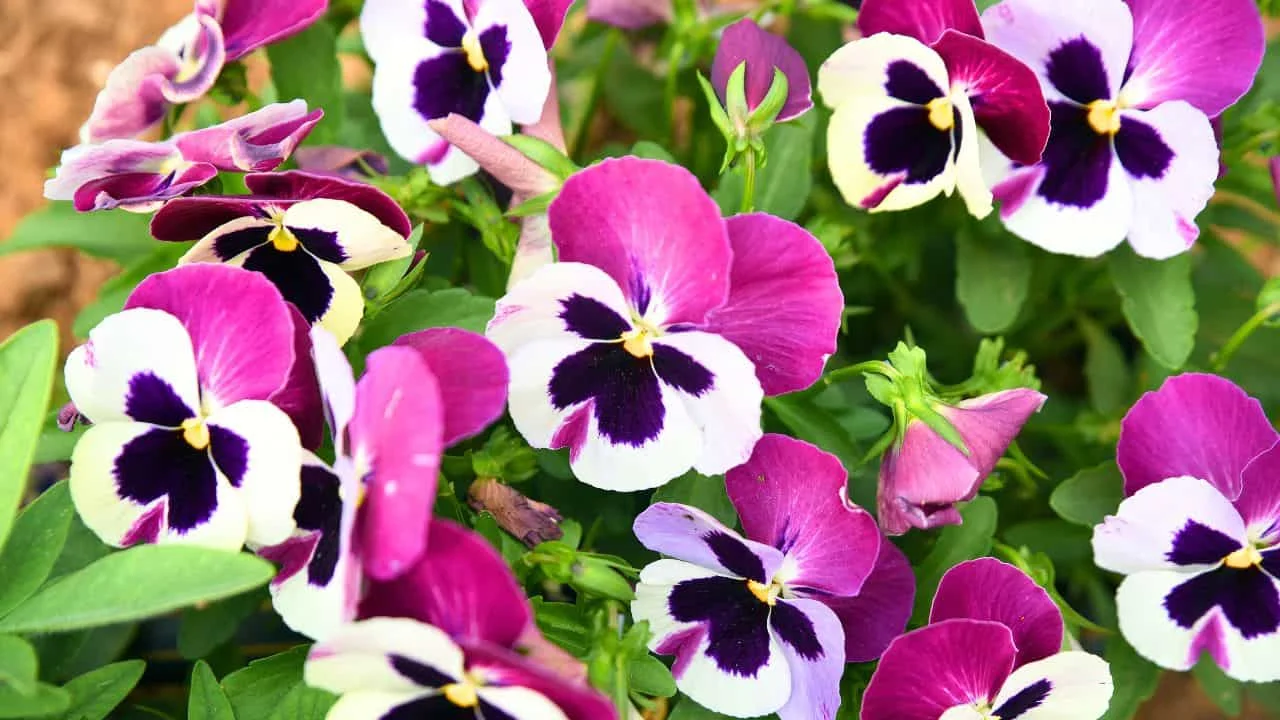
Pansies are the ringers you call when you want color to last past the first cold snap. They tuck into gaps around mums, spill a little over the pot edge, and keep blooming when other flowers are done for the season. Soft purples, buttery yellows, and blues calm the louder mum colors and make the whole display feel intentional.
They are also low fuss. Give them a little room, keep the soil lightly moist, and they will repay you with steady blooms straight into chilly weather. When mums start to slow down, pansies carry the look without missing a beat.
🌸 How Pansies Level Up Your Mums
- Cold friendly: Keeps flowering through light frosts to extend the show.
- Gap filler: Perfect for tucking at the base of mums in beds or porch pots.
- Color balance: Softer hues smooth out bold mum palettes.
- Easy care: Likes sun to part shade and steady moisture.
Bonus Tip: Deadhead weekly and feed lightly with a balanced liquid fertilizer. Plant in odd numbers for a natural look around each mum.
3. Asters That Echo the Daisy Look


Asters are like mums’ quieter cousins. They bloom in shades of lavender, blue, and pink, echoing the same daisy-like form but with a softer vibe. Plant them near mums and suddenly the display feels layered, like you went for a full autumn palette instead of just the obvious choice. They stretch the season too, holding their blooms when mums begin to fade.
The best part is that asters are tough. They can handle cool nights, they pull in pollinators right up until frost, and they blend seamlessly into mixed beds or porch pots.
🌼 Why Asters Pair Perfectly with Mums
- Shared shape: Daisy-like flowers tie the look together.
- Softer tones: Lavender and blue balance mums’ bold yellows and reds.
- Season extender: Keeps blooming even as mums begin to slow down.
- Pollinator friendly: Attracts bees and butterflies late in the year.
Bonus Tip: Plant asters in clusters of three for impact. Place them slightly behind mums in beds so their taller stems create a natural backdrop.
4. Sedum That Adds Depth and Drama


Sedum is the slow burn of the fall garden. While mums explode with color, sedum stands tall and lets its clusters deepen from pale pink to rich brick red as the weeks go by. The contrast is striking. Round domes of mums look tighter and more deliberate when a bold stand of sedum is nearby. Together they create that layered, painterly look that feels like autumn is stretching itself out for a final encore.
Sedum is also a survivor. It barely needs water, shrugs at poor soil, and still manages to look polished when other perennials are folding. It is the kind of plant that makes you look like you know what you are doing.
🌺 Why Sedum Belongs Next to Mums
- Color shift: Shades move from soft pink to rusty red as the season cools.
- Strong form: Upright clusters balance mums’ rounded shape.
- Low care: Drought tolerant and happy in lean soils.
- Season long: Holds its structure well into winter for added interest.
Bonus Tip: Combine sedum and mums in the same border for contrast. Let sedum run a little taller to frame the mums and give your garden natural depth.
5. Ornamental Grasses That Give Mums Movement


Mums tend to sit in tight mounds, neat and predictable. Ornamental grasses are the opposite. They sway, they arch, they catch the light in ways that mums never will. Put them together and suddenly the display feels alive instead of static. The plumes of fountain grass, the upright lines of switchgrass, or even the tidy clumps of blue fescue all give mums the stage while making the whole show more dynamic.
Grasses also bridge the season. They keep looking good long after blooms have quit, turning from green to bronze or gold and giving structure through the first frosts. They are the background music that makes mums sing louder.
🌾 Why Grasses Make Mums Better
- Texture contrast: Soft plumes play against mums’ dense domes.
- Height variety: Adds vertical drama in beds and containers.
- Season stretch: Foliage turns golden and holds through winter.
- Low effort: Most grasses thrive on little water and average soil.
Best picks with mums: Fountain grass (Pennisetum alopecuroides), purple fountain grass (Pennisetum setaceum ‘Rubrum’), switchgrass (Panicum virgatum), little bluestem (Schizachyrium scoparium), blue fescue (Festuca glauca), muhly grass (Muhlenbergia capillaris), and feather reed grass (Calamagrostis × acutiflora ‘Karl Foerster’).
Bonus Tip: Use grasses as the backdrop and let mums spill in front. In pots, place grasses in the center as the thriller, mums as the filler, and ivy or pansies as the spiller.
6. Marigolds That Protect and Brighten

 2
2
Marigolds are the garden companions that pull double duty. They bring in more color, echoing the warm yellows and oranges of mums, but they also guard the space by deterring pests. Tuck them alongside mums in a bed and the whole planting feels fuller and more cheerful. In porch pots, they spill out just enough to soften the edges.
They are also reliable bloomers. Plant them now and they will keep flowering right up until frost, matching mums stride for stride. If mums are the headliners, marigolds are the backup singers who make the chorus unforgettable.
🌻 Why Marigolds Work with Mums
- Color harmony: Warm tones blend seamlessly with mum palettes.
- Pest control: Repels aphids, nematodes, and beetles naturally.
- Extended bloom: Keeps flowering until the first hard frost.
- Flexible use: Works in borders, beds, or mixed containers.
Bonus Tip: Mix marigolds at the base of taller mums to create a tiered effect. Pinch back early flowers to encourage bushier plants and more blooms through fall.
7. Heuchera That Steals the Show with Foliage


Heuchera, also called coral bells, does not need flowers to compete with mums. Its foliage alone brings the drama. Deep burgundy, lime green, caramel, or even silver leaves sit under the bright heads of mums like a velvet stage curtain. Together, the look is lush, layered, and full of contrast that keeps eyes moving.
Unlike many perennials, heuchera holds its leaves late into the season. While mums fade after frost, coral bells stay colorful and upright, carrying containers and borders through the shift into winter. It is the plant that gives your display staying power.
🍂 Why Heuchera Complements Mums
- Foliage focus: Bold leaf colors contrast mums’ bright blooms.
- Season long: Leaves stay vibrant well into cold weather.
- Versatile size: Works as edging, fillers, or container companions.
- Shade tolerant: Thrives where mums need a little relief from full sun.
Bonus Tip: Pair dark-leaved heuchera with yellow or white mums for maximum contrast. In containers, use lime or caramel tones to soften bold red mums.
8. Dusty Miller That Softens Bold Colors

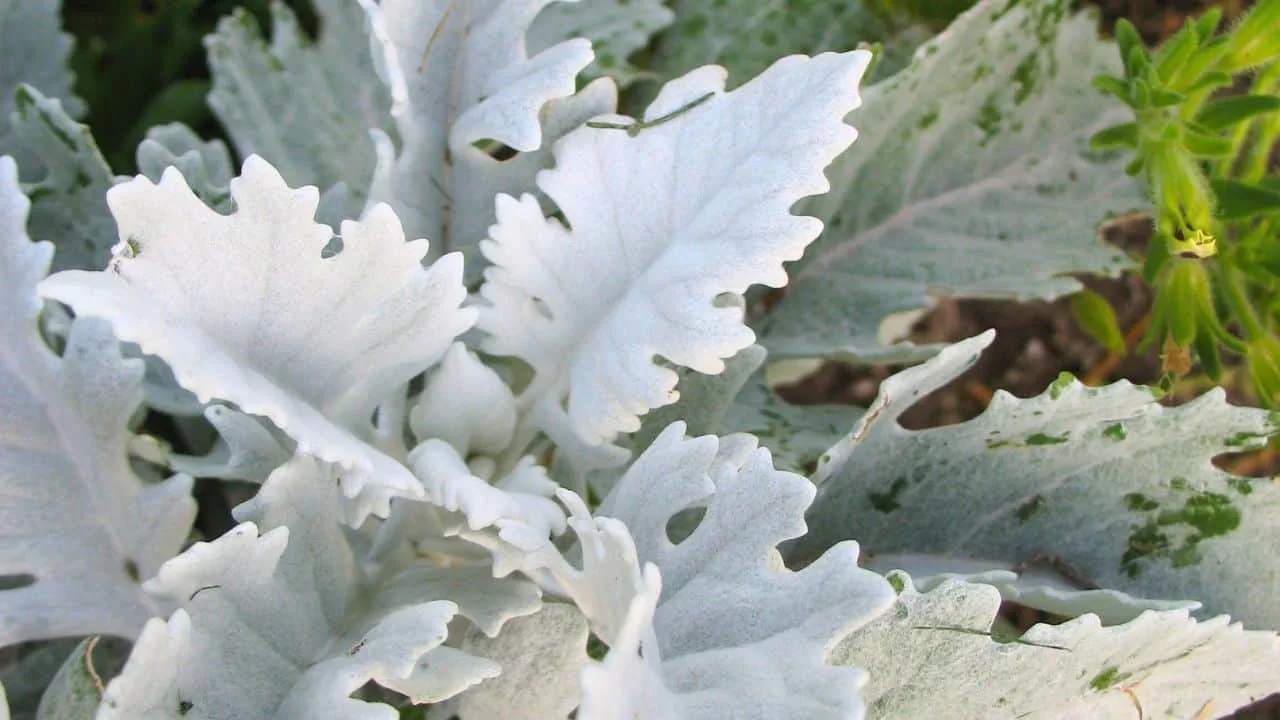
Dusty Miller is the quiet anchor every mum display needs. Its silvery leaves cool down the hot reds, oranges, and purples that mums throw out in fall. The fuzzy foliage adds texture too, giving arrangements a soft, almost frosted edge that feels like autumn easing into winter.
It is tough as nails while looking delicate. Dusty Miller stays fresh well past the time when mums start giving up, and it holds its shape even through light frosts. Plant it once and it carries the display all the way to the holiday season.
❄️ Why Dusty Miller Balances Mums
- Neutral backdrop: Silvery leaves tone down intense mum colors.
- Textural contrast: Soft foliage offsets mums’ bold domes.
- Cold tolerant: Keeps structure after frosts that knock mums back.
- Season extender: Lasts well into winter for a longer display.
Bonus Tip: Use Dusty Miller as edging around mum beds or as the spiller in porch pots. It creates a soft halo that makes mums look more vibrant.
9. Herbs That Work Overtime in Fall


Herbs are not the first plants you think of pairing with mums, but they are the secret weapon that makes displays smell as good as they look. Sage, thyme, and rosemary hold their shape in cool weather and bring in earthy fragrance every time you brush past. Their muted greens and silvery tones slide right in beside mums without competing for attention.
The bonus is they are useful. While mums are just for show, herbs earn their keep in the kitchen long after the porch pots come down. They are the practical side of fall planting wrapped in a beautiful package.
🌿 Why Herbs Make Great Mum Companions
- Multi purpose: Adds beauty in pots and flavor in the kitchen.
- Fragrance: Brings earthy scent to porches and beds.
- Cold hardy: Sage, thyme, and rosemary tolerate cool weather.
- Pest helper: Strong scents confuse and repel some garden pests.
Bonus Tip: Plant herbs at the edges of mum containers for easy snipping. Rosemary adds height in the center, while thyme and sage create soft fillers around the sides.
When and How to Plant Mums with Their Companions
Planting mums with their companions is mostly a fall project, but timing shifts depending on where you garden. In warm zones, you can tuck plants in later and still get weeks of color. In colder zones, you need to give perennials time to root before the ground freezes. Containers are more forgiving since roots do not need to spread as far, but beds need a little planning.
The sweet spot is when daytime temperatures hover in the 60s to low 70s and nights dip into the 40s or 50s. That is cool enough for kale, pansies, and Dusty Miller to thrive, but still warm enough for perennials like asters and sedum to settle in.
🕑 Fall Planting Timing by Zone
- Zones 3–5: Plant mums and companions by early September. Perennials like sedum, asters, and heuchera need 4–6 weeks before frost to root. Stick to cool season annuals (kale, pansies, Dusty Miller) for late displays.
- Zones 6–7: You have until mid to late September for perennials to establish. Containers can be planted into October. Cool season companions thrive right through November.
- Zones 8–9: Planting can stretch into October. Mums will bloom later, and companions like kale, pansies, and herbs will last through winter. Perennials still benefit from being planted before mid October to anchor before cold snaps.
- Zones 10–11: Mums may act more like annuals here. Pair with kale, Dusty Miller, and herbs in fall and winter containers. Planting can continue into November without issue.
Bonus Tip: In colder zones, mulch heavily around mums and perennials to protect roots. In warmer zones, focus on watering consistently so fall companions transition smoothly into winter color.
🌿 Key Takeaways
- 🍁 Mums shine brightest with companions. Alone they can feel stiff, but paired with kale, pansies, asters, or grasses, the whole look feels layered and intentional.
- 🪴 Think beyond flowers. Foliage plants like heuchera and Dusty Miller, or even herbs like sage and thyme, give displays contrast, scent, and staying power.
- ❄️ Timing depends on your zone. In colder areas, get perennials in by early September so roots can settle before frost. In warmer zones, you can stretch planting into October or later.
- 🌸 Containers are more forgiving. Even late in the season you can pack mums and companions together for instant porch appeal, since roots do not need much time to establish.
- 🌞 The real secret is balance. Mix bold colors with soft tones, tight domes with airy textures, and blooms with foliage to keep displays looking fresh well past the first frost.
Frequently Asked Questions About Planting Mums with Companions
1. Can I still plant mums and companions in October?
Yes, if you are in zones 6 and warmer. In colder zones (3–5), aim to plant by mid to late September so perennials like asters and sedum have time to root before frost. Containers can be planted later since they do not rely on deep root establishment.
2. Do I need to fertilize mums and their companion plants?
Not heavily. Mums bloom best when they are not overfed, and many companions like kale, pansies, and Dusty Miller thrive on average soil. A light dose of balanced fertilizer at planting is enough to get them started.
3. Will these companions survive winter with my mums?
Most will not. Mums are often treated as annuals, and cool season companions like kale or pansies usually fade after hard frost. Perennials like heuchera, sedum, and asters can return in spring if planted early enough in the fall to establish.
4. Can I mix herbs like sage or rosemary with mums in the same container?
Yes. Herbs pair well in both look and function. Just be sure the container has excellent drainage, since rosemary in particular dislikes wet roots. Place taller herbs toward the back or center and mums at the front for balance.
5. How much sun do mums and their companions need?
Full sun is best for mums, marigolds, kale, and most of their partners. Heuchera and pansies can handle partial shade, which makes them good options if your porch or garden bed gets less light.
6. Do I need to deadhead mums when planted with companions?
Yes. Deadheading keeps mums blooming longer and makes the whole display look fresh. The same goes for pansies and marigolds. Companions like kale and Dusty Miller do not need deadheading since they are foliage-focused.
7. What is the easiest companion to pair with mums for beginners?
Ornamental kale or Dusty Miller. Both are tough, widely available in fall, and instantly improve the look of mums without needing special care. They also last into colder weather, extending your display.


Daniel has been a plant enthusiast for over 20 years. He owns hundreds of houseplants and prepares for the chili growing seasons yearly with great anticipation. His favorite plants are plant species in the Araceae family, such as Monstera, Philodendron, and Anthurium. He also loves gardening and is growing hot peppers, tomatoes, and many more vegetables.