

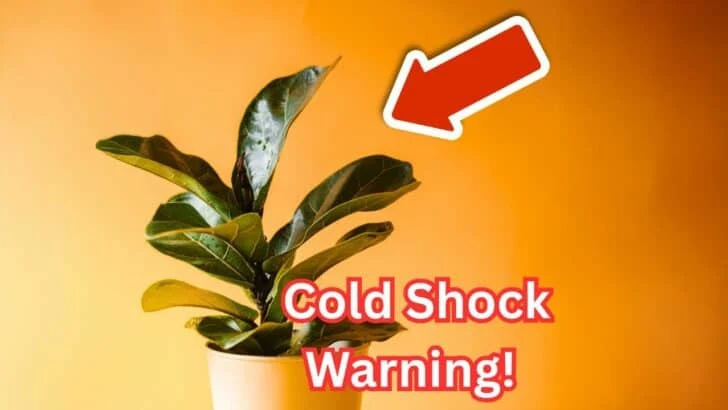
The days still feel like summer, but the nights are quietly shifting. The air has a cooler edge, and your houseplants outside have no clue their lease on the patio is running out. They are soaking up the last of the warm sunshine, unaware that colder evenings are on the way.
One sudden drop in temperature can undo months of healthy growth. Leaves can yellow, drop, or curl almost overnight. Bringing them in too late invites pests, diseases, and stress they will carry into the winter months.
The good news is you can make this move painless. A few smart steps now will keep your plants lush, pest-free, and ready to handle the months indoors without looking like they just survived a bad vacation.
1. Watch the Night Temperatures

Why it matters: Most tropical houseplants start to panic when night temperatures dip below 55°F. It is not a polite shiver, either. Leaves yellow, growth stalls, and stress opens the door for pests and disease. One cold night can undo months of healthy growth.
Outdoor pots can feel warmer during the day, but the air cools quickly once the sun drops. A plant that is fine at 3 PM can be in trouble by 3 AM. That temperature swing is what you need to watch, not just the daytime highs.
By paying attention now, you can move plants in before the first cold shock. Think of it like booking their ticket home before the winter rush begins.
🌡️ Action Plan
- Check your local overnight lows daily from now on.
- Plan to move tropicals inside when nights consistently hit 55–60°F.
- Have a clear spot indoors ready so you are not scrambling.
Bonus: In Zones 4–6, aim for a move-in date between mid and late September. In Zones 7–9, you might get away with early to mid-October, but only if night temps stay mild.
2. Start the Pest Eviction Process


Why it matters: If you bring plants indoors without checking for pests, you might as well hand them a lease and the Wi-Fi password. Spider mites, aphids, scale, and fungus gnats all love the cozy, predator-free indoor life. Once inside, they spread fast and can take down multiple plants before you even notice.
Many pests hide under leaves, in stem joints, or right in the soil. They can survive weeks in a pot without looking obvious. Moving plants indoors without a check is like smuggling trouble straight into your living room.
Dealing with pests outside is much easier than waging war in your kitchen or sunroom. A little prevention now saves you from sticky leaves, distorted growth, and the endless frustration of chasing bugs all winter.
🪲 Action Plan
- Inspect every leaf top and bottom, plus stems and soil surface.
- Hose plants off outside to physically remove pests.
- Follow up with insecticidal soap or neem oil spray for insurance.
Bonus: Give each plant a two-week quarantine in a separate space before letting them join your other indoor plants. This makes it much harder for stowaways to spread.
3. Gradually Reduce Sun Exposure


Why it matters: Plants can throw a fit if you move them from blazing outdoor sunshine to dim indoor light overnight. The sudden change often triggers leaf drop, yellowing, or slowed growth. It is not the cold that shocks them in this case, but the lighting change.
Outdoors, even on cloudy days, the light intensity is far higher than anything most indoor windows can offer. If you move them in cold turkey, they will shed leaves just to cope. This is a natural stress response, but it can weaken them heading into winter.
By easing them into lower light now, you give their leaves and stems time to adjust. This makes the transition indoors smoother and keeps them looking healthy longer.
🌤️ Action Plan
- Move plants to a spot with filtered light or partial shade for 7–14 days before bringing them in.
- If possible, use a shaded patio, under a tree, or behind a sheer curtain outdoors.
- For sun-loving plants, supplement with a grow light indoors to avoid major adjustment shock.
Bonus: This is also a great time to rotate pots so every side gets balanced light before their indoor season begins.
4. Clean and Repot If Needed
Why it matters: Dusty leaves block light and slow photosynthesis, which is the last thing your plants need when they are about to face lower indoor light levels. Dirty foliage can also harbor pests or fungal spores that will thrive indoors. Giving them a wipe now sets them up for better health.
Root-bound plants struggle more indoors because their roots have less room to store nutrients and water. If a plant has been sulking in a cramped pot all summer, now is your chance to fix it. The extra space will help them adjust more easily to the slower growth of indoor life.
Refreshing the top layer of soil or repotting entirely can also improve drainage and remove any pest eggs hiding in the pot. This small step pays off in fewer headaches later in the season.
🪴 Action Plan
- Wipe leaves with a damp cloth or use a gentle spray in the sink or shower to remove dust.
- Trim away dead or yellowing foliage to reduce stress indoors.
- Check if roots are circling the pot; if they are, size up one pot size only.
- Replace the top 1–2 inches of soil to remove pests and refresh nutrients.
Bonus: Use this opportunity to inspect the pot for cracks or poor drainage that could cause problems indoors.
5. Adjust Watering Habits
Why it matters: Once your plants move indoors, their growth slows down and they use less water. Keep the same summer watering schedule and you risk soggy roots, fungus, and even root rot. The cooler indoor temperatures and lower light also mean evaporation slows, so moisture lingers longer in the soil.
Too much water is the most common way indoor plants meet their end during winter. It is not about depriving them but matching the amount to their reduced needs. This change can be subtle at first, so paying attention now will save you trouble later.
The goal is to let the soil dry slightly between waterings and avoid letting pots sit in standing water. Your plants will thank you with healthy roots and fewer fungal problems.
💧 Action Plan
- Check soil moisture with your finger before watering; aim for the top inch to be dry.
- Empty saucers and cachepots 15 minutes after watering to prevent standing water.
- Switch from a fixed schedule to watering based on actual plant and soil needs.
- Reduce feeding frequency since plants need fewer nutrients when growth slows.
Bonus: Use room-temperature water to avoid shocking plant roots in cooler indoor conditions.
6. Set Them Up for Indoor Life
Why it matters: Moving your plants inside is more than just finding a spare corner and calling it good. Indoor light levels are lower, the air is drier, and temperature fluctuations can be more extreme near windows or heating vents. Your plants will feel the difference quickly.
Some will sulk if they do not get enough light, while others will start to brown at the edges from low humidity. The good news is that you can recreate much of their favorite outdoor environment indoors with a few easy adjustments.
Getting the setup right from the start will make the transition smoother and cut down on the shock that causes leaf drop, pest outbreaks, or slowed growth.
🌿 Action Plan
- Group plants together to create micro-humidity zones.
- Use pebble trays filled with water beneath pots to boost humidity without waterlogging roots.
- Place plants in the brightest windows available or supplement with grow lights if natural light is scarce.
- Keep them away from heat vents and drafty doors to prevent stress from temperature swings.
Bonus: Rotate plants every few weeks so all sides get even light exposure and grow evenly indoors.
Keep Your Indoor Jungle Happy All Winter
Your houseplants have no idea that seasons are changing. All they know is that the light feels different, the air smells different, and soon their favorite sunbathing spot will be gone. That is why your role is to make the move indoors feel like just another day in paradise.
If you plan ahead, pests do not sneak in, leaves do not drop in protest, and your plants skip the usual post-move drama. Think of it as giving them a gentle nudge instead of a sudden shove into a new world.
Do this now and you will avoid the sad, crispy leaves that so often follow an unplanned move. Your plants will keep thriving, and you will get to enjoy your indoor jungle all winter without the panic of “what went wrong.”
🌿 End-of-Season Reminder
- Prepare early to prevent plant stress and pest problems.
- Match indoor conditions as closely as possible to outdoor favorites.
- Make changes gradually instead of all at once.
- Enjoy your plants year-round with less maintenance and fewer surprises.
Bonus: A little extra care now means a healthier, happier start when it is finally warm enough to move them outside again.
🌿 Key Takeaways
- 🌡️ Track night temperatures and move plants before they hit the danger zone below 55°F.
- 🐛 Evict pests early with a full inspection, cleaning, and a quarantine period before plants come inside.
- 🌤️ Ease light changes by gradually moving plants into shadier spots before bringing them indoors.
- 🪴 Clean and repot if needed to remove dust, dead growth, and cramped roots before the move.
- 💧 Adjust watering habits for slower indoor growth and avoid letting pots sit in water.
- 🏠 Match indoor conditions with grouped plants for humidity, bright windows, or grow lights.
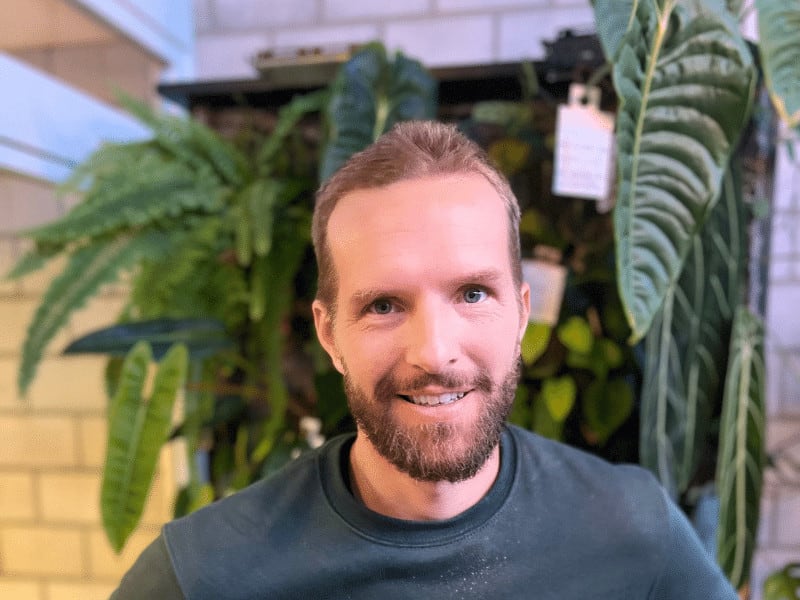
Daniel has been a plant enthusiast for over 20 years. He owns hundreds of houseplants and prepares for the chili growing seasons yearly with great anticipation. His favorite plants are plant species in the Araceae family, such as Monstera, Philodendron, and Anthurium. He also loves gardening and is growing hot peppers, tomatoes, and many more vegetables.