


September feels like a green light, but it is really a trap. The weather is kind, the beds look tired, and your hands itch to fix everything at once. That rush can cost you plants and a lot of spring patience.
This guide is the brake pedal you need. We will skip the busywork that backfires, cut the habits that invite problems, and swap them for moves that set you up for a calm winter and a cleaner spring.
Ready to save time, roots, and sanity before the cold starts writing the rules?
1. Over Fertilizing Perennials


September can trick you into thinking your perennials still need a big push. The leaves are green, the stems are strong, and a dose of fertilizer feels like a kindness. In reality, feeding now tells the plant to keep growing when it should be slowing down.
That late flush of tender growth will not have time to harden before frost arrives. Cold snaps will burn the new tissue, leaving ugly damage and making the plant more vulnerable to disease. What was meant as a boost can end up as a setback for next year’s growth.
The better choice is to let perennials rest and store their energy in the roots. This quiet preparation is what fuels a strong comeback in spring.
🌱 Smarter Feeding Strategy
- Stop high nitrogen feeding by late summer to prevent soft, frost-prone growth.
- If nutrients are needed, switch to a low nitrogen, slow release formula in early fall.
- Add compost or aged manure to enrich soil without forcing top growth.
Bonus Tip: Keep plants watered during dry spells so they enter winter well hydrated, but resist the urge to feed them into active growth.
2. Major Pruning of Shrubs


September might feel like the perfect time to tidy up shrubs. The weather is pleasant and the plants are still in full leaf, which makes it easy to see their shape. Cutting now encourages a rush of new shoots that look fresh but are not ready for cold weather.
These tender shoots will be the first to die when frost arrives. That damage leaves open wounds where disease can enter during winter. The plant then spends energy trying to repair itself instead of conserving strength for the dormant season.
Pruning is best done when the plant is fully dormant. Waiting until late winter or early spring gives your cuts the maximum benefit without inviting frost damage.
🌿 Safe Shrub Pruning Plan
- Limit September pruning to dead, diseased, or crossing branches only.
- Mark branches now with ribbons or tags so you know what to remove in winter.
- Use clean, sharp tools to avoid ragged cuts that heal slowly.
Bonus Tip: For flowering shrubs, research whether they bloom on old or new wood so you prune at the right time for maximum blooms.
3. Planting Certain Heat Loving Crops

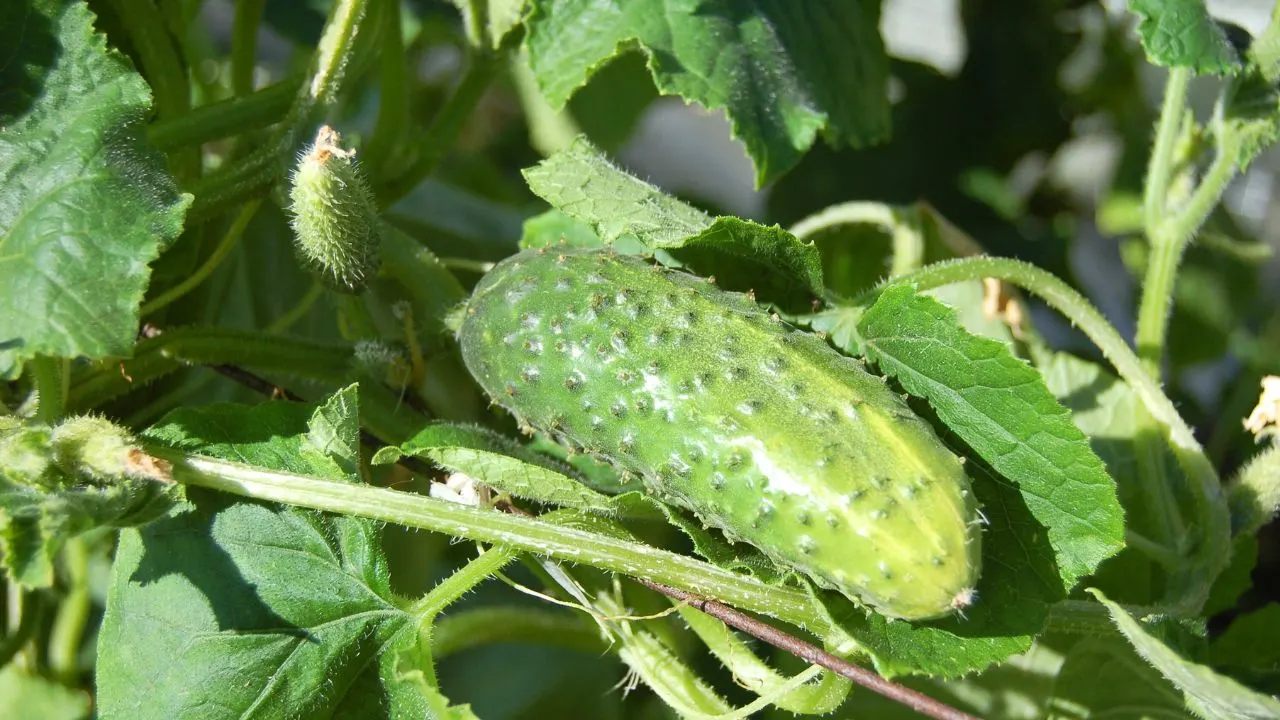
By September, the warm days can fool you into thinking summer crops still have time to grow. Heat lovers like tomatoes, peppers, and cucumbers need long stretches of warmth to mature properly. Planting them now means they will be racing the clock against shorter days and cooler nights.
As daylight drops, growth slows to a crawl. Even if the plants produce flowers, they may never set fruit before frost shuts them down. The result is wasted effort and a bed that could have been used for cold hardy crops instead.
The smart move is to shift focus to vegetables that thrive in cooler weather. This way you still get a harvest and your beds stay productive right up to winter.
🥕 Productive Planting Choices
- Choose cool season crops like lettuce, spinach, radishes, and kale for September planting.
- Use row covers or cold frames to extend the harvest period for tender greens.
- Reserve heat loving crops for spring and early summer planting when conditions are right.
Bonus Tip: Check your first frost date and count backward to see if a crop has time to mature before cold weather stops it.
4. Disturbing Soil Too Much

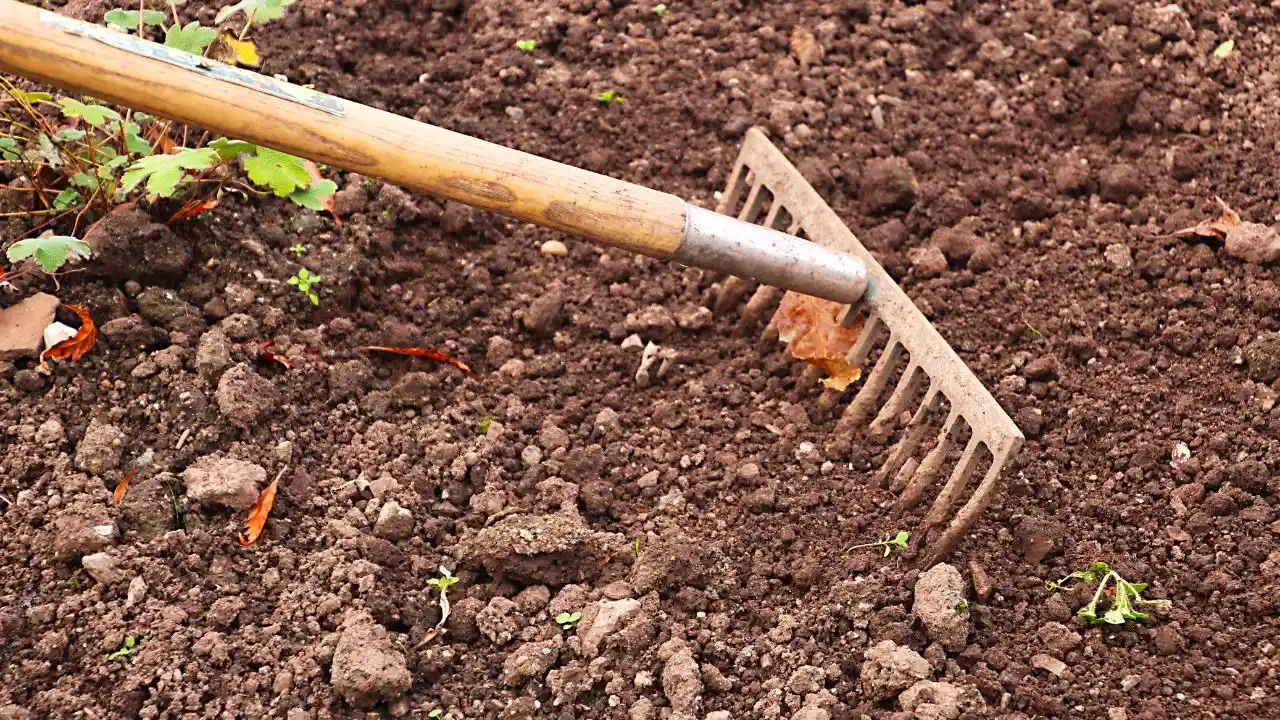
Turning over soil in September might feel like a good cleanup move. The beds look fresh and the earth feels loose under your hands. The problem is that deep digging wakes up weed seeds that have been lying dormant all summer.
Once exposed to light and moisture, those seeds can sprout quickly. You end up with a flush of weeds that compete with your fall crops or sit all winter waiting to cause trouble in spring. Disturbing the soil also disrupts beneficial organisms that are preparing for colder weather.
Gentle surface work is fine, but leave the deeper layers alone until planting season. This keeps the weed bank buried and the soil life stable.
🌾 Low Disturbance Soil Care
- Use a hand fork or rake to loosen only the top inch or two of soil.
- Apply mulch to suppress any late germinating weeds.
- Leave cover crops or living mulch in place to protect the soil surface.
Bonus Tip: If you need to amend the soil, spread compost on top and let winter weather work it in naturally.
5. Neglecting to Remove Diseased Plants

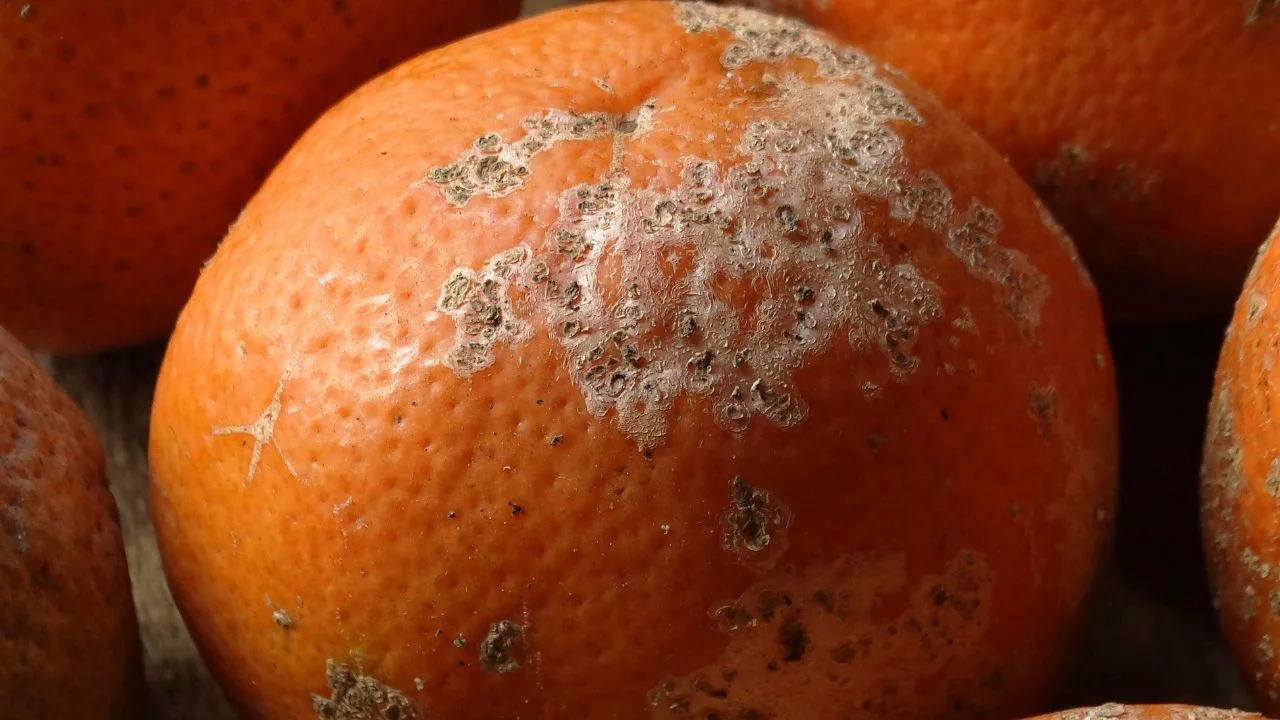
Leaving sick plants in the garden at the end of the season can feel harmless. They are dying back anyway and will be gone by spring. The trouble is that many plant diseases survive the winter in dead stems, leaves, and roots.
Fungal spores, bacterial colonies, and insect eggs can hide in that debris until warm weather wakes them up again. When spring arrives, the problem is already in place and ready to spread. This creates a head start for pests and diseases that could have been avoided with a quick cleanup.
By removing diseased material now, you break the cycle and protect next year’s garden. It is one of the simplest and most effective disease prevention steps you can take.
🧹 End of Season Cleanup Tips
- Remove and bag diseased plants instead of composting them.
- Disinfect tools with a 10 percent bleach solution after handling infected material.
- Rake up fallen leaves around affected plants to remove hidden spores or eggs.
Bonus Tip: Keep a separate trash bin for diseased plant matter so it never mixes with your compost pile.
6. Heavy Watering Late in the Day

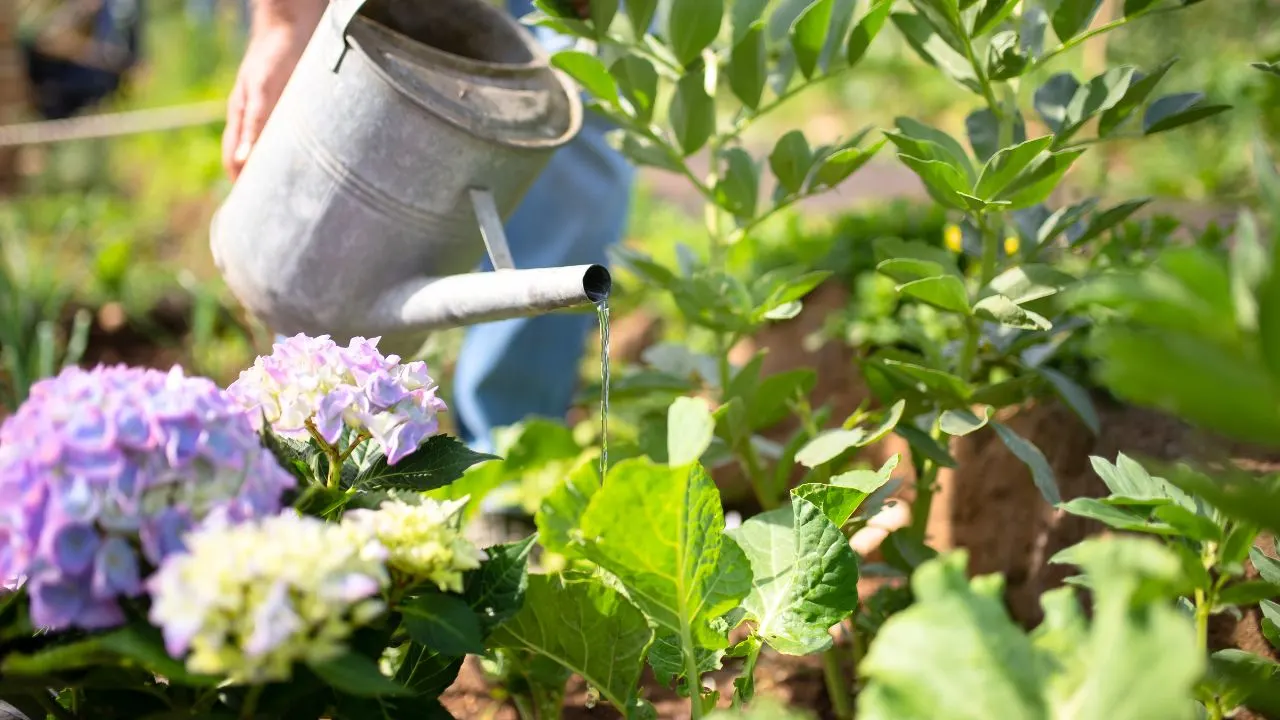
When the afternoons cool in September, it can be tempting to give the garden a big drink before evening. The plants look refreshed and the soil stays damp for hours. The problem is that lingering moisture overnight creates perfect conditions for fungal diseases.
Cooler nights slow evaporation, so leaves and stems stay wet until morning. This invites powdery mildew, rust, and other fast-spreading problems. Once these diseases take hold late in the season, they can still weaken plants and carry over into next year.
Morning watering gives plants time to absorb moisture and dry off before nightfall. This simple change in timing can prevent a lot of trouble in both fall and spring.
💧 Smart Watering Practices
- Water early in the morning so foliage can dry quickly.
- Use soaker hoses or drip irrigation to keep leaves dry.
- Check soil moisture before watering to avoid unnecessary dampness.
Bonus Tip: If you must water in the evening, aim for the base of the plant and keep leaves as dry as possible.
7. Leaving Containers Waterlogged

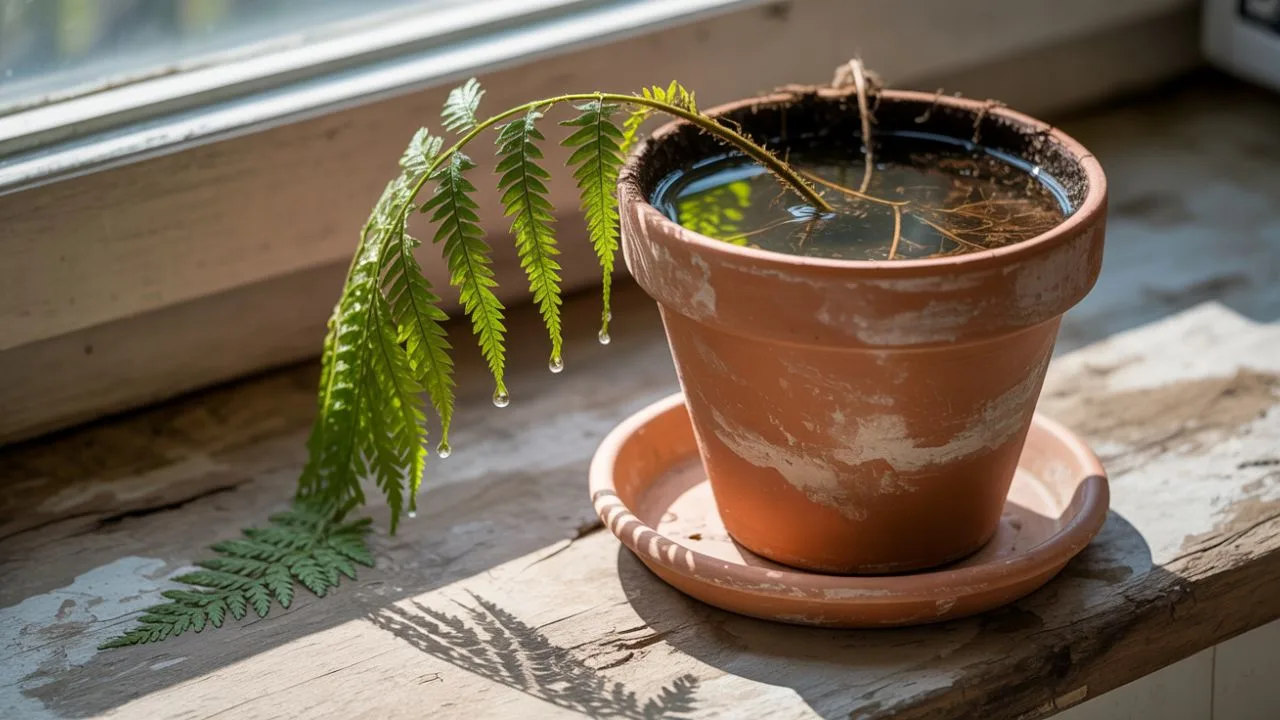
At the end of the growing season, it is easy to forget about potted plants that are winding down. Rain and cooler weather can leave containers soaked for days. Constantly wet soil starves roots of oxygen and sets the stage for root rot before dormancy.
When roots rot in fall, the damage often goes unnoticed until spring. By then, the plant may be too far gone to recover. Even empty pots can crack if trapped water freezes and expands inside them over winter.
Managing moisture now protects both plants and containers. This small step saves you from replacing pots or starting over with new plants next year.
🪴 Container Care Before Winter
- Move pots under cover during extended rain to prevent waterlogging.
- Raise containers on pot feet or bricks to improve drainage.
- Empty and store decorative pots that are not in use to avoid frost cracks.
Bonus Tip: Check the weight of containers before watering. If they feel heavy, skip the water until the top inch of soil is dry.
Wrapping Up the September Don’ts
Gardening in September is a balancing act. The days are still warm enough to tempt you into summer habits, but the season is already shifting under your feet. Each “do not” on this list is a small guardrail that keeps you from sliding into avoidable problems.
Skipping these tasks now means fewer diseases in spring, less wasted effort, and plants that go into winter with the strength they need. It is about working with the season instead of fighting it. The garden will thank you with healthier growth when the days lengthen again.
Let September be the month you prepare instead of repair. Your future self will be glad you waited.
🌿 Key Takeaways
- 🌱 Stop high nitrogen feeding in September to avoid soft growth that frost will kill.
- ✂️ Delay major pruning until late winter so new shoots are not damaged by cold.
- 🥕 Skip heat loving crops now as they will not mature before frost.
- 🌾 Avoid deep digging that wakes dormant weed seeds before winter.
- 🧹 Remove diseased plants to stop pests and pathogens from overwintering.
- 💧 Water in the morning so leaves dry quickly and fungus does not spread.
- 🪴 Keep containers drained to protect roots and prevent frost cracks in pots.


Daniel has been a plant enthusiast for over 20 years. He owns hundreds of houseplants and prepares for the chili growing seasons yearly with great anticipation. His favorite plants are plant species in the Araceae family, such as Monstera, Philodendron, and Anthurium. He also loves gardening and is growing hot peppers, tomatoes, and many more vegetables.