

You can fill your home with green and keep every whisker safe. These nine stunners stay on the ASPCA’s non-toxic list, so curious cats and nosy dogs can sniff or paw without a vet visit waiting in the wings.
From tall palms that frame a window to patterned leaves that move with the light, each plant adds style without worry. Pick your favorites and build a jungle that both you and your pets can enjoy all year.
1. Parlor Palm

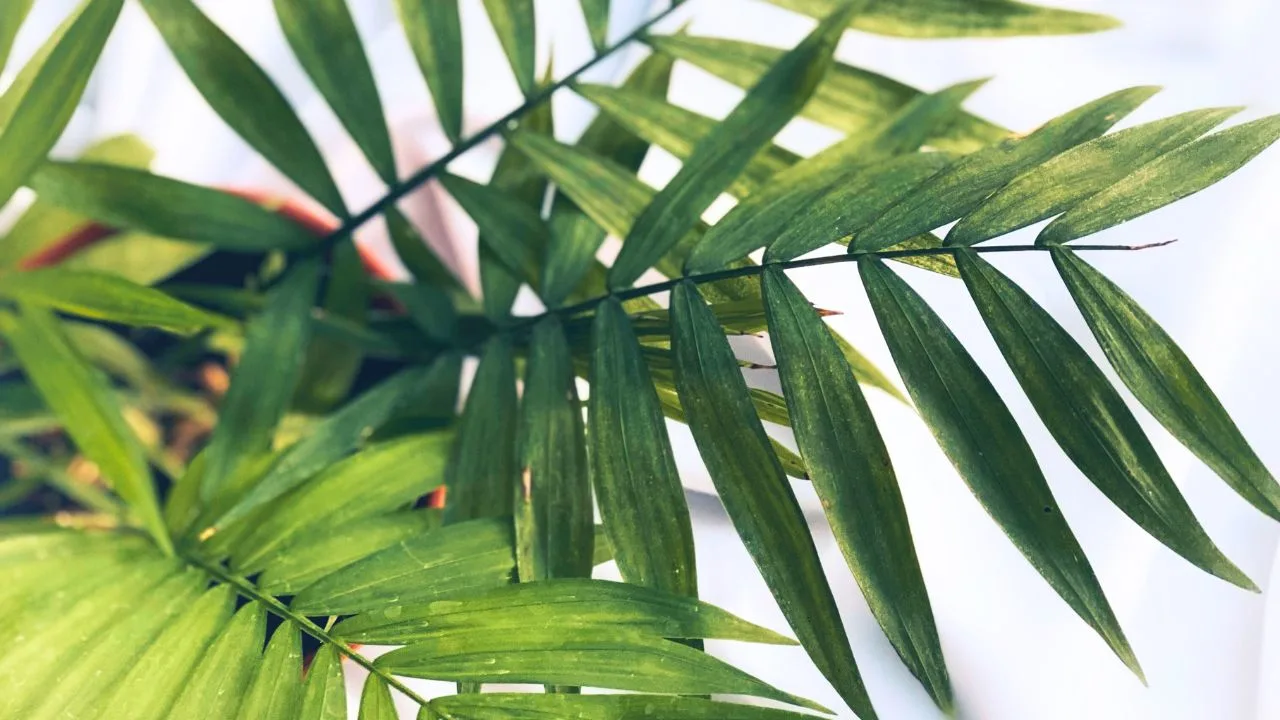
The parlor palm has been a houseplant favorite since the Victorian era for a reason. Its graceful, arching fronds bring a lush tropical feel to any room without demanding bright light. It is one of the few palms that stays petite enough for tabletops and low-light corners, making it perfect for apartments and offices.
- Light: Thrives in low to medium indirect light, but can handle brighter spots if kept out of direct sun.
- Water: Keep soil lightly moist, allowing the top inch to dry between waterings. Overwatering is the only real danger.
- Why it is cool: Naturally air purifying, slow growing, and pet safe. Its delicate fronds give an instant jungle vibe without overwhelming small spaces.
- Bonus Tip: Mist the foliage every few days to add humidity and keep the leaves looking fresh and green.
2. Calathea

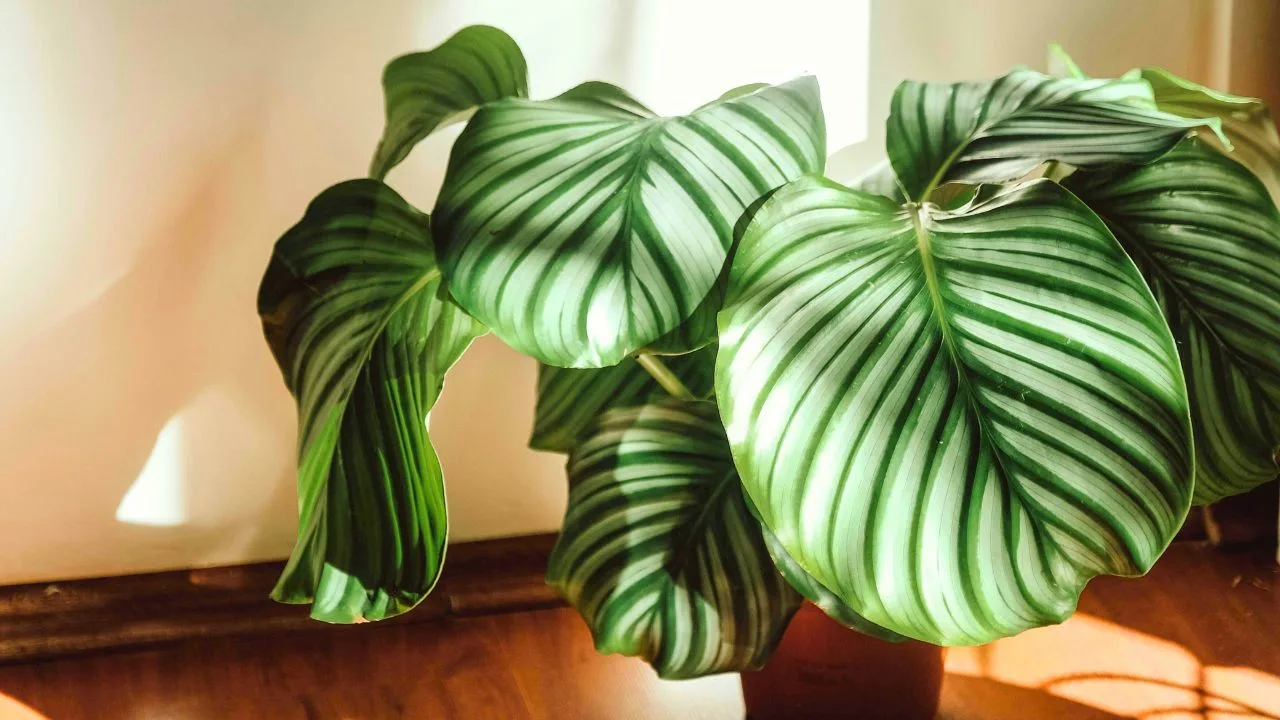
Calathea is a living piece of art with leaves that look hand painted. Each variety shows off a different pattern, from zebra stripes to pink pinstripes, and the foliage folds upward at night like hands in prayer. It stays compact, making it a striking centerpiece for a shelf or coffee table.
- Light: Prefers medium to bright indirect light and tolerates lower levels if kept warm.
- Water: Keep the soil consistently moist but never soggy. Use filtered or distilled water to avoid leaf spotting from minerals.
- Why it is cool: The leaves move with the light, giving a subtle show throughout the day and night. Pet safe and eye catching at the same time.
- Bonus Tip: Provide extra humidity with a pebble tray or a nearby humidifier to keep the leaf edges from browning.
3. Areca Palm

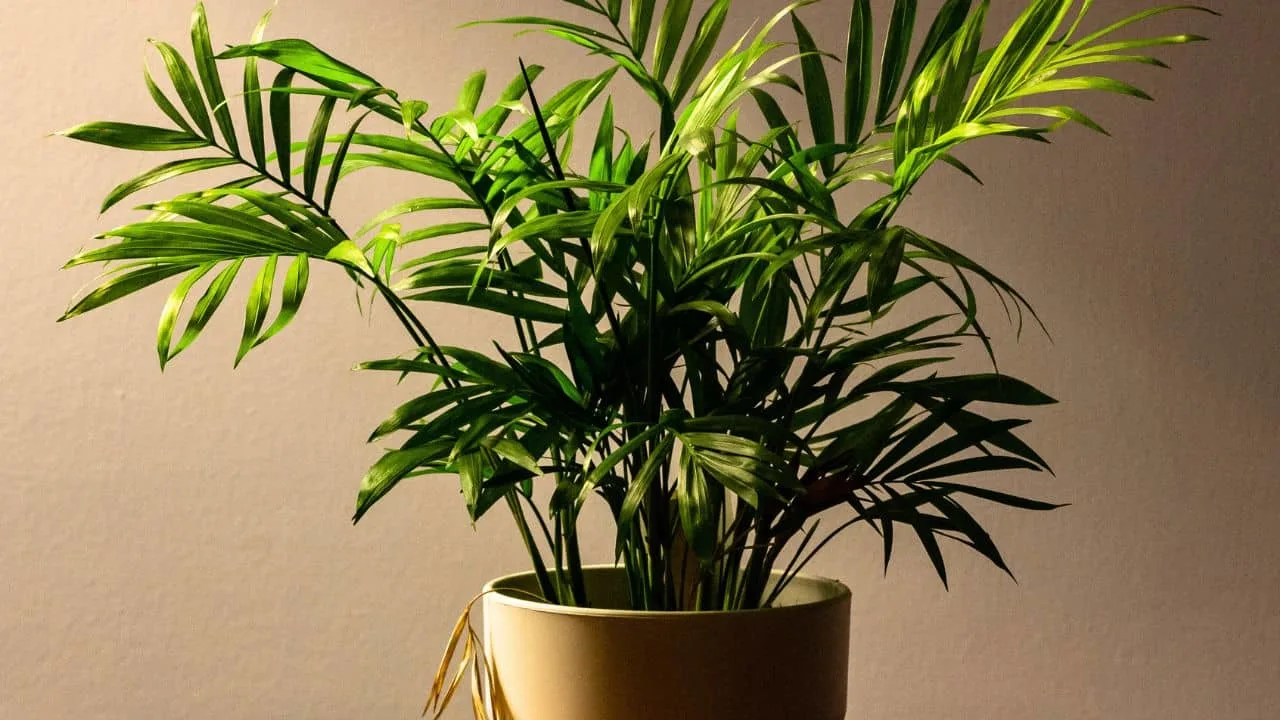
The areca palm brings instant sunshine indoors with its feathery, golden-green fronds. It grows tall but stays graceful, making it perfect for bright corners where you want a bit of tropical drama. This palm also ranks high for natural air cleaning, giving you fresher air while adding a vacation vibe to your room.
- Light: Needs bright, indirect light to keep fronds lush. A few hours of gentle morning sun is fine.
- Water: Water when the top inch of soil is dry. Reduce watering slightly in winter when growth slows.
- Why it is cool: Creates a full, airy canopy that feels like a mini indoor grove and stays completely safe for cats and dogs.
- Bonus Tip: Wipe the fronds with a damp cloth every few weeks to remove dust and let the leaves breathe.
4. Friendship Plant (Pilea involucrata)

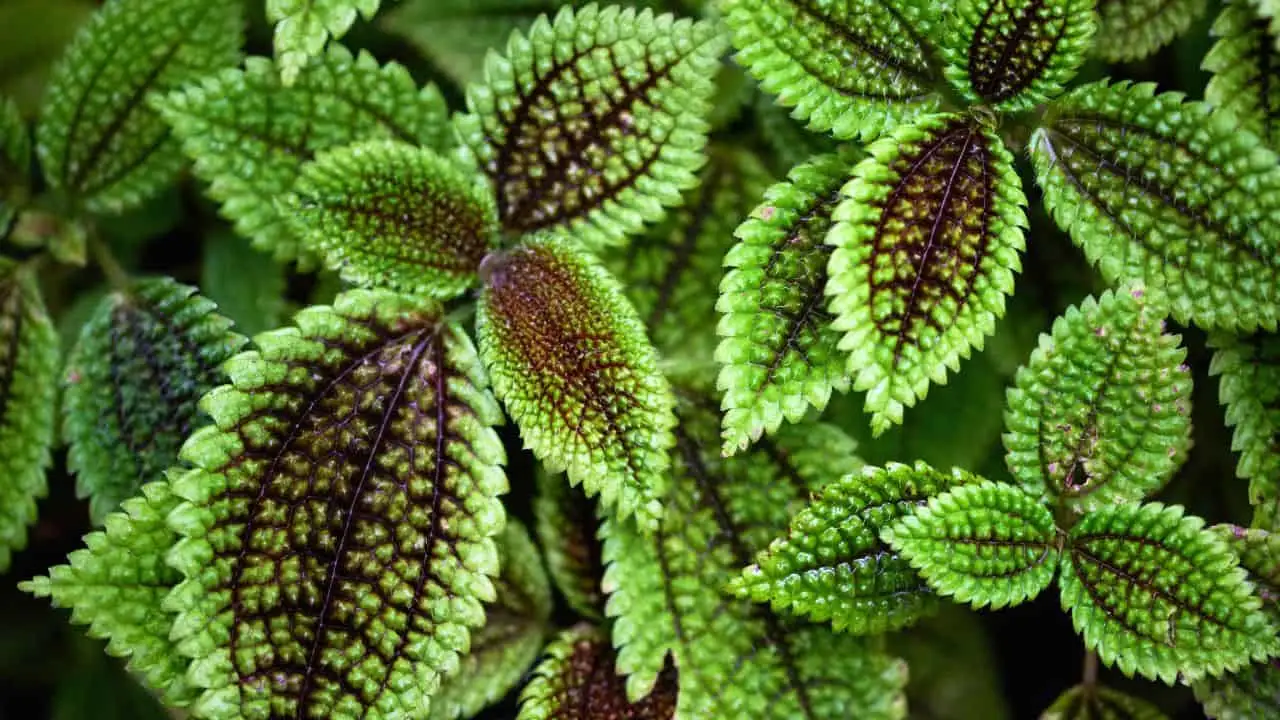
The friendship plant earns its name by being easy to share. Its quilted, bronze green leaves have a soft texture and subtle metallic sheen that catches the light. It stays small and bushy, making it a perfect desk or windowsill companion and a great candidate for gifting cuttings to friends.
- Light: Bright, indirect light keeps the leaf color rich. It can handle lower light but will grow more slowly.
- Water: Keep the soil evenly moist, letting the top half inch dry before watering again.
- Why it is cool: Easy to propagate from stem cuttings, so one plant can become a whole set of gifts for friends and family.
- Bonus Tip: Pinch back growing tips every few weeks to keep the plant compact and encourage fresh new leaves.
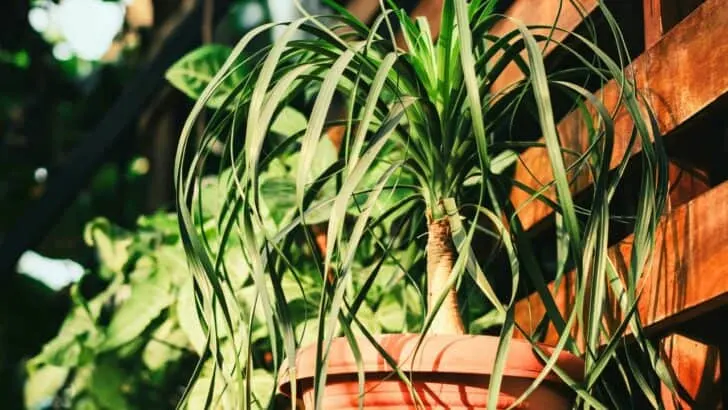
5. Ponytail Palm

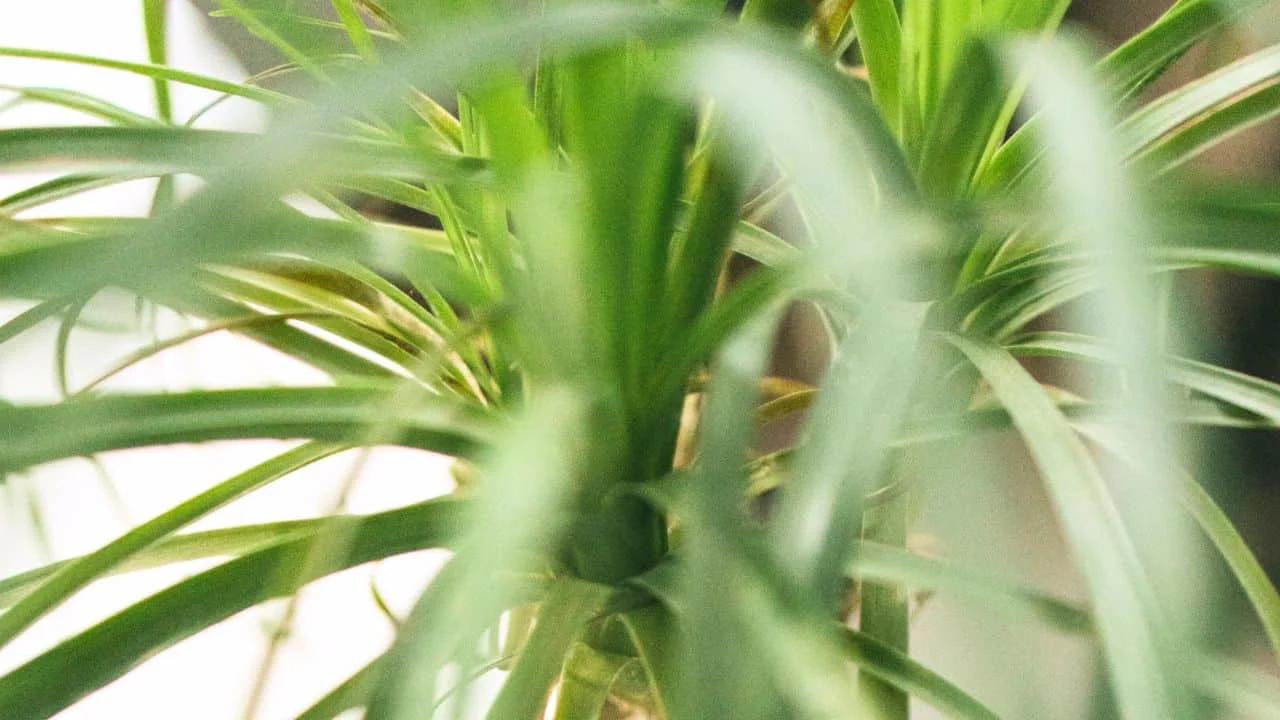
The ponytail palm is not a true palm but a succulent with style. A swollen base stores water while long, ribbon like leaves spill down in a dramatic fountain. It thrives on neglect and can handle missed waterings with ease, which makes it perfect for busy plant lovers and pet owners alike.
- Light: Loves bright light and can even adapt to a few hours of direct morning or late afternoon sun.
- Water: Let the soil dry completely between waterings. In winter water only once every three to four weeks.
- Why it is cool: Its bulbous trunk stores water like a natural reservoir, making it one of the easiest houseplants to care for and completely safe for pets.
- Bonus Tip: Use a heavy pot to balance the top growth and prevent tipping as the leaves lengthen.
6. Hoya (Wax Plant)

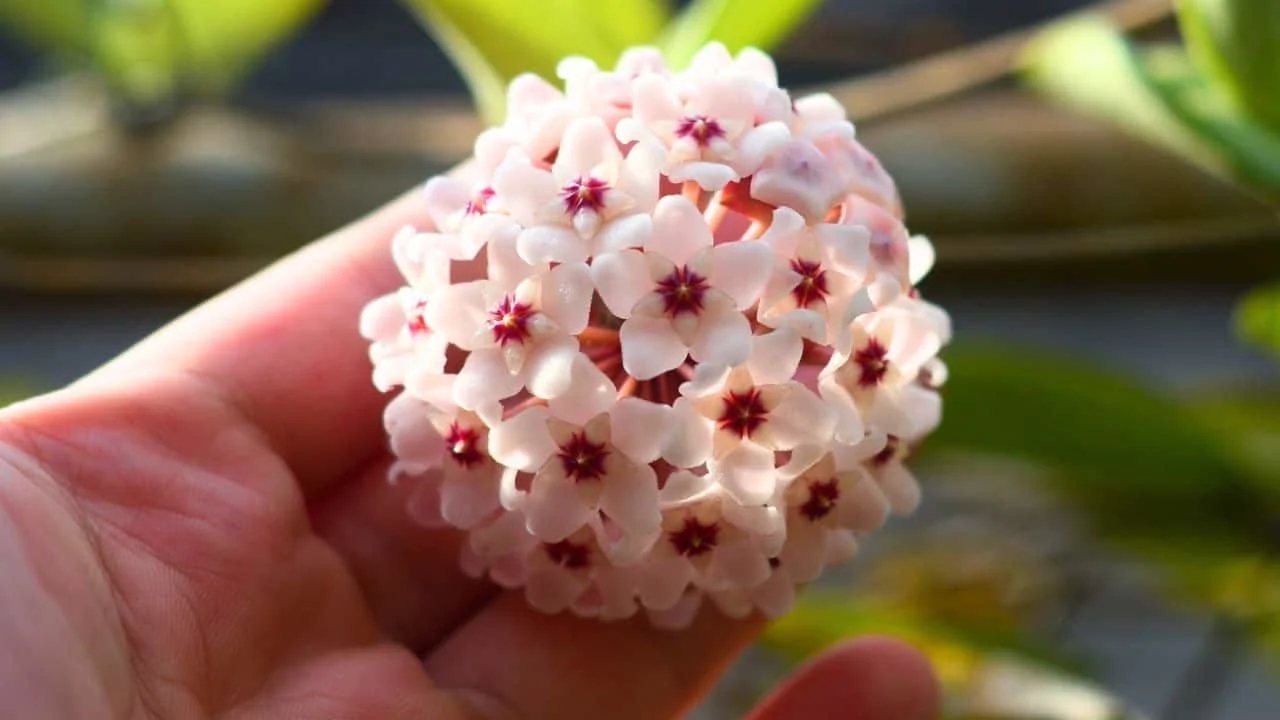
The hoya is a classic trailing beauty with thick, glossy leaves that feel almost like wax. Over time it sends out long vines that can climb a trellis or cascade from a hanging basket. When happy, it rewards you with clusters of fragrant star shaped flowers that smell sweet in the evening.
- Light: Bright, indirect light keeps the leaves firm and encourages blooms. A few hours of gentle morning sun are welcome.
- Water: Let the top half of the soil dry before watering again. Hoyas like to dry a bit between drinks.
- Why it is cool: The thick leaves store moisture so it is forgiving if you forget a watering, and the flowers look like porcelain stars.
- Bonus Tip: Keep it slightly root bound to trigger flowering, and avoid cutting the spent flower spurs because they will bloom again.
7. Cast Iron Plant (Aspidistra elatior)

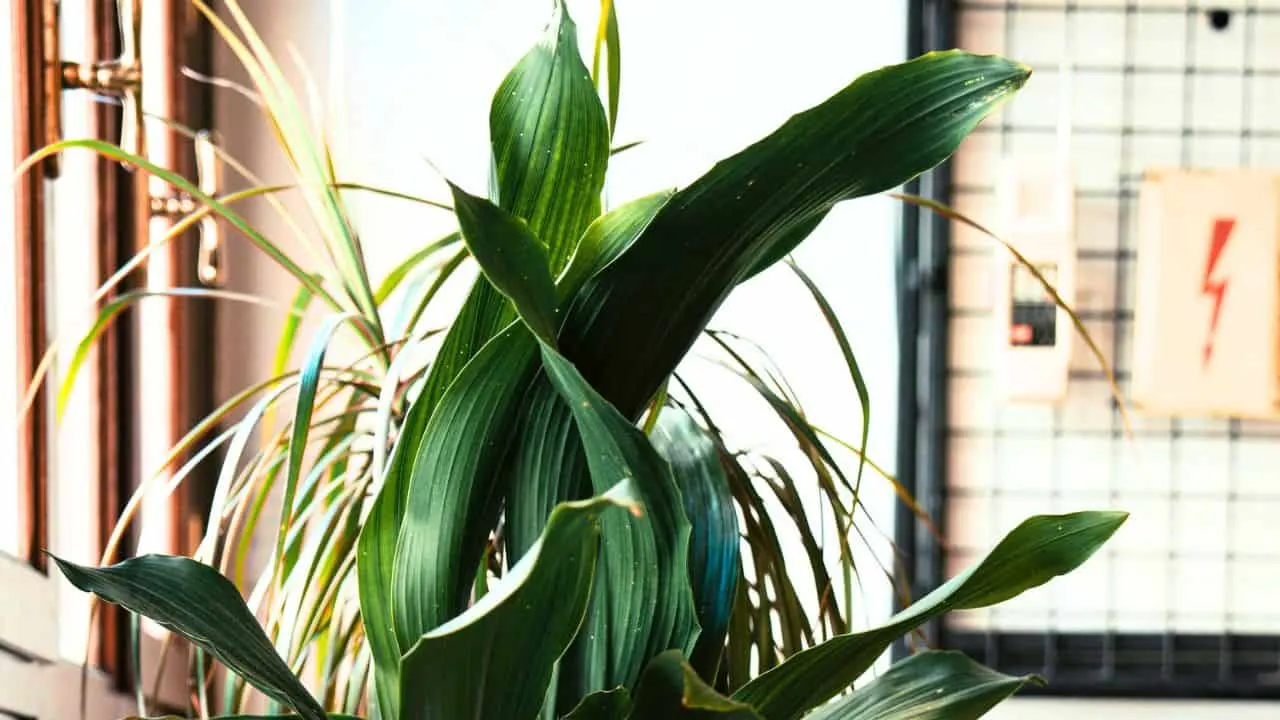
The cast iron plant lives up to its name by thriving on minimal care. Deep green, sword shaped leaves rise straight from the soil, creating a dense clump of elegant foliage. It tolerates low light, irregular watering, and a fair amount of neglect, which makes it an ideal pick for busy homes and dim corners.
- Light: Grows well in low to medium indirect light and even survives in rooms with only occasional natural light.
- Water: Water when the top inch of soil feels dry. It can go longer between drinks without complaint.
- Why it is cool: Nearly indestructible and completely pet safe, it keeps a deep green color year round with very little effort.
- Bonus Tip: Dust the broad leaves with a damp cloth every few weeks to keep them glossy and help with photosynthesis.
8. Prayer Plant (Maranta leuconeura)

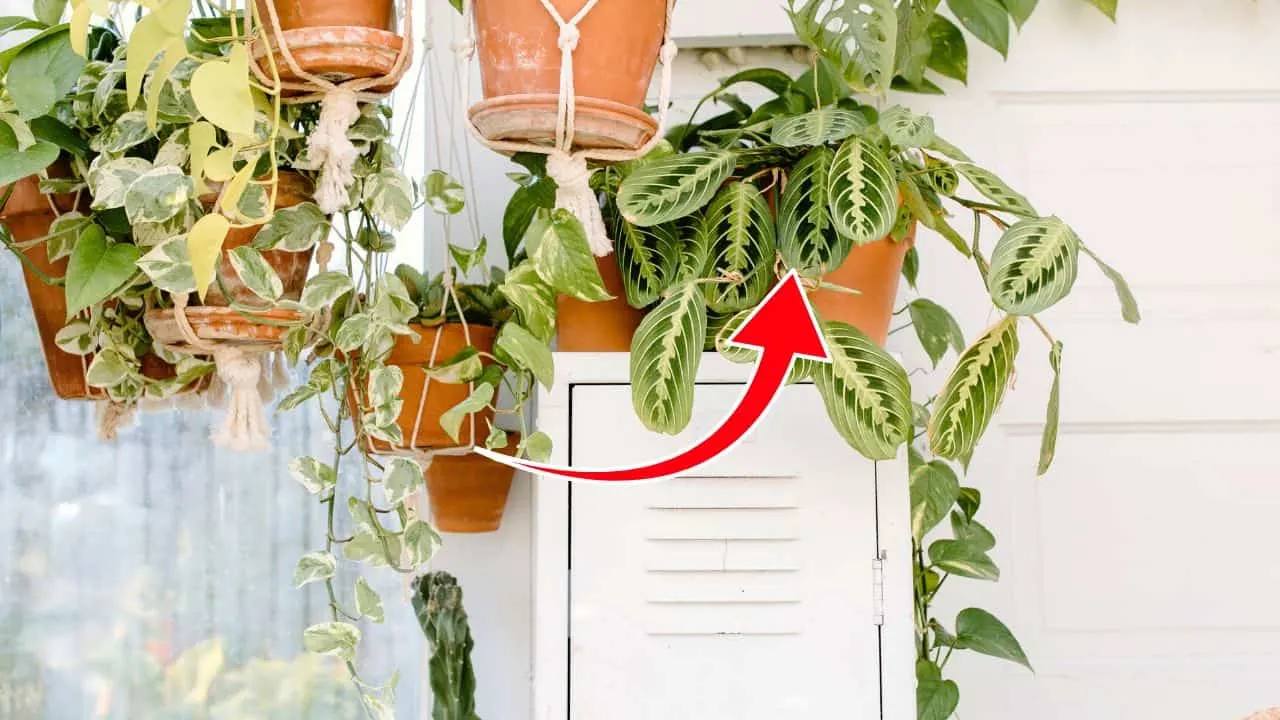
The prayer plant is a natural showpiece with striking red veins and a nightly performance. Its leaves lift upward in the evening as if in prayer, then relax again with the morning light. Compact and easygoing, it brings motion and color to shelves, desks, or hanging planters.
- Light: Medium to bright indirect light keeps the leaf colors vibrant. Avoid direct sun to prevent fading.
- Water: Keep soil consistently moist but not soggy. Use filtered water if possible to avoid mineral spots on the leaves.
- Why it is cool: The daily leaf movement adds a subtle rhythm to any room and it is completely safe for cats and dogs.
- Bonus Tip: Provide extra humidity with a pebble tray or humidifier to keep the leaves soft and healthy.
9. Money Tree (Pachira aquatica)

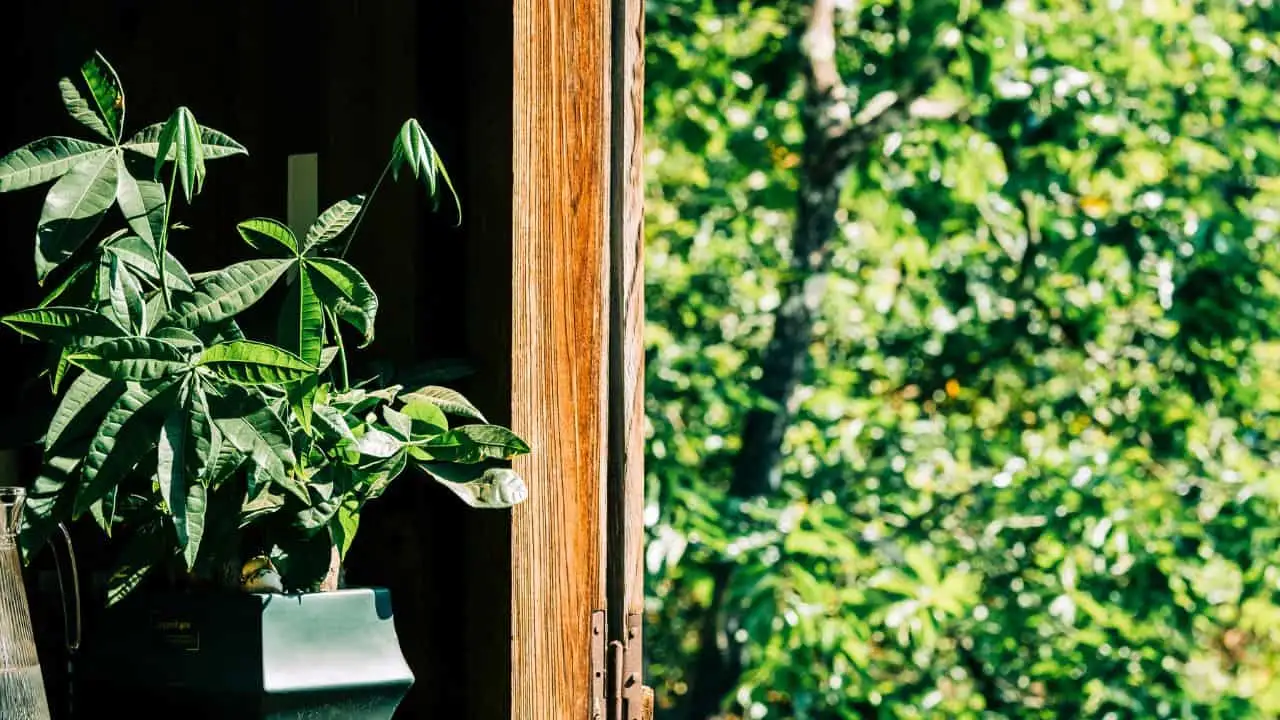
The money tree is a symbol of good luck and a natural conversation piece. Its braided trunk and shiny green canopy give it a sculptural look that suits both modern and classic rooms. It grows steadily indoors and stays friendly to every curious cat or dog that wanders by.
- Light: Bright, indirect light is best, though it will adapt to medium light if needed.
- Water: Water when the top inch of soil feels dry, and reduce watering slightly in the cooler months.
- Why it is cool: Often given as a housewarming or good luck gift, it brings a tropical vibe and can live for decades with simple care.
- Bonus Tip: Rotate the pot every few weeks so the canopy stays balanced and grows evenly toward the light.
Fill Your Home with Green Without Worry
These nine plants prove that a lively indoor jungle and happy pets can share the same space. Each one brings its own shape, texture, and quiet charm without a hint of danger for cats or dogs.
Pick a favorite or start a full collection. With the right light and a little steady care, these pet safe beauties will keep your rooms bright and your companions safe all year long.
🌿 Key Takeaways
- 🐾 All nine plants are pet safe. Each one is listed as non toxic to cats and dogs by the ASPCA.
- 🌱 Variety for every corner. From low light champions like the Cast Iron Plant to sun lovers like the Areca Palm, there is a match for any room.
- 💧 Simple care routines. Most prefer evenly moist soil and bright indirect light, with only a few needing extra humidity or occasional drying out.
- 🌸 Visual impact without risk. Patterned leaves, fragrant flowers, and unique shapes bring color and texture while keeping pets safe.
- 🏡 Easy to mix and match. Combine tall palms, trailing vines, and compact foliage for a lush indoor jungle that welcomes both people and pets.
Frequently Asked Questions About Pet-Friendly Houseplants
1. Are all of these plants completely safe if my pet chews on them?
Yes, every plant on this list is classified as non toxic to cats and dogs by the ASPCA. Still, eating large amounts of any plant can cause mild stomach upset, so it is best to keep greenery out of heavy chewing range.
2. Do I need to worry about fertilizers or sprays?
Yes. Even safe plants can become risky if treated with chemical fertilizers or pest sprays. Use organic or pet-safe products and follow package directions carefully.
3. Which of these plants can handle the lowest light?
The Cast Iron Plant and Parlor Palm are the champions for dim spaces. They stay healthy with just a few hours of indirect light each day.
4. Which plants are easiest for beginners?
Ponytail Palm and Money Tree are especially forgiving. They tolerate occasional missed waterings and adapt to a range of indoor conditions.
5. How often should I water most of these plants?
Most prefer the top inch of soil to dry before the next watering. The Ponytail Palm and Hoya need even less frequent watering, while Calathea and Prayer Plant like slightly more consistent moisture.
6. Can I grow these plants in the same pot together?
Yes, as long as their light and water needs match. For example, Calathea and Prayer Plant pair well, while the drought loving Ponytail Palm should stay on its own.
7. How do I keep leaves shiny and dust free?
Wipe leaves gently with a damp cloth every couple of weeks. This keeps them healthy, helps photosynthesis, and discourages pests.


Daniel has been a plant enthusiast for over 20 years. He owns hundreds of houseplants and prepares for the chili growing seasons yearly with great anticipation. His favorite plants are plant species in the Araceae family, such as Monstera, Philodendron, and Anthurium. He also loves gardening and is growing hot peppers, tomatoes, and many more vegetables.