


Grocery prices keep climbing. Your garden can push back. The trick is choosing crops that return more than they cost. Plant the right ten and your beds turn into a quiet savings plan that also tastes better than anything in a plastic clamshell.
In this guide we rank the highest value crops, show simple numbers for what they can save, and point you to varieties that earn their keep. By the end you will have a shortlist for next year that pays you in salads, sauces, and fewer receipts.
1. Tomatoes

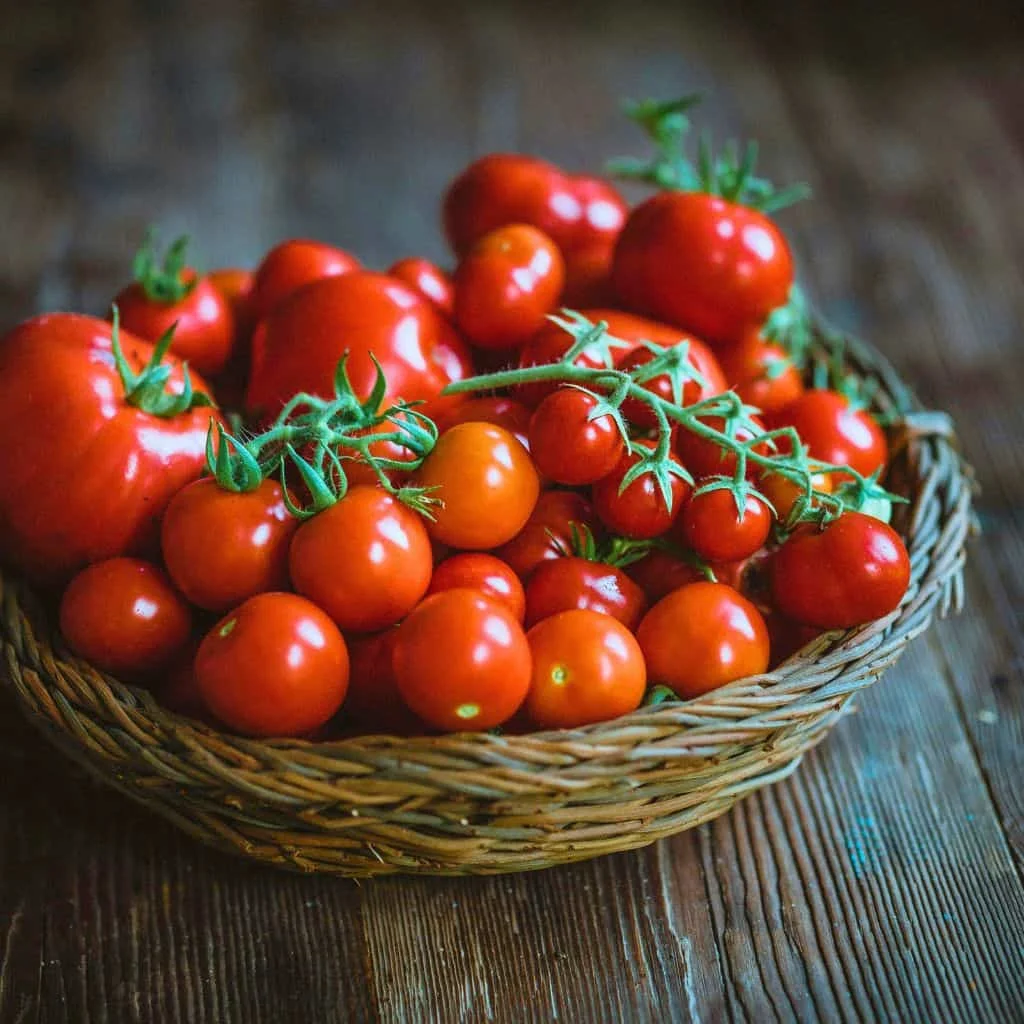
Tomatoes are the top earner for most gardens. One vigorous plant climbs a support and keeps fruit coming from midsummer to frost. The store charges premium prices for real flavor, which makes homegrown pounds add up fast on the savings side.
💰 Cost comparison
| Grocery price | Home yield per plant | Typical inputs | Savings per season |
|---|---|---|---|
| 3–6 USD per lb for quality slicers or heirlooms | 15–20 lb in beds, 10–15 lb in large containers | 5–10 USD seedling plus reusable stake or cage | About 40–90 USD per plant |
🏆 Best varieties for payoff
- Indeterminate heirlooms such as Brandywine or Cherokee Purple for premium flavor and long harvests.
- High yield cherries like Sun Gold or Sweet 100 for nonstop clusters and strong value by weight.
- Disease resistant hybrids such as Better Boy or Celebrity for steady crops with fewer losses.
🌱 Quick growing tips
- Zones 4–10 with at least 6 hours of direct sun.
- Planting window after last frost when soil is warm.
- Support and care stake or cage tall plants, mulch to hold moisture, prune for airflow, pick often to keep vines producing.
2. Leafy Greens

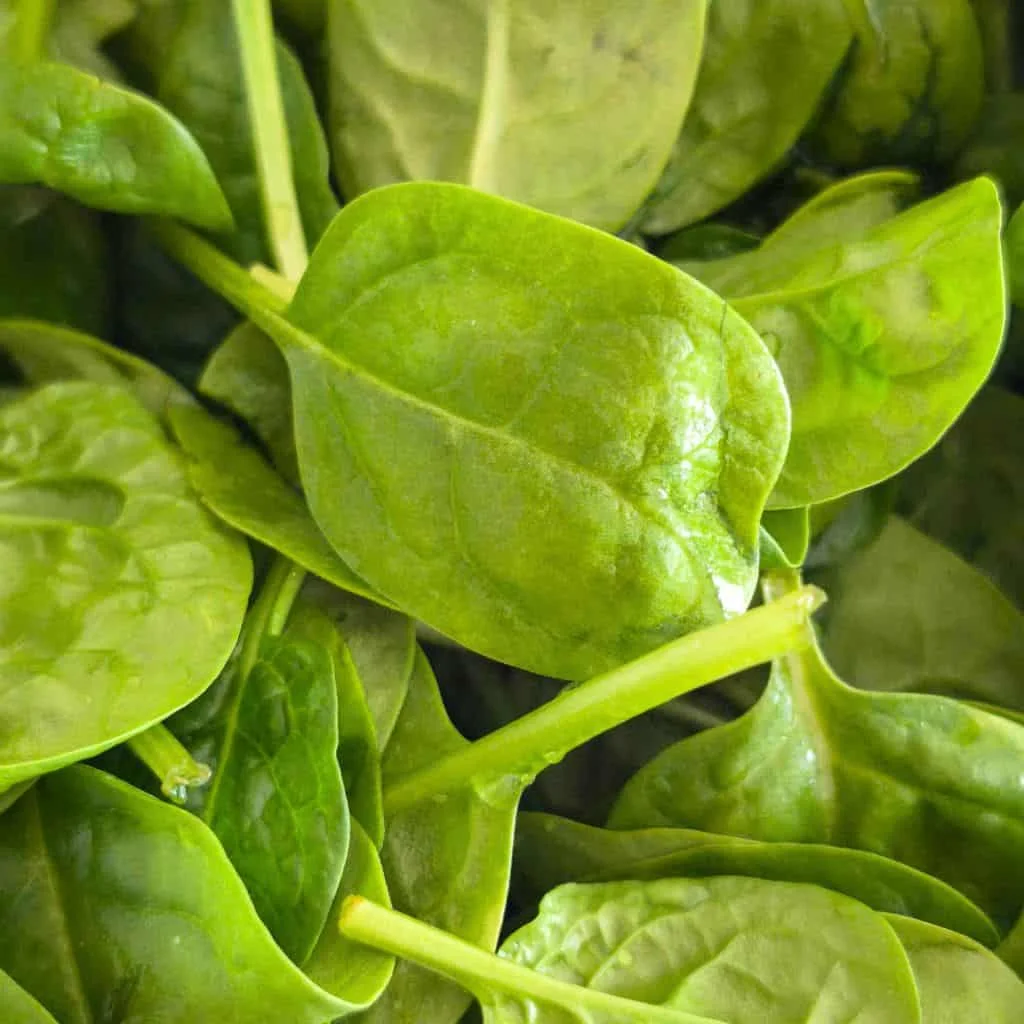
Lettuce, spinach, and kale give fast harvests and keep growing after each cut. Grocery prices for bagged greens stay high while a small bed or a few planters can supply weeks of fresh leaves. Plant once and snip again and again for a steady return.
💰 Cost comparison
| Grocery price | Home yield per sq ft | Typical inputs | Savings per season |
|---|---|---|---|
| 4–6 USD per lb bagged greens | 4–6 lb over 6–8 weeks from a single square foot | 2–4 USD seed plus compost or potting mix | About 20–30 USD per sq ft per season |
🏆 Best varieties for payoff
- Cut-and-come-again lettuces like Black Seeded Simpson or Salad Bowl for repeat harvests.
- Fast spinach such as Bloomsdale for cool season sowing and quick regrowth.
- Baby kale mixes for tender leaves and high vitamin content.
🌱 Quick growing tips
- Zones 3–10 in cool spring and fall, or year round in mild climates.
- Planting window early spring or late summer for continuous harvest.
- Care pointers keep soil consistently moist, harvest outer leaves to encourage new growth, and provide light shade in hot weather.
3. Fresh Herbs


Herbs are pound for pound the most overpriced items in the produce aisle. A few pots of basil, parsley, or cilantro on a patio or windowsill can replace countless clamshell packs. Each plant offers weeks of harvest from one small start and keeps flavor close at hand.
💰 Cost comparison
| Grocery price | Home yield per plant | Typical inputs | Savings per season |
|---|---|---|---|
| 2–4 USD per small bunch or $25–$35 per lb | 10–16 oz of fresh cuttings over summer | 3–5 USD for seed or starter and potting mix | 20–40 USD per plant depending on harvest |
🏆 Best varieties for payoff
- Basil for sauces and salads, high demand and constant regrowth.
- Cilantro for quick harvests and repeated sowings through cool weather.
- Parsley for a long season and steady cutting into fall.
- Mint for teas and desserts, prolific and easy to maintain in a pot.
🌱 Quick growing tips
- Zones 4–10 in summer, many grow indoors year round.
- Planting window spring after last frost or anytime indoors with bright light.
- Care pointers harvest often to encourage new growth and pinch flowers to keep leaves tender.
4. Bell Peppers


Sweet peppers bring bright color and strong grocery prices. A single plant can set dozens of thick walled fruits through summer if given steady warmth and water. Grow them at home and you skip the high price tags for red, yellow, and orange peppers that can cost more than many meats by weight.
💰 Cost comparison
| Grocery price | Home yield per plant | Typical inputs | Savings per season |
|---|---|---|---|
| 2–4 USD each for red or yellow peppers | 10–15 full size peppers per plant | 4–8 USD for seedling plus fertilizer and mulch | 20–50 USD per plant depending on market prices |
🏆 Best varieties for payoff
- California Wonder reliable, thick walls, classic sweet flavor.
- Red Knight early ripening for short seasons.
- Yellow Monster extra large fruit for maximum yield per plant.
🌱 Quick growing tips
- Zones 4–10; peppers love warm soil and air.
- Planting window after all danger of frost when nights stay above 55 °F.
- Care pointers provide consistent moisture, stake heavy plants, and pick green fruits to encourage more blossoms.
5. Garlic

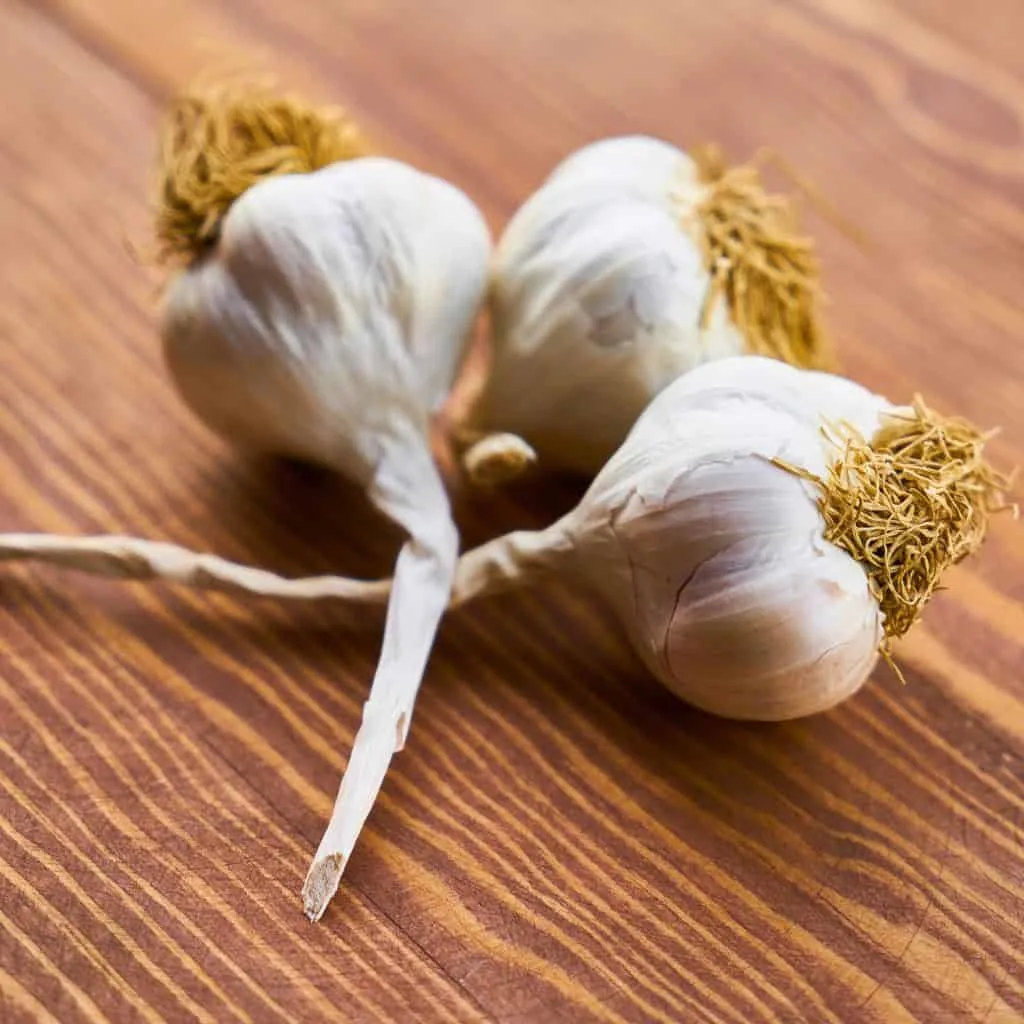
Garlic is planted once in fall and harvested the next summer, quietly multiplying underground while you wait. Store prices for specialty bulbs are steep, and homegrown cloves keep for months. A single bed can supply a year of cooking and seed cloves for the next crop.
💰 Cost comparison
| Grocery price | Home yield per sq ft | Typical inputs | Savings per season |
|---|---|---|---|
| 4–7 USD per lb for hardneck or specialty varieties | 1 lb of bulbs from each square foot planted | 1–2 USD per bulb for seed garlic plus compost | 15–25 USD per sq ft each year |
🏆 Best varieties for payoff
- Music hardy hardneck with large easy to peel cloves.
- German Extra Hardy reliable and flavorful for northern zones.
- California Early classic softneck that stores for months.
🌱 Quick growing tips
- Zones 3–10; plant in fall for a summer harvest.
- Planting window 4–6 weeks before ground freezes.
- Care pointers keep soil well drained, mulch heavily for winter, and cure harvested bulbs in a dry airy spot for long storage.
6. Strawberries

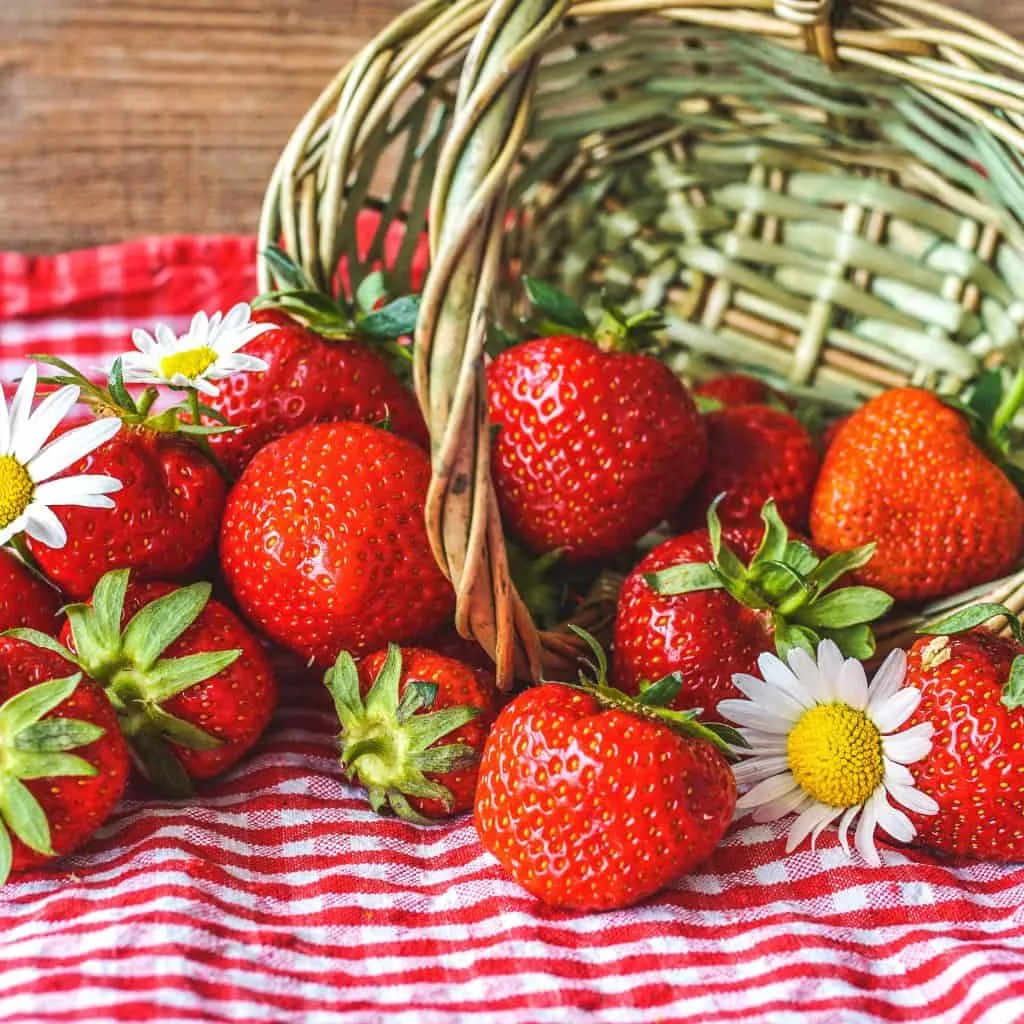
Fresh strawberries are pricey and often travel hundreds of miles to the store. A small patch at home can produce sweet berries for years, since plants spread and renew themselves. The first harvest pays for the plants, and each season after is pure gain.
💰 Cost comparison
| Grocery price | Home yield per plant | Typical inputs | Savings per season |
|---|---|---|---|
| 4–6 USD per lb for fresh berries | 1–1.5 lb per plant once established | 1–2 USD per bare-root start, produces for 3+ years | 15–25 USD per plant each year after the first |
🏆 Best varieties for payoff
- June-bearing such as Jewel or Allstar for heavy once-a-year harvests.
- Everbearing like Seascape for fruit through summer into fall.
- Day-neutral such as Albion for steady berries in varied climates.
🌱 Quick growing tips
- Zones 4–9 for outdoor beds, or containers anywhere with full sun.
- Planting window early spring or late summer for strong roots.
- Care pointers mulch well to keep fruit clean, clip runners to focus energy, and refresh beds every 3 to 4 years.
7. Zucchini and Summer Squash

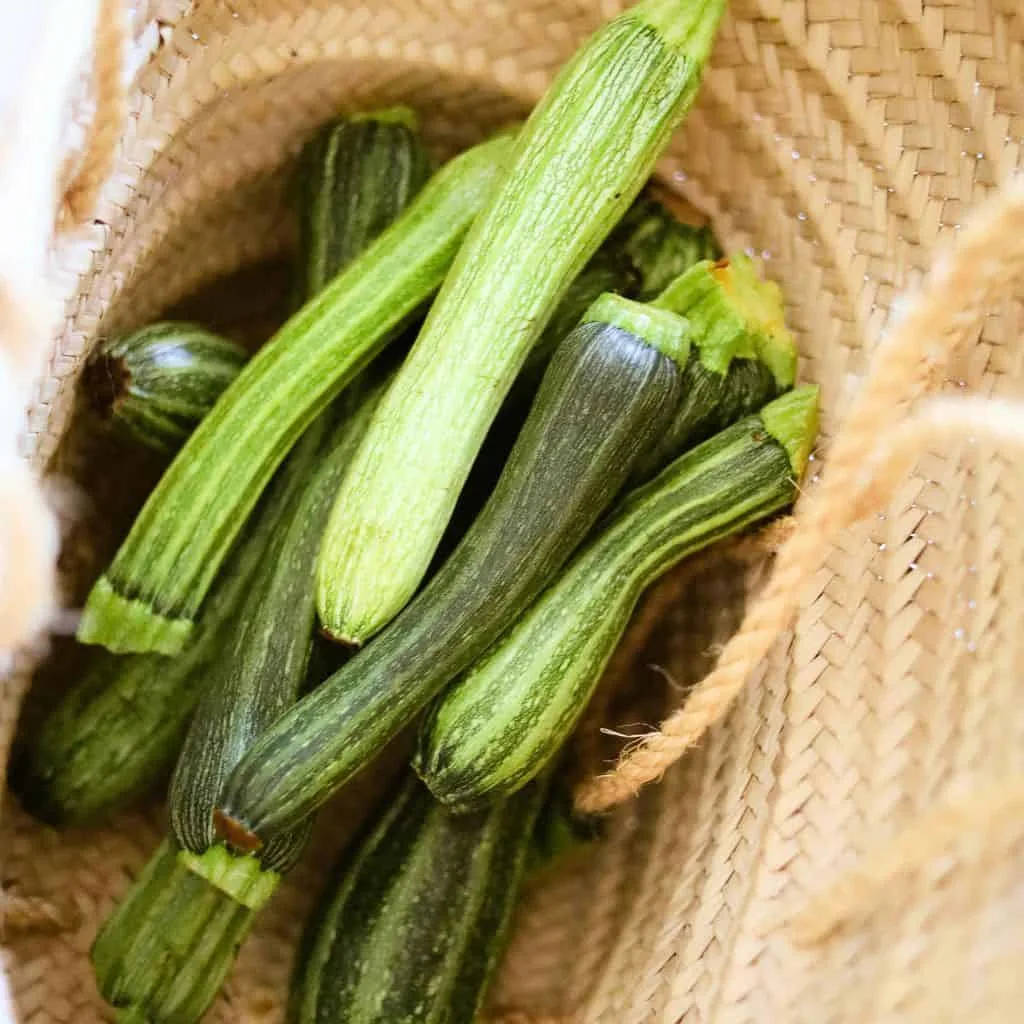
Zucchini grows fast, sets fruit for weeks, and is famously generous. One plant can feed a family and still leave extras for neighbors. Market prices stay steady, and the sheer volume from a single vine makes this crop a money saver even in small gardens.
💰 Cost comparison
| Grocery price | Home yield per plant | Typical inputs | Savings per season |
|---|---|---|---|
| 1.5–3 USD per lb fresh zucchini | 15–25 lb per plant through summer | 2–4 USD for seed and compost | 20–60 USD per plant depending on yield |
🏆 Best varieties for payoff
- Black Beauty classic dark green zucchini, steady producer.
- Costata Romanesco striped Italian type with rich flavor and heavy yield.
- Gold Rush bright yellow fruit, easy to spot for quick harvests.
🌱 Quick growing tips
- Zones 3–10 during warm months.
- Planting window after last frost when soil is at least 65 °F.
- Care pointers harvest small and often to keep plants producing, give plenty of space and airflow to prevent mildew.
8. Snap Peas and Snow Peas

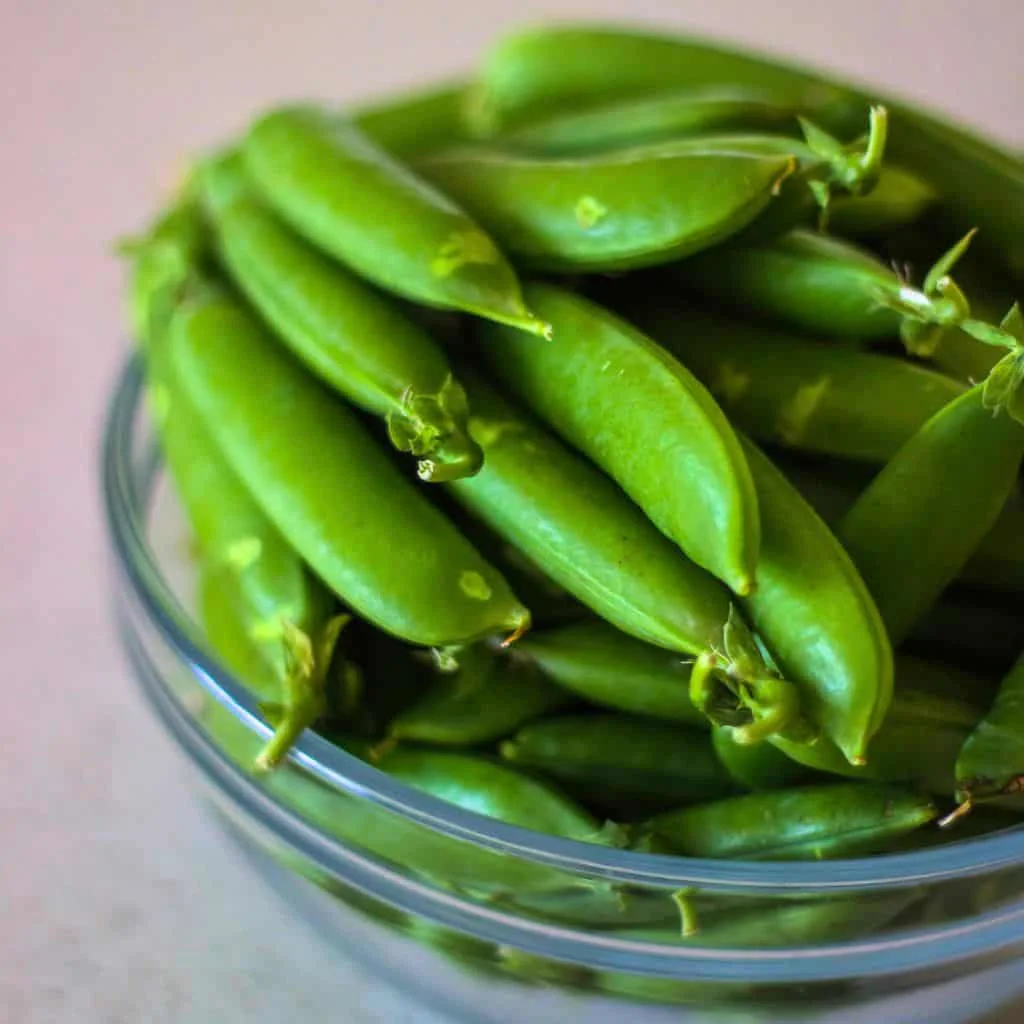
These crisp pods are expensive in the produce aisle and rarely as sweet as those picked at home. Peas grow fast in cool weather and keep producing if harvested regularly. They also enrich the soil with nitrogen, which helps next season’s crops.
💰 Cost comparison
| Grocery price | Home yield per 10 ft row | Typical inputs | Savings per season |
|---|---|---|---|
| 4–6 USD per lb fresh pods | 4–6 lb from a 10 ft double row | 2–3 USD for seed plus a simple trellis | 15–25 USD per 10 ft row each spring |
🏆 Best varieties for payoff
- Oregon Sugar Pod II heavy yielding snow pea with tender pods.
- Super Sugar Snap classic snap pea with extra sweet crunch.
- Cascadia short vine type ideal for containers and small spaces.
🌱 Quick growing tips
- Zones 3–10 as an early spring or fall crop.
- Planting window as soon as soil can be worked in spring or about 8 weeks before first frost for fall.
- Care pointers provide a trellis, pick every few days to keep pods tender, and leave roots in place after harvest to boost soil nitrogen.
9. Arugula and Specialty Greens

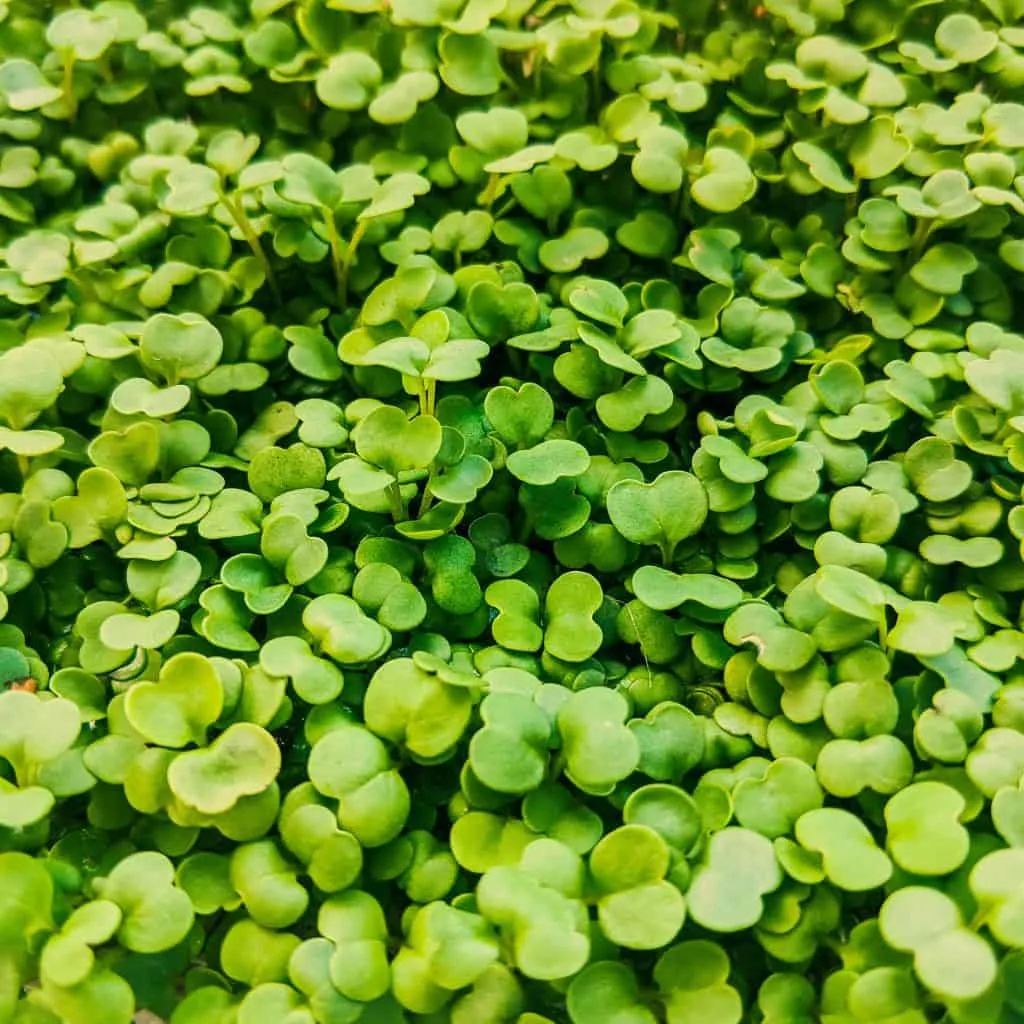
Peppery arugula, baby mustard, and other specialty greens sell for gourmet prices but grow like weeds. They germinate in cool soil, reach harvest size in three to four weeks, and regrow after each cut. A single tray or bed can keep salads fancy for pennies.
💰 Cost comparison
| Grocery price | Home yield per sq ft | Typical inputs | Savings per season |
|---|---|---|---|
| 6–10 USD per lb for packaged baby greens | 4–6 lb over several cuttings per square foot | 2–3 USD for seed plus light compost | 20–40 USD per square foot |
🏆 Best varieties for payoff
- Rocket Arugula fast sprouting, sharp flavor, repeat harvest.
- Red Mustard striking leaves with spicy bite.
- Mizuna mild Asian green that regrows quickly.
🌱 Quick growing tips
- Zones 3–10 in cool seasons, indoors year round under lights.
- Planting window early spring or late summer for fall harvests.
- Care pointers sow thickly, cut when leaves reach 3–4 inches, water evenly for tender growth, and re-sow every few weeks for constant supply.
10. Raspberries and Blackberries

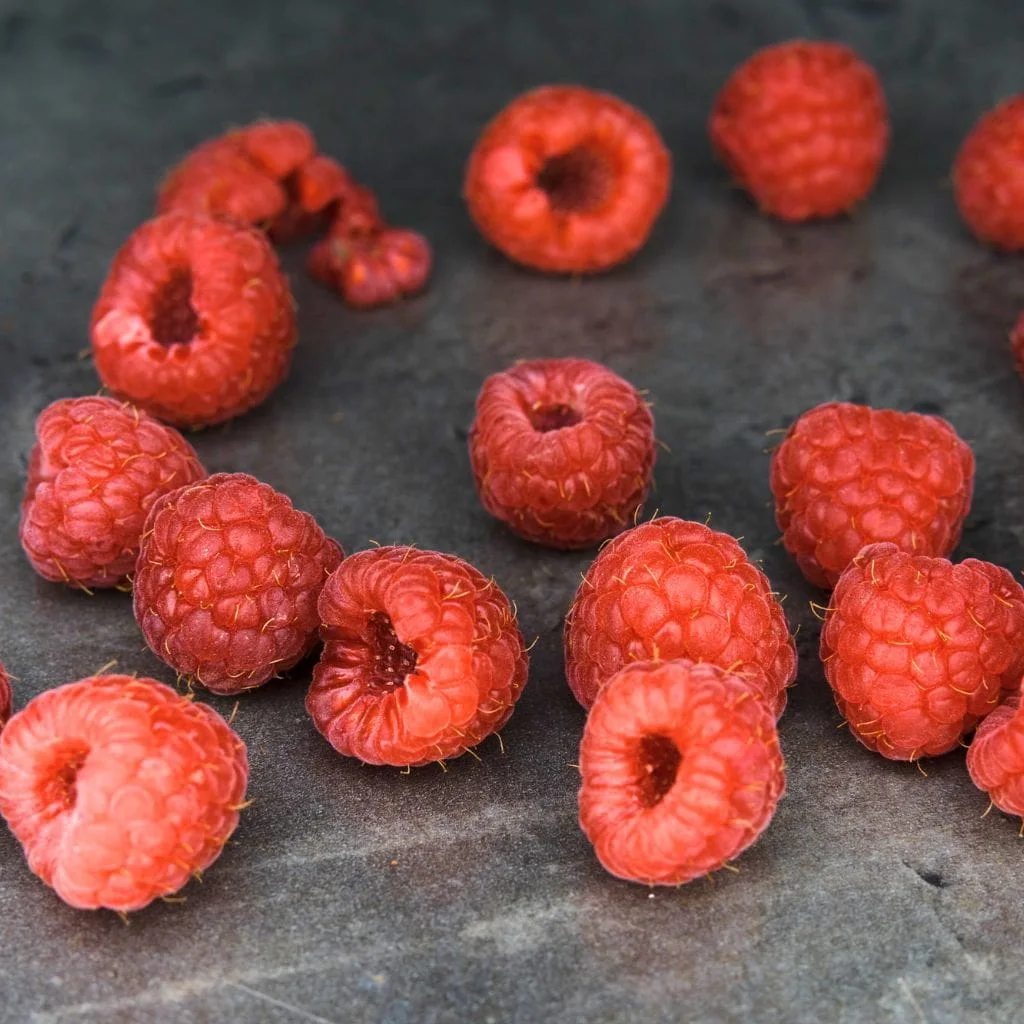
Berry prices stay high year round and a small patch of raspberries or blackberries will reward you for many seasons. Once the canes are planted they return bigger each year, giving pounds of fruit with only light pruning and mulching.
💰 Cost comparison
| Grocery price | Home yield per mature plant | Typical inputs | Savings per season |
|---|---|---|---|
| 4–8 USD per half pint of fresh berries | 4–6 lb per plant once established | 5–8 USD for a bare root cane plus mulch | 40–80 USD per plant each year after the first |
🏆 Best varieties for payoff
- Heritage Raspberry everbearing with two harvests a year.
- Triple Crown Blackberry thornless and heavy yielding.
- Caroline Raspberry large sweet berries with long picking window.
🌱 Quick growing tips
- Zones 4–9 for most raspberry and blackberry cultivars.
- Planting window early spring or late fall while canes are dormant.
- Care pointers plant in well drained soil, prune old canes after fruiting, and mulch to keep roots cool and moist.
Wrapping Up the High Value Harvest
Your grocery bill tells the story. Tomatoes that taste like candy, herbs that perfume a kitchen, berries that disappear in a day. Each of these crops gives more than it takes and keeps on giving when you choose smart varieties and keep notes from season to season.
You do not need acres or a greenhouse. A few raised beds, some large pots, and steady care can turn a backyard or balcony into a steady source of fresh food and real savings. Pick the plants that fit your space and climate, plant them well, and watch the numbers add up in your favor.
Next year’s garden can pay for itself many times over. Start planning now while prices are still fresh in your mind and seed catalogs begin to arrive. The sooner you set your list, the sooner your garden starts working like a quiet bank account that happens to taste incredible.
🌿 Key Takeaways
- 🍅 Tomatoes deliver the biggest return with 15–20 pounds per plant and grocery prices up to $6 per pound.
- 🥬 Leafy greens give steady harvests and cut-and-come-again yields that beat bagged salad prices fast.
- 🌿 Fresh herbs are pure profit when one $4 plant replaces dozens of store-bought clamshells.
- 🫑 Bell peppers hold high market value and reward growers with 10–15 fruits per plant.
- 🧄 Garlic stores for months and each clove planted can return a full bulb for pennies.
- 🍓 Strawberries and other berries keep paying as perennial plants expand and fruit for years.
- 🥒 Zucchini and peas flood the basket with pounds of produce for minimal seed cost.
- 💵 All ten crops beat store prices when you track input costs, use good soil, and harvest on time.
- 📅 Plan now for spring so you can order seeds and set beds while grocery prices are fresh in mind.
Frequently Asked Questions About High-Value Crops
1. Which of these crops gives the fastest payoff?
Leafy greens and arugula are ready in as little as 3–4 weeks and can be harvested again and again, giving savings almost immediately.
2. Do I need a large garden to grow these plants?
No. Many high-value crops like herbs, cherry tomatoes, and strawberries thrive in containers on a balcony or patio.
3. How can I calculate my actual savings?
Track what you spend on seeds, seedlings, soil, and supports. Then weigh your harvest and multiply by your local grocery price per pound. Subtract the costs to see your net gain.
4. Are organic methods still profitable?
Yes. Organic produce sells for more at the store, so growing chemical-free food at home often increases your savings.
5. What if I live in a short growing season zone?
Choose quick-maturing varieties, start seeds indoors, and use season extenders like row covers or cold frames to stretch your harvest window.
6. Can these crops grow indoors?
Many herbs, leafy greens, and even dwarf tomatoes can be grown under grow lights inside for year-round harvest.
7. How long do perennial crops like berries keep producing?
Raspberries and blackberries can fruit for 8–10 years with proper pruning and mulching, making them one of the best long-term investments.
8. Do I need special soil or fertilizer?
Rich, well-draining soil with added compost is enough for most of these crops. Balanced organic fertilizer can boost yields but is optional if soil is healthy.
9. How much time do these plants require each week?
Most need only regular watering and a quick weekly check for pests. Tomatoes and peppers may need staking and pruning, but overall care is light.
10. What is the single best crop for beginners on a budget?
Tomatoes offer the highest grocery store price per pound, are easy to grow with sunlight and support, and give the biggest return for a first-time gardener.


Daniel has been a plant enthusiast for over 20 years. He owns hundreds of houseplants and prepares for the chili growing seasons yearly with great anticipation. His favorite plants are plant species in the Araceae family, such as Monstera, Philodendron, and Anthurium. He also loves gardening and is growing hot peppers, tomatoes, and many more vegetables.