


February is a sweet spot for pruning in much of the US, since many shrubs are still dormant and easy to see. We can make clean cuts now and get better flowers, fuller growth, or healthier branches later. The trick is knowing which shrubs handle late winter pruning well, and which ones should wait.
Up next are 10 shrubs you can prune safely in February, plus a few simple tips to avoid taking off next season’s blooms.
1. Smooth Hydrangea: Cut Back Now for Bigger Summer Blooms

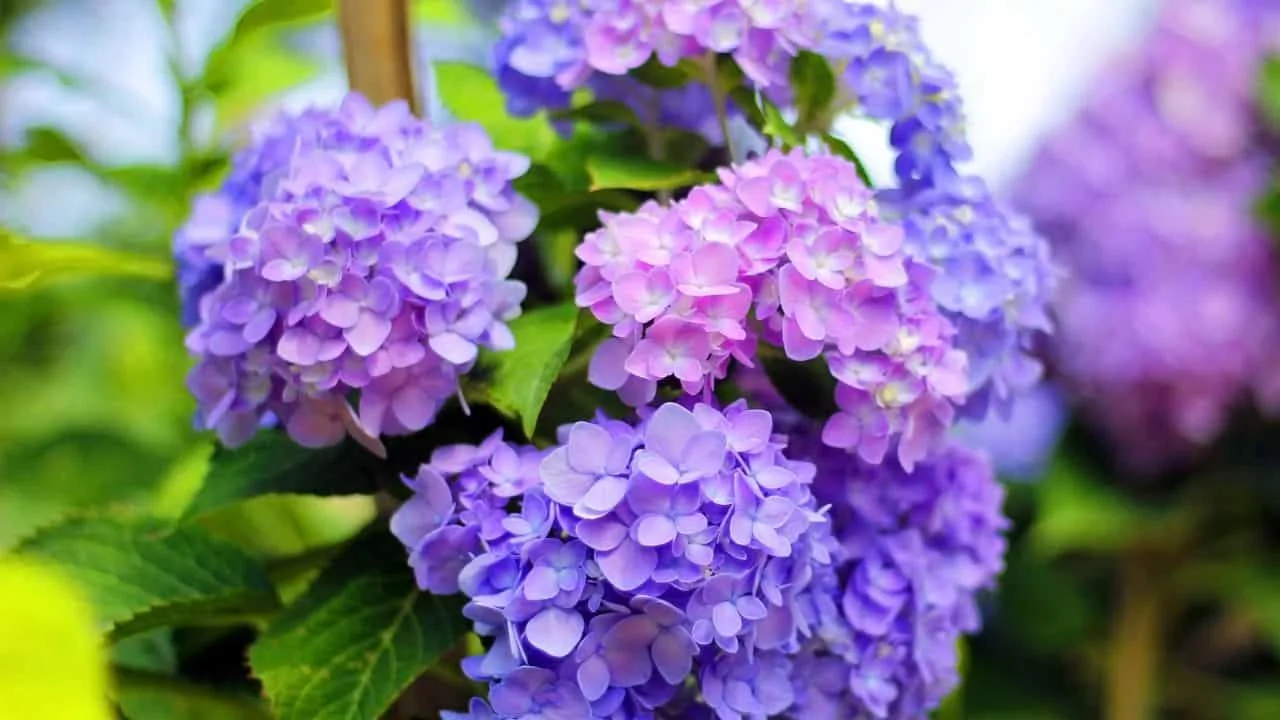
Smooth hydrangea (Hydrangea arborescens) blooms on new wood. That makes February pruning a safe, smart move.
Cut stems back to about 12 to 24 inches tall, and make each cut just above a pair of healthy buds. This pushes strong new shoots that carry those big, round summer flower heads.
Remove any dead, weak, or crossing stems at the base first, and keep 5 to 10 sturdy canes for an open shape. If last year’s blooms flopped, prune a little higher (closer to 24 inches) for stronger stems that hold flowers better.
💧 Quick, Confident Pruning Checks
- Make sure it is the right hydrangea: Smooth hydrangea is Hydrangea arborescens (often sold as Annabelle types).
- Best cutting height: Aim for 12 to 24 inches. Go closer to 24 inches if stems flopped last summer.
- Where to cut: Snip just above two healthy buds. Those buds push the new flowering shoots.
- Thin first: Remove dead, weak, and crossing stems at the base. Keep 5 to 10 sturdy canes for airflow.
- Tool cleanup: Use sharp pruners. Wipe blades with rubbing alcohol if you cut out diseased wood.
Bonus Tip: If you are unsure, prune one plant now and leave another uncut. See which one blooms best in summer.
2. Panicle Hydrangea: The Easy Winter Prune That Won’t Cost Flowers

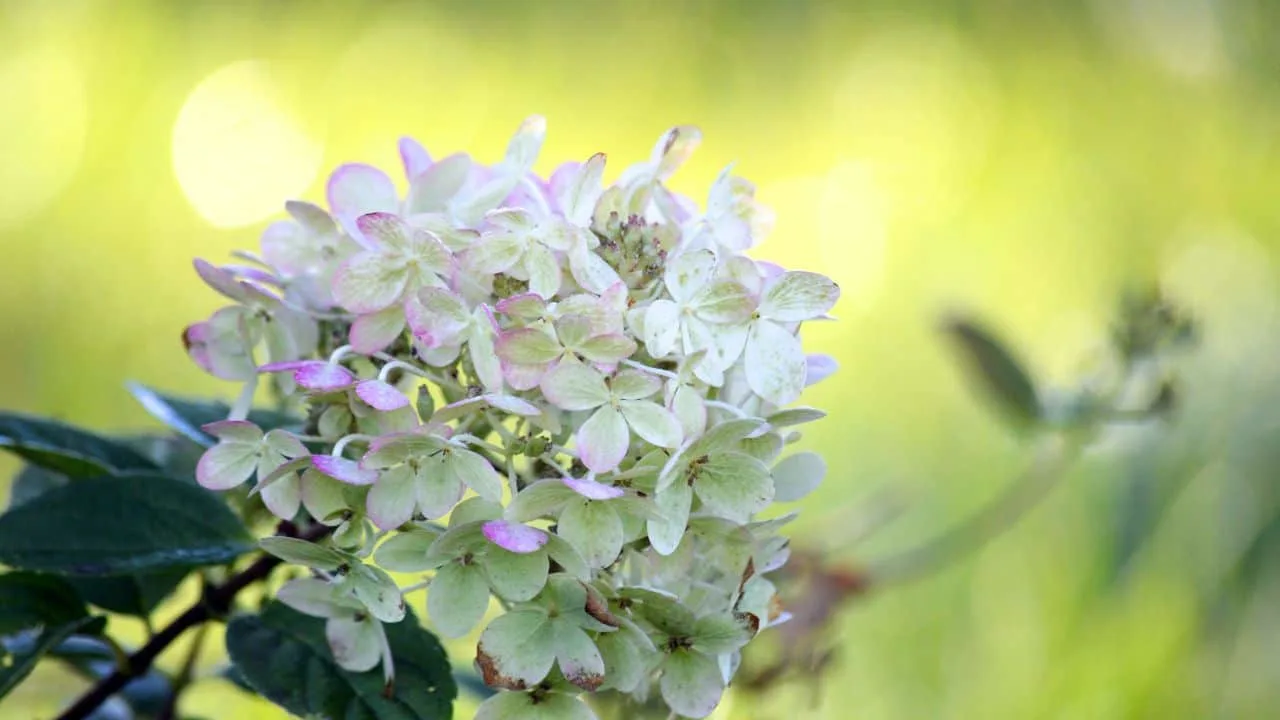
Panicle hydrangea blooms on new wood, so a February prune will not remove this year’s flowers. That makes it one of the safest hydrangeas to cut back in late winter.
Start by removing dead, broken, or crossing stems at the base or back to a healthy branch. Then shorten last year’s stems to a pair of strong buds, or leave 12 to 24 inches if you want a taller shrub.
For big, sturdy blooms, thin crowded growth so air can move through the center. Aim for 6 to 10 main stems, and cut the rest out cleanly without leaving stubs.
🧤 Quick prune checklist for bigger blooms
- Know your type: Panicle hydrangea (Hydrangea paniculata) blooms on new wood. Winter pruning is safe.
- First cuts: Remove dead, broken, and rubbing stems. Cut at the base, or back to a healthy branch.
- Set your height: Cut last year’s stems back to two strong buds for a fuller plant. Leave 12 to 24 inches for a taller shrub.
- Thin for strength: Aim for 6 to 10 main stems. Take the rest out cleanly so the flowers sit on sturdy wood.
- No stubs: Make clean cuts just above a bud, or flush at the base. Stubs dry out and invite dieback.
Bonus Tip: Keep the strongest, pencil-thick stems and remove the spindly ones. Your blooms will be fewer, but bigger and less likely to flop.
3. Butterfly Bush: How Low You Can Cut Without Regret

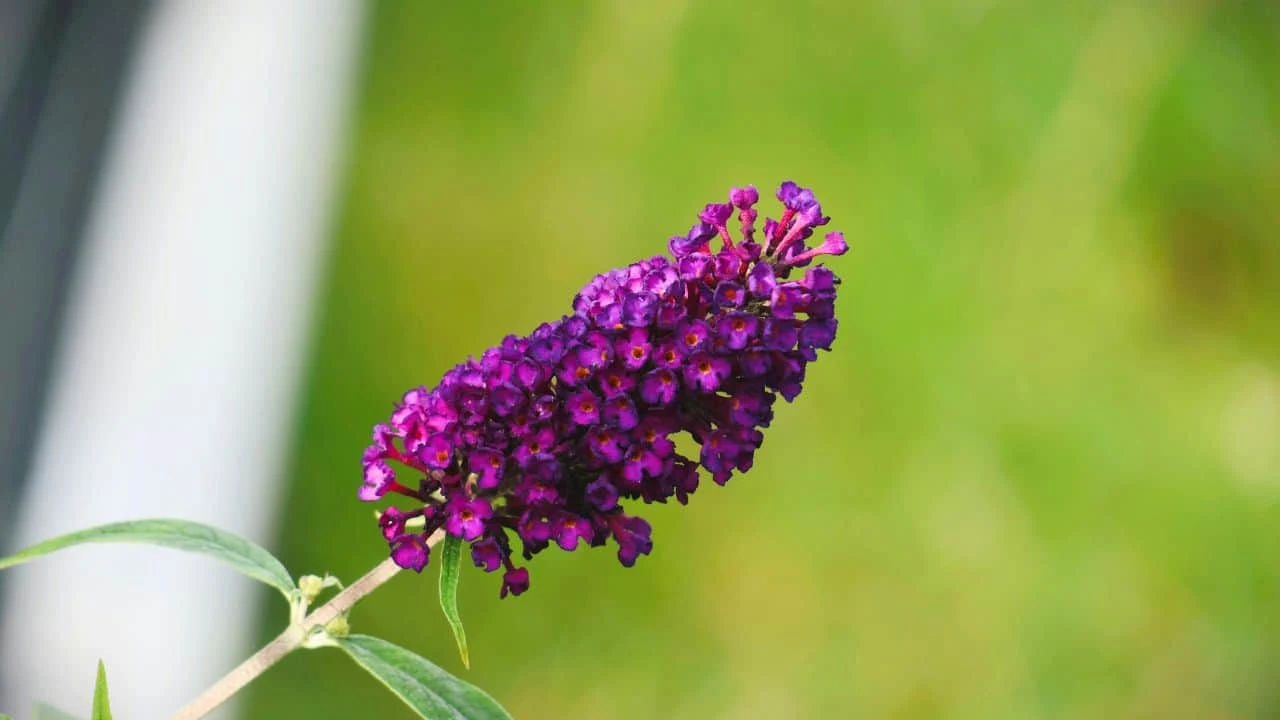
Butterfly bush (Buddleja) blooms on new wood, so February pruning is usually safe. You can cut it back hard without losing summer flowers.
For a typical size shrub, reduce stems to about 12 to 24 inches tall, cutting just above a pair of healthy buds. If it is old and leggy, you can go lower, even down to 6 to 12 inches, as long as you see firm, living wood.
Remove dead stems at the base, and thin to 5 to 7 of the strongest canes so air can move through. Make clean cuts, and toss the prunings, because hollow stems can hold water and rot if left piled near the plant.
🟦 The no panic pruning checkpoints
- Bloom rule: Butterfly bush flowers on new wood, so late winter cuts do not erase summer blooms.
- Typical cut height: Aim for 12 to 24 inches, and cut just above a pair of healthy buds.
- Extra hard reset: If it is old and leggy, go down to 6 to 12 inches if the wood is firm and alive.
- Dead wood test: Brittle, hollow, or dry stems get removed at the base.
- Airflow target: Keep 5 to 7 strong canes so light and air can move through the plant.
Bonus Tip: If you are unsure how low to go, prune to 18 inches now, then shorten again after you see strong new shoots.
4. Rose of Sharon: Tidy Shape Now, Better Bloom Later

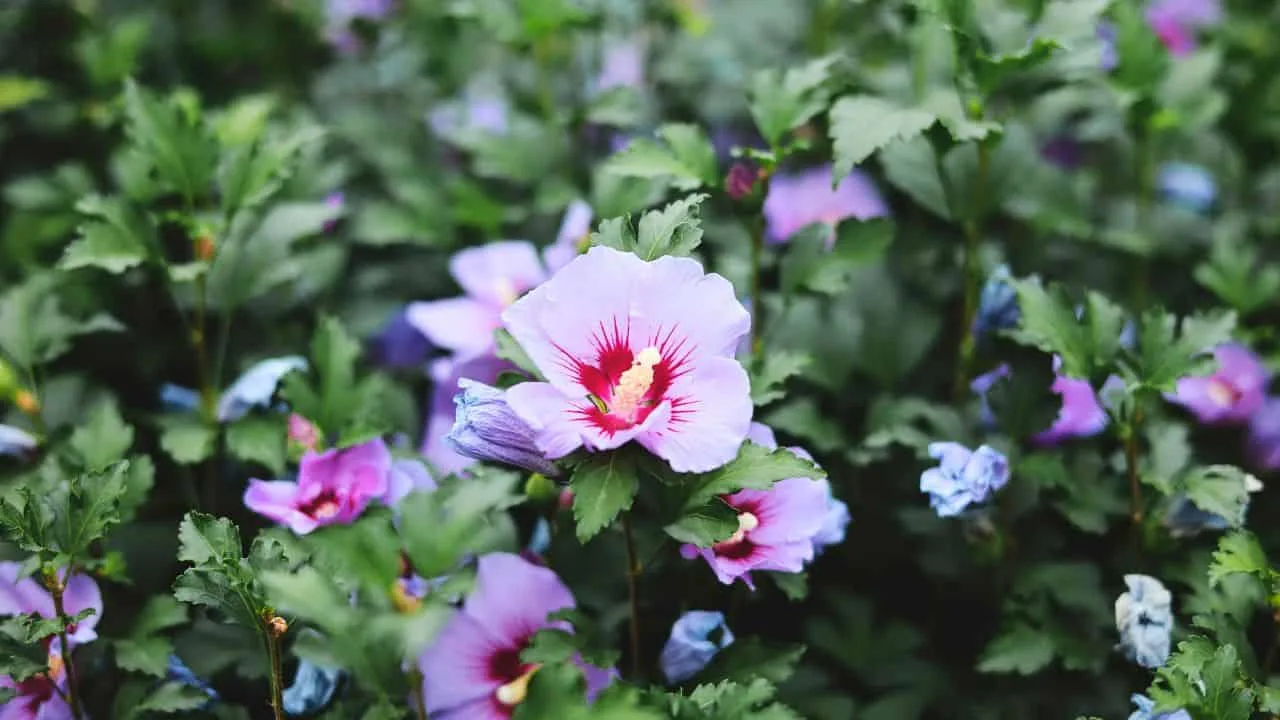
Rose of Sharon blooms on new wood, so February pruning is usually safe. A light cleanup now sets up a fuller summer show.
Start by removing dead, damaged, or crossing branches at the base. Then thin a few of the oldest stems to open the center for light and airflow.
For size control, shorten last year’s growth to a pair of outward-facing buds, or cut stems back by about one-third. Keep your goal simple, a vase shape with room in the middle. Stop once you have a balanced outline, because heavy cutting can delay flowering and make the shrub look stiff.
💜 Quick Prune Checklist for a Fuller Shrub
- Best cuts first: Remove dead, damaged, and rubbing branches right down at the base.
- Open the middle: Thin a few of the oldest stems so light and air can reach the center.
- Keep a vase shape: Aim for a simple outline with space in the middle, not a tight ball.
- Size control option: Shorten long shoots to outward-facing buds, or reduce stems by about one-third.
- Know when to stop: Once it looks balanced, quit. Heavy pruning can delay blooms and look stiff.
Bonus Tip: If you are unsure about a cut, step back and look from two angles. Take one more small cut, not several big ones.
5. Potentilla: A Simple Renewal Trim for a Fuller Look

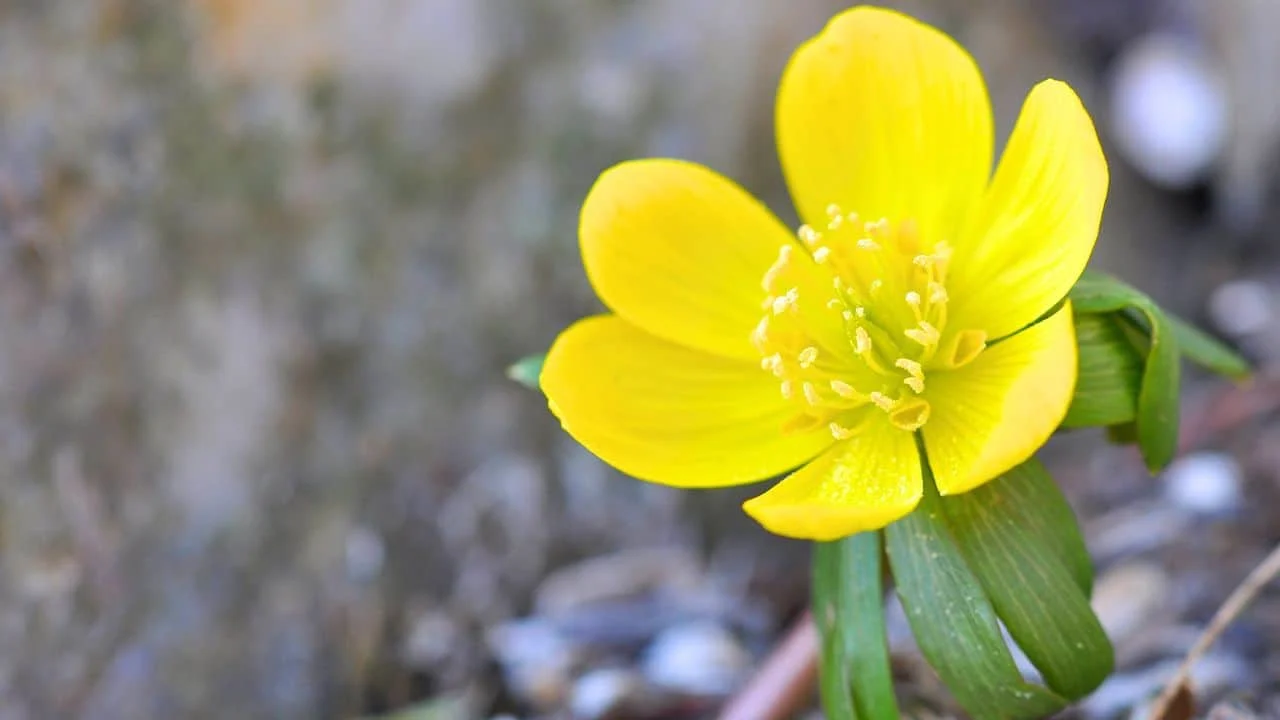
Potentilla (shrubby cinquefoil) handles a February prune very well while it is dormant. A simple renewal trim keeps it compact and blooming heavily later.
Cut out about one-third of the oldest, thickest stems at the base. Leave the younger, pencil-thick stems because they make the best new flowering growth.
If the shrub is leggy, shorten remaining stems by a few inches to a healthy outward-facing bud. Use clean, sharp hand pruners, and remove any dead tips you find as you go.
💙 Quick pruning checklist for more blooms
- Best stems to remove: The oldest, thickest canes, especially ones that are dark, rough, or crowded in the center.
- How much to take: Aim for about one-third of the oldest wood. Stop sooner if the shrub is small or already open.
- Where to cut: Cut those old stems at the base, close to the ground. Do not leave long stubs.
- What to keep: Younger, pencil-thick stems. These usually produce the most flowers on fresh growth.
- Light shaping: If it is leggy, shorten a few remaining stems to an outward-facing bud. Keep the overall shape rounded.
Bonus Tip: After pruning, pull back mulch from the crown for a day or two so you can spot hidden dead stems, then re-mulch lightly.
6. Beautyberry: Late Winter Pruning for More Colorful Berries

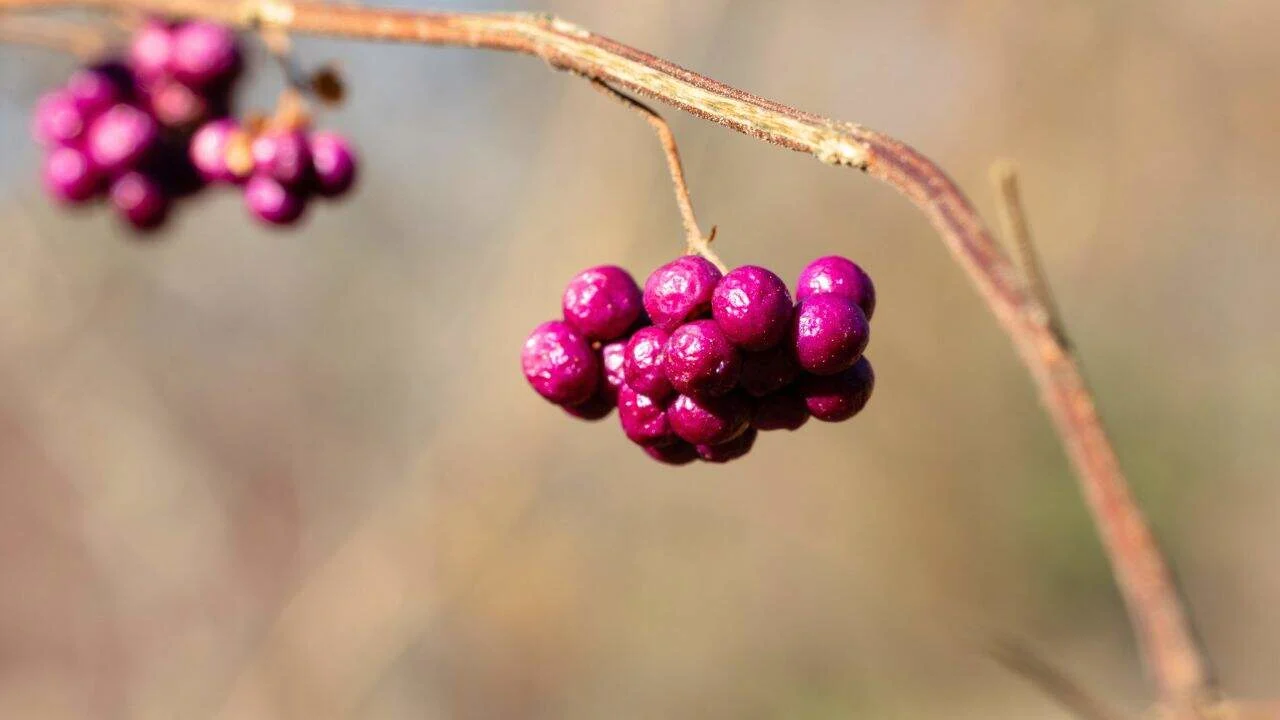
Beautyberry sets its berries on new growth, so late winter pruning can boost the show. Prune before buds swell in February in most of the US.
Cut back last year’s stems by about one third, and remove any thin, weak shoots at the base. If the shrub is overgrown, you can rejuvenate it by cutting all stems to 6 to 12 inches tall, but expect fewer flowers the first summer.
Aim for an open, vase-like shape so light reaches the center, which helps berry color later. After pruning, add a 2-inch layer of mulch and water if the winter has been dry.
💙 A simple pruning checklist
- Best timing: Prune in late winter, right before buds start to swell.
- Main cut: Shorten last year’s stems by about one third to push fresh growth.
- Thin it out: Remove skinny, weak shoots at the base so the plant puts energy into strong canes.
- Rejuvenation option: If it is a tangled shrub, cut stems down to 6 to 12 inches for a reset.
- Shape goal: Keep an open, vase-like center so light reaches inside for better berry color later.
Bonus Tip: After pruning, spread 2 inches of mulch (keep it a few inches away from the stems), then water once if your winter has been dry.
7. Spirea That Blooms in Summer: How to Prune Without Losing Spring Flowers

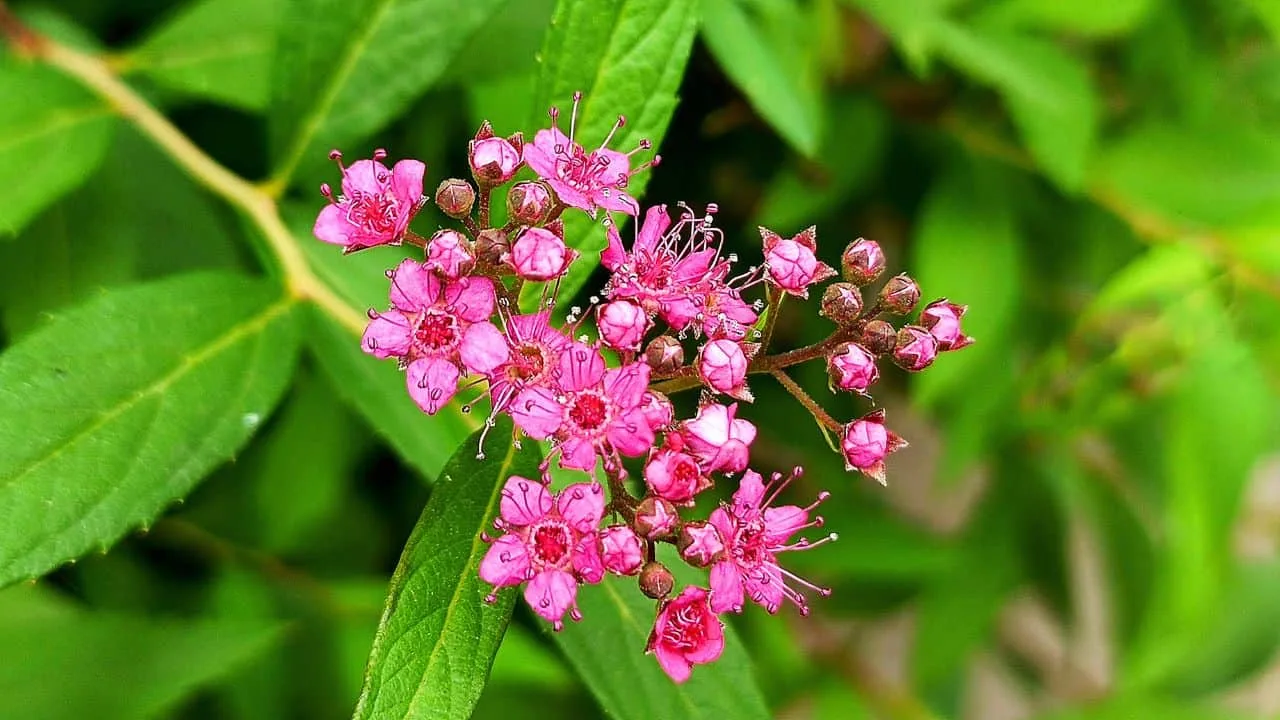
Summer-blooming spirea can be pruned in February without sacrificing this year’s flowers. It blooms on new wood, which means it sets buds after pruning.
First, confirm it is a summer bloomer, look for varieties like Japanese spirea (Spiraea japonica) with pink flowers in summer. If you have bridal wreath spirea with white spring flowers, do not prune hard now.
For summer spirea, cut out dead wood and remove a few of the oldest stems at the base to open the center. Then shorten the remaining stems by about one-third to shape the shrub and encourage fresh growth. Keep cuts just above a healthy bud, and step back often so the plant stays even.
🪴 The quick “new wood vs old wood” check
- Look at bloom time: Pink blooms in summer usually mean Japanese spirea, which is safe to prune now.
- Watch flower color: White sprays in spring often point to bridal wreath types, which you should prune after flowering.
- Simple pruning goal: Remove dead stems first, then take out a few of the oldest stems at ground level.
- How much to shorten: Trim remaining stems by about one-third to encourage fresh, bushy growth.
- Where to cut: Make cuts just above a healthy bud, and angle slightly so water runs off.
Bonus Tip: If you are unsure which spirea you have, do only light cleanup now. Save heavy shaping until you see when it blooms.
8. Bluebeard: Protecting New Growth While Cutting Back Old Wood

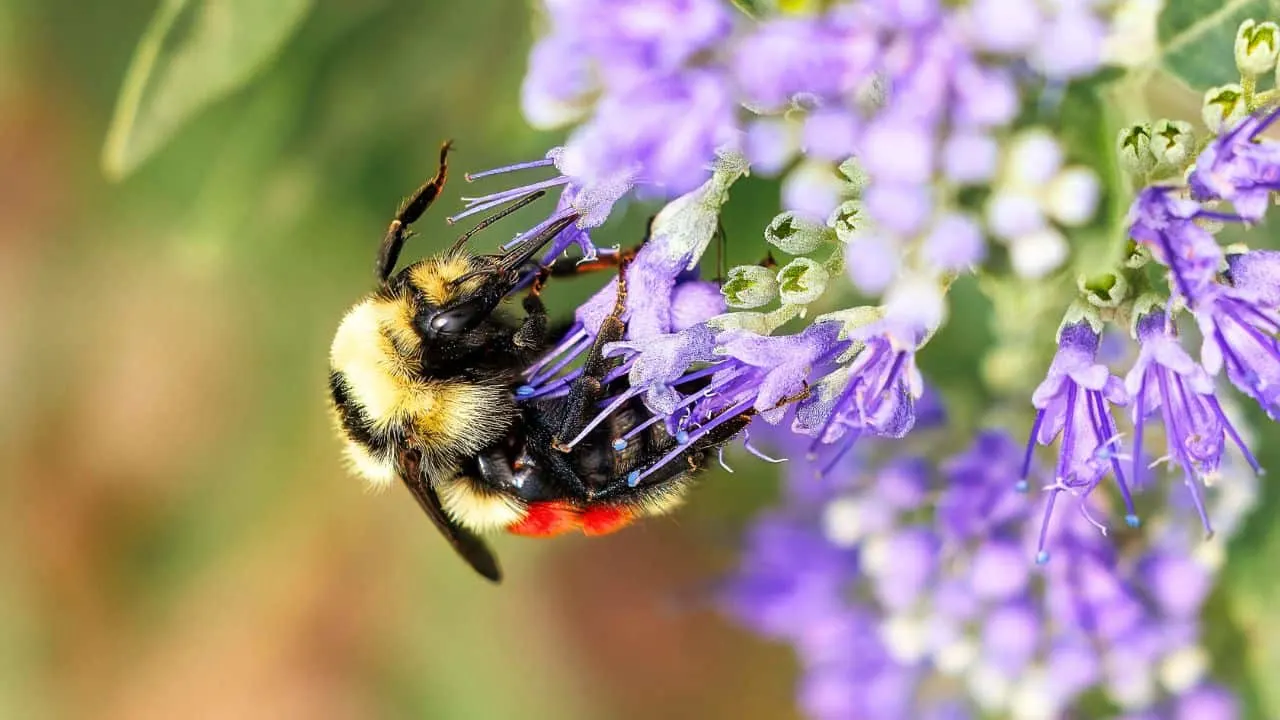
Bluebeard (Caryopteris) blooms on new wood, so February pruning helps it flower well later. Cut it back before buds really start to swell.
Use clean pruners and remove dead, weak, or crossing stems first. Then shorten the remaining stems to about 6 to 12 inches tall, cutting just above a pair of healthy buds.
Keep a few sturdy stems to form a simple framework, and avoid cutting into old, bare wood that has no visible buds. If winter dieback is common in your area, wait until you see green buds, then trim to just above that living growth.
💜 The “new wood” shortcut
- Best timing: Prune before buds swell a lot. If your winters run cold, wait until you spot green buds.
- First cuts: Remove dead, weak, and crossing stems. This opens the plant and prevents rubbing wounds.
- How far to cut back: Aim for 6 to 12 inches tall. Cut just above a pair of healthy buds.
- Old wood caution: Avoid bare, brown stems with no buds. Those sections often do not push new growth.
- Simple framework: Keep a few sturdy stems. They act like the plant’s “skeleton” and help it stand up later.
Bonus Tip: If you are unsure what is alive, do a quick scratch test. Green under the bark means keep it and cut just above that point.
9. Crape Myrtle: What to Remove in February Without Commiting Crape Murder

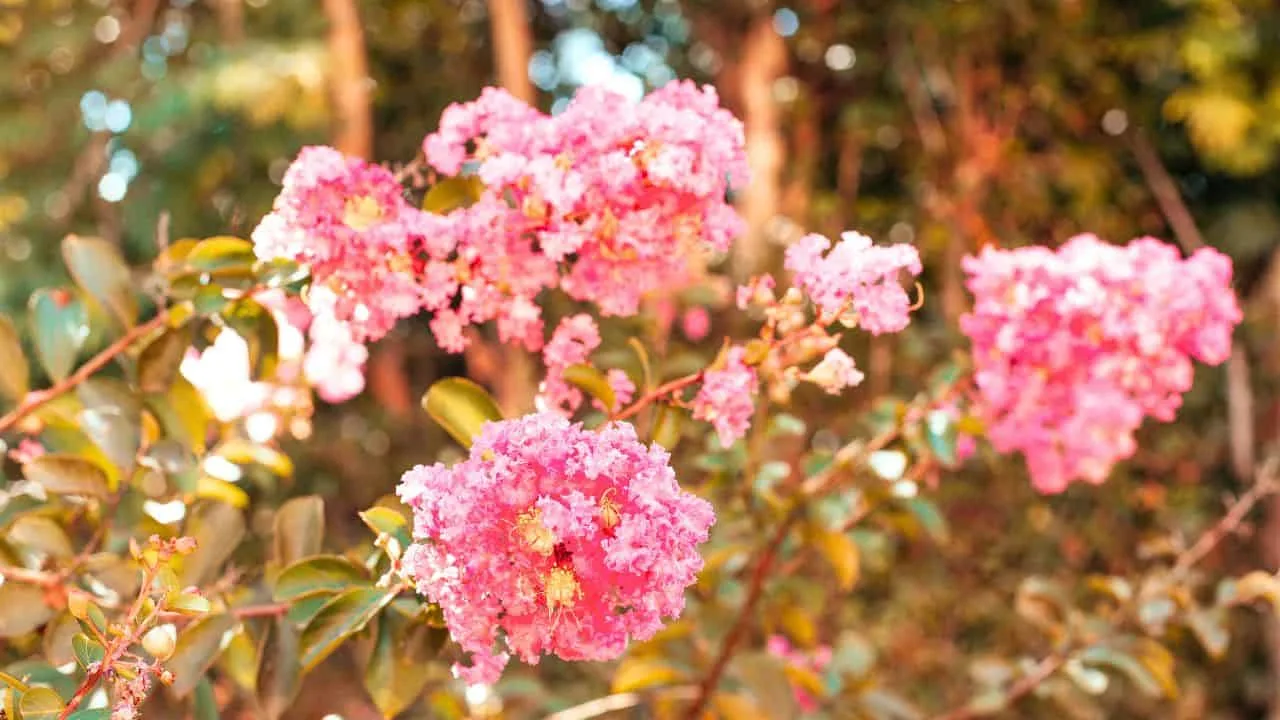
Crape myrtle can be pruned in February while it is dormant. The goal is shape and airflow, not severe cutting.
Start by removing dead, damaged, and rubbing branches all the way back to their origin. Then thin a few crowded interior stems so light can reach the center.
Avoid topping the plant into blunt “knuckles”, that is what people call crape murder. If height control is needed, cut back to a side branch that is at least pencil-thick, and keep the natural vase shape.
🪵 A gentle pruning checklist
- Take first: Dead, broken, or diseased wood, cut back to the branch collar or point of origin.
- Fix rubbing: If two branches cross and scrape, remove the weaker one to prevent wounds and pests.
- Clear the center: Thin a few crowded interior stems so air and light can move through the canopy.
- Remove suckers: Cut shoots from the base and trunk while they are small. They steal energy and clutter the shape.
- Choose smart height cuts: If you must shorten, cut to a side branch that is at least pencil thick, not to stubs.
Bonus Tip: Step back every few cuts. If you are about to remove a thick main limb, stop and thin smaller stems instead.
Your February Prune Plan, Simple and Confident
Pick one shrub from this list and prune it on the next mild, dry day, then stop and admire the cleaner shape. Use sharp bypass pruners and remove dead, damaged, and crossing stems first, then make your main cuts just above a healthy bud. Keep a small pile for the trash and a separate pile for compost, then wipe your blades when you are done.
Take a quick photo before and after, because those pictures make it easier to prune with confidence next winter.
Frequently Asked Questions About 10 Shrubs You Can Prune Safely in February
1. How do I tell whether a shrub blooms on old wood or new wood?
Old wood bloomers set flower buds the previous summer or fall, so you will see buds on bare stems in late winter. New wood bloomers flower on fresh growth made in spring, so they can be pruned in late winter without losing blooms. When in doubt, look up your shrub’s name and pruning time on the plant tag or a trusted extension site.
2. What tools do I actually need to prune shrubs safely?
Use hand pruners for small stems, loppers for thicker branches, and a pruning saw for anything too large for loppers. Wear gloves and eye protection, and keep blades sharp. A small tarp or bucket helps you collect cuttings as you go.
3. How much can I prune at one time without stressing the plant?
For most shrubs, remove no more than about one third of the plant in a single season. Focus first on dead, damaged, or crossing branches. If a shrub needs major renewal, spread it over two or three years.
4. Should I seal pruning cuts with paint or wound dressing?
No, most shrubs heal best when cuts are left open to air. Wound dressings can trap moisture and invite decay. Make clean cuts just outside the branch collar instead.
5. What if my shrub already has buds in February?
If the buds are plump and ready, heavy pruning may remove flowers on shrubs that bloom on old wood. Do light shaping only, and save bigger cuts for right after flowering. You can still remove dead or broken wood any time.
6. Can I prune if the weather is freezing or snow is on the ground?
It is safer to wait until temperatures are a bit milder and you have solid footing. Pruning in very cold weather can make some stems more brittle and likely to split. If you must prune, keep it minimal and avoid forcing cuts.
7. What’s the easiest way to disinfect pruners between plants?
Wipe blades with 70 percent isopropyl alcohol or use alcohol wipes. Let it air dry for a few seconds before the next plant. This is quick and works well for preventing disease spread.
8. How do I fix a shrub I pruned too much last year?
Let it recover by avoiding more major pruning this season, and focus on steady watering and a 2 to 3 inch mulch layer. Remove only dead tips and any weak, rubbing shoots. Most shrubs will fill back in over time, and you can reshape gradually next year.


Daniel has been a plant enthusiast for over 20 years. He owns hundreds of houseplants and prepares for the chili growing seasons yearly with great anticipation. His favorite plants are plant species in the Araceae family, such as Monstera, Philodendron, and Anthurium. He also loves gardening and is growing hot peppers, tomatoes, and many more vegetables.