

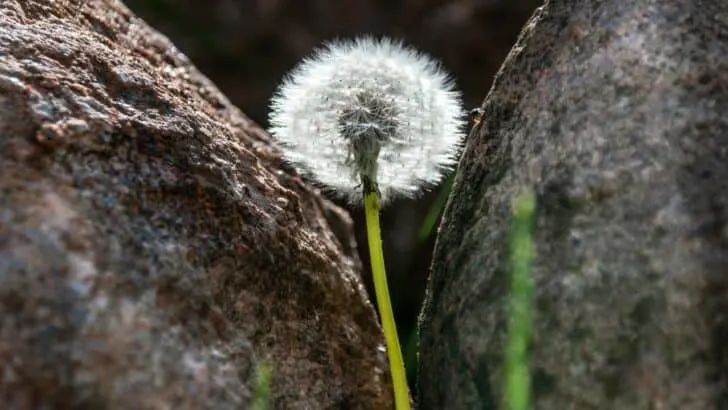
Winter weeds are easier to spot than summer ones, but only if you know what you are looking at. The big mistake is waiting for flowers, by then the plant has already stolen water and nutrients. Let’s learn the quiet clues, like small rosettes hugging the soil, bright green tufts in dormant lawns, and fresh seedlings along warm walkways.
Once you can name them early, you can pull, cover, or treat at the right moment, before spring growth takes off.
1. Chickweed: The Low Mat That Seeds Fast in Cool Beds

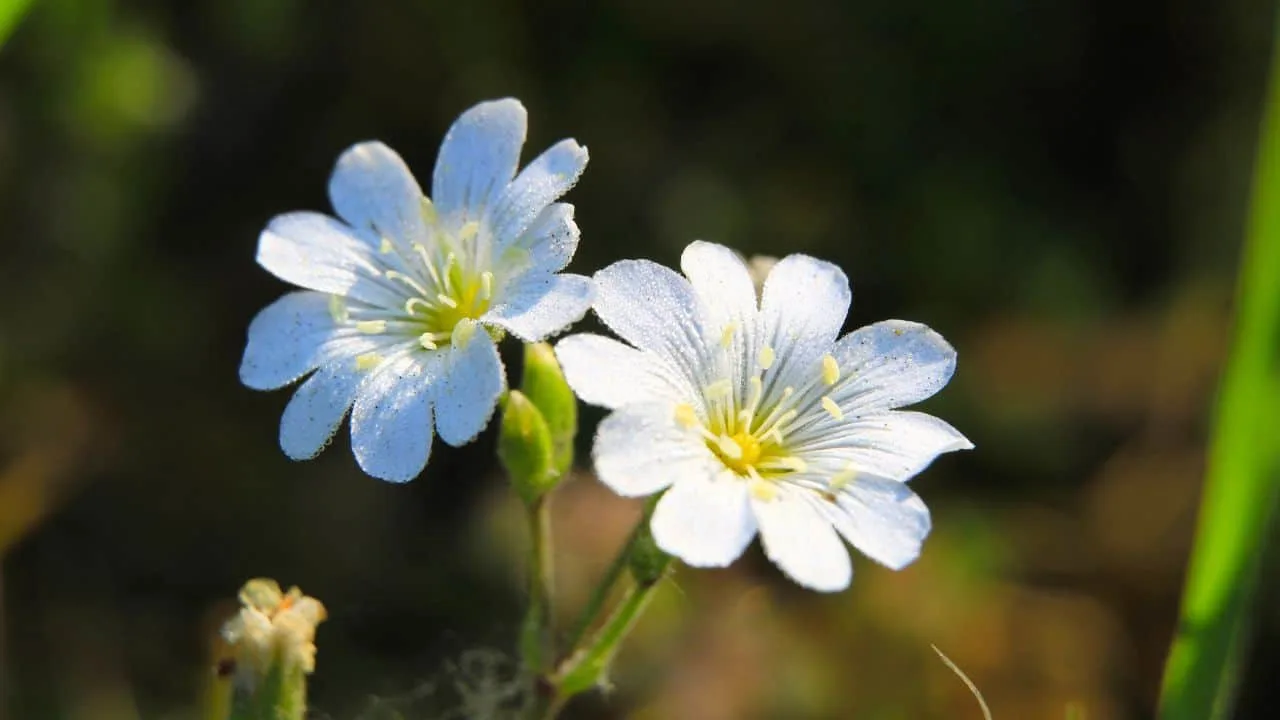
Chickweed forms a soft, bright green mat that hugs the soil in winter and early spring. It can set seed quickly in cool, moist beds.
Look for tiny white, star-shaped flowers and smooth oval leaves that grow in opposite pairs on thin stems. A handy clue is the single line of fine hairs running along one side of the stem. It roots wherever the stems touch the ground, so small patches can spread fast after a few rainy weeks.
Pull it when the soil is damp and lift the whole mat, roots and all. Bag any plants with flowers or seedpods, since broken pieces can reroot and dropped seeds keep the problem going. After clearing, cover bare soil with 2 to 3 inches of mulch or a cardboard layer under mulch to block the next flush.
🧤 Quick Chickweed Triage
- Best timing: Pull right after rain or watering, when the mat lifts in one piece.
- ID shortcut: Check for tiny white star flowers and a single line of fine hairs along one stem side.
- Pulling method: Slide fingers under the mat and lift slowly so you get the shallow roots.
- Bag or compost: Bag anything flowering or setting seed. Only compost it if there are no blooms or pods.
- Stop rerooting: Do not leave pulled stems on damp soil. Even small pieces can reattach.
- Block the comeback: Cover bare spots with 2 to 3 inches of mulch, or use cardboard under mulch for extra shade.
Bonus Tip: If chickweed keeps returning in one bed, switch that spot to a thicker mulch layer for late winter and early spring, then top it up after each weeding.
2. Henbit: The Purple Flowered Winter Annual Hiding in Mulch

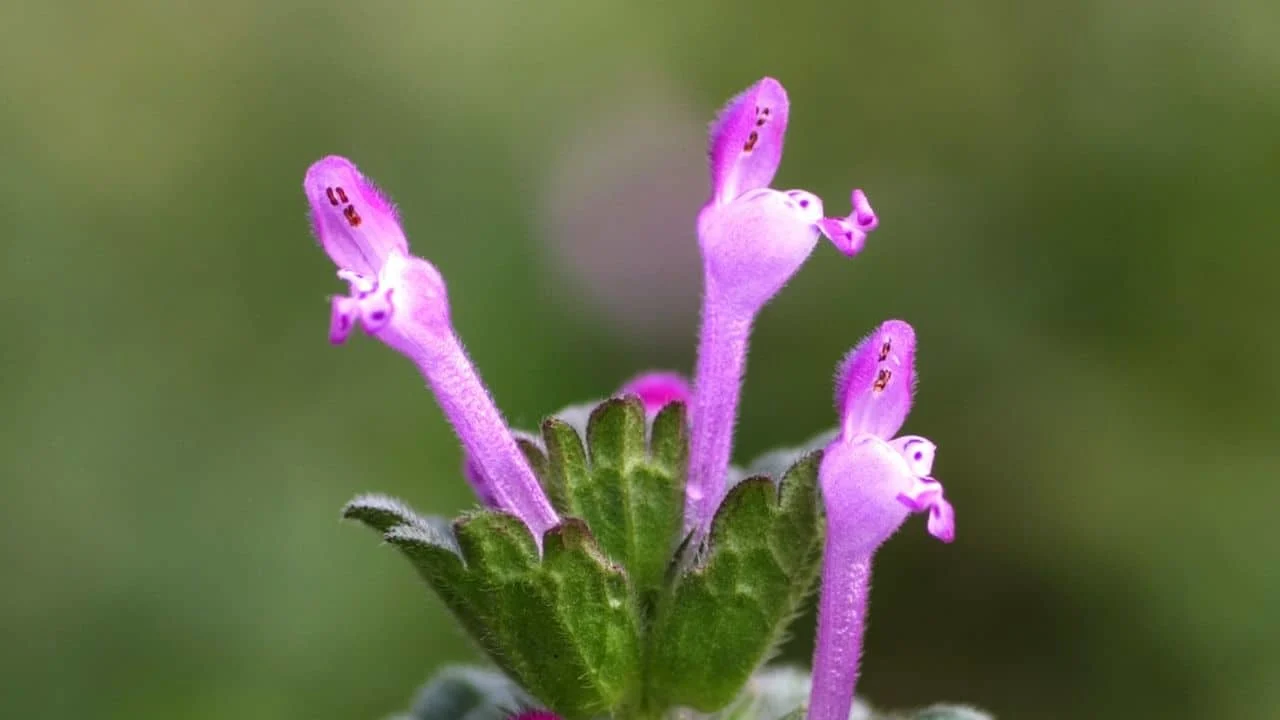
Henbit often pops up in winter as a low, spreading mat right on top of mulch. It has tiny purple, tube-shaped flowers that can appear on mild days.
Look for square stems and rounded leaves that clasp the stem in stacked tiers. It loves disturbed spots, like bed edges, paths, and anywhere mulch was freshly topped off in fall.
Pull it when the soil is damp and try to get the shallow roots before it drops seed. If it keeps returning, rake back thick mulch in problem spots so seedlings cannot root into the moist layer underneath.
🟦 Quick ID and fast removal
- Best clue: Square stems with little purple tubes on top on mild winter days.
- Leaf pattern: Rounded leaves that clasp the stem, stacked like small green collars.
- Where it hides: Bed edges, path cracks, and spots where mulch was added in fall.
- Pulling trick: Tug after rain or watering so the shallow roots slide out in one piece.
- Stop the comeback: Rake mulch back in problem areas so seedlings cannot root into the moist layer.
Bonus Tip: If you miss a patch and it starts flowering, snip the tops and bag them. Then pull the plants before seeds mature.
3. Purple Deadnettle: The Lookalike That Spreads Before Spring

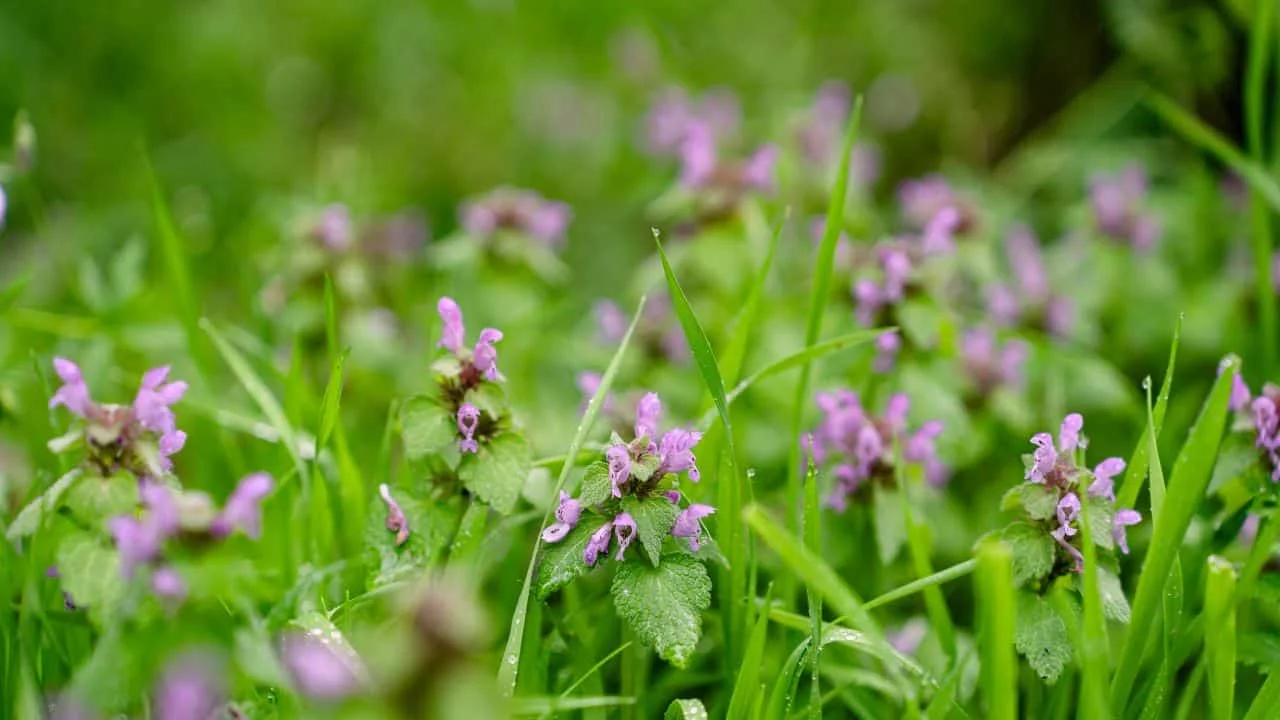
Purple deadnettle pops up fast in late winter, often before you notice anything else growing. It spreads as a low mat, then sends up little purple-tinted tops.
Look for opposite, scalloped leaves and square stems, plus small pink-purple tube flowers near the stem tips. It is easy to confuse with henbit, but deadnettle usually has more triangular leaves and the top leaves can look stacked like a little cone.
Pull it while the soil is damp and the plants are young, since shallow roots come out cleanly with a gentle tug. If patches are large, cut it at ground level before it blooms heavily and drop it in the trash, since it can keep making seed even after you pull it. For beds you are not planting yet, a 2 to 3 inch layer of mulch blocks new seedlings and keeps spring weeding lighter.
🧤 Quick ID and Clean Pull Plan
- Fast ID: Check for a square stem, opposite leaves, and small pink-purple tube flowers near the tips.
- Henbit vs. deadnettle: Deadnettle often has more triangular leaves, plus a stacked, cone-like look at the top.
- Best time to pull: Go right after a damp day, when roots slide out with a gentle tug.
- If it is too widespread: Snip at ground level before heavy bloom, then bag and trash it.
- Seed warning: Do not compost it, since it can still set seed after pulling.
Bonus Tip: If you keep spotting it in the same bed every late winter, top up mulch to 2 to 3 inches and avoid disturbing the soil until planting time.
4. Hairy Bittercress: The Tiny Rosette That Pops Seeds Everywhere

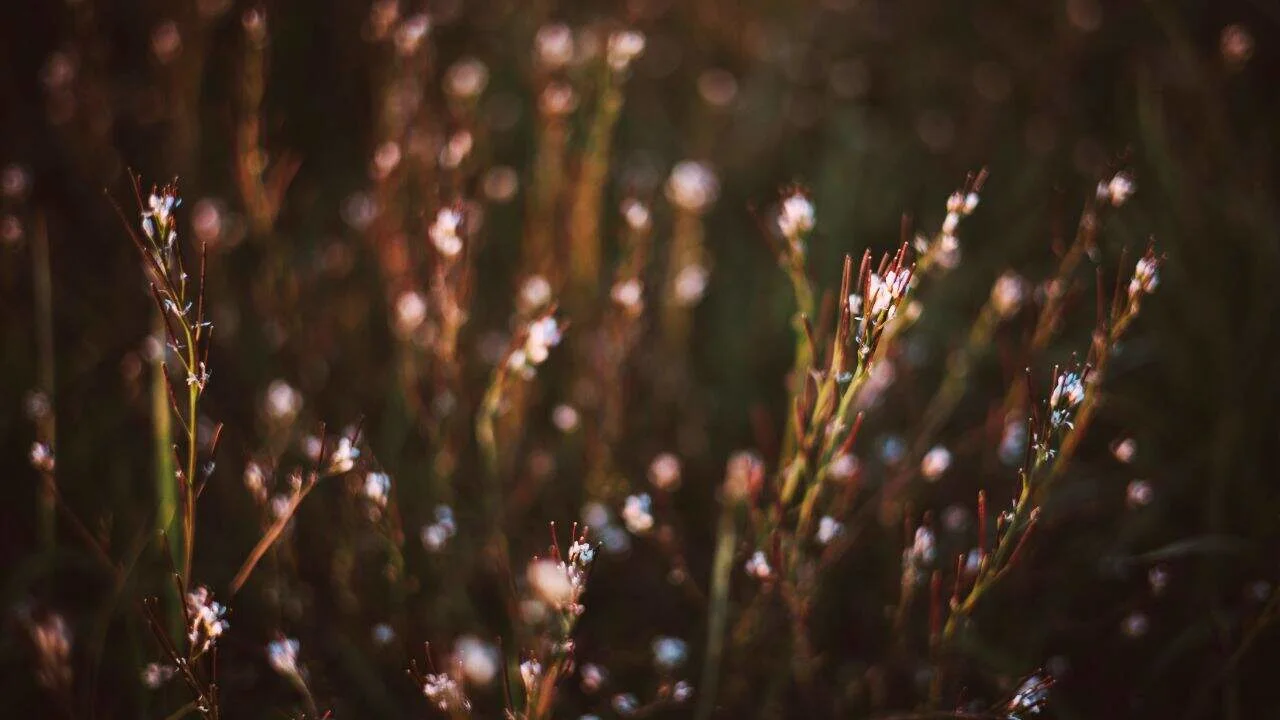
Hairy bittercress forms a low, flat rosette that hugs the soil in late winter. It is easy to miss until it sends up thin stalks.
Those stalks carry tiny white flowers, then narrow pods that burst and fling seeds when touched. If you spot it, pull it early while the rosette is small and the soil is damp. Grab at the base and lift the whole shallow root.
Bag and trash any plants with seed pods, since pods can pop even after pulling. For prevention, top up mulch to about 2 to 3 inches in bare beds to block new seedlings.
🔎 Catch it before it snaps
- Best timing: Pull on a damp late winter or early spring morning, when the soil lets go easily.
- What to look for: A tiny, flat rosette with small leaflets, often tucked along bed edges and cracks.
- Handle gently: Avoid brushing the stems, since the pods can pop and scatter seeds fast.
- Bag it right: If you see pods, slip a bag over the plant first, then pull and tie it shut.
- Block the next wave: Refresh mulch to about 2 to 3 inches on bare soil to smother new seedlings.
Bonus Tip: If you missed a few and they already popped, lightly scrape the top half inch of soil in that spot and trash it, then remulch.
5. Annual Bluegrass: The Lawn Weed That Loves Cold, Damp Soil
Annual bluegrass (Poa annua) pops up in winter as pale green, soft clumps in the lawn. It thrives in cool, damp soil and shows up fast in thin spots.
Look for a lighter color than your turf and a “boat-shaped” leaf tip that looks slightly folded. The giveaway is early seedheads that can appear even in cool weather, which makes patches look fuzzy or speckled.
Hand-pull small clumps after rain when the soil is soft, and try to get the shallow roots in one tug. Reduce the conditions it loves by watering less in winter, improving drainage, and mowing a bit higher so your grass shades the soil. If it is widespread, a fall pre-emergent timed for winter annuals is usually the most effective long-term fix, and a quick soil test can help you avoid overfeeding it with excess nitrogen.
🧭 Fast ID and smart next steps
- Quick ID: Look for pale green, soft clumps that stand out from your usual turf color.
- Leaf tip clue: Check for a “boat-shaped” tip that looks slightly folded at the end.
- Signature giveaway: Early seedheads can show up in cool weather and make patches look fuzzy or speckled.
- Best time to pull: After rain, tug slowly and try to lift the shallow roots in one pull.
- Make it less welcome: Water less in winter, improve drainage, and mow a bit higher to shade the soil.
Bonus Tip: If it keeps returning, plan a fall pre-emergent aimed at winter annuals, and use a soil test to avoid extra nitrogen that can feed it.
6. Common Groundsel: The Quick Daisy Weed That Keeps Blooming

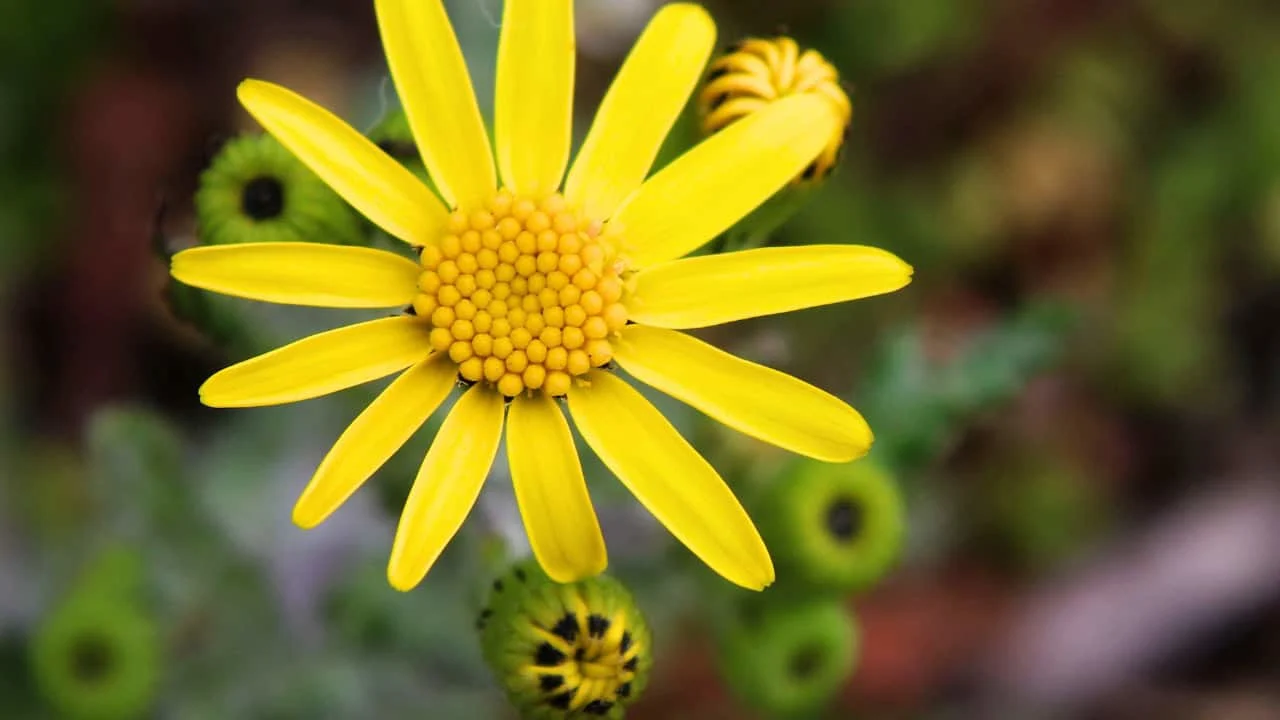
Common groundsel pops up fast in winter beds, especially in mild spells. It looks like a tiny, scruffy daisy with small yellow flowers.
Look for deeply lobed leaves on soft stems, and clusters of buds that open and close quickly. The real giveaway is the seed head, a little white puff that forms soon after flowering.
Pull it early, because one plant can drop a lot of seed in a short time. Grab it at the base and remove the roots, then bag any flowering tops so seeds do not shake loose in the garden.
💡 Spot it fast, stop the fluff
- Fast ID check: Small yellow “daisy” blooms, then a white puffball seed head soon after.
- Best time to pull: When you see buds or the first open flowers. Waiting even a week can mean seeds.
- How to remove: Pinch low, hold the soil steady, and pull straight up to get the shallow roots.
- Seed control: Bag flowering tops right away so they do not shake seed as you walk.
- Aftercare: Smooth the soil and cover bare spots with mulch to block the next round of seedlings.
Bonus Tip: If the soil is dry, water lightly first. Damp soil lets the roots slide out cleanly.
7. Shepherd’s Purse: The Heart Pod Weed in Paths and Edges
Shepherd’s purse is a winter annual that hugs the ground in paths, along edging, and in sidewalk cracks. Its tiny seedpods look like little hearts on thin stems.
Look for a low rosette of deeply lobed leaves first. Then you will notice the airy flower stalks with small white blooms and those heart pods that rattle when dry.
Pull it after a light rain, when the taproot slips out cleanly. If it is already setting pods, bag it as you weed so the seeds do not drop into the gravel or bed edge.
🔎 Quick ID and clean removal
- Best clue: Heart-shaped seedpods hanging on thin stems, especially in winter and early spring.
- Where it hides: Gravel paths, sidewalk cracks, and the tight edge where mulch meets hardscape.
- Pulling trick: Weed after a light rain so the taproot slides out in one piece.
- Seed control: If pods are forming, pull into a bag right away so seeds do not scatter as you carry it.
- Tool that helps: A narrow weeding knife works well in cracks where your fingers cannot get under the rosette.
Bonus Tip: After you pull, top up the edge with a thin layer of mulch or fresh gravel. It blocks light and slows the next round of seedlings.
8. Field Pennycress: The Garlic Scented Invader in Vegetable Beds
Field pennycress often shows up in late winter as a low rosette with rounded, bluish green leaves. When you crush the leaves, you may notice a sharp, garlic-like smell.
It is an early bolter, and it can shoot up fast as days warm. The easiest giveaway later is the flat, coin-shaped seedpods (often called “pennies”) that line the stem.
Pull it now while the soil is damp, and aim to remove the whole taproot. Do not let it set seed, because those “coins” can drop plenty of seed right into your vegetable bed.
🧄 Pennycress Proofing Your Bed
- Fast ID: Crush a leaf. That sharp garlic smell is a strong clue.
- Where it hides: Check bed edges, paths, and spots under row covers where winter annuals get a head start.
- Pulling trick: Water first or pull after rain. A damp soil lets you slide out more of the taproot.
- Seed warning: If you see any flat “coins,” bag the plant before you move it. Pods can shatter and spill seed.
- Aftercare: Smooth the soil and press it down lightly. This helps prevent new seedlings from rooting in loose cracks.
Bonus Tip: For a clean reset, cover the area with cardboard plus 2 to 3 inches of compost. It blocks new pennycress sprouts while you plant around it.
9. Dandelion: Winter Rosettes and Why Digging Usually Fails

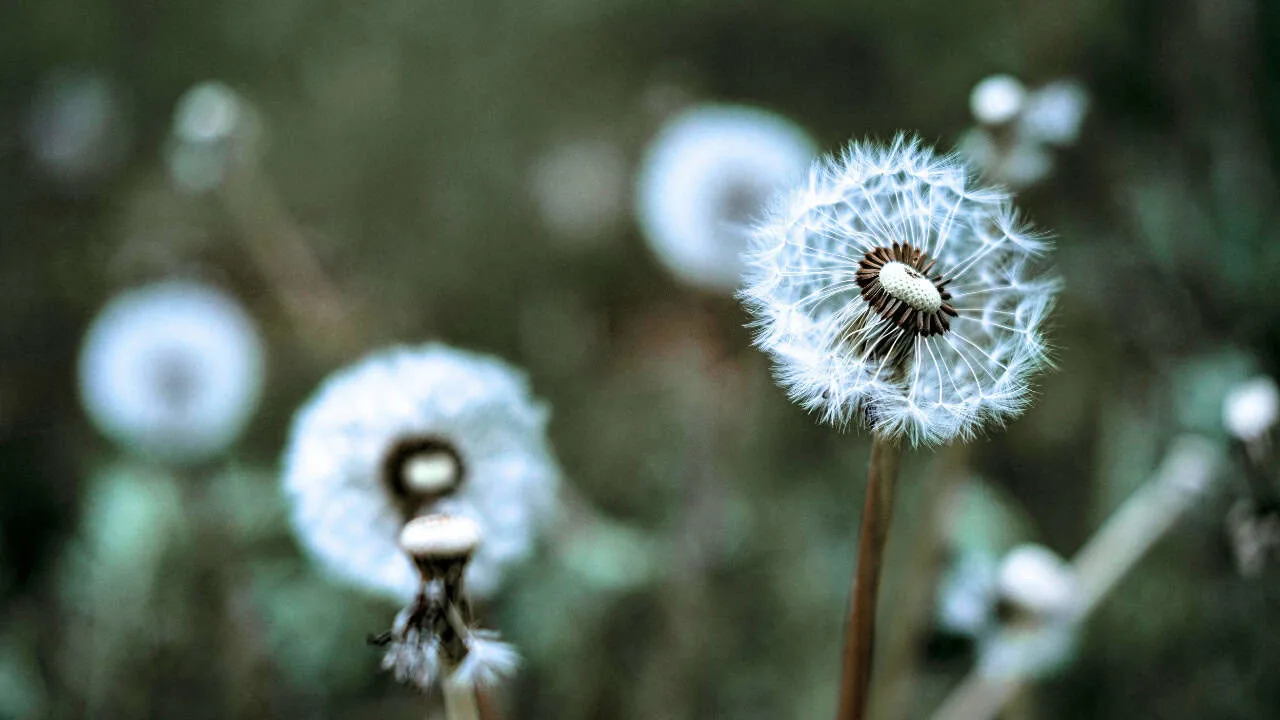
Dandelions often sit through winter as a low, flat rosette of leaves hugging the soil. They stay green in mild spells and keep the taproot alive.
That rosette is your clue, especially in open beds and along edges where soil stayed warmer. Digging usually fails because the taproot snaps, and even a small piece left behind can regrow.
If you do dig, wait for a thaw when the soil is moist, then use a narrow dandelion fork to follow the root straight down. Aim to remove at least 4 to 6 inches of root, and tug slowly to avoid breaking it.
🟦 Read the Rosette Like a Map
- Best timing: Wait for a thaw when the soil is damp, not frozen or bone dry.
- Tool choice: Use a narrow dandelion fork or hori hori so you can follow the root straight down.
- Where to start: Slip the tool just outside the rosette edge, then angle inward under the crown.
- Dig depth goal: Try for at least 4 to 6 inches of taproot. More is better in loose soil.
- Common mistake: Pulling fast snaps the taproot. Go slow and keep loosening as you lift.
Bonus Tip: If the root breaks, scratch away any leftover crown tissue and cover the spot with a couple inches of mulch to block quick regrowth.
10. Broadleaf Plantain: The Flat Rosette That Compacts Soil Further

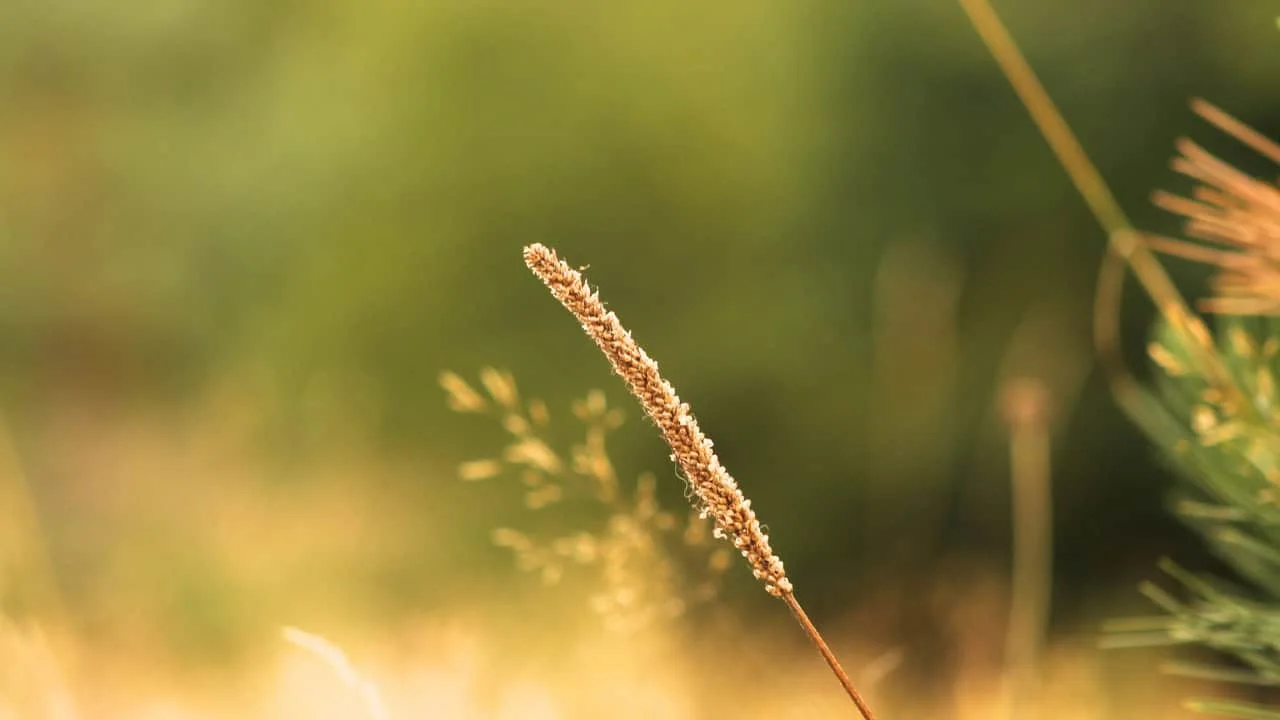
Broadleaf plantain hugs the ground in a flat rosette, with wide oval leaves and strong parallel veins. It thrives where soil is already hard, like paths, play areas, and compacted lawn edges.
In winter, the rosette stays low and easy to miss until you notice it “plates” the surface and sheds water. That leaf mat blocks light and slows grass recovery, which can keep the spot bare and tight.
Pull plants after a rain or watering, then pry out the thick central taproot with a dandelion fork. Fill the hole with compost, then top-dress with a thin layer of compost and overseed once conditions warm, because loosening the soil is what breaks the cycle.
🧤 Taproot Tactics for Hard Ground
- Best timing: Pull right after rain or a deep watering, when the soil releases the taproot.
- What to grab: Hold the plant at the crown, then lift slowly so the rosette does not tear off.
- Tool trick: Slide a dandelion fork beside the crown, then pry up to pop out the thick center root.
- Fix the hole: Backfill with compost so the spot stays crumbly instead of closing back into a hard plug.
- Stop the comeback: Top-dress lightly with compost, then overseed when nights are milder so grass shades any seedlings.
Bonus Tip: If you keep seeing plantain in the same lane of lawn, redirect foot traffic with stepping stones or a mulch strip so the soil can finally loosen.
Make a 10 minute winter weed walk your new habit
Pick one mild day this month and do a slow walk through beds, paths, and lawn edges with a phone and a small hand fork. Look for low rosettes, tiny mats, and those first purple blooms in mulch, then pull young plants before they set seed. If the soil is wet, stay off the lawn, flag patches of annual bluegrass and broadleaf plantain, and plan a spring fix for drainage and compaction.
Keep a small bucket by the door and toss weeds in it as you spot them, because a little now saves a lot later.
Frequently Asked Questions About Winter Weeds to Spot First, What Most Gardeners Miss
1. Which winter weeds should I pull right away and which can wait?
Pull any weeds that are about to flower or set seed, like henbit, purple deadnettle, chickweed, and hairy bittercress. Also pull young rosettes now, like dandelion and wild mustard, because they get tougher fast. You can usually wait on small patches in beds you will soon mulch, as long as they are not blooming.
2. What is the safest weed killer to use in winter around vegetables?
Spot treat with a nonselective product labeled for vegetable gardens, and aim for glyphosate on a calm, dry day since it has little soil activity. Keep spray off your crops and avoid treating frozen leaves because uptake is poor. For tiny seedlings, boiling water or a hoe is often safer and just as effective.
3. How do I stop winter weeds from coming back next year?
Do not let them go to seed, and mulch beds 2 to 3 inches deep after weeding. In lawns, thicken turf with overseeding and proper mowing height so sunlight cannot reach bare soil. Fix drainage and compaction, since stressed areas invite winter annuals.
4. Can I compost winter weeds I pulled, or will they reseed?
Compost is fine for weeds with no flowers or seed heads, especially if your pile heats up well. If you see blooms, seed pods, or fluffy seeds, bag them for trash instead. When in doubt, keep them out of compost.
5. Why do winter weeds show up more in thin lawns and bare spots?
Bare soil gives winter weed seeds light and space to germinate. Thin grass also means less root competition, so weeds establish quickly during cool, wet weather. Improving turf density is the best long term fix.
6. Is pre emergent worth it for winter weeds, and when should I apply it?
Yes, it can help with winter annuals, but timing is everything. Apply before seeds germinate, which is usually in early fall when nights cool, not in midwinter after weeds are already up. In late winter, focus on hand pulling and post emergent spot treatments.
7. How do I tell henbit from purple deadnettle in my yard?
Purple deadnettle has more triangular leaves with a fuzzy look and a tight purple top cluster. Henbit leaves are rounder with deeper scallops, and they wrap the stem on little stalks. Both have square stems and pink purple flowers, so leaf shape is the easiest clue.
8. What tools make removing winter weed rosettes easier on my hands and back?
A long handled stand up weeder lets you pull rosettes without bending much. A dandelion fork or hori hori knife works well for prying out taproots in beds. Add a kneeling pad and cushioned gloves to reduce pressure on knees and joints.


Daniel has been a plant enthusiast for over 20 years. He owns hundreds of houseplants and prepares for the chili growing seasons yearly with great anticipation. His favorite plants are plant species in the Araceae family, such as Monstera, Philodendron, and Anthurium. He also loves gardening and is growing hot peppers, tomatoes, and many more vegetables.