
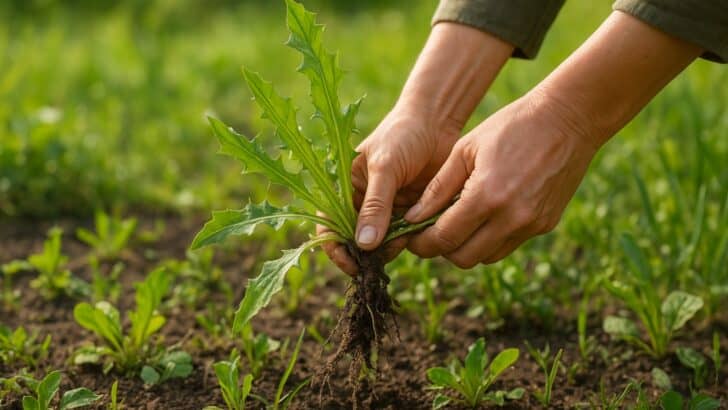
Weeds are the bane of many a gardener’s existence. You see them, you pull them. But are you ripping out a secret ally? Some weeds may actually help more than they hurt. Let’s explore which ones deserve a second chance.
Key Takeaways
- 🌼 Dandelions: Use the entire plant for food and soil enhancement.
- 🌿 Clover: Improves nitrogen levels, helping nearby plants.
- 🌾 Chickweed: Acts as ground cover and is edible.
- 🌱 Stinging Nettles: Boosts soil and can be a natural fertilizer.
- 🍃 Burdock: Offers medicinal benefits and improves soil.
- 🍀 Broadleaf Plantain: Provides natural mulch and soil health.
1. Dandelions: More Than Just a Pesky Flower

Dandelions are often the first flowers we think of when it comes to weeds. But don’t rush to yank them out. These yellow blooms are more than just a nuisance.
Every part of the dandelion is edible, from the flowers to the roots. The leaves can be tossed into salads or brewed into tea. The roots? Roast them for a coffee substitute. Dandelions also help aerate the soil and bring up nutrients from deep down.
🔄 Tip: Let them flower before you decide to pull them. They can enhance your garden’s biodiversity.
2. Clover: Nitrogen Boost for Your Soil
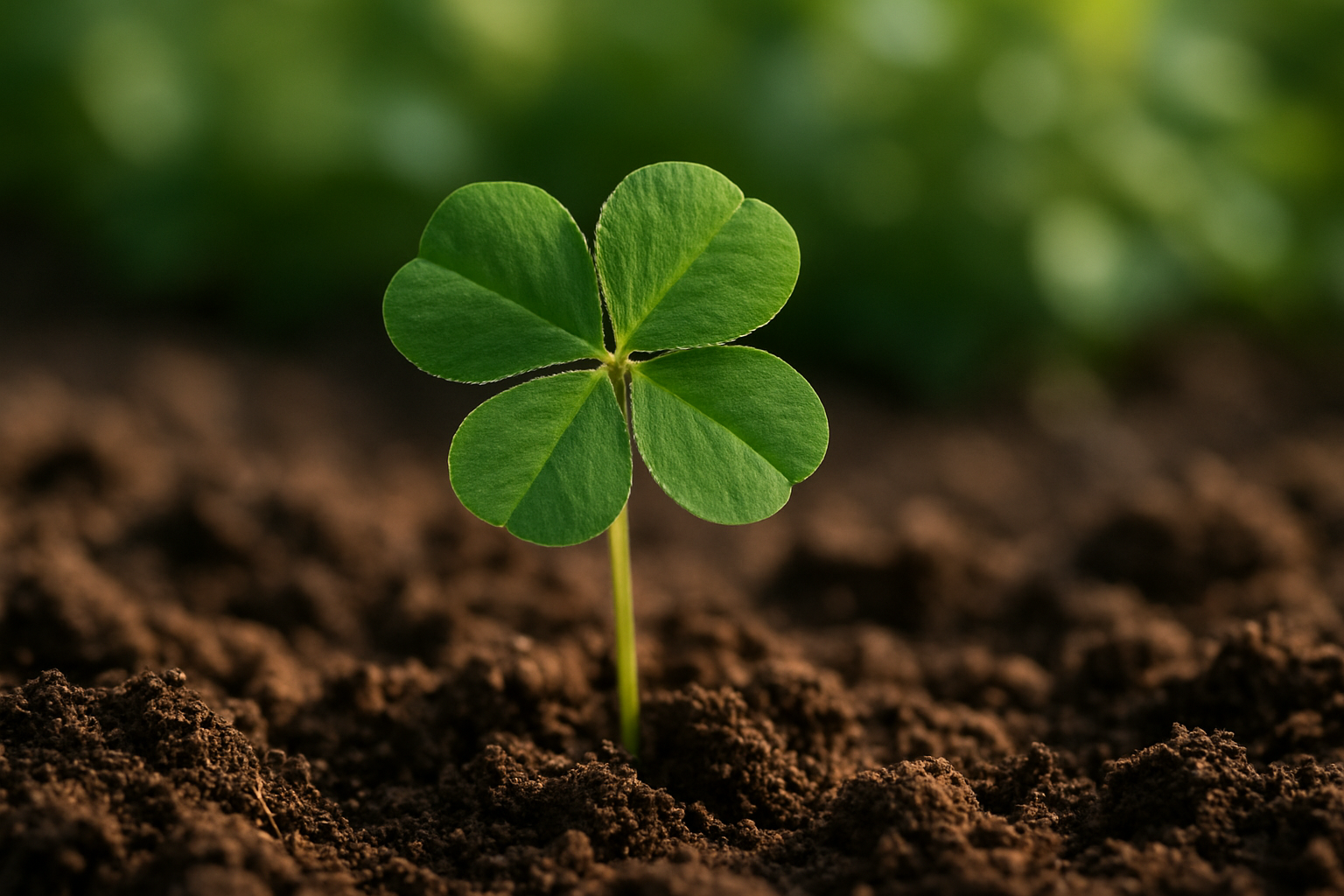
Clover isn’t just for good luck. It’s a natural nitrogen fixer, which means it helps enrich the soil. Clover improves the health of surrounding plants by boosting nitrogen levels naturally.
Instead of pulling clover, consider letting it cohabit with your grass. It’s drought-resistant and stays green longer than regular grass.
🌿 Tip: Mix clover seeds with your lawn grass for a lush, green yard with less need for fertilization.
3. Chickweed: Edible Ground Cover
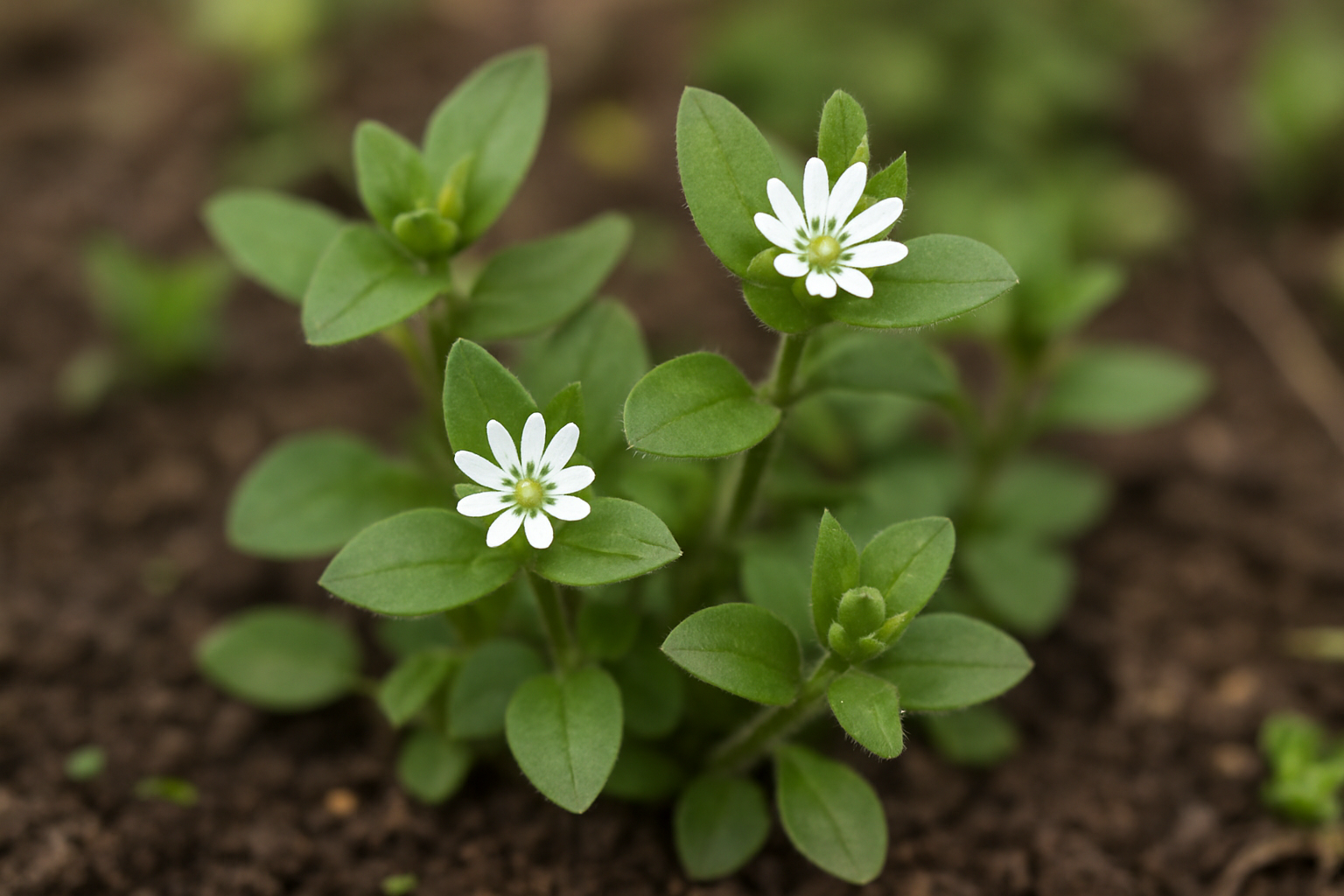
Chickweed may seem like a garden invader, but it offers benefits as both food and ground cover. This weed is edible and packed with nutrients.
Use it fresh in salads or cook it like spinach. It also protects soil from erosion and retains moisture, especially in USDA zones 3-9.
🍽️ Tip: Harvest chickweed before it flowers for the best taste and texture.
4. Stinging Nettles: A Natural Fertilizer
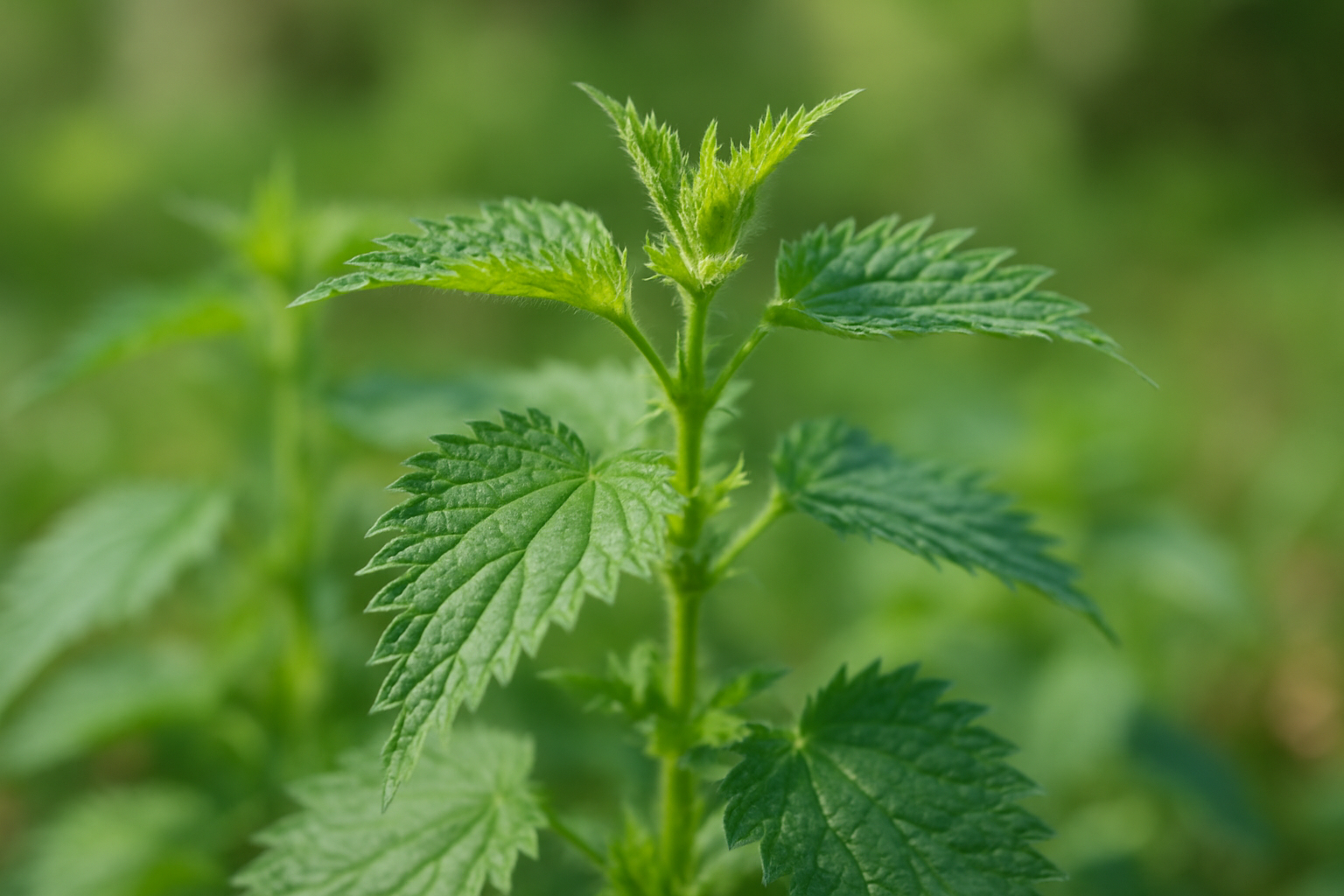
Stinging nettles might make you wary with their painful sting, but they’re a powerhouse for your garden. They’re full of nutrients and make an excellent natural fertilizer.
Soak them in water to create a nutrient-rich ‘tea’ for your plants. Nettles also attract beneficial insects.
🛠️ Tip: Wear gloves when handling nettles and use them to enrich compost piles.
5. Burdock: Medicinal Uses and Soil Improvement
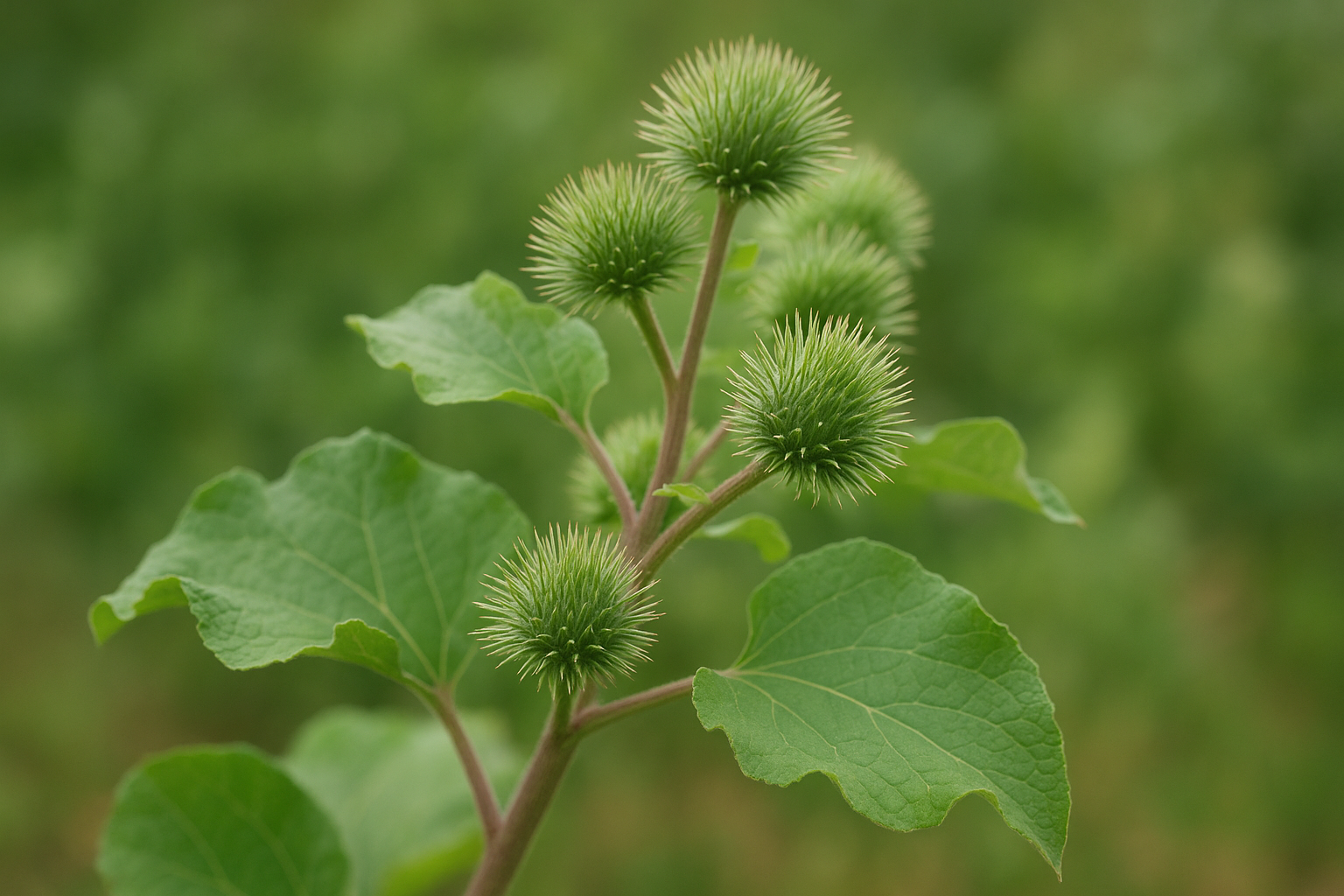
Burdock is often seen as a nuisance with its prickly burs. But it’s valued for its medicinal properties, and its long roots can improve soil structure.
The roots can be used in teas and skin treatments. Burdock’s deep roots also help to aerate the soil.
🌿 Tip: Encourage burdock growth in tough soil areas to naturally break up compaction.
6. Broadleaf Plantain: Natural Mulch Creator
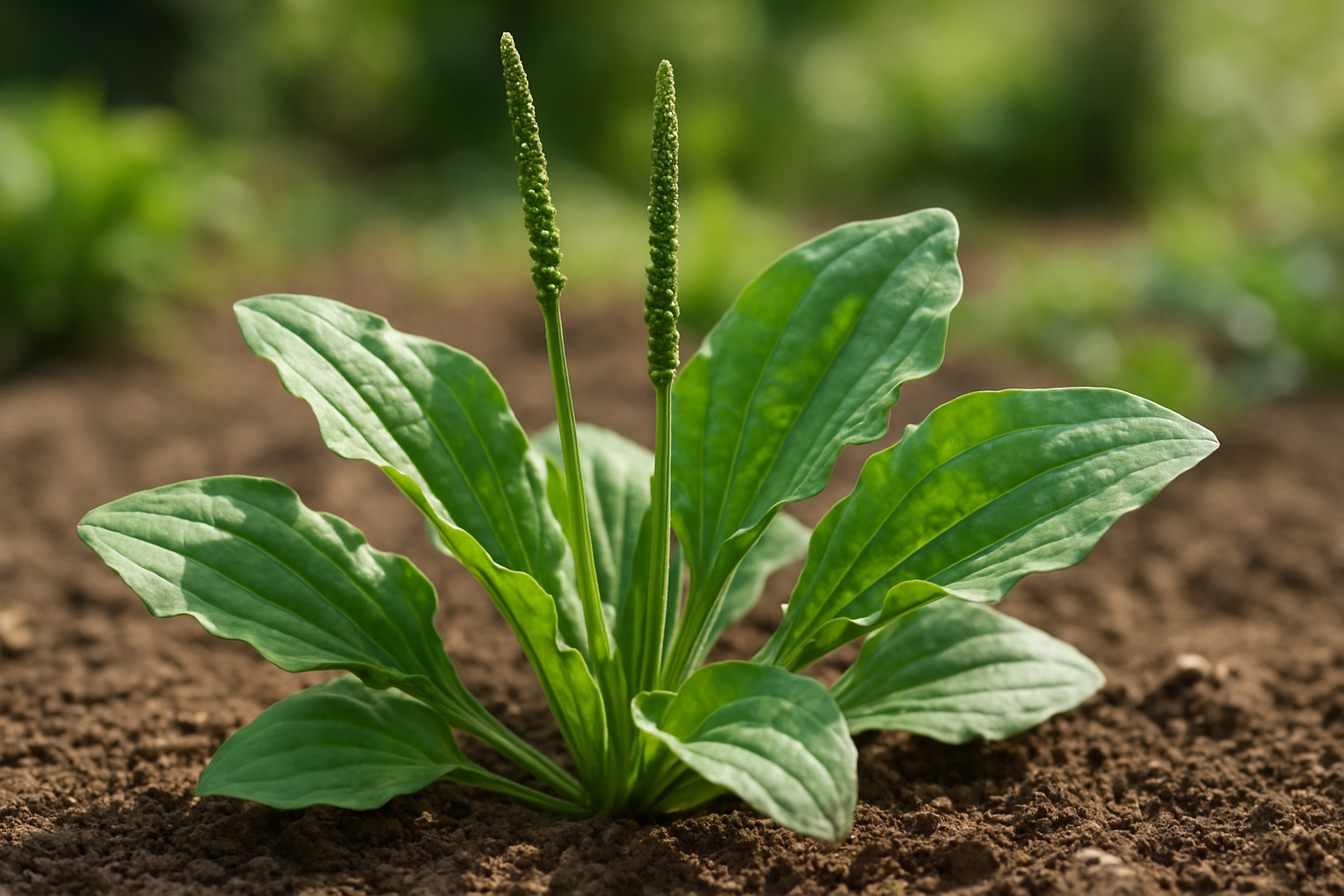
Broadleaf plantain is more than just a weed. It provides medicinal benefits and when left to decompose, it acts as a natural mulch, enriching the soil.
It’s a hardy plant that thrives in compacted soil, making it a good choice for areas that need soil improvement.
🌀 Tip: Trim the leaves monthly and let them decompose on the soil to build healthy, rich earth.


Daniel has been a plant enthusiast for over 20 years. He owns hundreds of houseplants and prepares for the chili growing seasons yearly with great anticipation. His favorite plants are plant species in the Araceae family, such as Monstera, Philodendron, and Anthurium. He also loves gardening and is growing hot peppers, tomatoes, and many more vegetables.