
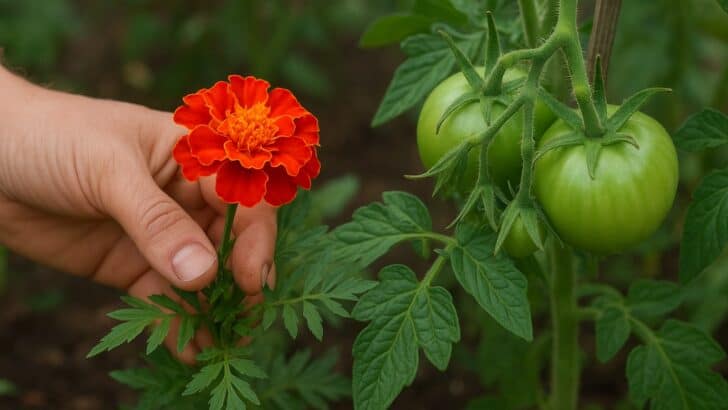
Mixing marigolds with your tomatoes sounds like a dream team, right? Many gardeners swear by this classic combo, but it can lead to some unexpected issues. If you’re finding that your tomato and marigold pairing isn’t living up to the hype, you’re not alone. Here’s why I stopped planting marigolds with my tomatoes and what you can do instead.
Key Takeaways
- 🌼 Marigold Competition: Marigolds can compete with tomatoes for nutrients.
- 🚫 Pest Conflicts: Not all pests are deterred by marigolds; some are even attracted.
- 🌱 Allelopathy: Certain marigolds release chemicals that affect tomato growth.
- 💧 Watering Needs: Different water needs can lead to issues.
- 🌿 Shade Problems: Marigolds can shade out young tomato plants.
- 📏 Plant Spacing: Crowding can stunt both marigolds and tomatoes.
- 🦠 Disease Transfer: Some diseases can spread between these plants.
- 🚜 Maintenance Hassles: High maintenance can outweigh the benefits.
- 🔥 Heat Stress: Marigolds can increase soil temperature around tomatoes.
- 💡 Alternative Companions: Other plants might work better with tomatoes.
1. Marigold Competition: Nutrient Rivalry

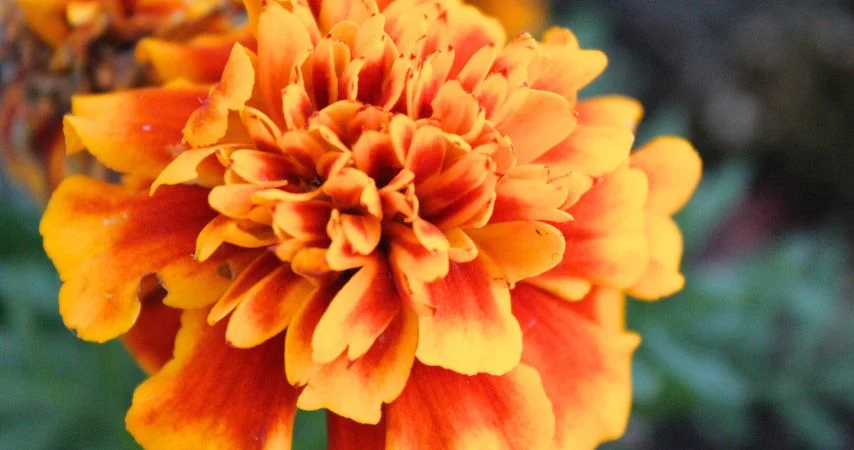
Marigolds can be fierce competitors when it comes to nutrients. They have an extensive root system that can hog the nutrients your tomatoes need. If your tomatoes are looking pale or stunted, your marigolds might be the cause.
To fix this, give each plant its own space. Plant marigolds at least 12 inches away from tomatoes. This distance helps both plants access the nutrients and water they need without stepping on each other’s toes.
🔴 Quick tip: Use a soil test kit to check if your tomatoes are getting enough nutrients.
2. Pest Conflicts: Marigolds Aren’t Universal Pest Deterrents
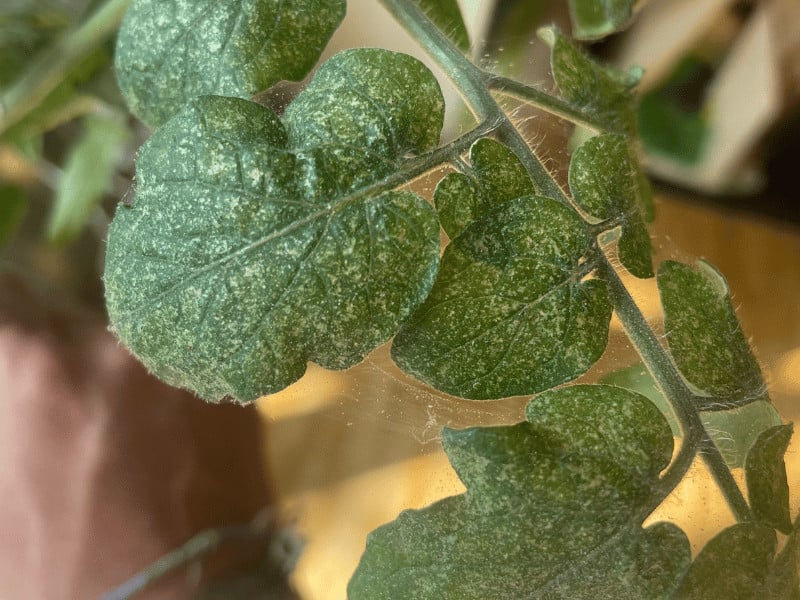
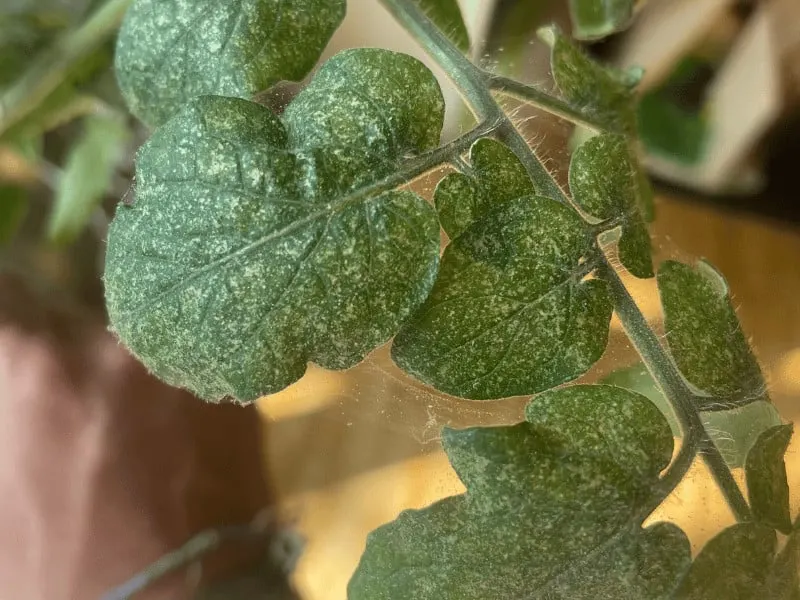
Brown spots caused by spider mites on Tomato leaves
While marigolds are famed for repelling nematodes, they don’t deter all garden pests. Some pests, like spider mites, actually love marigolds. If you’re noticing more pests than usual, they might be the unintended consequence of your marigold-tomato pairing.
Consider planting marigolds as a border away from your tomatoes. This can help control pests without attracting more to your tomatoes.
3. Allelopathy: Chemical Warfare
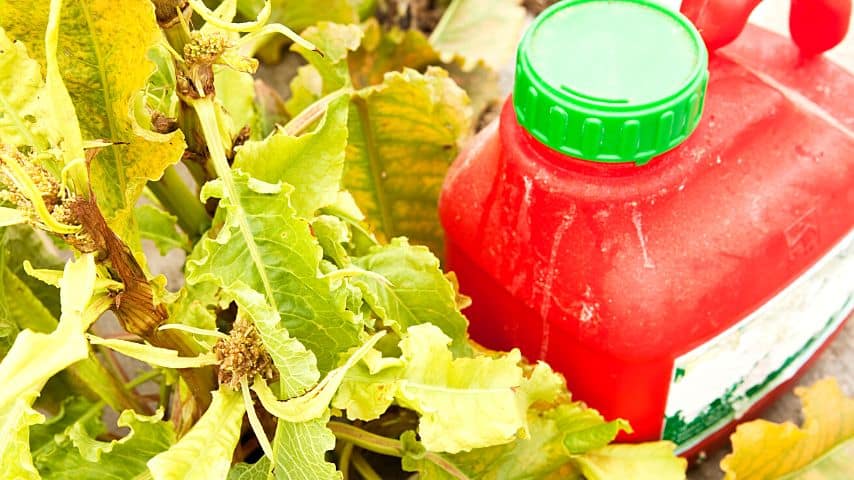

Certain marigold varieties release chemicals into the soil that can inhibit the growth of nearby plants, including tomatoes. If your tomatoes are struggling, allelopathy might be the culprit.
Choose non-allelopathic marigold varieties like ‘Tangerine Gem’ or keep them at least 18 inches away from your tomatoes.
4. Watering Needs: Mismatched Requirements

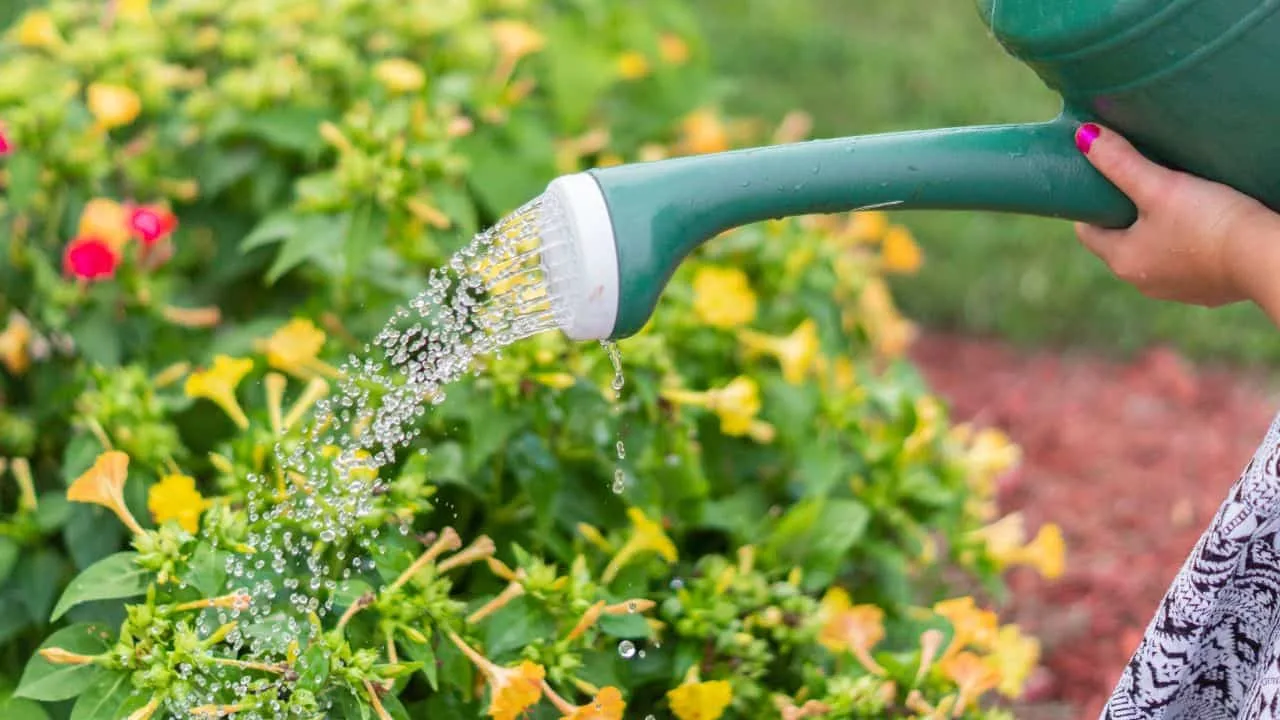
Tomatoes and marigolds have different water needs. Tomatoes prefer consistent moisture, while marigolds thrive in drier conditions. This mismatch can lead to overwatering or underwatering issues.
Water your tomato plants when the top 2 inches of soil are dry, and check marigolds separately. Grouping plants with similar water needs can simplify your routine.
5. Shade Problems: Overshadowing Potential


Marigolds can grow bushy and tall, potentially shading out young tomato plants. This can stunt tomato growth, leading to fewer fruits.
Keep marigolds on the north side of tomato plants, allowing the sunlight to reach the tomatoes more effectively.
6. Plant Spacing: Crowding Concerns


Both marigolds and tomatoes need room to breathe. Planting them too close together can lead to reduced airflow, increasing the risk of fungal diseases.
Ensure at least 24 inches between tomato plants and their marigold companions to promote healthy air circulation.
7. Disease Transfer: Shared Vulnerabilities

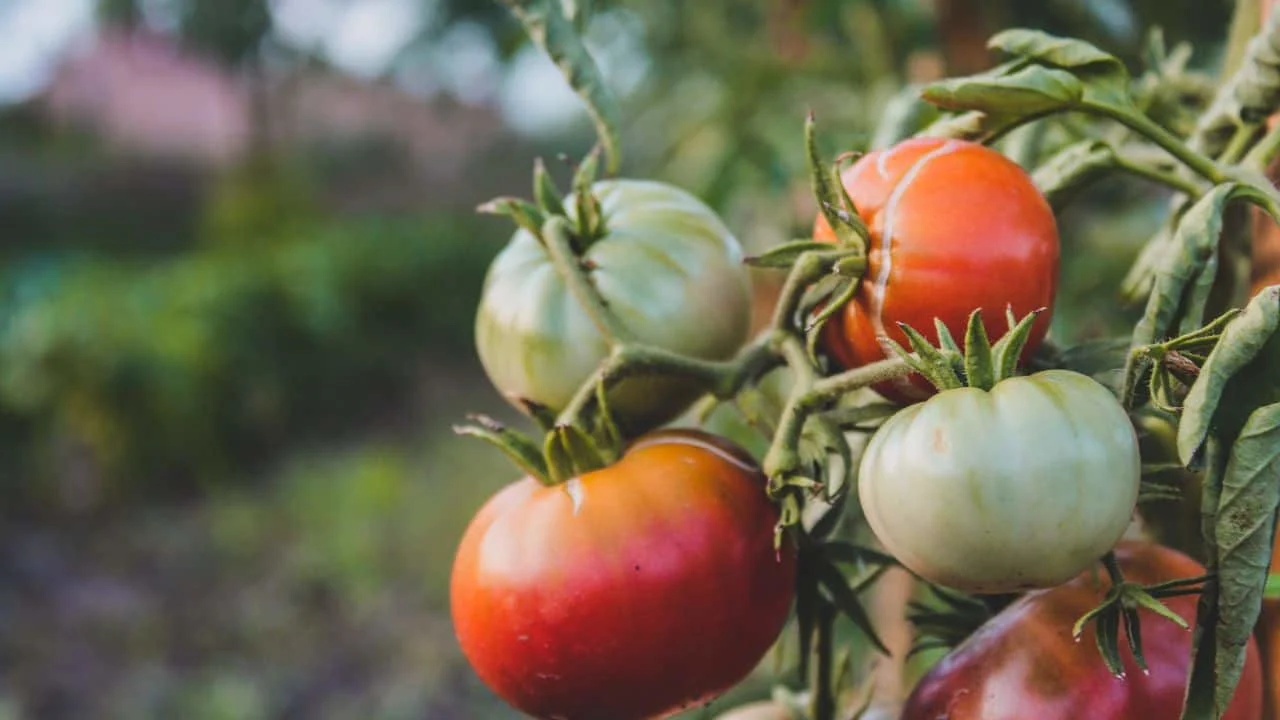
Some diseases, like blights, can spread between marigolds and tomatoes. Close planting can facilitate this transfer, compounding disease issues.
Rotate your planting locations each year and maintain a clean garden to minimize disease risks.
8. Maintenance Hassles: More Trouble Than It’s Worth
The maintenance required to manage these two plants together can outweigh the benefits. From watering to pest control, it often becomes a juggling act.
If you’re looking to simplify your garden routine, consider separating these plants or using mulch to manage weeds and moisture levels.
9. Heat Stress: Soil Temperature Concerns
Marigolds can increase soil temperatures, which might stress out your tomatoes during hot summer days. This can lead to wilting or blossom drop.
Use mulch to keep soil temperatures stable and monitor for heat stress in zones 8-9.
10. Alternative Companions: Better Tomato Partners

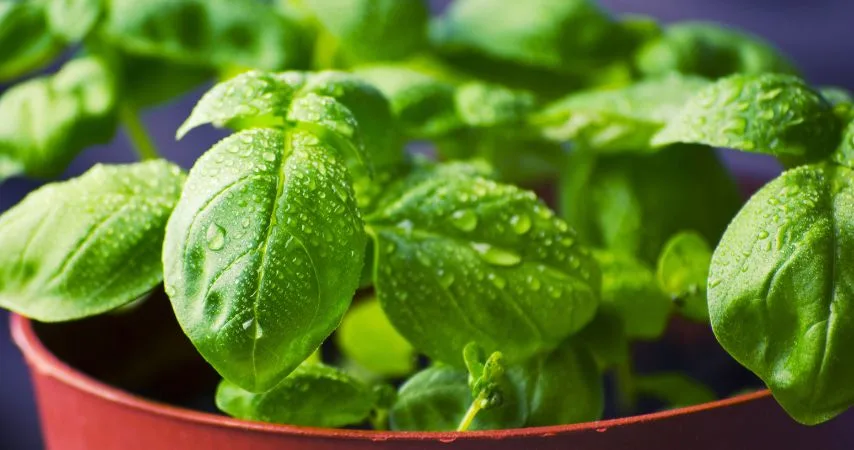
Consider other companion plants like basil or borage, which provide benefits without the downsides. Basil can enhance tomato flavor, while borage attracts pollinators.
By pairing tomatoes with these alternatives, you might find a more harmonious and productive garden setup.


Daniel has been a plant enthusiast for over 20 years. He owns hundreds of houseplants and prepares for the chili growing seasons yearly with great anticipation. His favorite plants are plant species in the Araceae family, such as Monstera, Philodendron, and Anthurium. He also loves gardening and is growing hot peppers, tomatoes, and many more vegetables.