

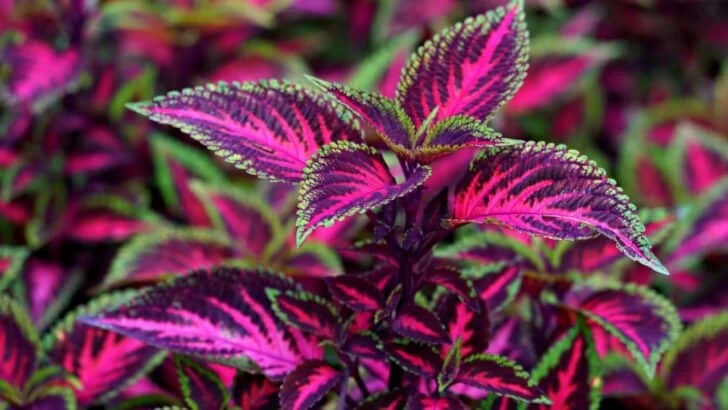
September looks like the end of the show, but it is secretly the start of next year’s garden if you take cuttings now. Snip a few stems today and you are planting the future for free.
From herbs like basil and rosemary to shrubs like hydrangea and lavender, many plants root quickly in early fall. You get clones of the plants you already love and a head start on spring.
In this guide we will cover 11 of the best choices and include zone tips, so you know whether to root them outdoors or start them indoors where nights get cold.
1. Hydrangeas

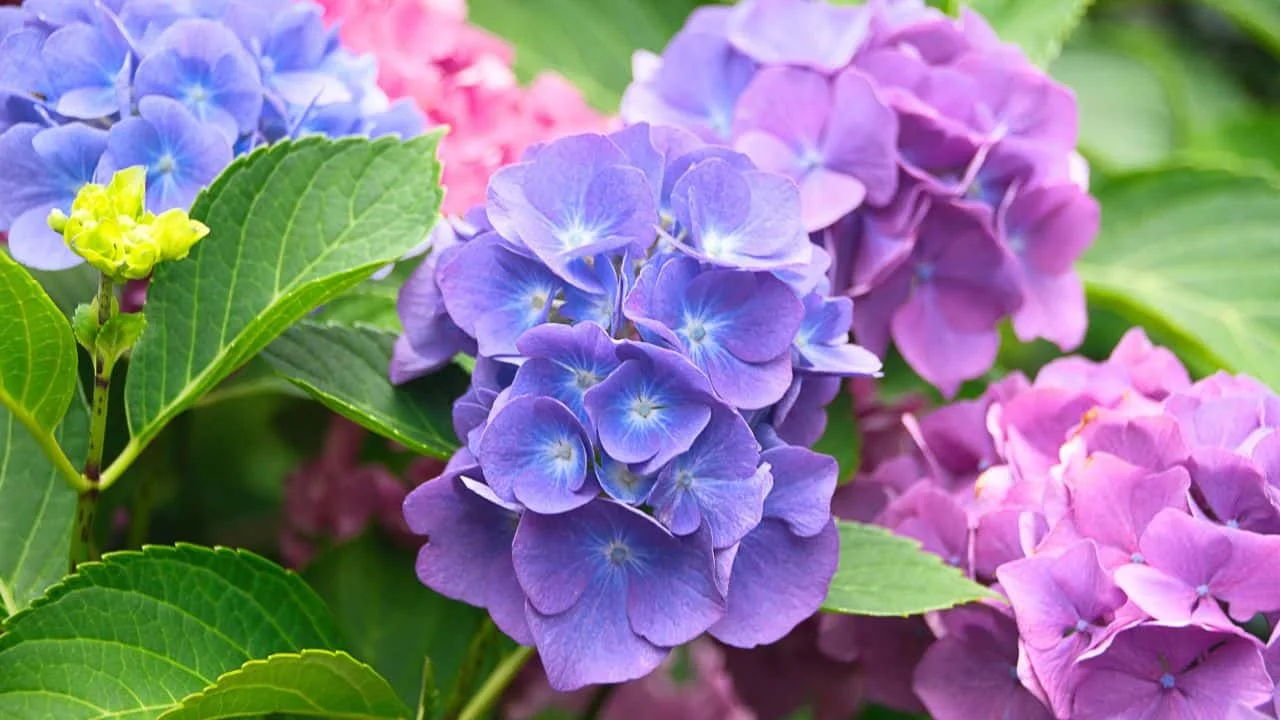
Hydrangeas may look like big, fussy shrubs, but they are surprisingly easy to clone. The trick is to snip non-flowering stems about 4–6 inches long. These stems still have plenty of energy for rooting rather than wasting it on blooms. Remove the lower leaves, dip the cut end in rooting hormone if you have it, and plant them in moist soil or perlite. Keep the cuttings shaded and consistently damp, and they will usually throw out roots within a few weeks.
This is one of the simplest ways to turn a single hydrangea into a whole row, giving you free new plants for next spring’s flower show.
- Zones 6–9: Root cuttings outdoors now in pots or beds with partial shade.
- Zones 3–5: Start them indoors under bright, indirect light and keep them sheltered until spring.
- Zones 10–11: Hydrangeas can sulk in heat, so root them in pots with protection from direct afternoon sun.
2. Lavender


Lavender is one of the upper class blooms that is capable of attracting bees to it
Lavender is one of those plants that looks like it would be hard to propagate, but it is actually quite cooperative in September. The key is to take semi-hardwood cuttings — stems that are firming up but not yet woody. Snip off a 4–5 inch piece, strip the lower leaves, and stick it in a sandy, well-draining mix. Lavender hates wet feet, so drainage is everything. Mist lightly until roots form, but don’t overwater or you risk rot.
Rooted lavender cuttings give you a head start on next year’s fragrant borders and save you the cost of buying new nursery pots each spring.
- Zones 3–5: Root lavender cuttings indoors in bright light and keep them protected through winter.
- Zones 6–9: Perfect time to root lavender directly outdoors in pots or beds with sharp drainage.
- Zones 10–11: Cuttings can be rooted outdoors, but provide some shade from extreme afternoon heat.
3. Rosemary

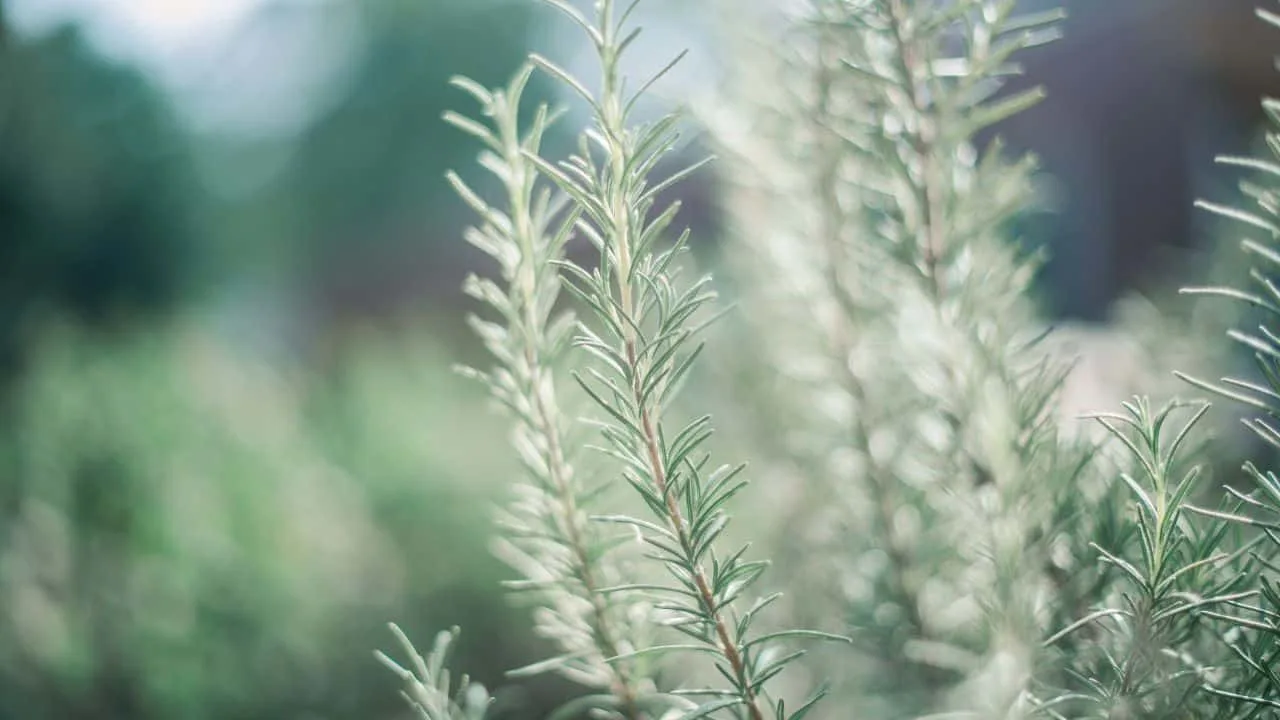
Rosemary is a tougher, woodier herb than lavender, but September is still prime time to take cuttings. Choose non-flowering stems about 4–6 inches long, strip off the lower leaves, and stick the cuttings into moist, sandy soil. Keep the humidity up but avoid soggy conditions, since rosemary sulks when roots sit in water. With a bit of patience, you will have new plants ready to carry you through next year’s recipes and borders.
Because rosemary is perennial in warmer zones but tender in cold climates, how you root and overwinter it really depends on where you live.
- Zones 3–6: Take cuttings now, but keep them in pots indoors under bright light through winter.
- Zones 7–10: Root cuttings directly outdoors in well-draining soil and they should overwinter without much trouble.
- Zone 11: Rosemary thrives year-round, but late-summer cuttings are still a smart way to bulk up your plants.
4. Basil

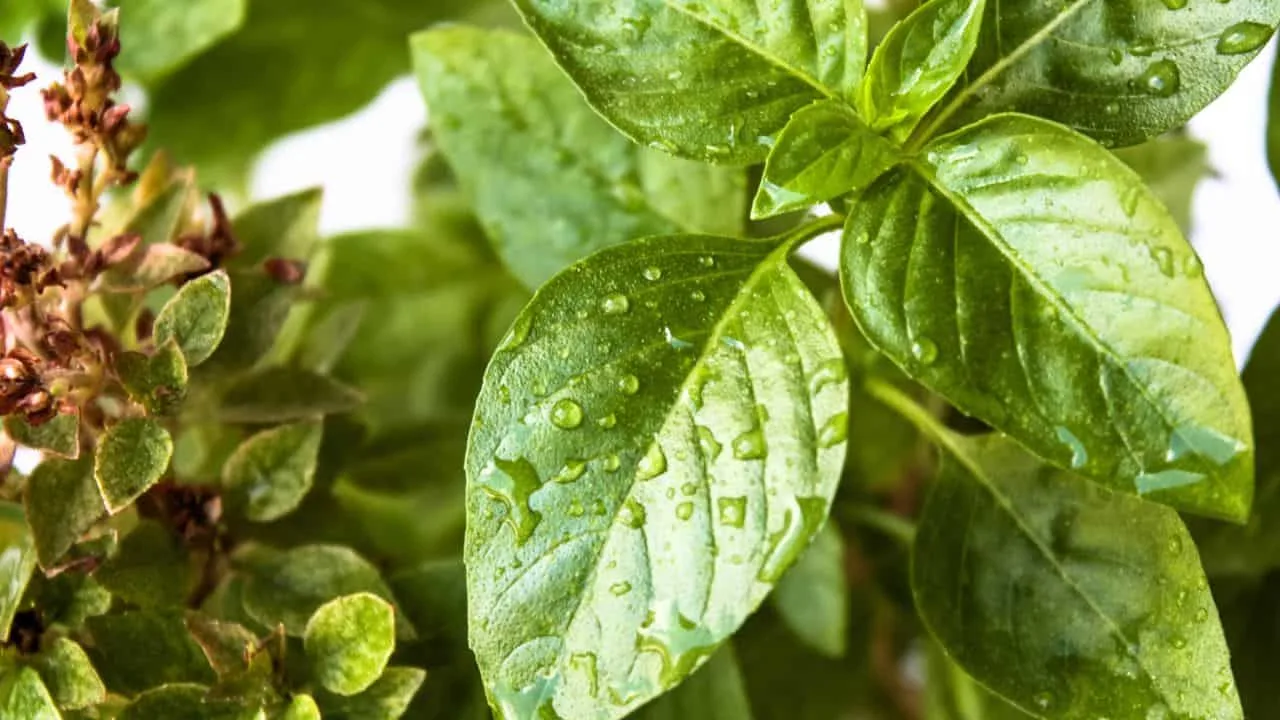
Basil might be the easiest herb in the world to propagate, and September is the perfect time because your outdoor plants are already starting to sulk. Instead of watching them blacken in the cool nights, snip 4-inch cuttings from healthy stems and pop them in a glass of water on your windowsill. Within a week or so, you will see roots forming. Transfer them to small pots and you will still have a steady pesto supply even after the garden season ends.
Unlike woody herbs, basil has soft, tender stems that root so quickly you barely need soil or special care. The only challenge is that it hates cold nights, which is why indoor propagation is your best bet now.
- Zones 3–6: Take basil cuttings indoors only. Outdoor plants will decline too quickly.
- Zones 7–9: Outdoor plants might limp along a little longer, but rooting indoors is still the smarter move.
- Zones 10–11: You may be able to root cuttings outside well into fall, but water-propagation indoors gives more control.
5. Coleus

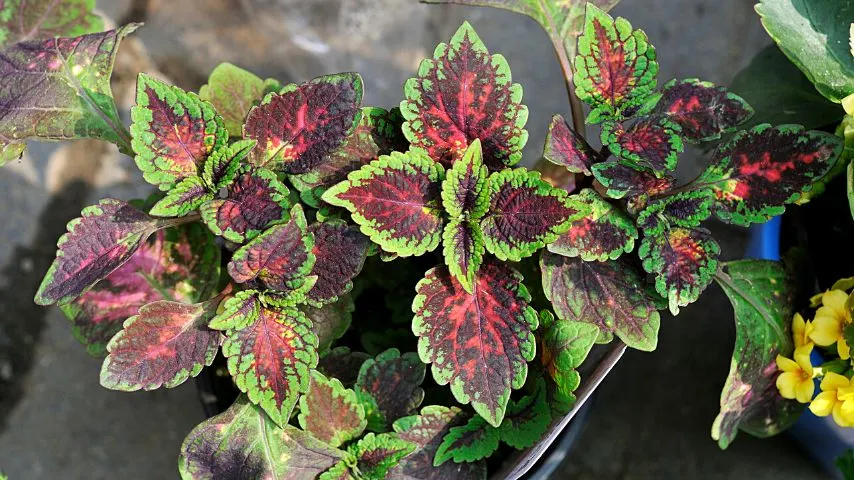
Coleus thrive in hot and humid environments
If you want instant success with cuttings, coleus is your plant. These colorful foliage stars root so fast it almost feels like cheating. Snip a 3–4 inch piece just below a leaf node, drop it in water or stick it in damp soil, and within a few days roots start shooting out. It is one of the easiest ways to keep your favorite coleus varieties alive into next year instead of buying new ones every spring.
September is prime time because outdoor coleus will not tolerate cold nights. Bringing a few inside as cuttings lets you overwinter them as cheerful houseplants, ready to head back outdoors when spring returns.
- Zones 3–7: Take cuttings indoors now. Outdoor coleus will crash at the first frost.
- Zones 8–9: Plants may last a little longer outside, but still start cuttings indoors to be safe.
- Zones 10–11: Outdoor coleus can survive most of the year, but overwintering cuttings indoors ensures you always have backups.
6. Geraniums (Pelargoniums)

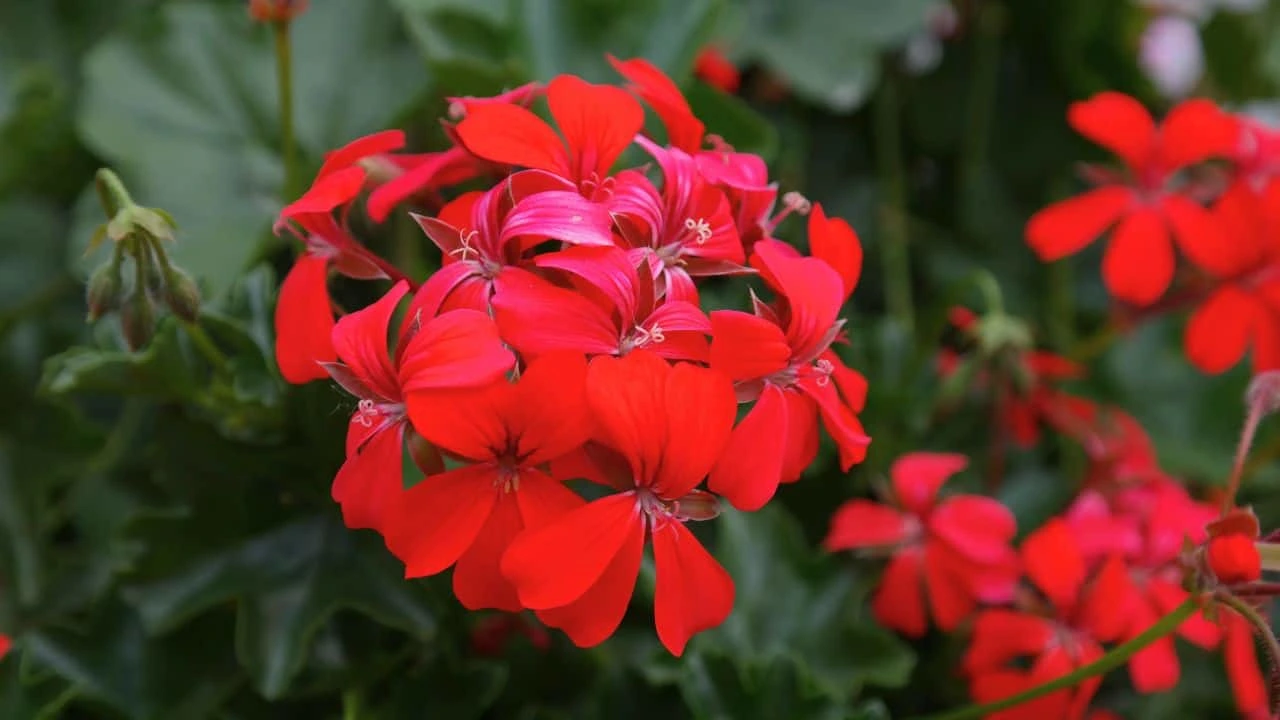
Geraniums are the old-school favorite for cuttings, and September is the moment to secure next year’s plants for free. These tender perennials hate frost, so gardeners have been overwintering them from cuttings for generations. Snip 4–6 inch pieces, remove the lower leaves, and root them in a sandy, well-draining mix. Keep the soil just moist, not soggy, and give them plenty of indirect light. With a little patience, they will be ready to burst back into bloom when warm weather returns.
The beauty of geranium cuttings is that they can be grown quietly indoors all winter, then transitioned outside once frost danger passes. This saves you from having to buy pricey nursery plants in spring.
- Zones 3–7: Take cuttings now and root them indoors for overwintering. Outdoor plants will not survive frost.
- Zones 8–9: Still best to root indoors, even though plants may linger outdoors longer.
- Zones 10–11: Geraniums can often stay outside year-round, but cuttings indoors ensure stronger spring growth.
7. Roses


Roses may look like divas in the garden, but they are surprisingly cooperative when it comes to propagation. September offers that sweet spot when stems are semi-hardwood — not too soft, not too woody. Snip 6–8 inch cuttings just below a node, strip the lower leaves, and dip the base in rooting hormone. Place them in a sandy or perlite-rich mix and cover with a plastic dome or even a cut soda bottle to lock in humidity. Patience is key here, because roses root slowly, but when they do, you have a clone of a cherished plant without the nursery price tag.
This is especially rewarding if you’ve got an old rose variety in the garden or a friend’s heirloom you’d love to preserve. Just remember: the success rate isn’t 100%, so take more cuttings than you think you’ll need.
- Zones 3–5: Root indoors only. Outdoor cuttings will not survive approaching frosts.
- Zones 6–9: Outdoor rooting is possible in sheltered spots with consistent moisture and humidity.
- Zones 10–11: Outdoor cuttings often succeed year-round, though protection from harsh sun is helpful.
8. Fuchsia
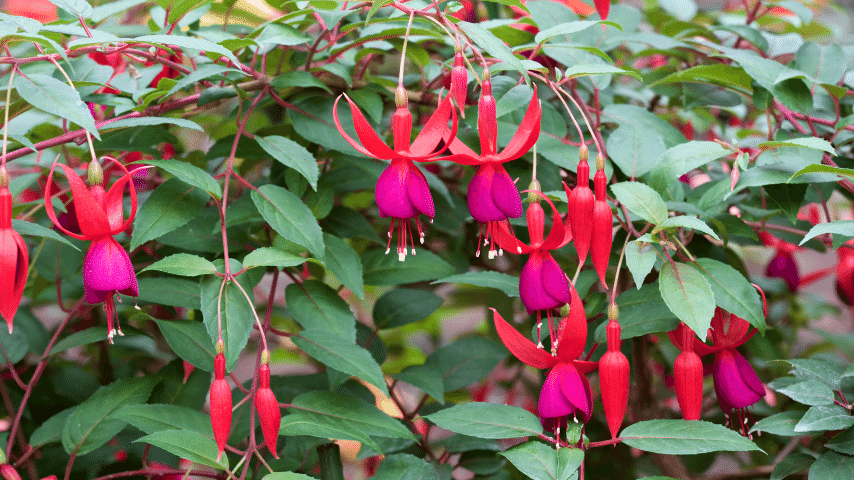
Fuchsia love shade, if you have limited sunlight on your balcony, then this plant is the right fit for you
Fuchsias are like the acrobats of the garden — delicate, colorful, and surprisingly easy to clone. Their soft stems root quickly, making September a prime time to snip 3–4 inch cuttings from non-flowering shoots. Remove the lower leaves, pop the cuttings into moist potting mix, and cover lightly to maintain humidity. Within a couple of weeks, you’ll often see roots forming, and soon after, fresh growth. This trick is perfect if you want to keep your favorite hanging baskets going without buying replacements next spring.
Fuchsia cuttings are also forgiving for beginners, which makes them a top pick if you’re just starting out with propagation. Bonus: you can tuck them in little pots indoors and enjoy a splash of color even in winter.
- Zones 3–6: Root indoors now to overwinter as houseplants or greenhouse projects.
- Zones 7–9: Outdoor cuttings can succeed if nights stay mild, but indoor rooting is more reliable.
- Zones 10–11: Outdoor rooting works well, especially in coastal regions with steady humidity.
9. Mint

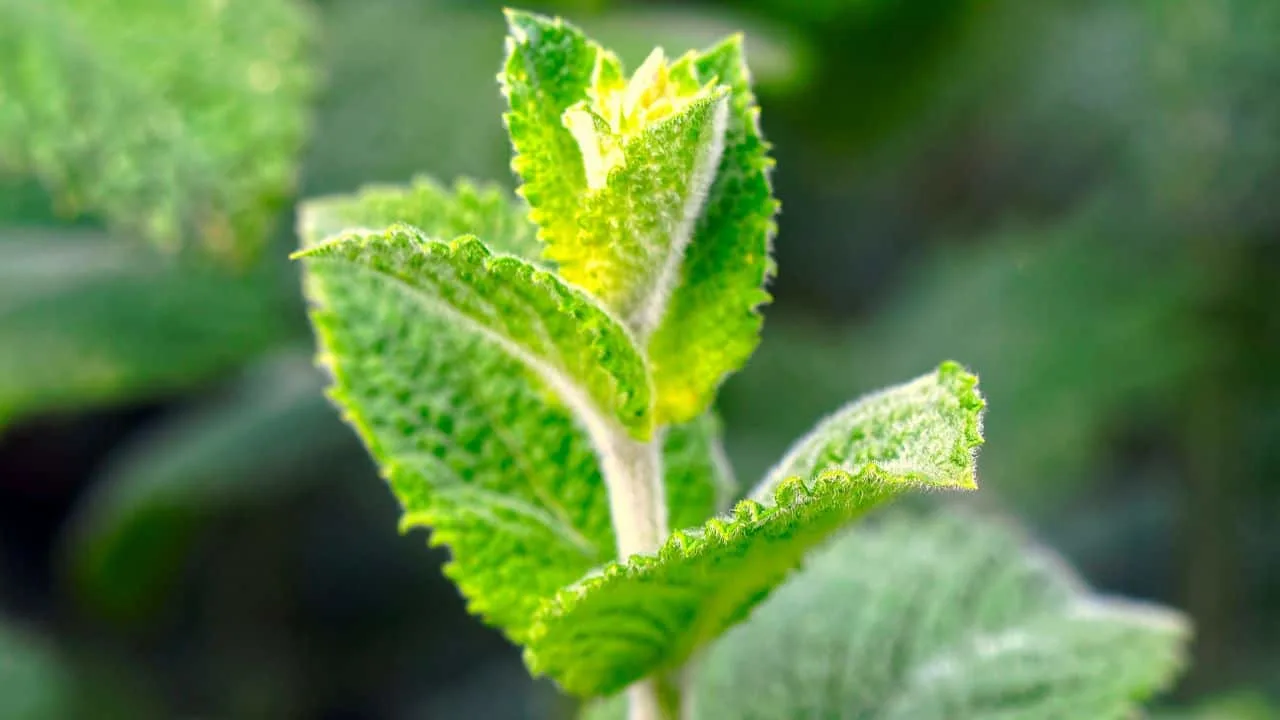
Mint is the garden’s troublemaker — once you have it, you’ll never get rid of it. Luckily, that makes it one of the easiest plants to propagate in September. Just snip a 4–6 inch stem, strip the lower leaves, and stick it in water or moist soil. Within days, roots appear like magic. By fall, you can pot these up for fresh indoor herbs all winter long or tuck them into containers outdoors where they won’t take over your whole garden.
Because mint is so forgiving, it’s a fantastic plant to experiment with if you’ve never done cuttings before. It also means you can multiply your patch endlessly — more tea, more mojitos, more everything.
- Zones 3–5: Best to root indoors now, then move outside in spring.
- Zones 6–9: Can root indoors or outdoors, but containers are recommended to stop spreading.
- Zones 10–11: Outdoors works fine year-round, though pots still keep it under control.
10. Thyme
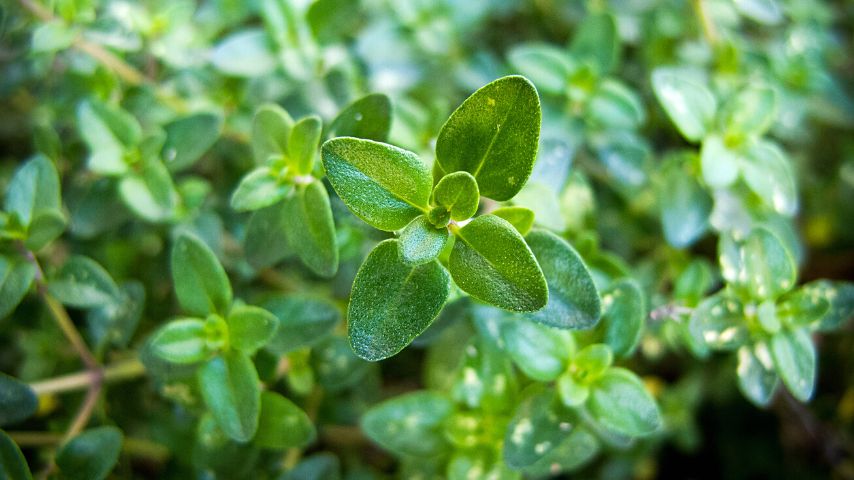
Thyme may not root as fast as basil or mint, but it makes up for it with toughness and flavor. September is a good time to take semi-woody cuttings, about 3–4 inches long. Strip off the lower leaves and place the stems in a sandy, well-draining mix. With patience, roots will form and you’ll have a steady supply of this fragrant herb for roasts, soups, and stews long after the garden has faded.
Because thyme is slow but steady, it’s perfect for gardeners who want to fill containers or keep a little indoor herb station going over winter. Once established, it’s incredibly hardy and will reward you with reliable growth year after year.
- Zones 3–6: Take cuttings indoors now to overwinter safely.
- Zones 7–10: Outdoor propagation is still possible in September, but pots are a smart choice for mobility.
- Zones 11: Year-round outdoor rooting works, though provide shade during extreme heat.
11. Succulents (Sedum, Echeveria)

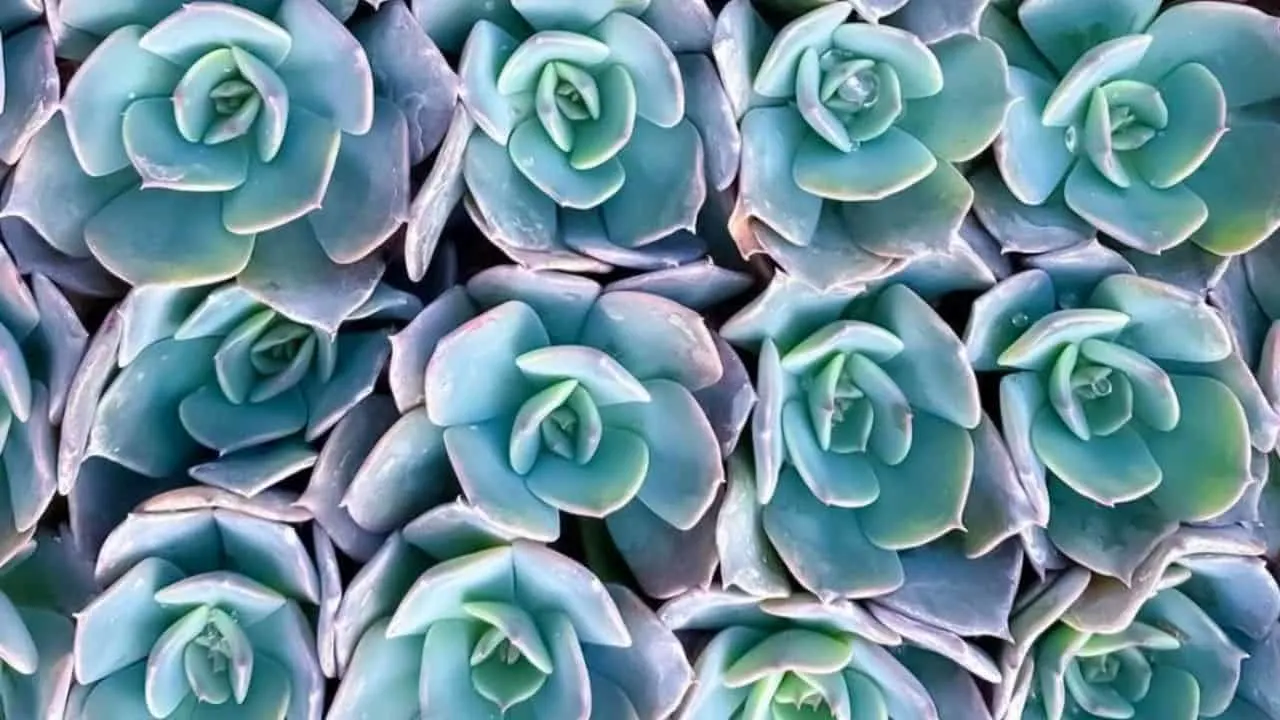
Succulents are some of the easiest plants to multiply in September. Whether you use a single leaf or a short stem cutting, they root with minimal fuss. The trick is to let the cut end dry and callus for a day or two before placing it on top of sandy, gritty soil. Too much moisture is the enemy here, so water sparingly until new roots and tiny rosettes appear.
September warmth gives succulents a head start before the cooler months, and if you bring them indoors as houseplants, they’ll keep thriving all winter. This makes them a perfect choice for anyone who wants low-maintenance greenery with year-round appeal.
- Zones 3–6: Best propagated indoors — they won’t tolerate frost.
- Zones 7–9: Can be rooted outdoors in early fall but should be brought in before hard frost.
- Zones 10–11: Outdoor propagation works nearly year-round, just protect from excessive rain.
How September Cuttings Become Next Year’s Garden
September may feel like the garden is winding down, but it’s actually one of the smartest times to create new plants. Cuttings from herbs, shrubs, and flowers root quickly in the lingering warmth, and with just a little protection through winter, they’re ready to explode with growth in spring. Even a handful of hydrangea stems or a jar of basil on the windowsill can turn into a garden’s worth of plants by next year.
The best part is that these cuttings cost nothing but a little time. They’re your chance to clone your healthiest, most beautiful plants and carry them forward. Whether you’re tucking lavender into sandy soil or rooting mint in a glass of water, September cuttings are a gift to your future garden self. Try a few this week and you’ll thank yourself when spring rolls around.
🌿 Key Takeaways
- ✂️ September cuttings are one of the easiest ways to get free plants for next spring.
- 🌱 Herbs, shrubs, and even succulents root well now if you give them the right conditions.
- 🏡 In colder zones, move cuttings indoors to overwinter; in warmer zones, many can root outside.
- 💡 This is less about “end of season” and more about future-proofing your garden.
- 🌸 A handful of stems today can mean a whole bed of color or herbs by next year.
Frequently Asked Questions
1. Can I really root cuttings outdoors in September?
It depends on your zone. Gardeners in Zones 6–9 can often root outdoors, while colder zones (3–5) should start cuttings indoors to protect them from frost.
2. Do I need rooting hormone for success?
Not always. Herbs like basil, mint, and coleus root easily without it. Woody plants such as roses or lavender benefit from a dip in rooting hormone to speed things up.
3. How long does it take for cuttings to root?
Soft-stemmed herbs like basil can show roots in a week. Semi-woody plants like thyme or lavender may take 3–4 weeks. Patience and steady moisture are key.
4. Should I cover my cuttings to keep humidity high?
Yes, especially for roses, hydrangeas, and other woody plants. A simple plastic dome or even a clear bag creates the humid environment they need to root well.
5. Can I take cuttings from flowering stems?
It’s better not to. Choose non-flowering stems, since flowers drain energy away from root production. Pinch off any buds that form during rooting.
6. What’s the easiest plant to propagate in September?
Mint and basil are the easiest. Hydrangeas and coleus also give beginners quick success, while roses or lavender need more care but are very rewarding.
7. Do I need special soil for cuttings?
A light, well-draining mix is best. Perlite, sand, or a seed-starting blend prevents rot and encourages fast root development.


Daniel has been a plant enthusiast for over 20 years. He owns hundreds of houseplants and prepares for the chili growing seasons yearly with great anticipation. His favorite plants are plant species in the Araceae family, such as Monstera, Philodendron, and Anthurium. He also loves gardening and is growing hot peppers, tomatoes, and many more vegetables.