


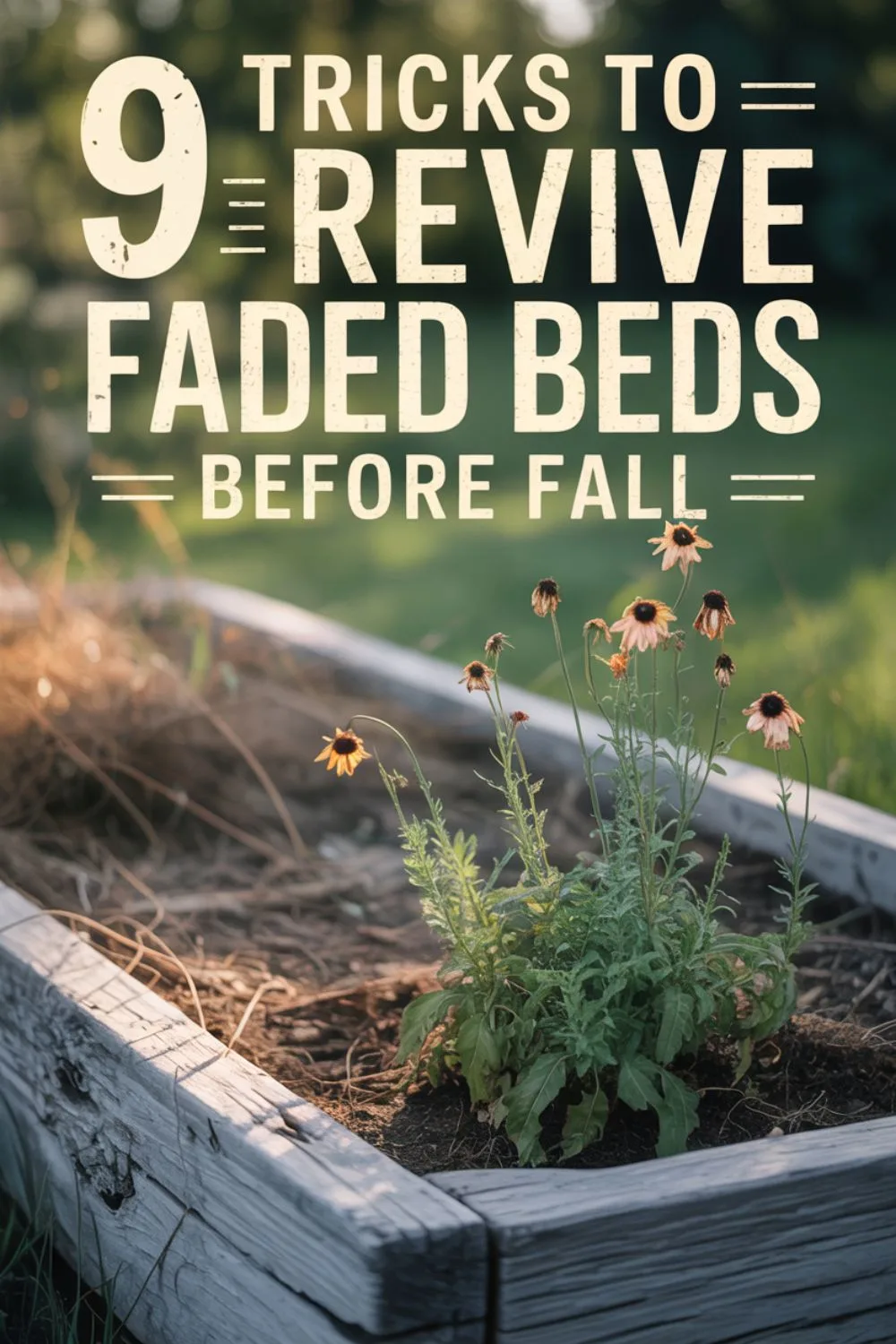
By the end of August, many gardens look like they’ve survived a battlefield. Petunias are flopping, zinnias are bald on top, and what used to be lush green beds now look like they’re begging for mercy. But here’s the good news — the season isn’t over, not even close. With a few clever refresh tricks, you can flip those tired beds back into something that looks alive, full, and ready to carry you right into fall. This list is packed with quick wins that will give your garden the second wind it deserves.
1. Deadhead Ruthlessly for Instant Color
If your zinnias, petunias, or geraniums look like they are holding on for dear life, the quickest way to wake them up is with sharp scissors and a little tough love. Snipping off every faded bloom tells the plant, “time to get back to work.” Instead of wasting energy on seeds, it shifts gears into producing a fresh round of flowers. Within a week or two, even plants that looked exhausted can surprise you with new color bursts.
- Annuals like zinnias, cosmos, and marigolds bloom harder when deadheaded.
- Geraniums and petunias bounce back quickly with tighter, bushier growth.
- Perennials like coneflowers may also push a second flush if cut back early enough.
Think of deadheading as pressing the “reset” button on tired plants.
2. Cut Back Leggy Growth to Spark New Shoots
By late August, basil, coleus, and salvias often look like they’ve been on a growth sprint—tall, floppy, and awkward. Cutting them back by a third can feel brutal, but it is exactly what triggers them to send out fresh side shoots. Instead of one long, straggly stem, you suddenly get compact, bushy plants that look renewed. Within a couple of weeks, those bare cut spots are covered with lush, healthy growth.
- Use clean, sharp shears to avoid tearing stems.
- Pinch basil just above a leaf pair to get double the stems back.
- With coleus, don’t be afraid to cut deep—plants recover fast in warm weather.
- Water and lightly feed after trimming to support regrowth.
Think of it as a haircut that makes your plants come back fuller and healthier.
3. Refresh Beds With a Layer of Mulch
Few things perk up a tired garden bed as quickly as fresh mulch. By late summer, old mulch breaks down, fades in color, and sometimes even turns into a haven for weeds. Adding a new two-inch layer instantly makes your garden look cared for and polished. Beyond looks, mulch works double duty by locking in soil moisture during the last heat waves of summer and protecting roots as cooler nights creep in. It also sets up your beds for fall planting by creating a stable, healthy soil environment.
- Use organic mulch like shredded bark, straw, or cocoa hulls for soil health.
- Keep mulch 2–3 inches deep, but pull it a few inches back from plant stems to prevent rot.
- Dark-colored mulch not only looks sharp but also helps absorb late-season sun for warmer soil.
- Refreshing mulch now prevents weed seeds from sprouting in September.
A quick mulch makeover makes beds look alive again while quietly setting up success for fall.

4. Add Quick Bloomers That Love Cool Weather
One of the fastest ways to revive a fading garden is to slip in plants that thrive as temperatures drop. Summer annuals may be on their last legs, but cool-season bloomers are just getting started. Mums, asters, and pansies can be planted right now and will burst into color within weeks, turning tired beds into a fresh display just in time for fall. These flowers are tough enough to handle the cooler nights ahead, which makes them a perfect bridge between summer’s end and the first frosts.
- Mums: Available in every shade from yellow to burgundy, they define fall gardens.
- Asters: Purple and blue blooms that pair beautifully with ornamental grasses.
- Pansies: Small but mighty, these add cheerful pops of color well into cool weather.
Planting these now gives you instant color and ensures your garden looks intentional instead of exhausted.
5. Fertilize Smart, Not Heavy
By late summer, plants can look worn out, but blasting them with a strong dose of fertilizer only backfires. Heavy nitrogen now pushes weak, floppy growth that won’t stand up to cooler nights and is more likely to get nipped by the first frost. What your plants really need is a gentle nudge to keep blooming without exhausting themselves. A balanced, slow-release feed is the safest way to provide steady nutrition that supports flowers and roots as the season shifts.
- Use balanced fertilizer: Look for an even ratio like 10-10-10 or 14-14-14.
- Go slow-release: Avoid big nutrient surges; steady feeding is better now.
- Skip the nitrogen blast: High-N formulas are for spring, not late summer.
- Pair with watering: Fertilizer only works if roots can absorb it — keep soil evenly moist.
This approach keeps your plants energized without setting them up for a cold-weather crash.
6. Sow Fast Greens and Herbs for Fresh Life
When summer annuals look tired, a quick crop of greens can make beds feel alive again. Arugula, spinach, lettuce mixes, and cilantro all thrive in the cooler nights of early fall. They sprout in as little as 5–10 days, giving you fresh leaves before you know it. Unlike summer crops that are slowing down, these cool-season greens actually prefer the shift in temperature. Even a small patch can add a burst of green that makes a fading garden look intentional instead of spent.
- Arugula: Germinates in 3–5 days, harvestable in 3 weeks.
- Spinach: Cool nights boost flavor, ready in about 30 days.
- Cilantro: Bolts in heat, but thrives once nights dip below 70°F.
- Lettuce Mixes: Scatter sow for a carpet of green within 10 days.
These crops are fast, forgiving, and perfect for filling empty spaces while refreshing the look of your beds.
7. Swap Out Containers for a Seasonal Reset
Container gardens are the easiest place to hit the reset button. By late summer, petunias, calibrachoa, and other warm-weather stars are often leggy and fading. Instead of nursing them along, swap them out for bold fall performers. Ornamental kale, chrysanthemums, and pansies deliver instant color and structure, while grasses like fountain grass add height and texture. The transformation is almost overnight, making patios and entrances look fresh again without waiting weeks for results.
- Choose larger pots for mums and kale so they last through frost.
- Mix colors and textures — pair asters with grasses or trailing ivy.
- Keep containers watered; cool nights slow drying but don’t eliminate the need.
- Think layers: tall grasses in back, medium mums in the middle, trailing vines in front.
A quick swap now keeps your outdoor spaces looking intentional and lively well into fall.
8. Clean Up Weeds and Diseased Leaves
By late summer, weeds are not just an eyesore — they are about to drop seeds that will haunt you next year. The same goes for diseased leaves lurking under tomatoes, roses, and cucumbers. Leaving them in place is like sending out an open invitation to pests and blight to stick around. A quick cleanup now saves you a full season of headaches later, and it instantly makes beds look sharper and healthier.
- Pull weeds before they flower and set seed — prevention is easier than fighting hundreds later.
- Collect and trash diseased foliage; do not add it to the compost pile.
- After cleaning, add a light layer of mulch to keep new weeds from sprouting.
- Check under leaves and in corners of beds — pests love hiding in neglected spots.
A tidy garden is not just about looks, it is a defensive move against next season’s problems.
9. Add Decorative Grasses for Movement and Texture
If your flower beds are looking flat and tired, ornamental grasses can flip the entire mood in a single weekend. Their tall plumes, swaying blades, and shifting colors bring instant depth and movement. Fountain grass, switchgrass, and miscanthus are standout choices that not only refresh the garden now but also hold their beauty well into fall and even winter. Unlike annual flowers that fade fast, grasses keep working as a structural element long after blooms are gone.
- Fountain Grass (Pennisetum alopecuroides) – feathery plumes and compact size, perfect for borders.
- Switchgrass (Panicum virgatum) – upright habit, warm golden tones in fall.
- Miscanthus – dramatic height and silver plumes, ideal for backdrops.
- Blue Fescue – small, icy-blue clumps for edging or containers.
Bonus: Most ornamental grasses are drought-tolerant and low-maintenance, so you get big visual impact with very little upkeep.
Give Your Garden a Second Wind Before Fall
Just because summer beds look worn out does not mean your garden is done for the year. September offers a sweet spot to refresh, reset, and squeeze out another burst of beauty before frost. With a little pruning, some fresh mulch, and a dash of fall color, your outdoor space can go from tired to vibrant in just a weekend. Think of it as giving your garden one more round of applause before the curtain closes. Even small moves make a big difference — and future you will be glad you took the time.
🌿 Key Takeaways
- 🪻 End-of-summer gardens are not finished — with a few smart tweaks, they can still shine.
- ✂️ Deadheading, trimming, and pulling weeds give instant visual impact.
- 🌸 Adding mums, asters, or quick cool-season bloomers resets tired beds fast.
- 🪵 Fresh mulch and ornamental grasses not only refresh but also prepare the soil for fall.
- 🌱 A garden “refresh” is less work than you think and pays off with weeks of extra color and life.
❓ Frequently Asked Questions
1. Can I still plant flowers this late in summer?
Yes, mums, asters, and pansies are perfect for late August and September. They establish quickly and bloom almost right away.
2. Should I fertilize heavily to revive tired plants?
No. A balanced, slow-release fertilizer is best. Heavy nitrogen now can make plants weak just before frost arrives.
3. Is it worth mulching at the end of summer?
Absolutely. Mulch instantly tidies beds, conserves water, and preps the soil for fall planting.
4. What quick crops can I sow to refresh beds?
Arugula, spinach, and cilantro germinate fast in cooling weather and give a fresh green look in just weeks.
5. Should I pull out all faded summer annuals?
Not necessarily. Deadheading or cutting back often sparks new growth. Remove only the ones that are completely spent.
6. Can ornamental grasses really improve a tired garden?
Yes. Grasses like fountain grass or switchgrass add height, motion, and color that carry into fall and even winter.


Daniel has been a plant enthusiast for over 20 years. He owns hundreds of houseplants and prepares for the chili growing seasons yearly with great anticipation. His favorite plants are plant species in the Araceae family, such as Monstera, Philodendron, and Anthurium. He also loves gardening and is growing hot peppers, tomatoes, and many more vegetables.