

Ask most gardeners why their fall crops flop, and you will hear the same answer: the weather turned. Too hot, too cold, too unpredictable. But the truth is often hiding underfoot. By late summer, soil is worn out from heavy feeders like tomatoes and squash. It is compacted, low on nutrients, and not the fluffy, living blanket your greens and roots crave.
The good news? You do not need a truckload of fertilizer or some secret potion. A few smart soil tweaks in September can flip the script. With the right boost, lettuce stays lush, carrots dig deep, and kale grows like it has a personal trainer. Your fall garden can explode with growth, if you give the soil a little care now.
1. Topdress With Compost Now

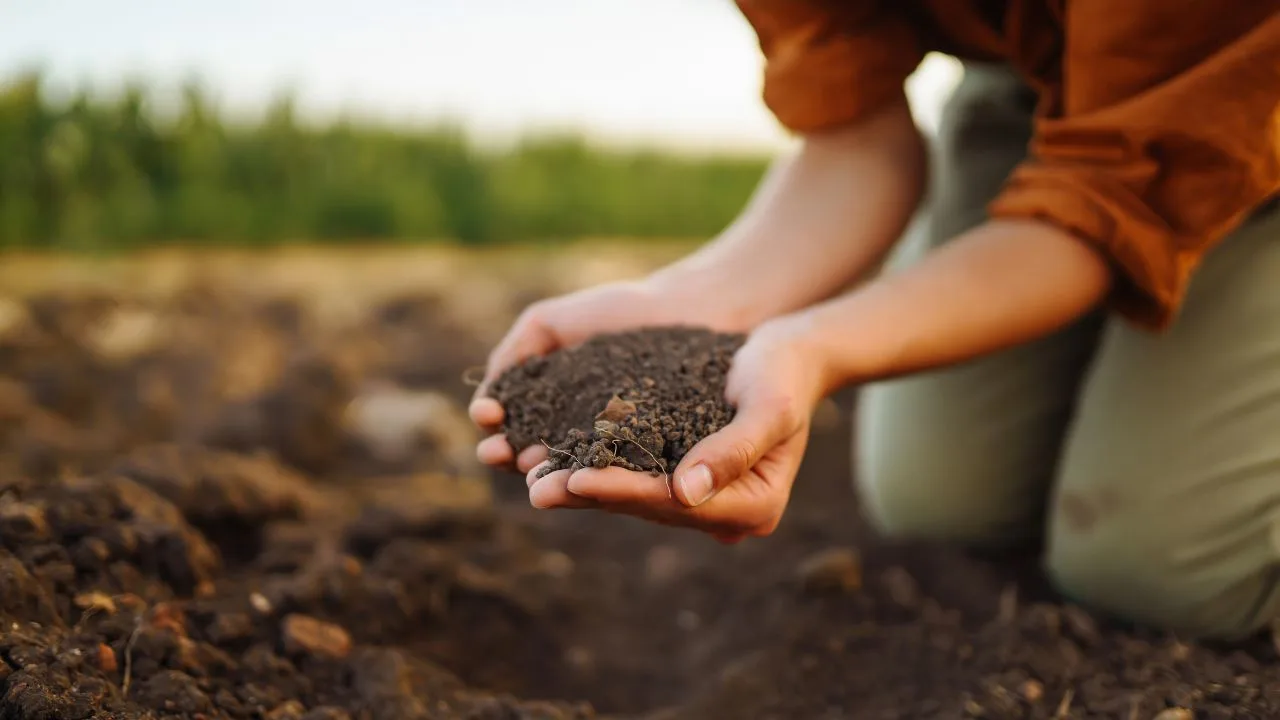
By the time September rolls around, your soil has done a full summer’s worth of heavy lifting. Tomatoes, cucumbers, squash, and peppers have stripped it of nutrients, leaving fall crops to fight over scraps. That is why a thin layer of compost right now can feel like a miracle. It feeds the soil biology, adds a steady trickle of nutrients, and helps keep moisture more even as the days cool.
You do not need to dig it in deeply. Just spread 1–2 inches over the surface and let rain, watering, and worms work it down. Fall crops are lighter feeders than summer ones, so a fresh blanket of compost is usually all they need to stay vigorous.
🌱 Why Compost Matters in September
- 🔋 Recharges soil nutrients after summer crops drained them.
- 💧 Improves moisture retention so roots stay evenly watered.
- 🪱 Feeds soil microbes that break down organic matter into plant-ready food.
- 🍂 Gentle boost — no risk of burning tender fall seedlings.
2. Use Worm Castings for Seedlings

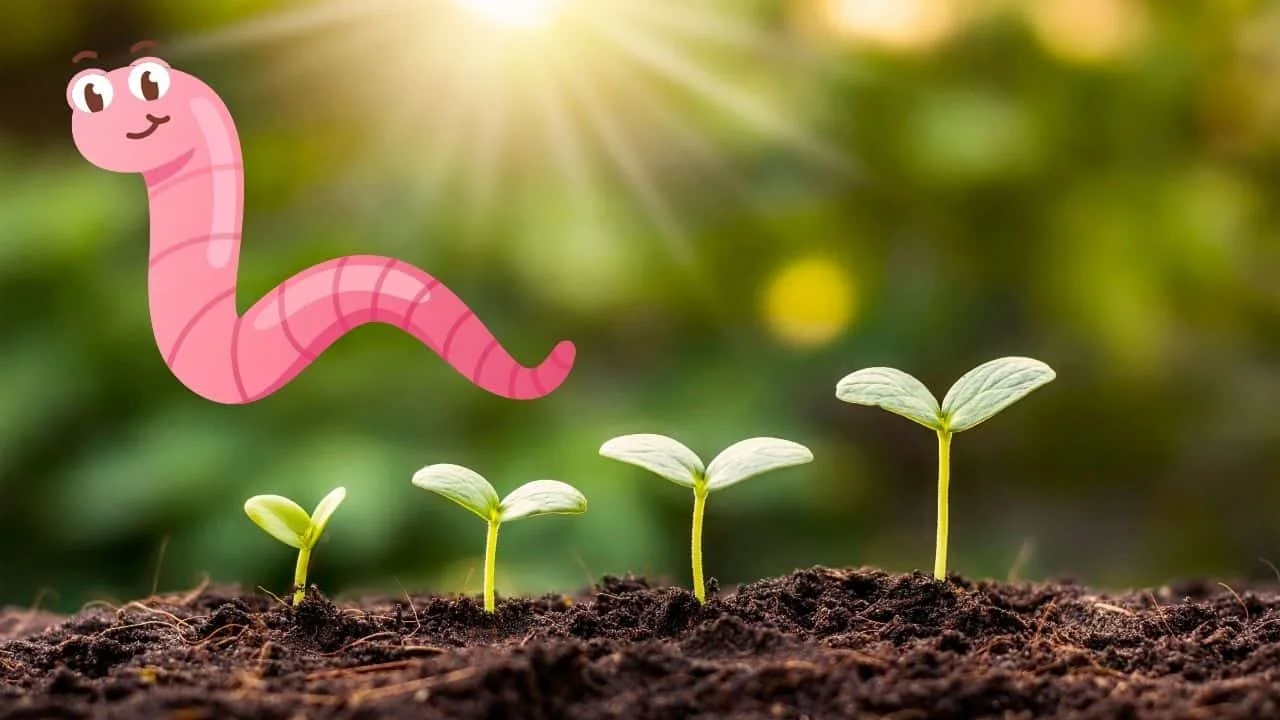
Fall crops need to hit the ground running. Unlike summer veggies that enjoy months of growth, lettuce, kale, radishes, and carrots only have a short runway before frost arrives. This is where worm castings shine. They are basically nature’s slow-release starter fertilizer, packed with beneficial microbes that kick seedlings into gear without overwhelming them.
A handful mixed into your seedling rows or sprinkled into planting holes gives young plants the microbial support and trace nutrients they need for fast germination and strong root development. Because worm castings are so gentle, you do not have to worry about burning delicate roots like you might with stronger fertilizers.
🌿 Worm Casting Advantages
- 🌱 Boosts germination rates with a balanced nutrient profile.
- 🦠 Adds beneficial microbes that protect seedlings from soil diseases.
- 💪 Encourages strong root systems right from the start.
- 🌾 Perfect for fall greens like spinach, lettuce, and kale that need a quick start.
3. Side-Dress With Bone Meal or Rock Phosphate
If you are planting root crops for fall, think carrots, beets, and turnips, they need a strong foundation. Roots do not care much about nitrogen right now. What they crave is phosphorus. This nutrient is like the architect for underground growth, helping roots expand deep and store energy. Without it, your beets stay puny and your carrots fork instead of growing straight.
The trick is to get phosphorus into the soil before your seeds or seedlings go in. Unlike nitrogen, phosphorus moves very slowly in soil. A light sprinkle of bone meal or rock phosphate in the planting row, raked in gently, will feed roots steadily for weeks. You do not need a lot, just enough to give fall crops that deep-down push.
🥕 Root Crop Boost Tips
- Mix a handful of bone meal into rows before sowing carrots or beets.
- If using rock phosphate, add a small layer under root crops and water it in.
- Pair with compost for balanced feeding and better soil texture.
- Best results come when added before planting, not after roots have started forming.
4. Give Leafy Greens a Nitrogen Kick
Fall is salad season, and nothing gets lettuce, spinach, and kale moving like a little nitrogen. These crops are leafy machines, and nitrogen is the fuel that builds their emerald growth. The cooler weather means they do not bolt as fast, so a quick feed now turns into lush leaves instead of wasted stems. Without enough nitrogen, your greens sulk along, pale and slow, instead of bouncing back with fresh new growth.
The secret is to use quick, gentle nitrogen sources. You do not want to dump heavy synthetic fertilizer in September. Instead, go with blood meal, fish emulsion, or even alfalfa pellets. These break down fast enough to give greens a push, but not so strong that they burn the plants or upset soil balance. Think of it as giving your lettuce a shot of espresso before the days shorten.
🥬 Nitrogen Boost Options
- 💧 Dilute fish emulsion in water and give greens a foliar spray for instant uptake.
- 🌱 Scatter alfalfa pellets around kale and spinach, then water them in.
- 🩸 Blood meal works wonders for fast growth, but use lightly to avoid overfeeding.
- 📅 Apply every 2–3 weeks until frost shuts the garden down.
5. Loosen Compacted Soil

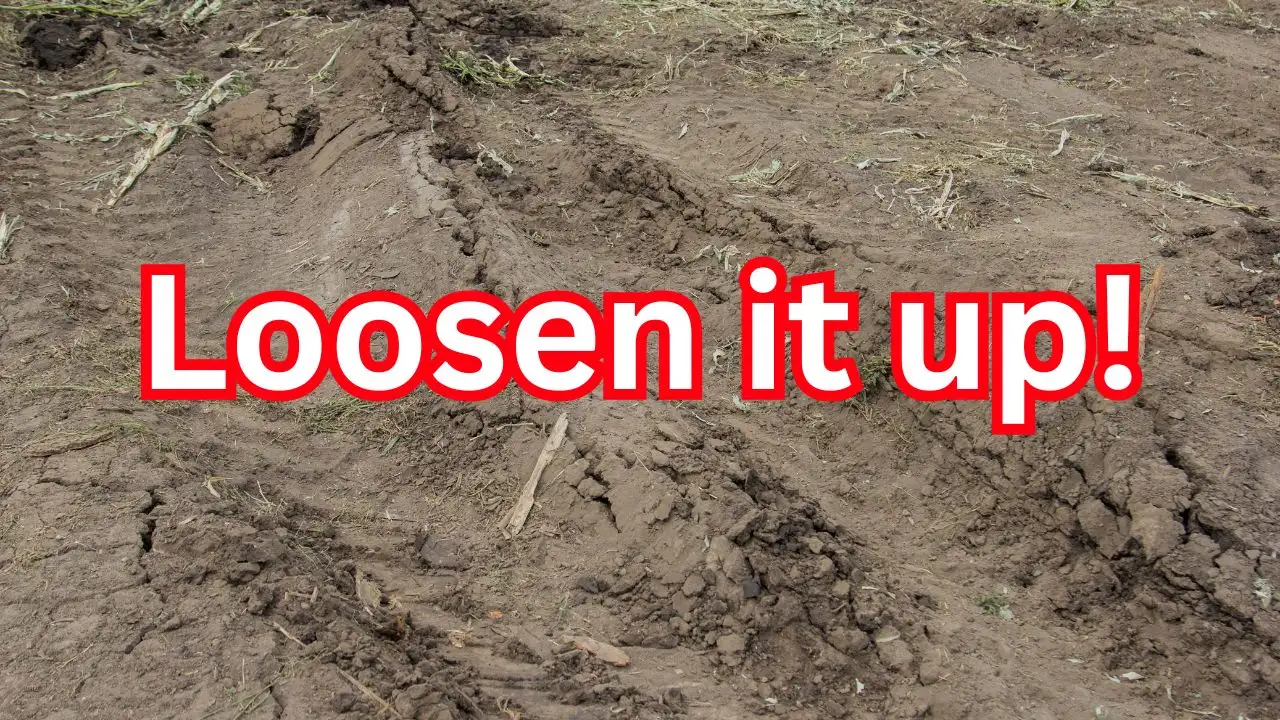
By September, your soil has seen a lot. Hot sun, summer watering, kids running through the beds, and weeks of weeding all press it down until it feels like concrete. Roots trying to grow in compacted soil are like runners hitting a brick wall. They twist, fork, and stall instead of pushing deep. That means your carrots, beets, and even lettuce roots struggle to take up water and nutrients when they need them most.
You don’t need a tiller to fix this. In fact, deep tilling late in the season can make things worse by drying soil out. What your garden needs now is gentle loosening. A simple garden fork pushed into the soil and rocked back a little opens up channels for air and water without tearing the soil life apart. This tiny bit of effort gives fall crops the space they need to stretch their roots before frost.
🌱 Quick Soil Loosening Guide
- Insert a garden fork 6–8 inches deep between plants.
- Rock it gently back and forth to crack the soil open.
- Work your way across the bed without flipping the soil.
- Finish with a light watering to settle everything back in place.
Pro Tip: Add compost right after loosening. The cracks help it wash down to the roots where it does the most good.
6. Mulch Smart for Fall

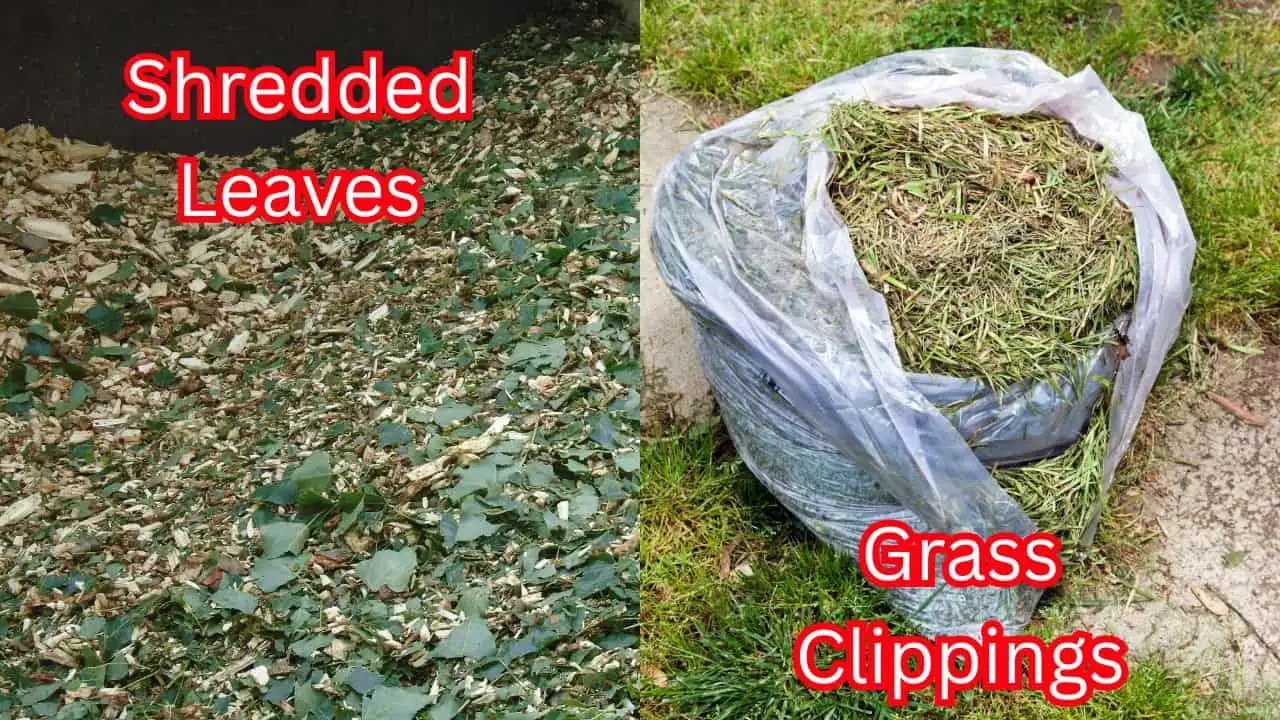
Summer mulching is all about keeping weeds down and holding water. In September, mulch takes on a different job. As nights get cooler, mulch acts like a blanket, keeping soil temperatures steady and giving fall crops a smoother ride into October. It stops moisture swings that stress greens and brassicas, and it blocks the flush of weeds that always seem to appear when you least want them. Think of mulch now as season insurance, not just weed control.
The trick is using the right mulch for fall. Thick, heavy layers can trap too much dampness in cooler weather, which invites slugs and mildew. A lighter 2–3 inch cover of shredded leaves, straw, or even grass clippings works better. It lets the soil breathe while still holding in warmth and moisture where young fall crops need it most.
🍂 Best Mulch Choices for Fall
- Shredded leaves – free, plentiful, and perfect for cool-season greens.
- Straw – light and airy, helps insulate root crops.
- Grass clippings – quick to break down, adds nitrogen for brassicas.
Pro Tip: Always water before mulching so soil goes into fall with a full tank of moisture.
7. Add a Splash of Epsom Salt

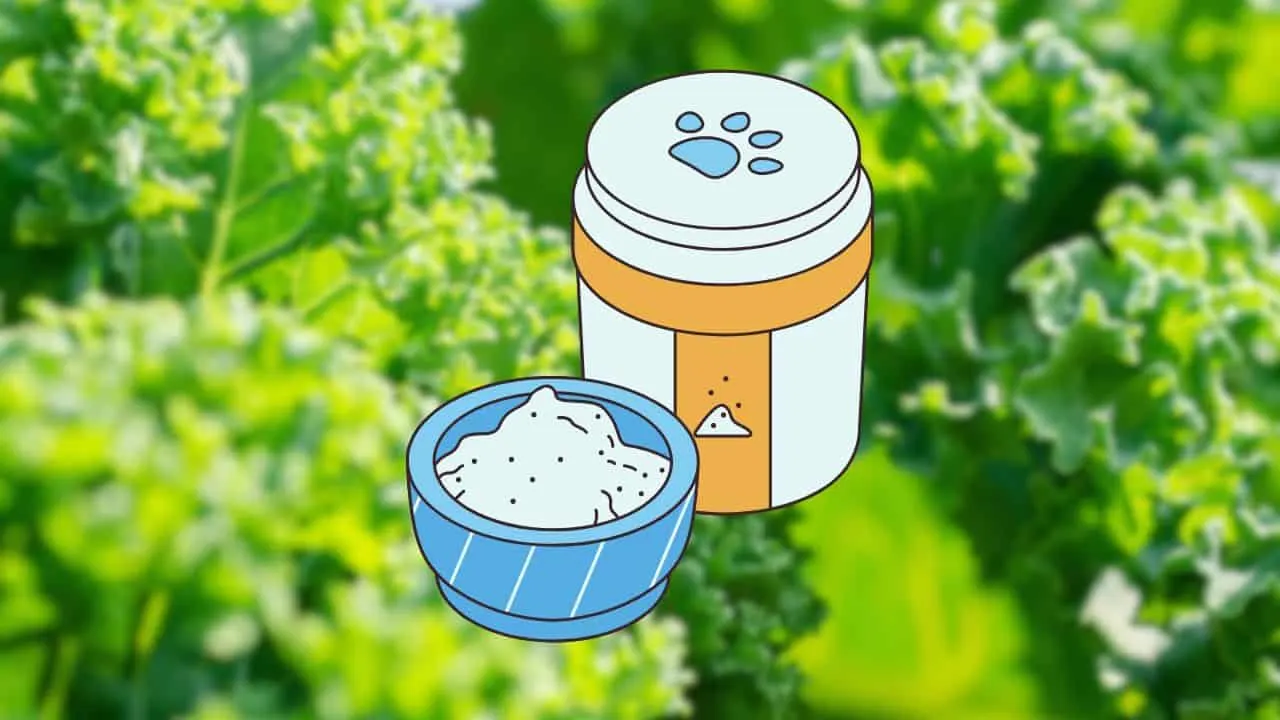
By late summer, soils often run low on magnesium, and plants let you know. Brassicas like broccoli, kale, and cabbage especially start showing pale leaves or weak growth just when you need them to take off. This is where a little Epsom salt — plain magnesium sulfate — can make a big difference. It gives plants the boost they need for photosynthesis, helping them turn sunlight into sugars and fuel strong fall growth.
The trick is moderation. Epsom salt is not a fertilizer replacement, but it is a perfect complement for crops that crave magnesium in cool, shortening days. Too much can dry out soil or burn roots, so think of it as a spice, not the whole recipe.
💡 How to Use Epsom Salt in September
- Soil Drench: Dissolve 1 tablespoon in a gallon of water and pour around the base of brassicas every 2–3 weeks.
- Foliar Spray: Mix 1 teaspoon per quart of water and mist leaves for a faster boost.
- Spot Treatment: If only a few plants show yellowing, target those instead of treating the whole bed.
Extra Tip: Tomatoes also benefit from this late-season magnesium trick, especially if fruits are still ripening in September.
8. Check and Balance Soil pH

Even if you feed your soil well, crops can struggle if the pH is out of balance. Fall vegetables like carrots, beets, kale, and lettuce prefer soil that is neutral to slightly acidic. If the pH is too far off, plants cannot take in the nutrients you worked so hard to add. September is a smart time to test, because small adjustments now set the stage for strong fall growth and better conditions next spring.
Most garden centers sell simple pH kits that take minutes to use. If you find your soil is acidic, adding lime helps sweeten it up. If it leans too alkaline, elemental sulfur or peat moss can bring it back down. The goal is not perfection, but a healthy middle ground where nutrients flow freely to roots.
🌱 Quick pH Fixes
- Acidic soil (below 6.0): Add garden lime or wood ash for balance.
- Alkaline soil (above 7.5): Use sulfur, composted leaves, or peat moss.
- Test yearly: Soil shifts over time, so make pH checks a fall habit.
Pro Tip: Fall root crops are especially sensitive to soil pH. A quick adjustment now can mean straighter carrots and sweeter beets at harvest.
9. Use Seaweed or Kelp Extracts

When nights start cooling and days shorten, plants can get stressed even if you water and feed them well. Seaweed or kelp extracts are like a multivitamin for your garden. They do not add huge amounts of nitrogen or phosphorus, but they provide trace minerals, natural growth hormones, and stress protection that help plants handle the seasonal shift.
Leafy greens especially love kelp extracts. A light foliar spray can make kale, spinach, and lettuce perk up and stay productive longer into the season. Brassicas like broccoli and cabbage also benefit, showing stronger resilience against pests and weather swings. This is one of those gentle, low-risk boosters that pays off big in fall gardening.
🌊 How to Use Seaweed Extract
- Soil drench: Mix according to label and pour at the base of plants every 2–3 weeks.
- Foliar spray: Apply a diluted solution directly on leaves for quick uptake.
- Seed starting boost: Soak seeds or seedlings briefly in diluted extract to improve vigor.
Note: Seaweed extract is not a replacement for fertilizer. Think of it as a resilience booster that helps plants handle stress and produce steady growth through the ups and downs of fall weather.
10. Inoculate With Mycorrhizae
Fall crops need every bit of root power they can get, and mycorrhizal fungi are the secret allies underground. These beneficial fungi attach to plant roots and extend their reach, helping them pull in water and nutrients that would otherwise be out of reach. For root crops like carrots and beets, and for brassicas such as broccoli and cabbage, this partnership can mean stronger growth and better yields before the season runs out.
Unlike quick fertilizers, mycorrhizae set up a long-term relationship with your plants. Once established, they continue working quietly all season, making soil life richer and more balanced. Adding them in September gives your fall crops a head start and sets the stage for healthier soil next spring as well.
🍄 How to Inoculate Properly
- At planting: Dust seeds or root balls with powdered inoculant before planting.
- Direct application: Mix granular forms into planting holes or rows.
- Water-in products: Some inoculants can be mixed with water and applied as a drench.
Tip: Mycorrhizae work best when soil is not drenched with synthetic fertilizers. Too much soluble fertilizer can discourage the fungi from bonding with roots. Use them alongside compost and gentle amendments for best results.
How to Turn September Soil Into a Fall Powerhouse

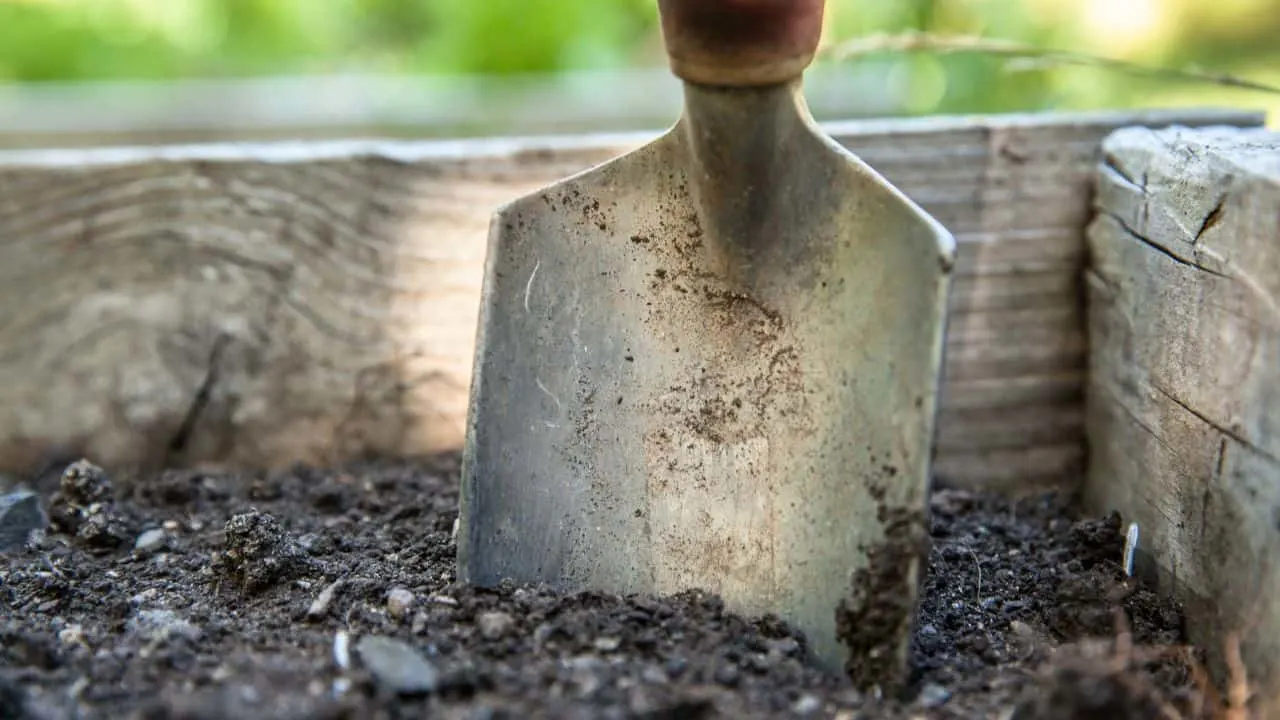
Many gardeners think fall crops are doomed to limp along, but the truth is that most of the struggle comes from tired summer soil. By refreshing your beds now with compost, gentle nutrients, and a few biological helpers, you set the stage for a garden that thrives even as the days grow shorter. Each small tweak builds resilience, giving your lettuce, kale, carrots, and other cool-season crops a fighting chance to flourish.
You do not need to overhaul your whole garden. Start with one or two of these soil tricks and you will see the difference in how quickly your plants bounce back and push out fresh growth. September is not the end of the season, it is the reset point your soil has been waiting for. Treat the ground well now and it will repay you in crisp greens and hearty roots well into fall.
🌿 Key Takeaways
- 🌱 September soil is tired from summer crops, but a little boost now transforms it into the perfect bed for fall planting.
- 💧 Gentle nutrients, compost, and moisture retention create a steady foundation that cool-season crops love.
- 🌾 Think balance: loosen compacted soil, add minerals, and support root health for both leafy greens and root vegetables.
- 🌟 You don’t need every trick in the book. A couple of smart tweaks can mean the difference between limp lettuce and a thriving fall harvest.


Daniel has been a plant enthusiast for over 20 years. He owns hundreds of houseplants and prepares for the chili growing seasons yearly with great anticipation. His favorite plants are plant species in the Araceae family, such as Monstera, Philodendron, and Anthurium. He also loves gardening and is growing hot peppers, tomatoes, and many more vegetables.