

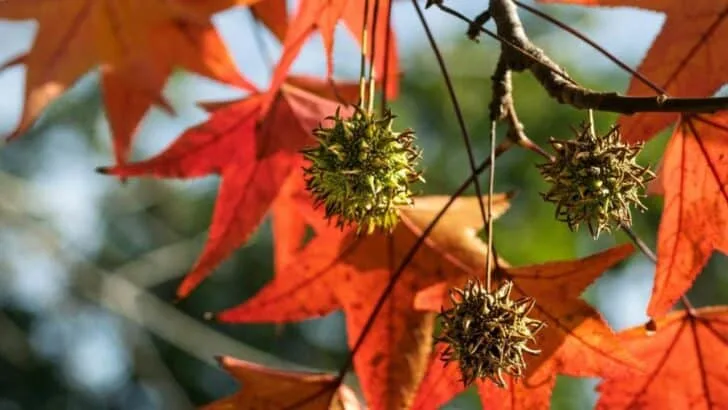
Fall has a way of stealing the show. Leaves flip from ordinary green to fire reds, molten oranges, and deep wine tones, while late bloomers throw one last party before frost. It is the moment when a simple walk to the mailbox feels like a garden tour.
If you want that color at home, timing matters. Some plants are pure spectacle right now and best admired or bought for next year’s display. Others you can still plant in early fall, letting roots settle in while the weather is cool and kind. Expect instant hits from mums, asters, and grasses, and long-game glory from maples, oaks, and dogwoods.
Use this guide to spot what shines, plus a quick note on whether you can plant it now. By the end you will know exactly which beauties to pop into the cart today and which to stage for next fall’s fireworks.
1. Sugar Maple

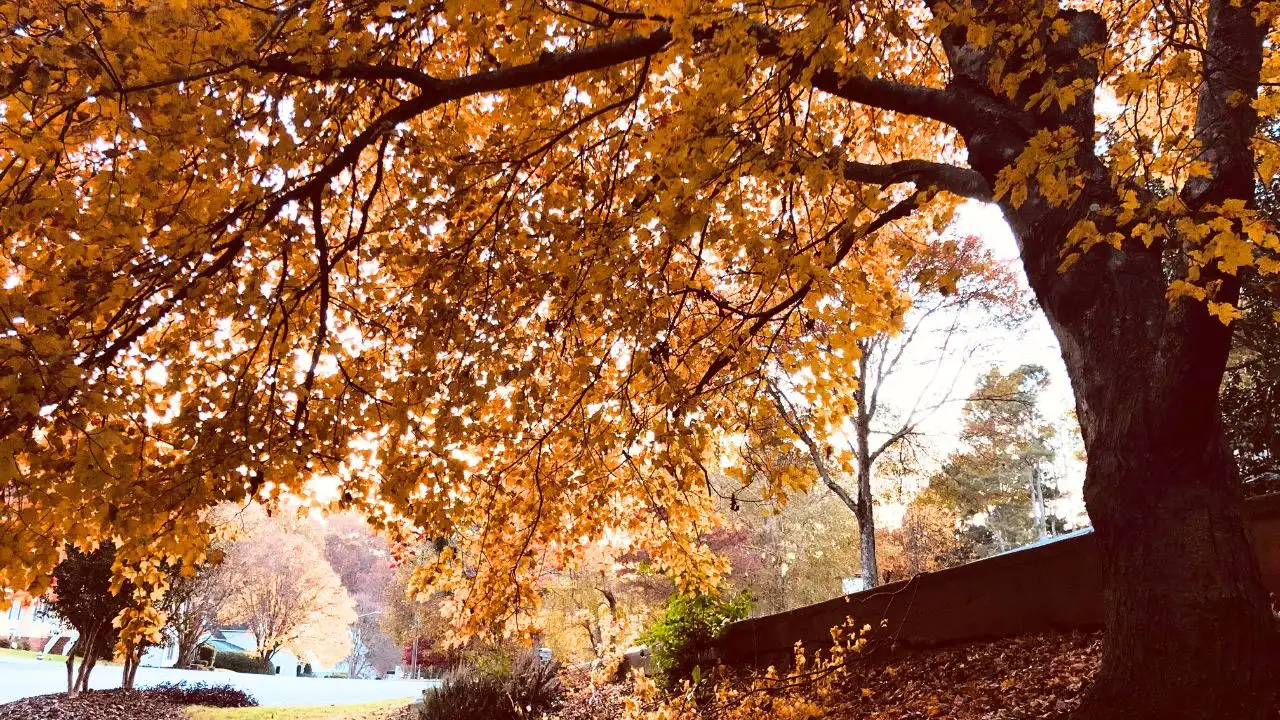
The Sugar Maple is the undisputed king of fall color. When September rolls in, its leaves shift from everyday green to blazing red, glowing orange, and even streaks of golden yellow. If you have ever driven through New England in October, these are the trees setting the hills on fire with color. They are also shade-giving giants, living for decades and often growing 70 to 100 feet tall.
When it comes to planting, timing matters. Sugar Maples prefer cool roots and steady moisture, which makes spring planting ideal in most northern zones. In milder climates, early fall (late August through September) can also work, as the tree has enough time to establish roots before the soil freezes. Be warned though: planting too late in cold regions often means the young tree struggles to survive its first winter.
- Zones 3–6: Best planted in spring. If planted in early fall, give heavy mulch and water deeply until frost.
- Zones 7–8: Early fall planting is usually safe, especially if rainfall is reliable.
- All zones: Avoid planting during hot, dry spells. Sugar Maples dislike compacted soil and urban heat.
2. Red Maple

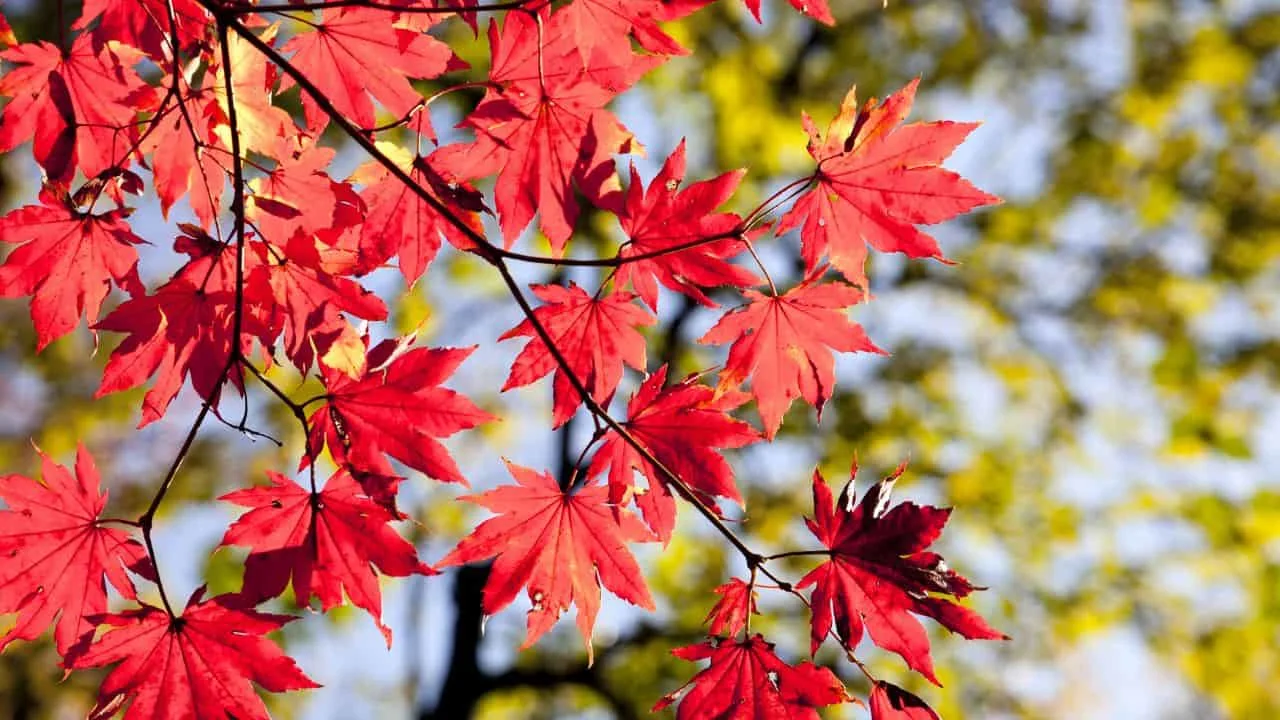
If the Sugar Maple is the star of fall color, the Red Maple is its flashier cousin. Its leaves blaze with deep scarlet, often turning entire neighborhoods into crimson displays by mid-October. Red Maples are also adaptable, tolerating wetter soils and even thriving near streams or low spots where other trees might sulk.
Unlike some other large shade trees, Red Maples can be planted successfully in early fall as long as they are watered consistently. This makes late August and September a great window for gardeners who missed the spring rush. Once established, they are hardy and low-maintenance, providing not only fall beauty but also shade and wildlife value year-round.
- Zones 4–6: Early fall planting works, but water regularly until the ground freezes.
- Zones 7–9: Excellent candidates for September planting. Mild winters give roots time to settle in.
- All zones: Avoid planting in deep drought conditions, as young trees are thirsty during establishment.
3. Oak Trees (Red & White Oaks)

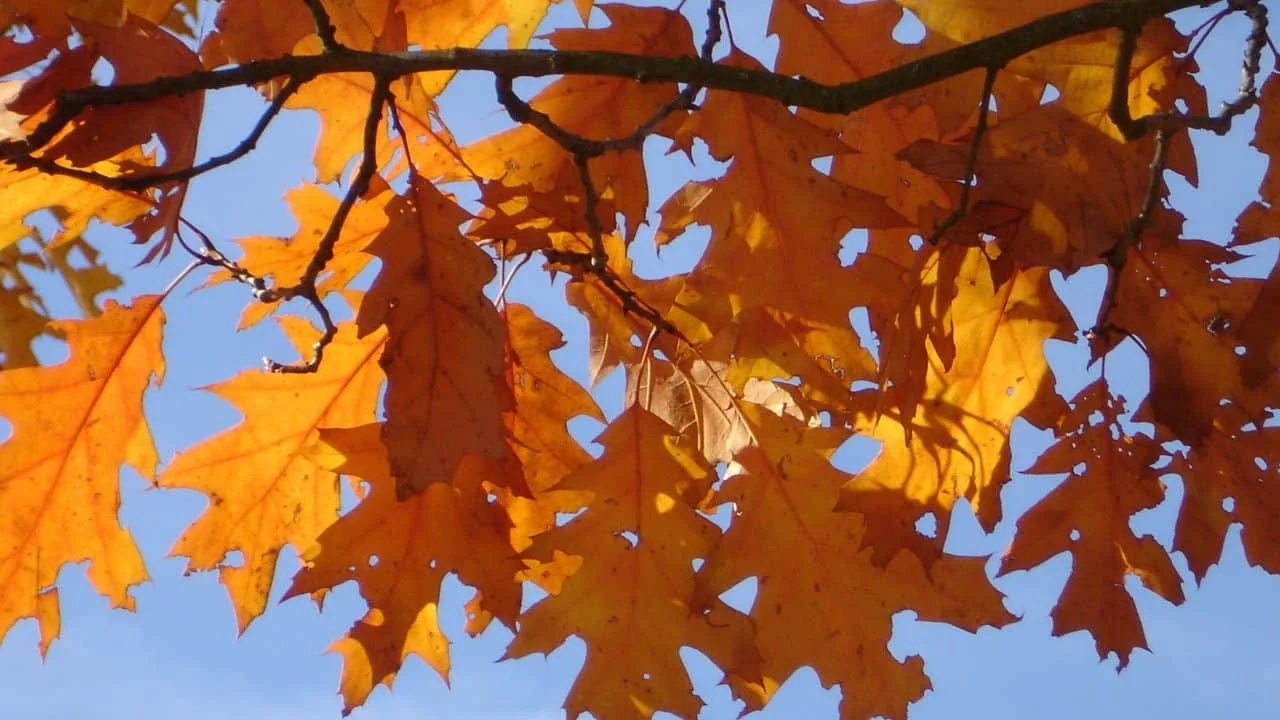
Oaks are the backbone of American landscapes, and their fall colors do not disappoint. Red Oaks bring bold russet tones, while White Oaks glow with bronze and gold. These trees are not just pretty, they are ecological powerhouses, hosting hundreds of species of insects and feeding countless birds and mammals with their acorns.
Because oaks grow deep roots, timing matters. In colder regions, spring planting is usually safest to give them a full season to settle. In zones with milder winters, early fall planting is absolutely possible, giving roots a head start before dormancy. Keep in mind that these are slow growers, so the payoff is years in the making. Once they mature, the fall show is unmatched.
- Zones 3–5: Best to wait until spring planting for reliable establishment.
- Zones 6–8: Early fall planting is fine if you water deeply through the first frost.
- Zones 9–10: Focus on live oaks and other heat-tolerant species for the best success.
4. Sweetgum

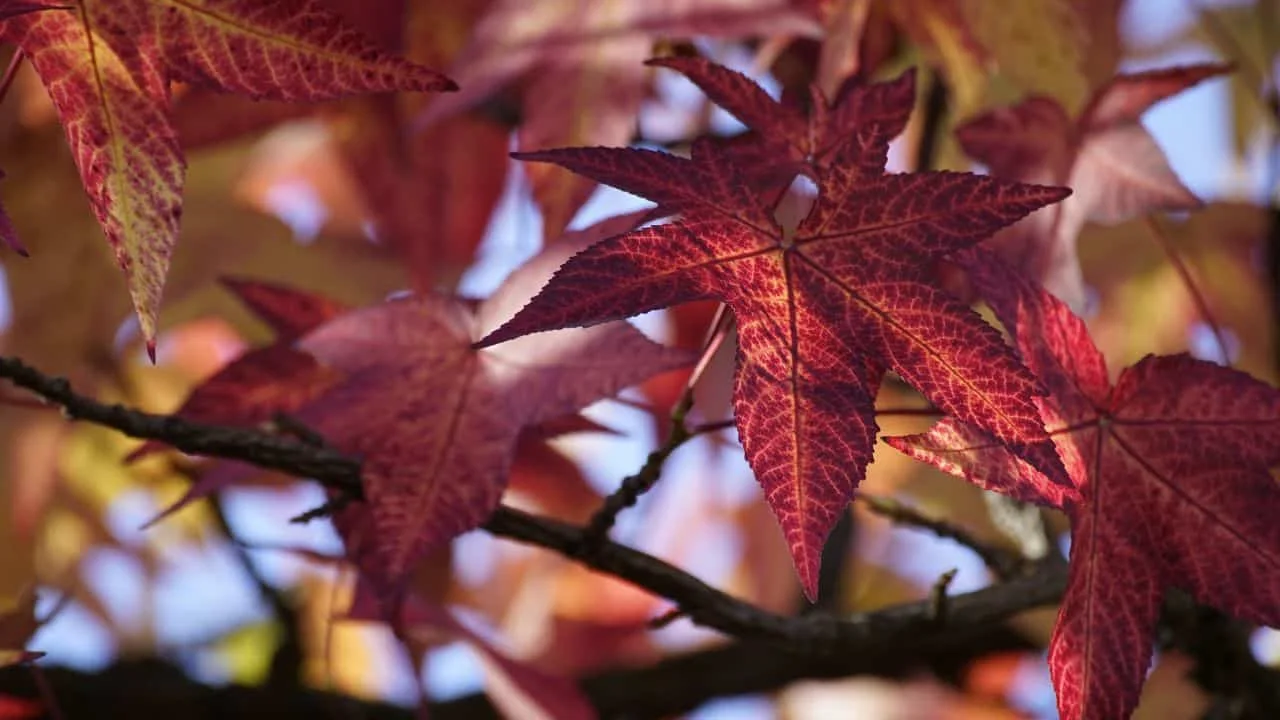
Sweetgum trees put on one of the most dazzling fall shows, with leaves that do not settle for a single color. Instead, you will get a kaleidoscope of purple, red, gold, and orange, often all on the same tree. They are tall, stately, and a real centerpiece in any yard, making them a popular choice for dramatic fall foliage.
The catch? Those spiky “gumballs” they drop can be a nuisance underfoot, so plant wisely if you do not want to be raking or tripping on them every fall. In terms of timing, Sweetgums are best planted in early fall while the soil is still warm enough to encourage root growth before winter sets in. This is especially true in the middle and southern zones where winters are milder.
- Zones 6–9: Prime planting time is September–October. Make sure the tree gets full sun for the best fall color.
- Zone 5: Plant early in the fall window or wait until spring to avoid winter stress.
- Zone 10: Sweetgum struggles in extreme heat, so choose other colorful trees instead.
5. Dogwood Shrubs

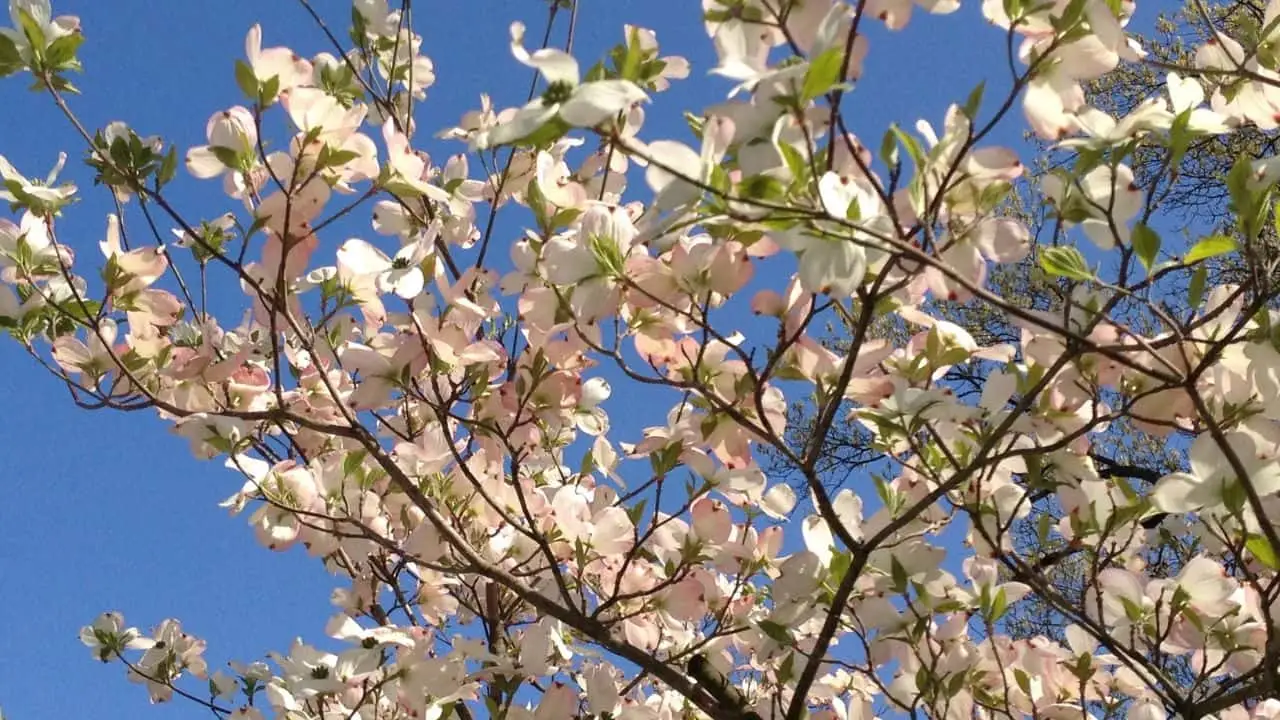
Dogwood shrubs do not just stop at pretty leaves in the fall. They give you a double show. In autumn, their foliage turns a brilliant red or purple, but once the leaves drop, their stems glow bright red against the winter snow. That means you get four-season interest from one plant, which is why gardeners love to sneak them into mixed borders or foundation plantings.
These shrubs are hardy, low-maintenance, and surprisingly adaptable, making them a smart choice if you want a pop of color without adding a high-maintenance diva to your yard. They also provide food and shelter for birds, giving them bonus points in the wildlife-friendly garden department.
- Zones 3–8: Early fall is a perfect time to plant. Cooler temps help roots establish without the stress of summer heat.
- Zone 9: Too hot for most dogwood shrubs, so stick to spring planting or choose heat-tolerant alternatives.
- Plant in full sun to partial shade for best foliage color and stem brightness in winter.
6. Burning Bush (Euonymus alatus)

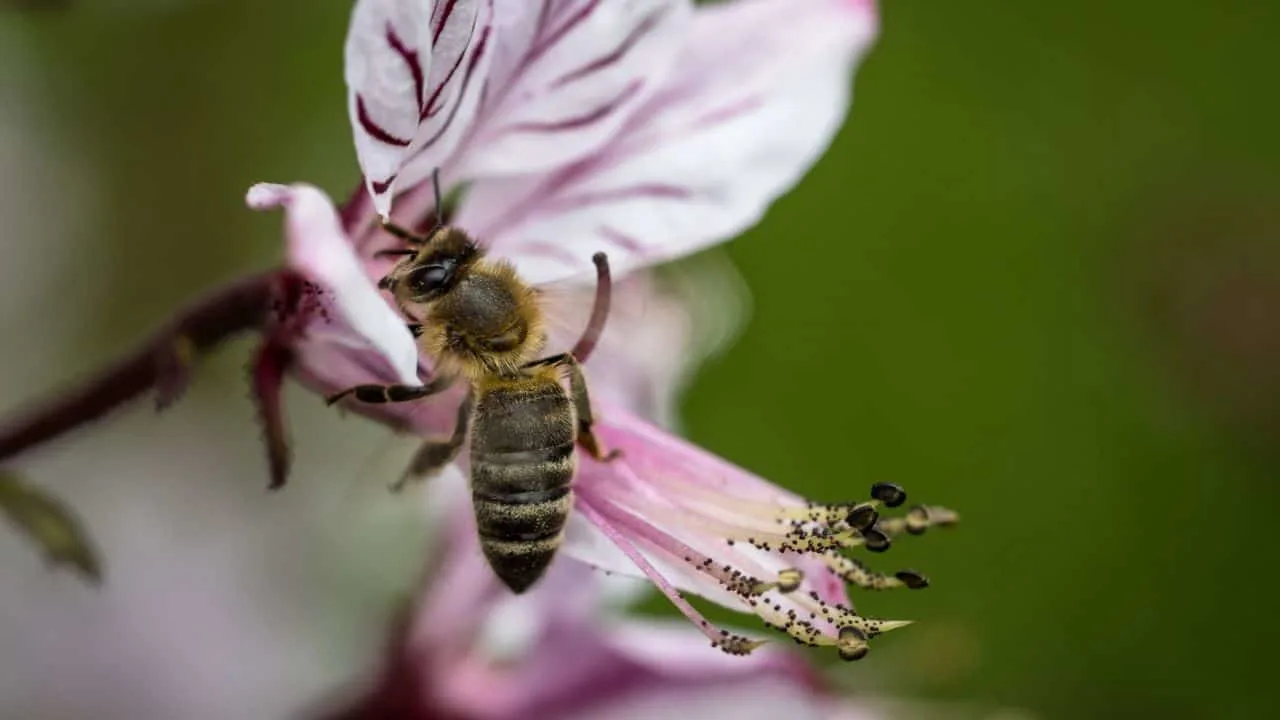
Burning bush is one of those plants that stops people in their tracks. Its neon crimson fall foliage is almost unreal, lighting up hedges and borders like fire. That said, this shrub has earned a controversial reputation. In many parts of the U.S. it is considered invasive, spreading aggressively into woodlands and outcompeting native plants. Gardeners love the color, but it is not always the best ecological choice.
If you crave that same fiery look without the invasiveness, there are excellent native alternatives that bring the drama without the guilt. Options like Aronia arbutifolia (red chokeberry) or Itea virginica (Virginia sweetspire) put on brilliant fall shows while supporting pollinators and local ecosystems.
- Zones 4–8: Burning bush thrives here, and fall planting works well if invasiveness is not a local issue.
- Native alternatives:
- Aronia (Chokeberry): Brilliant red fall foliage + bird-friendly berries.
- Itea (Sweetspire): Deep scarlet leaves, fragrant blooms in spring.
- Blueberry bushes: Multi-season beauty, edible fruit, and gorgeous scarlet fall color.
7. Witch Hazel

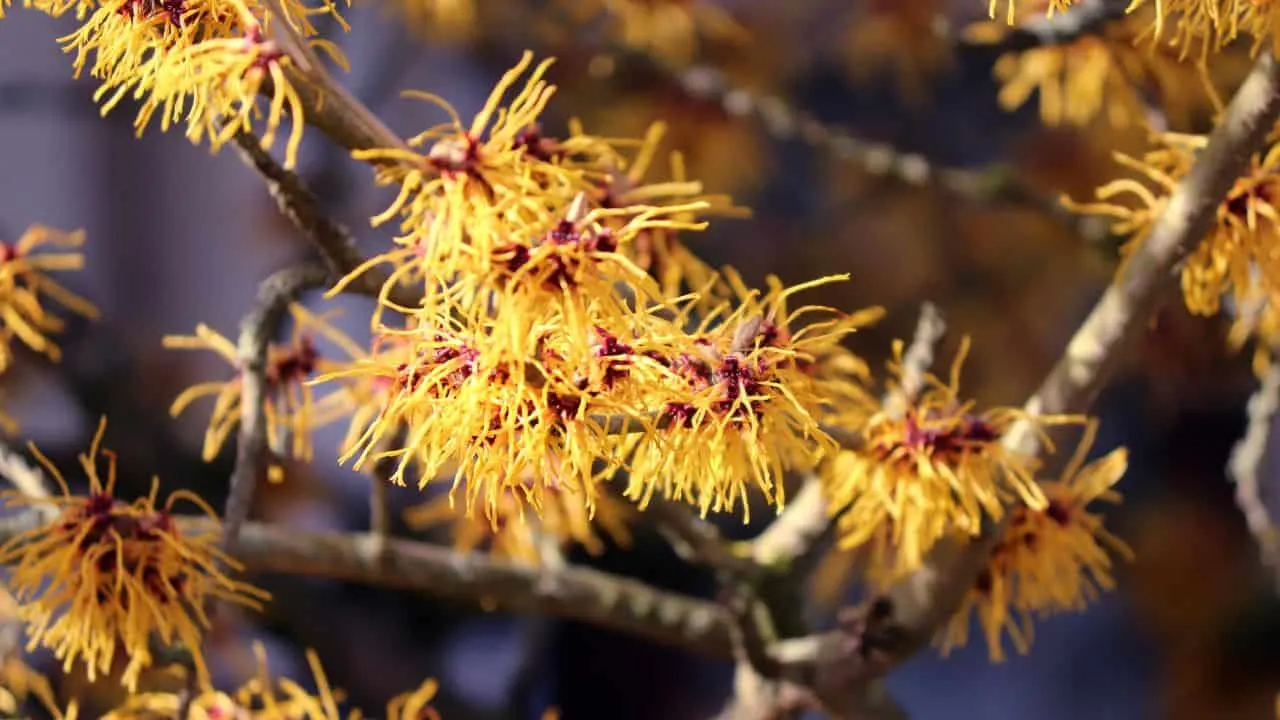
Witch hazel is the plant that refuses to play by the usual rules. Just when most of the garden has gone quiet, it bursts out with spidery yellow blooms in late fall or even the dead of winter.
Add to that its glowing golden leaves in autumn, and you’ve got a shrub that delivers double the seasonal drama. It’s also surprisingly tough, handling poor soils and shady corners better than most ornamental shrubs.
The best part? You can still plant witch hazel in September and give it plenty of time to settle before the ground freezes. It’s slow-growing, but once established, it becomes a true four-season star — with fiery fall foliage, winter flowers, spring pollinator action, and cool summer shade tolerance.
- Zones 5–9: Plant in early fall for the best root establishment. Works well in both sun and partial shade.
- Zones 3–4: Only the hardiest cultivars will thrive here; plant in spring instead of fall for safety.
- Pro Tip: Witch hazel prefers consistently moist soil — mulch helps keep roots cool and hydrated as it settles in.
8. Japanese Maple

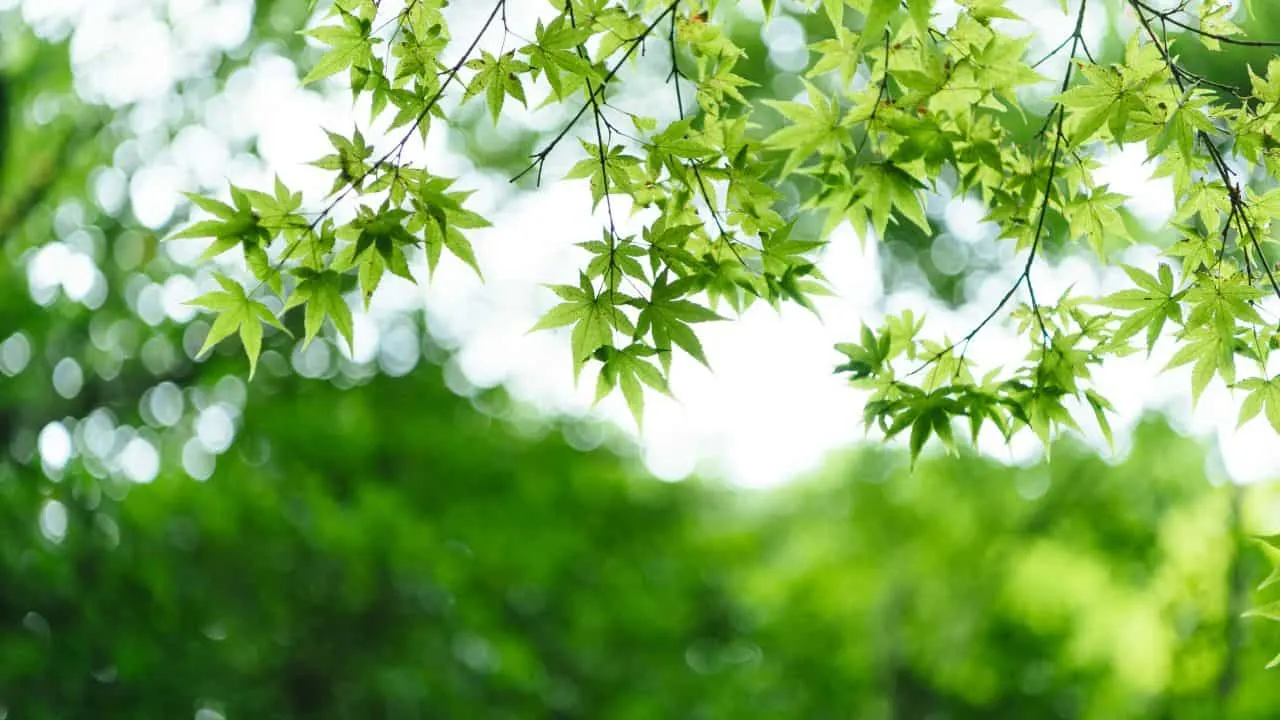
Few plants have the elegance of a Japanese maple. Their delicate, lace-like leaves turn brilliant scarlet, orange, or gold in fall, making them the focal point of any garden. Beyond their foliage, they bring a sense of artistry with their graceful branching and sculptural form. While they look delicate, they are surprisingly hardy if planted in the right spot.
September is still a fine time to plant Japanese maples, especially in moderate climates where fall is long and frost comes later. The key is to give them shelter, since these trees dislike harsh winds and baking afternoon sun. Place them where they get morning light and dappled shade later in the day, and they will reward you with fiery autumn displays for decades.
- Zones 5–8: Early fall planting works well; roots establish before the cold sets in.
- Zone 9: Possible with shade and careful watering, but heat stress is a real concern.
- Zone 4: Needs winter protection, as many cultivars are not reliably hardy in this zone.
- Pro Tip: Mulch around the base but never against the trunk. Japanese maples like cool roots, along with good airflow.
9. Ornamental Grasses

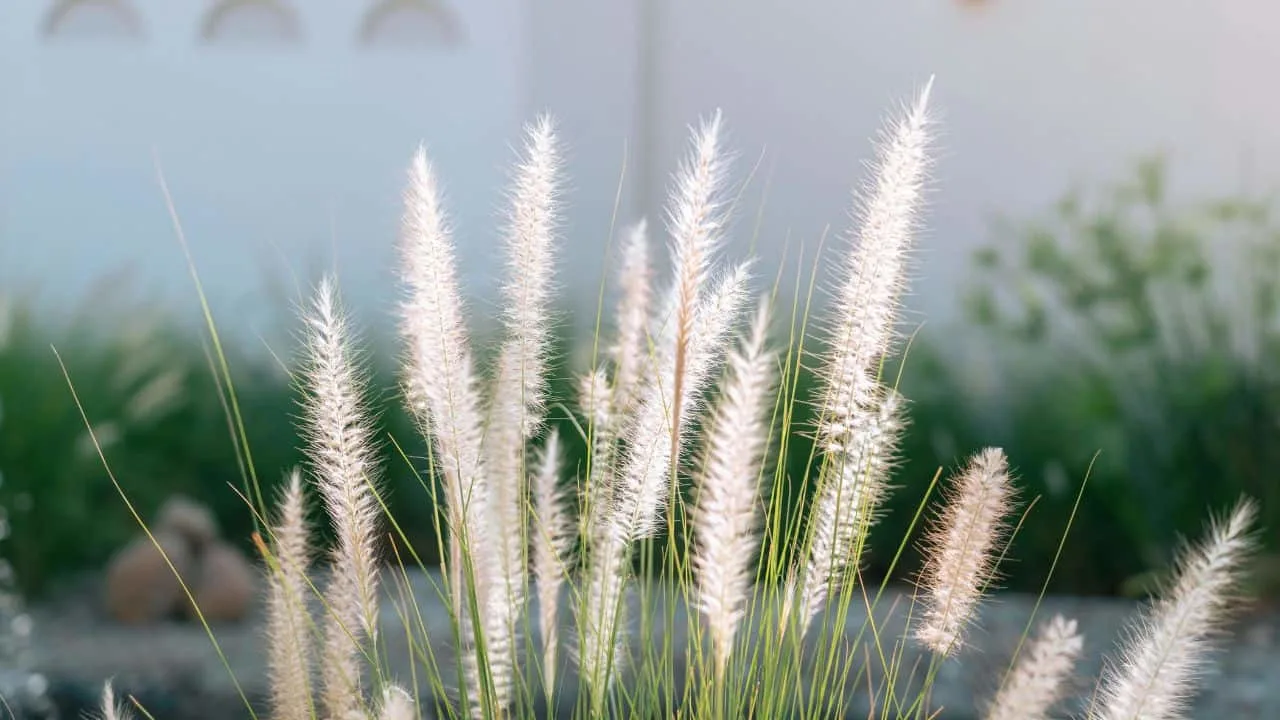
When trees and flowers start fading, ornamental grasses step into the spotlight. From the soft plumes of fountain grass to the upright blades of switchgrass and the feathery tops of miscanthus, these plants bring motion, texture, and structure to a fall garden. Their seed heads catch the light beautifully in September sunsets, and many grasses stand tall through winter, offering interest long after other plants have gone dormant.
The beauty of ornamental grasses is their toughness. They tolerate heat, drought, and poor soils, making them some of the easiest additions to your yard. And yes, September is a great time to plant them. The soil is still warm enough to establish roots, and they need very little fussing over once settled.
- Zones 4–9: Fall planting works well; most grasses establish quickly and overwinter easily.
- Zones 3 and colder: Stick to the hardiest varieties like switchgrass and feather reed grass.
- Tip: Do not cut them back in fall. Leave the plumes standing for winter interest and habitat, then trim them in early spring.
10. Chrysanthemums

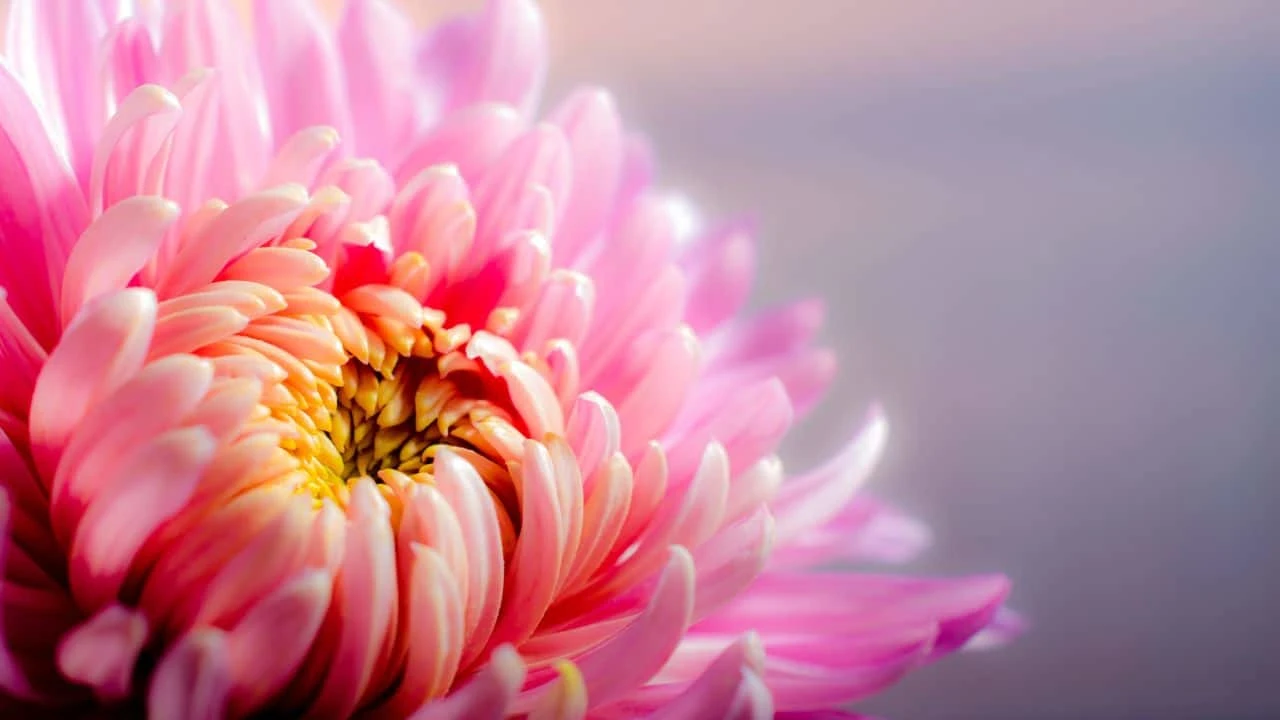
No plant screams fall quite like mums. Their mounds of blooms in gold, orange, burgundy, and purple turn porches and garden beds into instant seasonal displays. While they are often sold as temporary décor, mums can be perennial if planted at the right time and given a chance to root deeply before frost. That is why September is the sweet spot. The soil is still warm enough for establishment, and the cooler nights trigger buds to burst into color right on schedule.
Think of mums as both a quick hit of color and a long-term investment if handled properly. Planting them in containers works for instant décor, while planting them directly in garden beds gives them a chance to settle in and return year after year. Just remember that mums are heavy feeders and need consistent water to stay lush.
- Zones 5–9: September planting gives mums time to establish and overwinter as perennials.
- Zones 3–4: Treat mums as annuals unless you can mulch heavily and protect roots through winter.
- Tip: Plant mums in full sun and pinch back early buds until mid-summer to get the fullest fall display.
11. Asters

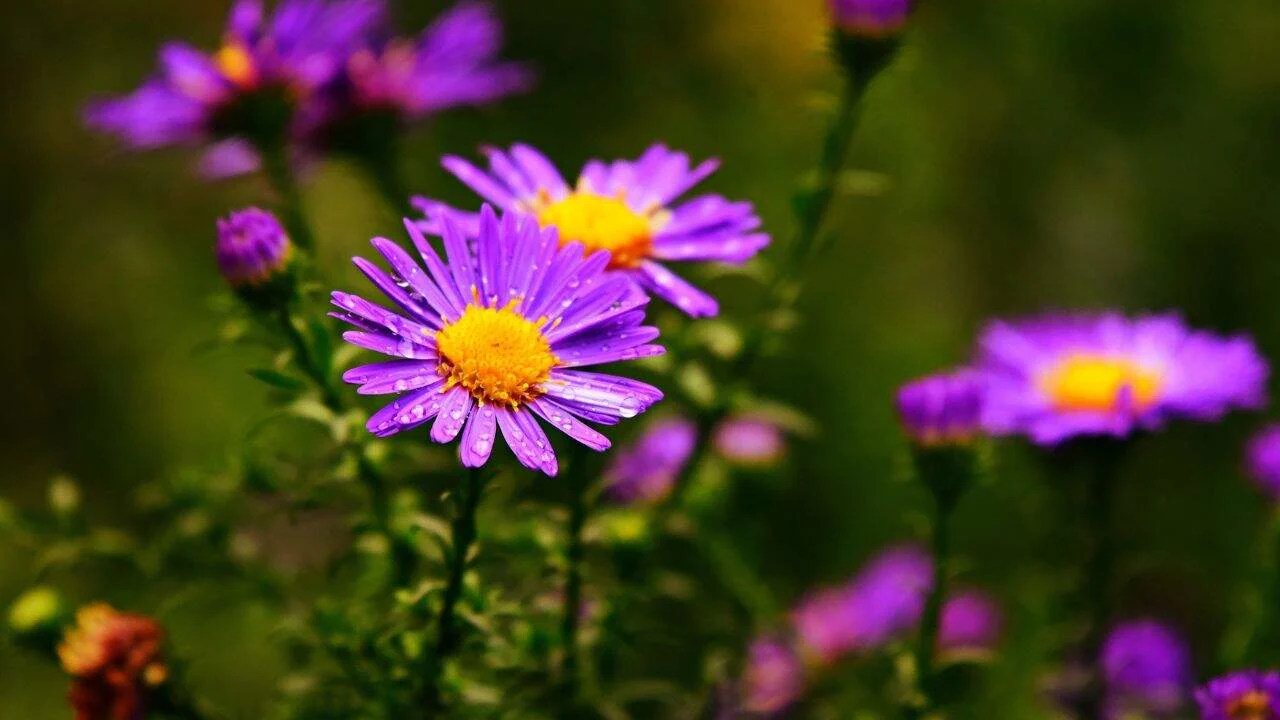
Asters are the cool-weather stars that keep blooming when most of the garden is ready to quit. Their purple, pink, or blue daisy-like flowers pop just as bees and butterflies are looking for late nectar, making them both beautiful and ecologically valuable. They pair perfectly with mums, goldenrod, and ornamental grasses for a true autumn palette. Best of all, they are tough perennials that handle cooler temperatures with ease.
Planting asters in September still works well, since the soil warmth helps roots settle in before frost. Once established, they will return year after year, expanding their clumps and creating larger drifts of color every fall. Choose compact varieties for containers or borders, or taller native species for naturalized plantings and pollinator gardens.
- Zones 3–8: Perfect timing for planting now — they will root quickly and return strong next year.
- Zones 9–10: Plant in partial shade; asters can struggle with heat stress in warmer regions.
- Tip: Deadhead faded blooms to extend the season and encourage fresh flowers into late fall.
12. Sedum ‘Autumn Joy’
Sedum ‘Autumn Joy’ is one of those plants that looks good in every season but absolutely steals the show in fall. Its thick succulent leaves hold up through heat and drought, and by late summer the flower heads shift from pale pink to deep rosy red, finally fading into a rich bronze as the season cools. The blooms are also beloved by bees and butterflies, giving your pollinators a reliable late snack.
September is prime planting time for sedum since it establishes quickly in warm soil and requires little fuss. Once it settles in, it’s nearly indestructible — thriving in poor soil, rocky beds, and spots where other perennials give up. If you want a perennial that performs year after year without coddling, this is your plant.
- Zones 3–9: Can be planted now and will overwinter with ease.
- Hotter Zones 8–9: Place in full sun but ensure good drainage to prevent rot in wetter winters.
- Tip: Leave flower heads standing through winter for added texture and bird interest, then cut back in spring.
13. Goldenrod

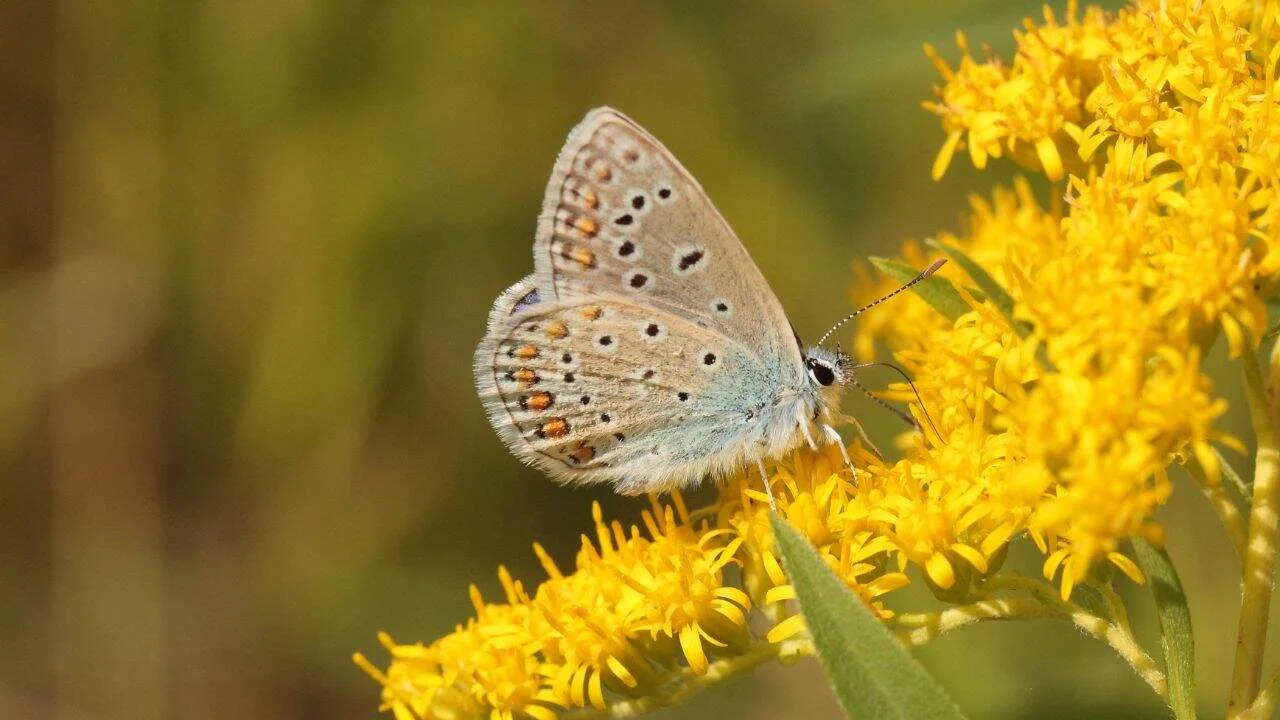
Goldenrod is the ultimate burst of sunshine at the tail end of the season. Its tall stems covered in bright yellow spires light up meadows and borders just when many other plants are winding down. Despite its unfair reputation for causing allergies (that’s actually ragweed’s fault), goldenrod is a pollinator magnet, drawing in bees, butterflies, and beneficial insects by the dozens.
September is still a great time to plant goldenrod. It’s tough, adaptable, and spreads easily once established. Gardeners who want a big impact with very little upkeep will love it, though it’s smart to choose well-behaved varieties or natives suited to your region, since some types can spread aggressively.
- Zones 3–9: Perfect for fall planting; hardy and fast to establish before frost.
- Cooler Zones (3–5): Plant now so roots can settle before the ground freezes.
- Warmer Zones (8–9): Thrives even in heat, but give it space since it can spread quickly.
14. Black-Eyed Susans

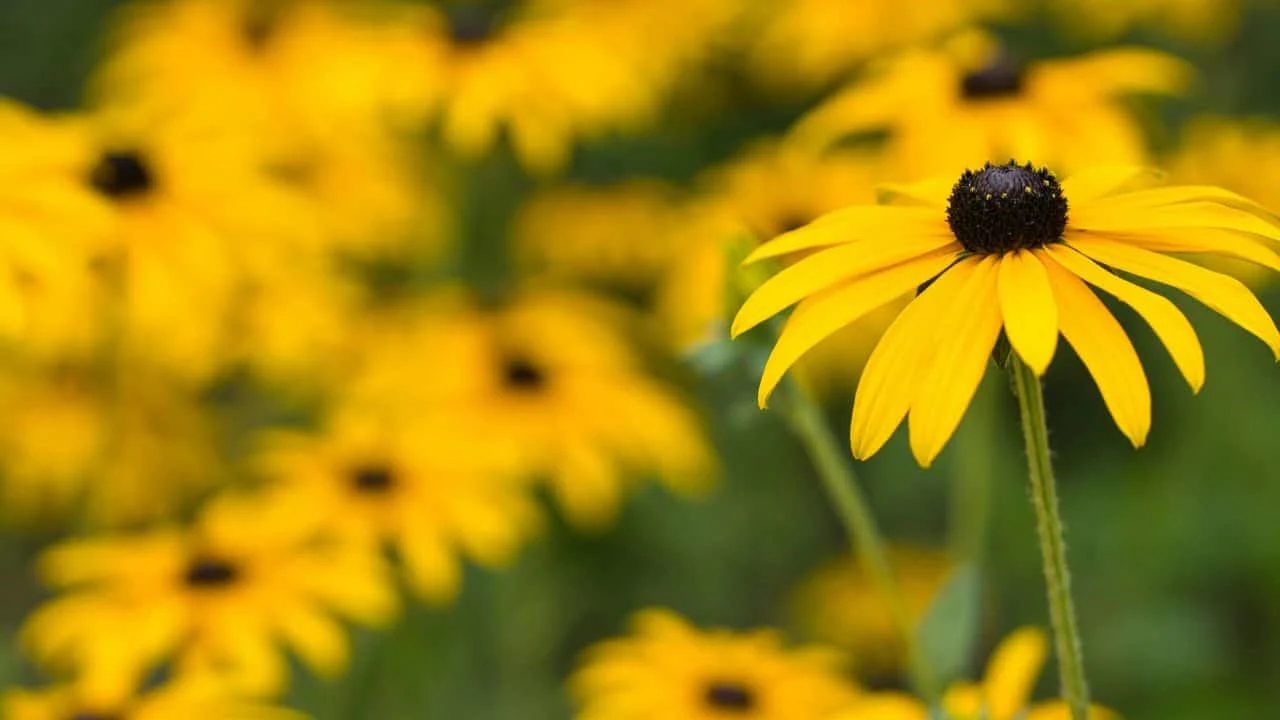
Black-Eyed Susans bring that bold golden glow with a dark center that screams late summer and fall. These cheerful flowers are among the easiest perennials to grow, tough as nails once established, and they keep blooming well into the cooler months when many other flowers fade. They are also excellent cut flowers, adding a sunny touch to fall bouquets.
Fall planting is a smart move for Black-Eyed Susans because it gives them time to settle roots before winter. While they may not explode with blooms right away, you are setting yourself up for a much stronger show next year. They are hardy and forgiving, making them a great choice for beginner gardeners who want quick, reliable color year after year.
- Zones 3–9: Fall planting works across most of the US; plants establish roots now and come back stronger in spring.
- Cooler Zones (3–5): Plant early in September so roots have time before frost.
- Warmer Zones (7–9): Can handle fall planting easily, even blooming into late autumn in milder winters.
15. Helenium (Sneezeweed)

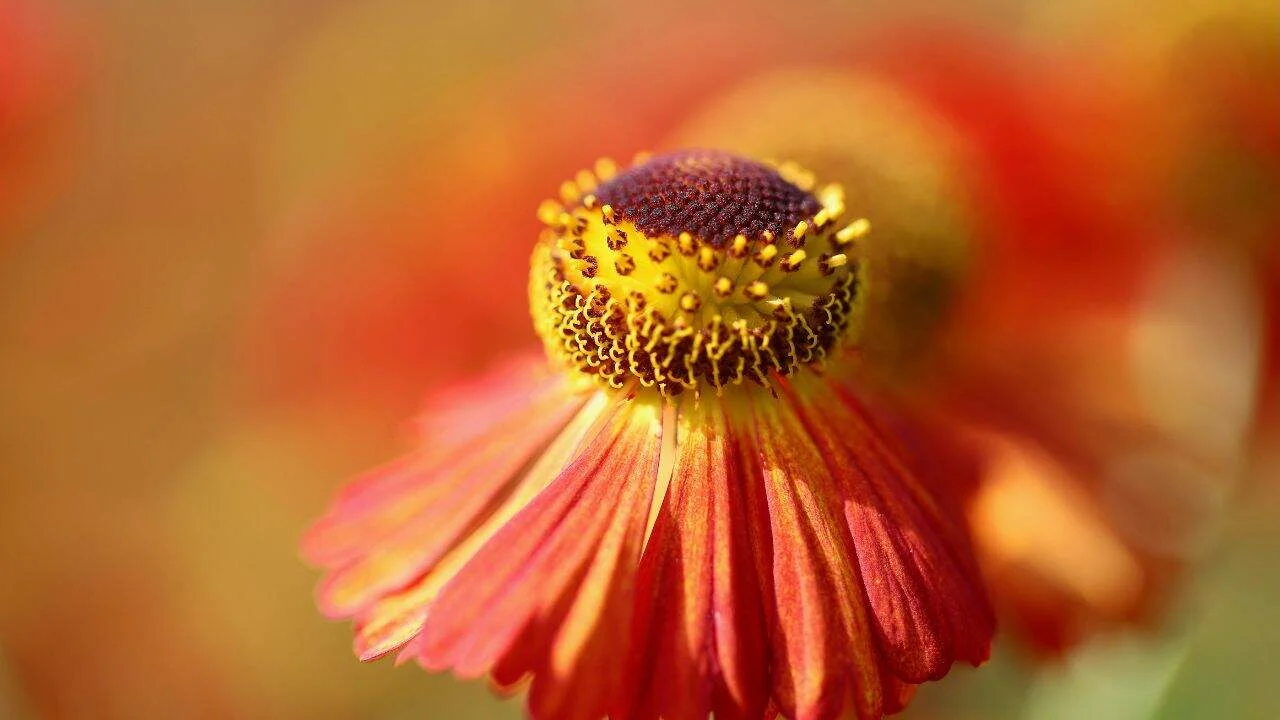
Helenium, often called sneezeweed (though it does not actually trigger sneezing), is one of the most fiery fall bloomers you can add to a garden. Its blooms come in hot shades of red, orange, and yellow, creating a dramatic display right when many plants are winding down. These perennials are pollinator magnets, drawing in bees and butterflies at a time when nectar sources are starting to dwindle.
Planting Helenium in early fall is still a great idea because the soil is warm enough to encourage root growth before the ground freezes. While you will not get much bloom power this year, you are investing in spectacular fall color for next season. Once established, sneezeweed comes back strong and puts on a reliable show each year.
- Zones 3–8: Well-suited for fall planting; establish now for robust blooms next year.
- Cooler Zones (3–5): Plant as early in September as possible to allow root growth before frost.
- Warmer Zones (6–8): Late September planting is still fine thanks to longer autumn warmth.
How to Max Out Fall Foliage and Color
Fall gardens do not have to fade into brown and gray. With the right mix of trees, shrubs, and perennials, you can have blazing reds, golden yellows, and deep purples carrying your landscape right into the colder months.
Many of these plants are long-term investments, while others like mums and asters give you instant seasonal impact. The trick is timing. Some should be planted now while the soil is still warm, while others are best saved for spring. Either way, every addition you make in September sets the stage for a garden that turns heads next fall.
Whether you go for a show-stopping sugar maple, a pollinator-friendly goldenrod, or simply fill pots with chrysanthemums, the payoff is the same. A fall garden that feels alive and glowing when everything else is winding down. Plant smart now and next year you will thank yourself for creating one of the most spectacular autumn backdrops in the neighborhood.
🍂 Key Takeaways for Fall Foliage
- 🌳 Trees like sugar maples, oaks, and sweetgums bring the boldest long-term autumn color but often establish best when planted early fall in mild zones or saved for spring in colder regions.
- 🌼 Perennials and late bloomers such as chrysanthemums, asters, sedum, and helenium can still be planted right now for an instant splash and future seasons of color.
- 🌾 Ornamental grasses are perfect September choices, adding structure, movement, and winter interest when other plants fade.
- 🌍 Zone timing matters. What thrives in zone 9 may fail in zone 3 if planted too late, so match each plant to your local frost window.
- 🍁 Mix short-term and long-term stars for a layered fall garden. Use instant annuals for this year, and shrubs and trees for a fiery show every year after.
❓ Frequently Asked Questions
Q: Is it too late to plant fall foliage trees in September?
A: In colder zones (3–5), September is usually the cutoff. In warmer zones (6–9), you can still plant if you water well and mulch for winter protection.
Q: Do fall-planted perennials bloom this year?
A: Some, like chrysanthemums and asters, will bloom right away. Others, like sedum or black-eyed Susans, focus on root growth and give their best display next year.
Q: How do I keep new plantings safe from early frost?
A: Add a 2–3 inch mulch layer, water deeply before cold snaps, and use frost cloths if an early freeze hits.
Q: Are ornamental grasses really worth planting in September?
A: Yes. They establish quickly, need little care, and give instant texture plus winter interest when most flowers fade.
Q: Which fall foliage plants are invasive?
A: Burning bush is considered invasive in many states. If you love its color, try native alternatives like aronia or blueberry bushes instead.
Q: Should I fertilize new fall plantings?
A: Skip heavy fertilizer. A light compost top-dress works best so roots focus on settling in rather than pushing tender new growth before frost.


Daniel has been a plant enthusiast for over 20 years. He owns hundreds of houseplants and prepares for the chili growing seasons yearly with great anticipation. His favorite plants are plant species in the Araceae family, such as Monstera, Philodendron, and Anthurium. He also loves gardening and is growing hot peppers, tomatoes, and many more vegetables.