

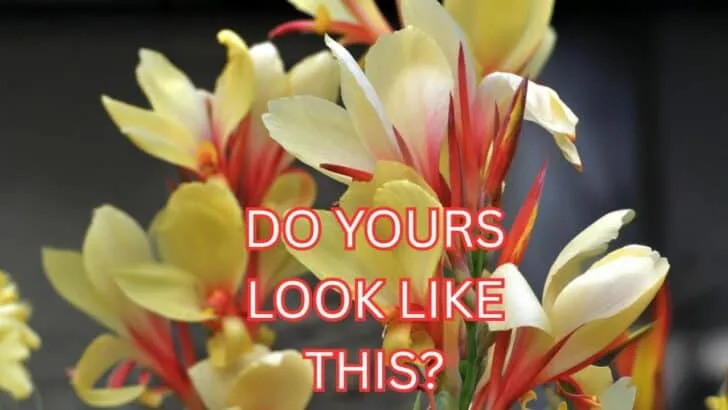
You know that moment when you step into the garden and just kind of squint at a plant like… wait, are you doing okay? By early July, a lot of our garden favorites should be hitting their stride. Flowers blooming, vines climbing, leaves pushing out like they own the place.
But what if they’re not?
This list isn’t about planting new things. It’s about checking on what you already have. These are the plants that should be thriving right now — whether you’re in a cooler northern zone or sweating it out in the South. And if they’re not looking perky, we’ll help you figure out why.
Because sometimes it’s not you. And sometimes it totally is.
🌻 Key Takeaways for Thriving in July
- 🌞 Some plants love the heat — July isn’t a lull, it’s a spotlight moment for summer champions like zinnias, okra, and black-eyed Susans.
- 🌍 Check your USDA zone — a plant that’s thriving in Zone 9 might be struggling in Zone 5. Timing and climate make all the difference.
- 🕰️ Midseason maintenance pays off — deadhead flowers, feed the hungry, and trim what’s leggy. July is peak garden-boosting time.
- 🚿 Don’t skimp on water — heat-loving plants still need deep, consistent watering to perform at their best. Shallow watering = shallow roots.
- 🔍 Watch for pests and stress — strong growth is great, but it attracts problems. Inspect leaves, monitor moisture, and act early if needed.
- 📅 July isn’t too late to plant — fast growers like bush beans and basil can still give you a show before the first frost rolls in.
1. Tomatoes

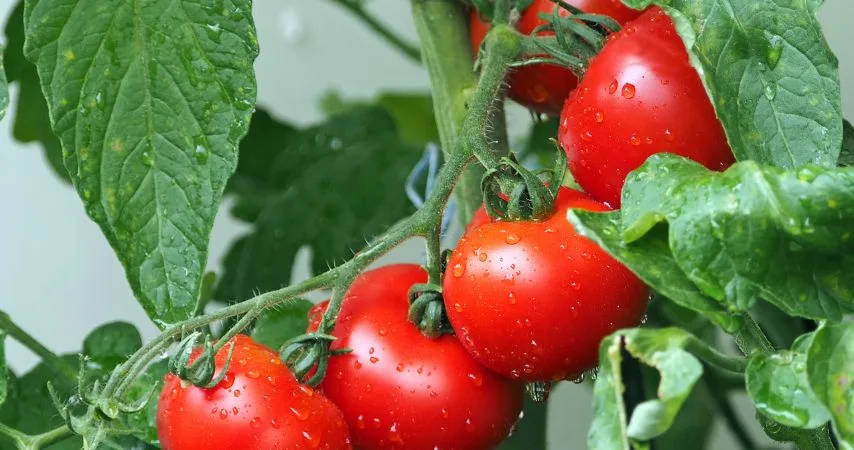
By early July, tomatoes should be growing with confidence. If you’re in , this is go-time — flowers, green fruits, and vines that climb like they’ve got something to prove. If yours still look spindly or confused, it’s worth investigating.
The most common problems this time of year? Uneven watering, not enough sun, or crowding. Tomato roots like consistency and elbow room. In pots, check if the plant is root-bound. In beds, avoid burying the stem base with mulch — it suffocates airflow and invites disease.
Also, keep an eye on those leaves. Curling can be a sign of heat stress, overwatering, or even early blight. Act early and you can usually turn things around.
Tomatoes need at least 6 hours of direct sun, regular deep watering at the base, and support as they grow. Stake or cage them early, and pinch off lower leaves that touch the soil.
2. Zucchini

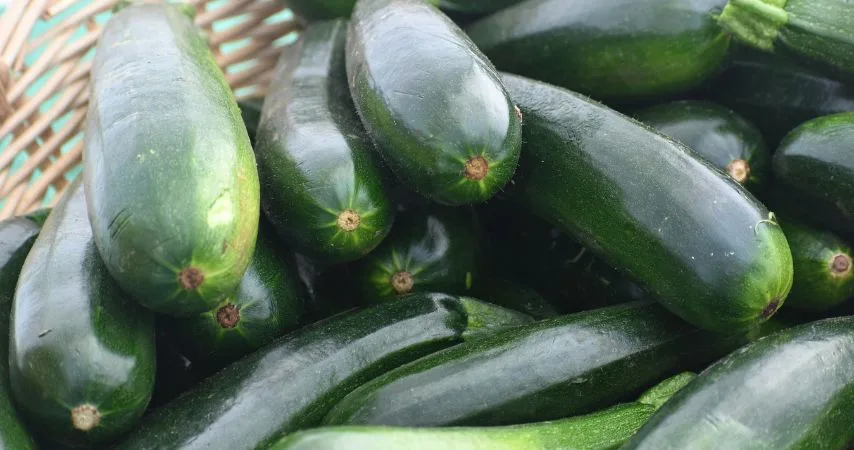
If there’s ever been a plant that thinks it’s in a race, it’s zucchini. In Zones 4 through 10, July is prime time for these overachievers. By now, they should be throwing out blossoms like confetti and setting fruit faster than you can pick it.
But here’s the catch: zucchini doesn’t always play fair. Powdery mildew loves to sneak in once the weather gets humid, and squash vine borers can ambush you seemingly overnight. If your leaves are starting to look ghosted or the stems feel soft near the base, don’t ignore it.
Also, pollination gets tricky in extreme heat. You might see baby zucchini yellowing and dropping before they grow — usually because the male and female flowers didn’t sync up or pollinators bailed due to the heat.
Harvest small and often — younger zucchini are more tender and keep the plant producing. And if you’ve had vine borer issues before, try wrapping the base of the stem with foil or netting as a barrier.
3. Basil

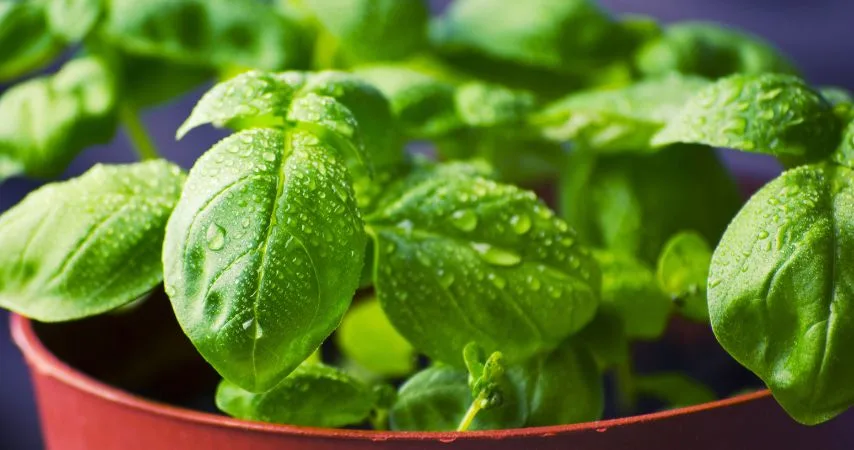
Sweet basil loves the heat — as long as it’s not getting scorched. If you’re in Zones 5 through 11, this is basil’s time to shine. It grows fast, smells like a summer dream, and bolts the second you stop paying attention.
By July, you should be harvesting regularly. If you’re not, the plant will take matters into its own hands and send up flower spikes, which signals it’s done growing tasty leaves. Once that happens, the flavor turns bitter, and the leaves get tough.
Also, basil gets dramatic about water. Too much? Root rot. Too little? Leaf drop and crispy edges. And don’t forget, basil hates cold feet — soggy soil in a glazed pot is a guaranteed sulk session.
Pinch flowers as soon as they appear and harvest by the stem, not leaf-by-leaf. Water in the morning, and aim for the base — basil hates wet leaves more than slugs do.
4. Black-Eyed Susan

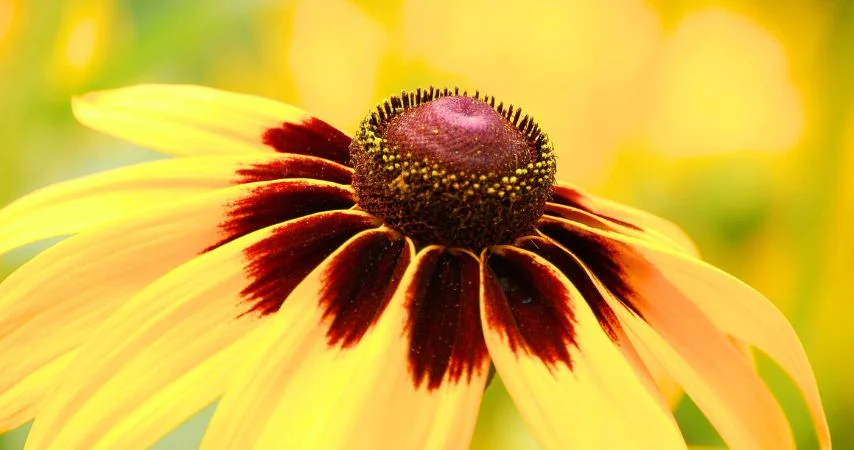
In Zones 3 through 9, black-eyed Susans (Rudbeckia hirta) are right on cue in early July. These golden-yellow bloomers don’t just light up a bed — they do it with stamina. Once they start, they keep flowering for weeks, sometimes all the way into fall.
They’re heat-tough, drought-tolerant once established, and pollinator magnets. Bees, butterflies, even hummingbirds can’t resist them. And the best part? Deer usually leave them alone. Finally, something you can grow without fencing it in like Fort Knox.
If your Susans look sluggish, it’s often a soil issue. Heavy clay or soggy beds can slow them down. They prefer it loose, well-draining, and a little on the dry side once they’re settled in.
Deadhead spent blooms to keep the flowers coming. And if they’re flopping, it’s usually too much water — or too much love.
5. Swiss Chard

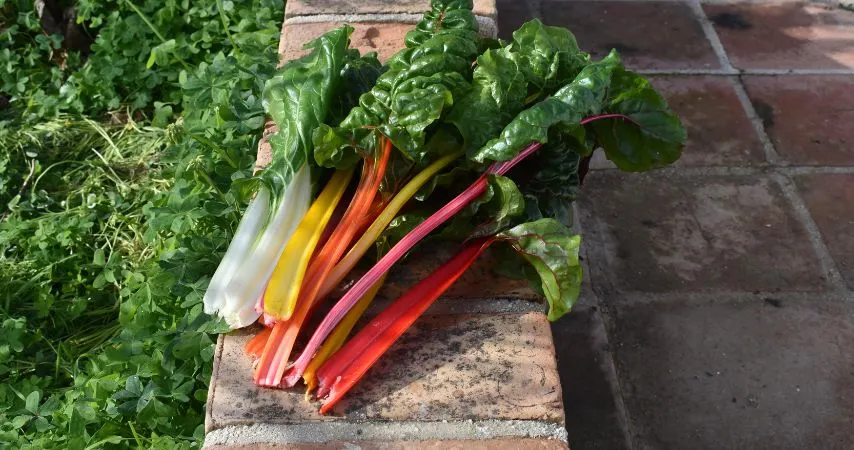
If you’re in Zones 4 through 10, Swiss chard is one of the few leafy greens that doesn’t throw a tantrum when the summer heat kicks in. It just keeps pumping out those vibrant, rainbow-colored stalks like nothing happened.
It’s not just pretty — it’s productive. Even in July, when spinach has long bolted and lettuce has turned bitter, Swiss chard stays sweet and sturdy. Give it some afternoon shade and consistent water, and you’ll be harvesting for weeks.
This is also a great crop for raised beds and small spaces. Just snip the outer leaves and let the center regrow. Bonus: it’s packed with vitamins, and snails and slugs don’t love it as much as other leafy greens.
If your chard is wilting midday, don’t panic. It often perks back up in the evening. If it stays limp overnight, then it’s time to water.
6. Okra

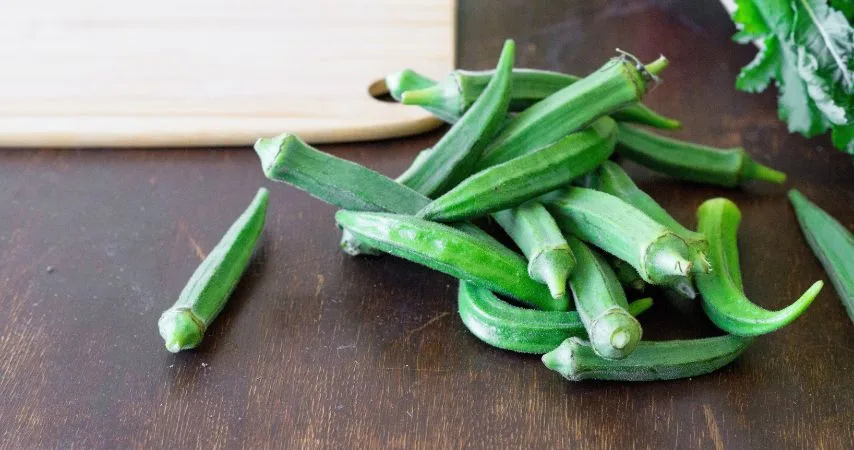
For gardeners in Zones 6 through 11, okra is a hot-weather champ. The more the sun blazes, the more it thrives. In fact, this plant practically yawns at 90°F and keeps pushing out pods like it’s on a mission.
It’s fast-growing, striking to look at, and surprisingly easy to manage. Once it starts producing, you’ll want to check daily — the pods go from perfect to woody in a flash. But if you stay on top of harvesting, okra rewards you with nonstop bounty.
Plus, it’s a great pollinator magnet. Those pale yellow blooms attract bees like crazy, and the plant stands tall, making it an eye-catching addition to your garden.
If you’re in a cooler zone, start okra indoors or pick a fast-maturing variety. Give it heat, space, and sun — and it’ll give you pods all summer long.
7. Cucumber

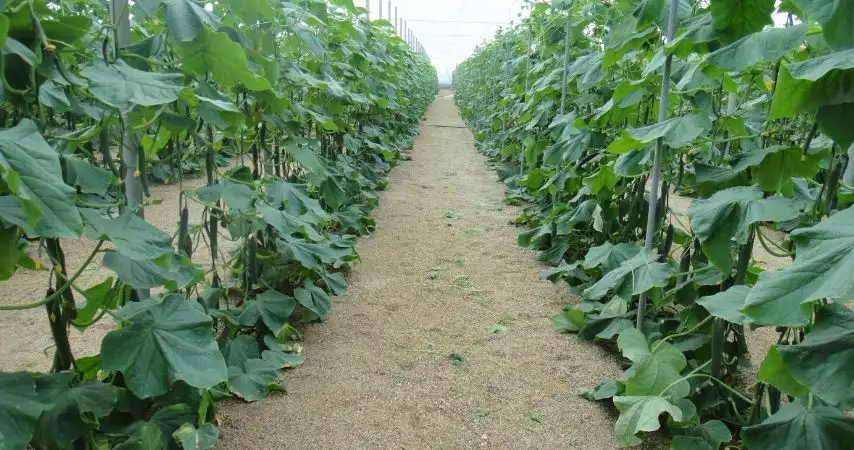
If your cucumbers aren’t thriving by now in Zones 4 through 11, something’s off. These vining powerhouses are in their prime once the nights stay warm and the days climb above 75°F. July is their sweet spot.
With enough sun, regular watering, and a trellis to climb, cukes can double their size in a week. They grow fast, produce heavily, and reward daily picking with crisp, sweet fruit. Miss a day? You’ll end up with a garden zucchini impersonator.
They’re also a great “barometer” plant — if your cucumbers look wilted or stressed, chances are other veggies are struggling too. Their quick feedback makes them an unexpected garden ally.
Cucumber roots hate heat stress. A layer of mulch helps keep their cool while drip irrigation keeps the fruit crisp. Trellising also improves air flow and prevents powdery mildew.
8. Marigold

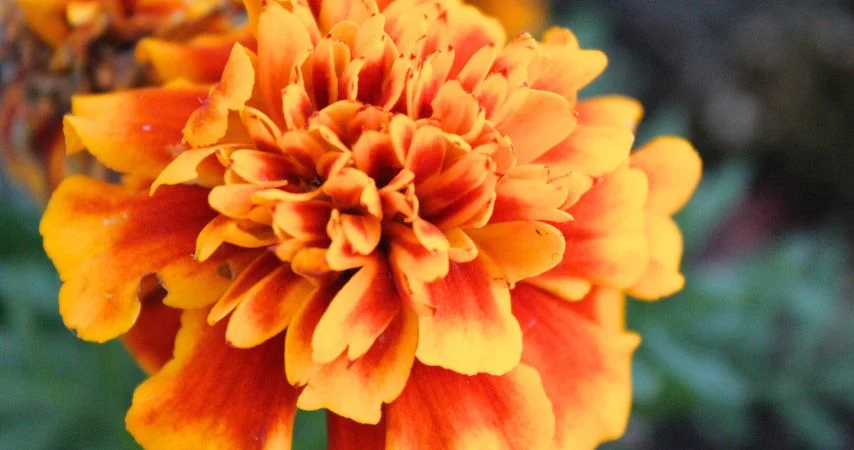
Marigolds are absolute workhorses this time of year in Zones 2 through 11. They bloom like clockwork, shrug off heat, and look just as good in veggie beds as they do in containers. July is when they really fill out and start punching above their weight.
Besides looking cheerful, they’re also great little bodyguards. Many gardeners say marigolds help keep pests like aphids, nematodes, and even rabbits away. Whether that’s science or just tradition depends on who you ask. Either way, they add color and charm with zero fuss.
If yours are looking leggy, give them a trim. Deadheading spent blooms will trigger even more flowering throughout the rest of the season.
Plant marigolds near tomatoes or peppers to keep the beds vibrant and possibly discourage pests. Water at the base, not the foliage, especially in humid climates.
9. Canna Lily

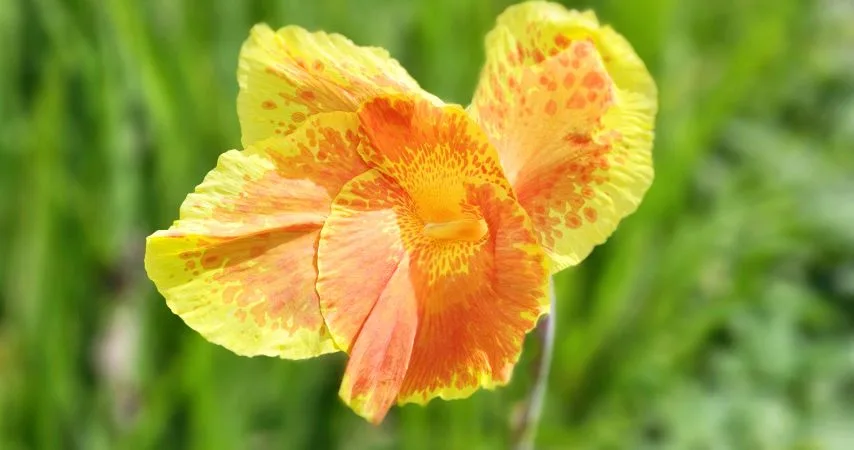
For a dramatic July display, Canna lilies are the showboats your garden might be missing. These tropical-looking stunners thrive in Zones 7 through 11, but even folks in colder zones treat them as annuals or dig up the rhizomes for winter storage.
Right now is when their bold foliage and fiery blooms hit their stride. Canna lilies love the heat, soak up the sun, and don’t mind heavy soil or the occasional soggy patch. They’re one of the few flowering plants that actually want the full brunt of summer weather.
If your garden feels a little too polite or washed out, drop a few Cannas in the background for height and energy. Just keep in mind that they spread. A single rhizome can easily double in size by season’s end.
Pair Canna lilies with elephant ears or coleus for a lush, tropical vibe. Water deeply once or twice a week, and mulch to keep roots cool and weeds out.
10. Zinnias

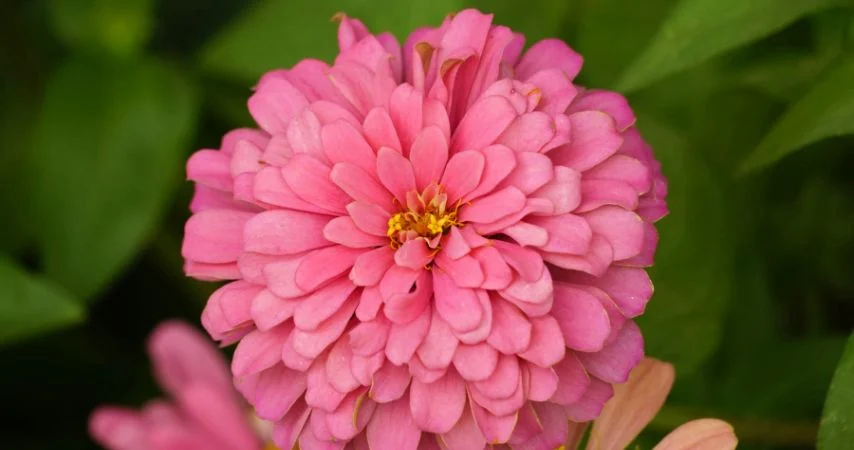
Zinnias are the poster children for low-effort, high-reward summer color. If you’re in Zones 3 through 10, this is your moment — July is when zinnias kick into full bloom and keep going strong until frost, especially if you keep deadheading.
They don’t need coddling. Full sun, average soil, and decent airflow are all they ask. In return, you get nonstop blooms in every color except blue — and an open buffet for pollinators. Bees and butterflies go wild for them.
Zinnias also handle heat like champs. They can sulk if it’s too wet, but a little dryness won’t faze them. If you planted from seed in late spring, you should already see buds forming now. If not, local nurseries might still have starts you can plug in and enjoy for months.
Harvest zinnias for bouquets to encourage even more blooms. Cut early in the morning, and choose stems where the petals are fully open and firm at the base.
11. Crape Myrtle

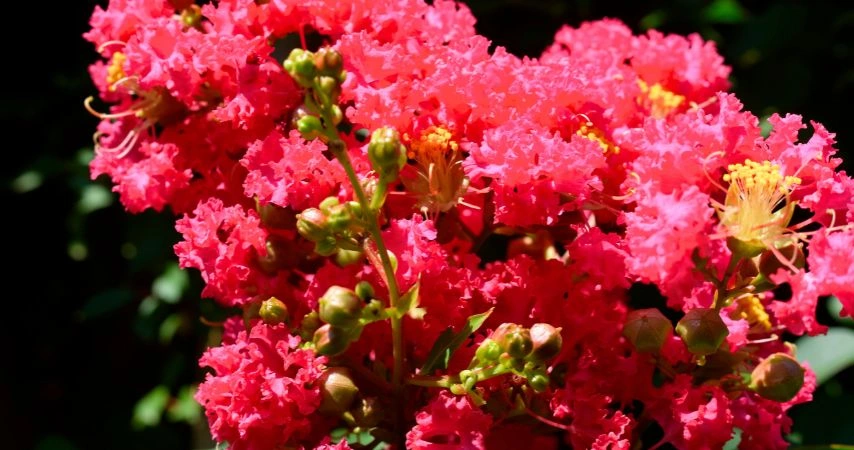
If there’s one plant that absolutely loves a Southern summer, it’s Crape Myrtle. Native to Asia but beloved across the southeastern US, these flowering trees and shrubs put on their biggest show in Zones 7 through 10 — and July is prime time.
The real fireworks start now, with huge clusters of pink, red, purple, or white blooms that last for weeks. They thrive in full sun, don’t mind humidity, and can shrug off drought like it’s nothing. That combo makes them one of the most reliable July bloomers in warm climates.
And the best part? Crape myrtles aren’t just summer stunners. Their leaves turn fiery red or orange in fall, and their bark peels back in winter for bonus texture. That’s year-round interest with zero drama, as long as you don’t butcher them with bad pruning.
Skip the “crape murder” haircut — let your crape myrtle keep its natural shape. Prune only in late winter if needed, and enjoy the fireworks now without interference.
🌿 Your Garden’s July VIPs
Every gardener knows that July can be a mixed bag — blazing sun, sudden storms, and soil that dries out faster than your coffee cup. But the good news? Plenty of plants love this stretch of the season. The key is knowing who’s built for the heat and who’s just hanging on.
The 11 plants on this list aren’t just surviving — they’re thriving. Whether you’re in humid Florida or dry-as-toast Texas, there’s something here ready to put on a show. Some bloom big. Others fruit fast. A few hold down the fort like green warriors in the heat.
So, take a stroll, check your zone, and make a few notes. Your garden might be begging for a little July upgrade — and now you know exactly where to start.


Daniel has been a plant enthusiast for over 20 years. He owns hundreds of houseplants and prepares for the chili growing seasons yearly with great anticipation. His favorite plants are plant species in the Araceae family, such as Monstera, Philodendron, and Anthurium. He also loves gardening and is growing hot peppers, tomatoes, and many more vegetables.