

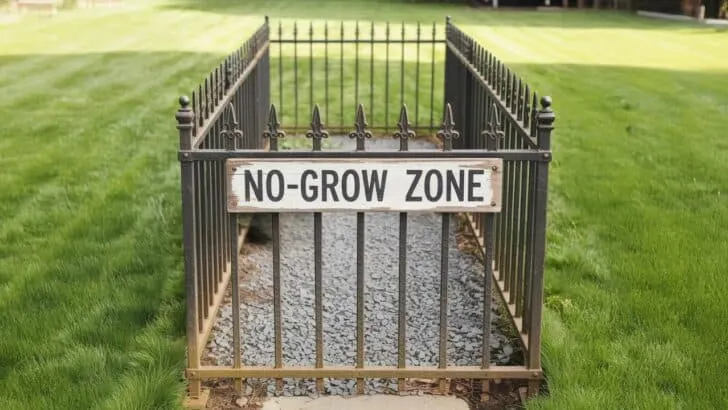
I used to think my garden had a “bad luck” corner. You know the one — far end of the yard, full sun, good drainage, nothing visibly wrong. But year after year, every plant I stuck there flopped faster than a cheap lawn chair.
At first, I blamed the seeds. Then the soil. Then myself. It wasn’t until I finally got nosy with a shovel and a hose that I realized: this wasn’t a cursed bed. It was a textbook example of a no-plant zone — the kind that hides in plain sight in almost every garden.
Turns out, there are spots where nothing wants to grow. Not because you’re a bad gardener. But because the conditions are quietly working against you. Compacted soil, stray heat, secret foot traffic — these things add up fast. And no amount of compost will save you if you’re planting in the wrong place to begin with.
This article lays out the top no-plant zones that sneak into otherwise healthy gardens. Some of them can be fixed. Some should just be avoided. But either way, knowing where they are (and why they suck) might just save your next planting season.
🪴 Key Takeaways from Today’s Topic
- 🚷 Not every spot in your garden is plant-friendly — some areas naturally resist healthy growth due to drainage, compaction, foot traffic, or heat bounce.
- 📍 Look for signs — stunted growth, repeated failure, mossy soil, or chronic dryness can all point to a no-go zone.
- 🛠️ You don’t have to force it — instead of wasting effort, repurpose tricky areas into paths, mulch zones, seating areas, or even decorative gravel beds.
- 🌞 Smart planting is strategic planting — saving time, boosting yields, and reducing stress for both you and your plants.
- 💡 Observation is everything — your garden is always talking. Knowing where *not* to plant is just as powerful as knowing where to dig in.
1. On Top of Tree Roots
Big trees are majestic, sure. But planting directly over their roots is a fast track to frustration. At first glance, the dappled shade seems ideal. The soil even looks loose and crumbly — until you try digging more than two inches and hit a tangle of woody resistance.
Trees are territorial. Their roots dominate the underground buffet, sucking up water and nutrients like vacuum cleaners. Your poor little lettuce or hydrangea doesn’t stand a chance in that kind of turf war. Plus, compacted soil and uneven moisture levels make it even harder for new plants to settle in.
And let’s not forget the roots themselves. Some will send up suckers. Others will crack pots or push up around your neatly mulched bed, reminding you who was there first.
2. Under the Roof’s Drip Line
It’s the spot just under your eaves, where rain slides off the roof like clockwork. And while it might seem protected — shaded, even convenient — this area is what we call a plant punishment zone.
Why? Because unless you have gutters doing their job, the water comes down like a power washer. It compacts soil, blasts roots, and leaves your plants in a soggy-to-bone-dry cycle that’s impossible to regulate. One thunderstorm, and everything gets flattened. Then comes the drought, because no one remembers to water under the eaves when it hasn’t rained in a week.
Even with gutters, you’ll often find dryness, poor air circulation, and back-splash fungal issues under the roofline. It’s one of those spots that looks decent — but quietly ruins everything you try to grow there.
3. Right Next to the Fence
It looks like a great idea at first — that narrow strip of soil between your garden and the fence. Might even feel like wasted space unless you plant something in it. But here’s the kicker: that spot is a trap.
Fences block airflow. They block light. And they cast long, shifting shadows that mess with your plants’ internal clocks. Plus, all that reflected heat from wood or metal panels? That’s a microclimate nightmare. Especially in summer, it can turn a promising patch into a slow-cooking zone with stressed, leggy, or sun-scalded plants.
And don’t forget the practical side: you can’t reach behind tall plants without becoming a contortionist. It’s where weeds hide, pests party, and plants quietly struggle while you think it’s “just a tough season.”
4. The Edge of Your Driveway
This one’s sneaky. That sunny strip along your driveway feels like bonus planting space. And technically, it is — but it comes with strings attached. Cars leak. Tires kick up salt, oil, and grime. Even foot traffic compacting the soil by accident can stress roots and lower yields.
Then there’s the heat. Asphalt radiates warmth well into the evening, and in midsummer, it can push nearby soil temps to punishing levels. Great for succulents, not so much for tender edibles or ornamentals that want steady moisture and cooler feet.
If you’ve ever wondered why your driveway-border herbs bolt early or your marigolds crisp at the edges, this might be your silent culprit.
5. Beneath Gutters or Roof Overhangs
It looks like a cozy spot — just under the eaves, maybe beside the back porch. No blazing sun, no trampling feet, and it’s close enough to the house for easy access. Perfect, right?
Not quite. That spot might be a secret splash zone. Roof runoff from clogged gutters or angled shingles can drench the soil in big, unpredictable bursts. Even if you don’t notice it, your plants do — their roots hate surprise showers followed by dry spells. Plus, it’s a prime area for mold growth, waterlogging, and, worse, soil erosion.
And if you’re thinking of hanging baskets or pots there, make sure you don’t have a drippy roof corner. A leaky downspout will do more damage than drought ever could.
6. Right Next to Concrete or Pavement
It’s a classic spot. Looks sunny, drains well, close to the patio — what’s not to love? But here’s the issue: concrete radiates heat like a frying pan. In summer, that surface can hit temperatures over 120°F. Plants nearby don’t just get sun — they get cooked from the side, below, and behind.
Even worse, concrete often leaches lime and other minerals into the surrounding soil. That raises the pH and messes with nutrient availability, especially for acid-loving plants. Add in runoff that dumps salty rainwater right onto your beds, and it’s no surprise your flowers keep fizzling out there.
It’s not just sidewalks. Driveways, brick borders, flagstone paths — if it gets hot underfoot, it’s a microclimate hazard zone. You won’t always see it on day one, but the damage creeps in slowly: wilted edges, yellowing leaves, stunted roots. That prime sunny patch? It’s more like a slow-roast death trap.
7. Too Close to the Dryer Vent
It sounds like a weird one, but hear me out. If your dryer vents out the side of your house — and your flowerbed or veggie patch is nearby — you might be cooking your plants without realizing it. That steady stream of hot, lint-laced air can create a microclimate that’s part desert, part dust storm.
Some plants can handle it, but many will suffer from leaf scorch, inconsistent watering (since the warm air dries the soil faster), and clogged pores from the invisible lint that settles like powder. It’s like trying to grow basil in the exhaust of a hairdryer. Bonus chaos if you use dryer sheets — the scent and residue can mess with pollinators and even soil microbes.
8. In Old Raised Beds You Haven’t Refreshed
They look fine on the surface. Maybe the wood’s weathered, maybe there’s still a little mulch left from last year. But if you haven’t turned, fed, or amended the soil inside those raised beds, chances are you’re planting into a tired, lifeless patch that’s running on fumes.
Over time, raised beds lose nutrients fast — especially with heavy-feeding crops like tomatoes, squash, or cabbage. Add to that compacted soil, hidden root stumps, or even pests that overwintered in cozy corners, and you’ve got a recipe for sad, stunted plants.
Worse, these beds often dry out faster than in-ground plots. So unless you’re checking daily, the top few inches might feel damp while the roots underneath are gasping in dry dust.
9. In That Spot Where Your Dog Always Pees
This one might sound silly, but it’s real. If you’ve got a pup patrolling the backyard, chances are there’s one patch they’ve claimed as their personal toilet. And that spot? It’s a plant death trap in disguise.
Dog urine is high in nitrogen — but not the kind your plants want. It’s hot, concentrated, and burns roots on contact. Over time, it builds up salts in the soil, messes with pH, and can kill off beneficial microbes. Even tough plants start showing yellowing leaves, brown spots, or just flat-out refusal to grow in that zone.
The problem is sneaky because the damage isn’t always immediate. It builds up invisibly, and by the time you realize something’s wrong, it’s too late for that poor basil or bean patch.
🚫 Why I Never Plant *There* Anymore
It took me a few painful seasons to figure it out. I blamed the soil. I blamed the sun. At one point, I even blamed the compost — because something was always off in that one corner of the yard. Every plant I put there flopped like it had given up before it even tried.
Turns out, the problem wasn’t what I added — it was where I added it. That “dead zone” had all the wrong things going for it: poor drainage, odd shade angles, and, yes, my dog’s favorite spot. Once I stopped trying to fight the space and left it unplanted, the rest of the garden actually improved.
Not every patch of soil is sacred. Some areas just aren’t meant for roots. And honestly? That’s okay. You can mulch it. You can hardscape it. You can turn it into a bench spot and admire everything that *is* thriving.
Your plants don’t need every square inch of space. They just need the right ones.


Daniel has been a plant enthusiast for over 20 years. He owns hundreds of houseplants and prepares for the chili growing seasons yearly with great anticipation. His favorite plants are plant species in the Araceae family, such as Monstera, Philodendron, and Anthurium. He also loves gardening and is growing hot peppers, tomatoes, and many more vegetables.