

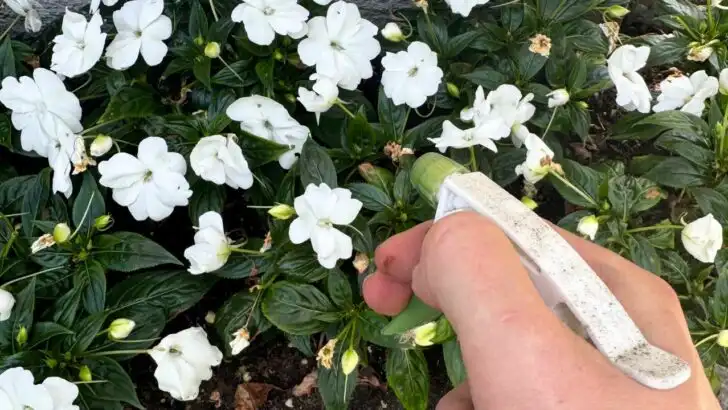
Summer is a wild time in the garden. Everything’s growing like it’s on caffeine, the sun’s beating down like it’s got something to prove, and you’re out there in your sunhat, trying to keep up. But what if half the things you’re doing right now are just… busywork? What if they’re not helping your plants — or worse, actually making things harder for them?
Truth bomb: Not everything that feels productive in the garden *is* productive. Especially in June, when it’s hot, humid, and every trip outside feels like a mini workout.
If you’re sweating buckets over daily chores that your plants don’t even care about, it’s time to stop. This guide will walk you through the tasks that waste your energy, stress out your garden, and make gardening feel like hard labor instead of the joy it’s supposed to be.
The goal? Less stress, fewer mistakes, and more time to actually enjoy your garden — iced tea in hand, not pruning shears.
Let’s break the cycle of summer garden guilt and toss out the tasks that aren’t earning their keep. Your plants (and your back) will thank you.
🌿 Key Takeaways
- 💦 Daily watering isn’t necessary — water deeply and less often for stronger roots.
- ✂️ Not all flowers need deadheading — some are self-cleaning and don’t care.
- 🌡️ Skip compost turning in the heat — high temps already help it break down.
- 🔥 Fertilizing during heat waves can stress or burn your plants.
- 🌱 Let your lawn go dormant — it’s natural and saves water (and your sanity).
- 🐞 Don’t spray unless you’ve identified the pest — you might harm beneficial insects.
- 🧤 Not every weed needs pulling — mulch smarter, not harder.
- ☀️ Prune and plant during cooler hours to avoid sun scorch and shock.
- 🪓 Don’t over-mulch — 2–3 inches is plenty; fluff before adding more.
- 🌬️ Skip the leaf blower near garden beds — it disturbs soil and pollinators.
- 🌿 If it’s toasted, let it go — stop trying to revive what’s already compost material.
- ✂️ Trimming hedges in extreme heat stresses plants and you — wait for cooler days.
- 🍅 You don’t have to harvest daily — every 2–3 days is usually just fine.
1. Watering Every Day, No Matter What
This one feels virtuous, right? You’re out there each morning, hose in hand, giving your plants a refreshing drink like some garden guardian angel. Except… they probably didn’t need it. In fact, you might be annoying them.
Here’s the thing: Most mature garden plants don’t need to be watered every single day — even in summer. What they need is deep, infrequent watering that encourages strong root systems.
When you water shallowly and constantly, you teach your plants to hang out near the surface, waiting for their daily sip. Then one hot day hits, and boom — wilting drama. If your soil is good and mulched, most plants can go two to three days without stress.
Try this instead: Stick your finger into the soil. If the top inch is dry but it’s moist below, you’re fine. If it’s bone-dry down there? Time to water — deeply and slowly.
Bonus: watering less often saves time, water, and back strain. Your petunias won’t pout. Promise.
2. Deadheading Like It’s Your Summer Job
Snip, snip, snip. You’ve got your little bucket, your gloves, and that intense “I’m on a mission” face. But unless you’re trying to win a flower show or make your neighbors jealous, you can probably relax a little.
Not every flower needs deadheading. Some are “self-cleaning,” meaning they drop their spent blooms on their own and keep flowering without any help from you.
Petunias? Yes, those can get leggy and sulky if you don’t trim them. But calibrachoas, impatiens, vincas? They don’t care. They’ll bloom their little hearts out whether you’re out there with your snips or not.
Here’s your summer sanity tip: Focus on plants that really benefit from deadheading — like roses or daisies. The rest? Let them do their thing while you enjoy a break in the shade.
Cutting flowers can be satisfying, sure. But if it starts feeling like a chore instead of a joy, it’s probably a task worth skipping more often than not.
3. Turning the Compost Pile in the Heat
We love the enthusiasm. Truly. But unless you’ve got a fan club of earthworms cheering you on, spinning your compost pile like a rotisserie chicken in 90°F weather might not be the power move you think it is.
Summer heat already does half the work for you. Microbes are partying in that pile right now. Constant turning just cools things down and dries them out — the opposite of what you want.
Unless your compost is stinking to high heaven or has gone totally dry, you can let nature take the wheel. A gentle turn once a month (or even less) is more than enough during peak heat.
Instead of sweating it out: Toss in a mix of browns and greens, keep it moist like a wrung-out sponge, and cover it loosely to keep the heat in. Let the microbes handle the rest.
You started composting to make life simpler and greener — not to train for a CrossFit competition. Let the pile cook itself this summer.
4. Fertilizing During a Heat Wave
Your plants are drooping, the leaves look tired, and your instinct says: feed them. A little fertilizer boost can’t hurt, right? Actually… it can. Quite a bit, in fact.
Here’s what most people miss: Fertilizer isn’t a stress reliever — it’s a stimulant. And feeding stressed plants in extreme heat is like handing espresso to someone already having a panic attack.
During a heat wave, your plants are in survival mode. They’re focusing on staying cool and conserving moisture, not putting out new growth. Fertilizer can actually scorch the roots, cause salt buildup in the soil, and lead to even more wilting.
What to do instead: Focus on watering deeply, mulching well, and providing some afternoon shade if needed. Hold off on the feeding frenzy until temps drop back below 85°F.
If your plant looks hangry in the heat, it’s not nutrients it wants — it’s a break from the sun and a tall drink of water. Save the fertilizer for a cooler day.
5. Obsessing Over a Perfect Lawn
We get it. A lush green lawn is the suburban dream — neat, tidy, the horticultural equivalent of a well-ironed shirt. But in June? In the heat? It’s also the fastest way to waste water, money, and precious summer energy.
Here’s the lowdown: Grass naturally goes dormant in high heat. That beige-ish color isn’t failure — it’s survival. Forcing it to stay emerald-green in July is like keeping a bear awake in winter.
Overwatering just encourages shallow roots. Over-fertilizing scorches your turf. And mowing super short? That just invites weeds and sun damage. It’s a lose-lose-lose.
What to do instead: Raise your mower blade to 3 inches, mulch your clippings, and water only once or twice a week — deeply. Or better yet, give yourself permission to let it nap through summer.
The truth is, a “perfect” lawn in high summer often comes at too high a cost. Let it rest. Let yourself rest. No one’s judging.
6. Spraying for Pests Without Checking What’s Actually There
There’s a hole in your leaf. Another on the tomato. You grab the nearest spray bottle like you’re about to go full action hero on the aphids. But hold up — are you even sure it’s aphids? And are they even still there?
Here’s the deal: Spraying without knowing the pest is like taking antibiotics “just in case.” It can cause more harm than good — especially to the helpful bugs doing real work in your garden.
Ladybugs, lacewings, hoverflies — these good guys often arrive right after a pest outbreak. But if you spray first and ask questions later, you wipe out your own reinforcements before they even land.
What to do instead: Take a closer look. Identify the pest. Check under leaves, along stems, and near the soil. And if damage looks old but there are no bugs? Skip the spray altogether.
Your garden’s ecosystem is smarter than it looks. Trust it. Intervene only when necessary — and even then, choose the gentlest method possible.
7. Pulling Every Single Weed by Hand
Weeding feels like a righteous act. You yank that invader out of the soil and feel instantly victorious. But when it’s 88 degrees, the soil’s baked solid, and your lower back is whispering threats, it might be time to rethink the battle plan.
Not all weeds are worth the effort. Some are annuals that’ll burn out by midsummer. Others are acting as living mulch, shading the soil and reducing erosion while your plants get established.
Sure, if they’re choking your tomatoes or crowding out your carrots, yank away. But the little guy hanging out by the back fence? Probably not worth the knee pain and the sweat in your eyes.
Smarter strategy: Mulch heavily in trouble spots, water the day before you weed to loosen roots, and stop expecting total weed annihilation. Your garden isn’t a golf course.
Save your energy for the weeds that actually matter — and let the harmless ones fend for themselves until fall cleanup season rolls around.
8. Pruning in Mid-Summer Just Because It Looks Messy
That shrub looks a little wild. The roses are reaching like they’re auditioning for a jungle reboot. You’re tempted to grab the clippers and “tidy things up.” But summer isn’t the time for a full-on makeover.
Hot weather + pruning = plant stress. When you cut back in high heat, you expose tender inner branches and new growth to sun scorch. It’s like giving your plant a buzz cut before a heatwave.
Plus, some plants set next year’s blooms on this season’s growth. Snip them now, and you’re sacrificing next spring’s show just to make things look tidy for a week or two.
When is pruning okay? If a branch is diseased, broken, or wildly in the way, go ahead and remove it. Otherwise, wait until late summer or early fall when things cool down.
Your plants aren’t being lazy — they’re surviving. Let them look a little unkempt for now. Wild is in, anyway.
9. Planting Anything in the Middle of the Day
You’ve got new seedlings. You’ve got a free afternoon. The sun’s high, the birds are singing, and it feels like a great time to dig in. Until your baby basil wilts like warm lettuce ten minutes after planting.
Here’s the problem: Midday sun is brutal — especially for new roots. That combination of digging, transplant shock, and high heat is a recipe for stress, dehydration, and sad-looking starts.
Even established plants don’t love being moved in the heat of the day. But fresh transplants? They’re drama queens. Give them a softer landing and a fighting chance.
Smart move: Plant early in the morning or wait until late afternoon. Water the hole, plant gently, water again, and give them some shade if it’s scorching. They’ll settle in without the trauma.
Gardening isn’t a race. Let the sun calm down a bit — your plants will thank you, and so will your sunscreen budget.
10. Reapplying Mulch Over and Over Again
We love mulch. You love mulch. Mulch is practically a member of the family at this point. But layering more on every few weeks like you’re tucking in a toddler during a snowstorm? Not helping.
Too much mulch suffocates roots. It can trap moisture where it doesn’t belong, lead to rot, and even cause roots to grow up into the mulch instead of down into the soil. That’s not good.
Once you’ve got a solid 2 to 3 inches of mulch, you’re golden. It’ll insulate roots, lock in moisture, and keep weeds at bay. More than that? You’re basically putting a wet winter coat on your plants in the middle of summer.
What to do instead: Fluff what’s already there with a rake. If it looks compacted or crusty, break it up a bit to let air in. Only top off if it’s visibly broken down or thin in spots.
Mulch is meant to help, not smother. One thoughtful layer beats five panicky ones every time.
11. Using Leaf Blowers Around Garden Beds
They’re loud, they’re fast, and they make your driveway look spotless in 30 seconds flat. But leaf blowers and delicate garden beds? That’s like bringing a leaf tornado to a tea party.
Here’s what happens: Leaf blowers don’t just move leaves. They blast away topsoil, displace mulch, and scatter seeds like confetti. Worse? They disturb pollinators and other beneficial insects just trying to mind their own business.
Sure, the garden looks tidy for a minute. But now your mulch is in the grass, your flowers are dusty, and your soil’s lost its moisture-holding top layer. All that work undone with one high-powered gust.
Try this instead: Use a soft broom or rake near beds. Or just leave a few stray leaves alone — they break down and feed your soil naturally. Nature’s cleanup crew doesn’t need a power tool.
Your garden isn’t a runway. Let it be a little wild, and save the blower for the sidewalk.
12. Trying to Revive a Plant That’s Clearly Toasted
You keep watering it. You gave it shade. You whispered apologies. But let’s be honest — that crispy coleus isn’t coming back. At this point, it’s more mulch than plant.
Some plants just can’t handle the heat. Maybe it wasn’t a great match for your zone. Maybe it dried out while you were on a weekend trip. Or maybe it just gave up. And that’s okay.
Spending weeks trying to revive a plant that’s already halfway to compost is not a good use of your energy. And the longer you wait, the more you’re missing the chance to plant something that might actually thrive.
Instead of nursing the hopeless: Yank it. Toss it in the compost. Amend the soil, and try again with something tougher — think zinnias, lantana, or sedum. Summer’s not over yet.
Not every plant makes it. That doesn’t make you a bad gardener — just a practical one. Onward and upward.
13. Trimming Hedges in 100°F Heat
There’s something satisfying about shaping a hedge — crisp edges, clean lines, everything looking like it just passed military inspection. But when the heat index is sky-high and the cicadas are screaming? Step away from the shears.
Trimming during extreme heat does two bad things: it stresses the plant and it stresses you. That fresh cut foliage is now sunburn central, and you’re one sweaty minute away from regretting everything.
Plus, heavy pruning in summer can encourage soft new growth — which is exactly what pests and fungus love to snack on. Not ideal during the steamiest months of the year.
What to do instead: Spot-prune if you must — broken branches or safety issues are fair game. Otherwise, put the hedge clippers in time-out until cooler weather returns.
Your hedge won’t hold it against you. And you’ll avoid turning a routine trim into a midday meltdown — for both you and your boxwood.
14. Harvesting Every Single Day
You see a tomato turning red and suddenly it’s a moral obligation. You’re out there daily, plucking beans, squinting at zucchini, and wondering if that cucumber grew three inches overnight (it did).
The truth is: Most garden veggies don’t need a daily harvest. In fact, constant picking — especially in the heat — can stress plants, bruise produce, and honestly? Wear you out.
Yes, some crops like beans and cukes do benefit from regular harvesting to keep producing. But unless it’s a bumper crop situation, every 2–3 days is totally fine. Your plants aren’t going to rebel. They’re not that needy.
Smarter approach: Pick during the cooler hours — early morning or evening — and let yourself skip a day or two when it’s blazing out. The tomatoes will still be there. So will your knees.
Your garden is meant to nourish you, not boss you around. Take a breather. Let the sun do some of the work, and you can harvest when it’s good for both of you.
You Don’t Have to Do It All
There’s a lot of pressure to be the “good” gardener. The one who deadheads, weeds, prunes, waters, harvests, feeds, and fights off pests before breakfast. But if summer gardening has started to feel like a full-time job… you’re not doing it wrong. You’re just doing too much.
Gardening should bring joy, not guilt. It’s okay to skip a task. It’s okay to let a few weeds live. And it’s definitely okay to plant a tomato, water it, and then go sit on the porch with something cold in your hand while the sun does the rest.
You’ve earned a garden that works with you, not against you. One that doesn’t demand perfection or nonstop upkeep. Let go of the tasks that aren’t helping — and enjoy the ones that are.
Now go admire your slightly wild, sun-drenched, absolutely beautiful garden. Even if the lawn’s a little brown and the compost’s doing its thing without you.


Daniel has been a plant enthusiast for over 20 years. He owns hundreds of houseplants and prepares for the chili growing seasons yearly with great anticipation. His favorite plants are plant species in the Araceae family, such as Monstera, Philodendron, and Anthurium. He also loves gardening and is growing hot peppers, tomatoes, and many more vegetables.