

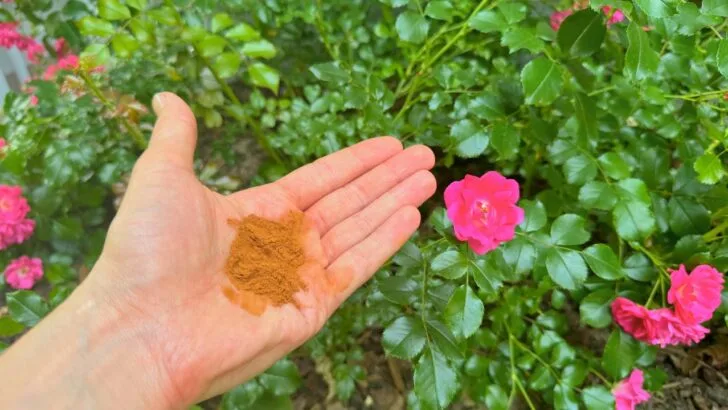
You’ve probably seen it. That little tip floating around gardening blogs, Pinterest boards, or from your neighbor who insists cinnamon is nature’s antifungal miracle. One quick sprinkle, and supposedly your seedlings will never rot, your soil will be sterile (in a good way), and fungal diseases will fear you like cinnamon toast fears soggy butter.
But here’s the problem: once a gardening trick gets called “natural” and “cheap,” it spreads faster than powdery mildew in a damp greenhouse. Suddenly everyone’s reaching for the spice rack like it’s a cure-all. No one stops to ask, “Wait… is this even real?”
Is cinnamon a legit garden hack? Or is it just another pantry myth we’ve convinced ourselves works because it smells nice and makes us feel productive?
This article is not sponsored by Big Cinnamon. We’re going to actually look at what cinnamon does, what it doesn’t do, and whether you’re helping your plants or just seasoning your soil like it’s apple pie filling.
Let’s get into it. But you might want to put the cinnamon down for a second.
🌿 Key Takeaways
- 🍄 Cinnamon has mild antifungal properties and may help prevent damping-off in seed trays.
- 🐜 It can disrupt ant trails, but it’s not a serious pest control solution.
- 🌱 It does not replace rooting hormone — it may help prevent rot but won’t trigger root growth.
- 🌿 Using too much can dry out soil or disrupt beneficial microbes.
- 🌧️ Never apply cinnamon to wet leaves — it clumps and invites mold.
- 🥄 A light sprinkle can be useful in very specific scenarios — especially indoors or in small pots.
- ❌ Don’t use cinnamon as a replacement for good airflow, drainage, and real maintenance.
- 🪴 It’s a supplement, not a solution — helpful in moderation, but not a miracle cure.
Does Cinnamon Actually Kill Fungus?
This is the big one. The main reason cinnamon has entered the gardening chat. People swear it prevents damping-off, kills mold, and basically acts like a botanical hazmat suit for your seedlings. One dash and your potting soil is protected from every invisible threat.
And yes — cinnamon does have antifungal properties. In a lab. On a Petri dish. In amounts that are a little more precise than “a light sprinkle from the kitchen shaker you use for your French toast.”
Here’s what we actually know:
- 🍄 Cinnamon contains cinnamaldehyde, which can inhibit fungal growth in controlled settings.
- 🌱 It may help reduce surface mold on potting soil — but it won’t stop an aggressive root fungus once it’s in the system.
- 🥄 A sprinkle on top of moist seed-starting mix might delay damping-off, but it’s not a guaranteed shield.
- 🧪 Studies on actual garden soil conditions? Very few. Cinnamon is not FDA-approved for plant health because… it’s a spice.
In short: it’s not total snake oil. But it’s not a miracle either. If your seed tray is a moldy mess, you probably have a drainage issue — not a cinnamon deficiency.
Use it if it makes you feel better. Your seedlings won’t complain. But don’t skip good airflow, sterilized trays, and proper watering just because you shook a little spice on top like some kind of botanical barista.
Can Cinnamon Keep Pests Away?
This is where things start to get spicy — literally. You’ve probably seen it: people claiming cinnamon repels ants, mosquitoes, gnats, squirrels, the neighbor’s cat, and maybe even existential dread. Sprinkle a line of cinnamon and watch the bugs run for their lives. Or… maybe not?
Here’s what cinnamon actually does to pests:
- 🐜 It might disrupt an ant trail — temporarily. They’ll go around it, or just come back later with more attitude.
- 🦟 There’s no real evidence it repels mosquitoes in garden conditions. You’ll smell nice, but you’ll still get bit.
- 🪳 Gnats? Maybe, if you dump enough on wet soil to make them uncomfortable — but cinnamon isn’t a proper gnaticide.
- 🐿️ As for squirrels? Cute idea. They’ll just leap over it and dig up your bulbs anyway, the little gremlins.
If cinnamon truly repelled every garden pest, you wouldn’t be reading this — you’d be buying it in 50-pound bags instead of overpriced repellent sprays. The truth is: it’s mildly annoying to some bugs. That’s it.
So sure, give it a try if you’re feeling optimistic. But if you’re expecting pest-proof force fields from your spice rack, you might want to lower those expectations — gently, and with mulch.
Is Cinnamon a Rooting Hormone? Or Just Root-Flavored Hope?
File this one under “Sounds legit, but also sounds like something your cousin’s friend on Facebook made up.” The idea is simple: dip your plant cuttings in cinnamon, and boom — roots for days. No synthetic rooting powder, no hormone gels, just sweet, spicy success.
Except… well… not really.
Here’s the honest root of it:
- 🌱 Cinnamon has *antifungal* properties — it may help prevent rot at the cut site. That’s useful, but not the same as promoting new root growth.
- 🌿 It doesn’t contain auxins — the natural or synthetic hormones that trigger root development in plant cuttings.
- 🧪 In side-by-side tests, cuttings with real rooting hormone consistently root faster and better than those dusted with cinnamon.
Is it better than nothing? Maybe. If your soil is sterile and your cutting is easy to root (looking at you, mint), you might get lucky. But if you’re hoping to propagate woody herbs or shrubs with a sprinkle of cinnamon and a prayer, you’ll be waiting a while.
Think of cinnamon as the supportive friend who keeps things clean and safe. Helpful? Yes. Magic? No. Rooting hormones exist for a reason — and they’re not hiding in your spice cabinet.
Wait… Can Cinnamon Actually Harm Your Plants?
This is the part no one talks about. Cinnamon’s reputation is squeaky clean — natural, gentle, smells like cookies — but that doesn’t mean it’s completely harmless. Especially when it’s used like you’re seasoning a giant botanical casserole.
Here’s when cinnamon can become a problem:
- 🥵 Large amounts can dry out the surface of the soil, especially for shallow-rooted seedlings.
- 🧫 It may disrupt beneficial soil microbes — not dramatically, but enough to matter if you’re overdoing it.
- 🌿 Sprinkling on wet leaves? Bad idea. It clumps, gets sticky, and invites mold — the exact thing it’s supposed to prevent.
- 🪴 Indoor plants in small pots? Cinnamon buildup can change the texture of the soil and cause poor drainage over time.
Bottom line: cinnamon isn’t toxic, but it’s not a free-for-all either. A light sprinkle? Fine. A whole layer? You’re not making churros, you’re gardening.
Even the natural stuff needs boundaries. Your plants will be happier if you treat cinnamon like a tool — not a lifestyle.
When Cinnamon Might Actually Be Worth Using
Alright, we’ve roasted the myth a bit. But let’s be fair — cinnamon isn’t completely useless in the garden. It’s just misunderstood. Like that one neighbor who always offers unsolicited advice that’s occasionally… right.
Here’s when a light sprinkle of cinnamon might make sense:
- 🌱 You’re starting seeds indoors and want a gentle surface antifungal (especially for damping-off prone trays).
- 🪴 You’ve taken soft cuttings and want to prevent rot at the wound site without synthetic rooting hormone.
- 🐜 Ants have created a trail near your pots, and you’re desperate for a natural nudge before reaching for poison.
- 🌿 You want to experiment with pest deterrents, and cinnamon smells better than most of them.
Used sparingly and in the right context, cinnamon can give you a tiny edge. It’s not snake oil — it’s just not magic, either.
If it helps you feel more in control of your garden chaos? That alone might make it worth the sprinkle. Just don’t expect miracles — and definitely don’t skip the mulch, airflow, and good old-fashioned plant care.
🌿 When to Use Cinnamon in the Garden (And When Not To)
| ✅ Good Use | 🚫 Not Advised |
|---|---|
| Sprinkled on seed trays to reduce damping-off | Used as a substitute for actual rooting hormone |
| To discourage ants in specific areas like pot rims | Dumped all over garden soil as a pest deterrent |
| Lightly dusted on fresh plant wounds to prevent rot | Applied to wet leaves or used in high humidity areas |
| Used in indoor potted plants in small amounts | Used frequently enough to cause soil buildup |
| As a DIY experiment (if you understand the limits) | As a replacement for airflow, drainage, or actual maintenance |
I Tried It So You Don’t Have To
Confession time. A few years ago, I saw one of those “Garden Like a Genius with Cinnamon!” posts and thought, hey, why not? I had a tray of baby zinnias looking a little suspicious — some of them were flopping, and the soil smelled vaguely… tragic. I didn’t want to lose them.
I sprinkled cinnamon across the top like I was dusting a latte. Felt very earthy. Very Pinterest. Checked on them the next day expecting plant revival. Instead? The tray looked like someone had baked dirt brownies. The mold kept spreading. The zinnias gave up. And I spent the next week questioning my life choices and Googling “how to sterilize seed trays without rage crying.”
So if you’re here wondering if cinnamon will fix your garden drama? It won’t. Not all of it. It’s not a miracle. It’s just mildly helpful under the right conditions — and a total mess under the wrong ones.
Try it if you want. Experiment, observe, be curious. That’s half the fun of gardening anyway. But don’t let a kitchen spice convince you it’s going to save your seedlings, scare off squirrels, or build a raised bed by morning.
Your best tools are still airflow, good soil, smart watering — and maybe a little cinnamon, in moderation, when it actually makes sense.


Daniel has been a plant enthusiast for over 20 years. He owns hundreds of houseplants and prepares for the chili growing seasons yearly with great anticipation. His favorite plants are plant species in the Araceae family, such as Monstera, Philodendron, and Anthurium. He also loves gardening and is growing hot peppers, tomatoes, and many more vegetables.