

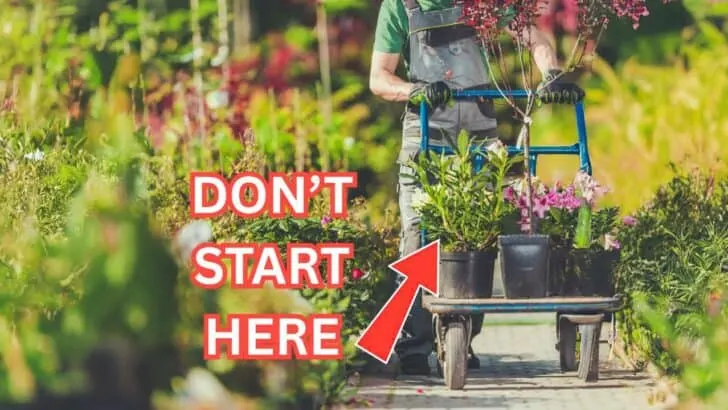
When you’re starting a garden from scratch, it’s easy to get overwhelmed by all the advice out there. Everyone’s got a different system, a favorite tool, or a warning about what not to do. But in this video by Gardenary, Nicole gives it to you straight. Fifteen mistakes, all painfully common, most completely avoidable, and every single one drawn from real experience — hers and her students’.
This isn’t a theory-filled lecture. It’s field-tested, dirt-under-the-nails insight from someone who’s seen beginners crash and burn, over and over again. From picking the wrong plants to sabotaging your soil without even realizing it, this video walks through the stuff nobody warns you about when you’re just getting started.
If you’re new to gardening or still feel like you’re faking it, this is the heads-up you wish you had last spring. Skip the frustration. Save some cash. And get a garden that actually grows.
Mistake #1: Starting at the Store
You get excited. You jump in the car. You head to the hardware store because that’s what new gardeners do, right? Wrong. That’s the first trap. The aisles are set up to make you buy stuff you don’t need. And you will. Shiny tools. Fancy pots. Seed packets that look like a salad on vacation. You’ll leave with a receipt the length of your arm and no real plan.
Nicole’s advice is simple. Don’t start at the store. Start in your yard. Walk around. See where the sun hits. Notice where the water pools. Start sketching an idea. Think about what you actually want to grow and why. Let the garden live in your mind before it lives in a raised bed.
The longer you wait to shop, the better off you’ll be. You’ll spend less. You’ll waste less. And when you finally do go to the store, you’ll walk in with a list, not a dream and a credit card.
🌿 Key Reminder
- 🛒 Stores are built for impulse buys, not good gardening
- 📋 Start with a plan, not a shopping cart
- 🌞 Observe your yard first to understand light and space
- 🧠 Dream and design before you spend a cent
- 💸 Waiting to shop saves money and avoids overwhelm
Mistake #2: Starting with One Plant
The internet says start small. One plant. Keep it simple. Sounds reasonable, right? It’s not. It’s a fast track to boredom. Nicole says every beginner she knows who started with just one plant gave up before the season ended. One plant doesn’t teach you much. One plant won’t hold your interest. One plant is just lonely.
Instead, start with a small mix. Grow leaves like lettuce or kale. Add in a few root crops like radishes or carrots. Toss in a fruiting plant if you’re feeling brave. When you combine different types of plants, they help each other out. Some shade the soil. Some break up the dirt. Some even scare off pests.
This mix keeps things fun. It also gives you more chances to succeed. If one thing fails, another will thrive. You’ll learn faster, harvest more, and actually want to keep going.
🌿 Why Variety Wins
- 🌱 One plant is boring and easy to give up on
- 🥕 Growing different plant types teaches more, faster
- 🌿 Mixed gardens support each other and the soil
- 🧠 Variety keeps you engaged and curious
- ✅ More plants means more chances to succeed
Mistake #3: Buying the Cheapest Stuff
Gardening sounds like a cheap hobby until you realize how much gear you need. Soil, tools, seeds, beds, trellises. The temptation is strong to grab the lowest price on everything. But as Nicole’s grandpa used to say, the cheap pay twice. And in the garden, sometimes even three times.
Cheap tools break. Cheap soil underperforms. Cheap seeds don’t sprout. You end up frustrated, spending more to replace everything, and wondering why nothing’s growing. It’s not about splurging. It’s about getting the best quality you can afford right now. Buy once, use it for years, and let it actually help you succeed.
If the budget is tight, focus on priorities. Good soil is non-negotiable. Sturdy tools matter. Raised beds or trellises can be added later. But skip the bargain bin if it’s going to cost you your motivation.
🌿 Spend Smart
- 💰 Cheap gear often breaks or underperforms
- 🪴 Prioritize quality soil and durable tools
- 🧑🌾 Better materials last longer and reduce frustration
- 📉 Low-cost seeds can mean low germination rates
- 📦 Invest in what makes the biggest impact first
Mistake #4: Buying Too Many Seeds
The seed aisle is dangerous. So is the catalog. Everything looks fun, colorful, and just a little magical. Before you know it, your cart is full and your wallet is empty. But here’s the truth. You do not need that many seeds. Especially not at the start.
Nicole’s advice is to stick with the basics. Greens like lettuce and arugula. Roots like radishes, carrots, and beets. Maybe a few beans or peas. That’s it. The flashy stuff like tomatoes and peppers looks tempting, but they are harder to grow and often discourage beginners.
Start small and simple. Buy what you can realistically plant and care for. You’ll waste less, harvest more, and avoid that guilty drawer full of expired seed packets you never opened.
🌿 Seed Buying Tips
- 🛑 Resist the urge to buy everything you see
- 🥬 Start with greens and easy root crops
- 🌱 Skip tomatoes and peppers until later
- 📦 Only buy what you have space and time to plant
- 🗃️ Avoid the seed-hoarding trap most beginners fall into
Mistake #5: Starting with Tomatoes
They look fun. They smell amazing. They feel like the badge of a real gardener. But tomatoes are not your friend when you’re just starting out. Nicole learned this the hard way, and so did a lot of her students. Tomatoes are picky. They need support, heat, time, and protection. And just when they ripen, a squirrel shows up and takes the first bite.
It’s not that you should never grow tomatoes. Just not first. They’re slow to reward and quick to frustrate. If your first garden is built around them, there’s a good chance you’ll give up before the season ends.
Start with leafy greens. Then try root vegetables. Save tomatoes for when you’ve got some wins under your belt and a little more patience in your pocket.
🌿 Tomato Trouble
- 🍅 Tomatoes are one of the hardest crops to grow well
- 🐿️ Pests often get to the fruit before you do
- ⏳ They take a long time to mature, which tests your patience
- 🥬 Leafy greens are faster, easier, and more beginner friendly
- 🏆 Save tomatoes for your second or third season
Mistake #6: Starting with Containers and Pots
It sounds easier. Smaller space, right? Less commitment. But containers are actually one of the hardest ways to start gardening. Nicole hears this all the time. “I can’t even keep a potted plant alive.” She says, same here. And it’s not your fault.
Containers dry out fast. They need constant watering. They have no natural ecosystem. Everything depends on you. The soil, the moisture, the nutrients. It’s like raising a plant in a plastic desert.
Instead, go with a small raised bed or plant directly in the ground. The earth helps regulate moisture and temperature. You get support from nature instead of fighting it at every turn. Save the pots for later when you know what you’re doing and have time to babysit them.
🌿 Pot Problems
- 🪴 Containers dry out quickly and need frequent watering
- ⚠️ Pots require perfect soil and close attention
- 🌱 Raised beds or in-ground planting are much more forgiving
- 💧 Natural soil retains water and supports plant health
- 🧘 Less stress means more success in your first season
Mistake #7: Expecting Perfection
You picture glossy vegetables, flawless rows, and plants that look like they came from a catalog. Then your lettuce wilts, a bug chews your kale, and the basil bolts overnight. You think you messed up. But the truth is, nature doesn’t do perfect.
Nicole reminds us that the magic of gardening is not in control. It’s in the surprise. Gardens shift. They get messy. They change day to day. And that unpredictability is part of what makes it fun. If you wanted sterile and flawless, you’d go buy plastic plants.
Let your garden be wild sometimes. Let it teach you something new every season. When you stop chasing perfection, you start enjoying the process. And the garden becomes a lot more forgiving.
🌿 Progress Over Perfection
- 📸 Real gardens do not look like seed catalog photos
- 🌦️ Nature is unpredictable, and that is a good thing
- 🧠 Mistakes help you learn faster than perfection ever will
- 🌻 Let go of the image in your head and enjoy what grows
- 🎲 Surprises in the garden are part of the fun, not a failure
Mistake #8: Not Making It Part of Your Routine
You wouldn’t adopt a puppy and forget to walk it. Same goes for plants. They might not bark or chew your shoes, but they need attention too. A garden is a living thing. It wants a tiny piece of your day, every day.
Nicole’s trick is simple. She calls it “don’t go inside yet.” When you get home from errands or walks or school pickups, take five minutes in the garden before heading inside. Pull a weed. Water a bed. Snip a few greens for dinner. Just do something small that keeps the momentum going.
It’s not about finding hours of free time. It’s about weaving the garden into what you already do. If you wait for the perfect moment, it won’t come. But five minutes a day adds up. And that small habit keeps the garden alive, even when life gets busy.
🌿 Habit Makes it Happen
- ⏳ You don’t need hours, just a few minutes a day
- 🏃 Tie gardening to habits you already have
- 🚪 Nicole’s tip: take five before going inside
- 🌱 Consistency beats intensity in the long run
- 📅
Mistake #9: Not Thinking About Your Meals
Some people plant what looks good on Instagram. Others grab random seeds because they were on sale. But Nicole says the smartest gardeners think about dinner first. What do you actually cook and eat on a regular basis? That should shape your garden plan.
Open your favorite recipes. What ingredients show up again and again? Basil, arugula, green onions, garlic, peppers. These are the quiet heroes of the kitchen and they are usually easy to grow. They might not be flashy, but they’ll end up on your plate often.
Plant with a plate in mind. Nicole even made a planner for it. If you grow what you cook, you waste less and enjoy more. You also get that feeling of walking outside, grabbing a few leaves or herbs, and heading back in like a boss.
🌿 Grow What You Eat
- 🍽️ Let your meals guide your planting choices
- 🌿 Focus on easy, frequently used herbs and greens
- 📓 Use a planner or recipe list to shape your garden
- ❌ Avoid growing things you never actually cook
- ✅ Fresh ingredients on your plate mean less waste and more joy
Mistake #10: Ignoring the Soil
People love building the beds. They get excited about trellises. They obsess over what to plant. But what goes inside the bed often gets ignored or thrown together with leftovers. Nicole says this is the biggest mistake of all. Your soil is the heart of the garden. If it’s off, everything else struggles.
Bad soil means sad plants. It means poor drainage, weak roots, and a whole lot of mystery problems that make you question your gardening skills. You can have the prettiest setup in town, but if the soil is trash, the harvest will be too.
If you can only invest in one thing, make it the soil. Build it with compost, natural materials, and care. Nicole shares her full blend in her book, but the takeaway is simple. What happens above ground depends entirely on what’s happening underneath.
🌿 Soil First
- 🪴 Healthy soil is the foundation of every garden
- 🚫 Skimping on soil leads to weak, underperforming plants
- 🌱 Use compost and natural materials to build strong soil
- 💡 Beautiful raised beds mean nothing without good soil inside
- 📚 Learn a basic soil mix and stick to it every season
Mistake #11: Being Surprised by Pests
You plant your garden, watch things grow, and feel pretty good about it. Then the squirrels show up. Or the deer. Or the aphids, caterpillars, and slugs. Suddenly, your dream garden looks like a buffet line for local wildlife. Nicole says this shock is common, but it shouldn’t be. Pests are part of the deal.
Your garden is new. To you, it’s a project. To nearby critters, it’s the first exciting food they’ve seen in a while. Of course they’re curious. Of course they’ll nibble. The mistake is waiting to deal with it until it’s too late.
Plan for pests from day one. Use covers. Add deterrents. Choose plant placements wisely. The more you think about it upfront, the fewer surprises you’ll get later. Don’t blame the animals. Just outsmart them.
🌿 Plan for the Nibblers
- 🦌 Wildlife will find your garden quickly
- 🐛 Pests like aphids and caterpillars are common visitors
- 🛡️ Use netting or barriers to protect vulnerable crops
- 🔍 Expect damage and be ready to respond
- 📆 Prevention is easier than fixing a pest problem later
Mistake #12: Using Synthetic Fertilizer
You want your plants to grow fast. You want them big, healthy, and productive. So you grab the bright blue stuff everyone talks about. Nicole says hold up. Synthetic fertilizers like Miracle-Gro promise quick results, but they come at a cost. Your soil pays the price, and the environment does too.
These products force growth that isn’t natural. They stress the plant, disrupt soil biology, and create runoff that harms nearby ecosystems. What looks like success is often short-lived. You get one good season, then everything falls apart the next time around.
Skip the shortcuts. Focus on building good soil with compost and organic material. Plants fed by healthy soil grow stronger, last longer, and handle stress better. You don’t need a miracle. You need a plan and a little patience.
🌿 Feed the Soil, Not Just the Plant
- ❌ Synthetic fertilizers damage soil health over time
- 💧 Runoff from these products harms local ecosystems
- 😰 Forced growth makes plants weak and stressed
- 🌱 Organic soil creates long-term success naturally
- 🧪 If it looks like a science experiment, leave it on the shelf
Mistake #13: Using Mulch the Wrong Way
Everyone says to mulch. It sounds like the responsible thing to do. But Nicole says it’s often more trouble than it’s worth, especially for beginners. Mulch seems helpful, but it can attract pests, block seedlings, and even steal nitrogen from your soil as it breaks down.
Instead of dumping bark chips around your plants, plant leafy greens. Lettuces, spinach, arugula. These act as a living mulch. They shade the soil, keep moisture in, and give you something edible while they do the job.
Mulch might look tidy, but tidy doesn’t always grow the best food. Use space for plants, not wood chips. You’ll get more harvest, fewer problems, and soil that stays cooler without the mess.
🌿 Rethink the Mulch
- 🪵 Mulch can attract pests and cause nutrient loss
- 🌿 Living mulch like leafy greens shades soil and adds value
- 💧 Greens keep water in the soil just as well as wood chips
- 🥬 Grow your mulch and harvest it too
- 🧠 Use your space for plants, not just filler
Mistake #14: Spraying for Pests
There’s a bug on your plant. Your first instinct is to grab the spray bottle. Nicole says stop right there. Most sprays labeled as pesticides are actually insecticides. They don’t just kill the bad bugs. They wipe out the good ones too.
The garden needs balance. Ladybugs, lacewings, and even some wasps help keep the pest population under control. But when you spray everything, you break that system. The pests often come back stronger, and your plants suffer even more.
Instead of reaching for chemicals, learn how to manage pests organically. Use covers. Plant beneficial flowers. Create habitat for the helpers. The goal isn’t a bug-free garden. It’s a healthy one that can take a few hits and still thrive.
🌿 Spray Less, Grow More
- 🐞 Insecticides kill both harmful and helpful bugs
- 🌺 Attract beneficial insects with companion flowers
- 🧪 Skip the chemicals and protect garden biodiversity
- 🛡️ Use physical barriers instead of sprays where possible
- 🧠 A few pests are normal and can be part of a healthy system
Mistake #15: Getting Lost on YouTube
You want to learn how to garden, so you open YouTube. One video leads to another. And another. Three hours later, you’ve got five new garden methods, seven contradictory tips, and no idea what to do next. Nicole calls this analysis paralysis. Too much information, not enough direction.
Instead of following ten different creators with ten different climates and strategies, find one person who actually understands your growing zone. Someone who can guide you through a system that works where you live, with the space and conditions you actually have.
Gardenary even trains consultants for this reason. You can find someone local who knows the weather, the pests, the timing. You get clear steps, not endless opinions. And if you already know your stuff, you might be the person someone else is looking for.
🌿 Learn With Focus
- 📺 Too many videos can cause confusion instead of clarity
- 🌍 Local advice always beats generic internet wisdom
- 🗺️ Find a mentor or consultant who understands your region
- 🔁 Stick to one method long enough to see results
- 👩🌾 Experienced gardeners can share their knowledge as certified consultants
Let Your Garden Start the Right Way
Gardening doesn’t have to be a struggle. It doesn’t have to drain your wallet, confuse your brain, or leave you with dead plants and regrets. Most of the common mistakes are easy to avoid once you know what they are. Nicole laid them out clearly so you can skip the pain and jump straight to the good part.
Start slow but smart. Focus on the soil. Pick the right plants. Ignore the hype, the trends, and the pressure to get it perfect. Five minutes a day is enough to grow something worth eating and worth feeling proud of. You don’t need to be an expert. You just need to start with a plan and show up regularly.
And if you want more help, Gardenary has tools, books, and consultants who actually know your climate and can walk you through the process step by step. You’re not on your own. You’re just one decision away from a garden that actually works.
🌿 Key Takeaways
- 📍 Most beginner mistakes come from rushing in without a plan
- 🧠 A successful garden starts with knowledge, not shopping
- 🌱 Choose easy crops and avoid high-maintenance favorites like tomatoes
- 🛑 Skip synthetic fertilizers and harsh sprays that harm soil and bugs
- ⏳ Daily habits matter more than big weekend projects
- 🪴 Soil quality is more important than any raised bed or fancy tool
- 🌼 Avoid overwhelm by focusing on what you actually cook and eat
- 📵 Too many opinions online can lead to confusion instead of progress
- 👩🌾 Support from local experts makes everything easier
Daniel has been a plant enthusiast for over 20 years. He owns hundreds of houseplants and prepares for the chili growing seasons yearly with great anticipation. His favorite plants are plant species in the Araceae family, such as Monstera, Philodendron, and Anthurium. He also loves gardening and is growing hot peppers, tomatoes, and many more vegetables.