

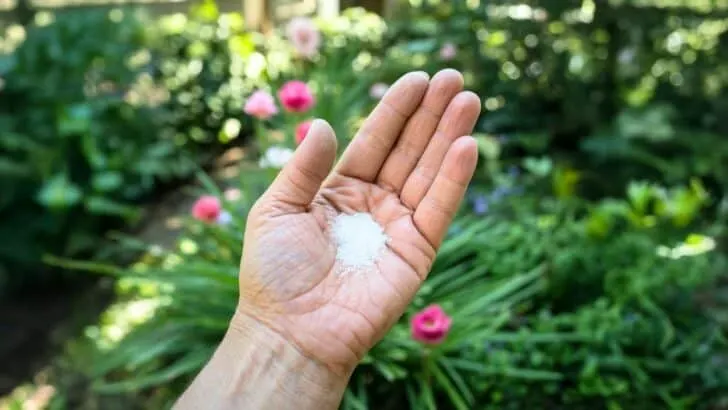
You probably didn’t buy sugar for your garden. You bought it for cookies. Or hummingbirds. Or sweet tea on a porch that now has aphids. But guess what? That boring bag in your pantry might be more useful outdoors than it is in your kitchen.
No, we’re not suggesting you start sprinkling sugar like fairy dust over your tomatoes. That’s how you get ants, not fruit. But used properly—and we do mean properly—plain granulated sugar can actually help fix several garden problems.
We’re talking stress relief for transplants. A microbe snack for tired soil. Even a cheap way to hit back at pests without bringing out the big sprays. Not every trick in this article makes sense on paper, but they do something better: they work.
Let’s walk through the sugar tricks gardeners actually use—and how to pull them off without turning your backyard into an ant rave.
🌿 Key Takeaways
- 🍬 Sugar can ease transplant shock when used once as a diluted solution.
- 🌱 Soil microbes love sugar in small doses, boosting activity and root health.
- 🐜 Sugar + baking soda is a proven ant bait that targets the colony, not just the trail.
- 🍃 A pinch of sugar in foliar spray improves stickiness but must be used carefully.
- ❌ Sugar is not a fertilizer and will not revive or “feed” your plants.
- ⚠️ Overuse attracts pests, causes rot, and disrupts soil balance — measure every time.
🧪 Sugar Water for Transplant Shock
This one sounds like a sugar high for your seedlings. It’s not. In fact, sugar water won’t make your plants grow faster or taller or better. What it might do is help them freak out a little less.
Transplant shock is real. One day your little kale or basil is comfy in its seed tray. The next day it’s baking in full sun, facing wind, bugs, and soil it didn’t ask for. That’s a rough move. Some gardeners mix a teaspoon or two of sugar into a quart of water and use it as a one-time drink when transplanting.
The theory? Sugar gives beneficial microbes a boost, which helps roots settle in. There’s also some belief that the sugar acts a bit like a short-term sedative for stressed-out roots. We’re not talking spa treatment here. We’re talking garden triage.
Does it work? Sometimes. Especially if your soil is a little lifeless or if you had to transplant in heat. But don’t keep doing it. Sugar builds up fast. One gentle watering is plenty. Any more and you’re feeding ants, not plants.
🌱 A Sugar Rush for Soil Microbes
Plants don’t eat sugar. Microbes do. And microbes are the ones quietly running the show underground.
Your soil is home to billions of tiny organisms that do the dirty work: breaking down organic matter, unlocking nutrients, building soil structure, and generally making your garden not suck. But like all living things, they need fuel. Toss them a bit of sugar, and they throw a party. Population spikes, activity surges, and suddenly your soil feels more alive.
This works best in tired beds that have been overworked or where compost is running thin. A small dusting of sugar—think teaspoon-level, not cupfuls—can wake things up. Just mix it into the top inch of soil or dissolve it in water for a light drench.
Too much, though, and the party gets out of control. You’ll end up with imbalances, fungal blooms, and potentially some very well-fed pests. Sugar feeds microbes. Microbes feed plants. But it’s not a shortcut. It’s a nudge. Use it that way.
🐜 The Pest Control Paradox
This is where sugar gets weird. On one hand, it can attract pests. On the other, it can help you get rid of them. It all depends on how you use it and who you’re targeting.
The classic trick? Mix equal parts sugar and baking soda and set it out in shallow lids or jar caps. Ants show up for the sugar, but they take the baking soda back to the colony. Baking soda messes with their internal systems and eventually wipes out the nest. It’s simple, it’s cheap, and it works a lot better than yelling at ants.
There are other versions too. Some gardeners add sugar to homemade sprays that target soft-bodied bugs like aphids or whiteflies. The sugar helps the spray stick to leaves and makes the pests more likely to ingest the mix. But again, this only works if you get the ratios right. Too much sugar and you’re just inviting every ant in the county to a sticky buffet.
Bottom line? Sugar can be bait or bullet. You get to choose. Just don’t mix up the recipe or leave it lying around uncovered unless you want to make some new friends with six legs.
🚫 Pest Control Recipe Reminder
- 🧪 Mix 1 part sugar with 1 part baking soda
- 🧂 Place in shallow lids near ant trails
- 🐜 Keep out of reach of pets and kids
- 🧴 For sprays: sugar should never be more than 1 teaspoon per quart
- ⚠️ Never leave sugar out alone in hot weather unless you like wasps
🌿 Sugar in Foliar Sprays
This one is niche, but some gardeners swear by it. The idea is simple. A tiny amount of sugar in a foliar spray helps the mix cling to the leaves better. It can also make certain nutrients or treatments more palatable to the plant surface, especially during stress.
We’re talking a pinch here. No more than half a teaspoon per quart. Any more than that and things get sticky, literally. Leaves covered in too much sugar can attract pests or grow mold. It turns your spray from helpful to hazardous in one extra spoonful.
This trick is usually used with organic foliar feeds, like seaweed or compost tea. It’s not meant for chemical sprays or pest control unless the recipe specifically calls for it. Think of it like adding a dash of honey to tea. Too little and you don’t notice. Too much and it’s gross.
If you try this, do it on a test plant first. See how it reacts over 24 hours. And never spray during the heat of the day. Sugar on hot leaves is just asking for trouble.
🌤️ Foliar Spray Sugar Guide
- 🌱 Use half a teaspoon or less per quart of spray
- 🍃 Only apply in early morning or evening
- 🧪 Mix well to prevent clogs in spray bottles
- 🧼 Rinse leaves with plain water a day later if buildup occurs
- ⚠️ Always test on a single plant before wide use
🧃 Common Sugar Myths, Debunked
Let’s clear a few things up before someone starts stirring sugar into every watering can. Sugar is not a fertilizer. It doesn’t contain nitrogen, phosphorus, or potassium. Your plants are not drinking it up and saying thank you. They don’t even have the plumbing for it.
Sugar won’t fix a dying plant. If your leaves are drooping, your soil is cracked, or your stems are mushy, sugar is not the answer. That’s like trying to cure dehydration with a donut. Wrong tool for the job.
It also won’t magically make your flowers brighter, your tomatoes sweeter, or your cucumbers less bitter. These things are genetic, not sugar-powered. What sugar can do is influence the ecosystem around your plant. It feeds microbes. It supports certain beneficial bacteria. It can change how things behave underground, but it’s not a miracle cure.
And yes, if you use too much or apply it carelessly, sugar can rot your soil, attract pests, and turn your mulch into flybait. Just because it’s “natural” doesn’t mean it’s harmless. Even compost has rules.
🧯 Myth Buster Recap
- ❌ Sugar is not plant food
- ❌ Sugar will not revive a dead plant
- ❌ Sugar does not improve fruit taste or color
- ✅ Sugar feeds microbes and boosts soil life when used sparingly
- ⚠️ Misuse can lead to mold, pests, and smelly beds
⚠️ When Sugar Backfires
Used wrong, sugar is less garden magic and more garden sabotage. The line between helpful and harmful is thinner than most people think.
First, never use sugar in soggy soil. Wet conditions already stress roots and reduce oxygen. Adding sugar fuels microbial growth at the wrong time and can lead to rot, fungus, or sour smells. If your garden bed smells like an old compost bin after you water it, you went too far.
Second, avoid using sugar around seedlings or baby plants. Their roots are too fragile and their environment too delicate. Sugar disrupts balance. It can burn roots or tip the microbial scale in the wrong direction.
Third, never apply sugar more than once per season in the same spot. Soil microbes don’t need dessert every week. You’re building long-term health, not throwing a rave in the rhizosphere.
And finally, always measure. Guesswork is how most good ideas turn into bad ones. A teaspoon too much can undo all the benefits. Sugar is cheap. Your soil isn’t. Treat it like it matters.
🚫 Sugar Rules to Live By
- 🧂 Never apply to soggy or compacted soil
- 🌱 Avoid around new seedlings or transplants
- 📏 Stick to 1 teaspoon per quart or square foot, max
- 📆 No more than once per season per area
- 🔬 When in doubt, test on a single plant first
🍬 Turns Out, Sugar Isn’t Just for Cookies
In small doses, sugar can give your garden a surprising edge. It can ease transplant stress, jumpstart tired soil, and even help you deal with pests. But like most hacks that sound a little too simple, it only works if you respect the limits.
This isn’t a shortcut. It’s a side trick. A helpful tool you bring out when it makes sense and put away just as quickly. The real magic still comes from compost, healthy roots, and knowing what your plants actually need.
If you’re curious, test it. Try one bed. One spray bottle. One teaspoon. See what changes. Then go back to gardening like a human being who trusts their soil more than their sugar jar. That’s the balance.


Daniel has been a plant enthusiast for over 20 years. He owns hundreds of houseplants and prepares for the chili growing seasons yearly with great anticipation. His favorite plants are plant species in the Araceae family, such as Monstera, Philodendron, and Anthurium. He also loves gardening and is growing hot peppers, tomatoes, and many more vegetables.