

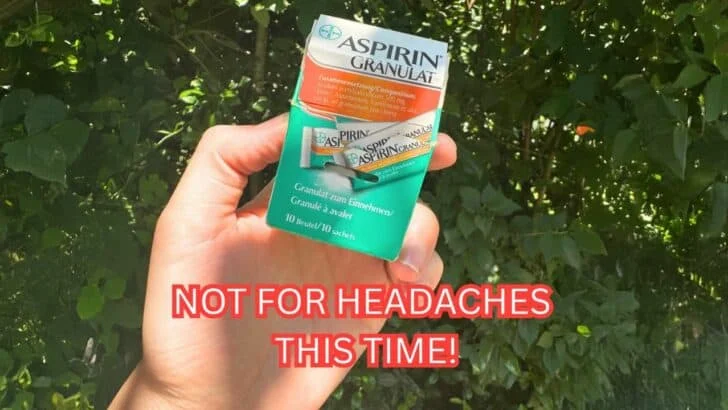
I don’t usually recommend raiding your medicine cabinet before heading to the garden, but this one’s different.
The rumor started years ago — crush up an aspirin, water it down, and pour it on your plants. Some said it cured diseases. Others swore it made tomatoes bulletproof. A few just liked the idea of giving their basil a “painkiller.”
But here’s the twist: a lot of it actually works.
Turns out, aspirin’s active compound — salicylic acid — is already produced by plants to trigger immune responses. You’re not medicating your plants. You’re hacking into their own natural defense system.
Today’s list isn’t some crunchy myth collection. It’s seven research-backed, field-tested ways that aspirin can actually make your garden better, stronger, and more resilient — especially during summer stress, transplanting, or fungal outbreaks.
Just don’t go full pharmacist and start tossing pills like confetti. As always, dosage matters.
🌱 Key Takeaways
- 💊 Aspirin has real effects — it’s not just a garden myth. Salicylic acid helps trigger plant defenses.
- 🦠 It can prevent disease — think of it like a little vaccine against fungal threats and infections.
- 🌧️ Soil drenching and sprays work differently — know which method suits which problem.
- 📦 It’s cheap and accessible — great results without fancy products or expensive formulas.
- 🧪 Don’t overdo it — higher doses won’t make plants stronger and can backfire quickly.
- 🌿 Use it as a support, not a substitute — healthy soil, good watering, and sunlight still come first.
- 📅 Best for stressed or heat-prone plants — summer veggies like tomatoes, peppers, and cucumbers benefit most.
1. Beat Transplant Shock with an Aspirin

Aspirin, 1 quart of water and and a spray bottle, this is all it takes.
New plant, new pot, new problems. Every gardener’s watched a perfectly healthy seedling curl up in a sulk the day after transplanting. That’s transplant shock — and it doesn’t care how gentle you were.
But here’s the kicker: a little aspirin in the watering can can help prevent it. The salicylic acid in aspirin boosts the plant’s natural stress response system, so when its roots get jostled or trimmed, it’s less likely to throw a fit.
Here’s what I do: I dissolve one uncoated aspirin (325mg) in a gallon of water, then give my transplants a good soak before they go in the ground. Some folks spray it directly on the foliage, but I’ve found root-level support works better — especially in hot weather.
You can also use aspirin in Granulat form — it works just as well. Just make sure it’s pure and uncoated, then dissolve the same amount (325mg per gallon) thoroughly in water. Depending on the formulation, it may take a little more stirring to dissolve, but the effect on the plants is the same.
2. Fungal Foe? Use Aspirin as a Natural Shield
If you’ve ever lost a tomato plant to powdery mildew or watched your cucumbers get blotchy overnight, you know the heartbreak. Fungal diseases show no mercy in warm, humid weather — and once they take hold, it’s often too late.
Here’s where aspirin can come in swinging. Studies suggest that aspirin spray (yep, same tablet from your medicine cabinet) helps trigger a plant’s systemic acquired resistance — basically an internal immune response that puts fungi on notice.
Mix one uncoated aspirin (325mg) into a quart of water, and spritz it on your plants’ leaves every couple of weeks. Focus on plants prone to fungal drama: tomatoes, squash, roses, cucumbers. Best to apply early in the morning before the sun hits hard, and avoid during flowering — you don’t want to mess with pollinators.
3. Supercharge Seed Germination
Starting seeds can feel like gambling with dirt. Some sprout. Some snooze. Some ghost you entirely. But here’s the thing — aspirin might just give those seeds the pep talk they need to show up on time.
A diluted aspirin solution can help jumpstart germination, especially for trickier crops like peppers, tomatoes, and eggplants. Just dissolve one 325mg aspirin in a gallon of warm water, and soak your seeds for a few hours before planting. Or use it to lightly mist the soil where you sowed them.
Why it works? Salicylic acid (the key compound in aspirin) mimics natural plant hormones that signal stress responses — like waking up from seed slumber and prepping for the wild world of your raised bed.

4. Aspirin for Disease Prevention
Powdery mildew. Blight. Rust. The summer rogues’ gallery that haunts every veggie grower.
Here’s the kicker: a low-dose aspirin spray might actually help your plants fight off fungal pathogens before they even show up. That’s not folklore — it’s science. Aspirin (acetylsalicylic acid) mimics salicylic acid, a natural plant hormone that helps trigger a defense response.
By misting a diluted aspirin solution onto your tomato leaves or squash vines, you may be giving them a gentle nudge to toughen up — like a pre-season workout for their immune system.
It won’t make your plants invincible, but it could help slow the spread of early-stage infections and reduce the severity of outbreaks when the summer humidity kicks in.
5. Boosting Root Growth with Aspirin
Starting cuttings? Transplanting seedlings? This is where aspirin shines in ways most gardeners don’t expect.
When roots are disturbed, they panic. And panic leads to transplant shock — yellowing leaves, slowed growth, sometimes death. But here’s the thing: aspirin can help stimulate root development and ease that stressful transition. It’s all about the salicylic acid again — the same compound that plants use to manage stress.
Soaking cuttings or freshly transplanted veggies in a weak aspirin solution before planting might help them bounce back faster and establish deeper root systems. That means better water uptake, better drought resistance, and stronger growth down the line.
6. Extend Bloom Time with a Gentle Aspirin Boost
Got roses that fade too fast? Zinnias that start strong then fizzle out? If your blooms seem to burn bright and die young, aspirin might be the low-cost fix you didn’t know you needed.
Here’s the deal: flowering takes energy. A lot of it. And environmental stress — heatwaves, drought, fungal threats — cuts that bloom cycle short. But salicylic acid (yep, aspirin’s secret sauce) helps flowers push through that stress with better resilience and stamina.
Try this: dissolve one uncoated 325mg aspirin in a gallon of water, and use it to water flowering plants every 2–3 weeks. Don’t go wild — just a light, even soak at the base. Think of it like a gentle multivitamin during blooming season.
🧪 Trick #7: Aspirin for Damping-Off Disease in Seedlings
There’s nothing worse than watching your baby seedlings sprout… only to keel over and rot at the base. That heartbreaking collapse is usually caused by a sneaky fungal issue called damping-off.
But here’s the twist: salicylic acid (the active ingredient in aspirin) might just help your seedlings build resistance against that fungal doom. Some gardeners swear by a super-diluted aspirin spray in the early seedling stage to toughen up their tiny plants’ immune responses — before trouble ever hits.
It’s not a cure-all, and sterile conditions are still king. But for anyone starting seeds indoors or in trays, this little aspirin insurance policy might be worth a try.
Only spray once or twice in early seedling stages, and never drench the soil. Try one regular aspirin (325 mg) dissolved in 1 gallon of water. Mist gently, and monitor for signs of stress or overwatering.
💡 Bonus Insight: Don’t Mix Aspirin with Just Anything
It’s tempting to throw aspirin into every spray bottle like it’s a gardening miracle pill. But mixing it with other fertilizers, insecticidal soaps, or oils can backfire — sometimes badly. The compounds can clash, burn leaves, or stress the plant’s systems instead of helping.
If you’re experimenting with aspirin sprays, keep it simple. Apply it separately from other treatments and give your plants time to process one thing at a time. Just like humans don’t pop aspirin with every drink under the sun, your tomatoes appreciate a little moderation too.
Wait at least 24 hours between applying aspirin and anything else. Stick to early morning or late afternoon spraying to avoid midday leaf scorch. Simplicity wins.
🌿 What It All Means for Your Garden
We get it — aspirin in the garden sounds like one of those too-good-to-be-true hacks. But when used right, it’s not just gardening folklore. It’s science-backed, budget-friendly, and surprisingly effective. Whether you’re boosting plant immunity, speeding up germination, or fending off fungus, a humble aspirin tablet can punch way above its weight.
That said, it’s not a silver bullet. Use it wisely, don’t overdo it, and always pair it with strong foundational practices — like good soil, proper spacing, and smart watering. Because at the end of the day, aspirin’s a helper, not a hero.
Try one of these seven tricks this week, and watch what happens. Your garden might just stand a little taller — and thank you for the TLC.


Daniel has been a plant enthusiast for over 20 years. He owns hundreds of houseplants and prepares for the chili growing seasons yearly with great anticipation. His favorite plants are plant species in the Araceae family, such as Monstera, Philodendron, and Anthurium. He also loves gardening and is growing hot peppers, tomatoes, and many more vegetables.