

Roses love attention, but in August they can be the most high-maintenance divas in the garden. The sun is hotter, the soil dries faster, and pests seem to take out a subscription plan on every leaf and bud. Many gardeners, in trying to help, actually make things worse without even realizing it.
This is the month when overwatering, mistimed feeding, or even a little too much pruning can turn your prize rose into a stressed-out stick with thorns. The good news is that most of these problems are easy to avoid once you know what to look for. Here are seven mistakes that rose growers often make in August, and how you can sidestep them before your plants start sulking.
1. Overwatering Roses in the Heat

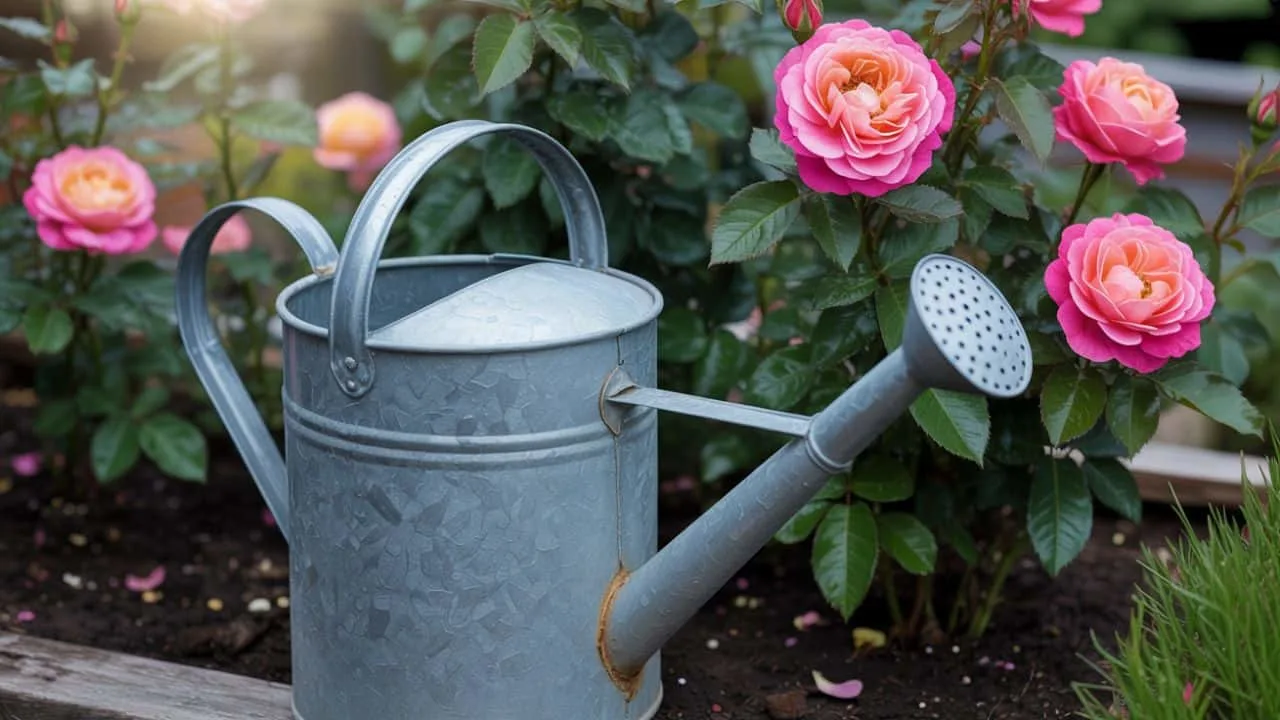
Nothing makes a gardener panic faster than droopy rose leaves in August. The instinct is to grab the hose and soak the plant until the soil looks like a swamp. The trouble is that heat wilt doesn’t always mean thirst. Sometimes leaves just flag in the sun, then perk back up when it cools down. If you keep pouring water on top of that, roots sit in soggy soil, fungal diseases thrive, and suddenly the plant has bigger problems than the afternoon sun.
The better approach is to water less often, but more deeply. Roses love a steady routine: a slow soak at the base in the morning that reaches the roots, not a daily sprinkle that drowns them. Think of it as giving them a proper breakfast rather than endless snacks all day long.
💧 Bonus Tips for Smart Watering
- Check before you pour – Stick a finger 2 inches into the soil. If it’s still damp, skip the water that day.
- Time it right – Water in the morning so leaves dry quickly. Evening watering leaves damp foliage that fungi adore.
- Think deep, not often – A long soak once or twice a week beats light watering every day.
- Mulch matters – A layer of organic mulch keeps the soil cooler and reduces evaporation.
2. Fertilizing Too Late

By mid-August, roses have already put on their main show. This is the point when gardeners get tempted to push “just one more flush” with a handful of fertilizer. The problem is that feeding roses this late encourages soft, tender shoots. Those shoots look lovely in September, but they don’t have time to harden off before frost. When cold weather hits, the new growth turns black, weakens the canes, and leaves the plant vulnerable going into winter.
In most US zones, August is the cutoff for nitrogen-heavy feeding. Your roses don’t need the extra push right now. What they do need is a chance to slow down, store energy in their roots, and prepare for dormancy. Keep feeding too long, and you’re setting them up for frostbite instead of resilience.
🌱 Bonus Tips for Feeding in Late Summer
- Stop the nitrogen – No more “grow fast” formulas after mid-August. They trigger growth that frost will kill.
- Switch to gentle support – If you want to feed, use low-nitrogen or balanced fertilizers that focus on root strength instead of leafy growth.
- Think about the calendar – In northern zones (3–5), stop earlier; in southern zones (8–9), you might stretch it a week or two, but don’t push past late August.
- Let the plant rest – Late summer is about hardening off, not showing off. Give your roses the downtime they need for winter survival.
3. Skipping Deadheading


By mid August roses can still deliver a fresh flush, but only if you keep removing spent blooms. When flowers fade and you leave them on the plant, roses begin to form hips and shift energy into seed making. That signal tells the plant to slow down on new buds, which is why beds start looking tired weeks early. A quick snip in August keeps energy flowing to fresh shoots and extends color well into fall in most US zones.
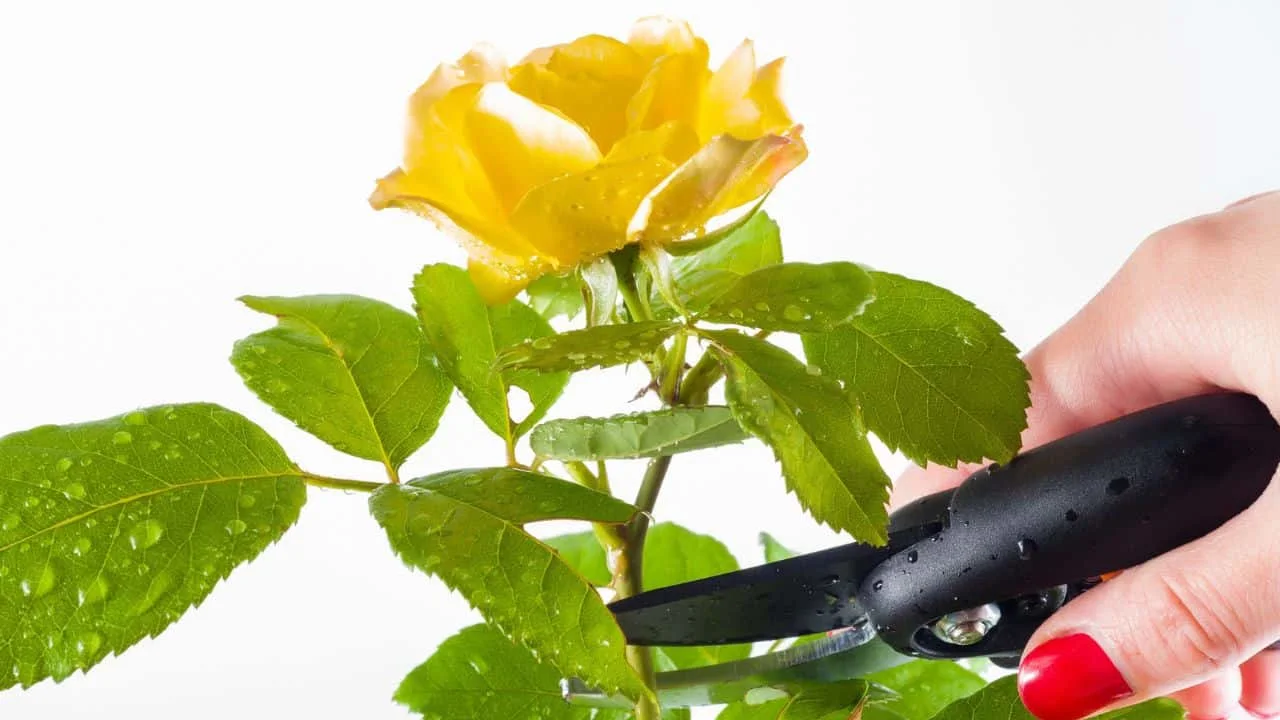
The move is simple. Use clean pruners and cut just above a five leaflet leaf on a stem that points outward. This encourages a strong new stem with better air flow and fewer disease problems. Light, regular deadheading beats heavy end of season cuts and keeps the show going without stressing the plant.
🌹 Deadhead for more August blooms
- Choose a healthy stem with a five leaflet leaf below the spent flower.
- Cut about a quarter inch above that leaf, at a slight angle away from the bud.
- Remove any petals that stick to leaves to reduce disease risk.
- Sanitize pruners between plants with alcohol or a bleach wipe.
- Timing check plants once or twice a week in August so you catch fades early.
- Height control cut a bit lower if you want stronger stems on the next flush.
- Exceptions if you want hips for fall display on shrub roses, stop deadheading now.
4. Ignoring Pest Hotspots on Roses

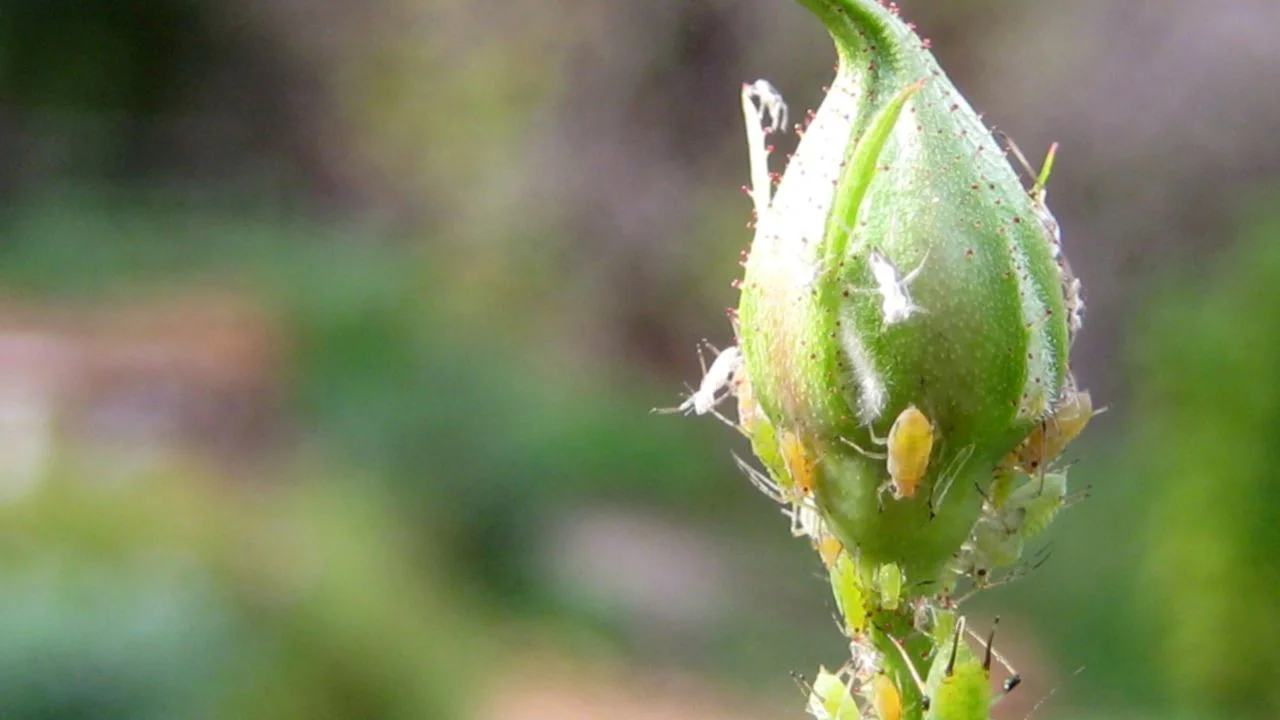
August heat is prime time for sap suckers and leaf chewers. Spider mites thrive in dry air and leave fine speckling on leaves. Aphids cluster on tender stems and buds, draining energy just when roses are trying to push one more flush. Japanese beetles shred petals and skeletonize leaves, often overnight. Too many gardeners assume summer pests fade after June, but August can be the heaviest wave in many US zones.
Unchecked pests weaken roses heading into fall, leaving them stressed and more vulnerable to disease and frost. The fix is simple but regular—walk the garden, flip leaves, and look closely. A gentle blast from the hose, insecticidal soap, or neem oil is usually enough if you catch them early. Waiting until the plant looks ragged almost always means you’ll be fighting uphill.
🐞 Pest Patrol Tips for August
- Check hotspots flip leaves, inspect buds, and look for webbing or chewed petals.
- Water blast hose undersides of leaves to knock off mites and aphids.
- Natural sprays insecticidal soap or neem oil work best in the cooler morning hours.
- Hand pick beetles drop them into a bucket of soapy water before they invite friends.
- Consistency beats crisis short, frequent checks prevent big infestations.
- Encourage allies ladybugs and lacewings thrive when you skip broad pesticides.
- Zone tip in humid areas, pests can rebound fast after storms—inspect right after rain.
5. Forgetting Mulch and Moisture Retention

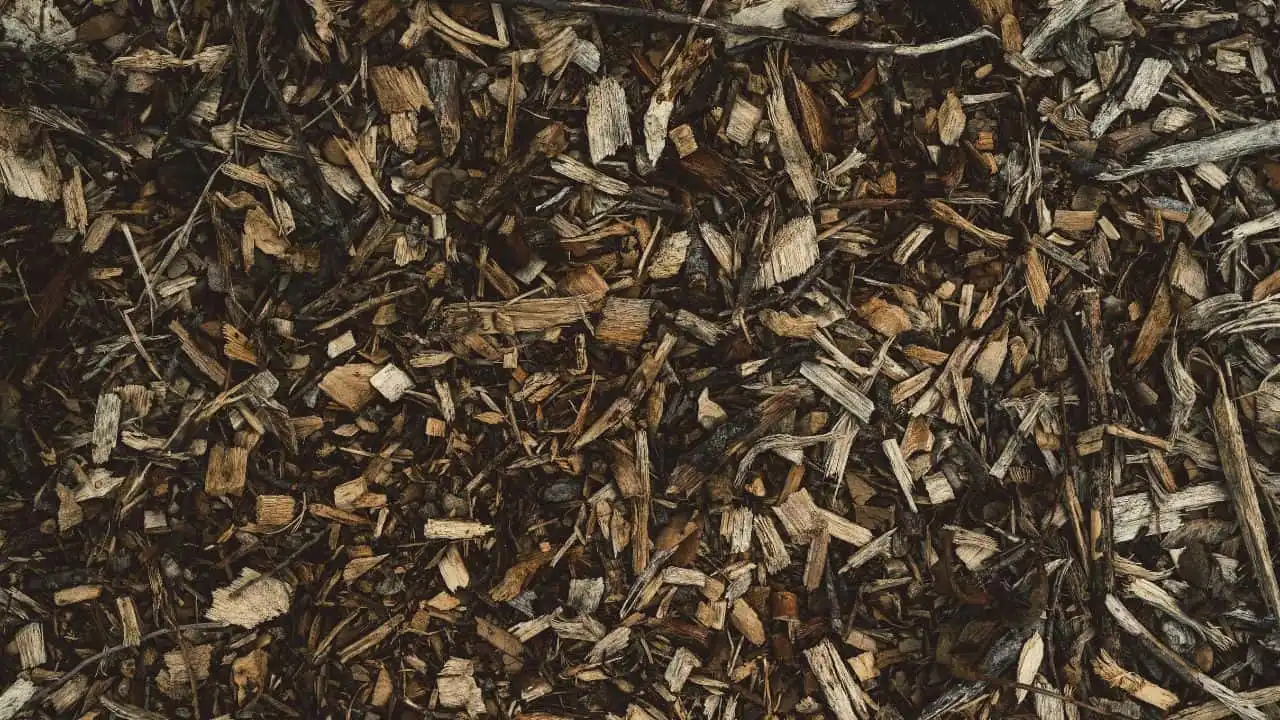
By late August, bare soil around roses bakes like a clay pot. The top dries out within hours, forcing roots to reach upward instead of staying deep where moisture is steadier. This shallow rooting stresses roses during every heat wave and makes them far less resilient heading into fall. Many gardeners mulch in spring and then forget about it, not realizing that by mid to late summer, mulch has thinned out, blown away, or broken down.
The fix is simple but powerful. Keep a consistent 2–3 inches of organic mulch around the base of each rose. Wood chips, shredded bark, or even composted leaves will shield roots from the harsh August sun, regulate soil temperature, and lock in every drop of water. Just don’t pile mulch against the crown, which can invite rot. Think of mulch as sunscreen and insulation rolled into one—without it, your roses are exposed and stressed when they should be building strength for winter.
🌱 Mulch Must-Knows for Roses
- Depth counts keep it at 2–3 inches for best results, no more, no less.
- Leave breathing room keep mulch a few inches away from the crown to prevent rot.
- Refresh mid-season top up mulch in August when it has thinned out or decomposed.
- Material tip shredded bark lasts longer, while composted leaves add nutrients faster.
- Zone note in hotter southern zones, mulch is critical for keeping soil temps down.
- Water synergy mulch reduces evaporation so your watering goes further.
6. Heavy Summer Pruning

It’s tempting in August to grab the pruners and “fix” roses that look unruly. But heavy summer pruning is a mistake. When you cut roses back hard this late, they don’t have enough time or energy to regrow before fall. The result? Tender new shoots that never harden, leaving the plant vulnerable to frost and disease. Instead of helping, you end up setting your roses back right when they should be focusing on storing energy for winter survival.
The safe path for mid-to-late August is light shaping only. Snip out dead wood, cross-branches, or awkward stems that block airflow, but resist the urge to cut deeply. Think tidy, not drastic. Major pruning belongs in spring, when roses are waking up, or after frost has put them to bed. In August, less really is more.
✂️ Smart Pruning in August
- Stick to dead wood clear out only what’s brown, brittle, or clearly non-productive.
- Air it out remove small crossing stems that block sunlight and circulation.
- Save the big cuts wait until spring or after frost for the heavy pruning jobs.
- Zone reminder in colder northern zones, new late-August growth almost never hardens in time.
- Shaping tip focus on directing energy toward healthy canes, not pushing new ones.
- Bloom bonus lighter pruning now helps redirect resources to ripen hips and strengthen canes.
7. Letting Black Spot Run Wild

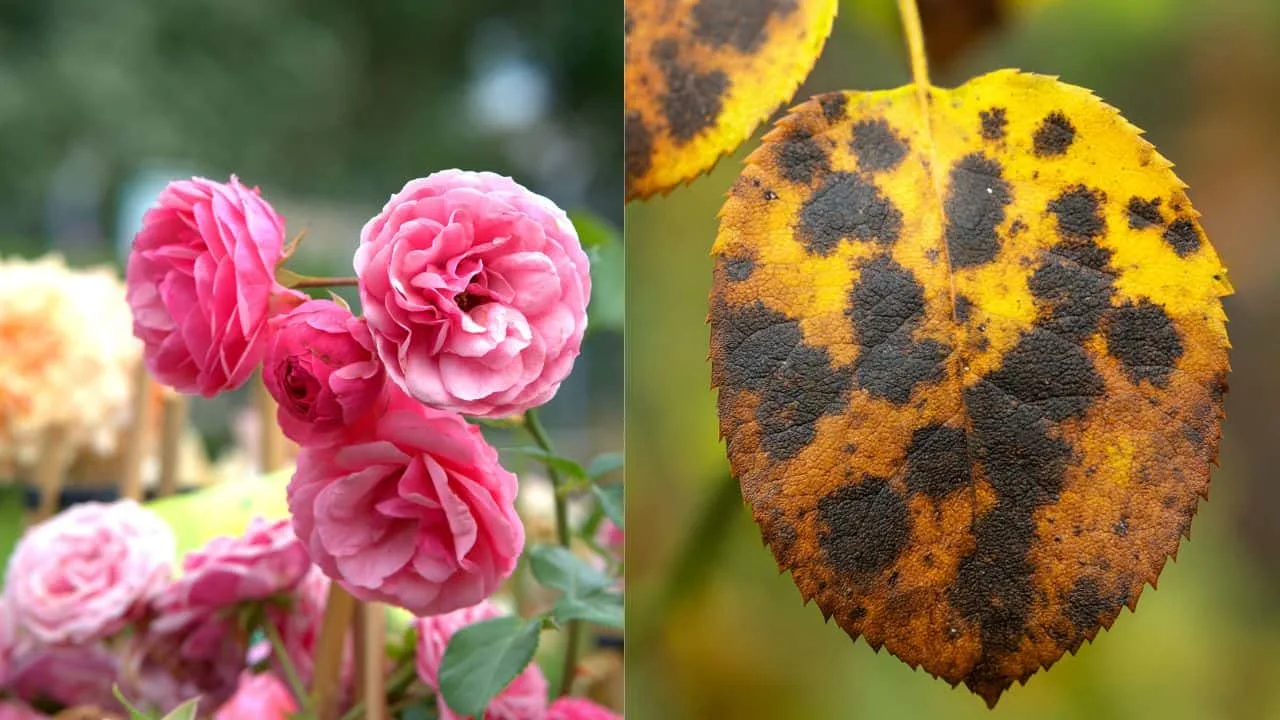
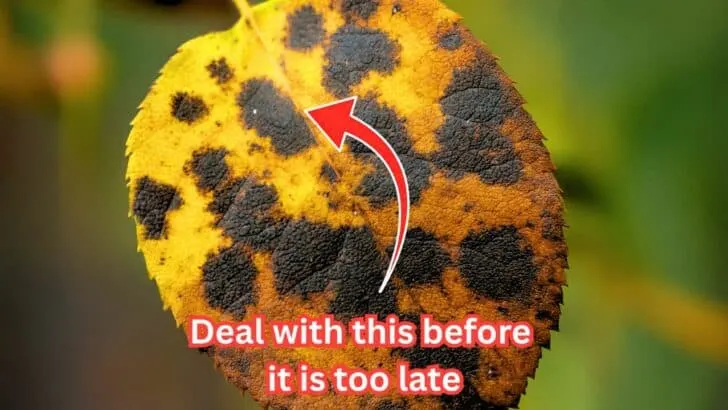
By mid-to-late August, the sticky heat and late summer rains create perfect conditions for black spot. Many gardeners shrug it off this time of year, thinking the season is nearly over. But ignoring black spot now is a mistake. Left unchecked, it weakens the plant just when roses need to build strength for winter. Fungal spores spread quickly in humid air, and by September you’ll be staring at bare canes instead of healthy foliage.
The fix is straightforward but consistent. Remove any leaves with black spotting as soon as you see them, both on the plant and on the ground. Improve airflow by trimming lightly around crowded stems, and water at the base in the mornings so leaves dry fast. If you stay on top of it now, your roses finish the season with more leaves, more blooms, and better reserves for next spring.
🌿 Black Spot Defense Tips
- Leaf patrol check roses twice a week and remove spotted leaves fast.
- Ground cleanup never let fallen infected leaves sit under bushes.
- Water smart always at soil level, never overhead, and early enough to dry.
- Zone tip humid regions and rainy August stretches need extra vigilance.
- Airflow check light thinning of crowded stems helps leaves dry quickly.
- Don’t give up even in late August, managing black spot strengthens your roses for next year.
Rounding Out August Rose Care


By the time August rolls around, roses are caught between two worlds. They are still blooming, still putting on a show, but also shifting gears toward fall and winter survival. That’s why the small choices you make now matter so much. Too much water, too much fertilizer, or too little attention to pests and disease can leave them weaker just when they need to be storing up strength.
The good news is that none of these adjustments are complicated. It’s about knowing when to ease up, when to tidy, and when to simply let the plant focus on finishing strong. A little discipline in late summer means your roses go into winter healthier and reward you with stronger growth and better blooms next spring.
Think of August not as the end of the rose season, but as a bridge to the next one. Treat them wisely now, and they’ll thank you when the garden wakes up again.
🌹 Key Takeaways for August Roses
- Ease off the water 💧 – Deep, infrequent watering in the morning prevents soggy roots and fungal disease.
- Stop feeding nitrogen 🌱 – Fertilizing after mid-August only pushes weak, frost-prone growth.
- Keep them tidy ✂️ – Deadhead for more late blooms and remove diseased leaves before they spread.
- Guard against August pests 🐞 – Spider mites, beetles, and aphids thrive now, so stay watchful.
- Mulch for moisture 🌿 – A 2–3 inch organic layer protects roots from heat and drought stress.


Daniel has been a plant enthusiast for over 20 years. He owns hundreds of houseplants and prepares for the chili growing seasons yearly with great anticipation. His favorite plants are plant species in the Araceae family, such as Monstera, Philodendron, and Anthurium. He also loves gardening and is growing hot peppers, tomatoes, and many more vegetables.