

Fall feels like the home stretch in the garden. Tomatoes are ripening, squash are swelling, and you think the hardest work is behind you. That is exactly when the pests show up. Some are just a mild irritation, easy to flick away with a hose.
Others are the kind of invaders that hollow out stems, spread disease, or leave you staring at bare vines where pumpkins used to be. This ranking walks through the usual suspects from the manageable nuisances to the full-blown nightmares that can end your season early.
1. Aphids (The Easy Suckers)

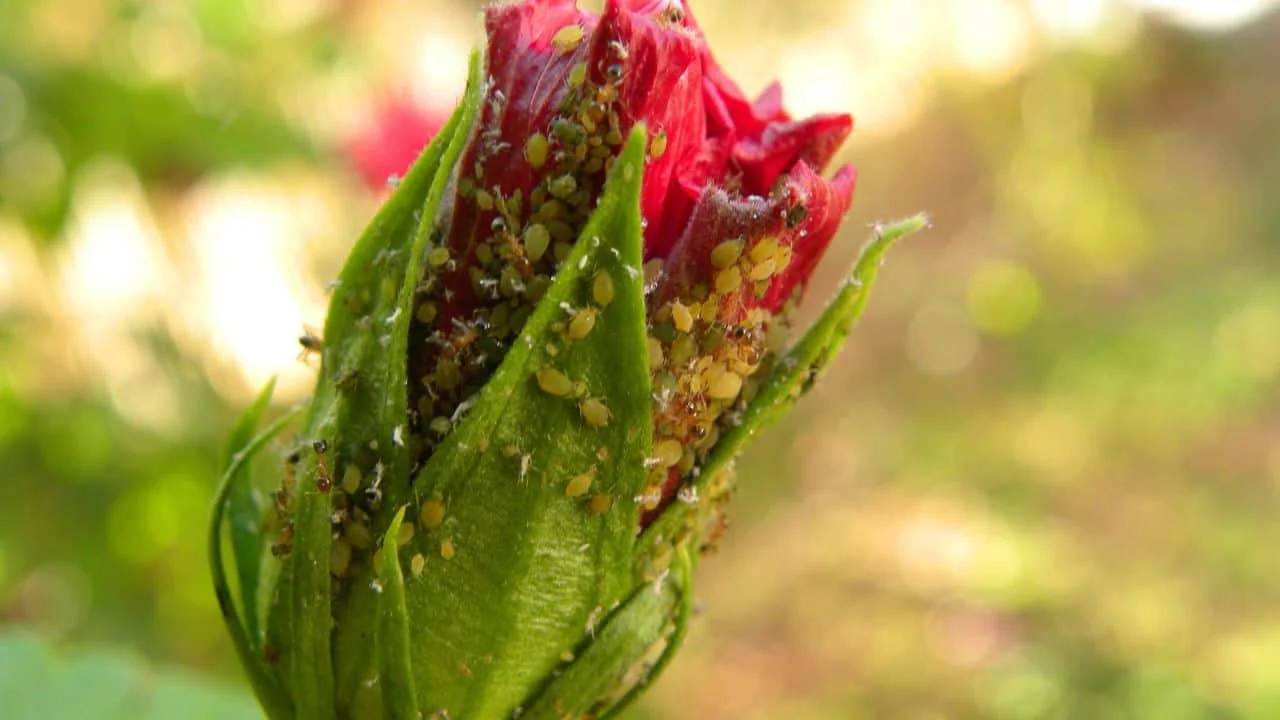
They show up in clusters on tender stems, sucking sap like tiny vampires. By themselves, they are not much — a few blasts of water or a quick spray of neem oil and they are gone. The real trouble comes when you let them multiply unchecked. A handful turns into hundreds, and then they start curling leaves, stunting growth, and spreading viruses. Still, compared to what is coming further down this list, aphids are garden lightweights.
- 🚿 Blast them off: A strong stream of water from a hose knocks most colonies down and they rarely crawl back up.
- 🪲 Recruit allies: Ladybugs, lacewings, and hoverfly larvae treat aphids like a buffet.
- 🌿 Neem or insecticidal soap: Both smother soft-bodied pests on contact — reapply after rain.
- 🌸 Plant decoys: Nasturtiums attract aphids away from prized crops and keep the damage contained.
2. Cabbage Loopers (The Hole Punchers)
These bright green caterpillars march through brassica leaves like a paper shredder on legs. One day your kale looks fine, the next it is full of ragged holes. The good news is they are predictable and not too clever. Cover your crops early, and they never even land. Miss that window, and you will be hand-picking or spraying to keep the buffet under control.
- 🪱 Spot the culprit: They arch their bodies into a “loop” when moving, which gives them away quickly.
- 🪴 Row covers: Put them on as soon as seedlings are planted. This blocks moths from laying eggs in the first place.
- 🧪 BT spray: Bacillus thuringiensis is an organic control that only targets caterpillars. Apply in the evening for best results.
- 👀 Egg patrol: Look under leaves for tiny white eggs and crush them before they hatch.
3. Slugs and Snails (The Midnight Munchers)

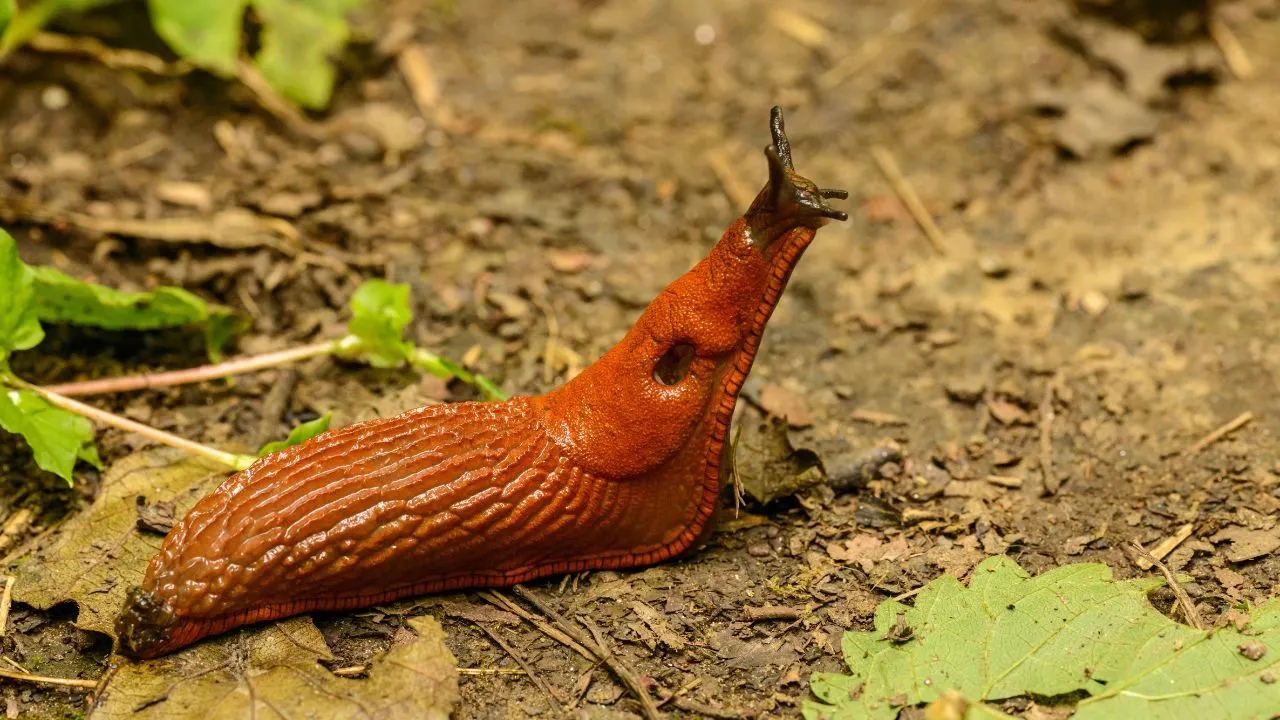
Come out at dusk with a flashlight and you will catch them in the act, rasping holes into lettuce and strawberries. By morning, all that is left are shiny slime trails and chewed leaves. They are disgusting, but the good news is they are not invincible. With the right traps and deterrents, you can thin their numbers fast and keep your greens from becoming midnight snacks.
- 🍺 Beer traps: Sink shallow dishes of beer into the soil. Slugs cannot resist, and they drown overnight.
- 🧂 Iron phosphate pellets: A safe bait that dehydrates slugs without harming pets or wildlife.
- ⚡ Copper tape: They will not cross copper, making it perfect for raised beds and pots.
- 🌙 Evening patrol: A bucket and gloves go a long way. Collect and remove them when they are most active.
4. Japanese Beetles (The Leaf Skeletonizers)

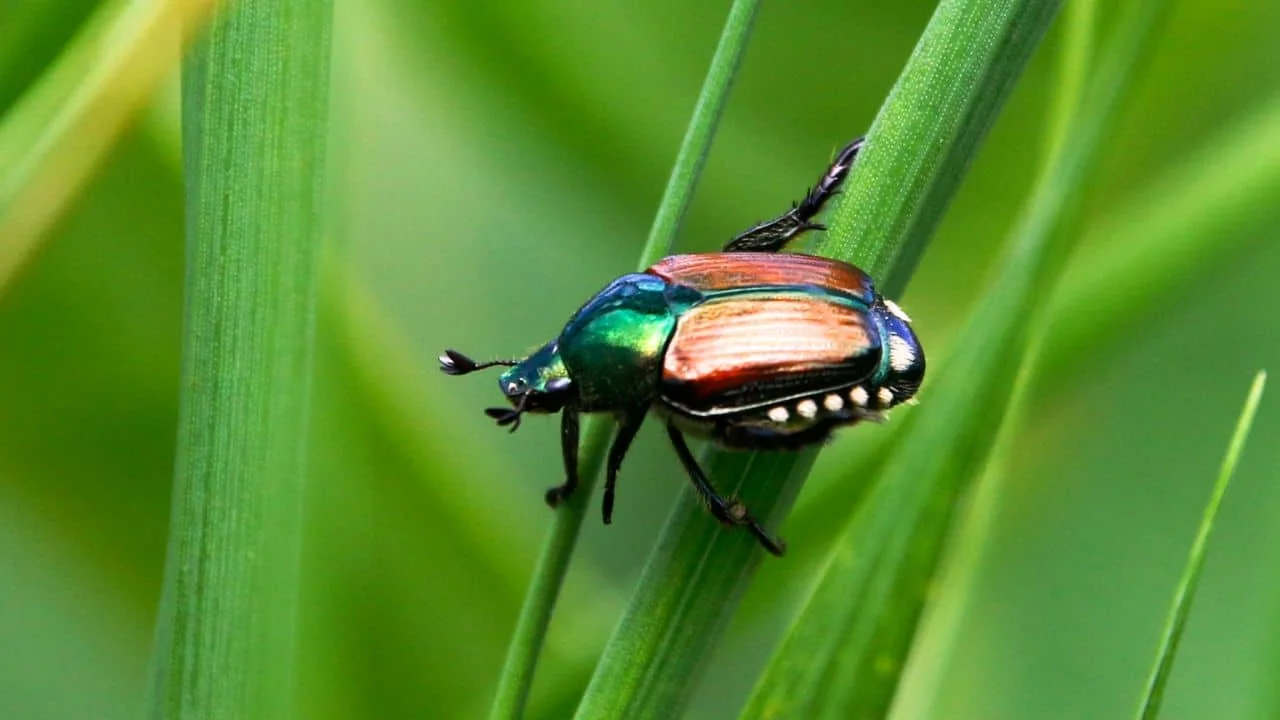
Shiny and metallic, they look almost too pretty to be villains. Do not be fooled. Japanese beetles gather in swarms and leave leaves reduced to lace in a matter of days. Roses, beans, grapes, basil — few plants escape their appetite. They are not impossible to manage, but once a big wave hits, you will be plucking and trapping nonstop until the season ends.
- 🖐️ Hand-pick early: Drop them into soapy water in the cool morning when they are sluggish.
- 🎣 Traps with caution: Pheromone traps attract beetles. Place them far from your crops so you do not bait them closer.
- 🌿 Neem oil: Slows feeding and disrupts their life cycle when sprayed directly on leaves.
- 🪱 Grub control: Treat lawns with beneficial nematodes in late summer. Fewer grubs now means fewer adult beetles next year.
5. Spider Mites (The Silent Webbers)

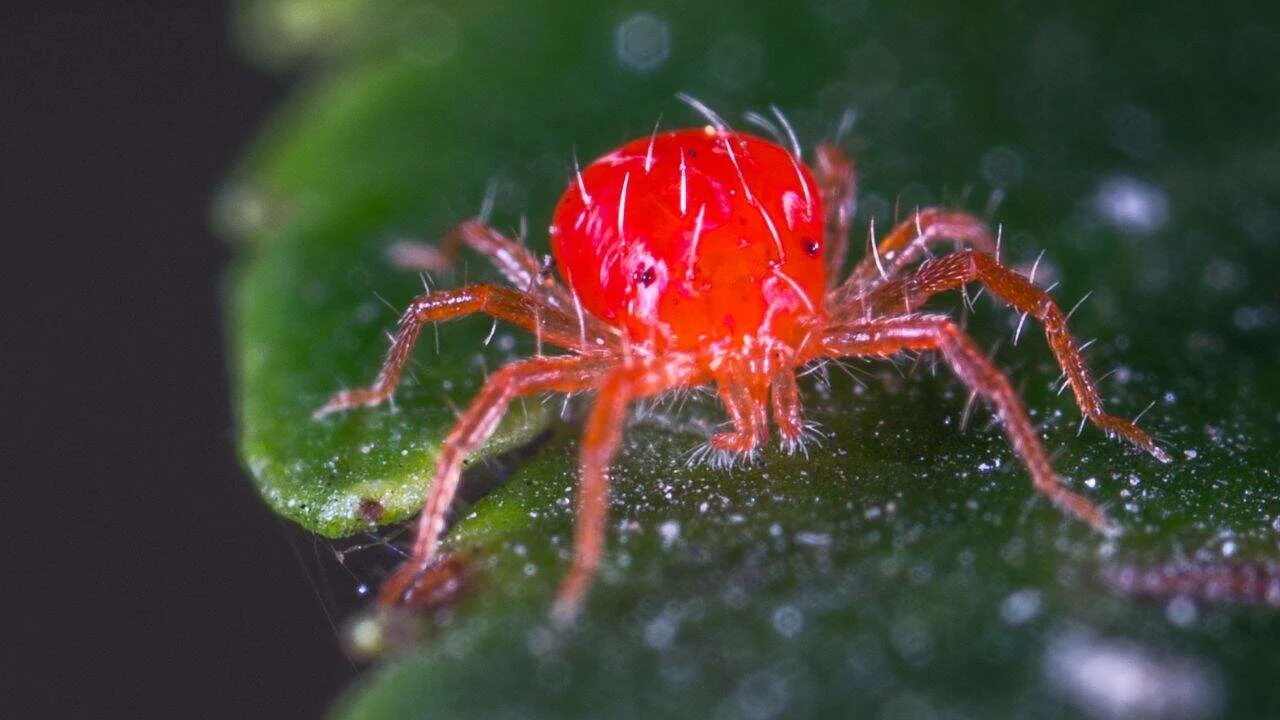
These pests are nearly invisible until the damage shows. By the time you notice yellow speckling and fine webbing, spider mites have already multiplied by the hundreds. They thrive in hot, dry late-summer weather and can turn leaves brittle in a week. Unlike bigger pests you can pluck, these require persistence and a keen eye to keep under control.
- 💦 Raise humidity: Mites hate moisture. A misting or humid environment slows them down.
- 🌿 Insecticidal soap: Safe on plants, deadly to mites. Coat leaf undersides where colonies hide.
- 🚿 Strong rinse: Spray the undersides of leaves with water every few days to knock numbers back.
- 🕷️ Predator allies: Release predatory mites or ladybugs — natural enemies that hunt them relentlessly.
- 🔁 Consistency: Reapply treatments weekly. Miss a round, and populations rebound fast.
6. Cucumber Beetles (The Wilt Spreaders)

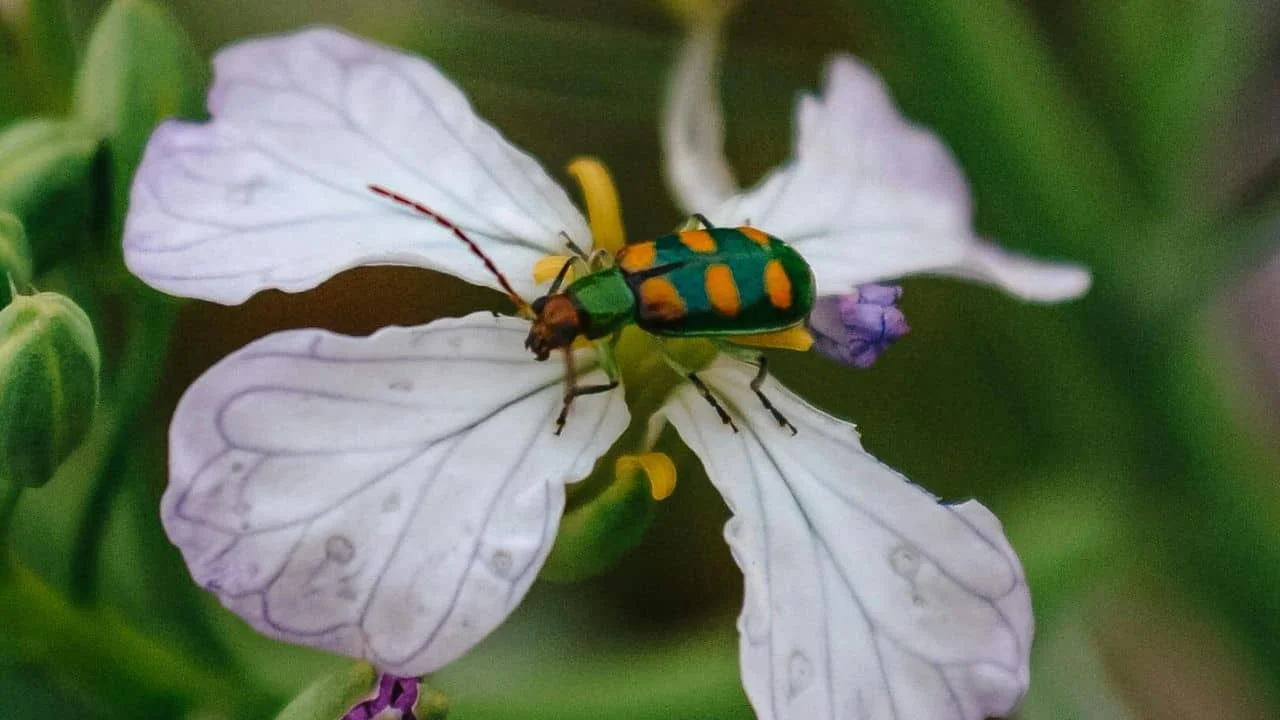
Small, striped or spotted, and deceptively harmless-looking, cucumber beetles are more dangerous than they appear. They nibble on young plants, but the real nightmare is what they carry with them. These beetles spread bacterial wilt, a disease that can turn vigorous cucumber vines into a wilted mess almost overnight. Spotting them early is key, because once wilt sets in there is no cure.
- 🟨 Sticky traps: Yellow cards draw them in and thin out numbers fast.
- 🪴 Row covers: Use on seedlings to block beetles until plants are strong enough to handle some feeding.
- 🌼 Trap crops: Plant nasturtiums or radishes nearby — cucumber beetles often hit those first.
- 🧪 Neem oil or pyrethrin: Works against adults before they transmit disease.
- 🔄 Rotate crops: Moving cucumbers and squash families each year makes it harder for beetles to find them.
7. Squash Bugs (The Plant Vampires)
These flat, shield-shaped insects are the bane of late-season squash and pumpkins. They pierce stems and leaves, sucking sap until plants wilt and collapse. Once a population explodes, whole vines can die seemingly overnight. To make matters worse, their eggs hatch in waves, so missing just a few clusters means you will be swarmed again in a week.
- 🥚 Egg patrol: Flip leaves and crush copper-colored egg clusters before they hatch.
- 🖐️ Hand-pick adults: Morning is best when bugs are sluggish. Drop them into soapy water.
- 🪴 Row covers early: Keep them off young plants, then remove covers at flowering for pollination.
- 🌱 Resistant varieties: Some squash types, like butternut, handle infestations better than zucchini or pumpkins.
- 🔥 Clean up debris: Squash bugs overwinter in garden litter. Removing old vines cuts down next year’s swarm.
8. Hornworms (The Leaf Strippers)

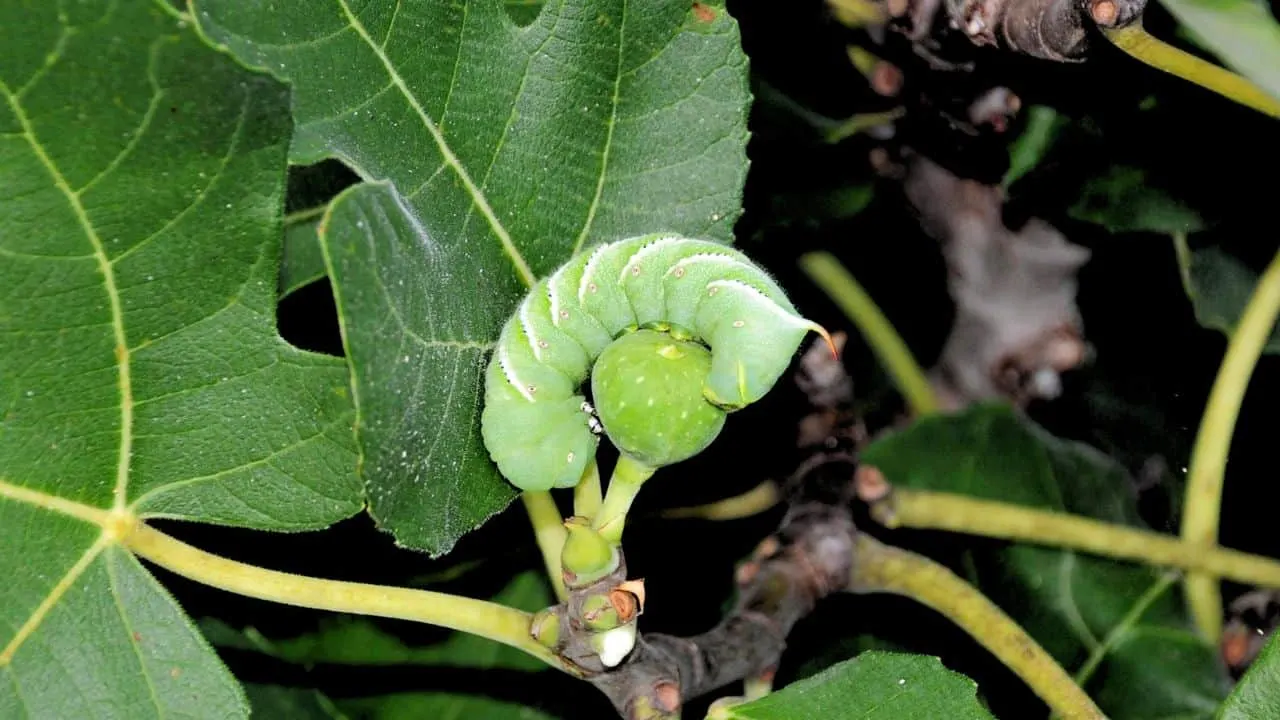
They look like something from a sci-fi movie: giant green caterpillars with a horn on the tail end. Hornworms can strip tomato or pepper plants down to bare stems almost overnight. The only upside is they are so big you cannot miss them once you know to look. Catch them in time and you save the crop. Miss them, and you are left with skeleton plants and half-eaten fruit.
- 👀 Spot the droppings: Dark, pellet-like frass on leaves is often the first clue they are hiding above.
- 🖐️ Hand-pick: Drop them into soapy water. Chickens also see them as gourmet snacks.
- 🧪 BT spray: Bacillus thuringiensis is effective if caterpillars are still small.
- 🐝 Parasitic wasps: If you see hornworms with white cocoons on their back, leave them — nature is already taking care of the problem.
- 🌿 Crop rotation: Avoid planting tomatoes in the same spot each year to break the cycle.
9. Squash Vine Borers (The Silent Killers)
If squash bugs are vampires, vine borers are assassins. They do not nibble leaves or lay eggs in plain sight. Instead, they burrow inside squash stems, cutting off the plant’s lifeline from within. By the time you notice wilting vines, the damage is usually done. They are the hardest fall pest to fight because you rarely see them until it is too late.
- 🦋 Watch the moth: Adults look like red and black wasps and hover around squash in early summer laying eggs at the stem base.
- 🪴 Row covers: Use until flowering to block moths from laying eggs.
- 🔍 Check stems: Sawdust-like frass at the base is a giveaway a larva is tunneling inside.
- 🗡️ Emergency surgery: Slit the stem with a clean knife, remove the grub, and mound soil over the wound to encourage new rooting.
- 🔄 Rotate crops: Avoid planting squash in the same place each year. This breaks the life cycle and reduces infestations.
Why Fall Pests Deserve Your Attention
By late summer it feels like the heavy lifting in the garden is done. That is when pests do their worst damage. Some are simple annoyances you can wash away with a hose, others are season-ending disasters that hollow out stems or spread disease before you even notice.
Ranking them shows the difference between a quick fix and a true nightmare, but the bigger lesson is this: catching problems early in fall is the only way to save both your harvest and your sanity.
🌿 Key Takeaways
Fall pests fall on a spectrum:
- 🌱 The nuisances: Aphids, slugs, and cabbage loopers are messy but manageable with blasts of water, traps, or a quick spray.
- 🍂 The troublemakers: Beetles, mites, and cucumber beetles chew, spread disease, or quietly weaken plants if you are not paying attention.
- 🔥 The nightmares: Squash bugs, hornworms, and vine borers can end a season overnight by draining plants or killing them from the inside out.
Knowing which category each pest belongs to helps you focus. Spend less time panicking about aphids, and more time setting up defenses against the killers waiting in the wings.


Daniel has been a plant enthusiast for over 20 years. He owns hundreds of houseplants and prepares for the chili growing seasons yearly with great anticipation. His favorite plants are plant species in the Araceae family, such as Monstera, Philodendron, and Anthurium. He also loves gardening and is growing hot peppers, tomatoes, and many more vegetables.