

You don’t need a trip to the nursery. You don’t need to spend fifty bucks on mulch. And you definitely don’t need another half-hearted impulse plant you’re not emotionally ready for.
Sometimes, your garden is fine — it just looks tired. A little messy. A little forgotten. Kind of like a room that was clean last week and now feels like it’s slowly being reclaimed by nature.
The good news? You can fix that vibe in ten minutes. You already have everything you need. You just have to look at your space the way a guest might — or a slightly judgmental neighbor — and do a few fast things that make everything pop again.
🌿 Key Takeaways
- ✂️ Snip the ugly stuff — dead blooms and yellow leaves drag down the whole vibe.
- 🧹 Clean up your paths and edges for instant order and structure.
- 🪴 Rearrange your pots to create fresh focal points and balance.
- 🌾 Fluff your mulch — it revives color, improves airflow, and looks freshly spread.
- 🗑️ Remove one sad or dead plant to declutter and refocus the garden’s energy.
- 🌿 Support floppy plants with a quick stick or tie — it instantly neatens up the space.
- 🧼 Wipe down your pots and labels — small touch, big polish.
1. Cut Back the Ugly Stuff
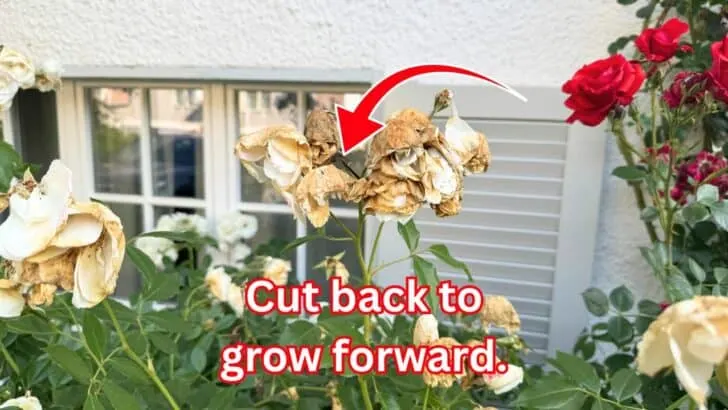
This is the fastest way to make your garden look 100% more alive — and it costs nothing but a few snips. Dead blooms, yellowing leaves, spent flower stalks, floppy stems… all of it is dragging your plants down visually and physically. When you leave that stuff in place, the whole garden feels a little forgotten. When you clean it up, everything suddenly feels fresh, tidy, and thriving again — even if it’s not.
And no, you don’t need to overthink it. You don’t need to find your good pruners or read an article about the “correct angle” for stem removal. You just need scissors, your fingers, or the will to remove something ugly and not apologize for it.
✂️ What to Do (Right Now)
- Snip off any flowers that are brown or wilted — this triggers more blooming and makes the plant look awake again.
- Remove yellow or spotted leaves — especially on tomatoes, cucumbers, and squash. It improves airflow and health.
- Cut back spent stalks from spring bloomers like irises or peonies — the leaves can stay, the ugly bits can go.
- Pinch off any floppy tips or branches — this encourages bushier growth and gives your plant a cleaner silhouette.
Why it works: You’re taking away everything that makes your garden look tired, while giving your plants a quick reset. It’s the garden version of brushing your hair and putting on clean clothes — you’re still you, just better.
2. Clean Your Paths, Borders, and Edges
If your garden feels messy and “meh” no matter how many flowers are blooming, the problem might not be the plants at all — it’s what’s happening around them. Dirt-caked stepping stones, scattered gravel, leaf clumps under the bench, random pots half-tipped in the corner… yeah. That.
You can spend hours fussing over a plant and still feel like your garden looks sad. Or you can spend five minutes raking the path and suddenly everything looks intentional. Paths and edges create structure. When they’re clean, your garden feels cared for. When they’re cluttered, everything feels forgotten.
🧹 What to Do (Right Now)
- Sweep or hose off your patio, deck, or stepping stones — mud and dust make everything feel abandoned.
- Rake up leaves and petals along garden borders — even a small pile-up makes the space feel messy.
- Re-edge a few beds with a spade or your boot — sharp edges = instant order.
- Move or upright any tipped-over pots or tools — clutter drags down the entire vibe.
Why it works: It reframes the garden visually. Even if your plants aren’t perfect, a clean path and a tidy edge make the whole space look intentional and loved. It’s like vacuuming a messy room — you didn’t fix the clutter, but it feels better anyway.
3. Rearrange Your Pots
You don’t need new plants. You need a new arrangement. The human brain loves fresh layouts — even when the contents stay the same. That lone basil pot on the stairs? Lonely. That sad tomato sulking behind the hose reel? Forgotten. The three random planters scattered like spilled dice? Chaos.
But pull them together, shift them into a cluster, or even line them up intentionally — and suddenly, it looks like you meant to do that all along. It’s visual momentum. A change in flow. A garden version of fluffing the pillows and straightening the books.
🪴 What to Do (Right Now)
- Group small pots into a cluster — try 3–5 of them near a doorway, step, or bench to create a focal point.
- Move “forgotten” pots into the spotlight — if it’s blooming, give it a stage.
- Use plant height to your advantage — place tall ones in the back, trailing ones up front.
- Unify the vibe — matching saucers, a tray under the cluster, or just the same color family makes it feel cohesive.
Why it works: You’re creating structure, even if the plants themselves aren’t at their best. Rearranged pots add rhythm, focus, and an instant glow-up — with zero cash and barely any dirt under your nails.
4. Fluff Your Mulch
Mulch is amazing. It holds moisture, keeps weeds down, makes your beds look finished. But over time, it settles. It compacts. It gets crusty. And suddenly, what once looked lush and layered now looks like the topsoil at a construction site.
Good news: you don’t need to add more mulch. You just need to give it a little fluff. Stirring the top inch or two with your hands, a rake, or even a stick will instantly revive the color and texture. It also helps prevent mold, improves airflow, and gives your garden a freshly groomed look — like someone just ran through with a tiny garden-sized blowout brush.
🌾 What to Do (Right Now)
- Use your hands or a cultivator to gently loosen the top layer of mulch in flower beds, containers, or around shrubs.
- Break up any matted spots or crusty patches that may be blocking water or air.
- Rake it into an even layer again — smooth, fluffed mulch looks brand new even if it’s weeks old.
Why it works: Mulch settles fast, especially after rain or watering. Fluffing it restores texture, brightens color, and refreshes the entire bed in under 5 minutes. No mulch bags. No hauling. Just instant polish.
5. Remove One Thing That Doesn’t Spark Joy
We all have one. That sad planter by the steps with a half-dead petunia and some mysterious moss. The broken plastic pot you meant to replace in April. The hanging basket that looks like it’s going through a personal crisis. It’s still there, blending into the background, silently draining the mood.
Well — this is your permission slip. Remove it. Compost it. Hide it behind the shed. You don’t need to fix it, repot it, or whisper apologies to it. If it makes your garden look worse, you’re better off without it.
Removing just one tired or dead thing gives the entire space a boost. It lets your eye focus on the healthy plants. It removes guilt. It clears visual noise. And it costs nothing — except the small emotional cost of letting go of that half-dead marigold you tried really hard to love.
🗑️ What to Do (Right Now)
- Scan your garden for the saddest plant or pot — you already know which one it is.
- Pull it, compost it, or remove it from sight — even setting it aside behind the shed counts.
- Don’t replace it yet — enjoy the negative space for a while. It makes your healthy plants shine more.
Why it works: One tired element can drag down the entire vibe. Removing it brings instant clarity and makes the rest of your space feel stronger, healthier, and more intentional.
6. Tuck in the Stragglers
You know the ones. That tomato plant flopping over like it just gave up. The echinacea leaning halfway into the walkway. The bean vine making a desperate crawl toward the hydrangea. Stragglers are everywhere this time of year — and they’re not just messy. They steal space, block airflow, and confuse the whole vibe of your beds.
The fix? Quick support. Doesn’t have to be fancy. A stick and a string. A chopstick and a twist tie. One bamboo stake you’ve used since 2009. Anything that lifts the plant up and gives it a little structure is an instant win.
🌿 What to Do (Right Now)
- Scan your garden for floppy stems, leaning pots, or vines out of place.
- Support with anything on hand: chopsticks, string, skewers, bamboo stakes, garden twine, even a fork if you’re desperate.
- Gently tie or prop up the plant so it’s off the ground and upright — no fancy knots required.
Why it works: Upright plants look healthy and intentional. You’re not just helping them survive — you’re giving them posture. And that makes your whole garden feel more structured and strong.
7. Clean Your Signs, Pots, and Labels
Nothing says “I gave up in May” like a garden label you can’t read anymore. Or a pot covered in hard water stains and last year’s mystery mold. It happens — clay pots weather, signs fade, tags collect dirt. But you’d be shocked at how much fresher your garden looks when you clean them up.
It’s fast. It’s easy. It doesn’t involve digging, lifting, or sweating. And it instantly signals that this is a cared-for garden, not a plant jungle with trust issues.
🧼 What to Do (Right Now)
- Grab a damp rag or sponge and wipe down plastic, ceramic, and metal pots — especially around the rim.
- Clean or replace faded plant labels — re-write anything you can’t read at a glance.
- Dust or rinse decorative garden signs — a little water goes a long way.
- Optional: grab a Sharpie and give tired labels a fresh touch-up on the spot.
Why it works: Clean pots and labels create clarity. You don’t just see plants — you see what they are, where they belong, and how much someone clearly cares. Instant polish. Zero cost.
Your Garden Doesn’t Need More Stuff — It Needs You
You don’t need to buy anything. You don’t need a haul from the garden center or a weekend of elbow-deep digging. Most of the time, your garden just needs a few minutes of your attention — and a little cleanup from the chaos that crept in while you were busy doing literally everything else.
These small fixes don’t seem flashy. But together? They’re magic. A cleaned path, a propped-up tomato, one sad pot quietly retired behind the shed — it adds up fast. And when you look back in the evening and realize how different it all feels, you’ll remember why you started this garden in the first place.
So take ten minutes. Pick one thing. Fluff the mulch. Rinse a pot. Pull a dead leaf. Do something tiny that makes your space feel better — and makes you feel better in the process.


Daniel has been a plant enthusiast for over 20 years. He owns hundreds of houseplants and prepares for the chili growing seasons yearly with great anticipation. His favorite plants are plant species in the Araceae family, such as Monstera, Philodendron, and Anthurium. He also loves gardening and is growing hot peppers, tomatoes, and many more vegetables.