

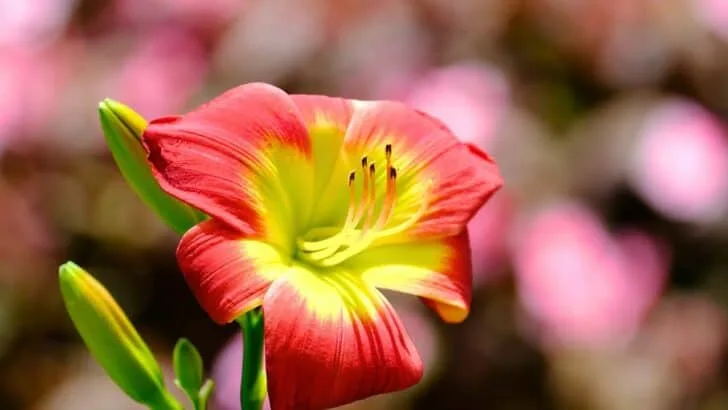
Winter windows may be gray, but your living room does not have to be. These nine houseplants send out flowers when the outdoor garden is asleep, filling cold months with color and even a little fragrance.
Give them bright light, a steady watering routine, and a touch of humidity and they will reward you with blossoms from the first frost until spring arrives. Bring one home now and your winter will feel like a mild spring morning every day.
1. Jasmine (Jasminum polyanthum)
Indoor jasmine fills winter rooms with a sweet evening fragrance and a cloud of delicate white blooms. The vines twine happily around a small trellis or hoop and can flower for weeks when given cool nights and bright days. A single plant perfumes an entire room, turning long dark evenings into something special.
- Light: Bright, indirect light with a few hours of gentle morning sun helps set buds.
- Water: Keep soil evenly moist while buds develop, then reduce slightly once flowering starts.
- Bloom window: Late winter through early spring when days are cool and nights are a little chilly.
- Bonus Tip: Provide a slight drop in nighttime temperature—around 55 to 60 °F—to trigger heavy blooming indoors.
2. Kalanchoe

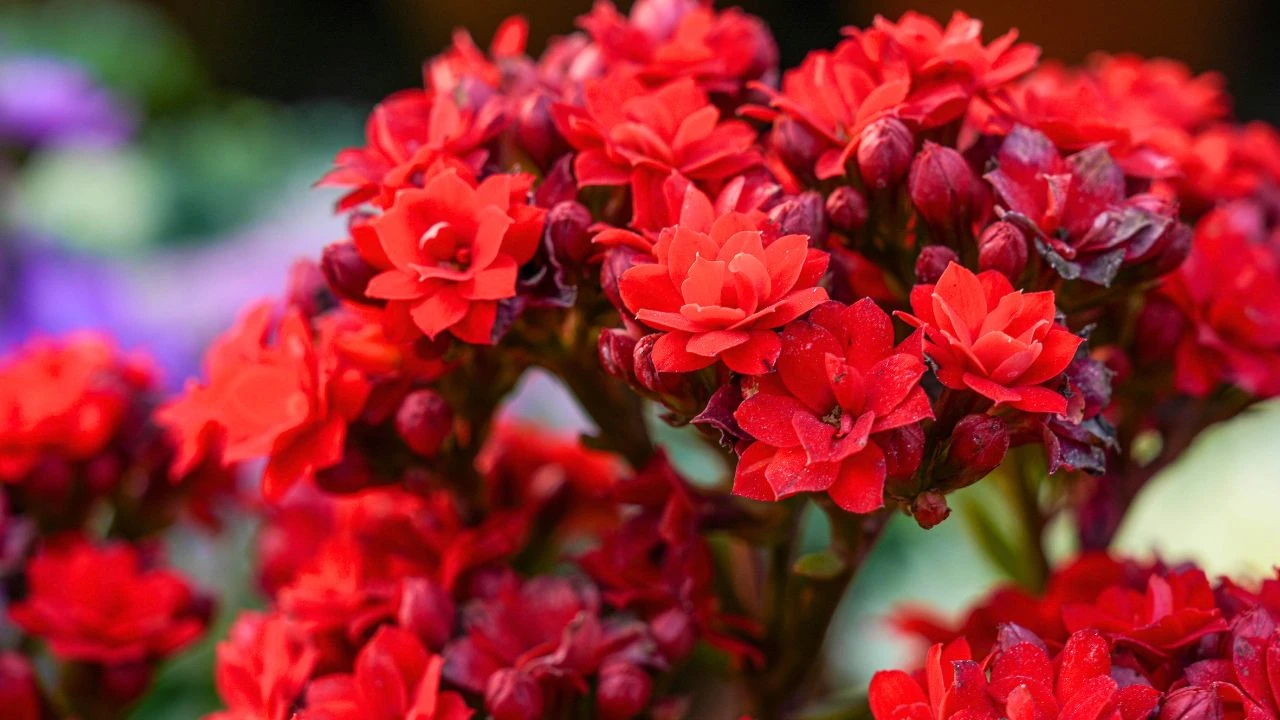
Kalanchoe packs bright clusters of flowers on sturdy, succulent stems that thrive in dry indoor air. The blooms last for weeks and come in reds, oranges, pinks, yellows, and whites, lighting up winter windowsills with almost no fuss. Compact growth and glossy leaves make it a tidy, cheerful choice for small spaces.
- Light: Bright, indirect light with a touch of gentle morning sun keeps buds forming.
- Water: Let the top inch of soil dry before watering. Succulent leaves store moisture, so err on the dry side.
- Bloom window: Late fall through winter. Flowers can persist four to six weeks indoors.
- Bonus Tip: After blooms fade, snip spent clusters and give the plant two weeks of slightly longer nights to encourage another round of buds.
3. Rieger Begonia

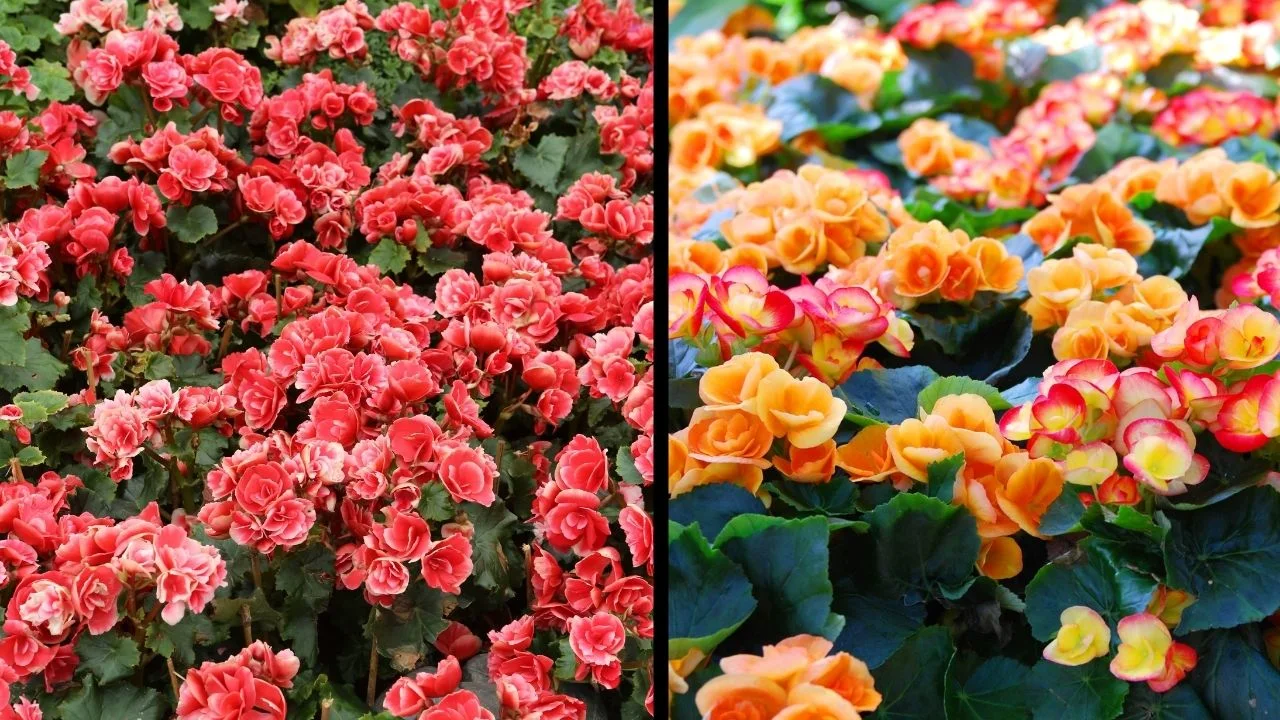
Rieger begonias bring a burst of rose like flowers just when the outside world turns gray. Their compact habit and glossy leaves make them ideal for windowsills or small tables. With regular care they can produce waves of blooms for months, giving winter a steady shot of color.
- Light: Bright, indirect light is best. Morning sun is fine but avoid harsh midday rays.
- Water: Keep soil evenly moist but not soggy. Allow the top half inch to dry before watering again.
- Bloom window: Late fall through early spring with the right light and steady moisture.
- Bonus Tip: Pinch back leggy stems after flowering to encourage new shoots and more buds for an extended display.
4. Amaryllis

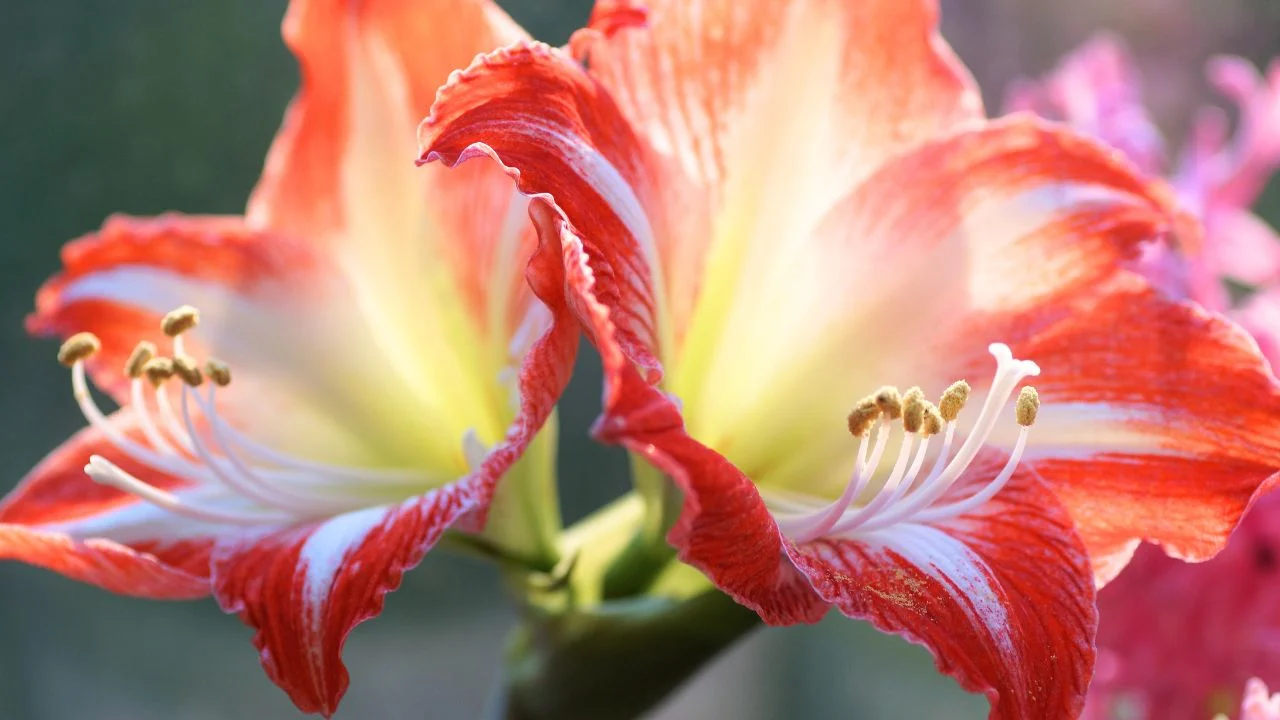
Amaryllis delivers giant trumpet flowers that feel like a holiday celebration. Bulbs planted in early winter can burst into color within six to eight weeks, sending up tall stalks topped with blooms as wide as your hand. The flowers last for weeks and come in shades of red, pink, white, and bicolor blends that brighten even the darkest room.
- Light: Place in bright, indirect light while the bulb sends up its flower stalk. A sunny window works well.
- Water: Water lightly until growth appears, then keep the soil evenly moist but never soggy.
- Bloom window: Typically six to eight weeks after planting, often from mid winter through early spring.
- Bonus Tip: After flowering, cut the stalk but keep the leaves. With regular watering and a sunny spot, the bulb will recharge for another season of blooms next year.
5. Anthurium

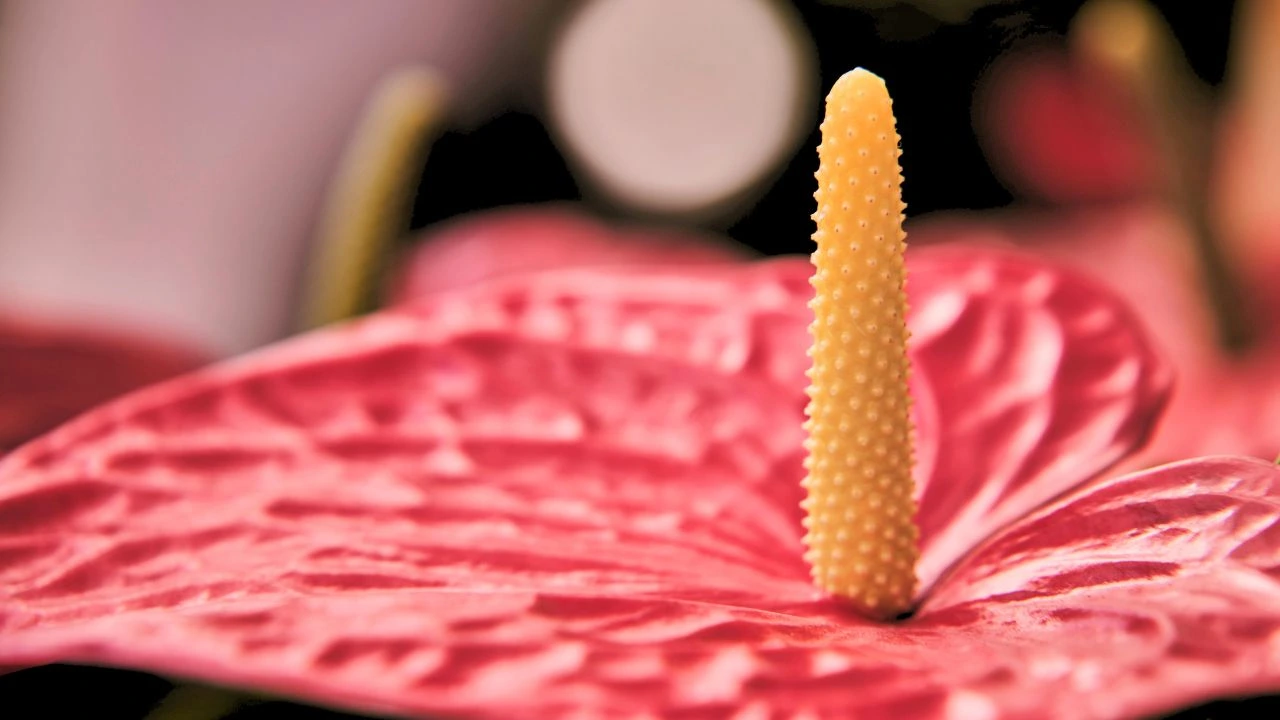
Anthurium is the indoor plant that never seems to stop flowering. Its glossy heart shaped leaves frame bright red or pink spathes that look like lacquered petals. Each bloom can last for weeks, and with steady care the plant can keep sending up fresh flowers all through winter.
- Light: Bright, indirect light encourages continuous blooms. Avoid direct midday sun to protect the foliage.
- Water: Keep soil lightly moist and provide extra humidity with a pebble tray or humidifier.
- Bloom window: Year round with the best show during the cooler months when indoor conditions stay stable.
- Bonus Tip: Wipe leaves and spathes gently with a damp cloth to keep them glossy and dust free for the longest possible bloom life.
6. Orchid (Phalaenopsis or Oncidium)

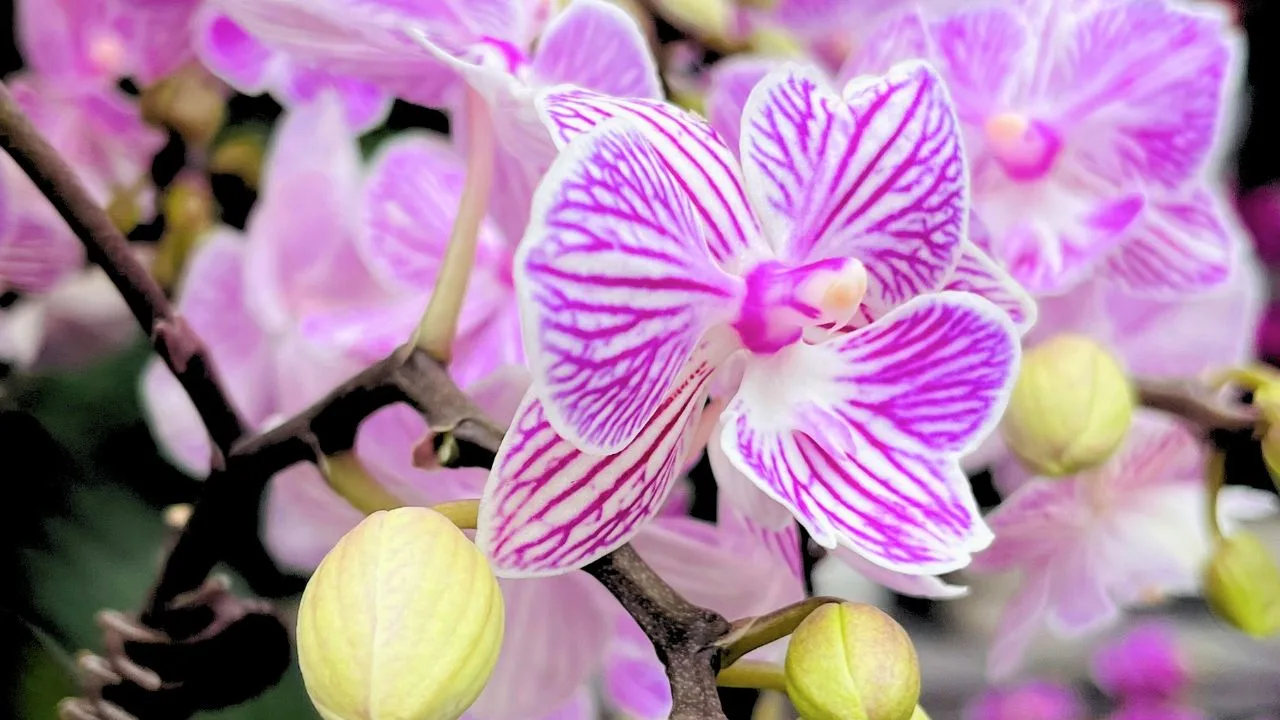
Orchids bring elegance to winter with arching stems covered in exotic flowers. Phalaenopsis varieties can hold blooms for three months or more, while Oncidiums add sprays of smaller, dancing blossoms. They look delicate but adapt well to typical home conditions when given the right light and watering routine.
- Light: Bright, indirect light is ideal. An east or south facing window with sheer curtains works well.
- Water: Water thoroughly, then let the potting mix dry slightly before the next drink. Use room temperature water and avoid wetting the crown of the plant.
- Bloom window: Late fall through spring, with individual flowers lasting weeks and entire spikes flowering for months.
- Bonus Tip: After blooms fade, cut the flower spike just above a node to encourage a second flush of flowers on the same stem.
7. Cape Primrose (Streptocarpus)

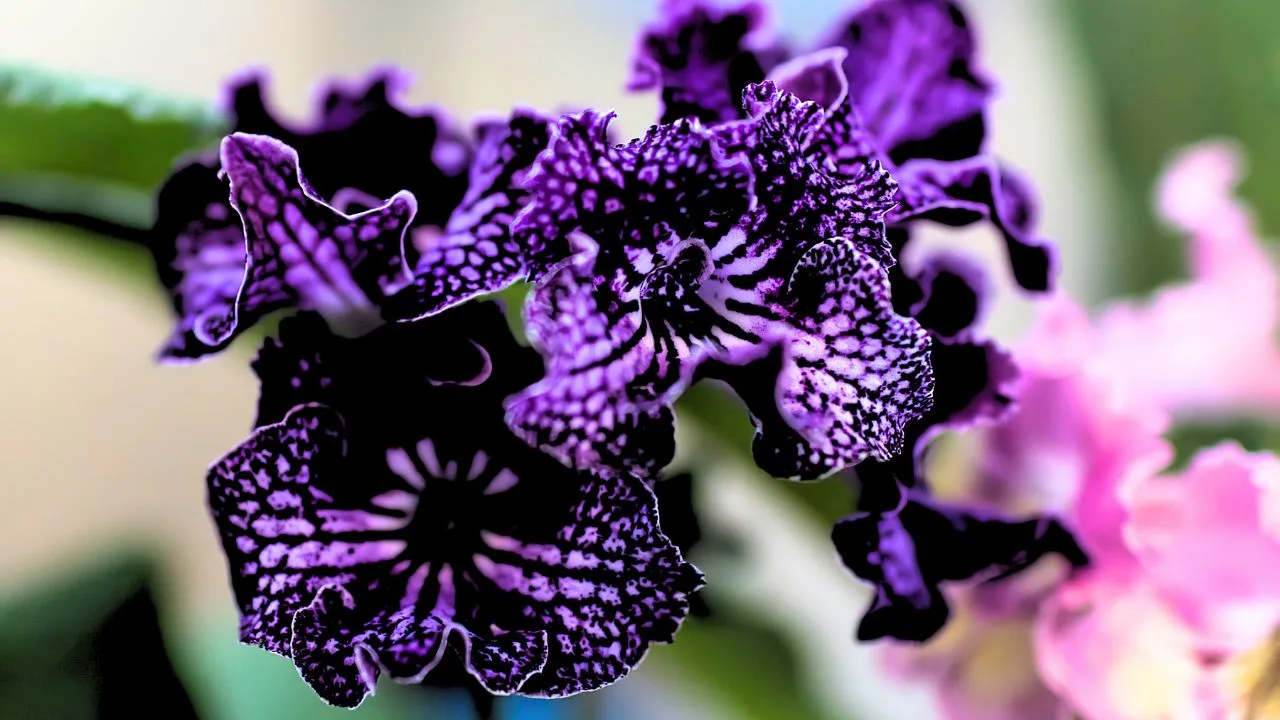
Cape primrose rewards steady care with a long parade of orchid like blooms in purple, pink, or white. The velvety leaves form a tidy rosette that fits nicely on a windowsill, while the flowers rise on slender stems and keep coming for months. It thrives in the cooler indoor temperatures of winter, making it a natural fit for the season.
- Light: Bright, indirect light is best. An east or north facing window suits it perfectly.
- Water: Keep soil evenly moist but never waterlog the crown. Let the top half inch dry before the next watering.
- Bloom window: Can flower almost continuously from fall through spring with regular feeding.
- Bonus Tip: Remove spent blooms promptly to encourage a fresh flush and keep the plant compact.
8. Lipstick Plant (Aeschynanthus radicans)
The lipstick plant is a showy trailer that sends out vivid red tubular flowers from glossy green vines. Each bud emerges from a dark maroon calyx that looks like a tube of lipstick being twisted open, giving the plant its playful name. It thrives indoors in bright light and keeps producing bursts of blooms through the colder months.
- Light: Bright, indirect light is essential for frequent flowering. A hanging basket near an east or south window is perfect.
- Water: Water when the top inch of soil is dry, keeping it slightly more moist during active flowering.
- Bloom window: Late fall through winter, with multiple flushes if given enough light and consistent care.
- Bonus Tip: Prune lightly after each bloom cycle to keep the plant bushy and encourage new flower buds on young growth.
9. Christmas Cactus (Schlumbergera)

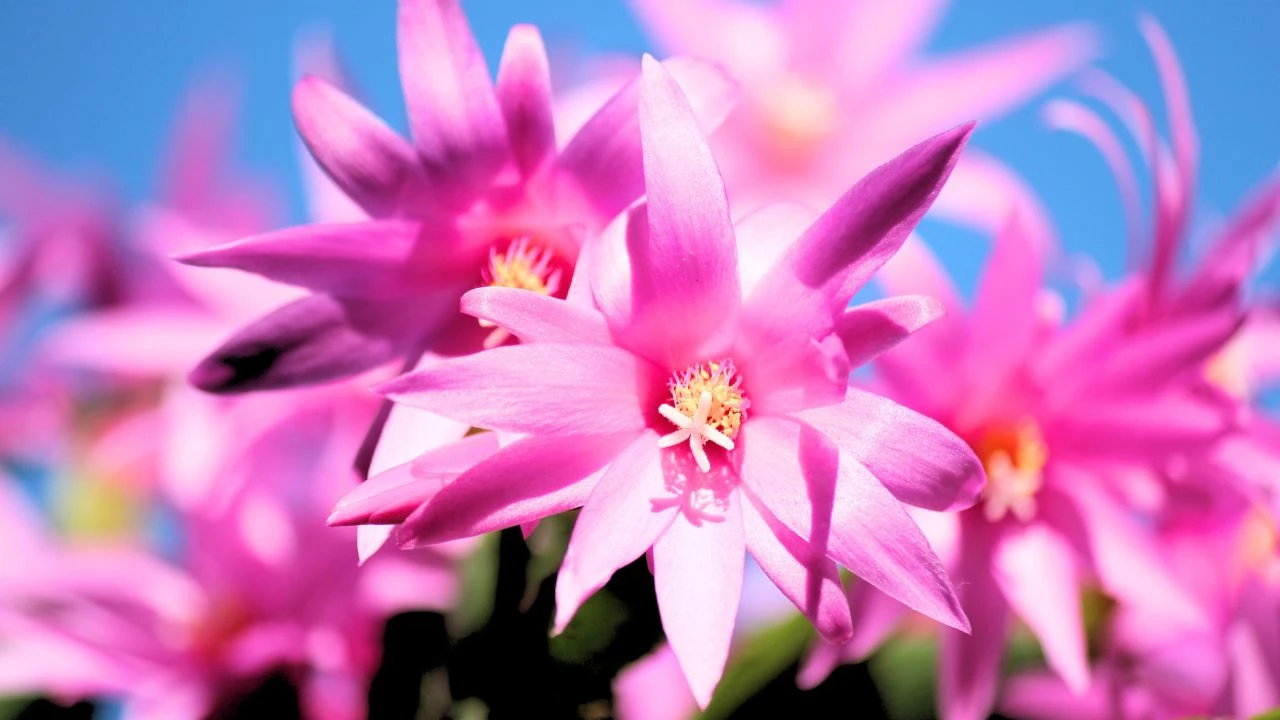
The Christmas cactus earns its name by putting on a spectacular show right when the holidays arrive. Its arching stems tip with vivid pink, red, or white blooms that can last for weeks. Unlike desert cacti, it prefers a bit of moisture and cooler nights, making it a perfect winter houseplant for bright windowsills.
- Light: Bright, indirect light is ideal. A few hours of gentle morning sun help trigger buds.
- Water: Keep soil lightly moist while flowering, allowing the top inch to dry between waterings.
- Bloom window: Typically late November through January, with flowers that can last two to four weeks.
- Bonus Tip: To encourage buds, give the plant cool nights around 55 °F and 12 to 14 hours of darkness each evening for about six weeks before expected bloom time.
Bring Winter to Life with Color
These nine houseplants keep the blooms coming long after outdoor gardens have gone quiet. They fill cold rooms with bright flowers, soft fragrance, and a steady reminder that growth never really stops.
Pick one or collect a few. With steady light, even watering, and a bit of patience, you can enjoy a living bouquet from the first frost until spring sunshine returns.
🌿 Key Takeaways
- 🌸 Color through the cold months. These nine houseplants bloom indoors from late fall into spring, turning winter rooms into living bouquets.
- 💡 Bright, indirect light is the common thread. A sunny window or full spectrum grow light keeps buds forming and flowers lasting.
- 💧 Even moisture matters. Most prefer slightly moist soil and higher humidity than the dry indoor air of winter provides.
- 🌱 Temperature cues help. Cooler nights often trigger buds, so a gentle drop after sunset can extend flowering.
- 🏡 Mix and match for impact. Combine tall orchids, trailing lipstick plant, and compact Cape primrose for a layered winter display.
Frequently Asked Questions About Winter Blooming Houseplants
1. Do these plants really flower indoors during winter?
Yes. Each plant on this list is known to bloom under indoor conditions when given bright light, steady moisture, and a slight drop in nighttime temperature.
2. How much light do they need when days are short?
Most prefer bright, indirect light for at least 12 hours a day. A south or east facing window works well, or supplement with a full spectrum grow light if natural light is limited.
3. Will central heating hurt these plants?
Dry indoor air can shorten bloom time and cause buds to drop. Group plants together or run a small humidifier to maintain moderate humidity.
4. Can I use regular houseplant fertilizer while they are blooming?
A balanced, diluted liquid fertilizer every four to six weeks keeps flowers coming. Stop feeding when active blooming ends to let the plant rest.
5. How long do the blooms typically last?
Depending on the plant, flowers can last from a few weeks to several months. Orchids and anthuriums often hold blooms the longest, while amaryllis and kalanchoe give brilliant but shorter shows.
6. Is it safe to keep these around pets?
Some, like Christmas cactus and Cape primrose, are non toxic, but others can cause mild stomach upset if eaten. Check each species on the ASPCA plant database and keep all plants out of heavy chewing range.
7. What should I do after flowering ends?
Remove spent blooms, reduce watering slightly, and keep the plant in bright light. Many will rest for a few months and then produce another cycle of growth and flowers.


Daniel has been a plant enthusiast for over 20 years. He owns hundreds of houseplants and prepares for the chili growing seasons yearly with great anticipation. His favorite plants are plant species in the Araceae family, such as Monstera, Philodendron, and Anthurium. He also loves gardening and is growing hot peppers, tomatoes, and many more vegetables.