

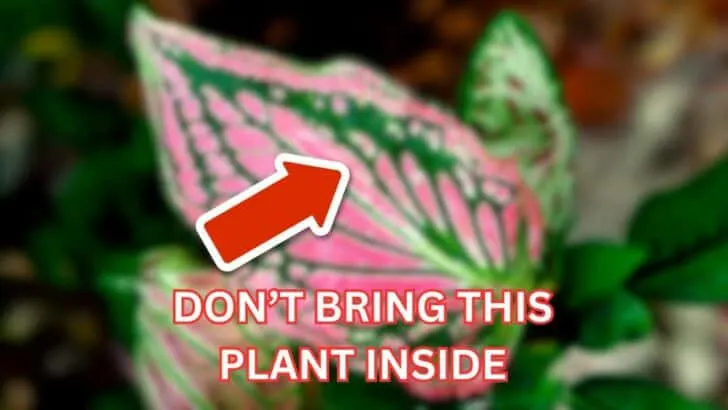
Every fall I turn into a plant rescuer. The weather app flashes frost warnings, and suddenly I am hauling pots into the house like they are precious antiques. At first it feels satisfying, like I outsmarted the season. But within a few weeks, reality sets in. Leaves yellow, pests show up, and what was thriving outside now looks miserable in my living room.
The truth is not every plant is meant to spend winter indoors. Some need rest, some demand conditions we simply cannot provide, and some are just annuals doing what annuals do. Here are nine plants that almost always sulk, collapse, or turn into pest hotels once you drag them inside — and what you should do instead.
1. Coleus

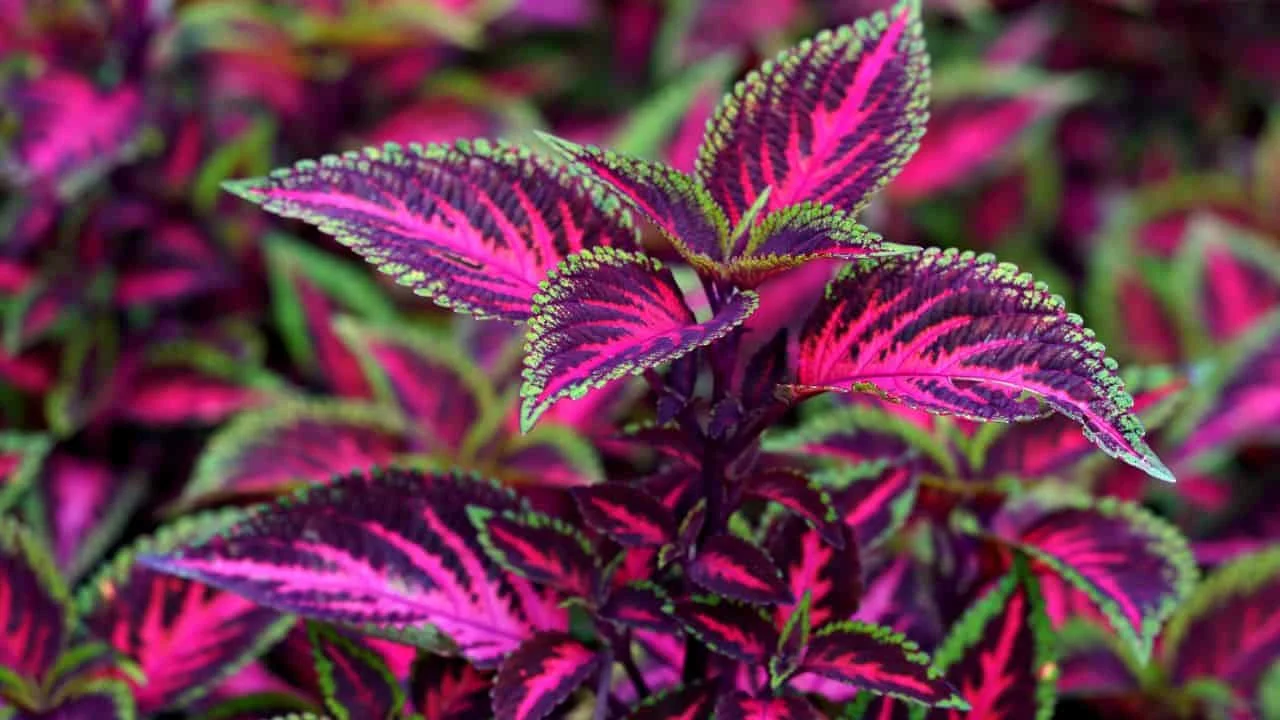
Coleus is a showstopper outdoors. Its neon foliage lights up beds and containers all summer, turning heads with patterns that look painted by hand. The problem starts the moment it crosses the threshold into a heated room. Indoors it gets floppy, drops leaves, and loses that electric color you planted it for in the first place.
🌱 Smarter Coleus Strategy
- Skip hauling: Full-grown coleus rarely adapts to indoor life.
- Take cuttings instead: Snip healthy stems, root them in water or potting mix, and grow compact new plants.
- Fresh start: Cuttings stay colorful and pest free, giving you strong stock for spring planting.
Quick note: Overwintering coleus indoors is a morale killer. Cuttings take minutes and save you months of frustration.
2. Impatiens

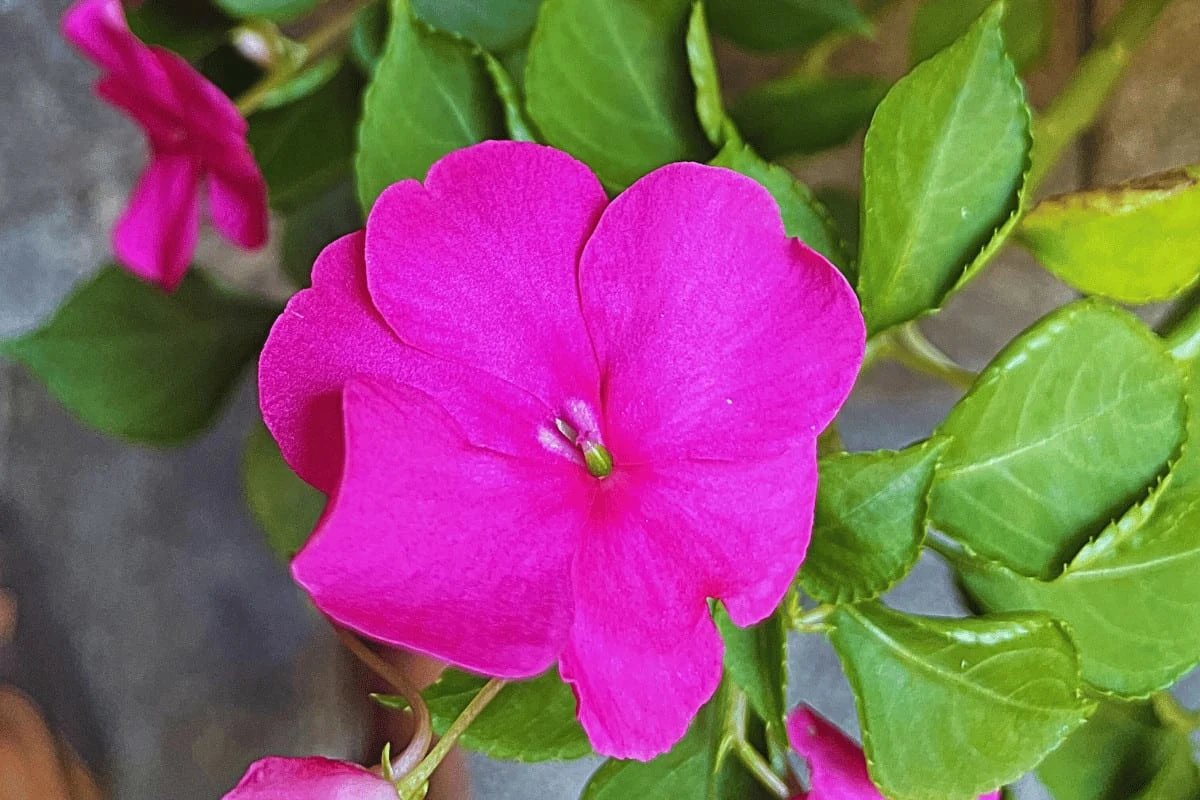
Impatiens
Impatiens are the garden’s crowd pleasers. They bloom nonstop in shady corners, spill over pots, and keep their cheerful colors going until frost. Bring them inside, though, and the show ends fast. Indoors they stretch toward weak light, turn pale, and invite every pest in the neighborhood to move in.
🌸 Smarter Impatiens Strategy
- Treat them as annuals: They are bred for one glorious season, not for life indoors.
- Collect seed: Save pods before frost to sow again next spring.
- Try cuttings: Short tip cuttings root easily in water and give you clean, fresh plants for next year.
Quick note: Forcing mature impatiens through winter indoors rarely works. Let them go and plan ahead for next season instead.
3. Geraniums

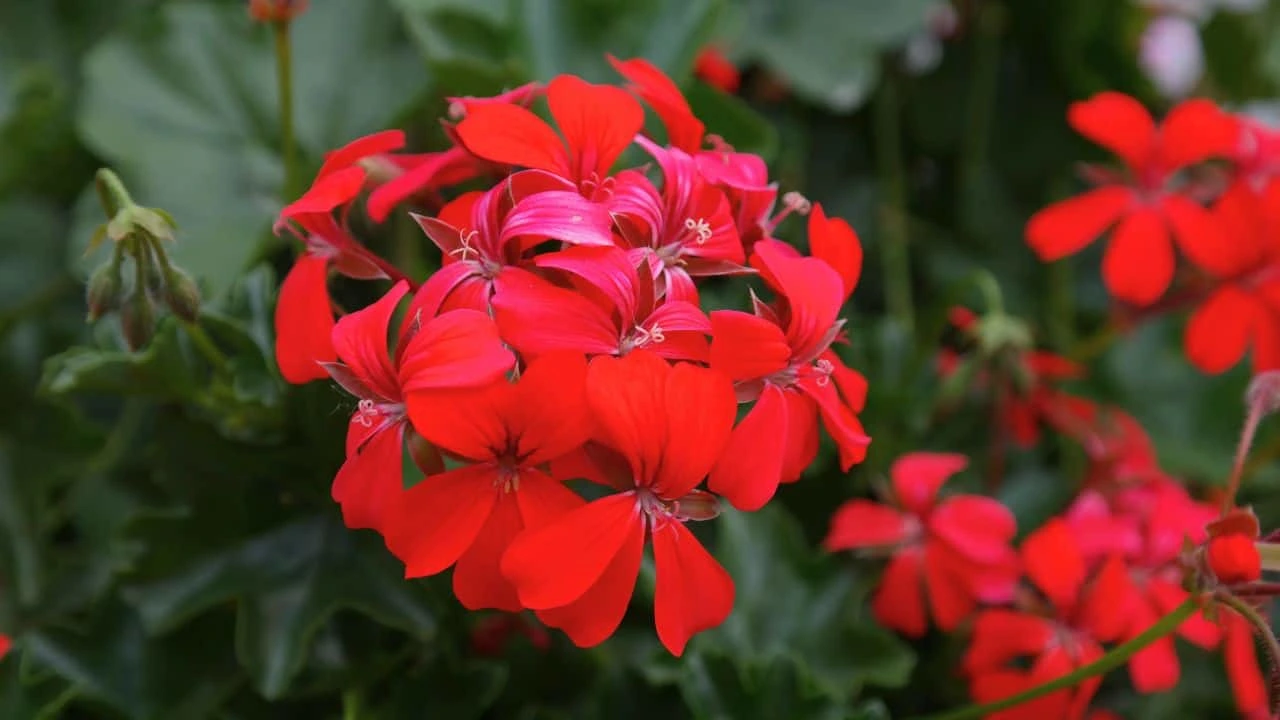
Geraniums are tough as nails outdoors. They bloom for months in pots, shrug off heat, and bounce back after a little neglect. Indoors, the story changes. They stretch into long, leggy stems, flowers fade, and the whole plant looks like it is trying to escape through the window.
🌺 Smarter Geranium Strategy
- Go bare root: Uproot the plant, shake off soil, and store it in a cool, dry place for winter.
- Overwinter cuttings: Snip healthy shoots, root them indoors, and grow compact new plants.
- Spring revival: Replant bare root geraniums in fresh soil when the weather warms, and they bounce back fast.
Quick note: A leggy geranium in January is a headache. Stored roots or young cuttings are a much easier path to fresh blooms next season.
4. Dahlias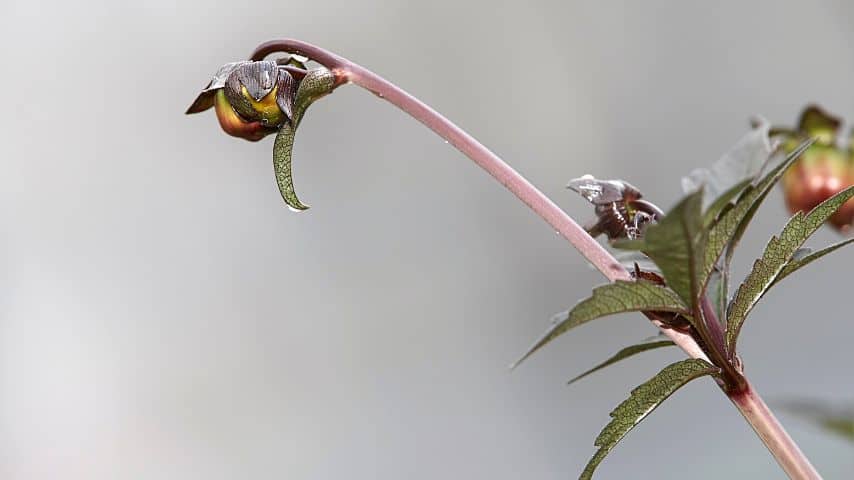
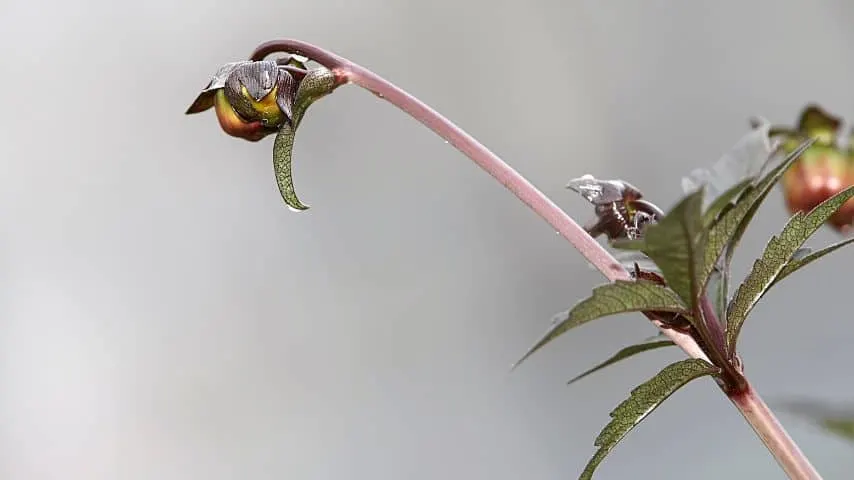
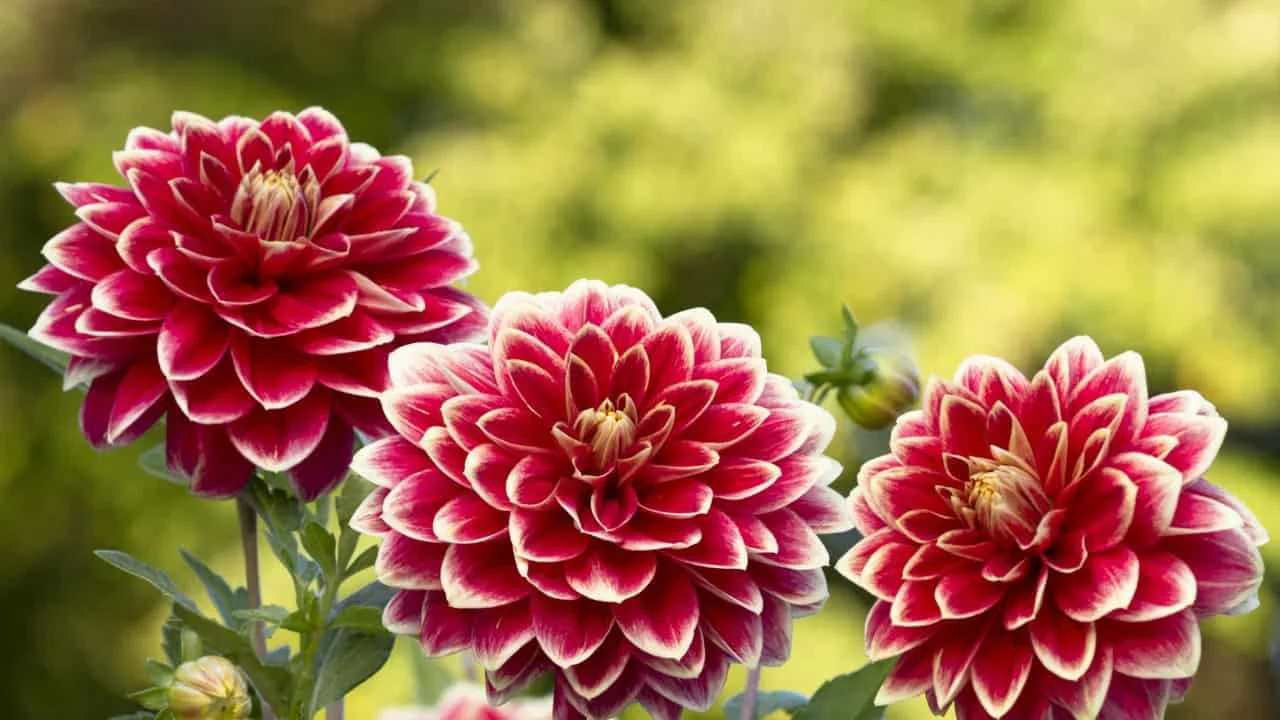
Dahlias are the divas of the summer garden. Their blooms are bold, their colors electric, and they thrive in heat and sun. Once frost threatens, many gardeners rush them indoors, hoping to keep the show alive. Inside, though, stems rot, leaves yellow, and the whole plant declines fast. Dahlias do not want a windowsill; they want a winter rest.
🌼 Smarter Dahlia Strategy
- Dig tubers: Wait until frost blackens the foliage, then carefully lift the clump from the soil.
- Cure them: Let tubers dry for a few days in a cool, airy spot before storage.
- Store dry: Keep tubers in peat moss, sawdust, or paper bags in a cool, frost free place until spring.
Quick note: Dahlias are not houseplants. Treating them like bulbs to store, not like pets to rescue, guarantees a bigger, brighter display next year.
5. Cannas

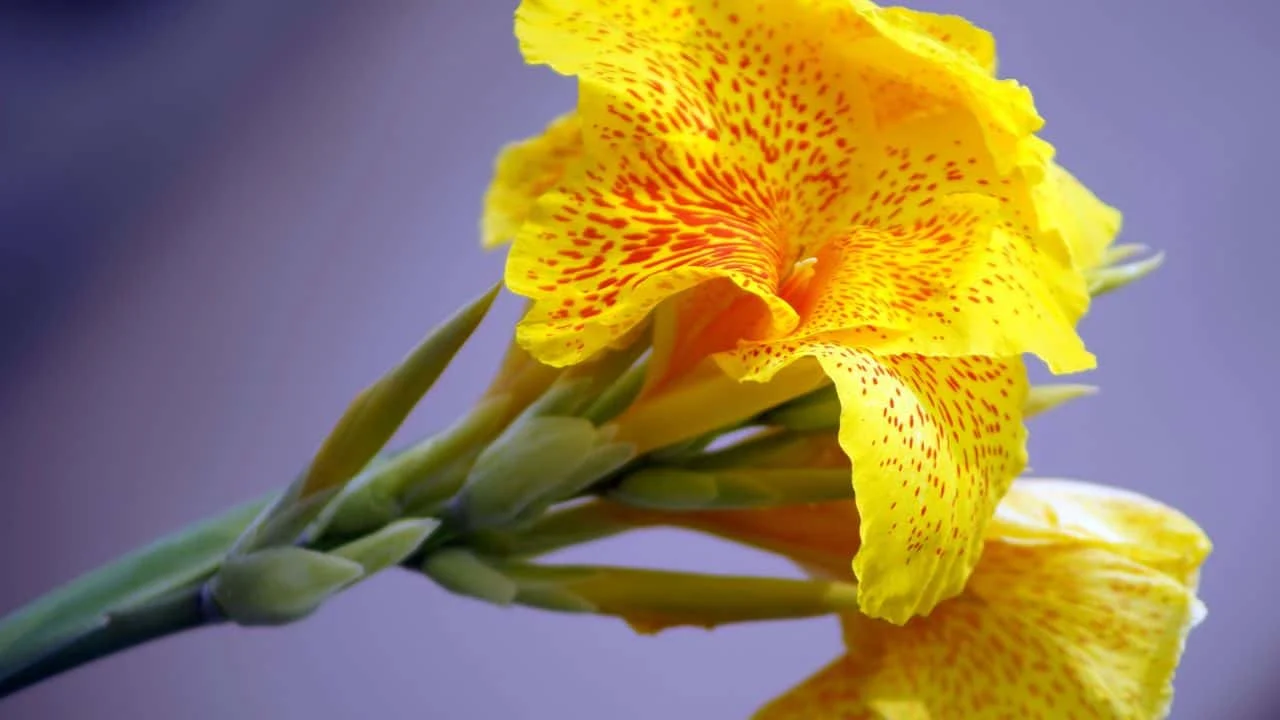
Cannas bring instant tropical drama to a patio. Big leaves, bold flowers, tall stems that make everything else look small. Indoors they crash fast. Dim corners invite mildew, leaves tear and brown, and the plant sulks while you chase humidity that never seems high enough. Cannas are not indoor companions for winter. They are storage candidates.
🌿 Smarter Canna Strategy
- Lift rhizomes: After the first light frost, cut stems to 4 inches and dig carefully to avoid damage.
- Cure briefly: Let rhizomes dry for a few days in a cool, airy place so skins toughen.
- Store for winter: Pack in slightly dry peat or sawdust. Keep cool and frost free, around 40 to 50°F.
- Check monthly: If they shrivel, mist the packing medium. If they mold, increase air flow and remove affected pieces.
- Replant in spring: Divide healthy rhizomes and set them out once soil warms for a bigger show next season.
Quick note: Hauling a full canna indoors leads to mildew and mess. Storing the rhizomes is clean, easy, and gives you stronger plants next year.
6. Caladiums

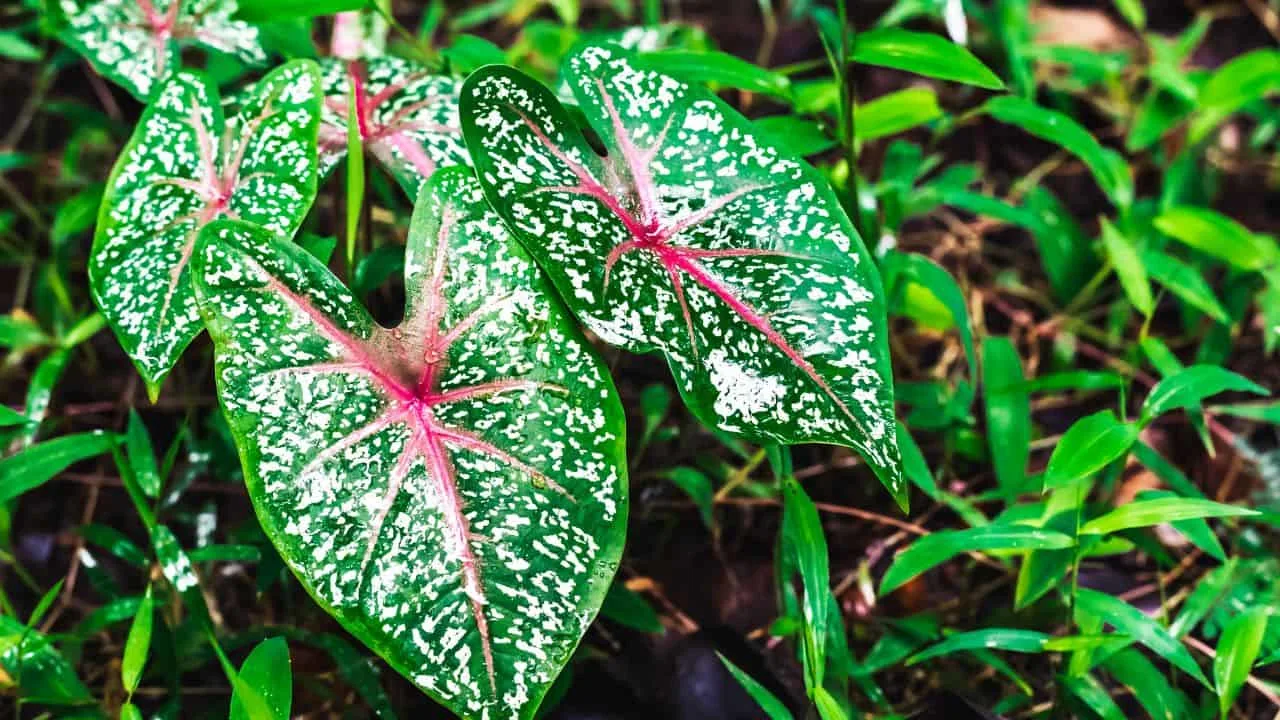
Caladiums are grown for their leaves, not their flowers. Pink, white, and green splash across the foliage like an artist’s brush. Outdoors they thrive in warm shade, but indoors they confuse gardeners. As the days shorten, caladiums naturally shut down. The leaves wither and drop, making it look like the plant is dying. It is not failure, it is dormancy, and forcing them inside only stresses the tubers.
🍂 Smarter Caladium Strategy
- Let them fade: Do not panic when the foliage yellows. This is part of their cycle.
- Lift tubers: Once the leaves collapse, dig up the tubers gently and brush off soil.
- Dry and store: Cure for a week in a warm, airy spot, then store in peat or paper bags in a cool, dry place.
- Reawaken in spring: Replant when soil warms again and the cycle starts fresh.
Quick note: Caladiums look like failures indoors, but they are simply resting. Give them the break they want and they will come back stronger next season.
7. Basil

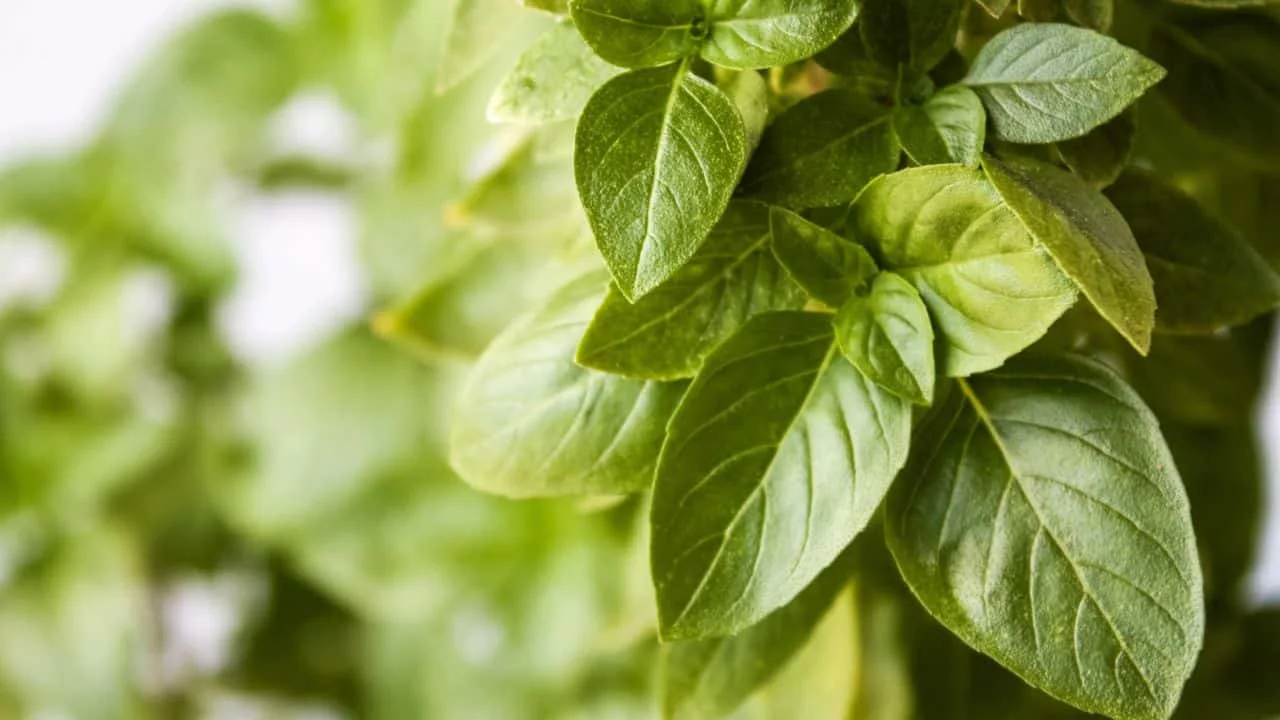
Fresh basil is the smell of summer. On the patio it grows lush, pumping out leaves for salads, sauces, and every kitchen experiment. Indoors it turns sulky fast. The stems stretch, the leaves lose flavor, and pests like aphids show up as uninvited guests. Heated air and weak winter light make basil bitter in every sense of the word.
🌿 Smarter Basil Strategy
- Harvest generously: Cut what you can before frost and enjoy it fresh.
- Preserve for winter: Dry leaves in bundles or freeze chopped basil in olive oil cubes for cooking later.
- Try indoor sowing: If you miss the smell, start a small pot from seed under lights. Young plants adapt better than older ones moved indoors.
Quick note: Do not waste time hauling big basil plants indoors. Preserve the flavor now and let next year’s seedlings give you a fresh start.
8. Rosemary

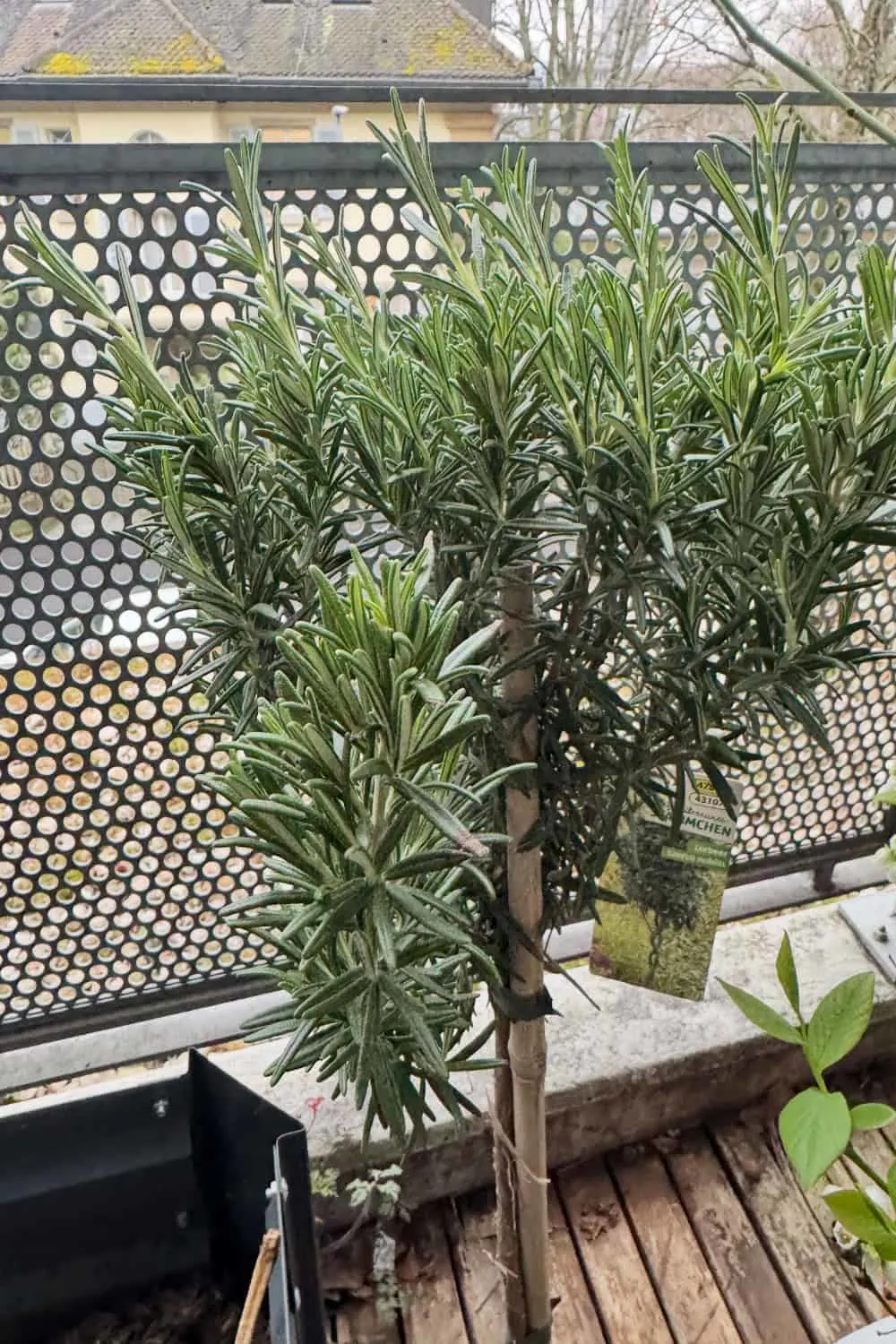
Rosemary on my balcony
Rosemary looks tough with its woody stems and needle-like leaves, but it is surprisingly fussy indoors. Heated rooms dry it out in days, and once the soil swings from bone dry to soggy, root rot moves in. Needles brown, branches die back, and the plant that thrived outside starts to crumble on the windowsill.
🌿 Smarter Rosemary Strategy
- Choose your spot carefully: A south-facing window or grow light is essential for survival.
- Mind the humidity: Dry air indoors is brutal. A pebble tray or humidifier makes a big difference.
- Water with care: Keep soil lightly moist, never soaked. Let the top inch dry before watering again.
- Or skip overwintering: Dry sprigs now for cooking and plan on new plants in spring.
Quick note: Rosemary indoors is a balancing act most gardeners lose. Unless you have strong light and humidity, it is easier to store the flavor than the plant itself.
9. Hibiscus

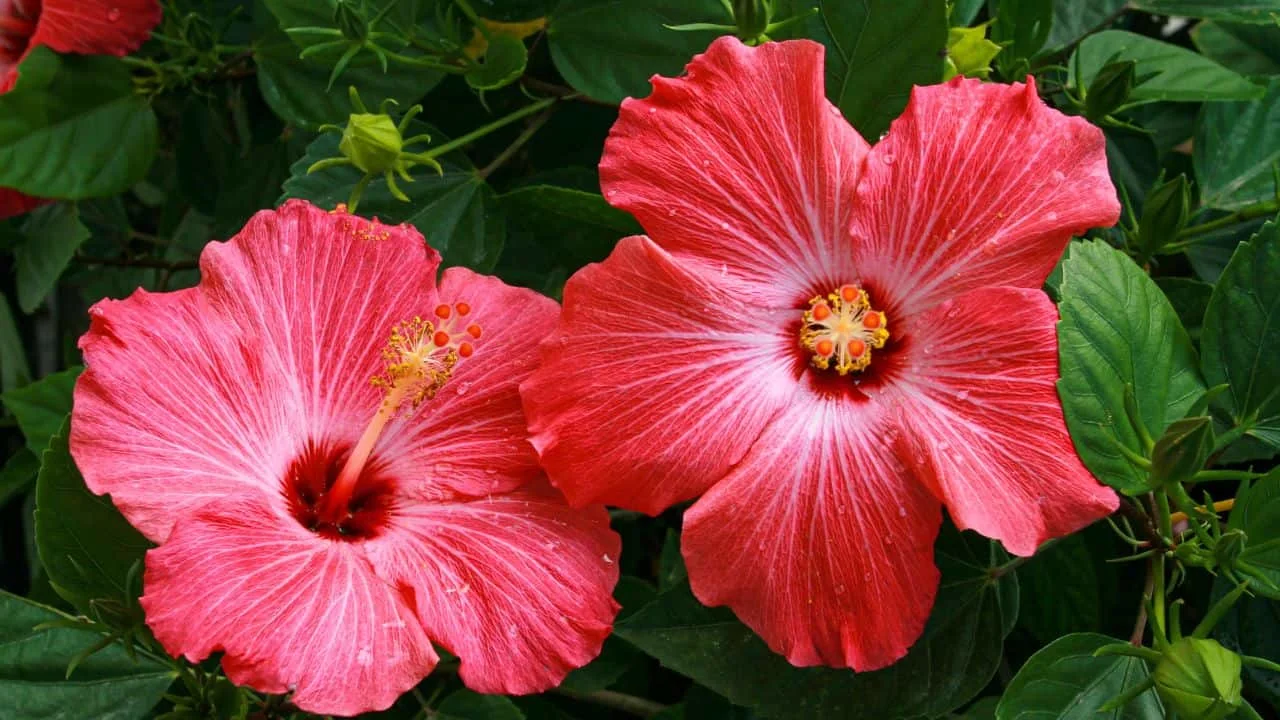
Hibiscus is a showstopper outdoors, covered in dinner plate flowers that look like they belong in the tropics. Bring it inside for winter and the glamour fades quickly. Leaves yellow and drop, spider mites move in, and buds shrivel before they can open. The plant spends months looking like it regrets being saved.
🌺 Smarter Hibiscus Strategy
- Greenhouse conditions only: Hibiscus needs high light, steady warmth, and humidity to survive indoors.
- Prune before bringing in: Cutting back reduces leaf drop and pest pressure.
- Watch for mites: Spray leaves regularly with water to discourage infestations.
- Or let it go: Unless you can mimic tropical sun, it is simpler to compost in fall and replace next year.
Quick note: Hibiscus indoors is high-maintenance. Without the right setup, it becomes more stress than it is worth.
Know Which Plants to Save and Which to Let Go
Overwintering is not about dragging every pot through the door. It is about knowing which plants can handle the shift and which ones are better off stored, composted, or replaced next year. These nine are the heartbreakers. They look amazing outside but rarely survive indoors without turning into pests or problems.
Choose your keepers wisely, take cuttings when it makes sense, and give bulbs and tubers the proper rest they need. By spring, you will have healthier plants, fewer headaches, and a garden that starts fresh instead of limping out of winter.
🌿 Key Takeaways
- 🌸 Not every plant wants to be rescued. Some collapse indoors no matter how much care you give.
- 🧄 Annuals like coleus and impatiens are better replaced or restarted from cuttings rather than overwintered whole.
- 🌼 Tubers and rhizomes such as dahlias, cannas, and caladiums need storage, not a windowsill.
- 🌿 Herbs like basil and rosemary struggle with dry air and weak light, so preserving the harvest often works better than dragging the pot inside.
- 🌺 Tropicals like hibiscus only survive indoors if you can mimic greenhouse conditions, otherwise they turn into pest magnets.
- 🍂 Smarter strategy: Take cuttings, dry or freeze herbs, and store bulbs properly instead of keeping everything alive at all costs.
FAQ on Plants You Shouldn’t Drag Indoors
Which common plants fail when brought indoors for winter
Coleus, impatiens, geraniums, dahlias, cannas, caladiums, basil, rosemary, and hibiscus often struggle inside. They either need dormancy, dislike dry air, or attract pests in heated rooms.
Why do outdoor plants often decline indoors
Indoor conditions are warm, dry, and low in light. Pests like spider mites multiply quickly without predators, and plants respond with weak, leggy growth or yellowing leaves.
Is it better to overwinter whole plants or just cuttings
Cuttings usually perform better. They root clean and adapt quickly, while mature plants often carry pests and stress from the outdoor season.
How should I store dahlias, cannas, and caladiums for winter
Dig up tubers or rhizomes after frost, cure them for a few days in a cool spot, then store them in peat or sawdust in a frost free area. Check monthly for rot or shriveling.
Can basil survive indoors through winter
Basil rarely thrives indoors. It turns leggy and bitter without strong light. Drying or freezing the harvest is a more reliable way to enjoy basil in winter.
Can rosemary survive indoors through winter
Rosemary can survive if it has a sunny south window or grow light, plus extra humidity. Without these, it often dries out or develops root rot.
How can I prevent pests from invading when moving plants indoors
Inspect leaves and soil closely before bringing plants inside. Rinse foliage with water, use sticky traps to catch early outbreaks, and isolate new arrivals for two weeks if possible.


Daniel has been a plant enthusiast for over 20 years. He owns hundreds of houseplants and prepares for the chili growing seasons yearly with great anticipation. His favorite plants are plant species in the Araceae family, such as Monstera, Philodendron, and Anthurium. He also loves gardening and is growing hot peppers, tomatoes, and many more vegetables.