

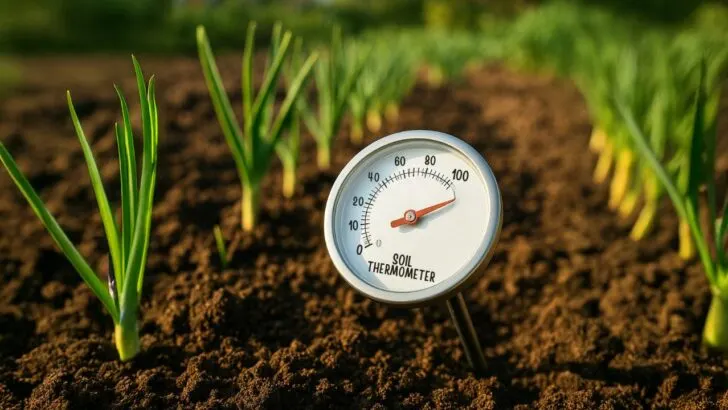
Every fall I catch myself staring at the weather app, waiting for that magic number on the thermometer. The problem is air temperature is only half the story. Roots live underground, and what they care about is soil. Air can swing twenty degrees in a day, but soil shifts slowly, holding the real truth about whether bulbs settle in, garlic takes root, or lawn seed actually sprouts.
The good news is soil temperature is simple to measure and even easier to use once you know the ranges. A cheap thermometer can save you wasted bulbs, patchy lawns, and weak garlic harvests. This guide breaks down exactly why soil matters more than air and how to use it to time your fall garden jobs the smart way.
1. Why Soil Temperature Beats Air Temperature

Gardeners obsess over the forecast, but the real action happens underground. Air can soar at noon and dip at night, yet soil barely budges. That steady pace is what plants respond to. Seeds refuse to sprout until soil is warm enough. Bulbs rot if the ground stays too hot. Roots slow to a crawl once the soil cools past their comfort zone.
🌡️ Key Differences
- Air swings wildly: Temperatures can change 20°F in a single day.
- Soil shifts slowly: It takes days or even weeks for the ground to heat or cool.
- Roots obey soil, not sky: Growth, dormancy, and germination are all triggered underground.
Quick note: The thermometer on the porch might fool you, but soil never lies.
2. The Sweet Spot for Fall Planting
Fall planting is all about timing, and timing comes down to soil temperature. Bulbs, garlic, and cover crops do not care that the calendar says October. They wait for the ground to cool. Plant too early and you get tender green shoots that frost wipes out. Plant too late and roots fail to settle before winter, leaving you with stunted growth in spring.
🌱 Ideal Soil Temperatures
- 50–55°F: Perfect for garlic, tulips, daffodils, and most cool season cover crops.
- Above 60°F: Too warm. Bulbs may sprout leaves early and risk frost damage.
- Below 45°F: Too cold. Roots struggle to anchor and plants start weak in spring.
Quick tip: Think of soil temperature as the green light for fall planting. Wait for that sweet spot before you dig.
3. Soil Temperature and Lawn Care

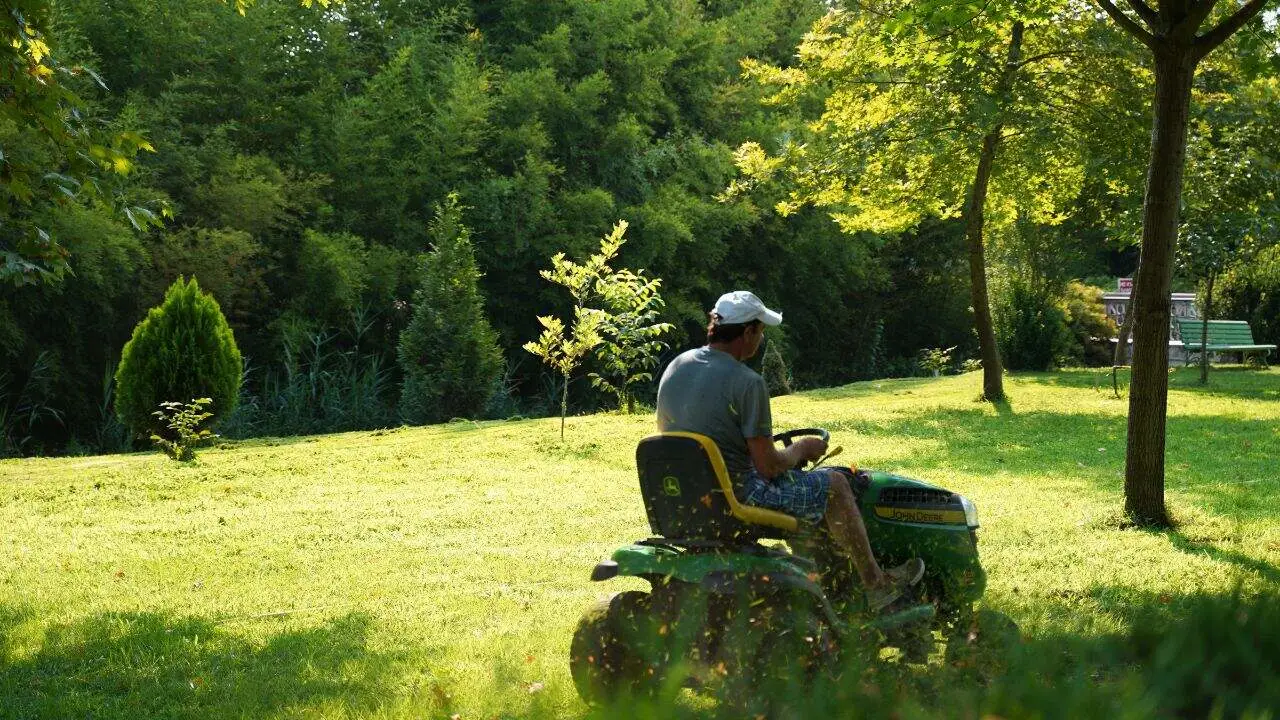
Lawn work in fall is make or break, and soil temperature is the referee. Overseeding into soil that is too warm bakes seed before it can sprout. Wait too long and the ground cools past the germination window, leaving patches bare until spring. Fertilizer is just as picky. Spread it when the soil is cold and nutrients sit unused, washing away with the next rain instead of feeding your grass.
🌾 Lawn Care by Soil Temperature
- 50–65°F: Prime range for overseeding cool season lawns. Seeds sprout fast and establish strong roots.
- Above 70°F: Too hot for cool season seed. Germination is weak and uneven.
- Below 50°F: Germination slows to a crawl and seed may rot before sprouting.
- Fertilizer timing: Apply fall fertilizer before soil dips below 50°F to make sure roots actually absorb the nutrients.
Quick note: Healthy spring lawns start with soil that was the right temperature in fall. Miss the window and you play catch up all next year.
4. How to Measure Soil Temperature
Guessing soil temperature by air or by touch is like guessing the weight of a pumpkin by looking at it. You might get close, but you are more likely to be wrong. The good news is measuring soil temperature is cheap and easy. A ten dollar soil thermometer is one of the most useful tools a gardener can own.
🌡️ Simple Steps to Check Soil Temperature
- Depth matters: Push the thermometer 4 inches into the soil for the most accurate reading.
- Check twice a day: Take one reading in the morning and one in late afternoon. Average them for accuracy.
- Repeat over days: A single measurement is not enough. Track it over a few days to see trends.
- Measure in beds you use: Raised beds, containers, and ground soil all heat and cool at different rates.
Quick tip: Soil thermometers are as important as pruners or gloves. Once you start using one, you wonder how you gardened without it.
5. How to Use Soil Temperature in Your Garden Plan
Soil temperature is not just a number. It is a signal that tells you when to act and when to wait. Gardeners who use it make fewer mistakes, waste less seed, and get stronger plants in every season. Fall is the perfect time to learn how to fold soil temperature into your routine.
📋 Practical Uses for Soil Temperature
- Bulb planting: Wait until soil cools to 50–55°F before planting tulips, daffodils, and garlic.
- Cover crops: Sow when soil is cool enough for growth but still warm enough for roots to anchor.
- Lawn care: Time overseeding and fertilizer to match germination and uptake ranges.
- Perennials: Stop feeding once soil cools. Plants shift into dormancy and nutrients will not be absorbed.
- Mulching: Apply mulch once the soil cools, locking in stable temperatures for winter.
Quick note: Knowing soil temperature is like having the garden’s calendar in your pocket. It tells you exactly when to move and when to hold back.
Trust the Soil, Not the Sky

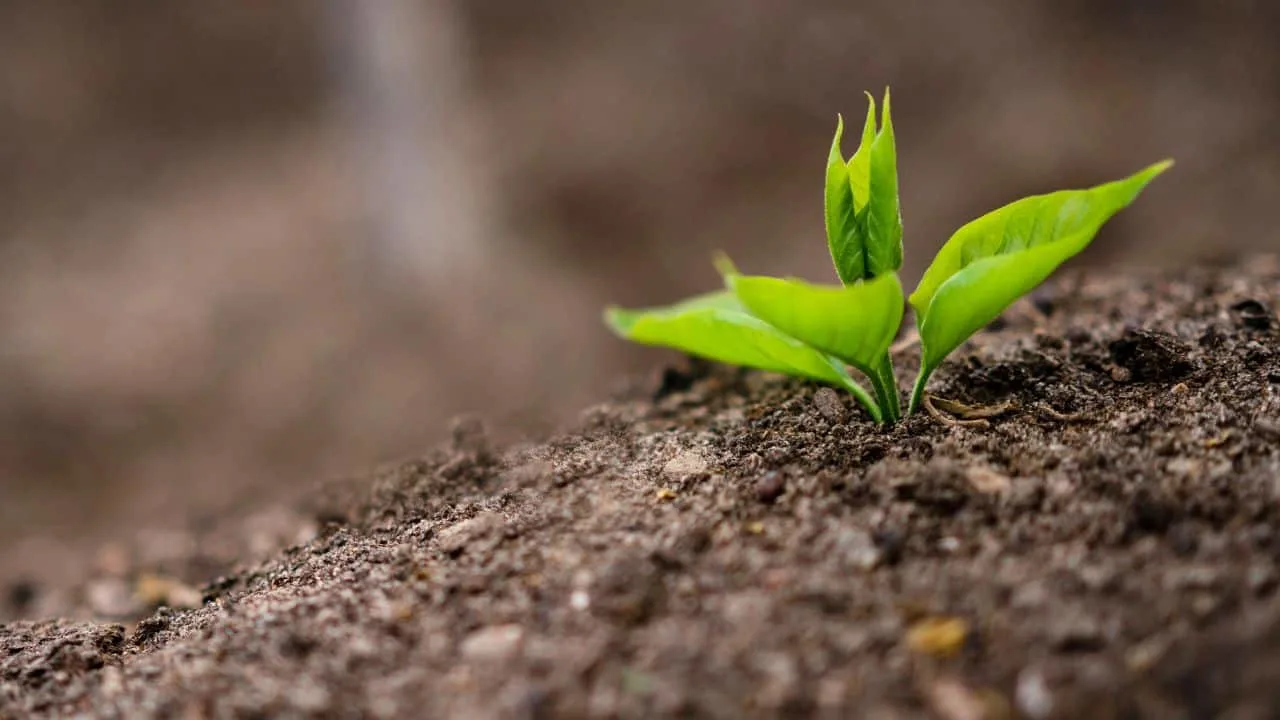
The forecast may grab your attention, but it is the ground beneath your feet that decides whether plants thrive or fail. Air can fool you, rising fast on sunny days and plunging at night, but soil tells the real story. A cheap thermometer can guide when to plant bulbs, when to sow garlic, when to overseed lawns, and when to mulch for winter.
If you want a garden that starts strong next spring, stop guessing by air temperature. Trust the soil, measure it, and let it set the pace for every move you make this fall.
🌿 Key Takeaways
- 🌡️ Soil temperature changes slowly, making it a more reliable guide than air temperature for planting decisions.
- 🧄 Fall crops like garlic and bulbs need soil in the 50–55°F range to root without sprouting too soon.
- 🌾 Lawns respond to soil, not sky, with overseeding and fertilizer only working if the ground is still warm enough.
- 📏 A $10 soil thermometer can prevent wasted seed, rotted bulbs, and weak roots by showing the real conditions underground.
- 🍂 Use soil temperature as your calendar, timing fall planting, cover crops, and mulching by the ground’s signals instead of the weather app.
FAQ on Soil Temperature for Fall Gardening
Why is soil temperature more important than air temperature for gardening
Air temperatures can swing wildly in a single day, but soil changes slowly. Roots, seeds, and bulbs respond to soil temperature, not the forecast.
What soil temperature is best for planting garlic and bulbs in fall
Garlic, tulips, and daffodils do best when soil is between 50 and 55°F. Warmer soil makes them sprout too early, and colder soil prevents roots from anchoring before winter.
Can I overseed my lawn without checking soil temperature
You can try, but results are poor if the soil is too hot or too cold. Cool season lawn seed germinates best when soil is 50–65°F. Anything outside that range leads to patchy growth.
How do I measure soil temperature accurately
Use a soil thermometer at 4 inches deep. Take a reading in the morning and another in late afternoon, then average them. Repeat over several days to track trends.
Does soil temperature affect fertilizer use in fall
Yes. Once soil drops below 50°F, roots slow down and fertilizers are wasted. Apply fall fertilizer before soil gets too cold so nutrients are absorbed.
Do raised beds and containers have different soil temperatures
Yes. They heat up and cool down faster than ground soil. Check them separately because they may be a week or two ahead in spring and a week or two behind in fall.
What is the cheapest way to monitor soil temperature
A simple $10 soil thermometer is all you need. It is more accurate than guessing by touch or relying on air temperature, and it can save you wasted seed and bulbs.


Daniel has been a plant enthusiast for over 20 years. He owns hundreds of houseplants and prepares for the chili growing seasons yearly with great anticipation. His favorite plants are plant species in the Araceae family, such as Monstera, Philodendron, and Anthurium. He also loves gardening and is growing hot peppers, tomatoes, and many more vegetables.