

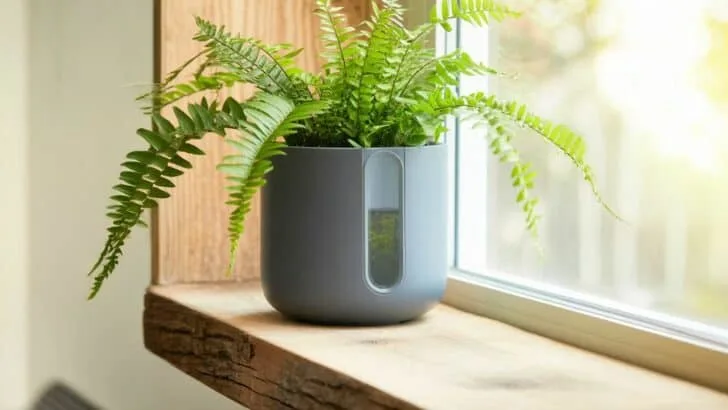
They promise less watering, fewer worries, and a healthy plant that basically takes care of itself. Just fill the reservoir and walk away. Magic, right?
That’s the dream of self-watering pots — and in some cases, it actually works. But what you don’t hear in the packaging hype is what happens when the system fails, the water sits too long, or your plant decides it doesn’t like spa treatment every day.
These pots can be smart. They can also be sneaky. What looks like “set it and forget it” might turn into “oops, everything’s rotting.” And you won’t know until it’s too late.
If you’re thinking about switching over your containers or buying that trendy self-watering setup your neighbor swears by, here’s what you should know first.
🌿 Key Takeaways
- 🧠 Not every plant likes wet feet. Know your plant before using a self-watering pot.
- 🪣 The bottom matters. Most problems start where you can’t see — check the reservoir now and then.
- 🐛 Moisture brings bugs. Fungus gnats and root rot thrive in overwatered setups.
- 🚫 Don’t top it off “just in case.” Trust the system — or you’ll flood it.
- 🛞 Think ahead. Use rolling caddies or trays to make movement and cleanup easier.
1. They Can Drown the Wrong Plants
Self-watering pots aren’t evil — but they don’t know who they’re dealing with. Some plants love moisture. Others panic at the sight of damp soil and start shutting down like a drama queen in a rainstorm.
Pop a calathea, basil, or peace lily into a self-watering pot and they’ll stretch, bloom, and act like they just got promoted. But give the same setup to a cactus or a jade plant, and you’re signing up for slow, soggy heartbreak.
The worst part? You might not see it right away. Overwatering looks a lot like underwatering at first. Wilting, yellowing, and then — nothing. The roots quietly rot while you keep topping off the reservoir, wondering what went wrong.
🌱 What to Do Instead
- 🪴 Use self-watering pots only for moisture-loving plants like ferns, basil, mint, or calathea.
- 🌵 Keep succulents, cacti, and thick-stemmed plants in traditional pots with excellent drainage.
- 📅 Let the soil dry out fully before refilling the reservoir — not all plants want constant dampness.
2. The Wicking System Gets Gross
At first, it feels like magic. The soil stays moist, your watering schedule gets easier, and life is good. But give it a few weeks — and suddenly your sleek self-watering pot smells like a forgotten fish tank.
Wicking systems work by pulling water up from the reservoir into the soil. Great idea — until mold sets in, algae throws a pool party, and bacteria make themselves at home. The bottom becomes a swampy mess you can’t see, but your plant definitely notices.
This is especially common if the pot never dries out, if it’s sitting in a warm room, or if you’re using tap water full of minerals. Gunk builds up, roots start suffocating, and your once-happy plant starts looking… haunted.
🧽 Do This Instead
- 🧼 Clean the reservoir and wicking mechanism every few weeks — yes, really.
- 🚰 Use filtered or rainwater when possible to reduce mineral buildup and algae.
- 🌤️ Let the soil dry out every so often to break the never-ending moisture cycle.
3. You Can’t Always See When Things Go Wrong
The top of the soil looks great. The leaves seem fine. Nothing seems suspicious… until your plant suddenly gives up on life with no warning. That’s the thing about self-watering pots — the real drama is happening down below.
Roots rot. Fungus brews. Bugs move in. But because the water reservoir is hidden, you don’t see the red flags until it’s too late. By the time your plant starts drooping, it’s not thirsty — it’s drowning silently from the bottom up.
It’s like watching a mystery movie in reverse. The ending is tragic, and the clues were there the whole time — just under the surface where no one thought to look.
🔍 Better Ways to Go About It
- 👀 Check the water level regularly and empty excess water if plants look stressed.
- 🌿 Use clear or partially see-through pots if possible, or poke gently into the soil to check moisture levels.
- 🪴 Pick plants that give clear visual cues when something’s off — not the quiet ones.
4. Not All Self-Watering Pots Are Actually Self-Watering
It says “self-watering” on the label. You assume that means it magically takes care of your plant. But surprise — a lot of these pots are just regular containers with a fancy-looking tray underneath.
Some have no real wicking system. Some rely entirely on you remembering to fill the reservoir. And others function more like mini hydroponic setups, which are great… if you’re into hydroponics. The rest of us? We’re left wondering why the plant is still drying out or mysteriously rotting.
There’s no standard definition for “self-watering,” and the marketing team knows it. The result? Pots that sound smart but don’t actually do the job unless you baby them.
🪣 Some Tips
- 🔎 Look for pots with an actual wick or double-chamber design — not just a saucer with a hole.
- 📦 Read reviews before buying, especially for budget pots. “Self-watering” can mean anything.
- 💧 Stick your finger in the soil occasionally. If it’s bone dry or soggy, your pot’s lying to you.
5. They Attract Fungus Gnats Like Free Rent
If you’ve ever had tiny black bugs doing laps around your face while you water the plants, congrats — your soil is officially a gnat resort. And self-watering pots? They’re prime real estate.
The combination of consistently moist soil and a stagnant water reservoir is irresistible to fungus gnats. They lay eggs, throw house parties, and before you know it, you’ve got a full-blown infestation in your begonias.
Even worse, overwatered soil breaks down faster, turning into the kind of muck gnats adore. And once they’re in, they don’t leave without a fight.
🪰 What to Do Instead
- 🌱 Use a well-draining soil mix that dries slightly between fillings.
- 🔝 Top-dress soil with sand or fine gravel — gnats hate it.
- 🧴 Treat infestations with a splash of neem oil or a hydrogen peroxide soil soak (1 part 3% peroxide to 4 parts water).
6. They’re Heavier and Awkward to Move
You filled it once. Just a bit of water at the bottom, right? No big deal. But now you want to shift your plant to catch the light… and suddenly, it weighs as much as a wet toddler in a concrete diaper.
Self-watering pots are sneaky that way. All that water adds up fast — especially with larger containers. And because the reservoir is built in, there’s no “just pour it out and try again.” You’re left hoisting or dragging, praying you don’t tip the thing and soak your socks.
And don’t even think about moving one indoors. You’ll leave a lovely trail of soil juice across your floor as a souvenir.
🛞 Bonus Tips
- 🛒 Place large pots on rolling plant caddies from the start — trust your future self will thank you.
- 📍 Avoid overfilling the reservoir if you know you’ll need to move it soon.
- 🧽 Line the base area with a water-safe tray or mat if used indoors — no mess, no regrets.
7. They Can Trick You Into Overwatering Anyway
You peek at the plant. The top looks dry. The leaves seem a bit droopy. And you think, “Better give it a drink.”
Except you forgot one tiny thing — the bottom is already full. And now? You’ve turned that perfectly moist reservoir into a plant-sized dunk tank. Roots suffocate. Fungus moves in. The plant gives up and flops over like it’s had a long week.
Self-watering pots work — but only if you let them. The moment you water from the top “just in case,” the system breaks. And the plant is the one paying the price for your paranoia.
💡 What to Do Instead
- 🫗 Only refill the reservoir — don’t water from the top unless the soil is completely dry and the reservoir is empty.
- 💧 Use a moisture meter or your finger to check before acting on a hunch.
- 📅 Set a light watering schedule to help you trust the system and avoid “just-in-case” panic watering.
They’re Smart — but They’re Not Magic
Self-watering pots solve one problem and introduce three others. They’re a great idea, especially if you tend to forget your watering days — but they’re not foolproof, and they’re definitely not for every plant or gardener.
If you treat them like a set-it-and-forget-it system, you’ll eventually run into soggy roots, moldy wicks, or a depressed-looking spider plant begging for a towel. But with the right plants, a little attention, and zero top-watering panic, they can work beautifully.
The trick is to use them mindfully, not blindly. Let the pot do its job — and you’ll finally get to skip watering on Mondays without the guilt.
Daniel has been a plant enthusiast for over 20 years. He owns hundreds of houseplants and prepares for the chili growing seasons yearly with great anticipation. His favorite plants are plant species in the Araceae family, such as Monstera, Philodendron, and Anthurium. He also loves gardening and is growing hot peppers, tomatoes, and many more vegetables.