

You thought your garden was peaceful. Charming, even. But tucked among your roses and tomatoes might be a plant with a criminal record.
No sirens. No wanted posters. Just a fast-growing menace quietly wrecking ecosystems, killing native plants, or even producing actual poison — while still being sold at garden centers like it’s no big deal.
This list isn’t here to shame your choices. It’s here to warn you. Because whether it’s banned in your state, on a watchlist, or just one bad season away from wreaking havoc, these plants have baggage. And it’s not compostable.
Here are the ones causing the most trouble — and what to grow instead, before your favorite foliage turns felonious.
1. Butterfly Bush (Buddleia davidii)

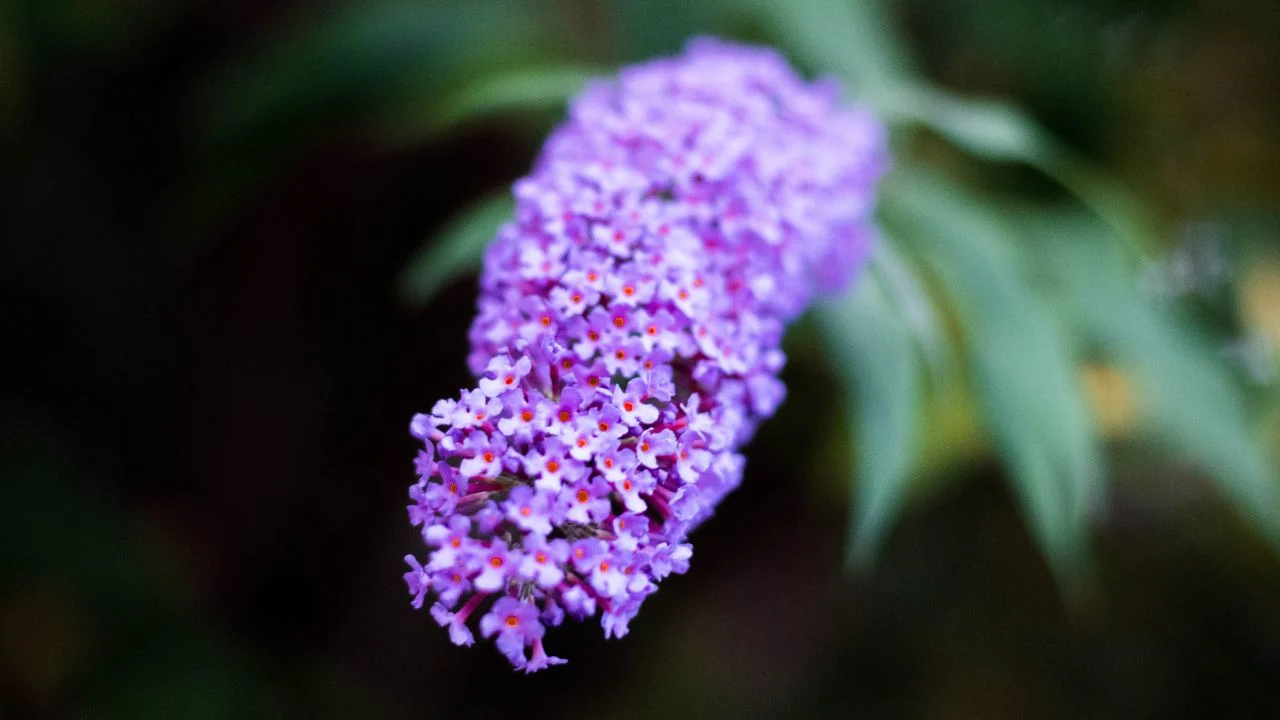
Butterflies love it. Nurseries sell it. And gardeners plant it by the dozen because it seems like a no-brainer pollinator magnet. But this pretty purple bloomer has a dark side — it spreads fast, escapes gardens, and pushes out native plants wherever it lands. Once it settles into a natural area, it’s nearly impossible to remove without serious effort.
And while the adult butterflies may enjoy it, caterpillars can’t actually eat it. So it feeds the guests but starves the babies. Not exactly a great pollinator strategy.
2. English Ivy (Hedera helix)

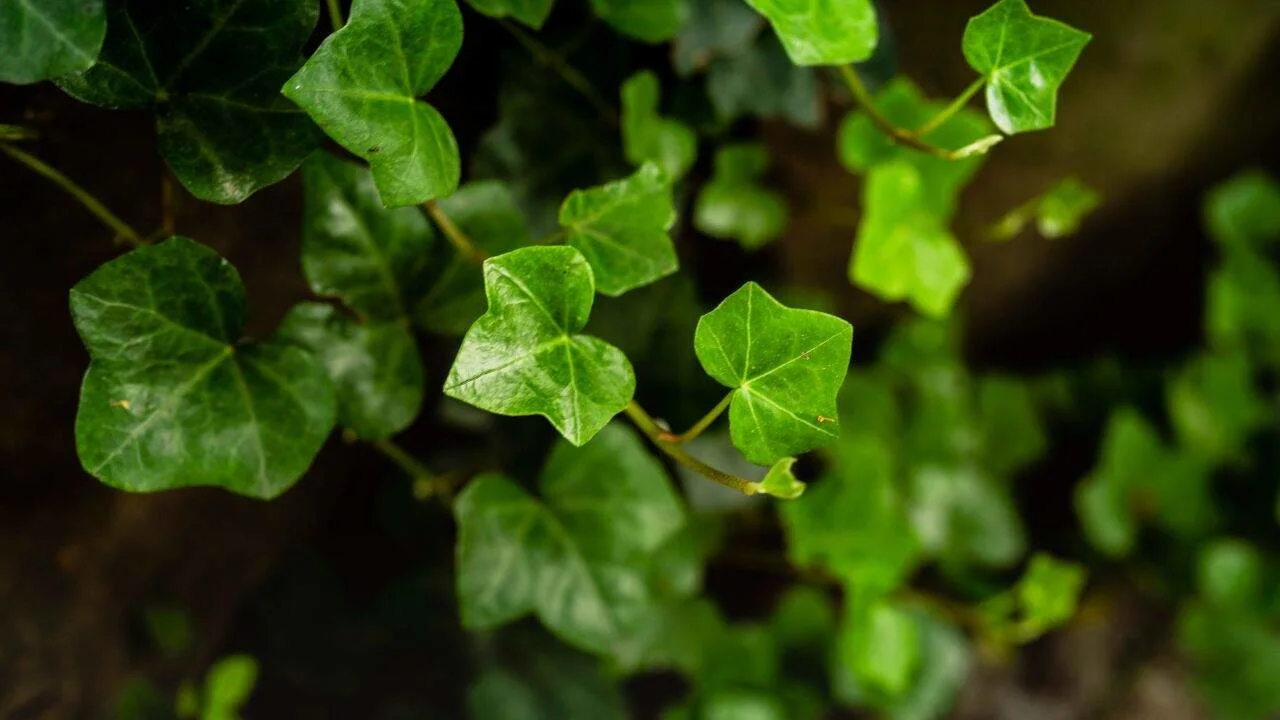
It looks classy climbing brick walls and curling around tree trunks. Until the tree dies. And the wall crumbles. English ivy doesn’t just cling — it smothers. It blocks sunlight, traps moisture, and creates the perfect habitat for pests and rot. In forests, it forms thick carpets that prevent anything else from growing. In neighborhoods, it wrecks fences and foundations over time.
It’s still sold across much of the US, but more regions are waking up to its silent takeover. What started as elegant ground cover is now public enemy number one for parks departments across the South and Northwest.
3. Scotch Broom (Cytisus scoparius)

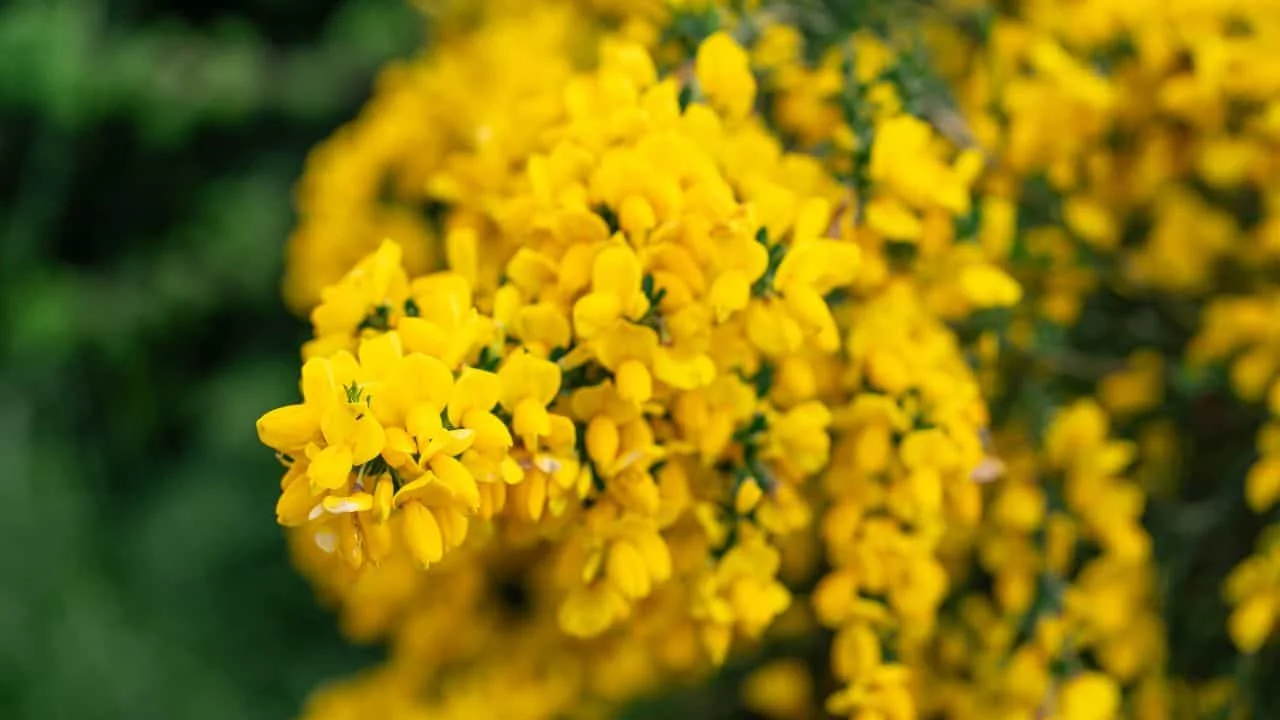
It’s bright, it’s cheerful, and it’s everywhere — especially where it shouldn’t be. This yellow-flowered shrub was once planted for erosion control. Instead, it became a full-blown invader, choking out native species and even altering soil chemistry so other plants can’t take root. It’s like inviting someone over to help clean and then watching them burn your house down.
Scotch broom spreads by seed and thrives on disturbance. Highways, trails, fire zones — it loves them all. And once it’s in, good luck getting it out without serious manpower and repeated removal efforts.
4. Purple Loosestrife (Lythrum salicaria)

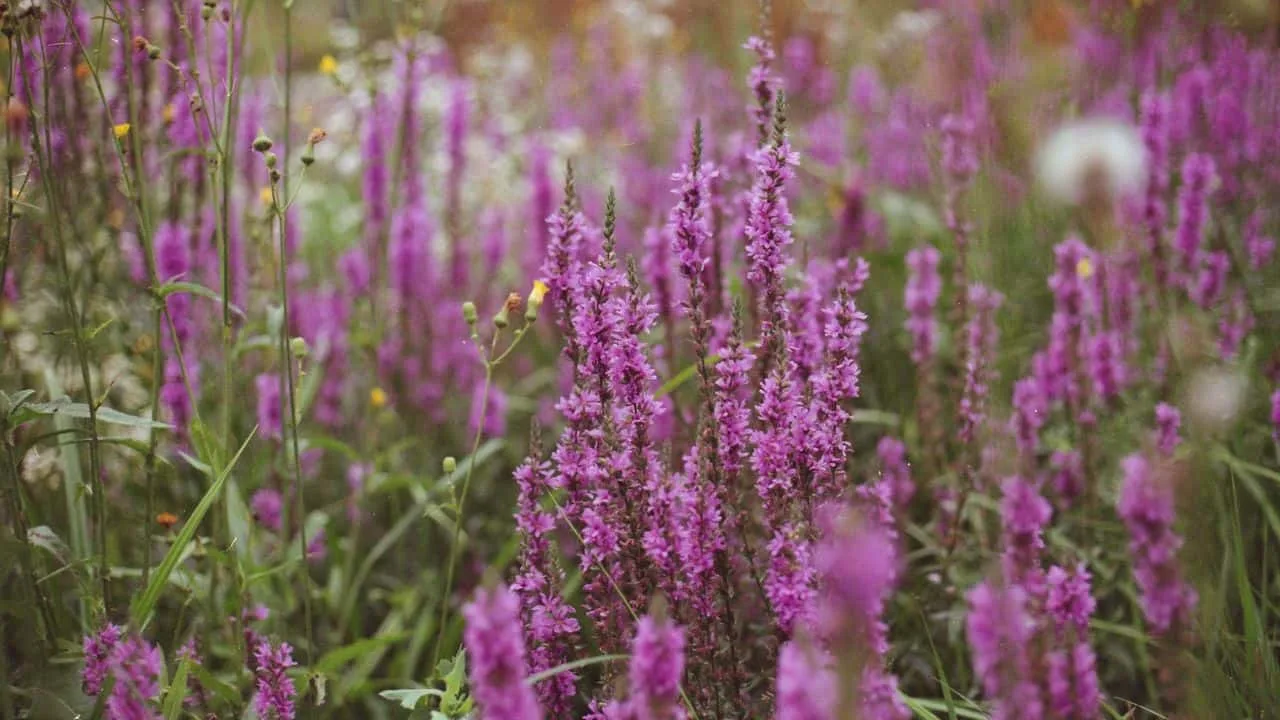
At first glance, it’s a dream — tall spikes of lavender-pink flowers that seem tailor-made for Instagram. But behind the beauty is a full-blown wetland wrecker. Purple loosestrife invades marshes, riverbanks, and drainage areas, forming dense thickets that outcompete native wetland plants and offer almost zero value to local wildlife.
And the worst part? It’s sneaky. Gardeners often don’t realize what they’ve planted until it’s too late and the neighbors are wading through a floral apocalypse.
5. Callery Pear / Bradford Pear

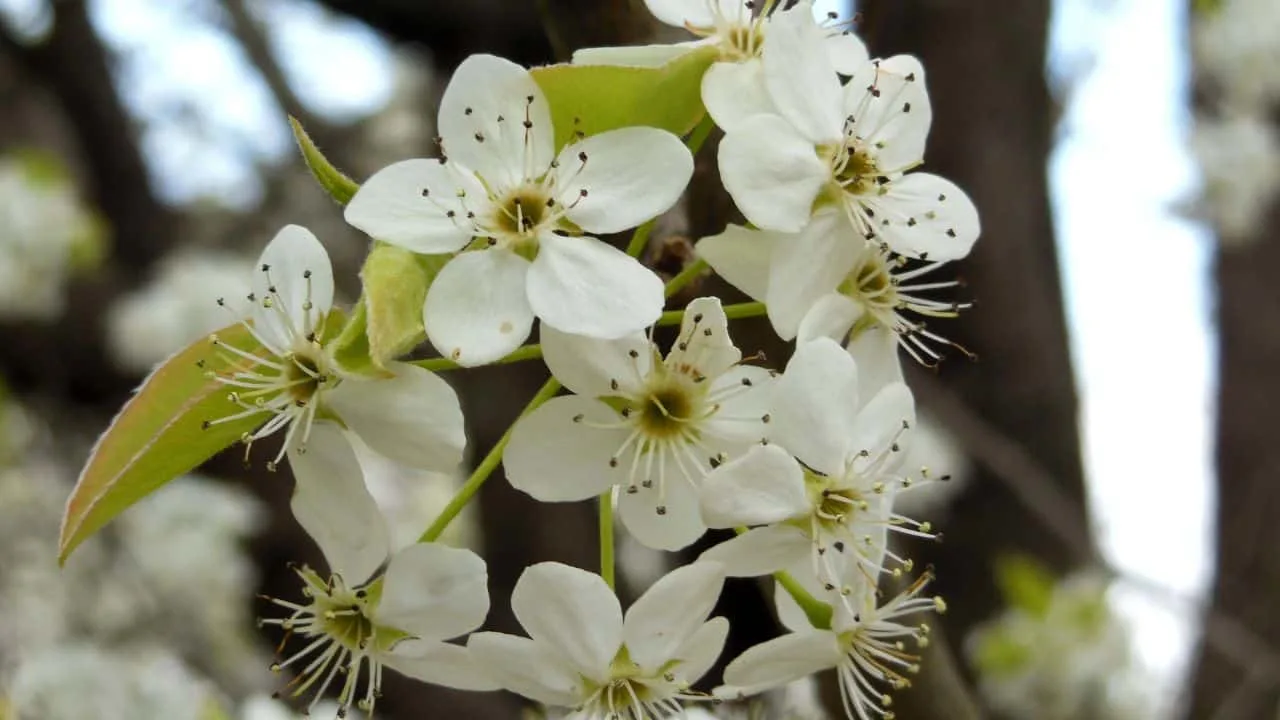
They bloom like a fairytale in spring. Clouds of white flowers, perfect symmetry, and… an odor that can only be described as “fishy gym socks.” These trees were once landscaping darlings — fast-growing, tidy, and ornamental. But nature had other plans.
They crossbreed like crazy, spread rapidly, and crowd out native trees. Their branches are notoriously brittle, snapping in storms like twigs. And the seeds? Birds help scatter them across entire counties. Some states have already banned them. Others are drafting the paperwork.
6. Wisteria (non-native types)

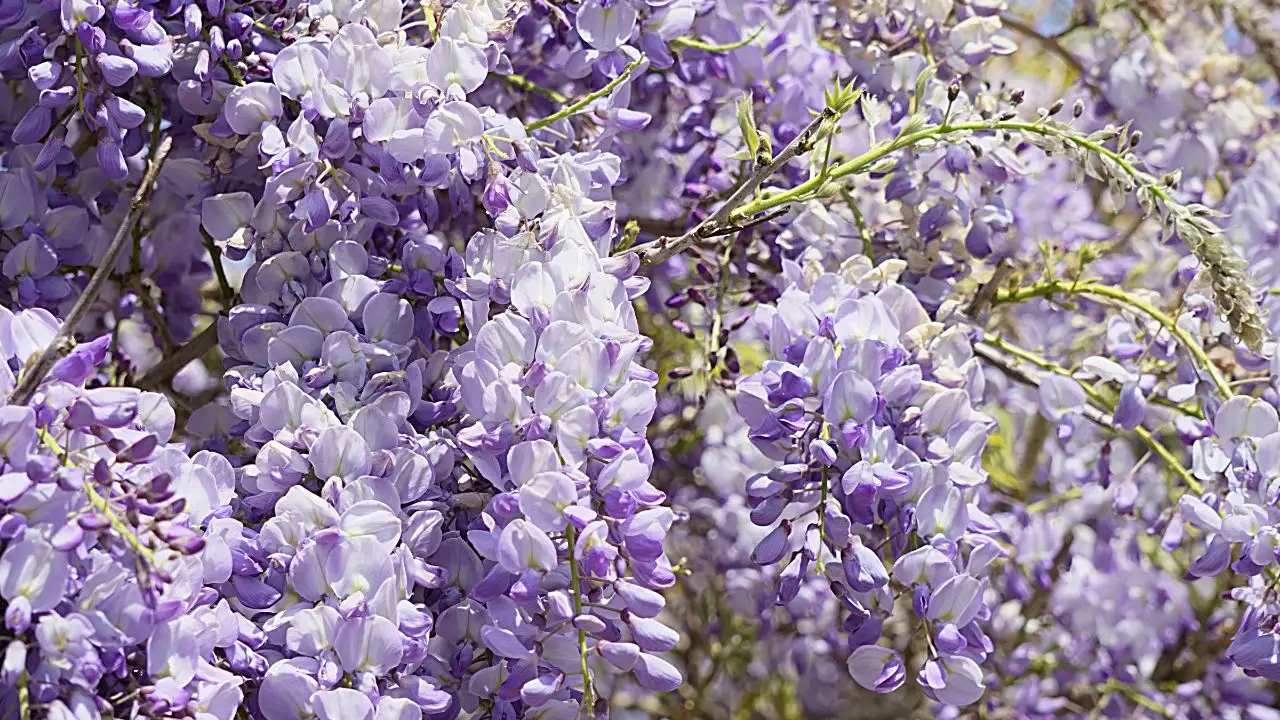
Few plants say “storybook romance” like wisteria. Those cascading lavender vines over a pergola? Gorgeous. But if your variety is Chinese or Japanese, brace yourself — it doesn’t just climb, it conquers. These vines wrap around trees, strangle trunks, and smother everything in their path like a botanical boa constrictor.
It’s lovely until it starts swallowing the shed, then the fence, then the neighbor’s cat’s favorite sunbathing spot. Removal isn’t easy. And native ecosystems? They don’t stand a chance once non-native wisteria gets a grip.
7. Castor Bean (Ricinus communis)

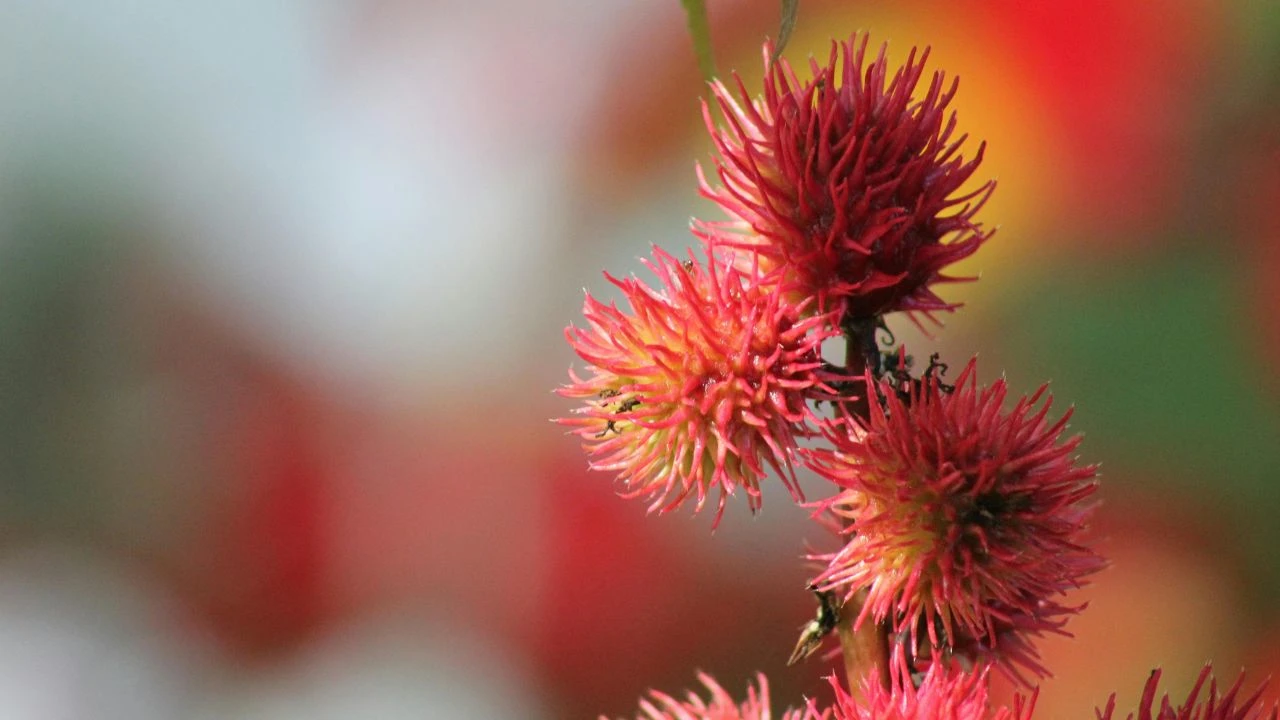
It’s big, it’s bold, it’s stunning. Castor bean brings a tropical vibe to temperate gardens with huge palmate leaves and dramatic height. But here’s the catch: every part of the plant is toxic. The seeds, in particular, contain ricin — yes, *that* ricin. Even a tiny amount can be fatal if ingested.
Sure, most people won’t go around snacking on garden seeds, but pets and kids? They don’t always get the memo. And while it’s not technically banned in most places, the legal pressure is rising — and so are the warnings.
What Looks Nice Isn’t Always Nice
Some plants are like bad houseguests. They show up charming, make a mess, and refuse to leave. And the worst part? You probably bought them at a perfectly normal garden center. No warnings. No skull icons. Just a happy little label with “fast-growing” and “low maintenance.”
But the truth is, some plants play by different rules. They outcompete natives, choke out diversity, damage buildings, or just quietly poison everything nearby. The good news? You’ve got options. Plenty of native and non-invasive alternatives bring beauty without the baggage.
And let’s be honest. Knowing your yard isn’t doubling as an environmental crime scene? That’s worth more than one season of flashy blooms.
🌱 Key Takeaways
- 🚫 Not every plant belongs in your garden. Some are pretty — and problematic.
- 🔍 Labels won’t tell you the full story. Do a quick search before planting anything new.
- 🦋 Native plants are the real MVPs. They support wildlife, stay in their lane, and still look great.
- 🛠️ “Low maintenance” doesn’t mean no consequences. Invasives usually create more work in the long run.
- 🌎 Your garden choices ripple out. What you plant affects more than just your fence line.


Daniel has been a plant enthusiast for over 20 years. He owns hundreds of houseplants and prepares for the chili growing seasons yearly with great anticipation. His favorite plants are plant species in the Araceae family, such as Monstera, Philodendron, and Anthurium. He also loves gardening and is growing hot peppers, tomatoes, and many more vegetables.