

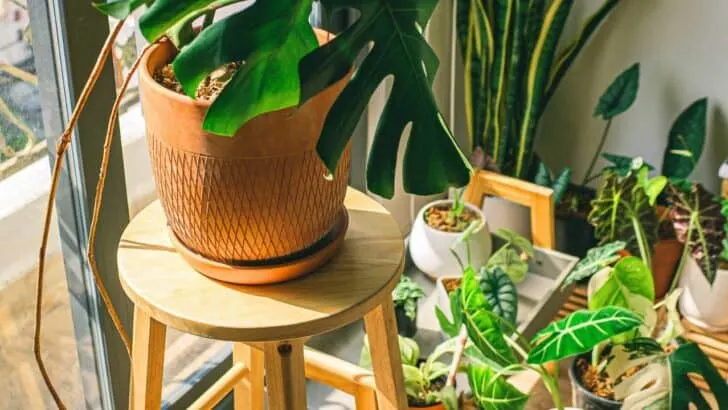
When the nights turn crisp, your plants need more than a quick dash indoors. A smooth reentry keeps pests out, roots happy, and your winter routine stress free.
This guide shows you how to welcome each plant back in calm, bite sized steps that actually work. From a tidy quarantine window to a simple daily check, these habits turn what feels like a frantic scramble into an easy rhythm you can repeat every year.
Fast Track Intake Plan
Bring plants in small groups and give each one a quick reset before it meets the rest of your collection. This keeps hitchhikers contained, lowers stress from the move, and turns a messy chore into a calm routine you can repeat in minutes.
- Set a quarantine window: Bright light, space between pots, one yellow sticky trap per plant.
- Work in batches of 2 to 4: Small groups help you spot problems fast without spreading them.
- Run the intake routine: Rinse leaves, inspect undersides and nodes, check soil for gnats, place a trap, apply a gentle preventive spray.
- Quarantine 10 to 14 days: Daily quick checks, normal light, careful watering based on soil feel and pot weight.
- Do a midweek second pass: Repeat the gentle spray around day 7, wipe dust, refresh traps if needed.
- Integrate only when clean: No new spots or webbing and quiet traps for a full week, then move to the main room and reset watering and light.
Quick Tip: Start with the healthiest and most cold sensitive plants. Leave anything suspicious for the final batch so you can treat it without risking the group.
Quarantine Setup that Stops Pests Cold
Give returning plants a safe landing spot before they meet the rest of your collection. Bright light, a little space, and simple monitoring turn surprises into easy fixes. Think of it as a short welcome stay with room service.
- Pick the window: Bright but not scorching. Keep it separate from your main plant zone.
- Leave space: No leaves touching. Aim for a hand’s width between pots.
- Catch the drips: Trays or a waterproof mat protect floors and make cleanup easy.
- One trap per pot: Place a yellow sticky card at soil level to flag gnats and thrips fast.
- Gentle airflow: A small fan on low keeps air moving. Do not point it right at the foliage.
- Stable temps: Target 60 to 75 °F. Avoid heater vents, cold drafts, and doors that open often.
- Light boost if needed: A clip-on grow light 12 to 14 inches above leaves for 12 to 14 hours helps weak windows.
- Tool caddy: Keep a spray bottle, mild soap or light oil, microfiber cloth, pruning snips, and extra traps within reach.
- Clean start: Wipe the sill, wash trays, and vacuum the corner so pests do not get a head start.
- Label the date: Tag each plant with the intake day so the 10 to 14 day clock is clear.
Quick Tip: If space is tight, use a rolling cart by the window. It keeps batches organized and moves out of the way when guests arrive.
Small Batch Method for Stress-Free Moves
Bringing plants in all at once invites chaos. Small batches keep the room calm and make pests easy to spot. Work through the group in a steady rhythm and leave any suspect plants for last.
- Keep groups small: Process 2 to 4 plants at a time so you can rinse, inspect, and stage without missing details.
- Choose the order: Bring in healthy and cold sensitive plants first. Anything with spots, sticky leaves, or webbing goes last.
- Watch the forecast: Aim to finish intake before the first hard frost. Do not rush on a scorching or windy afternoon.
- Pre triage outside: Knock off loose pests by hand and remove dead leaves before the plants cross the threshold.
- Set a time budget: Fifteen minutes per plant is a good target. Rinse, inspect, trap, light spray, then park it in quarantine.
- Label as you go: Tag each pot with the intake date and batch number so the 10 to 14 day clock stays clear.
- Use carry trays: Move batches on a waterproof tray to catch drips and soil crumbs.
- Have a hold zone: Create a separate spot for plants that need extra treatment. Do not mix them with clean batches.
- Be selective: Retire weak or pest ridden duplicates now. Saving space reduces future problems.
Quick Tip: Move batches at dusk. Cooler air and softer light reduce shock, and you can stage everything for an easy morning check.
Exact Steps for a Pest-Free Intake
Give each plant a calm checkup before it joins the group. A quick rinse, a close look, and a light preventive treatment stop most hitchhikers before they spread. Work slow enough to see details, then park the plant in quarantine and let the routine do the rest.
- Rinse the foliage: Use lukewarm water and a soft spray. Support large leaves with your hand. Keep water out of tight crowns and rosettes.
- Wipe and tidy: Remove yellowed leaves and spent blooms. For sticky spots or cottony tufts, wipe with a damp microfiber cloth. A cotton swab with a little alcohol helps on mealybugs. Rinse after.
- Inspect up close: Check undersides, nodes, and new tips with a bright light. Look for specks that move, fine webbing, or honeydew shine.
- Soil sanity check: Scratch the top inch. If it stays wet or you see tiny larvae, let the top layer dry, then top-dress with a thin layer of coarse sand or fine gravel.
- Optional gnat reset: If adults are already flying, do a one-time drench of 1 part 3 percent hydrogen peroxide to 4 parts water, then resume normal watering after the soil dries.
- Trap each pot: Place a yellow sticky card at soil level. Date the back so you can track activity.
- Preventive spray: Use insecticidal soap or a light horticultural oil per label. Test on one leaf, then mist leaf undersides and stems until they glisten. Keep out of direct sun until dry.
- Stage in quarantine: Set the plant by the bright window with space on all sides. Add a saucer, keep gentle airflow, and note the intake date.
Quick Tip: Aim for fifteen minutes per plant. A steady rhythm beats a marathon and keeps details from slipping past you.
Daily Quarantine Checks Made Simple
Quarantine works when you keep it simple and consistent. Give each plant a short look every day. You are checking for movement on leaves, sticky residue, webbing, and any surprise visitors on the trap. Water only when the mix calls for it and keep the air gently moving.
- Thirty second scan: Look at new tips, leaf undersides, and stems. Tap a leaf over white paper to spot tiny movers.
- Trap check: Note what is stuck on the yellow card. A few gnats is normal early. Rising numbers mean the soil needs attention.
- Clean as you go: Wipe honeydew or webbing with a damp cloth. Remove any dead leaves so pests have fewer hiding spots.
- Water only when needed: Use the finger test or lift the pot. If it feels light and the top inch is dry, water. If not, wait.
- Air and light: Keep a small fan on low nearby and rotate the pot a quarter turn every other day for even light.
- Note the date: Jot a quick line if you see pests, sticky spots, or leaf changes. Simple notes help you spot trends.
- Isolate if needed: If you find webbing, live aphids, or mealy tufts, move that plant to a separate hold zone and plan a treatment pass.
- Calm routine: Same time each day keeps you from missing small changes. Morning light makes inspections easier.
Quick Tip: Keep a small flashlight or phone light at hand. Side lighting makes mites, webbing, and scale shine so you can catch them early.
Seven-Day Second Spray for Total Control
Day seven is your tune up. A quick second treatment breaks pest cycles, fresh traps reset the scoreboard, and a short clean keeps leaves breathing. Ten calm minutes now save weeks of chasing mites or gnats later.
- Repeat the gentle spray: Use insecticidal soap or light horticultural oil per label. Mist leaf undersides and stems until they glisten. Keep the plant out of direct sun until dry.
- Spot treat trouble: Wipe webbing and honeydew with a damp cloth. Dab mealybugs with a cotton swab and alcohol, then rinse the leaf after a minute. Clip badly infested leaves into the trash.
- Gnat audit: Count what is on the sticky card. If numbers are rising, replace the top half inch of mix, then add a thin layer of coarse sand or fine gravel. Do a one time drench of 1 part 3 percent hydrogen peroxide to 4 parts water, then return to normal watering after the soil dries.
- Re clean the canopy: Wipe large leaves with a damp microfiber cloth. Dust free leaves resist pests and take light better.
- Refresh traps: Swap in a new yellow card and write today’s date on the back. Place it at soil level near the stem.
- Check saucers and mats: Empty standing water, rinse, and dry. Wet trays invite gnats and keep roots soggy.
- Extend if needed: If you see new spots, webbing, or fresh trap catches, keep this plant in quarantine and restart a 7 day watch.
- Note the snapshot: Jot a one line update. Clean card, no webbing, or one aphid found and removed. Simple notes help you decide when to integrate.
Quick Tip: Alternate soap and oil between the first and second pass if the label allows it. Rotation helps on stubborn mites.
Clear Signs Your Plant Is Truly Clean
Before a plant joins the main room, it should be quiet on the traps, clean on the leaves, and steady in new growth. Use clear checkpoints so you are not guessing. If any box fails, keep the plant in quarantine and recheck in a few days.
- Trap score: Fewer than two new gnats in 48 hours on the yellow card. No thrips streaks or winged aphids caught since the last check.
- Leaf check: No fresh stippling, no webbing, no sticky honeydew, no cottony tufts at nodes. Tap test over white paper shows no moving specks.
- New growth: Tips look firm and aligned with the plant’s normal color. No curl, no puckering, no unexplained spotting.
- Soil surface: Top half inch looks clean and smells earthy, not sour. No tiny larvae visible after a light scratch with a label stake.
- Water response: After a deep soak, no gnat cloud lifts from the pot. Saucers drain and dry within an hour.
- Treatment tolerance: The last soap or oil pass caused no leaf burn or blotches after 48 hours of observation.
- Neighbor test: A clean sentinel plant kept nearby shows no new pests during the same period.
- Time rule: Seven quiet days after the midweek pass, with notes that show stable or improving signs.
Ready to move: If all checks are clear, remove the old trap, wipe the pot, and prepare the plant for integration.
Moving Back Indoors Without Setbacks
When a plant earns its clean bill of health, move it with care. Indoor light is weaker, air is drier, and watering slows. Set the plant where it can thrive, then adjust slowly so it settles without a wobble.
- Pick the spot: Match light to the plant. South and west windows for sun lovers. East or bright north for medium light plants.
- Lift the light if needed: Add a clip grow light 12 to 14 inches above leaves for 12 to 14 hours if windows are weak.
- Ease the change: Increase indoor light over 3 to 5 days. Rotate the pot a quarter turn every other day.
- Humidity help: Set a pebble tray with water below the pot or run a small room humidifier. Target 40 to 50 percent for most houseplants.
- Reset watering: Water deeply, then wait. Use the finger test. Pot should feel lighter before the next drink.
- Pause fertilizer: Hold feeding for one to two weeks after the move. Resume light feeding only if you see active growth.
- Clean start: Wipe the pot and saucer. Add a fresh dated sticky trap at the back of the pot as a quiet monitor.
- First week watch: Check leaves and trap every other day. A few gnats early can be normal. Rising numbers mean the soil needs attention.
- Room rules: Keep plants away from heater vents, cold doors, and drafty hallways. Steady is kinder than perfect.
Quick Tip: Group plants with similar needs. Shared humidity and a single grow light make the whole corner easier to manage.
What to Do When Bugs Show Up
No panic. Move the plant out of traffic, clean what you can see, and start a short treatment rhythm. Most problems fold fast when you isolate, wipe, and repeat on a schedule.
- Isolate farther: Shift the plant to a separate hold zone away from quarantine. Do not let leaves touch other plants.
- Do a fast ID:
- Mites leave fine webbing and tiny moving specks.
- Aphids cluster on tender tips and leave sticky honeydew.
- Mealybugs look like cotton at nodes and leaf bases.
- Scale sits as hard bumps on stems and leaf midribs.
- Fungus gnats are tiny flies that jump from the soil.
- Clean first, then treat: Rinse leaves with lukewarm water. Wipe honeydew and webbing with a damp cloth. Clip badly infested leaves into the trash. Dab visible mealybugs or scale with a cotton swab and alcohol, then rinse after a minute.
- Reset the soil surface if gnats show: Remove the top half inch of mix, replace with fresh, then top-dress with a thin layer of coarse sand or fine gravel. Add a fresh yellow trap at soil level.
- Start a treatment rhythm: Use insecticidal soap or a light horticultural oil per label. Coat leaf undersides, stems, and nodes until they glisten. Keep out of direct sun until dry. Repeat every 7 days until two clean checks in a row.
- Rotate gently for mites: If mites persist, alternate soap one week and light oil the next, if the label allows it.
- Scale needs patience: Remove what you can by hand, then use light oil on stems and leaf midribs. Recheck in 7 days.
- Sanitize tools and area: Wash cloths hot, wipe pruners with alcohol, and clean saucers and mats. Empty and rinse trays so gnats do not breed.
- Restart the clock: Give the plant a fresh 10 to 14 day quarantine after the last live pest sighting. Only integrate when traps stay quiet and leaves stay clean.
Quick Tip: Keep one “sentinel” plant near the hold zone. If it stays clean while you treat the patient, your routine is working.
Special Handling for Fussy Plants
Some plants prefer a softer touch. Adjust the routine a little and they settle in without fuss. Use the notes below when a plant does not fit the standard playbook.
- Succulents and cacti: Dry quarantine. Skip oils and heavy soaps. Use a soft brush to clean dust. Dab mealybugs with a cotton swab and alcohol, then wait a minute and wipe. Water only when the mix is fully dry.
- Orchids: Keep water out of the crown. Avoid oil on blooms and buds. Wipe leaves with mild soap on a cloth, then rinse. Give bright light and steady airflow. Watch for scale along leaf midribs.
- Ferns and calatheas: Gentle water and higher humidity. Use very dilute soap if needed, then rinse well. Do not let soil swing from soggy to bone dry.
- African violets and fuzzy leaves: No oil and no spraying the leaf surface. Dust with a soft brush. Bottom water. Treat pests with careful swabs and light wipes on petioles only.
- Palms and dracaena: Sensitive to strong soaps and oils. Test one leaflet first and wait 48 hours. Do not remove many green fronds on palms during intake.
- Bromeliads: Empty water from the cup, rinse the cup, then refill with fresh. Do not leave soap or oil in the tank. Keep the crown upright so water does not sit in leaf axils.
- Edible herbs: Prefer rinses, hand removal, and sticky traps. If you spray, follow pre harvest intervals on the label and rinse leaves before use.
- Large floor plants: Lay a tarp, use a handheld shower, and wipe each leaf front and back. Check trunk crevices and the pot rim for pests.
- New cuttings and recent repots: Skip preventive sprays. Focus on clean water, gentle light, and a sticky trap. Treat only if you see pests.
- Plants with soft new growth: Move them into bright light first, wait a day, then do any soap treatment. Tender tips scorch easily.
Quick Tip: When in doubt, test any product on one hidden leaf and wait two days before treating the whole plant.
Light and Humidity Tricks for Winter
Indoor light is weaker and air is drier than a summer patio. Help plants settle by giving them the right window, a gentle boost from a grow light if needed, and a small bump in humidity. Small adjustments now prevent crispy tips, yellowing, and slow growth later.
- Match the window: South or west for sun lovers like citrus and succulents. East for philodendron and pothos. Bright north for ferns and calatheas that prefer softer light.
- Add a light boost: Set a clip grow light 12 to 14 inches above leaves. Run it 12 to 14 hours daily. Raise or lower an inch at a time if leaves stretch or bleach.
- Acclimate slowly: Increase indoor light over 3 to 5 days. Rotate pots a quarter turn every other day to keep growth even.
- Check with a meter: A simple lux app helps. Most foliage plants like 5k to 15k lux. Bloomers can use 15k to 25k lux. Adjust distance rather than cranking hours first.
- Bump humidity: Aim for 40 to 50 percent for mixed collections. Use a pebble tray with water, group plants, or run a small room humidifier.
- Place wisely: Keep plants away from heater vents and drafty doors. Steady conditions beat chasing perfect numbers.
- Read the leaves: Crispy edges point to dry air or light that is too close. Pale new growth can mean too little light. Adjust one thing at a time and recheck in a week.
- Clean glass and bulbs: Wipe windows and dust grow lights. Clear glass adds surprising brightness without moving a single pot.
Quick Tip: Put a small hygrometer near the group. Numbers make it easy to keep humidity in the happy zone through heating season.
Smarter Watering for Indoor Survival
Outdoor habits do not translate indoors. Less light, cooler rooms, and drier air change how fast a pot dries. Switch from calendar watering to cues from the plant and the mix. A deep drink when needed, then a patient wait, keeps roots strong and fungus gnats bored.
- Use two tests: Finger test to the second knuckle plus a lift test. If the top inch is dry and the pot feels light, it is time.
- Water deep, then wait: Moisten the entire root ball until a little runs from the drain holes. Empty the saucer after 10 minutes. Do not top up again until tests say so.
- Match pot and mix: Terracotta dries faster than plastic. Coco or barky mixes drain quickly. Peat heavy mixes stay wet longer. Adjust the interval, not the volume.
- Right tool for the job: A long spout watering can targets soil, not leaves. Bottom water only for plants that hate wet leaves, then drain well.
- Group by thirst: Keep succulents on a drier shelf. Ferns, calatheas, and peace lilies closer to humidity and shorter intervals.
- Watch the room: Heating on means faster dry down. North windows slow it. Move thirsty plants closer to light and airflow.
- Avoid constant damp: Let the top half inch dry between drinks for most foliage plants. This slows gnats and keeps roots oxygenated.
- Use a moisture meter wisely: Calibrate with your finger and lift tests. Trust trends over single readings.
- Fertilizer pause: Hold feeding for one to two weeks after the move inside. Resume only when you see active growth.
- Know the warning signs: Droop with dry soil means water now. Yellow lower leaves with wet soil points to overwatering. Brown tips with a light pot often means both dry air and missed drinks.
- Saucer hygiene: No standing water. Rinse trays weekly so gnats do not set up a nursery.
Quick Tip: Log watering dates for one month after the move. Patterns appear fast and help you set a steady rhythm for winter.
Your End-of-Season Plant Reentry Guide
A calm intake beats a winter of chasing bugs. Bring plants in small batches, give each one a rinse and a close look, then park them in quarantine with a trap and gentle airflow. Day seven gets a second pass. Clean cards and clean leaves earn the move to the main room.
Set the light, bump humidity a little, and switch to deep watering with longer waits. Keep notes for two weeks so patterns are easy to see. This simple rhythm turns reentry into a quiet routine and your living room into a healthy place for plants to rest until spring.
🌿 Key Takeaways
- 🪴 Small batches keep you in control. Two to four plants at a time makes problems easy to spot and contain.
- 🪟 A quarantine window is your safety net. Space, light, and a simple routine prevent whole room outbreaks.
- 🚿 Rinse, inspect, then lightly treat. Clean leaves reveal issues and a gentle spray stops hitchhikers early.
- 🟨 Sticky traps do the quiet watching. One card per pot tells you what is really happening in the soil and on the leaves.
- 🔁 Day seven is the breaker. A second pass a week later disrupts pest cycles before they can rebuild.
- 💡 Reset light and humidity for indoor life. Right window or a small grow light plus 40 to 50 percent humidity prevents stress.
- 💧 Deep water then wait. Use the finger test and pot weight so roots stay strong and gnats stay bored.
- 📝 Notes guide timing and confidence. Simple dates on traps and tags show when to integrate and when to pause.
Frequently Asked Questions About Houseplant Reentry
1. How long should I quarantine?
Ten to fourteen days. That window lets hidden pests show up on traps or leaves. Restart the count if you see new activity.
2. Do I need to treat every plant or only if I see pests?
Do a light preventive pass on all returnees after a rinse. Treat more aggressively only if you see webbing, honeydew, moving specks, or loaded traps.
3. What spray is safest around kids and pets?
Insecticidal soap or a light horticultural oil used per label is a good first choice. Test on one leaf, keep plants out of direct sun until dry, and ventilate the room.
4. Can I use hydrogen peroxide for fungus gnats and how do I mix it?
Yes. Mix 1 part 3 percent hydrogen peroxide with 4 parts water for a one time soil drench. Let the soil dry to normal before watering again.
5. How many sticky traps do I need and where do they go?
One yellow card per pot. Place it at soil level near the stem. Date the back so you can track trends over days.
6. When should I repot after bringing plants inside?
Only if the mix stays soggy, roots circle hard, or water runs off the sides. If needed, go one size up, use fresh mix, and wait a week before any feeding.
7. My window is weak. Do I need a grow light?
If growth stalls or stretches, add a clip light 12 to 14 inches above leaves for 12 to 14 hours daily. Raise or lower an inch at a time based on leaf response.
8. What humidity should I aim for indoors?
Forty to fifty percent suits most collections. Use a pebble tray, group plants, or a small room humidifier to hold that range.
9. Are neem and other oils safe for all plants?
No. Skip oils on fuzzy leaves, thin blooms, succulents, and very tender growth. Use soap or hand removal there. Always test one leaf and wait 48 hours.
10. What if I still see pests after two treatments?
Isolate farther, refresh traps, and repeat every 7 days until you get two clean checks in a row. Alternate soap and light oil if labels allow. Replace the top half inch of mix for stubborn gnats.
11. Can I bring culinary herbs inside?
Yes. Rinse well, inspect leaves, and rely on hand removal and traps. If you spray, follow label pre harvest intervals and rinse before use.
12. Can I reuse outdoor potting mix indoors?
You can, but it often carries gnat eggs and debris. At minimum, remove the top half inch and replace with fresh mix, then add a thin sand or fine gravel topdress.
13. What if I have no space for a quarantine window?
Use a rolling cart near a bright window. Keep at least a hand’s width between pots, run a small fan on low, and place traps in every pot. Keep this cart separate from your main group for two weeks.
14. How cold is too cold to leave plants outside overnight during intake?
Most tropicals get cranky below 50 °F. If nights drop near that, start intake sooner and finish the process inside near the quarantine window.
Daniel has been a plant enthusiast for over 20 years. He owns hundreds of houseplants and prepares for the chili growing seasons yearly with great anticipation. His favorite plants are plant species in the Araceae family, such as Monstera, Philodendron, and Anthurium. He also loves gardening and is growing hot peppers, tomatoes, and many more vegetables.