

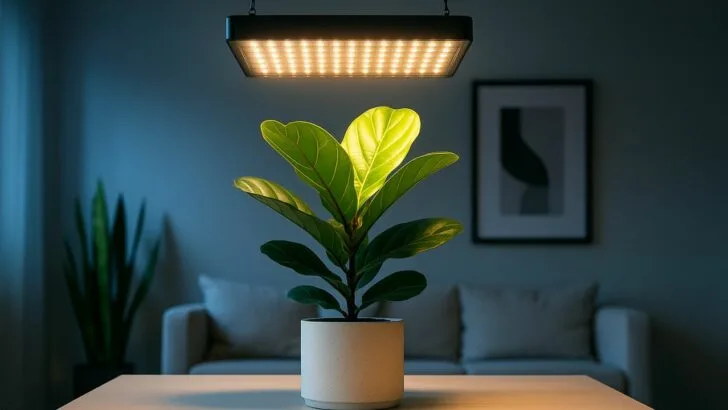
Snow can tap the window while basil keeps growing on the kitchen shelf. That is the promise of grow lights. Instead of waiting for longer days, you set the sun on a timer and keep plants moving forward in the heart of winter.
In simple terms, grow lights give you steady, plant worthy light when the sky will not. Leafy greens stay crisp, herbs stay fragrant, orchids keep budding, and seedlings for spring get a strong start. We will keep the tech plain, show you which lights work, where to put them, and what to grow so your indoor garden feels alive all year.
Why Grow Lights Matter
Winter light is short and weak. Even south windows fade by mid afternoon. Plants stall, stretch, or drop leaves. Grow lights fix the clock and the strength. You choose the hours and the intensity, so photosynthesis keeps rolling while snow stacks up outside.
🌞 What Grow Lights Do For You
- Replace missing daylight: Give plants 12 to 16 hours of usable light when days are short.
- Control intensity: Prevent leggy, weak growth by matching brightness to plant needs.
- Hold steady conditions: Keep light consistent so herbs, greens, and blooms do not stall.
- Start seeds early: Raise sturdy seedlings indoors while outdoor beds sleep.
- Rescue problem spots: Turn a dim corner into a productive shelf with the flip of a switch.
Bottom line: Grow lights turn winter into a workable season. You set the sun, your plants keep growing.
Types of Grow Lights
Not all lights feed plants the same way. Some stay cool and sip electricity, others shine hot and bright for heavy fruiting crops. Knowing the main types helps you pick the right fit for herbs, greens, or even dwarf tomatoes.
💡 Main Options at a Glance
- LED Panels: Energy efficient, low heat, long life span, and available in full spectrum for all plant stages.
- Fluorescent Tubes or CFLs: Affordable and great for seedlings, microgreens, and leafy herbs.
- High Intensity Discharge (HID): Very bright for fruiting vegetables and large indoor gardens, but they use more power and need good ventilation.
Tip: For most home gardeners, LEDs provide the best balance of cost, efficiency, and plant friendly spectrum.
Setting Up Your Indoor Garden
A grow light only works as well as the space around it. Choose a corner or shelf where you can control distance, temperature, and humidity. Reflective surfaces or a simple grow tent keep light where plants need it. A timer turns your setup into a steady artificial day.
🪴 Indoor Garden Checklist
- Pick the spot: Spare room, basement shelf, or a bright corner away from drafts.
- Control distance: Hang lights 6 to 12 inches above leafy greens, a little higher for taller plants.
- Use reflectors: White walls, foil panels, or a grow tent bounce light back to leaves.
- Add a timer: Set 12 to 16 hours of light to mimic long summer days.
- Mind heat and airflow: Keep temperatures between 65 and 75 °F and allow gentle circulation to prevent mildew.
Tip: Keep a small hygrometer nearby to monitor humidity. Indoor heat can dry air faster than you expect.
What You Can Grow Under Lights
Grow lights open the door to a surprising variety of plants. Tender herbs, crisp greens, and even small fruiting crops can thrive indoors when the spectrum and timing are right. You can also give light hungry houseplants a winter boost or start seeds for next spring long before the soil outside warms.
🌿 Plants That Love Grow Lights
- Leafy greens: Lettuce, kale, spinach, and microgreens stay tender and harvest ready in 4 to 6 weeks.
- Herbs: Basil, parsley, cilantro, mint, and thyme keep producing fragrant leaves all winter.
- Dwarf fruiting plants: Cherry tomatoes, dwarf peppers, and strawberries set flowers and fruit indoors with strong light.
- Houseplants: Orchids, succulents, and tropical foliage keep healthy color when natural light fades.
- Seed starting: Start spring vegetables and flowers early to transplant outdoors when weather allows.
Tip: Match light hours to plant type. Leafy greens need about 12 to 14 hours, while fruiting crops prefer closer to 16 hours for best growth.
Light Needs by Plant Type
Different plants call for different amounts of brightness and daily hours. Matching these needs keeps growth steady and prevents problems like leggy stems or scorched leaves. With a timer and an adjustable light fixture, you can fine tune the schedule for every crop.
🔆 Recommended Light Schedules
- Leafy greens: 12 to 14 hours of moderate full spectrum light each day.
- Herbs: 12 to 16 hours depending on variety, with lights 6 to 12 inches above leaves.
- Fruiting plants: 14 to 16 hours of strong full spectrum light to encourage flowering and fruit set.
- Orchids and flowering houseplants: 12 to 14 hours with a slightly higher red spectrum to promote blooms.
- Seedlings: 14 to 16 hours of bright, cool spectrum light for sturdy stems and compact growth.
Tip: Watch leaf color and growth rate. Pale leaves can mean not enough light, while brown edges can signal the light is too close.
Common Mistakes to Avoid
Grow lights make indoor gardening simple, but small missteps can slow or even stop growth. Paying attention to distance, timing, and airflow keeps your plants thriving through the dark months.
⚠️ Pitfalls to Watch For
- Lights too close: Leaves can scorch or dry out when bulbs sit only a few inches away.
- Lights too far: Plants stretch toward the source and grow weak, spindly stems.
- Overwatering: Soil stays damp longer indoors, raising the risk of root rot.
- Ignoring airflow: Still air invites mildew. A small fan keeps humidity balanced and leaves dry.
- Skipping timers: Inconsistent light hours confuse plant rhythms and slow growth.
Tip: Check plant height weekly and adjust the light distance to maintain a steady 6 to 12 inch gap as they grow.
Cost and Energy Tips
Running grow lights does not have to shock your power bill. Choosing efficient bulbs, using timers, and grouping plants wisely keeps energy use low while giving your indoor garden everything it needs.
💡 Smart Energy Practices
- Pick LEDs: They use up to 70 percent less power than older fluorescent or HID setups and stay cool to the touch.
- Use timers: Automate 12 to 16 hour light cycles so bulbs run only when needed.
- Group plants: Arrange crops with similar light needs together to share one fixture instead of several small ones.
- Reflect light: White walls or foil panels bounce extra brightness back to plants so fewer watts go to waste.
- Monitor usage: A simple plug-in power meter shows real time consumption and helps you plan monthly costs.
Tip: Modern LED systems can run a compact herb garden for just a few francs or dollars a month, making year round indoor harvests surprisingly affordable.
Bringing It All Together
Grow lights turn the dark months into a growing season of their own. With the right fixtures, a simple timer, and a little observation, you can raise herbs, greens, flowers, and even fruiting plants while winter presses against the windows.
You do not need a greenhouse or a huge budget. A shelf, a few pots, and a full spectrum light will keep seedlings strong and salads fresh until spring. Once you see basil thriving in January or tomatoes ripening beside the radiator, the idea of a year round indoor garden stops being a dream and becomes a routine.
Set up a corner this week, plug in the light, and let your new garden sun rise on schedule every day of the year.
Key Takeaways
Indoor grow lights turn a spare corner into a year round garden. By choosing the right fixture, setting proper hours, and matching plants to their light needs, you can harvest fresh greens and keep houseplants thriving even in the darkest months.
🌿 Quick Overview
- 💡 LEDs rule: Full spectrum LED panels give efficient light for most home setups.
- 🌱 Right timing: 12 to 16 hours of light daily keeps herbs, greens, and seedlings healthy.
- 🍅 Wide variety: Grow everything from microgreens to dwarf tomatoes indoors all winter.
- 🏡 Small space friendly: Shelves, closets, and spare corners can all host a productive garden.
- ⚠️ Watch distance: Keep lights 6 to 12 inches from leaves to avoid stretch or scorch.
- 💰 Low cost: Modern LEDs use little electricity, especially with timers and reflective surfaces.
Frequently Asked Questions About Indoor Grow Light Gardening
1. Can I use regular household bulbs for plants?
Standard bulbs do not provide the balanced spectrum plants need. Use full spectrum LEDs or fluorescent grow bulbs for best results.
2. How long should I leave grow lights on each day?
Most herbs and leafy greens need 12 to 14 hours. Fruiting plants like peppers or tomatoes prefer 14 to 16 hours.
3. How far should the lights be from the plants?
Keep LEDs about 6 to 12 inches above the top leaves. Fluorescents can sit closer at 4 to 6 inches since they stay cooler.
4. Will grow lights raise my electric bill a lot?
LEDs are efficient. A small herb setup often costs only a few francs or dollars per month when used with a timer.
5. Can I keep lights on 24 hours a day?
Plants need a dark period for healthy growth. Provide at least 6 to 8 hours of darkness each night.
6. Do I need special soil when gardening under lights?
No. A well draining potting mix works fine. Just adjust watering since indoor soil dries more slowly.
7. Is extra ventilation necessary?
Yes. A small fan or open airflow prevents heat pockets and discourages mildew around dense foliage.


Daniel has been a plant enthusiast for over 20 years. He owns hundreds of houseplants and prepares for the chili growing seasons yearly with great anticipation. His favorite plants are plant species in the Araceae family, such as Monstera, Philodendron, and Anthurium. He also loves gardening and is growing hot peppers, tomatoes, and many more vegetables.