


You think you will remember. Which tomato variety actually thrived, how close you planted your beans, when the slugs first showed up. But by the time next summer rolls around, most of those details will blur together, and you will be standing in the same spot making the same mistakes again.
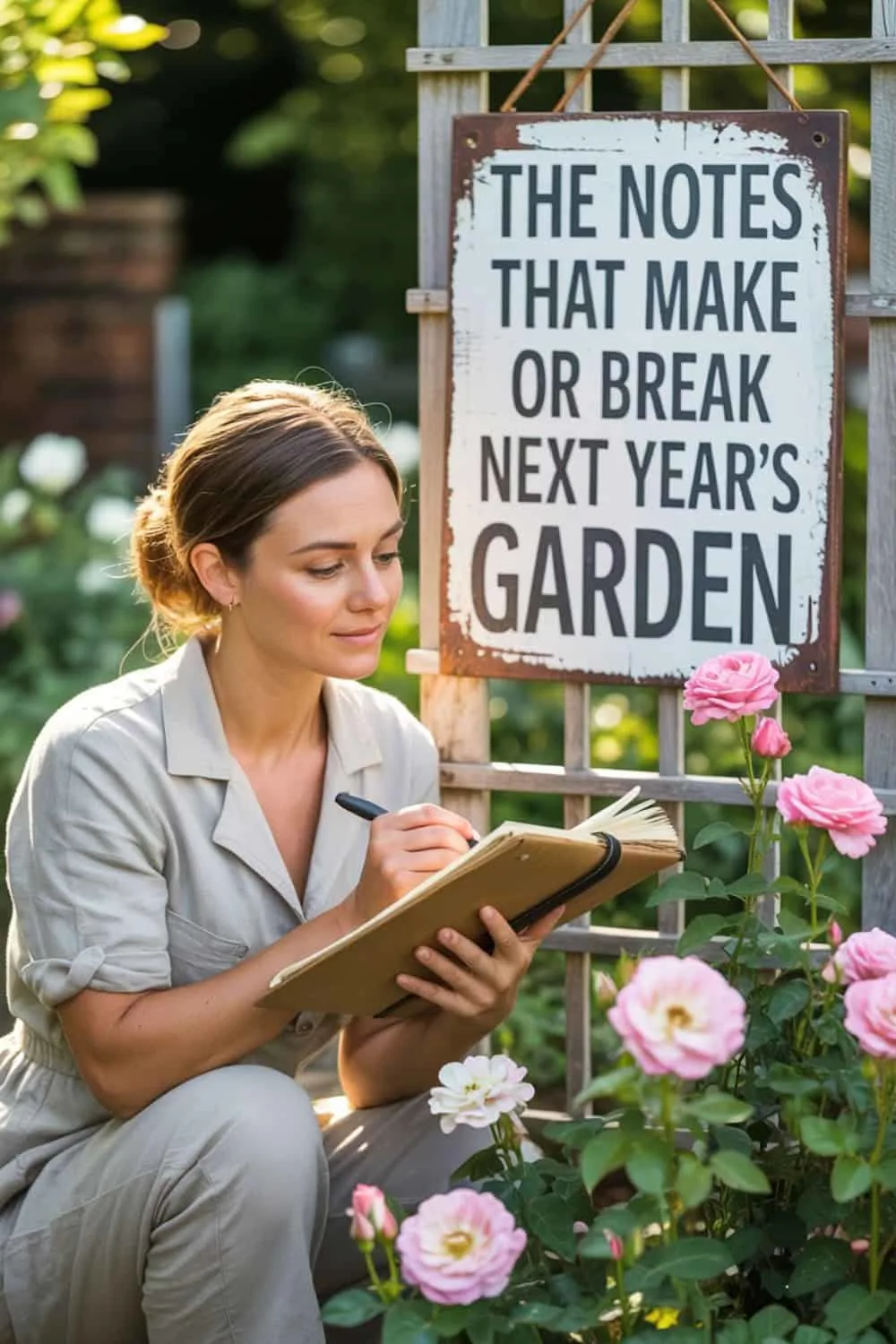
The truth is simple. Gardening memories fade fast. If you want better harvests and fewer headaches next year, you need to capture this summer’s lessons while they are still fresh. Grab a notebook, the back of a seed packet, or even your phone — just write it down now, because future you will not remember.
1. Spacing Lessons You Swore You Would Remember
Every gardener has been there. In spring the seedlings look tiny, so you tuck them in close. By August you have a jungle where tomatoes shade out peppers and zucchini leaves swallow your basil. You tell yourself you will remember to give them more room next year. You won’t — unless you write it down.
Note how wide each plant actually got. Write where it tangled with its neighbor. Make a simple sketch if that helps. Next year’s layout will be ten times better if you stop trusting your memory and start trusting your notes.
- Which plants fought for space.
- Which crops got shaded out.
- Which bed felt overcrowded fastest.
These quick scribbles now will save you from next summer’s jungle.
2. Watering Habits You Promised to Fix
Some weeks you drowned the beds, other weeks you forgot they even existed. The result? Cracked tomatoes, bitter cucumbers, and flowers that looked like they had given up on life. You probably thought, “next year I’ll be more consistent.” Truth is, unless you note the exact problems now, you’ll repeat the same yo-yo watering cycle.
Late summer is the perfect time to look back at which crops sulked when your watering slipped. Did lettuce bolt the second you skipped a few days? Did peppers turn yellow because the soil stayed soggy too long? Write it down while it’s fresh, because by spring you’ll only remember the pretty harvest photos, not the wilted failures.
- Which crops cracked, bolted, or turned bitter from irregular watering.
- Whether your watering schedule matched the heat waves.
- If your beds dried out too fast, note if mulch or drip irrigation is worth adding next year.
These details now will give you a realistic watering plan for next season instead of wishful thinking.
3. Variety Performance That Surprised You
Every year some varieties act like divas and others become the quiet heroes. Maybe that new “early” tomato you tried was still green when your old standby was loaded with fruit. Or the lettuce mix that promised heat tolerance bolted faster than anything else in the bed. These are the details you will forget by next March when glossy seed catalogs make every variety look perfect.
End of August is the moment to grade your crops honestly. Which bean kept producing when others fizzled? Which cucumber stayed sweet in the heat? Did any flower bloom longer than expected? Without notes, you are guaranteed to waste money on the same underperformers next year while forgetting the real winners.
- Top performers that thrived with little fuss.
- Disappointments that didn’t match their seed packet promises.
- Any variety you wish you had planted more of — or less of.
These notes save you from marketing hype and help you build a lineup that actually works in your garden.

4. Timing Issues You Don’t Want to Repeat
Some crops punished you this summer not because of the variety, but because of when you planted them. Maybe your lettuce went in too late and bolted before you got more than a handful of salads. Or your second round of beans got shaded out because the sun angle had already shifted. Timing mistakes are easy to make and even easier to forget once the season changes.
This is where writing things down pays off. By next year you won’t remember that cucumbers planted on July 10th barely produced, or that your zucchini was perfect until you sowed the last round a little too close to fall. What feels obvious today will fade in winter, and then the same errors repeat themselves.
- First sowings that thrived.
- Late plantings that flopped.
- Any “wish I started earlier” moments.
These notes turn vague regrets into a planting calendar tailored to your garden, not just your zone.
5. Pest Surprises You Didn’t See Coming
Every summer has its uninvited guests. Maybe it was spider mites that showed up out of nowhere in August, or a slug army that chewed holes in everything during a wet spell. Sometimes it is not even a new pest, but one that arrived earlier or hit harder than you expected. These surprises are easy to curse about in the moment and just as easy to forget by next spring.
If you don’t write down when and where the trouble started, you’ll walk into the same ambush again. A few notes now about which crops were hammered and what seemed to trigger the outbreak can save you a lot of grief next year. Even simple observations like “aphids loved the kale in July” or “squash bugs peaked after heavy rain” will help you time preventative moves better.
- The exact crop pests targeted.
- The month or conditions when they showed up.
- Any quick fixes you tried that worked (or failed).
Next year, those notes turn pest drama into a playbook.
6. Fertilizer and Soil Lessons Learned
If summer showed you yellow leaves, stunted growth, or flowers that fizzled, chances are the issue was nutrition or tired soil. It is tempting to shrug and assume “bad season,” but most of these clues point straight back to what went into the ground. Too much nitrogen can give you endless leaves but no fruit, while too little phosphorus leaves roots and blooms struggling. Soil that dries out or compacts easily is just as telling.
Writing down what you fed and when you fed it helps you spot patterns. Did the peppers stall right after you skipped a mid-season boost? Did the beans grow like crazy with compost alone? These little details are gold when planning what to add next year. Soil is not a mystery if you treat it like a running experiment and note the results.
- Record every fertilizer or amendment you used and the date applied.
- Note the crops that thrived or struggled afterward.
- Add observations on soil texture — did it crust, compact, or stay loose?
This way, you build a personalized soil and feeding guide tailored to your own garden.
7. Harvest Notes
Every gardener has kicked themselves for waiting a day too long. Zucchini turn into baseball bats, cucumbers grow bitter, and beans get stringy while you blink. On the other side, picking too early can mean bland tomatoes or peppers that never fully sweeten. These little missteps add up, but they are also some of the easiest lessons to capture for next season.
Harvest notes are not just about dates. They are about observing the sweet spot — the moment when the fruit, leaf, or pod was at its best. Write down when things tasted perfect, when they soured, or when they seemed to go from ripe to ruined overnight. These observations are far more useful than the generic timelines printed on seed packets.
- Jot down the exact week or date when each crop tasted best.
- Note which varieties held quality on the vine and which went downhill fast.
- Record kitchen results too — which crops stored well, froze well, or spoiled quickly.
With these details, you create your own harvest calendar that beats any seed catalog guesswork.
How to Make Next Summer Easier
The beauty of garden mistakes is that they rarely go to waste if you capture them. Each slug ambush, bolted lettuce patch, or overripe zucchini is a note waiting to be written down for your future self. By recording what went wrong and what went surprisingly right, you build a personalized guidebook that no generic gardening calendar can match.
September is the perfect moment to take stock. The season is still fresh in your memory, but the urgency of planting has slowed down. Grab a notebook, a gardening app, or even a stack of sticky notes, and jot down the lessons. Come spring, you will be flipping through a playbook filled with insights written by the best teacher you have — your own garden.
Future you will thank you for the effort. A few scribbles today could mean fewer frustrations, better harvests, and the kind of garden that feels less like a gamble and more like a sure thing.
🌿 Key Takeaways
- Your memory fades faster than you think — write down this year’s lessons while they are still fresh.
- Track spacing, timing, varieties, and pests — these notes become your custom gardening calendar for next year.
- Simple tools work — whether a notebook, sticky notes, or an app, the best system is the one you actually use.
- Future you will thank present you — a little recordkeeping now can turn next summer’s garden into your easiest yet.
❓ Frequently Asked Questions
- Do I really need to track weather?
Yes. A note about heatwaves, droughts, or late frosts helps explain odd results in harvests and plant health. - What if I only grow in containers?
Still useful. Record which pot sizes worked best, how fast soil dried out, and which crops thrived versus struggled. - Should I track exact dates for planting and harvest?
Absolutely. Those dates become your personal planting calendar tailored to your climate. - How detailed should my notes be?
Even one or two sentences per crop is enough. Think “cucumbers too close together” or “tomatoes loved extra compost.” - Do I need a fancy garden journal?
No. A cheap notebook, sticky notes, or even a folder in your phone works just as well as a pricey journal. - Is it worth noting failures?
Yes. Failures teach more than successes, and you will forget them by spring if you don’t jot them down now.


Daniel has been a plant enthusiast for over 20 years. He owns hundreds of houseplants and prepares for the chili growing seasons yearly with great anticipation. His favorite plants are plant species in the Araceae family, such as Monstera, Philodendron, and Anthurium. He also loves gardening and is growing hot peppers, tomatoes, and many more vegetables.